Chain storms generated by the Polar Vortex
Due to global warming, the Polar Vortex has shifted to relatively uncommon latitudes, below the 42nd parallel north, where the Azores High has historically exerted influence. The Polar Vortex, a large area of low pressure and cold air over the poles, frequently weakens and shifts toward lower latitudes (below the 42nd parallel north, affecting much of the United States, Europe, and Asia), although not with the same intensity every year.
The disappearance, or more frequently, the displacement/weakening of the Azores High when the Polar Vortex "breaks down" (a phenomenon known as Sudden Stratospheric Warming, SSW) is a readjustment process in the upper atmosphere that propagates toward the surface..
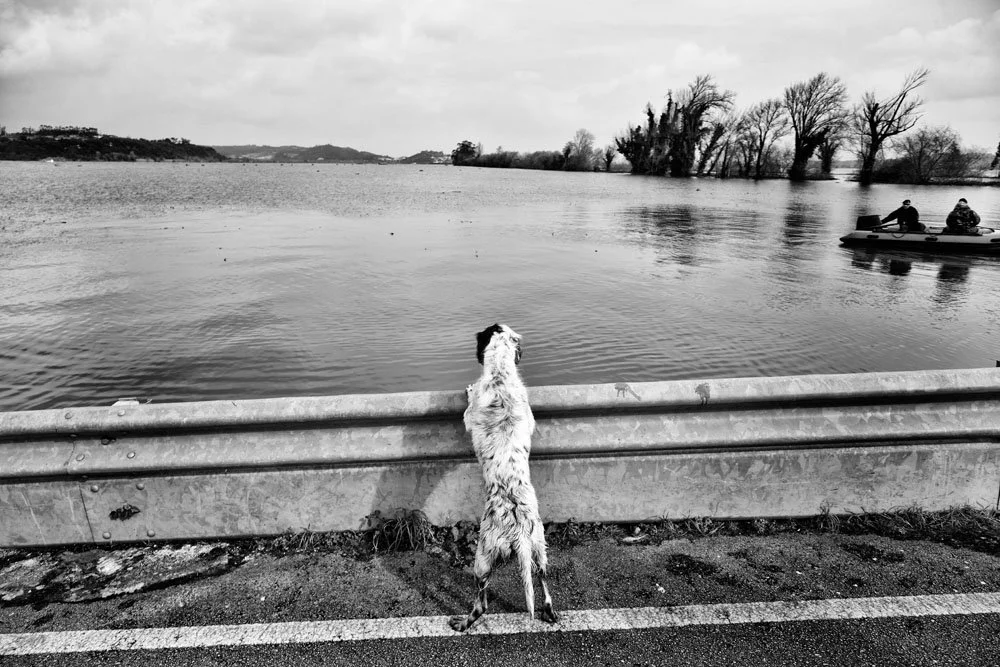
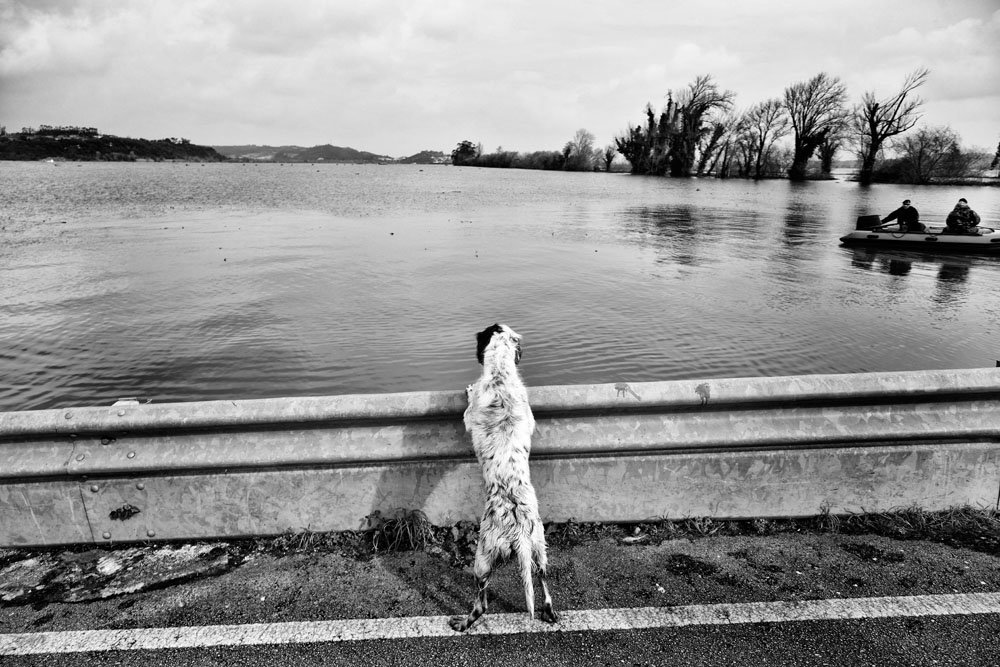
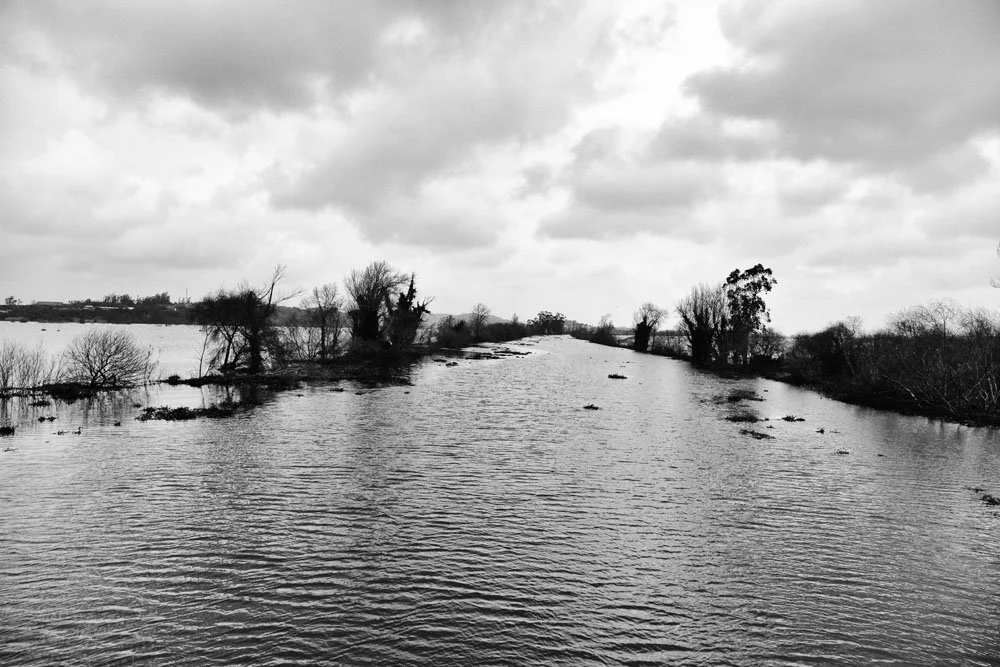
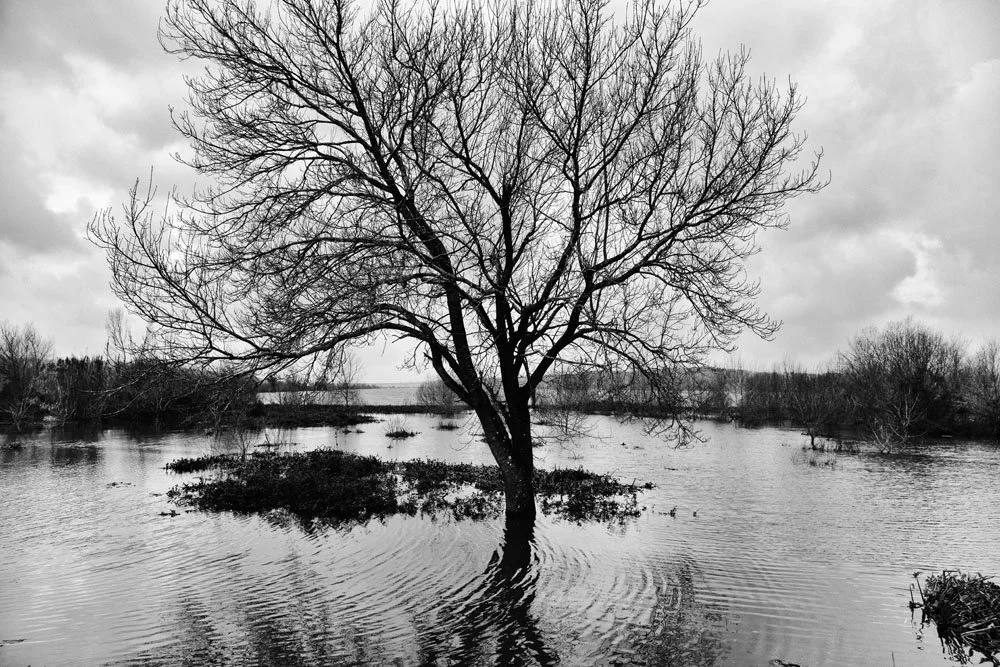
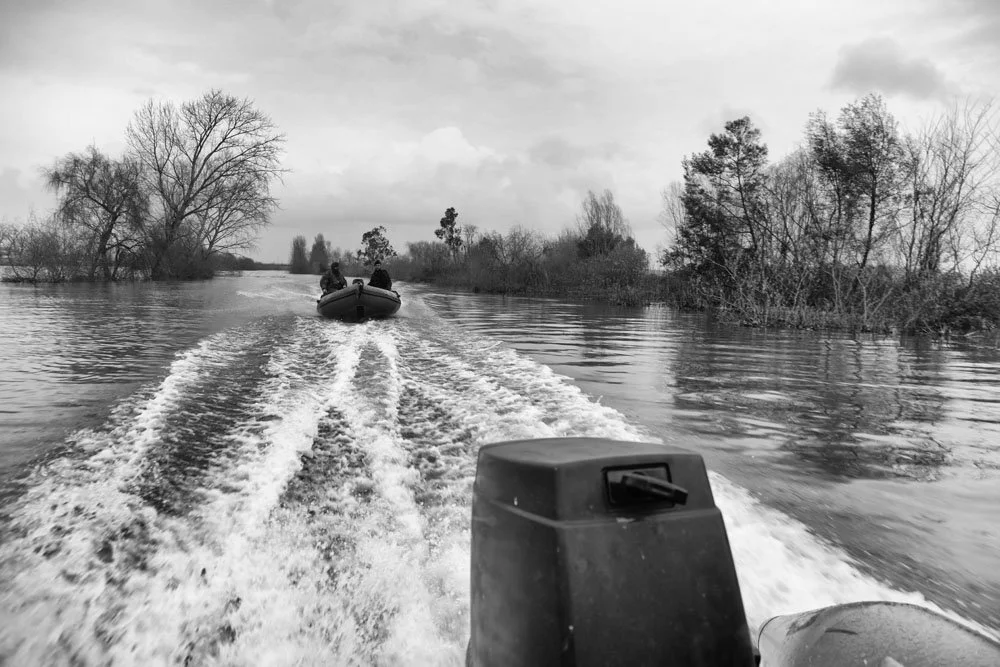
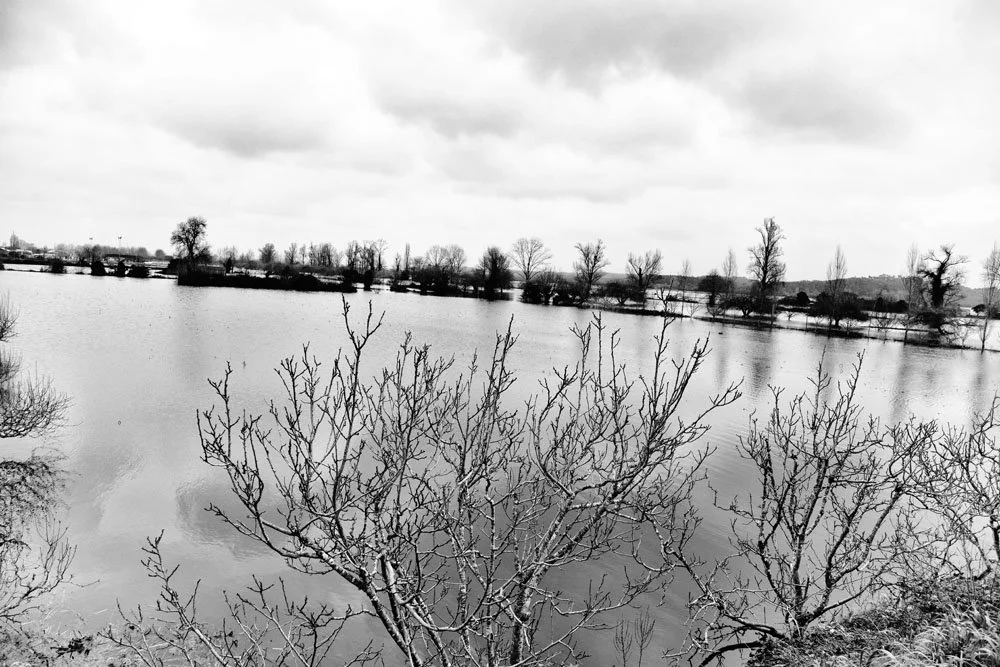
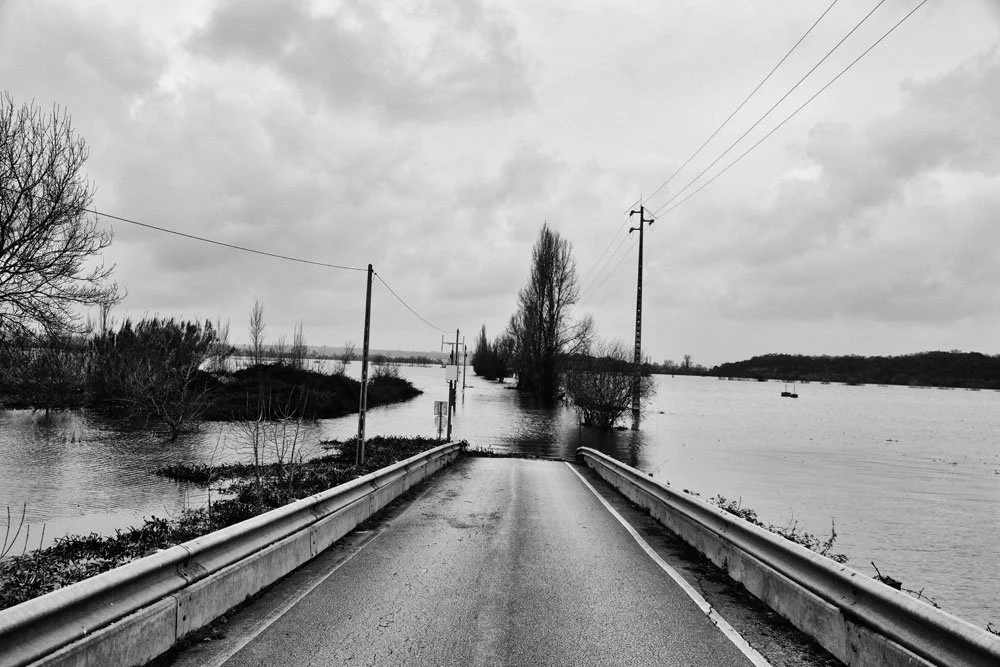
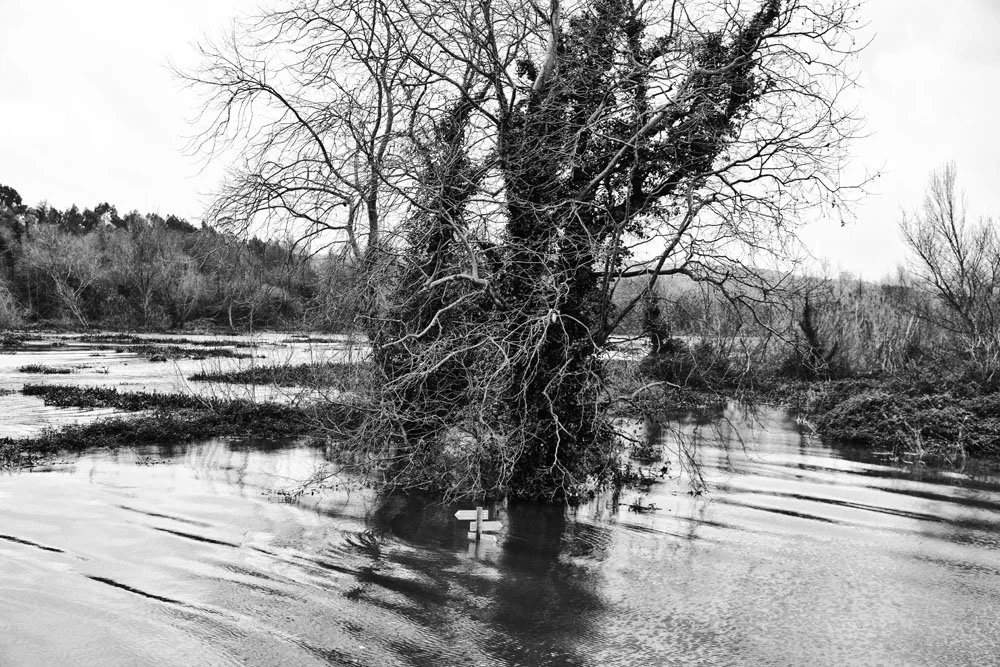
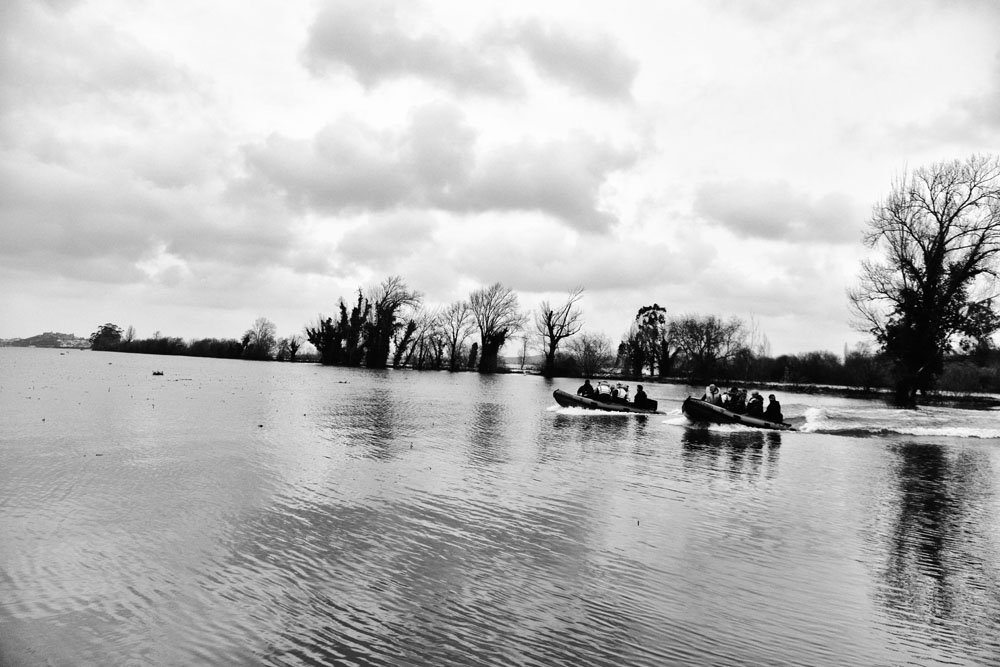
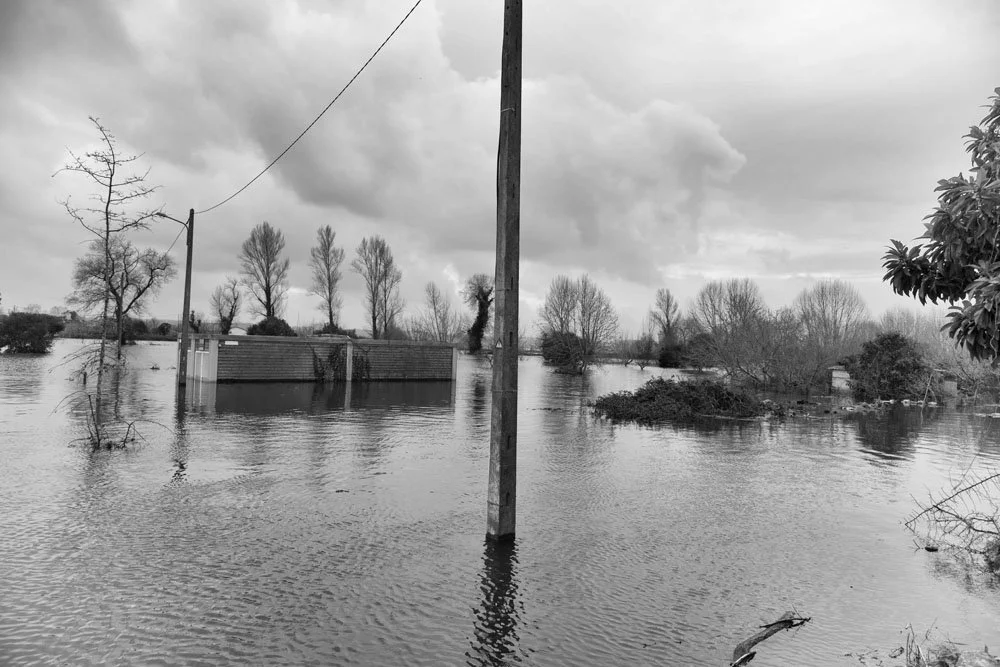
EREIRA, Portugal, 12.02.2026.- View from the road leading to the village of Ereira, Portugal. Where there were once fields, there is now more than a meter of water due to the collapse of structures along the Mondego River. Where there was once cultivation and solid ground, there is now only water, which has ruined the 2026 harvest. These so-called "cheias" (floods in Portuguese) are not new, and companies like Navigator, which purchases millions of liters of water for paper manufacturing at its factory in Figueira da Foz, are partly responsible for them.
The disaster, which could be avoided by building and maintaining good dikes on the Mondego River, is not a new problem. Locals remember it well. Where there is now water, there used to be fields of grain.
Displacement of the Anticyclone: This upper-level instability causes the Azores High, which is usually "anchored" in the mid-Atlantic blocking storms, to weaken or shift to higher latitudes (towards Greenland or Scandinavia). The breakup of the polar vortex destabilizes atmospheric circulation aloft, forcing the Azores High to shift or weaken, allowing cold polar air and storms to invade the central Atlantic and Europe.
The consequence: As the anticyclone shifts or weakens, it ceases to act as a "shield" for Western Europe and the Iberian Peninsula. This opens a "highway" for Atlantic storms and masses of cold polar air to descend directly south, bringing instability, rain, and cold temperatures.
Frequency: Polar vortex breakup or "displacement" events, which allow cold air to move south, occur approximately every two years.
Context of the events: Although vortex weakening has been observed since the 1950s, recent decades have seen significant episodes that have brought Arctic air to very low latitudes, such as in 2014, 2019, and 2021, with intense forecasts for early 2025 and 2026.
42°N Parallel: This line crosses the northern United States (points near Chicago, Boston, and southern Oregon) and, on the Iberian Peninsula, Galicia lies approximately between 41°N and 44°N. When the vortex weakens (usually due to sudden stratospheric warming), polar air breaks through the jet stream barrier and descends significantly below this line, reaching places like Texas and southern Europe.
Trend: Although the phenomenon is natural, scientists indicate that breakup events have become more noticeable in the last decade, with a "polar vortex winter 2013/2014" and an "extraordinary" collapse in February 2021.
In short, it's not a single occurrence (for example, "5 times"), but a recurring event (approximately every two winters) that has happened dozens of times since detailed records began in the 1950s.
From late 2025 to mid-February 2026, Galicia and Portugal were affected by a series of storms that resulted in 16 deaths. Southern Spain, specifically Andalusia, was also affected.
The most serious situation occurred in Portugal, with fatalities due to severe wind and rainstorms. The Leiria area was severely affected, and as of February 14, the Coimbra area was still battling flooding. Only with the arrival of the Azores High will the situation begin to improve. There is an increasingly solid scientific link between climate change and the unstable behavior of the polar vortex, which in turn explains the series of storms that recently affected Galicia and Portugal. Although the polar vortex is a natural phenomenon, global warming is altering its functioning.
This is one of the connections between storms and climate changes.
Arctic Warming: Climate change is causing the Arctic to warm faster than other parts of the planet. This reduces the temperature difference between the pole and mid-latitudes.
Weak Polar Vortex: As this temperature difference decreases, the polar vortex (the aloft-level current of cold air) weakens, becoming more unstable and wavy, instead of keeping the cold air tightly confined to the pole.
Breakdown and Displacement: When the vortex weakens, it can break down or shift, allowing cold air masses and intense storms to descend to lower latitudes, such as the Iberian Peninsula.
Storm Trains: Studies indicate that this unstable vortex behavior, along with a slower and more meandering jet stream, favors the arrival of successive storm trains and more violent storms, connecting the ocean's warmth with the polar cold.
In short: Although the cold of storms seems contradictory to global warming, science suggests that the climate crisis is causing the polar vortex to weaken more frequently, sending polar air southward and causing extreme and persistent weather conditions in places like Galicia and Portugal.
A trail of destruction
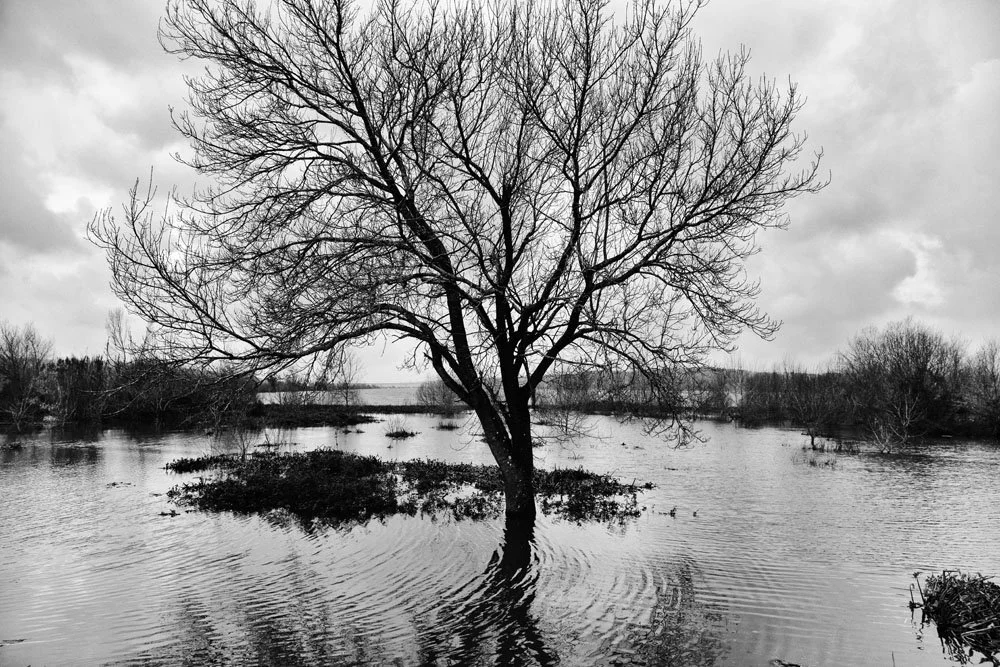
Ereira, Montemor-o-velho. Portugal. 12.02.2026.
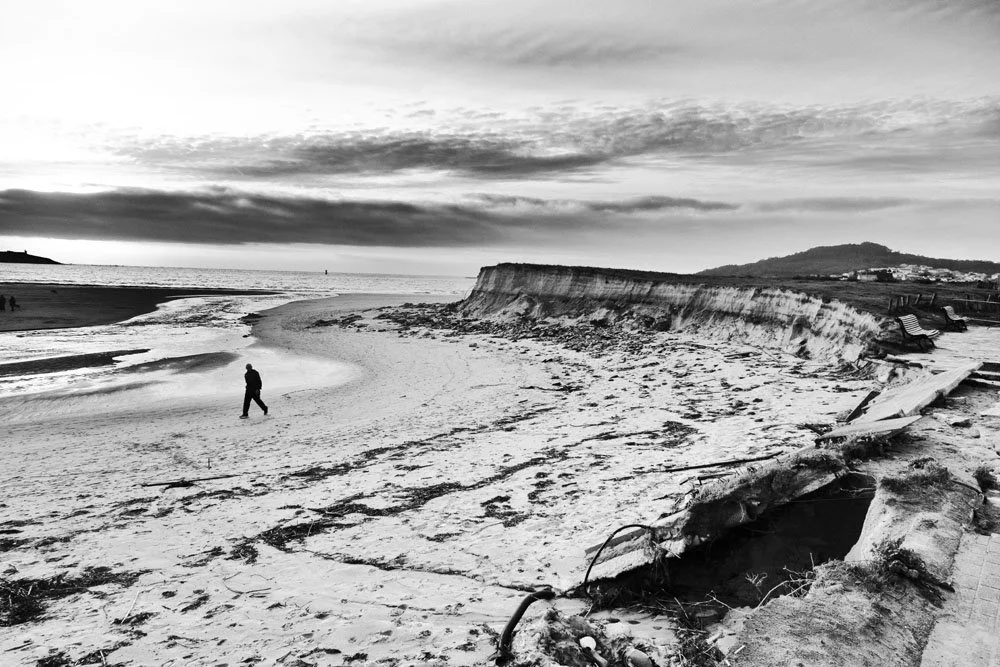
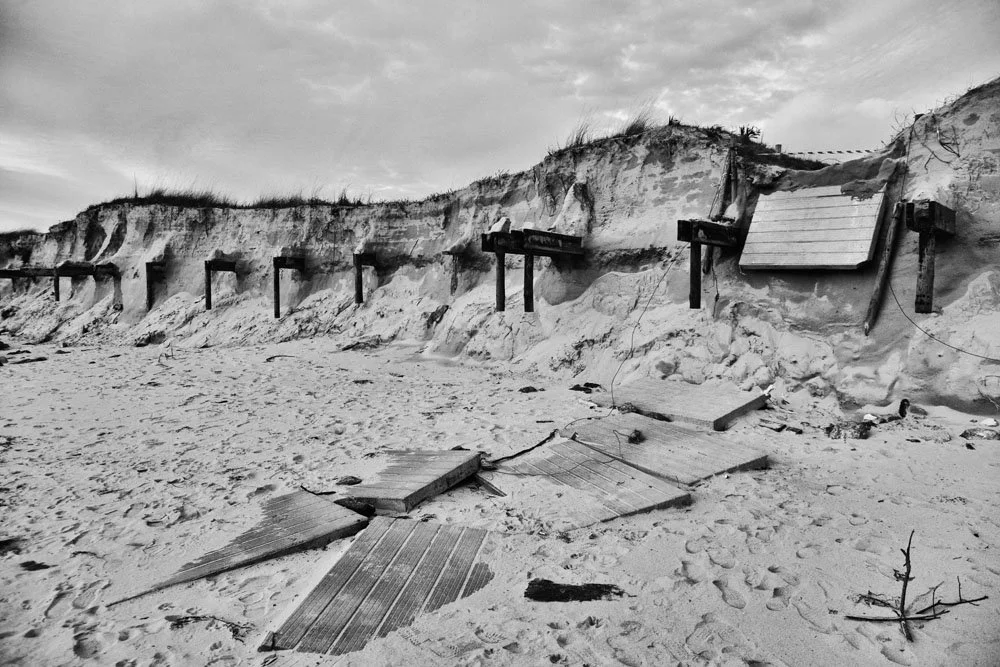
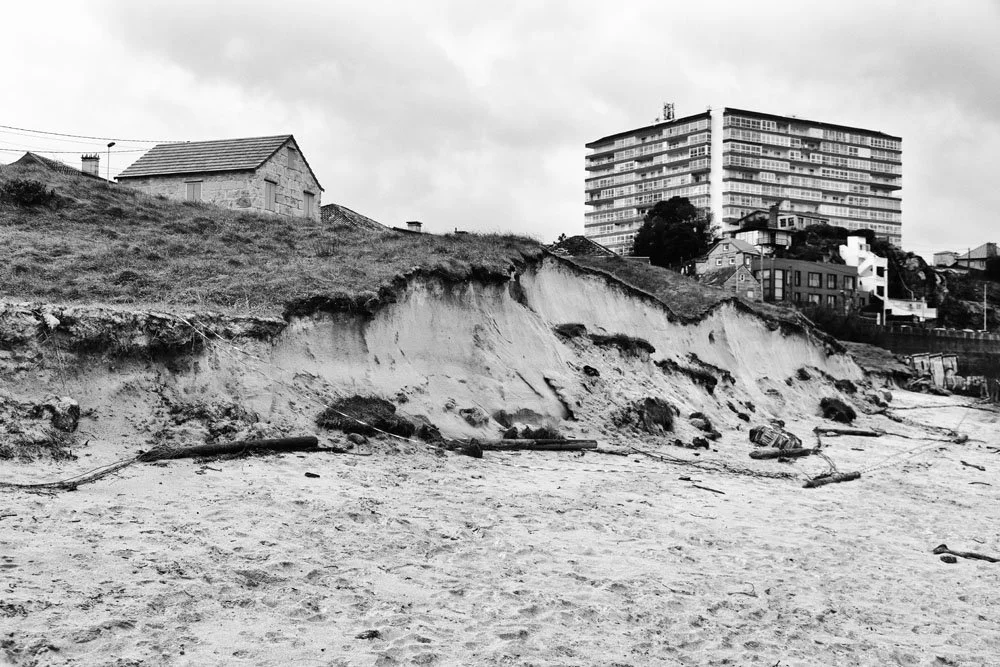
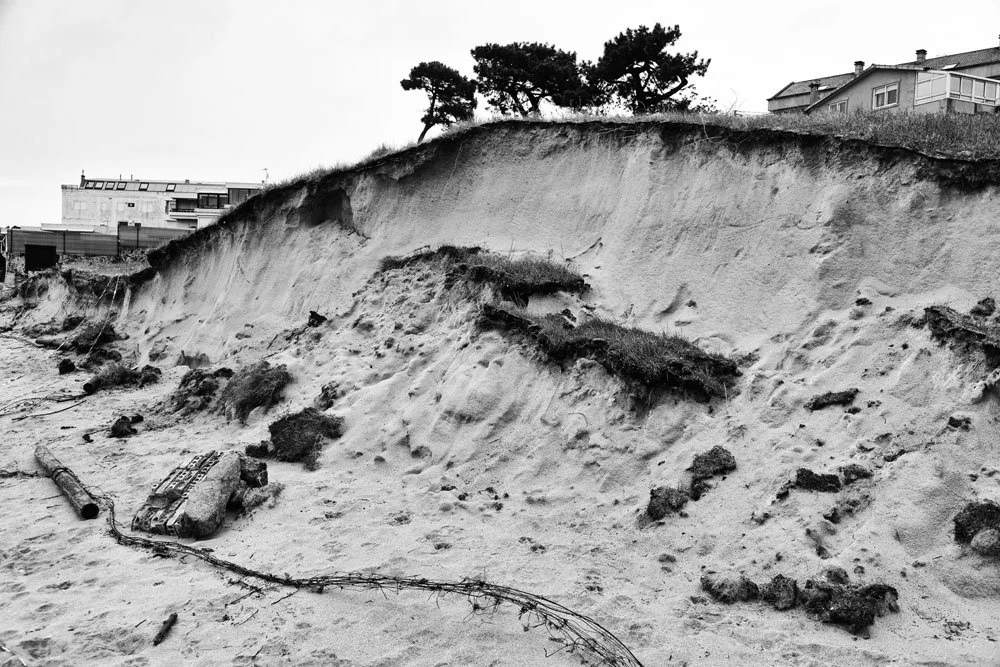
Dune and Beach Erosion
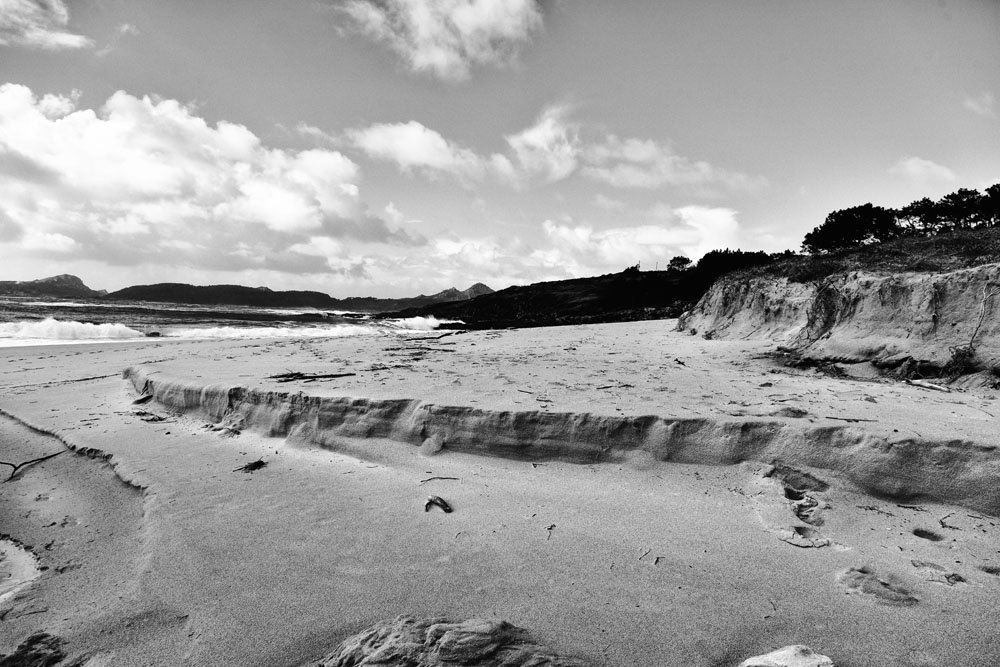
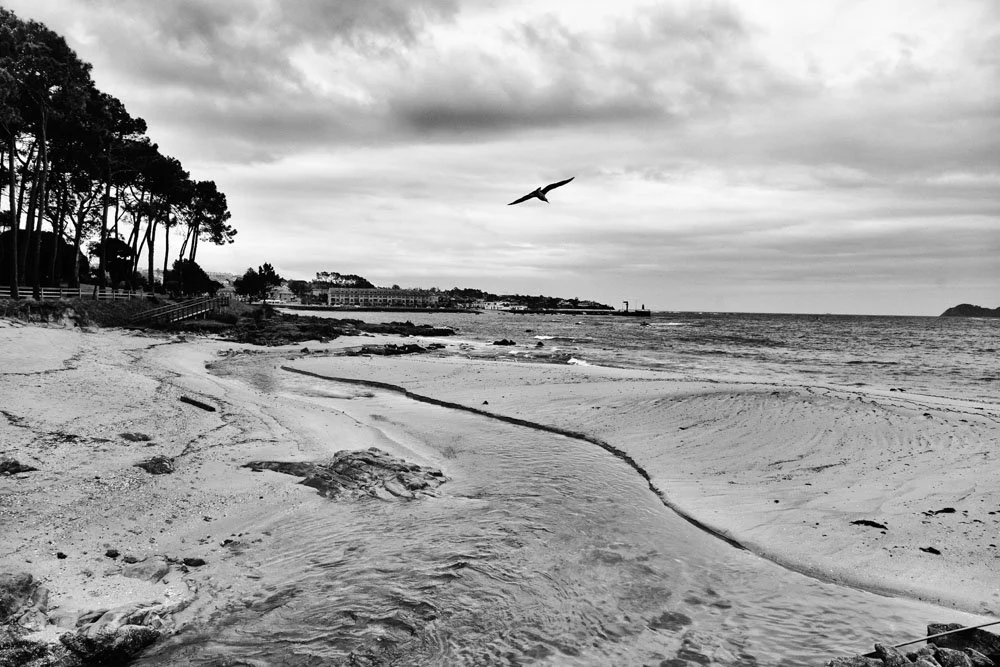
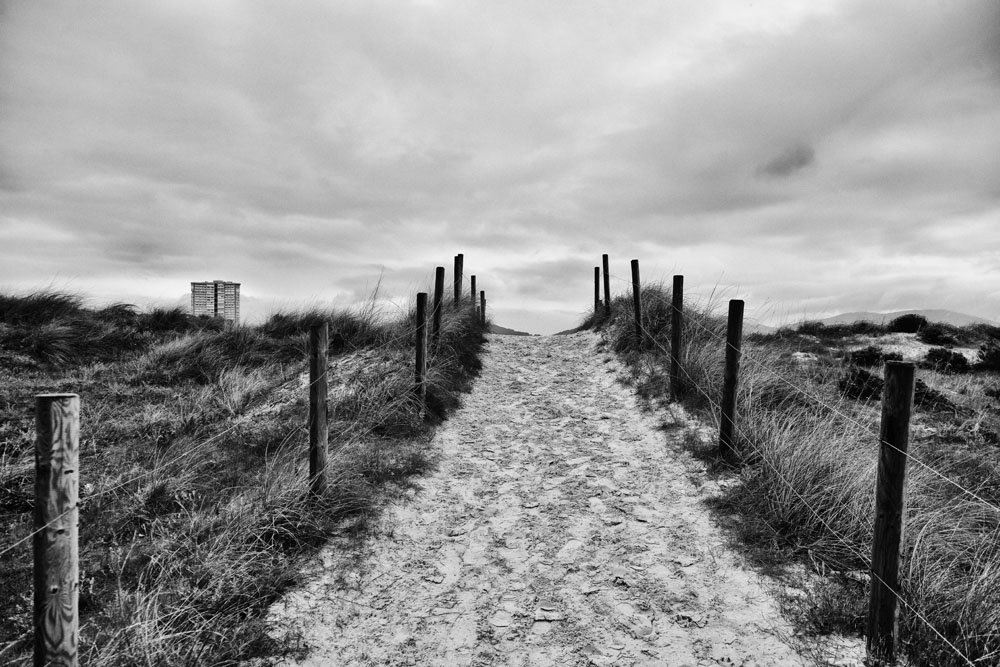
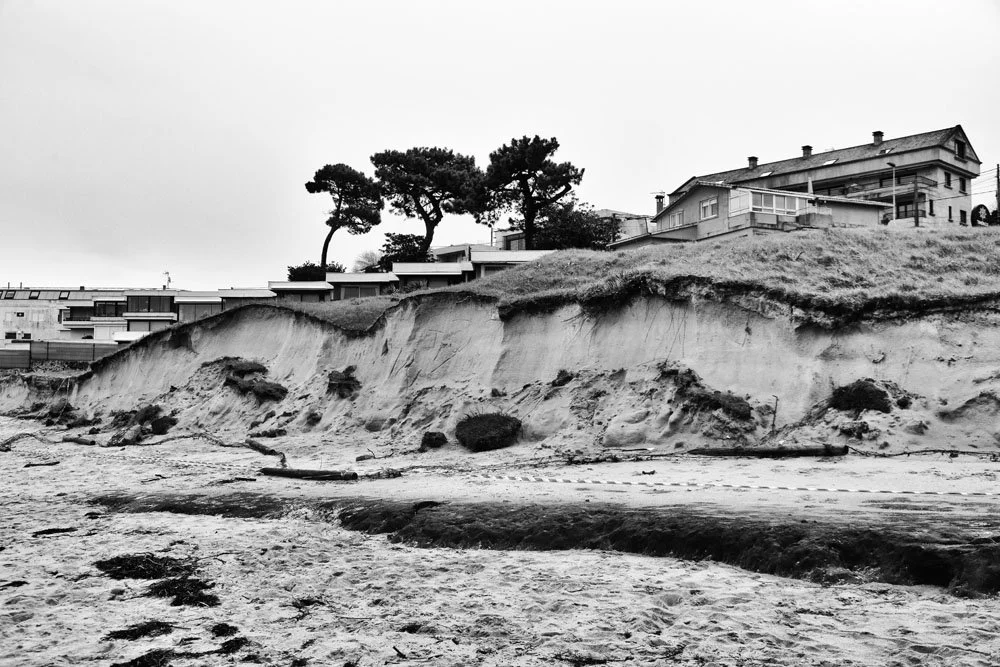
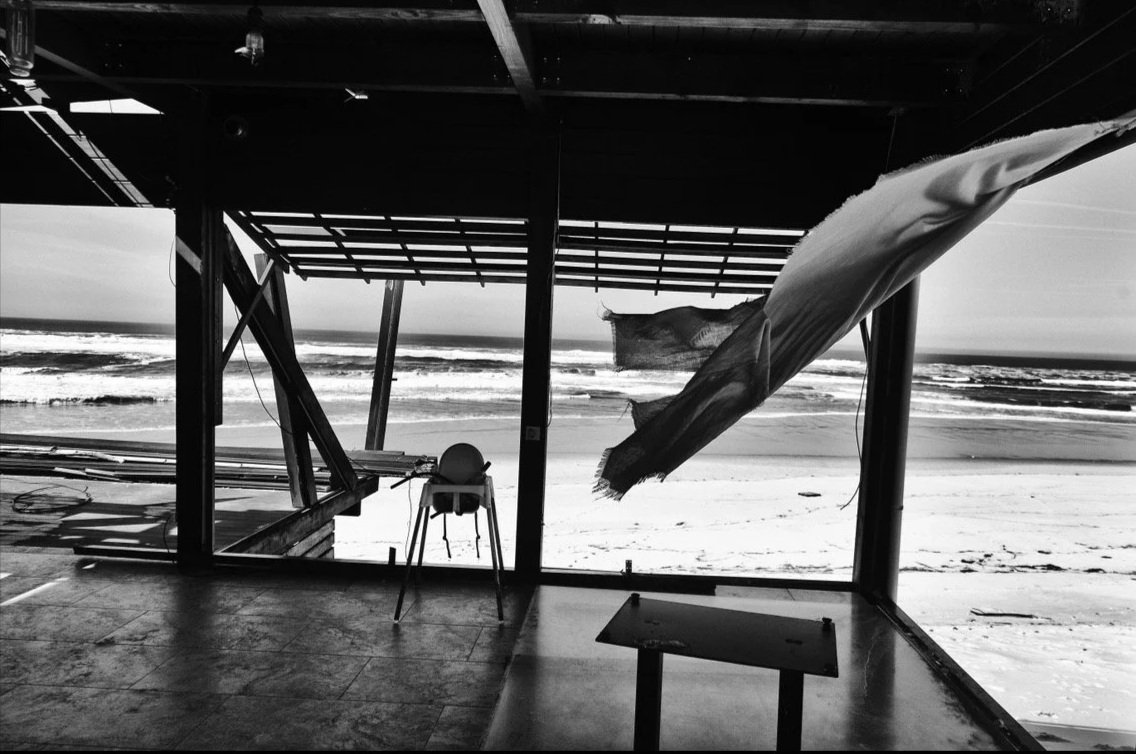
The sea, wind, and rain have eroded beaches with unimaginable fury. The damage caused is also due to the massive destruction of dune areas in the last century, and despite slow awareness, this has resulted in the lack of a natural protective barrier. The sea is demanding its due.
Low Salinity for Marine and Shellfish Farming
Another major problem caused by the excess water flowing from the mountains and reservoirs reaches the sea and shellfish harvesting areas, lowering salinity and consequently impacting the farming of species such as clams, cockles, razor clams, and all those species that thrive on the beaches of the coast, especially in the Rías Baixas. Fishing boats have been unable to go out for weeks due to bad weather, leading to shortages in the sector and reduced exports to inland cities of the Iberian Peninsula.