Décolonisation
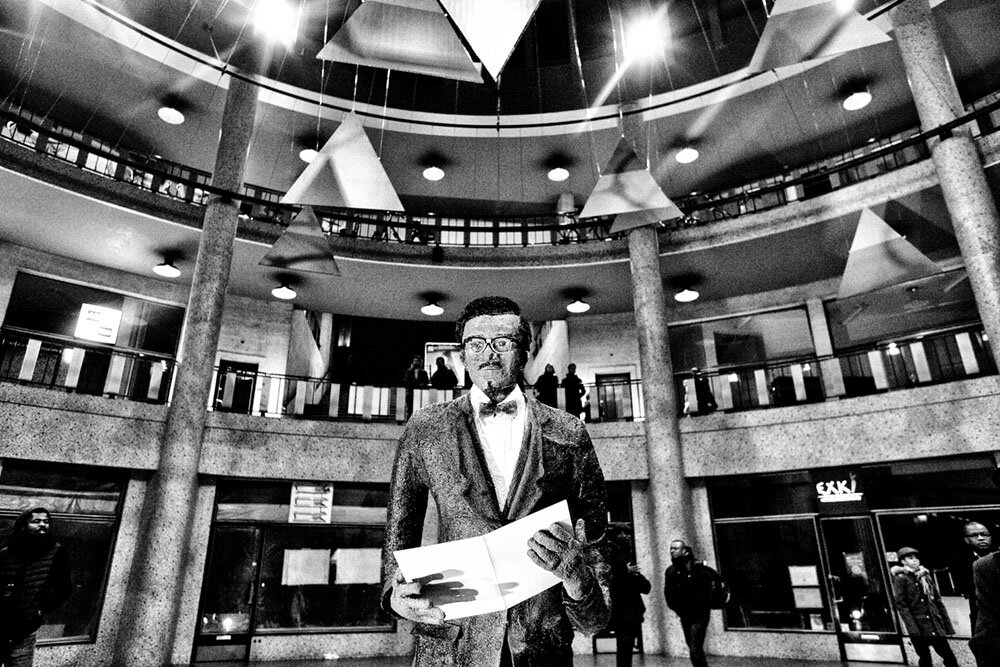
Documentary photo essay, documentary long-term and visual anthropology project about the “décolonisation” and withdrawal in Brussels of the symbols from the colonization campaign of King Leopold II. It is estimated that between 5 and 10 million people died as a direct result of the brutal regime of exploitation and forced labor imposed by King Leopold II of Belgium in the Congo Free State between 1885 and 1908.
(In progress)
#visualanthropology #africanmuseum #Congo #genocide
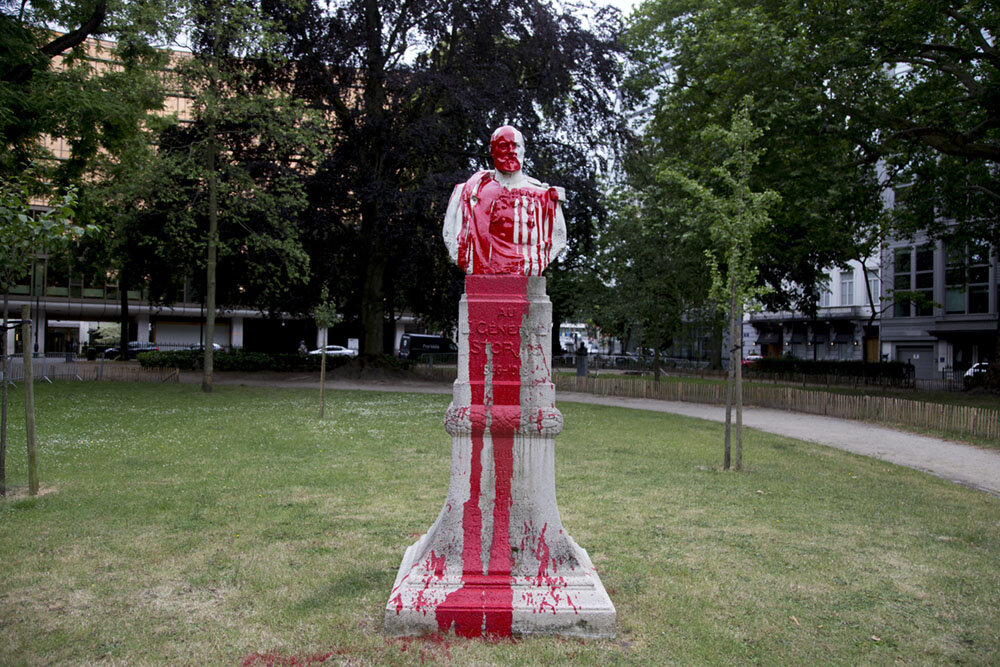
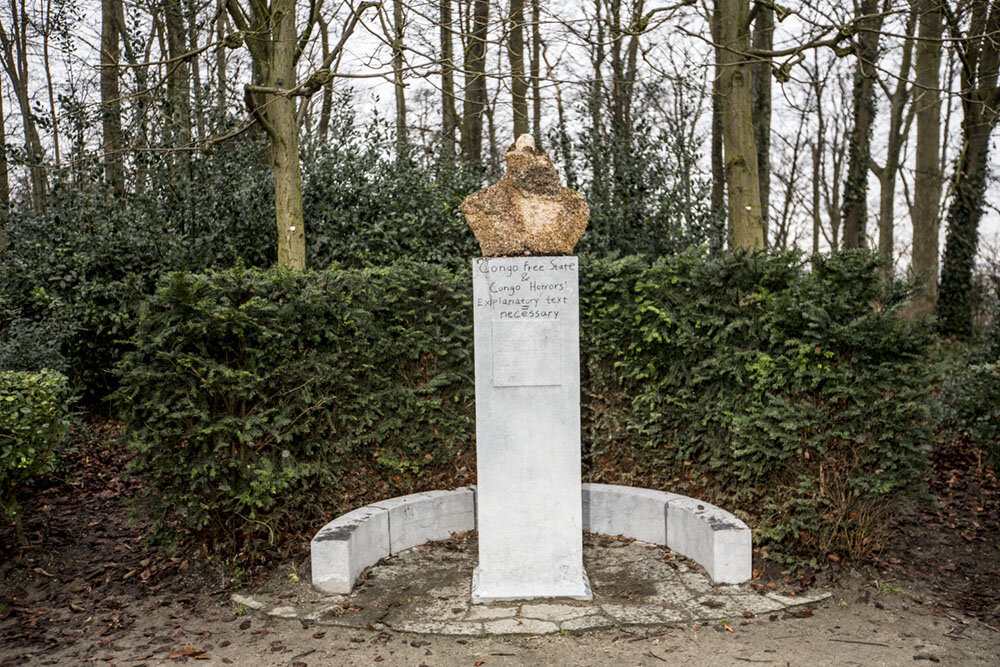
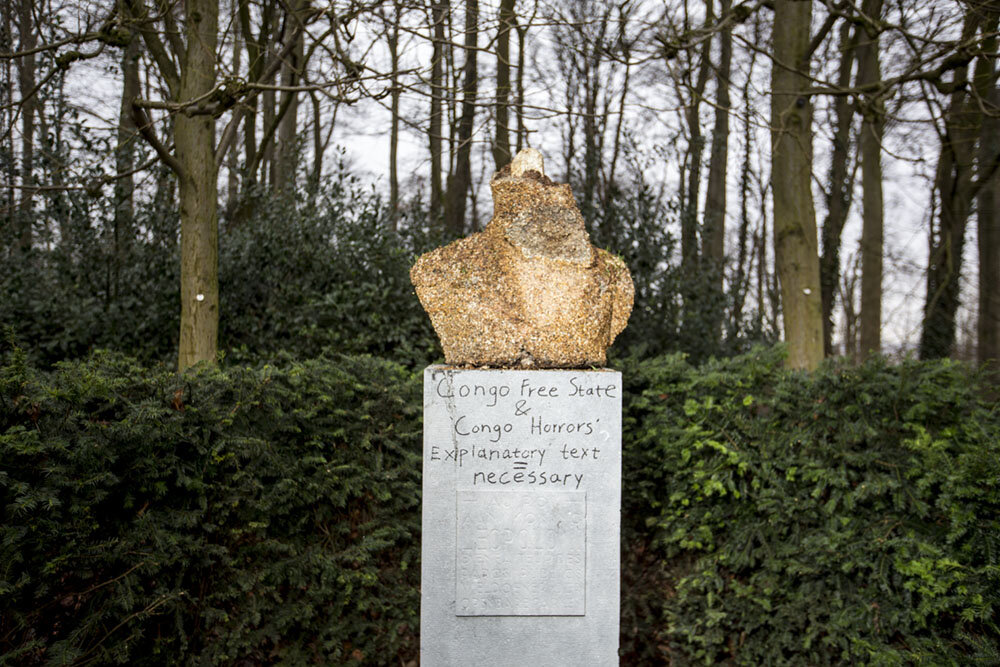
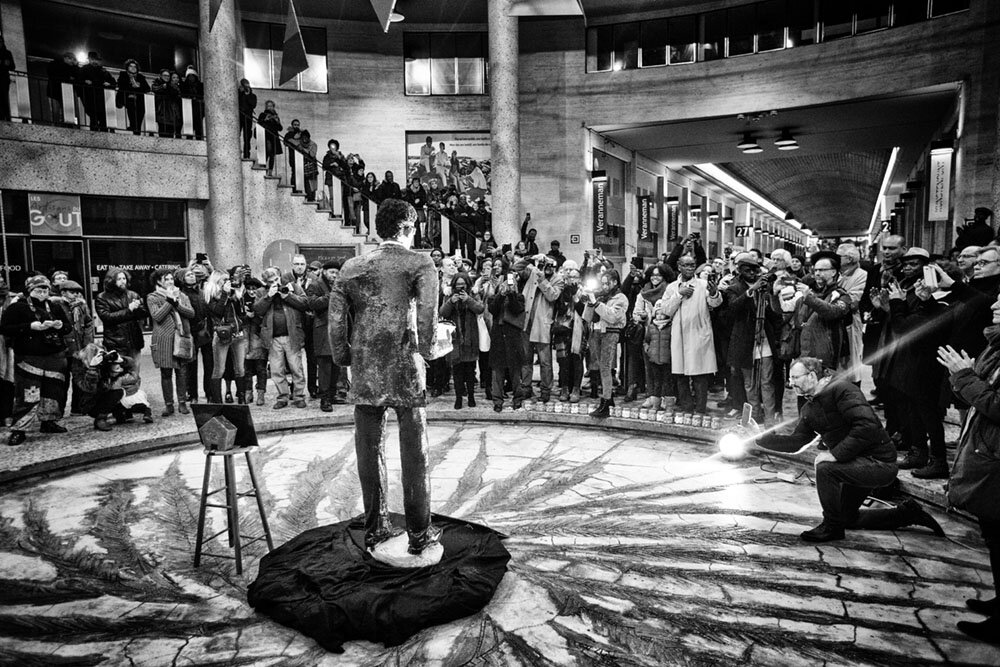
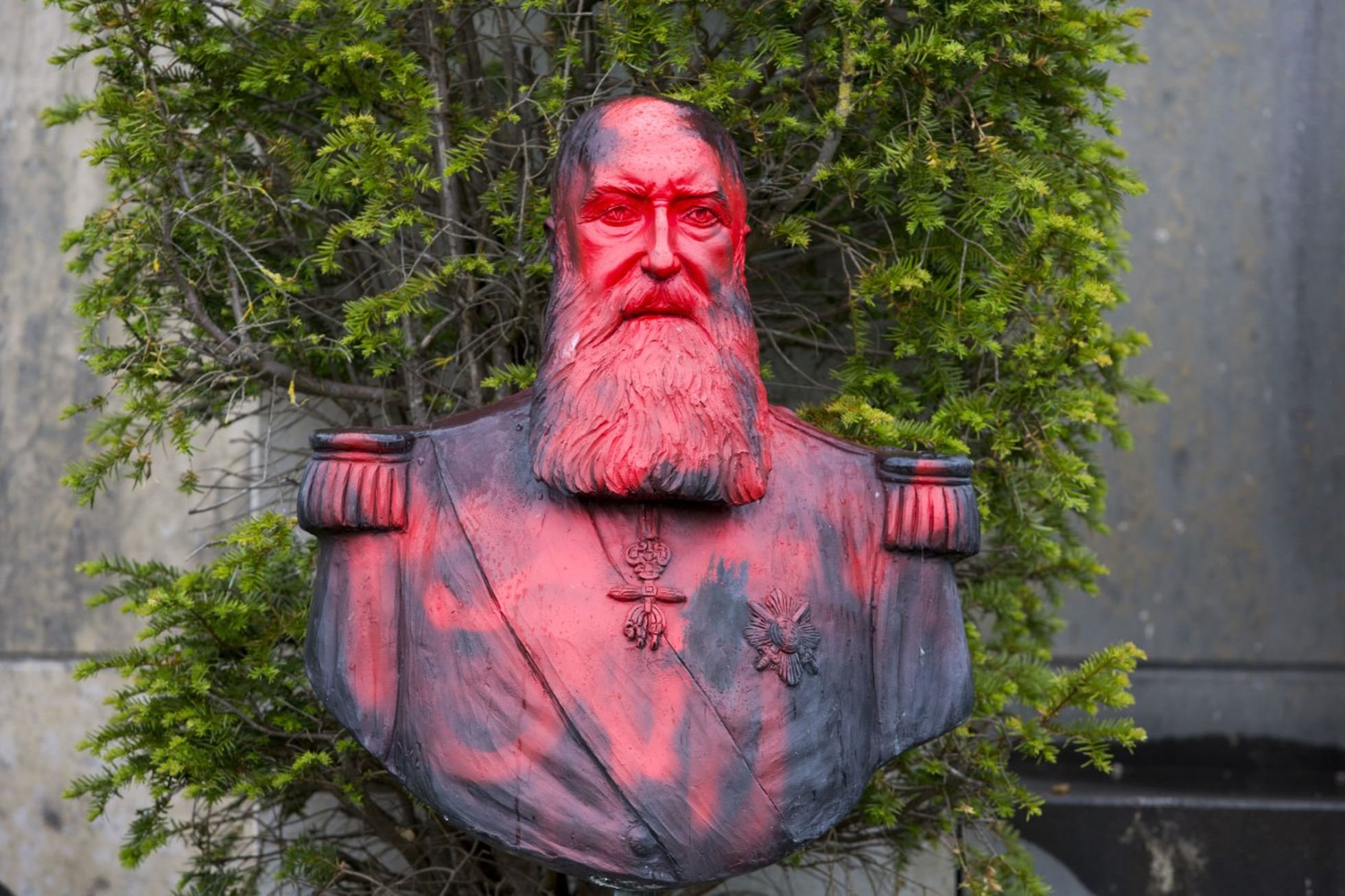
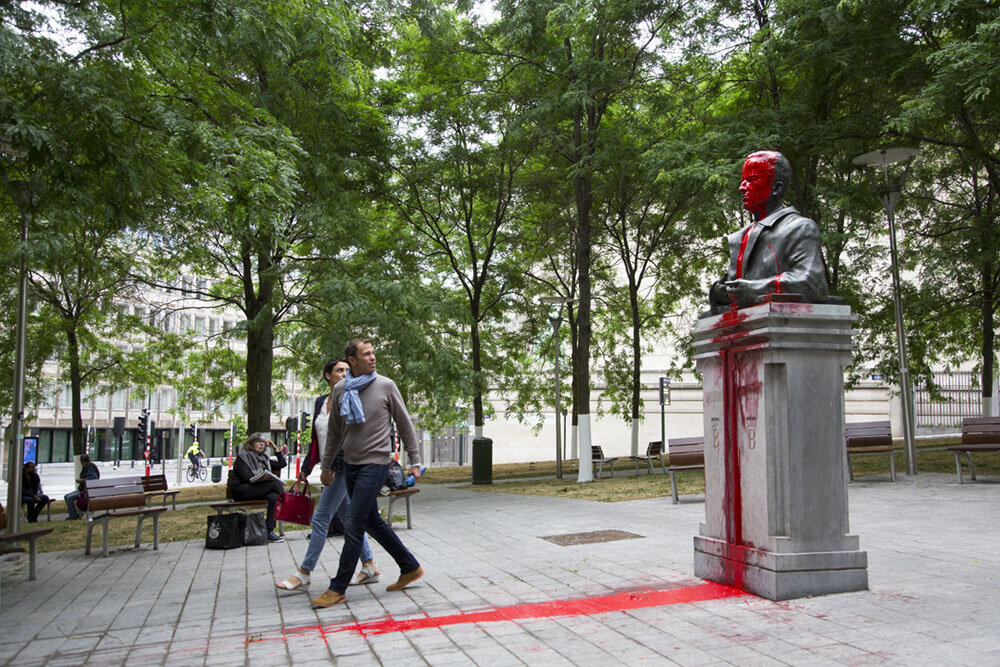
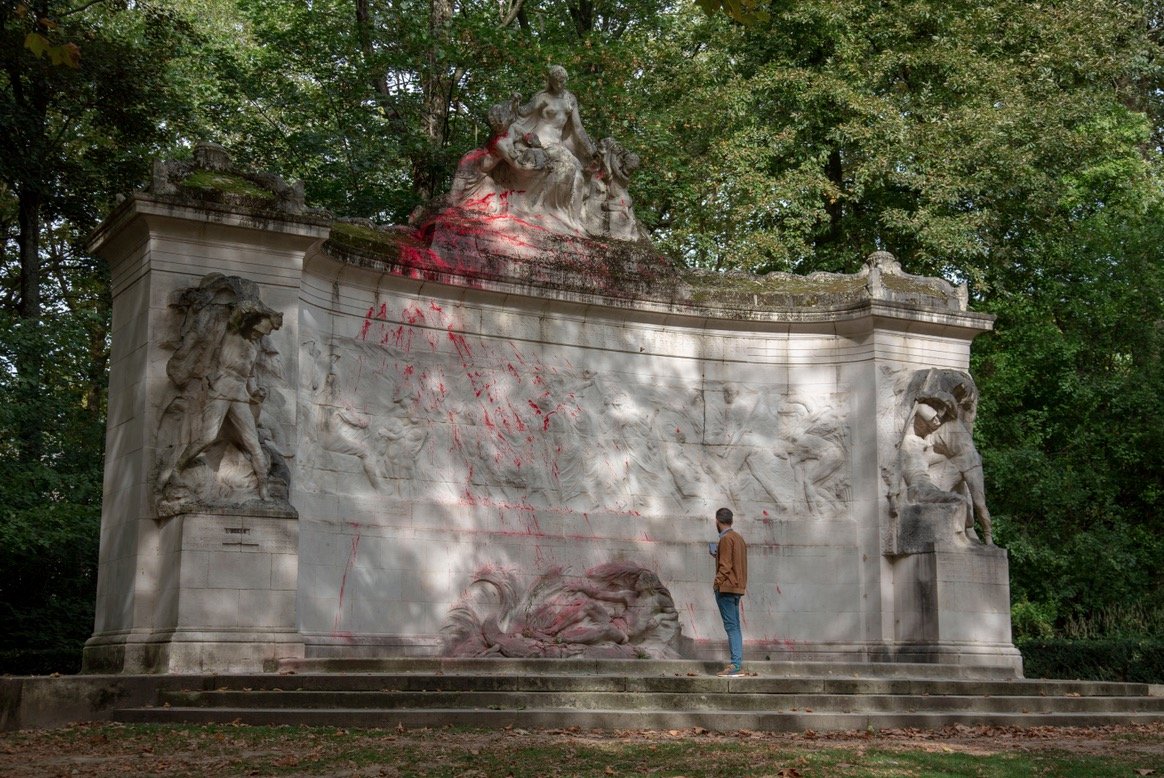
Ixelles, Brussels, Belgium, Friday, June 12, 2020. Sculpture of Émile Storms painted red to resemble the blood he shed during his time in the Congo. Storms was one of King Leopold II's most bloodthirsty officers.
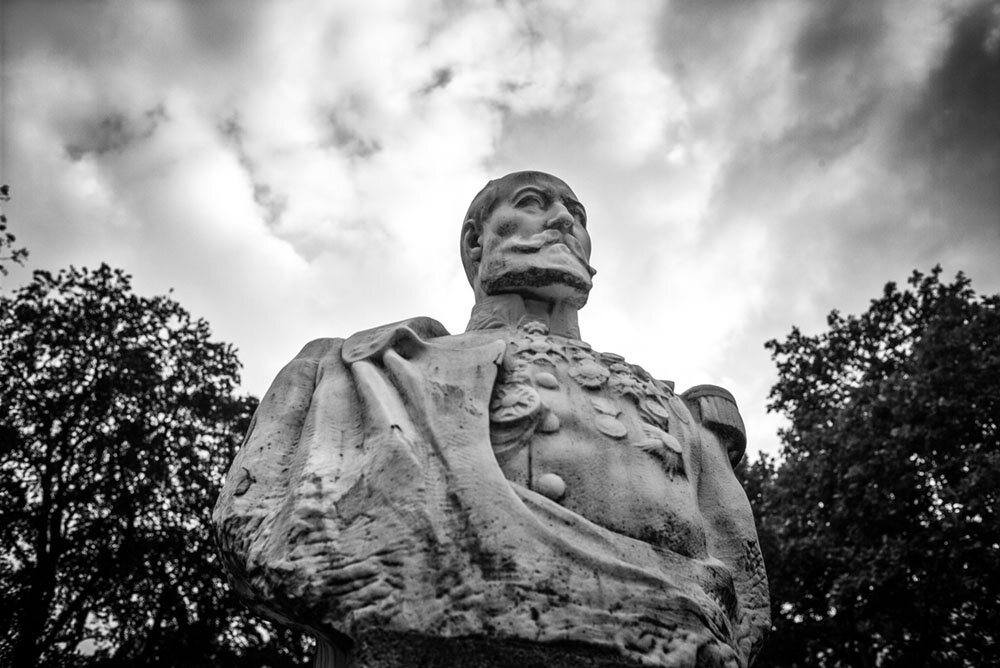
He is remembered, among other brutal actions against the population, for his raid on the village of Lusinga in 1884. During this expedition, the village chief was beheaded, and his head was taken to Belgium. The skull was kept at the Royal Museum of Contemporary Art (MRCA) until 1964 and was later transferred to the Royal Belgian Institute of Natural Sciences.
The skull of Prince Kapampa, captured and beheaded by the Belgian officer Émile Storms, is also preserved.
Decolonization in Brussels is primarily centered on the work of remembrance and the transformation of public space to reflect a more inclusive history. Led by the Brussels Region, this societal and political process translates into concrete actions.
Regional Action Plan: Approved in May 2023, the plan "Towards the Decolonization of Public Space in the Brussels-Capital Region," coordinated by Urban.brussels, includes 14 actions to examine colonial legacies.
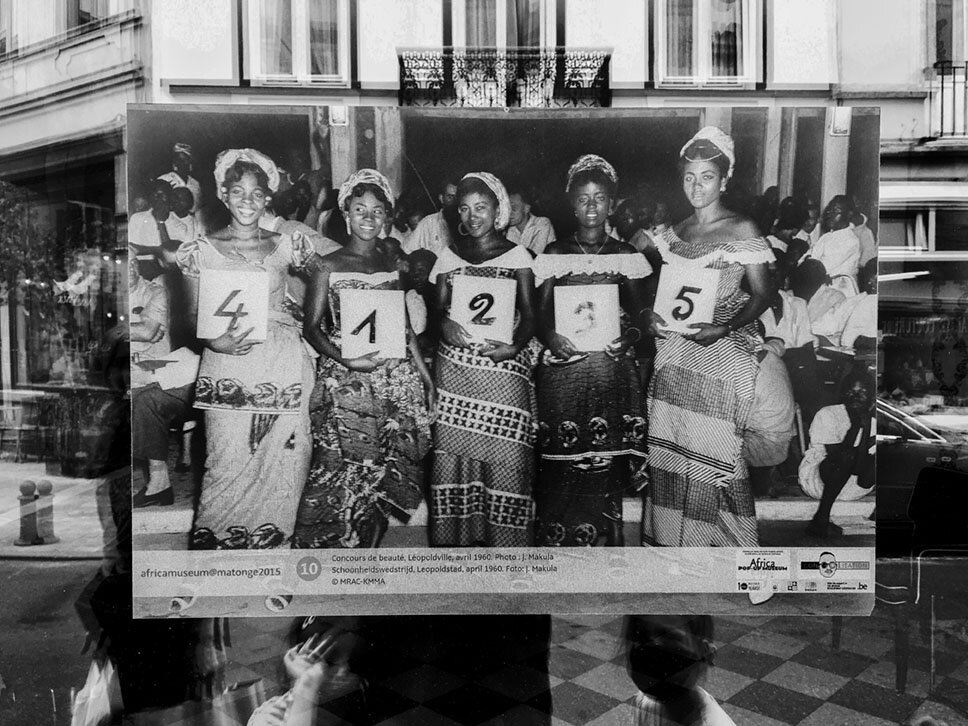
The Matongé district: Located in Ixelles, this emblematic district reflects the history of relations between Belgium and the Democratic Republic of Congo. Decolonial guided tours are regularly organized there to explore these connections.
Activism and academic debates: Various collectives, such as the Colonial Memory Collective, and university institutions (such as ULB with its Decolonize Us program) are conducting awareness-raising work on the issues of memory and reconciliation.
Meanwhile, sculptures in public parks continue to glorify colonization in the Congo, where millions were killed. Activists have succeeded in having at least one sculpture of the military officer Emile Storms removed. Storms ordered the beheading of several chiefs and brought their skulls back with him to Brussels.
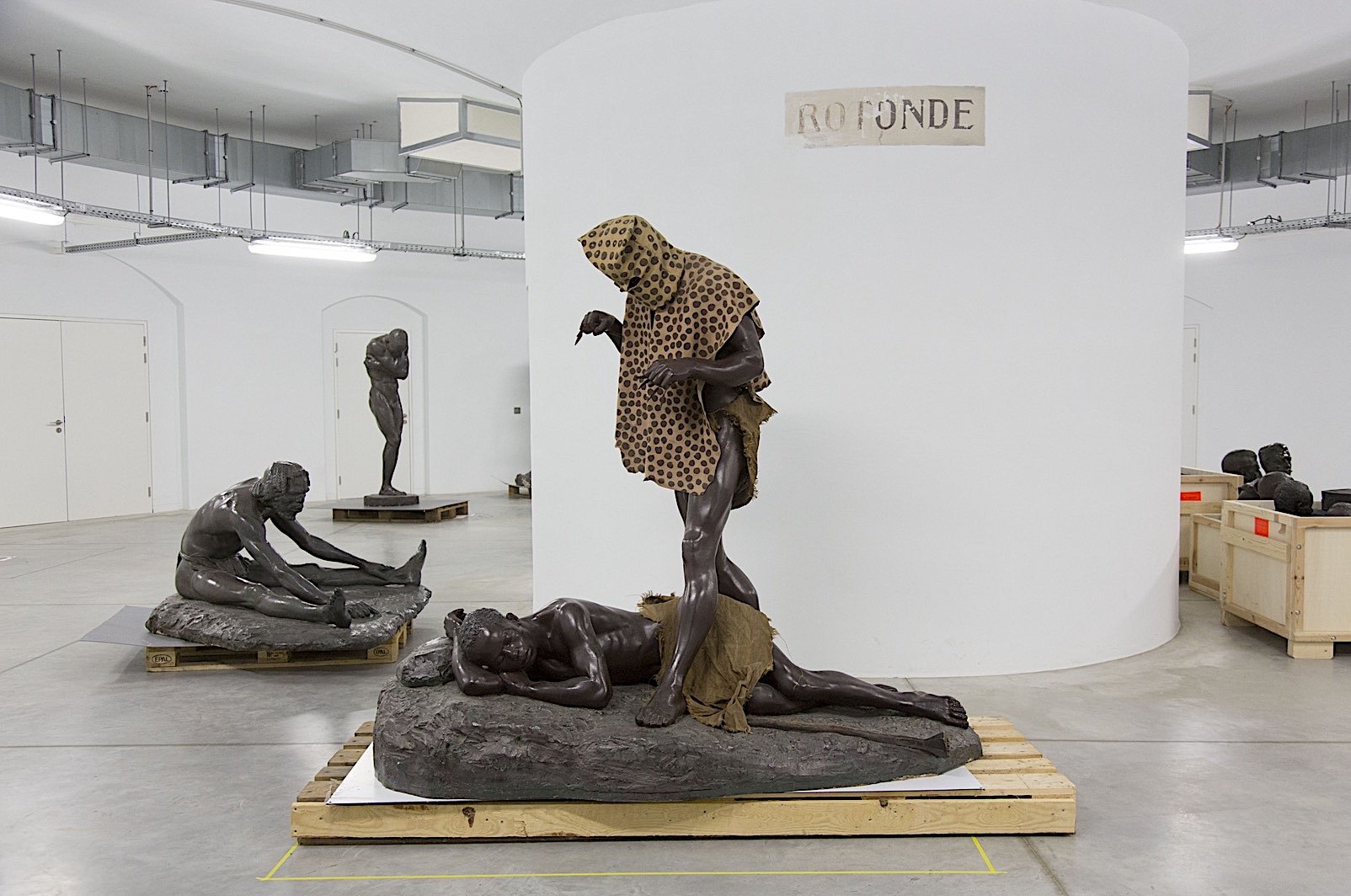
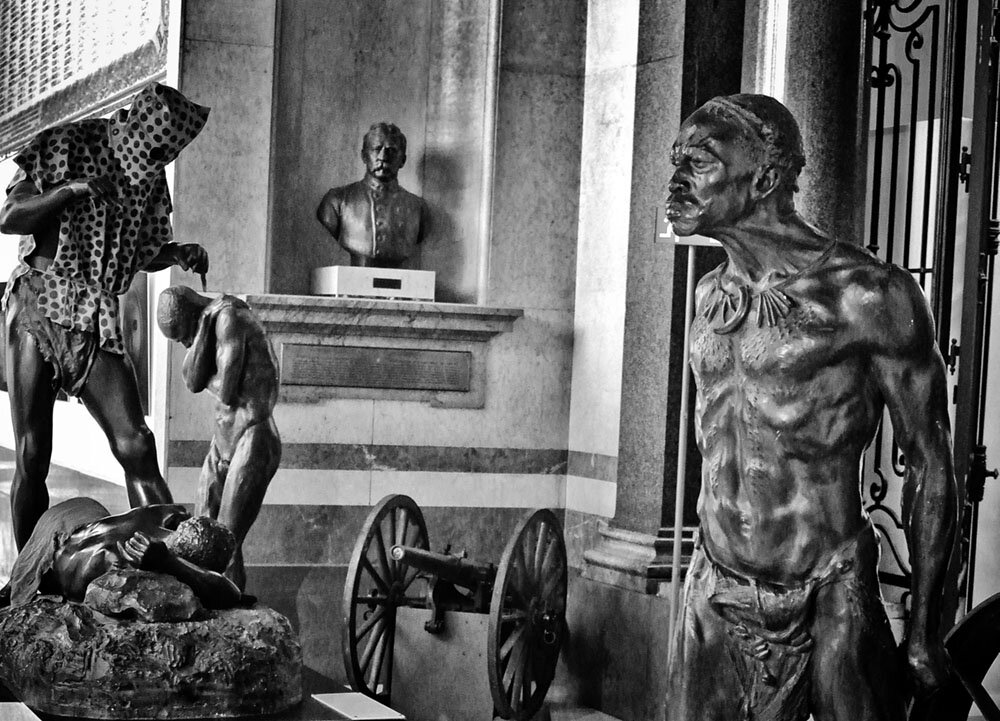
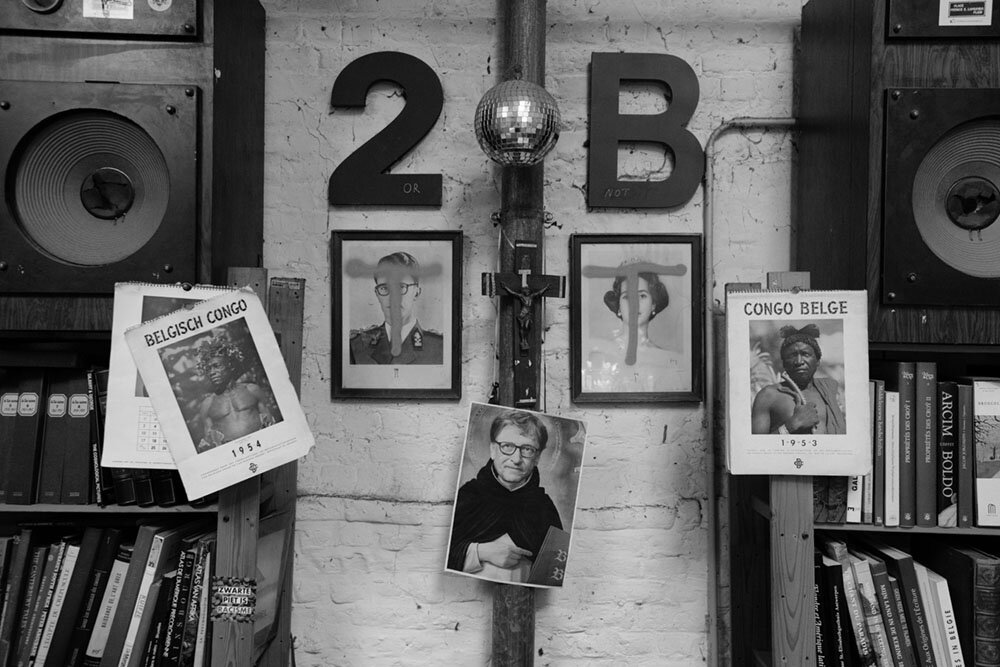
One of the points most polemics is the African Museum in Tervuren, where still exists engraved in the wall the glory to the many explorers and military colonizers.
The AfricaMuseum is itself a controversial building. It was the site of the notorious 1897 International Exposition, which Leopold II used to showcase his plunder from the Congo—including his 'human zoo' of Congolese tribespeople put on display.
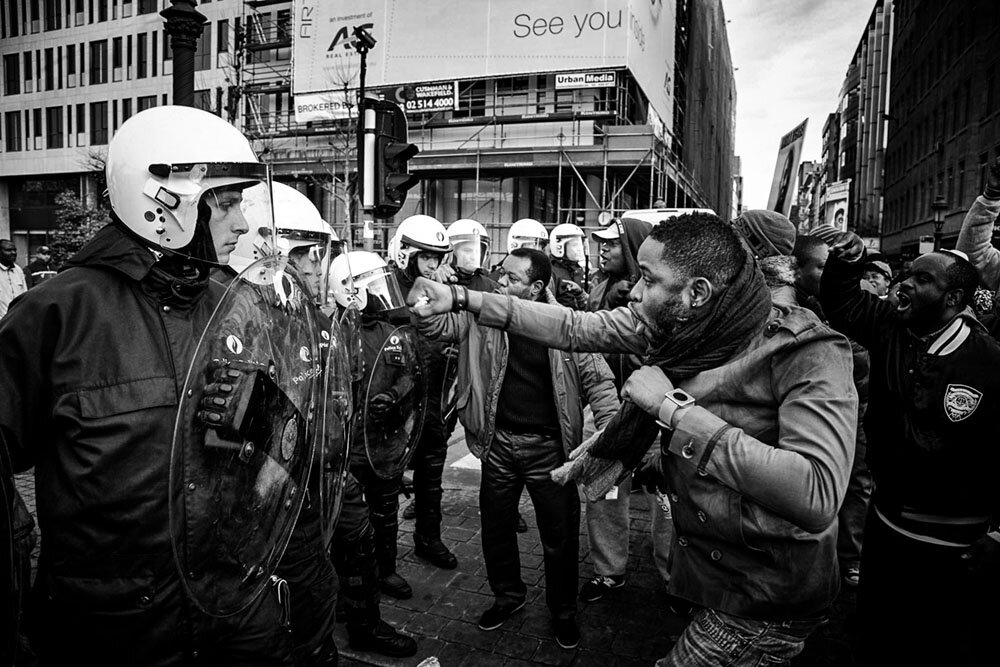
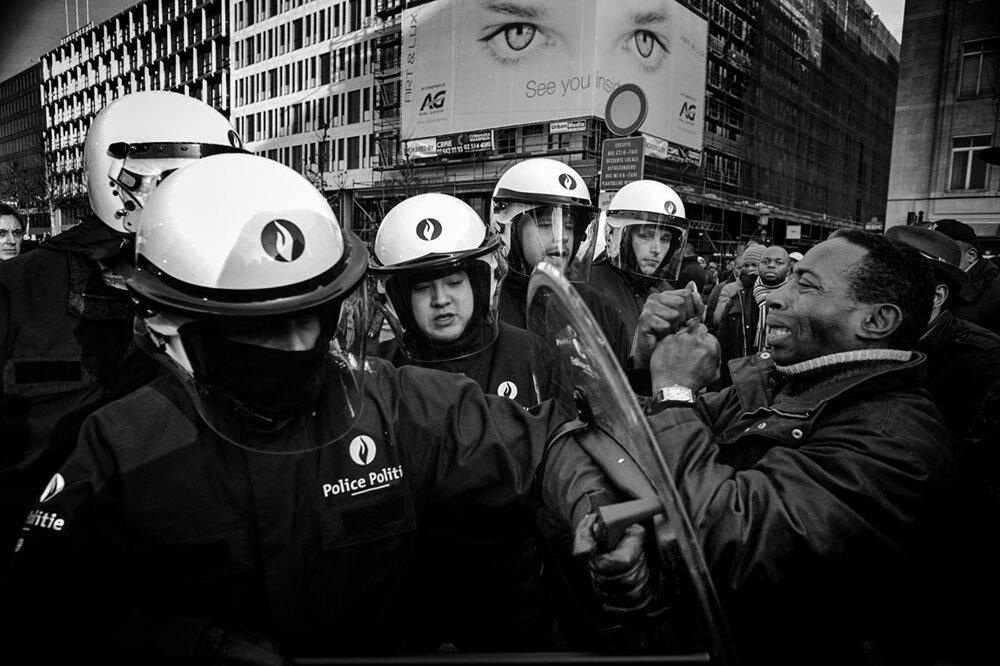
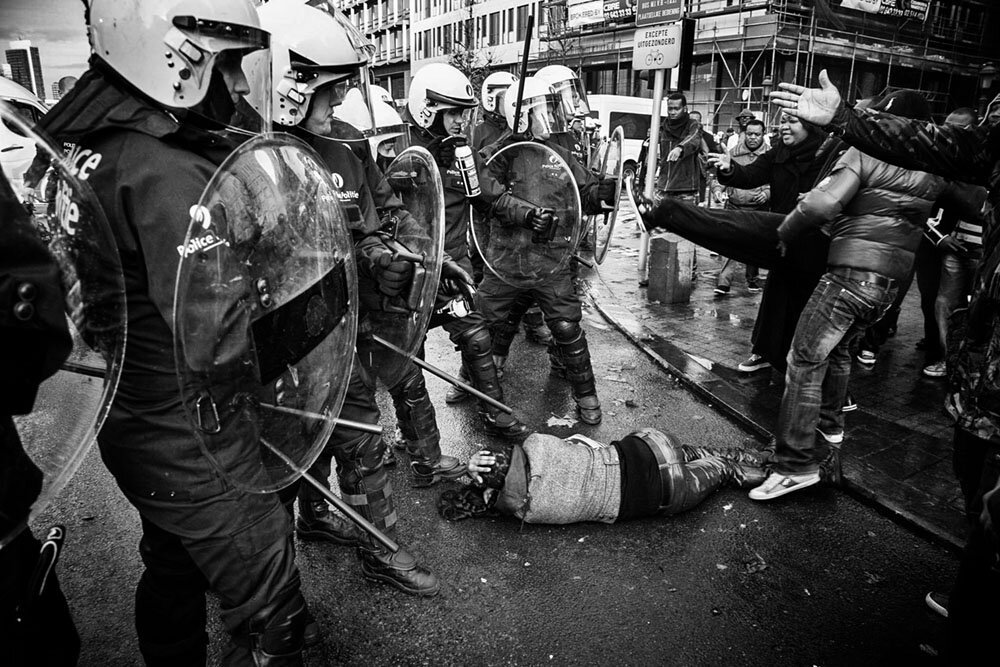
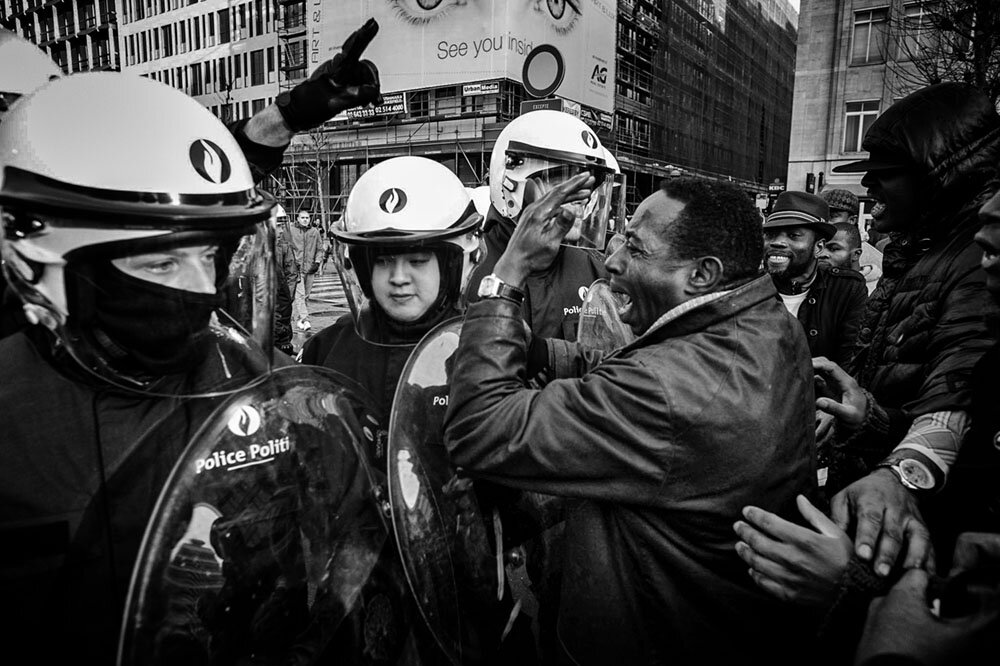
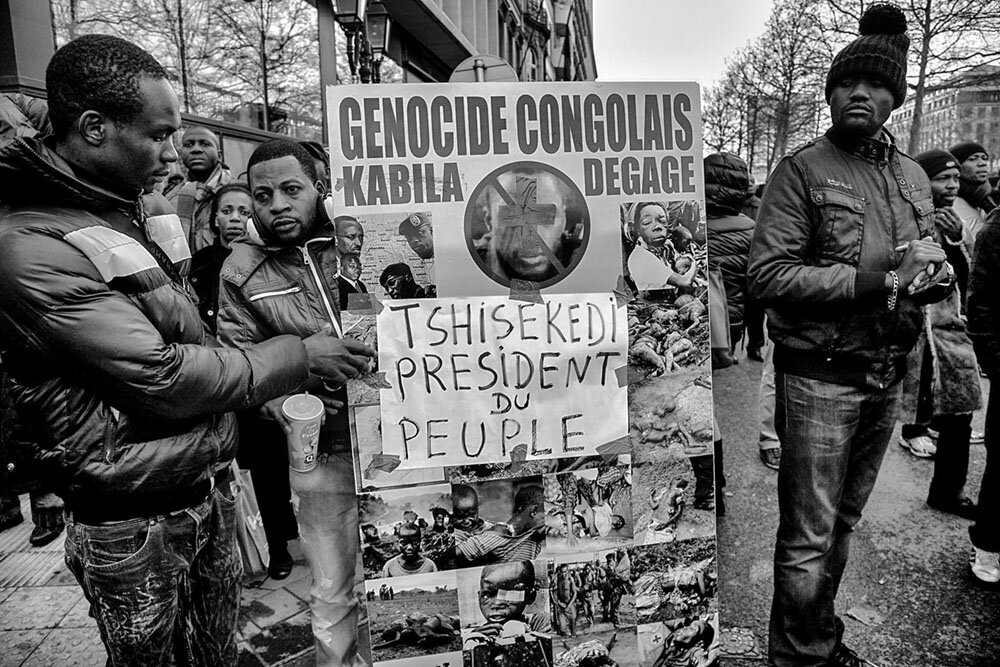
In Brussels, there are still signs of the colonization. Victims' families protested the withdrawal from streets and the museum in Tervuren.
The Scramble for Africa: What Was the Berlin Conference?
The meeting between 14 Western powers in the German capital between 1884 and 1885 established the rules for the colonization of the African continent.
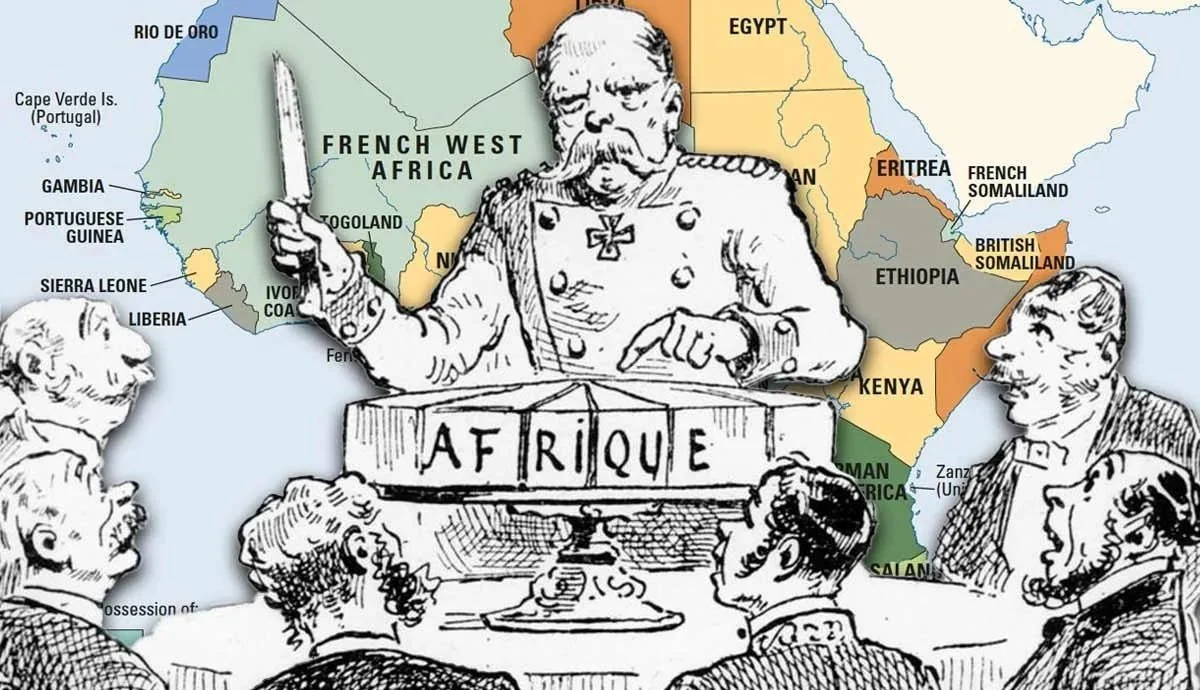
THE PIE THAT THE COLONIAL EUROPEAN COUNTRIES DIVIDED UP IN 1885.
In 2006, the African Museum of Tervuren closed its doors for an ethnographic overhaul due to protests from various African groups, mostly from the Congo, who accused it of promoting the Belgian colonization during the reign of King Leopold II. This genocide occurred between 1885 and 1908, a period in which King Leopold II of Belgium ruled the territory in a strictly personal manner under the name of the Congo Free State. During these 23 years, it is estimated that the region's population declined drastically, with estimates ranging from 5 to 15 million deaths due to massacres, famine, and widespread disease.
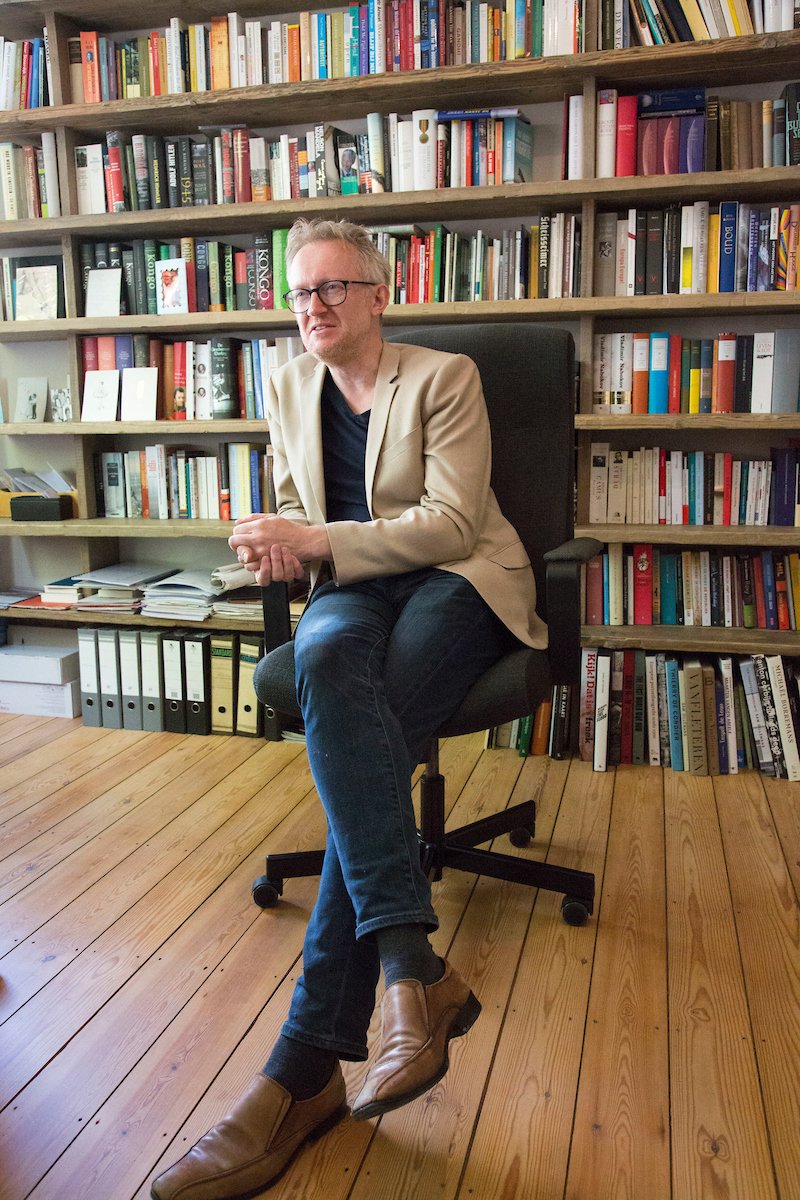
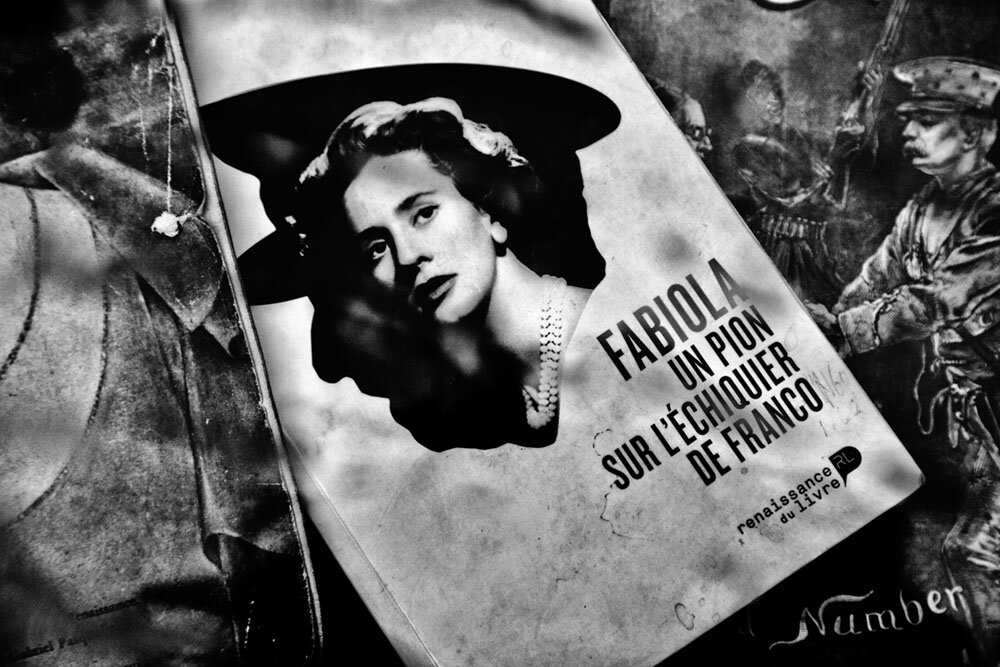
16.05.2019. Brussels. The quintessential book by Belgian writer and historian David Van Reybrouck is "Congo" (originally titled Congo: Een geschiedenis). It is a monumental and award-winning work that details the history of the Democratic Republic of Congo from prehistory to the present day, with a profound analysis of the Belgian Congo period.
Key features of the book include:
Focus: Going beyond the classic chronicle of abuses and atrocities, Van Reybrouck interviews hundreds of ordinary Congolese people to give voice to the true protagonists of their own history.
Recognition: Considered the best report on Africa since the time of Ryszard Kapuściński, it has won multiple international awards.
Van Reybrouck during an interview for the newspaper El País.
A System of Terror and Exploitation
Personal Rule: Unlike other European colonies, the Congo did not belong to the Belgian state but was the private property of Leopold II.
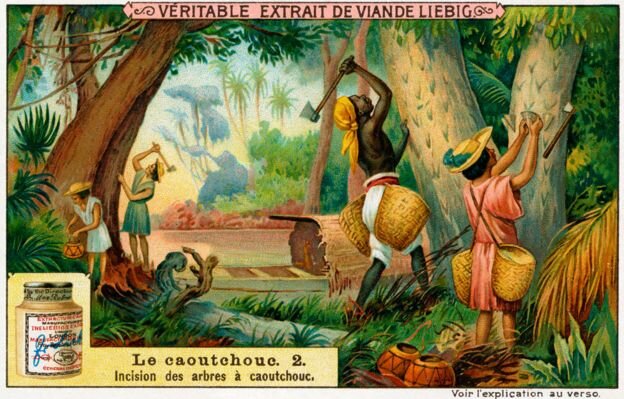
Rubber Boom: The global rise of the automobile increased the demand for natural rubber. The king monopolized the harvesting of this resource for his personal enrichment.
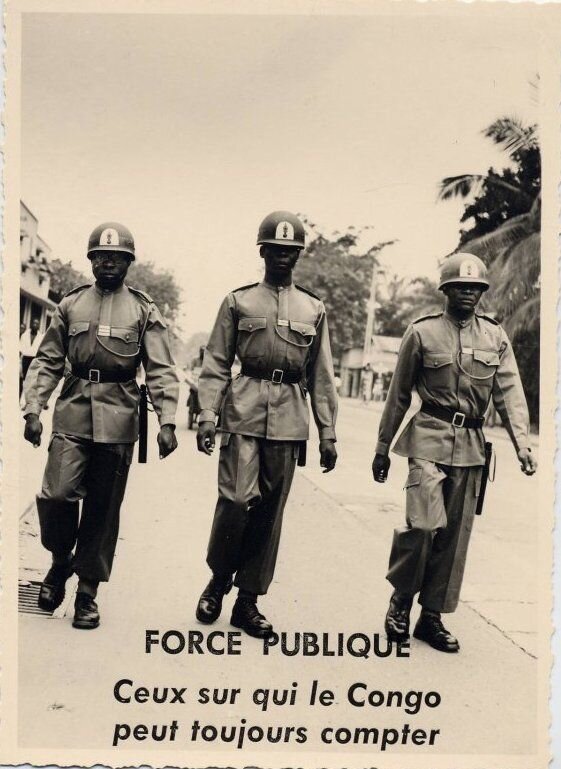
Forced Labor: The king's private paramilitary force (Force Publique) subjugated entire populations through inhumane violence.
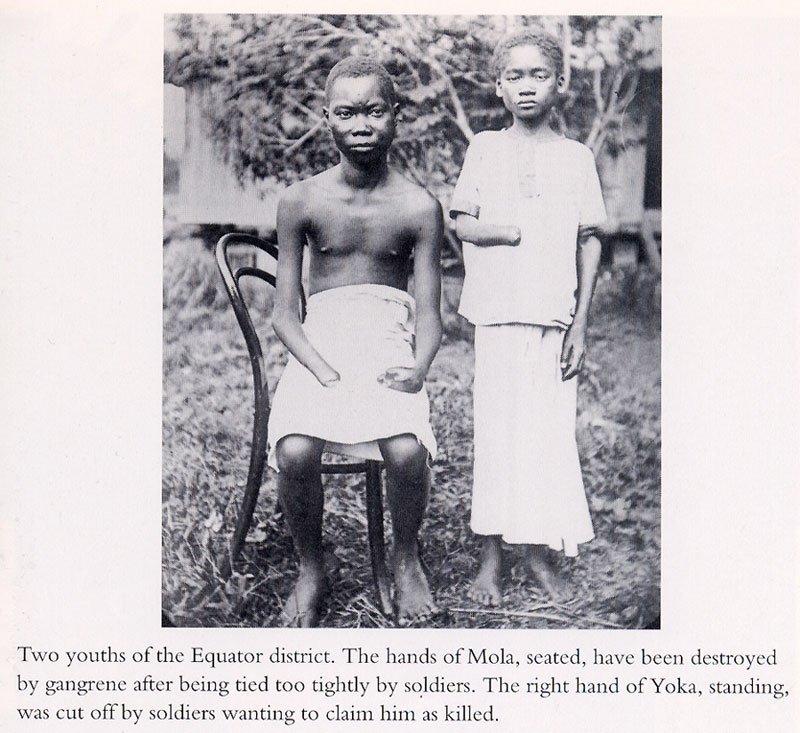
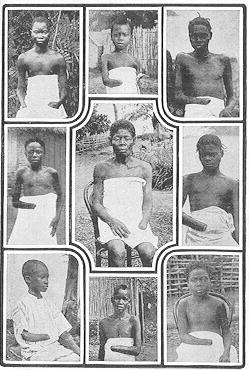
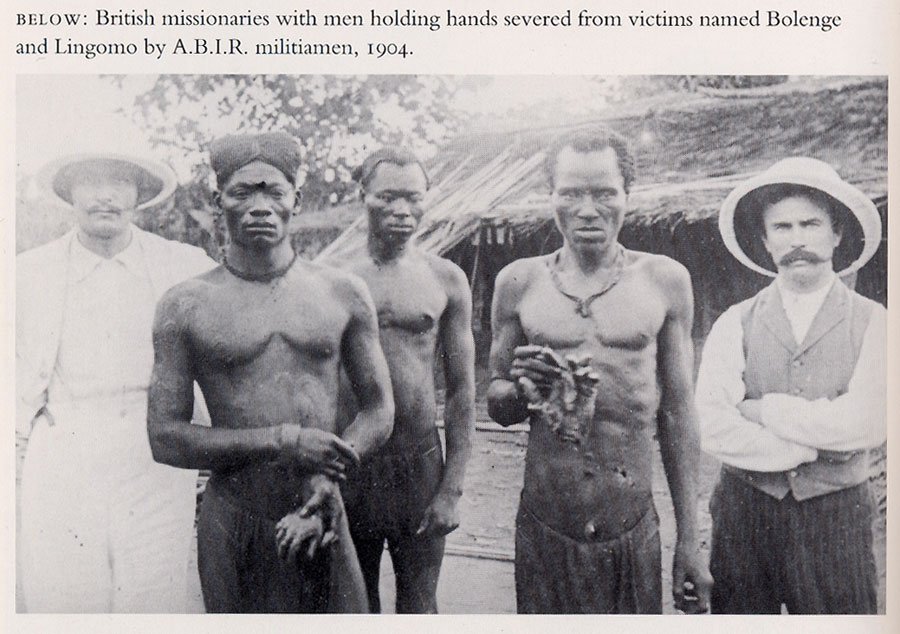
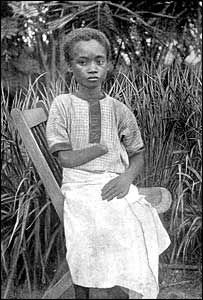
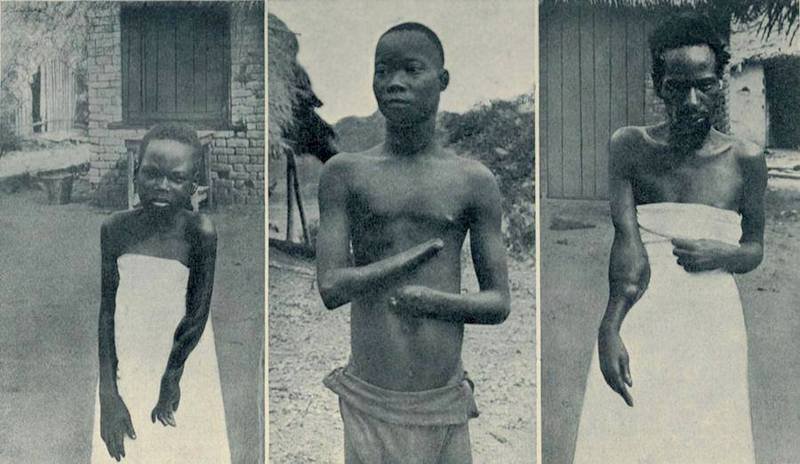
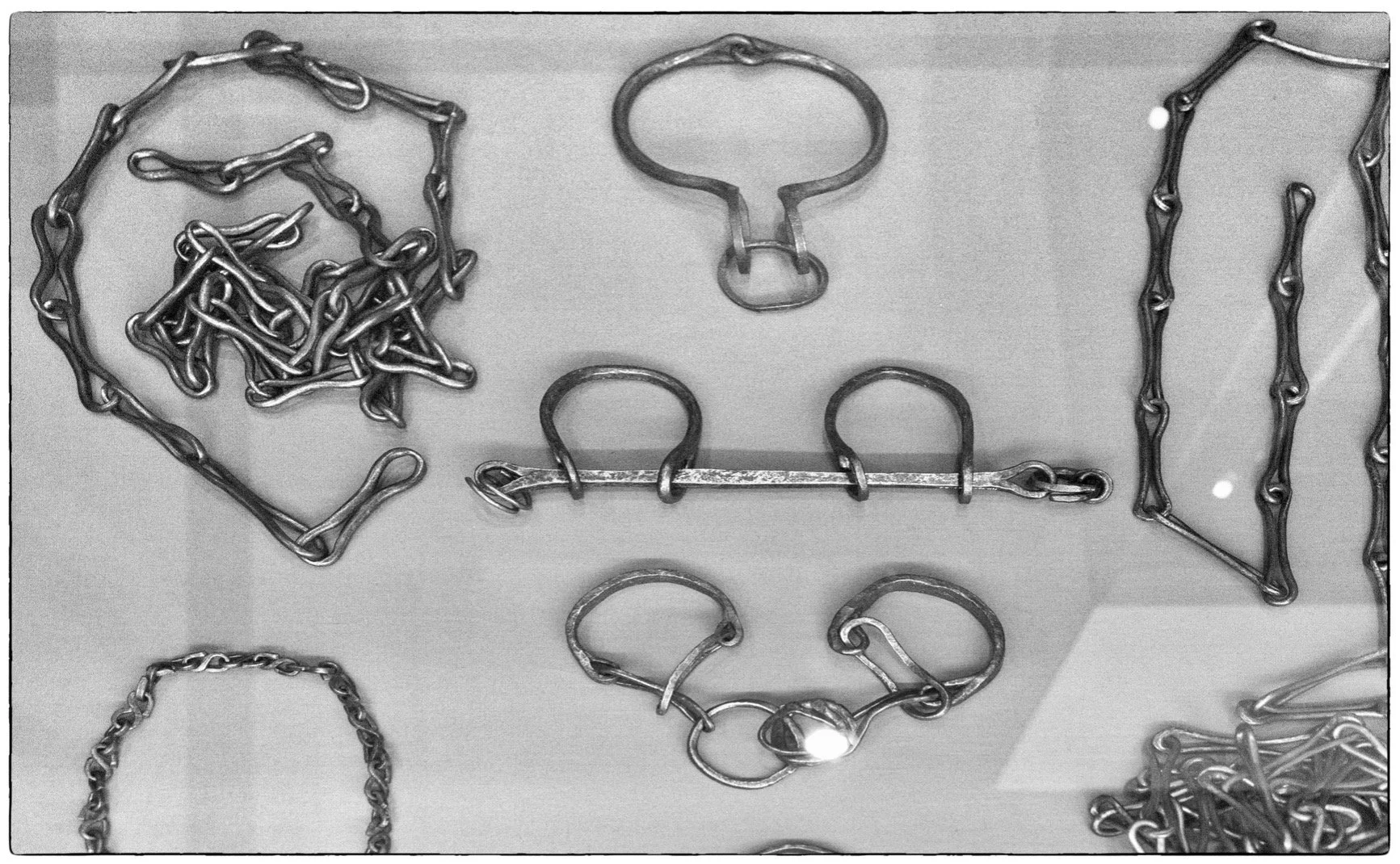
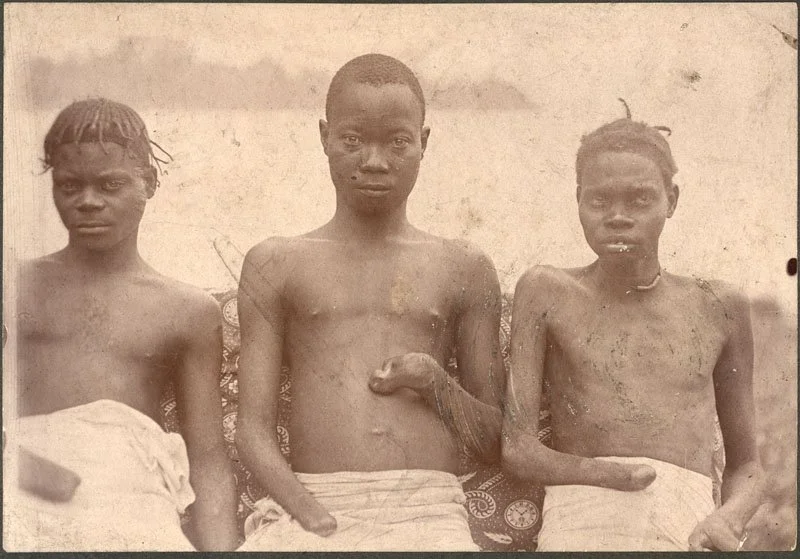
Systematic Amputations: To avoid wasting ammunition, soldiers were required to justify each bullet fired by handing over the right hand of their victims. This resulted in mass amputations of living people, including children.
Social Destruction: The abduction of women, the burning of villages, and widespread massacres decimated the birth rate and unleashed deadly famines.
End of Private Control and Current Legacy
International Pressure: Writers and diplomats of the time denounced the horrors, forcing Leopold II to cede the territory to the Belgian government in 1908, where it became known as the Belgian Congo.
Official Recognition: The colonial past continues to generate social tensions and ethical debates. In 2020, King Philippe of Belgium formally expressed his "deepest regrets" for the acts of violence and cruelty committed during colonial rule.
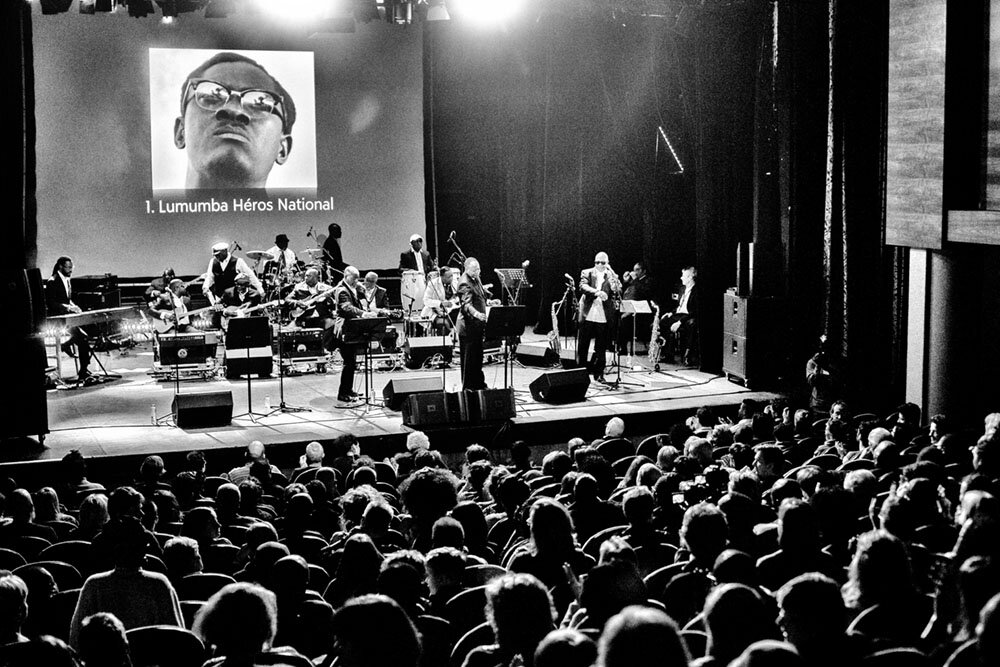
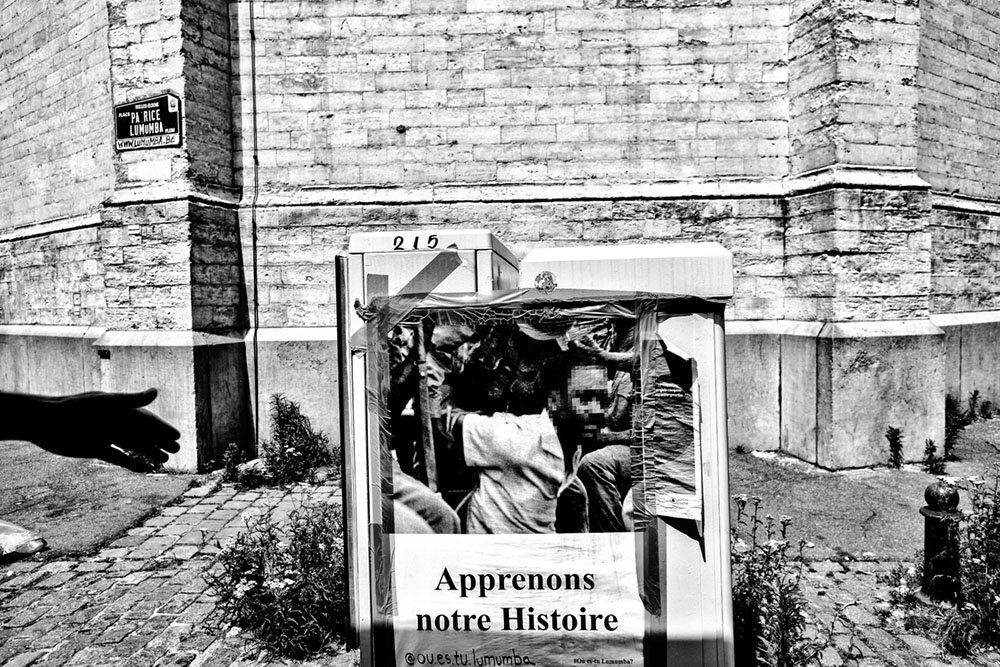
LUMUMBA
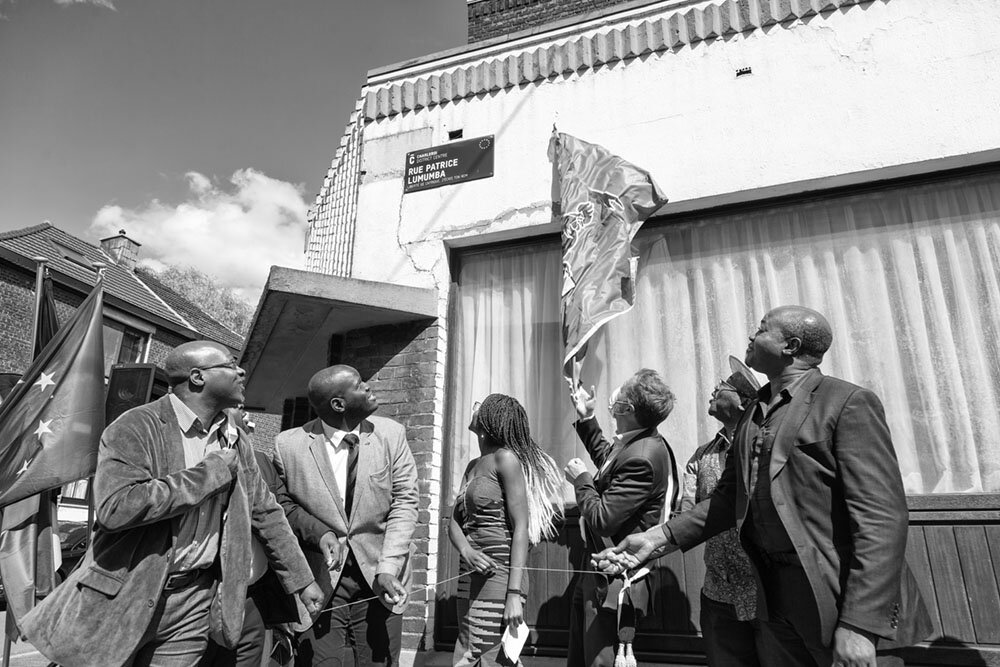
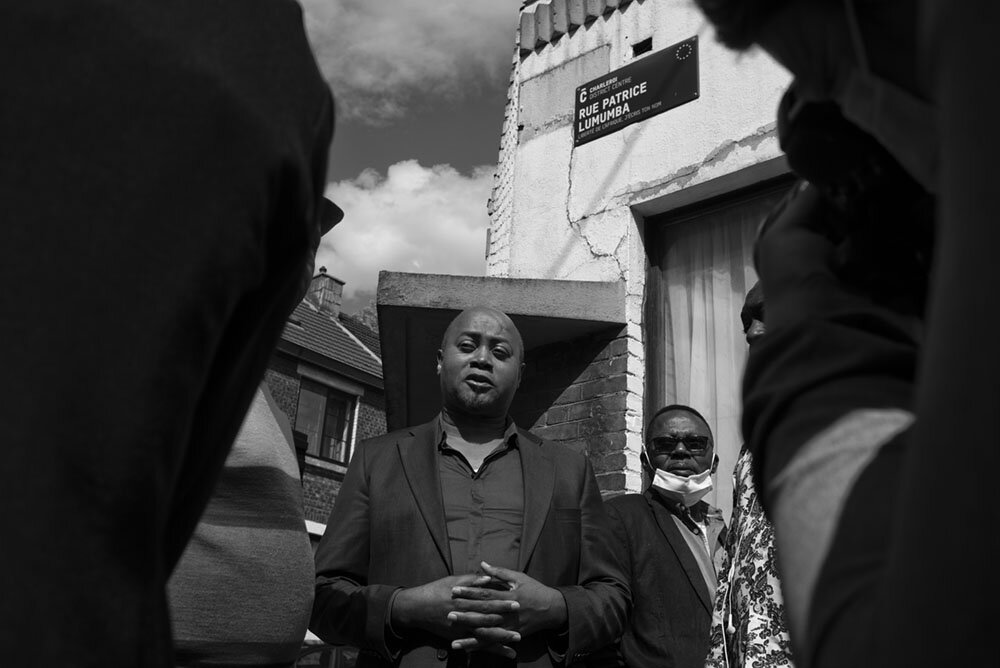
The assassination of Patrice Lumumba on January 17, 1961, is one of the darkest chapters of the Cold War and the most brutal example of how Western powers continued to control Africa after formal decolonization.
Retrospect Journal
Lumumba was the first prime minister of the Democratic Republic of Congo after it gained independence from Belgium in 1960. His staunch nationalist and Pan-Africanist stance—arguing that the Congo's immense mineral wealth should benefit the Congolese people and not foreign corporations—quickly made him public enemy number one of the West.
The Context: Lumumba's "Sin"
The Defiant Speech: On Independence Day (June 30, 1960), in front of King Baudouin of Belgium, Lumumba delivered an impromptu speech denouncing the humiliations, racism, and crimes of the Belgian colonial regime.
The Congo Crisis: A few days after independence, the rich mining province of Katanga declared its independence with the support of Belgian troops and mercenaries.
The Geopolitical Error: Finding himself isolated and without UN support to retake Katanga, Lumumba requested military aid from the Soviet Union. This led the United States to falsely label him a "communist threat" at the height of the Cold War.
The International Conspiracy
His political and physical elimination was the result of an alliance of local and foreign interests:
Belgium: Desired to maintain control of the copper, uranium, and cobalt mines.
United States (CIA): President Eisenhower authorized covert operations to overthrow him, fearing Soviet influence in the heart of Africa.
Local actors: Colonel Joseph-Désiré Mobutu (head of the army) and Joseph Kasa-Vubu (president) led the coup that deposed them in September 1960.
The execution and disposal of the body
After being captured by Mobutu's troops, Lumumba was deliberately sent to Katanga, the territory controlled by his worst enemies.
Torture: He was brutally beaten during the journey and in captivity in the presence of Belgian officers.
Execution: On January 17, 1961, Lumumba and two of his ministers (Mpolo and Okito) were executed by firing squad under the direction of Belgian officers and separatist forces. Making it disappear: To prevent his grave from becoming a place of pilgrimage, Belgian police officer Gerard Soete was ordered to exhume the bodies, dismember them, and dissolve them in acid. Soete kept one of Lumumba's teeth as a souvenir.
King Leopold II's Private Ownership of the Congo
Personal property: Unlike other colonial territories managed by European governments, the Congo Free State (1885–1908) did not belong to Belgium. It was granted to King Leopold II as his private property during the Berlin Conference of 1885.
The humanitarian facade: To secure international backing, Leopold II created the International Congo Association, falsely presenting it as a philanthropic organization dedicated to ending the slave trade, spreading Christianity, and promoting free trade.
The Rubber Boom and Systemic Atrocities
The global rise of the automotive and bicycle industries created an exponential demand for natural rubber, turning the Congo into an immensely lucrative enterprise for the King.
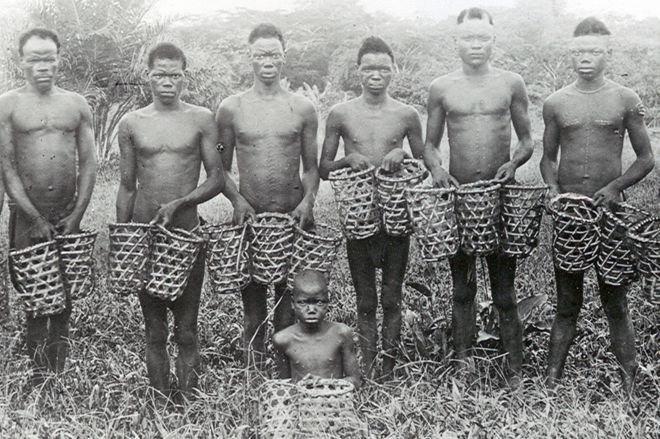
Forced labor and quotas: The regime enforced brutal rubber collection quotas on the native population. To force men into the jungle to harvest rubber, Leopold's private military force—the Force Publique—regularly took women and children hostage.
Systematic mutilations: If a village failed to meet its rubber quota, soldiers punished the community. To prove to their superiors that they had not wasted expensive ammunition, soldiers were required to present severed hands (often from living victims, including children) for every bullet fired.
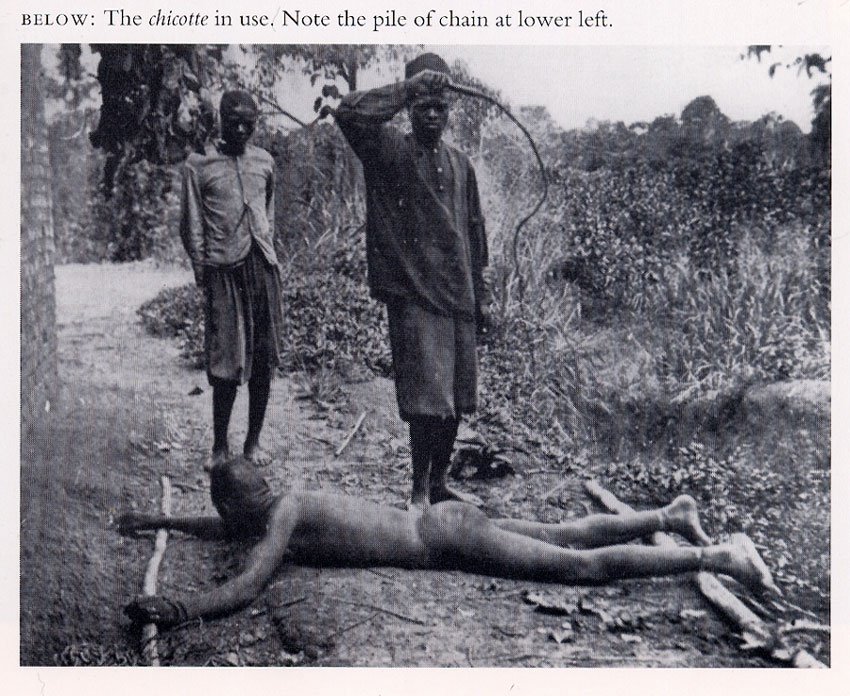
Terror tactics: Mass executions, the burning of entire villages, public floggings with the chicotte (a whip made of hippopotamus hide), and widespread torture were standard practices used to maintain absolute control.
Demographic Impact: Millions of Deaths
While exact figures remain a subject of historical debate due to the lack of official census data at the time, leading historians estimate that the population of the Congo was cut in half during Leopold’s rule.
Estimated death toll: Historians estimate that between 5 and 10 million people lost their lives.
Primary causes: Deaths resulted from direct executions by the Force Publique, widespread famine (as communities were forced into labor and could not tend to their crops), extreme exhaustion, and the rapid spread of newly introduced European diseases.
International Exposure and End of Rule
The scale of the brutality was exposed in the early 20th century through what became one of the world's first international human rights campaigns. Key figures included journalist E.D. Morel, British diplomat Roger Casement, and author Mark Twain.
Facing intense international condemnation, the Belgian Parliament forced Leopold II to surrender his private ownership of the territory in 1908, renaming it the Belgian Congo under state administration. Before handing over control, the King ordered all official Congolese state archives in Brussels to be burned to destroy the evidence of his crimes.
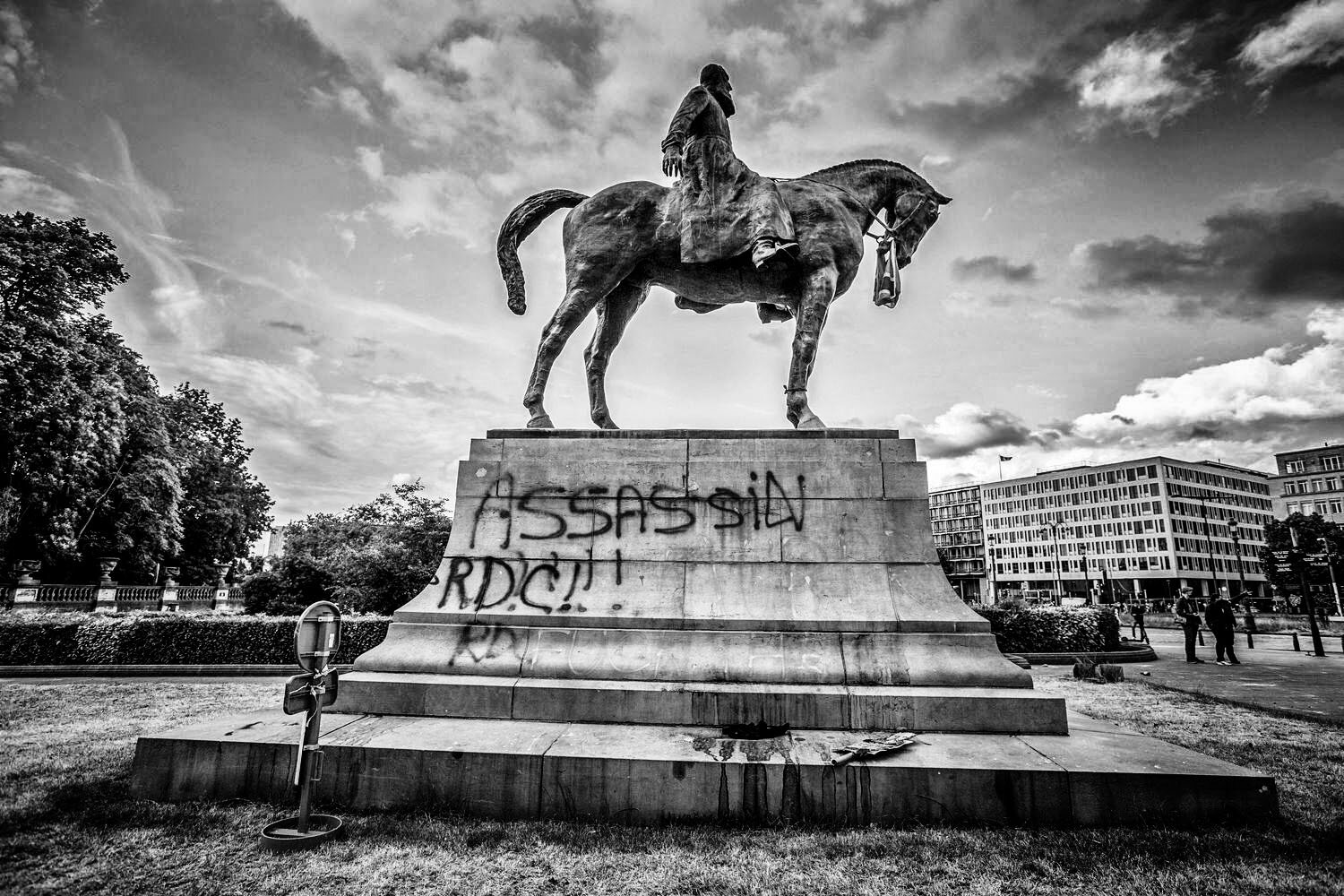
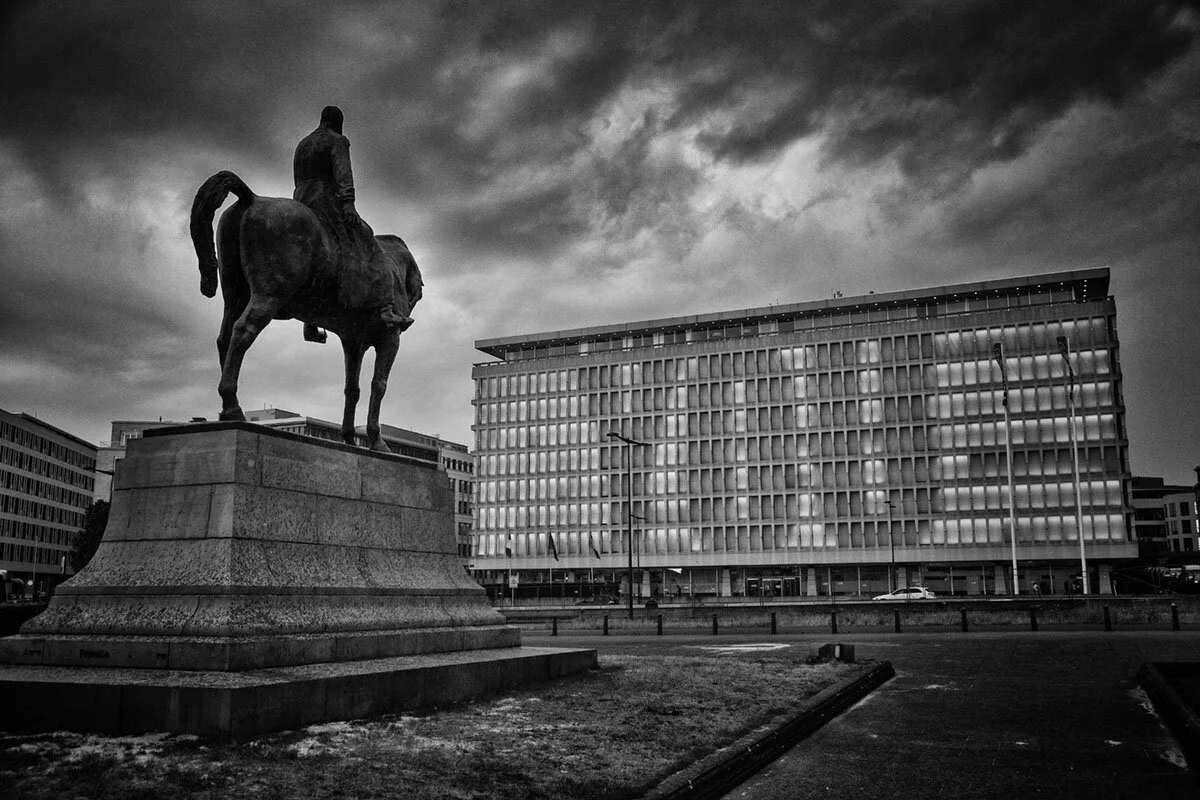
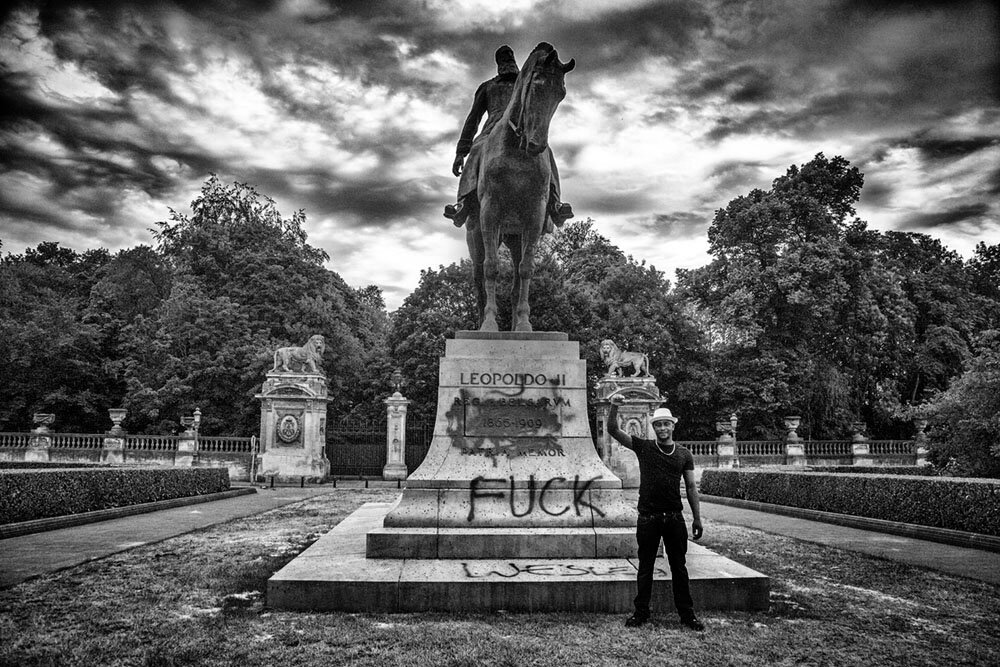
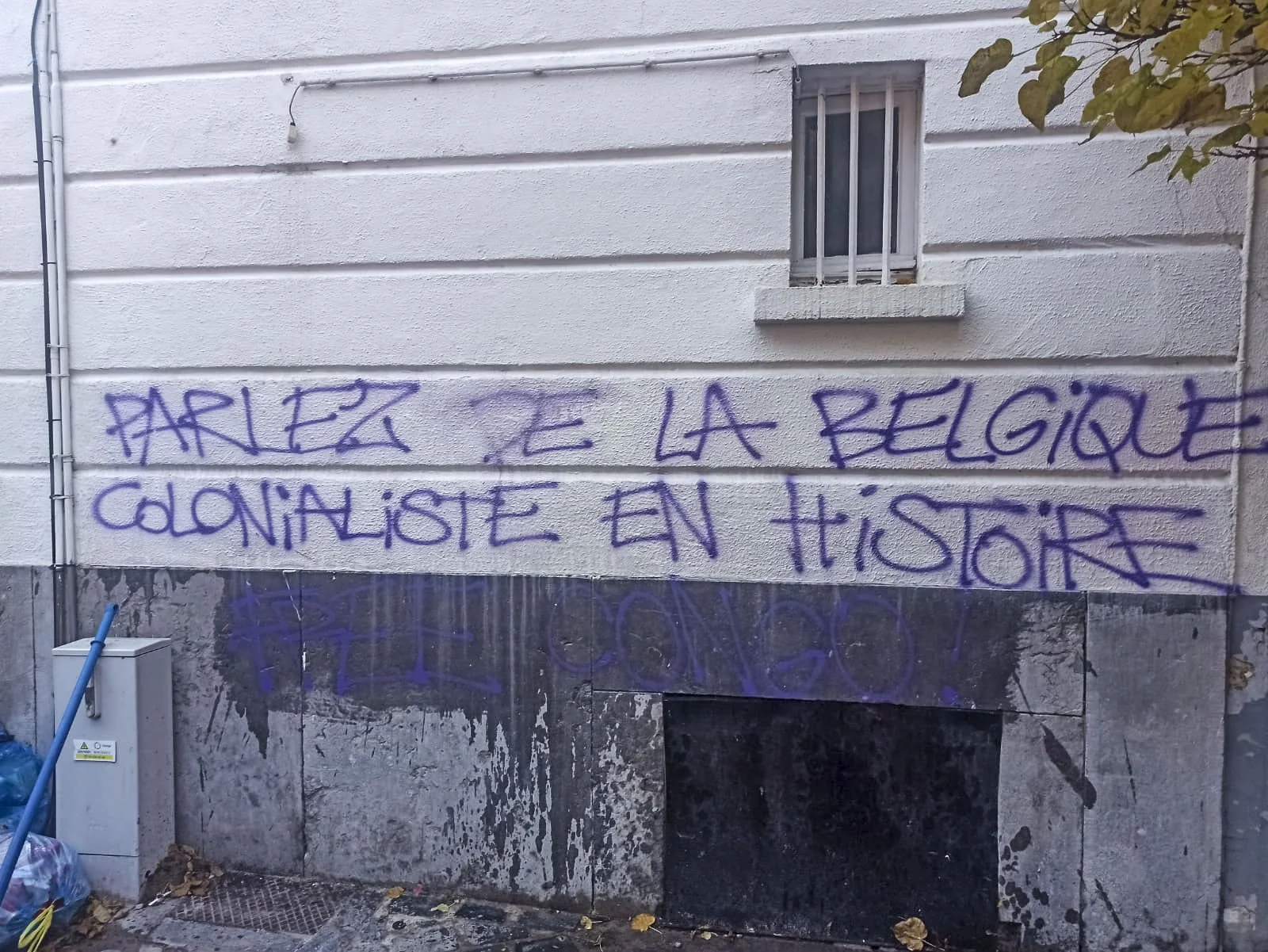
The equestrian statue of Leopold II, defaced with protest graffiti in 2020, is located in the Place du Trône (Throne Square) on the immediate edge of this neighborhood. The sculpture's position, facing the Matongé neighborhood, has sparked controversy regarding the established facts of the genocide in Congo. Brussels. 2020.
Étienne Davignon's alleged involvement in the 1961 assassination of Lumumba, accused of war crimes.
Belgian justice ordered the prosecution of Étienne Davignon, a former diplomat and European Commissioner, for his alleged involvement in the 1961 assassination of former Congolese Prime Minister Patrice Lumumba. However, the trial will not take place because Davignon died in May 2026 before it could be held.
Argentine Politics
The Brussels Council Chamber had ruled in March 2026 that the former diplomat, then 93 years old, should appear before a criminal court. He was accused of war crimes, specifically for his involvement in the transfer and illegal detention of Lumumba to the Katanga region, where he was ultimately executed.
Black Communities Process in Colombia
The death of Patrice Lumumba was one of the darkest crimes of decolonization in Africa. The independence leader was overthrown, tortured, and murdered in 1961, and his body was dissolved in acid with the complicity of Belgian officers and the support of US intelligence services. Until now, no foreigner had been tried for their involvement, making this trial against Davignon an unprecedented event 65 years after the events.
The Berlin Conference and the Scramble for Africa
Exactly 140 years ago, between November 15, 1884, and February 26, 1885, thirteen European powers and the United States gathered in the German capital for the Berlin Conference. The goal of this meeting—composed of imperial and monarchical leaders who had never set foot on the continent—was to establish the rules for the colonization of Africa. While it had a minimal impact on the creation of modern borders, it served as the official starting point for the effective conquest of the territory.
Historical Context
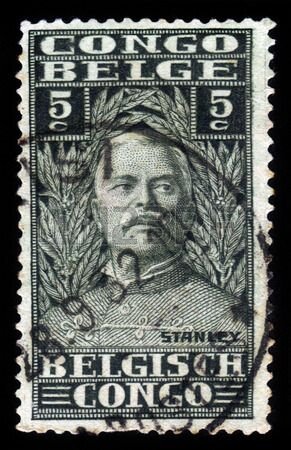
The conference took place during the late 19th century, driven by the Second Industrial Revolution and the height of European imperialism. This era was characterized by intense exploration campaigns led by figures such as Henry Morton Stanley and David Livingstone.
At the time, Africa was not organized into European-style nation-states; instead, it was home to various local power structures and established civilizations, such as:
The Ashanti Empire
The Kingdom of Dahomey
The Sultanate of Zanzibar
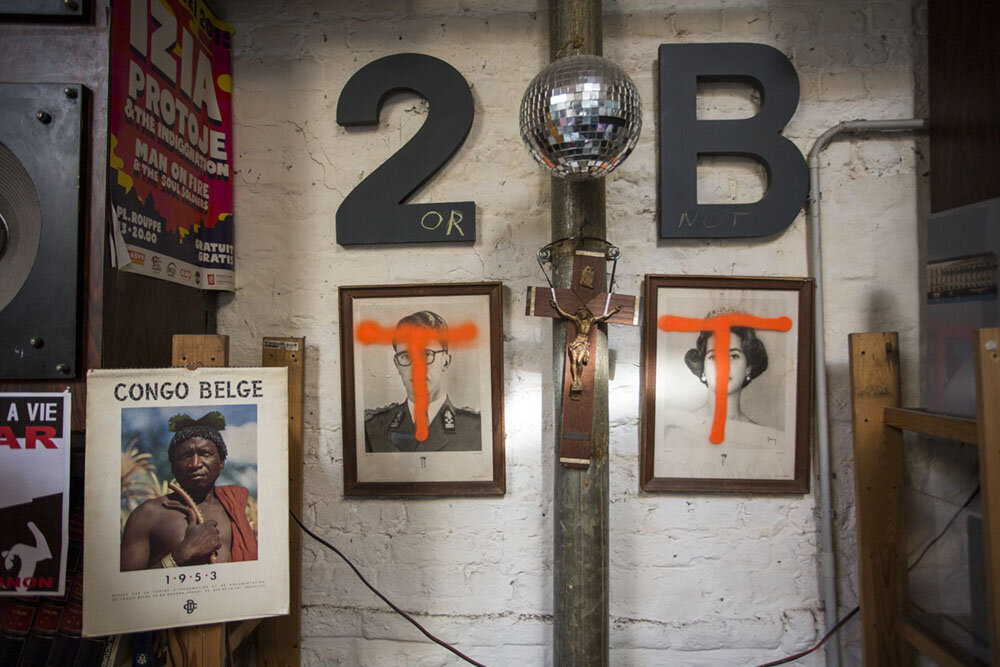
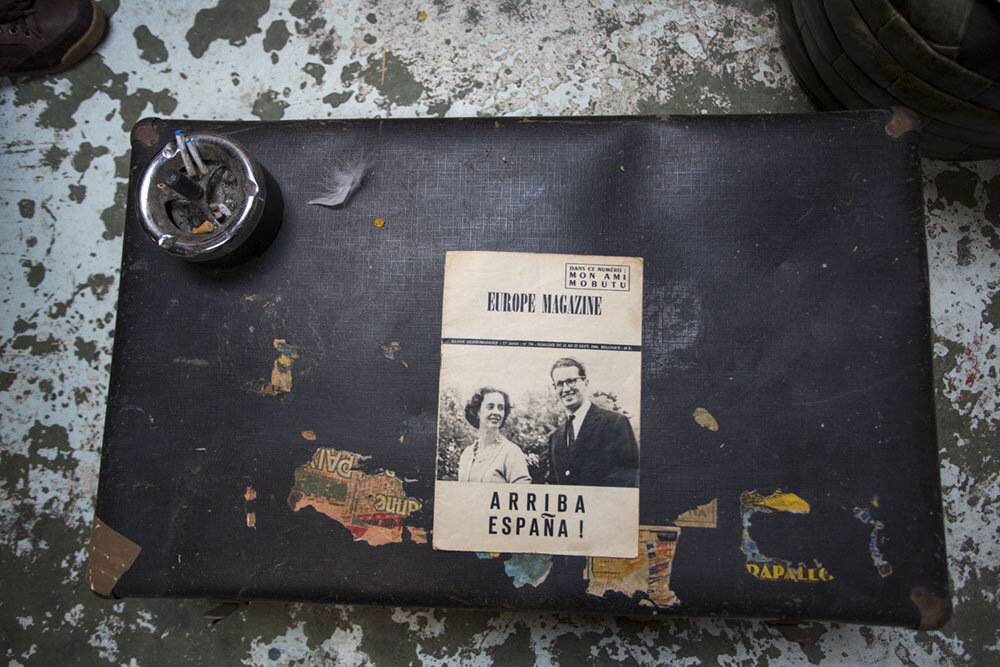
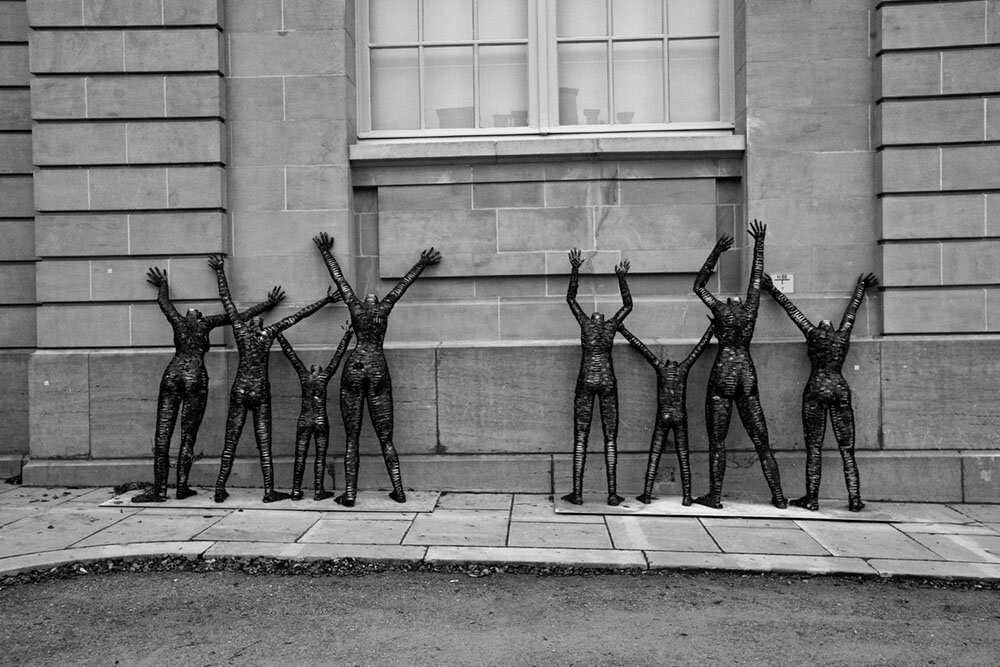
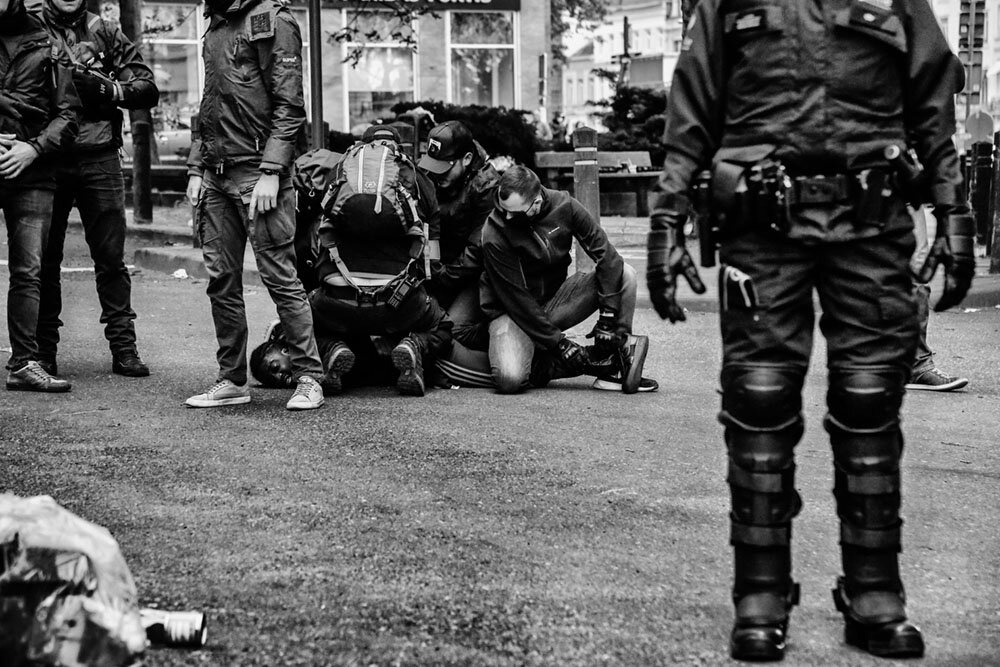
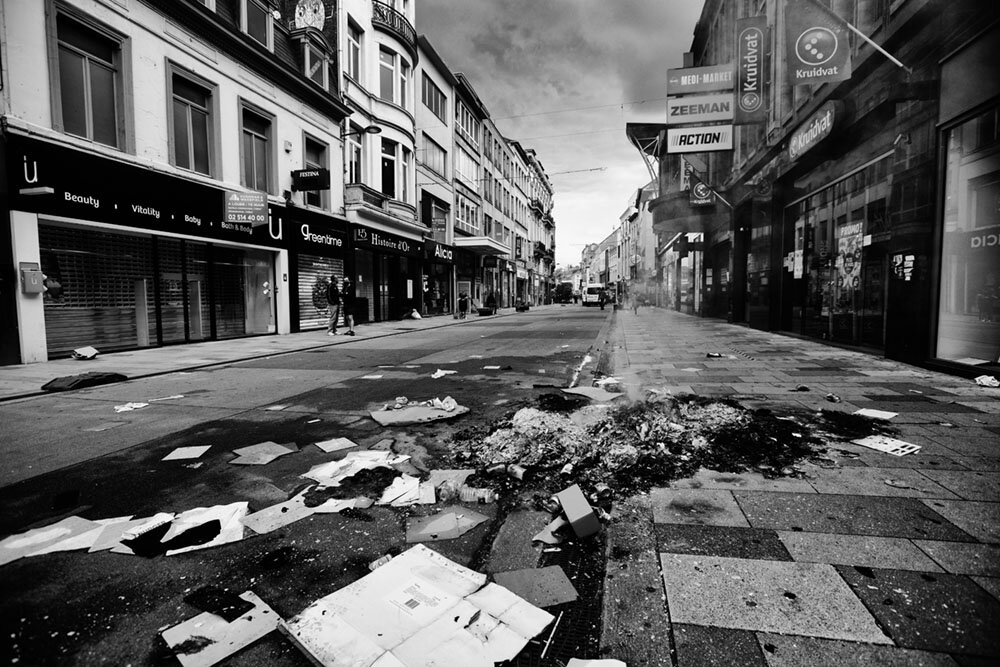
The documentary photography project began in November 2013, with the closure of the African Museum in Tervuren for decolonization, following protests from victims' families and African human rights groups. The Matongé neighborhood in Brussels is home to 100 African ethnic groups and continues to maintain a vibrant cultural scene.

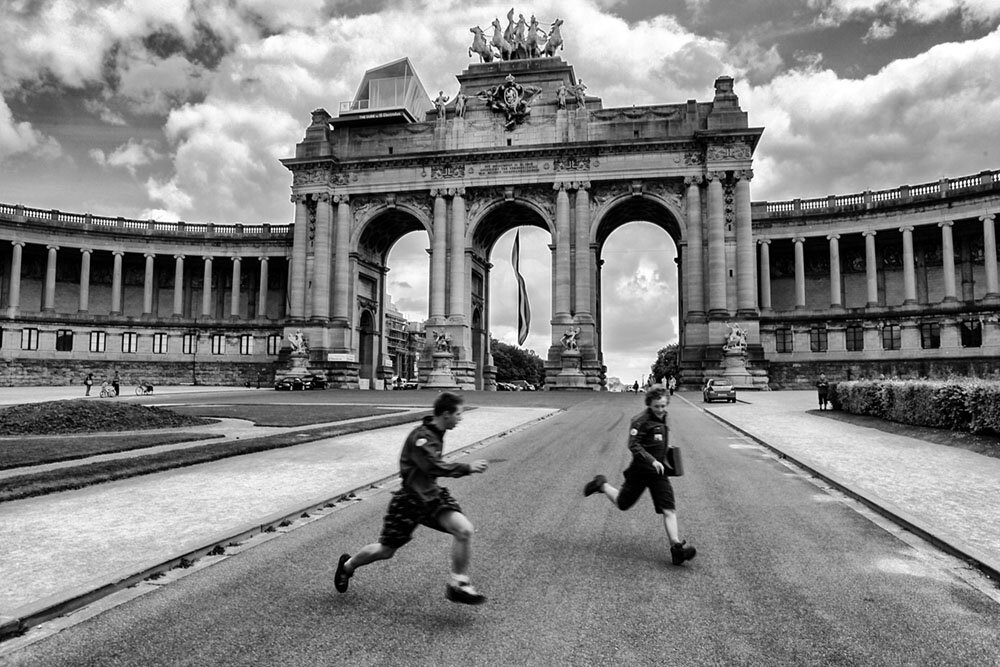
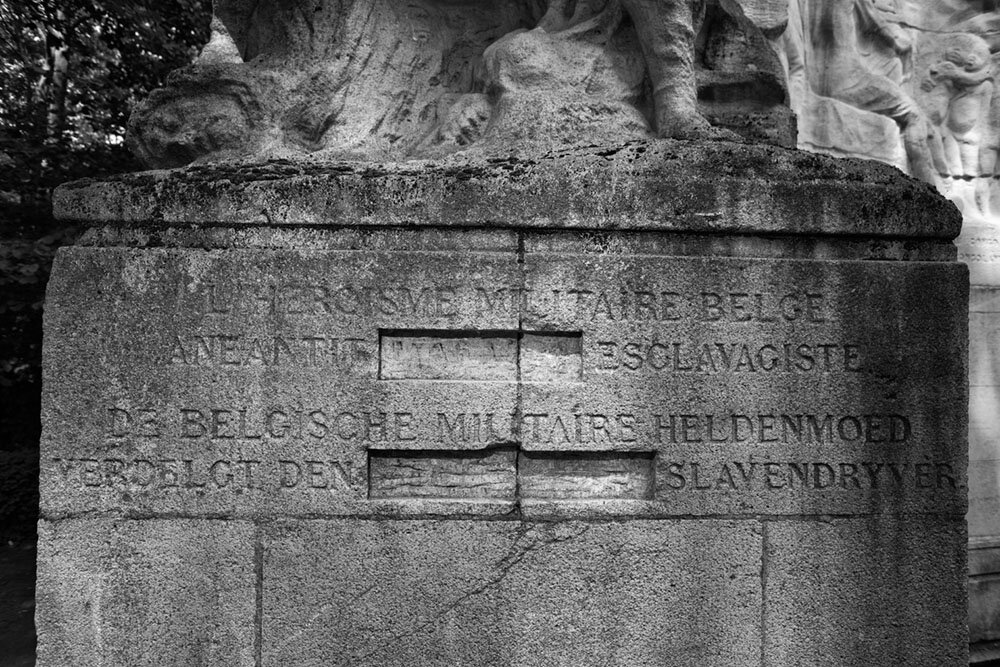
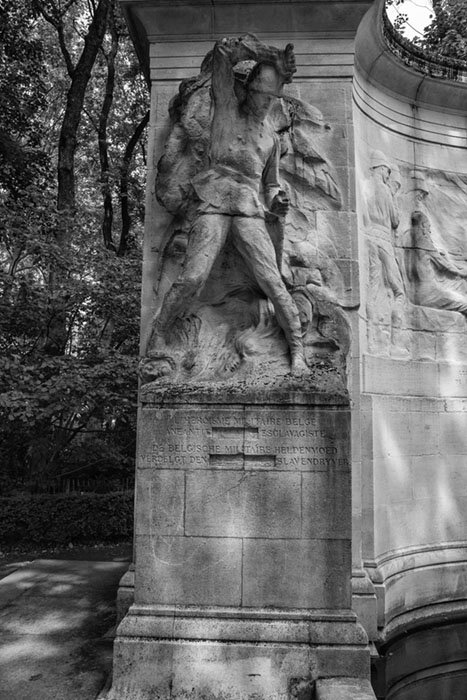
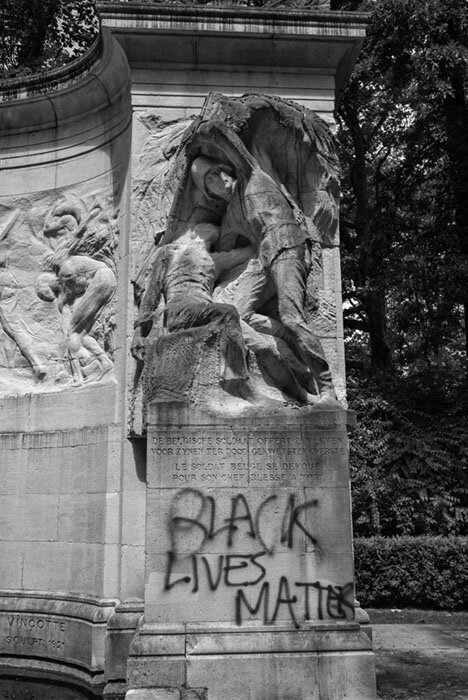
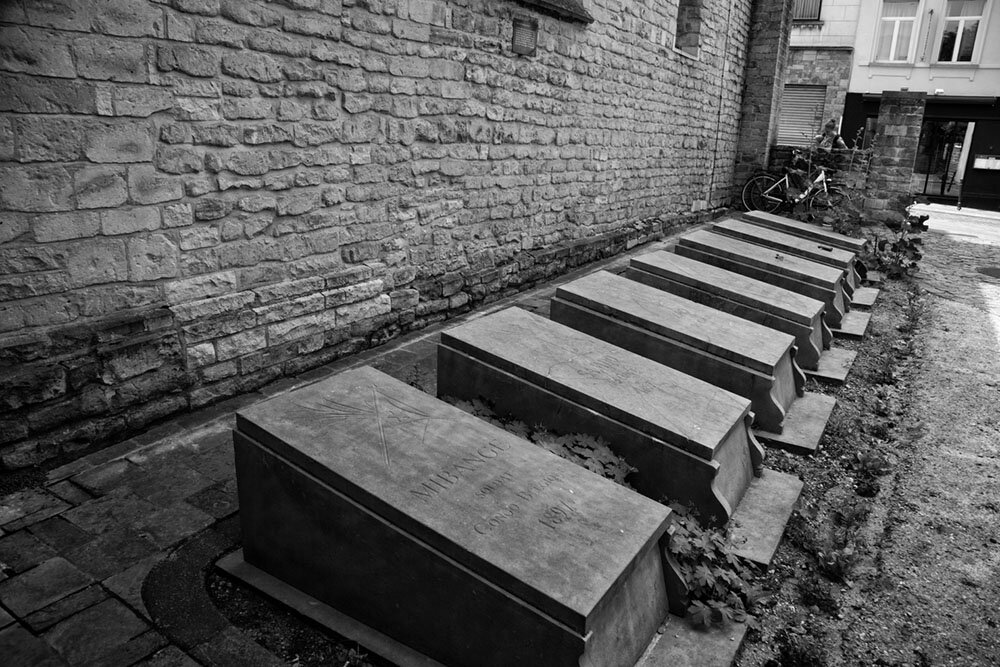
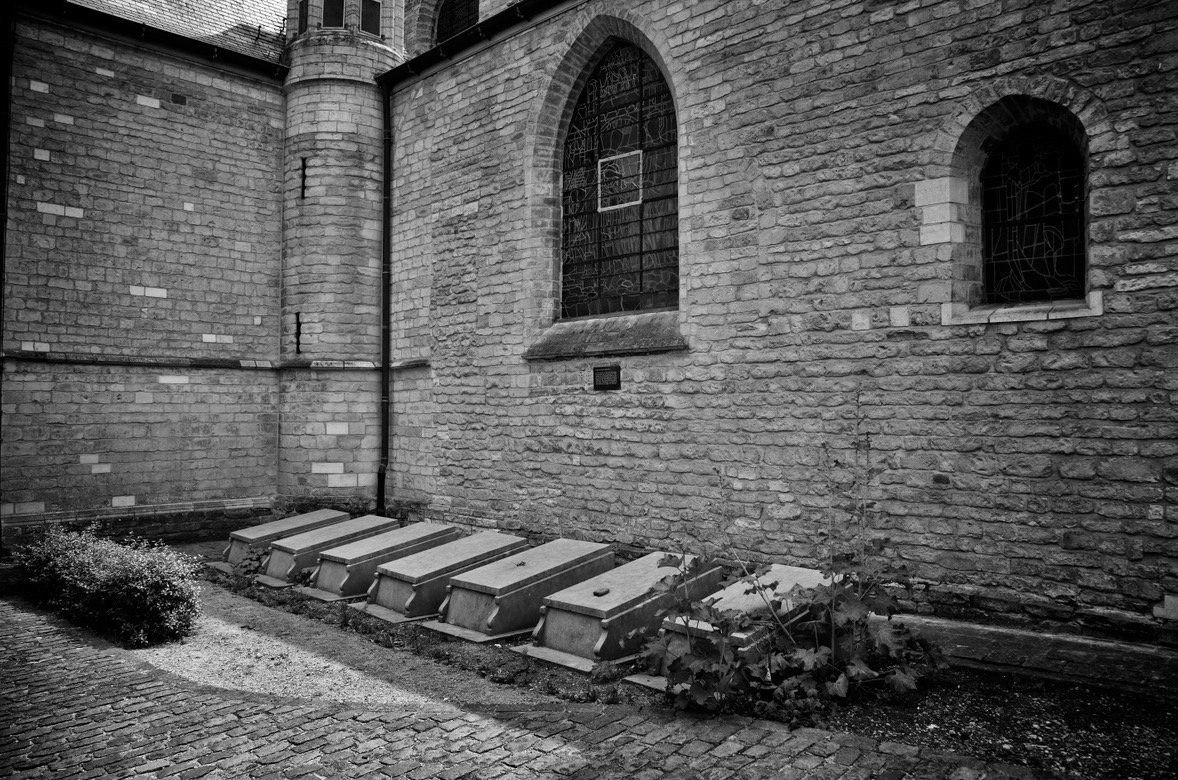

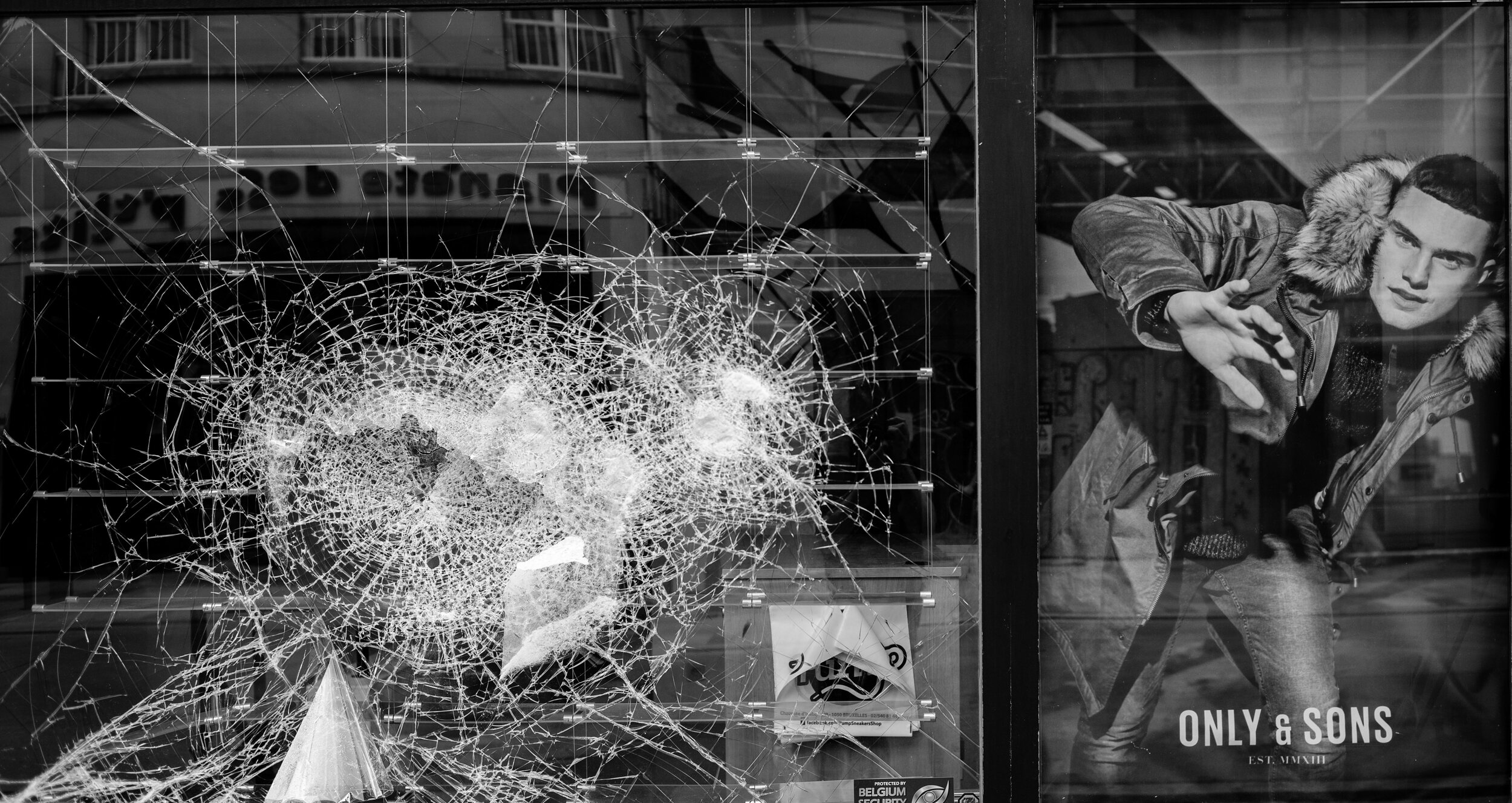
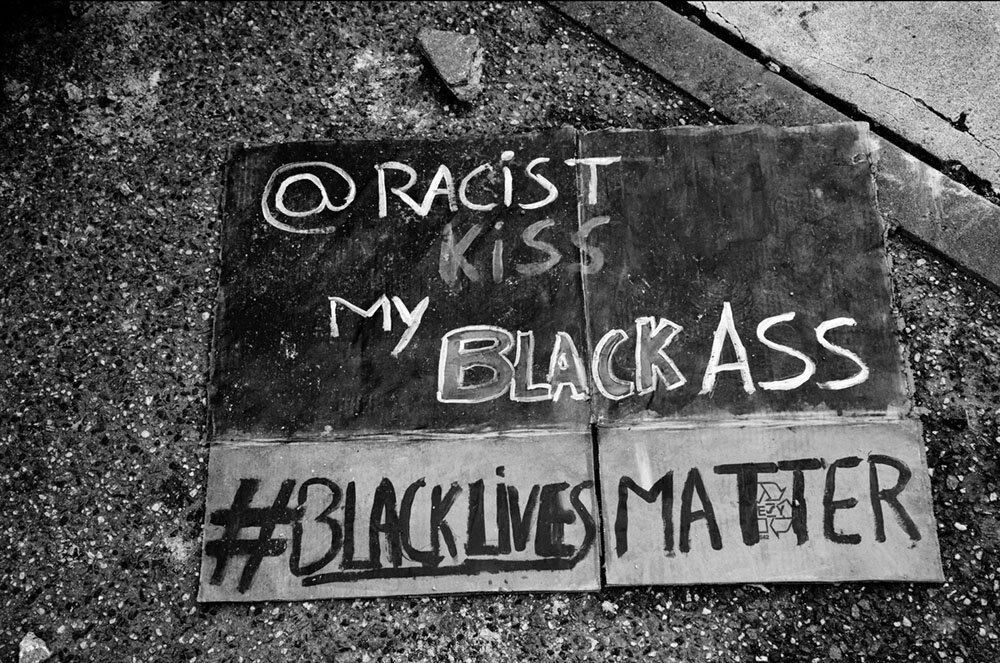
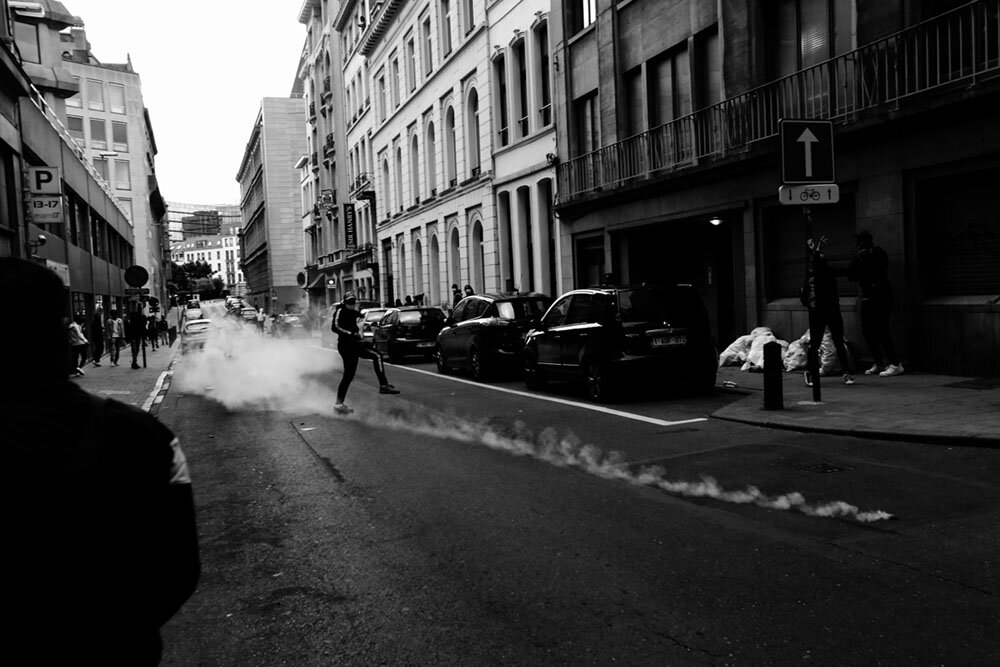
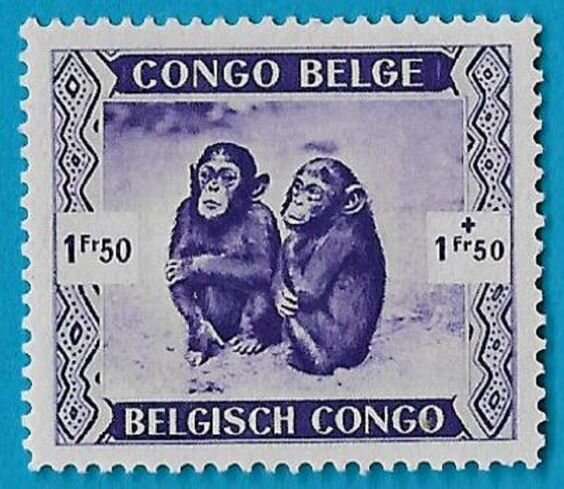
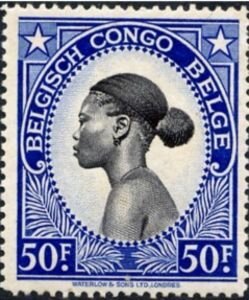
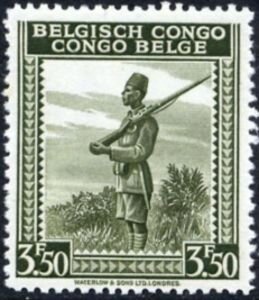
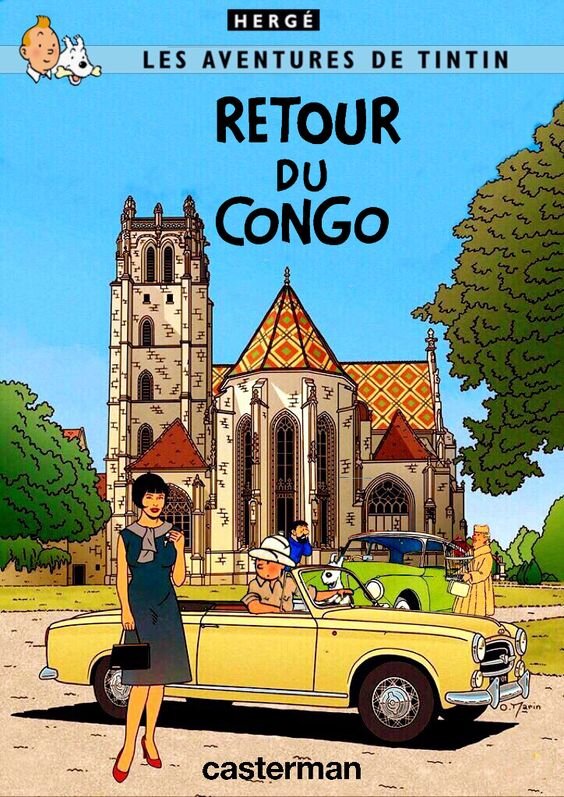
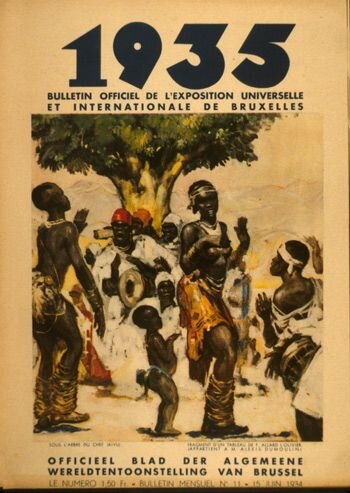
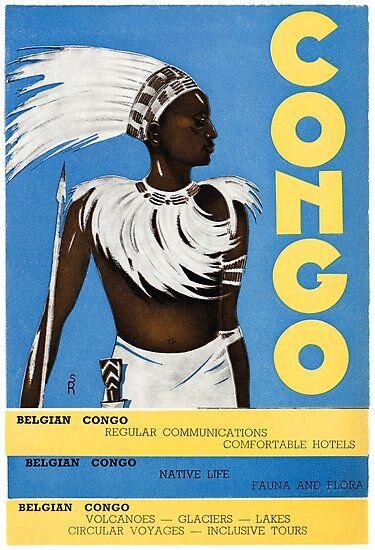
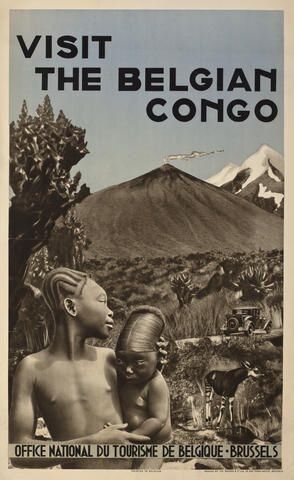
The Berlin Conference also failed to prevent conflicts between Europeans on African soil. The paradigmatic case is the Fashoda Incident of 1898, which pitted the French against the British when they met in Kodok, in what is now South Sudan. This was the point of convergence of the colonial ambitions of both nations: the British objective was a complete union from north to south, while the French aimed for the same from west to east across the continent.
The conference, in which no African country or native population participated, was the prelude to colonization, one of the defining moments in African history, the consequences of which are still felt today.

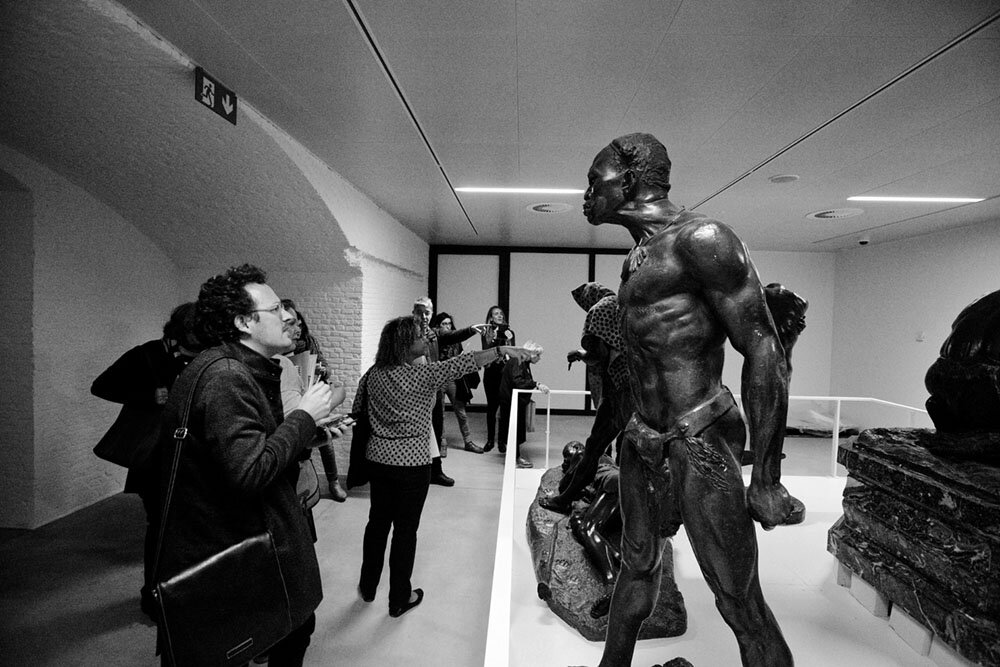
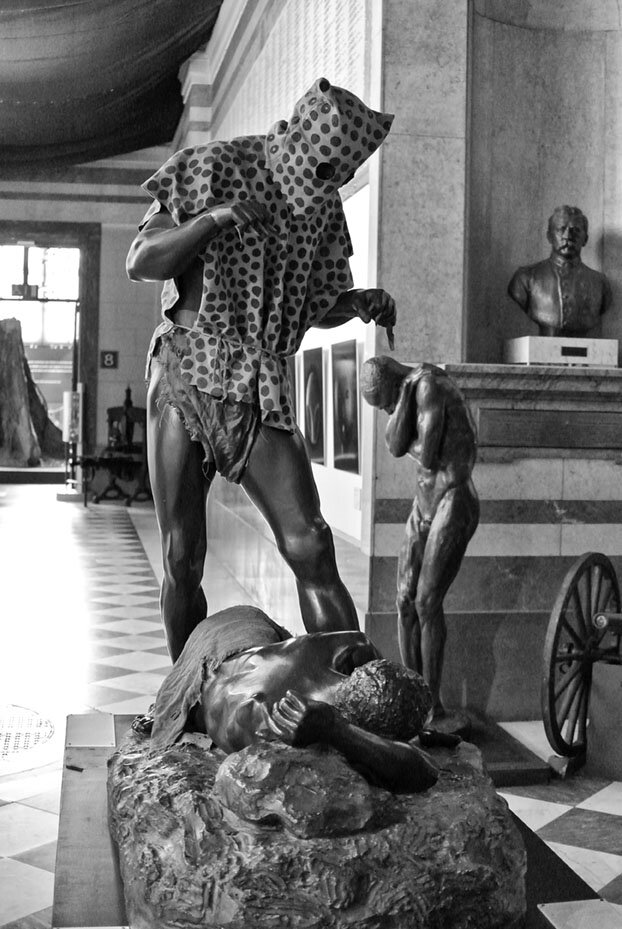
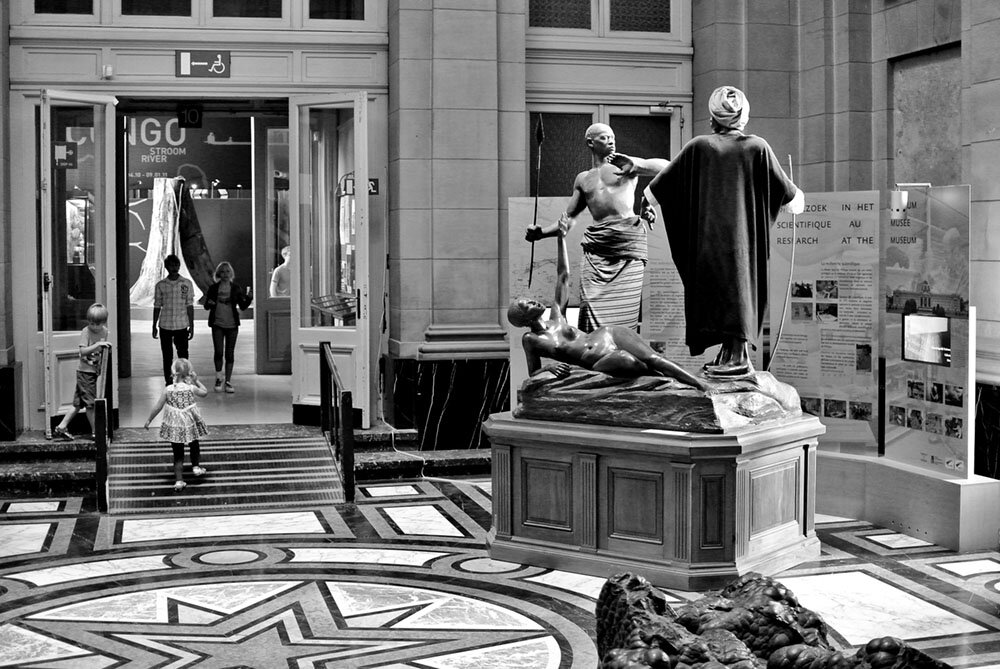
AFRICAN MUSEUM. TERVUREN, BRUSSELS.
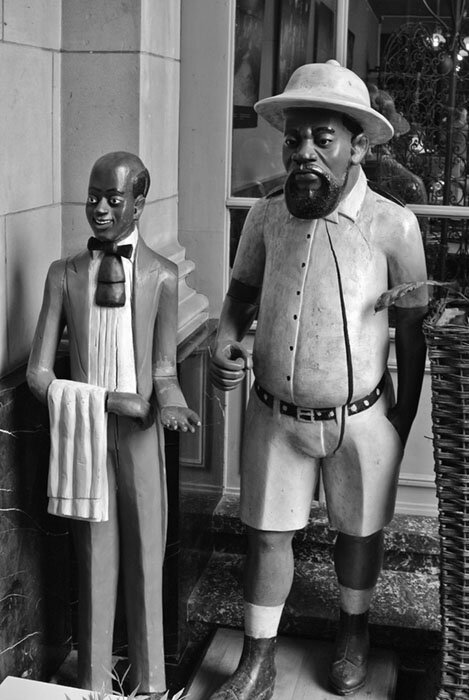
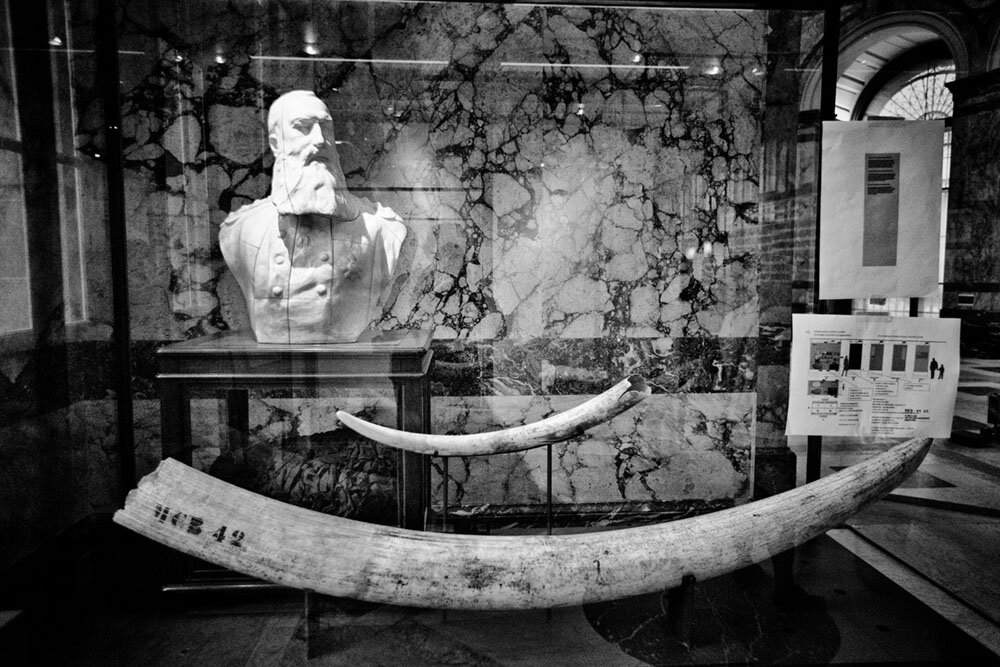
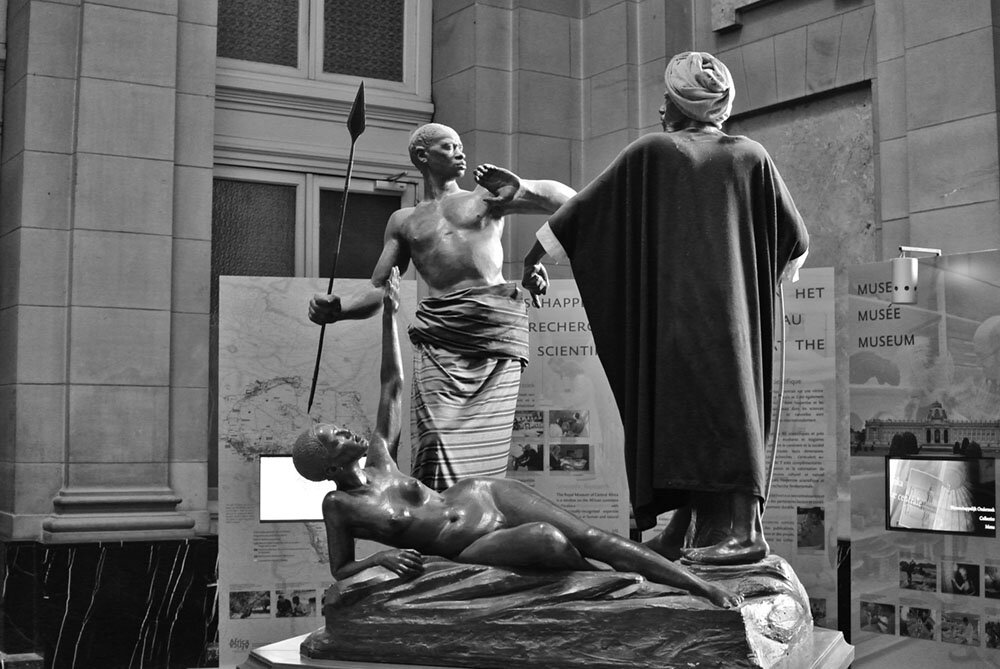
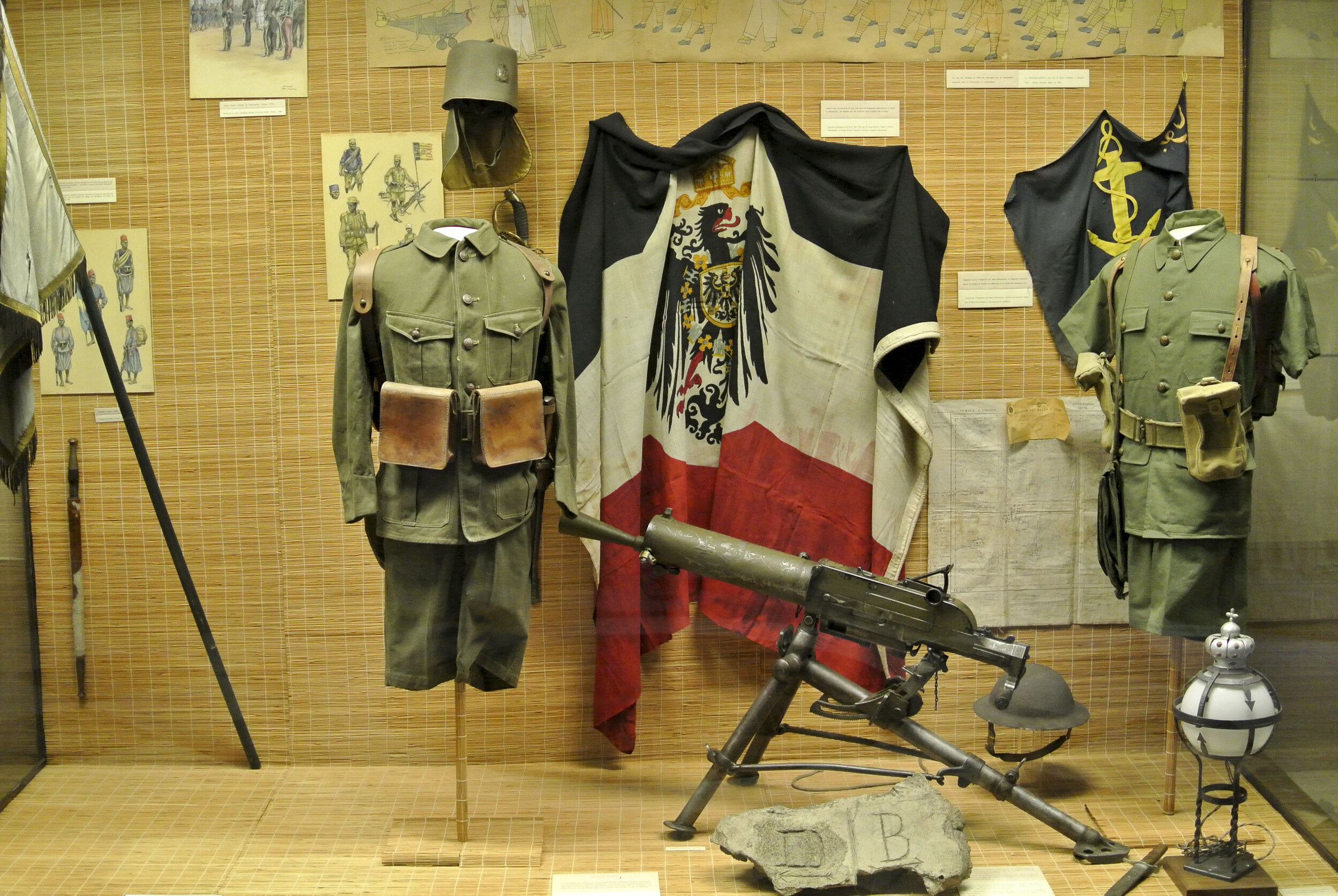
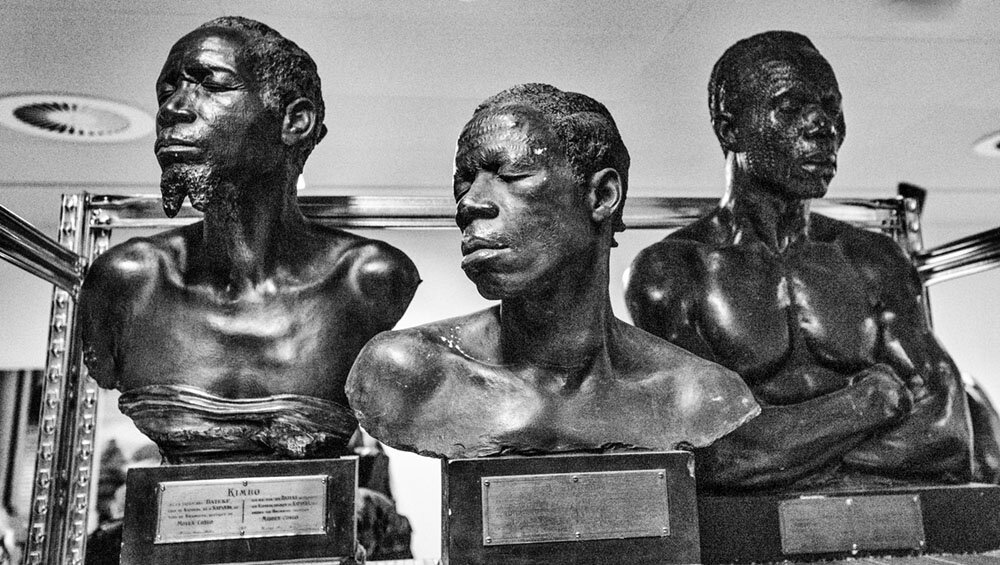
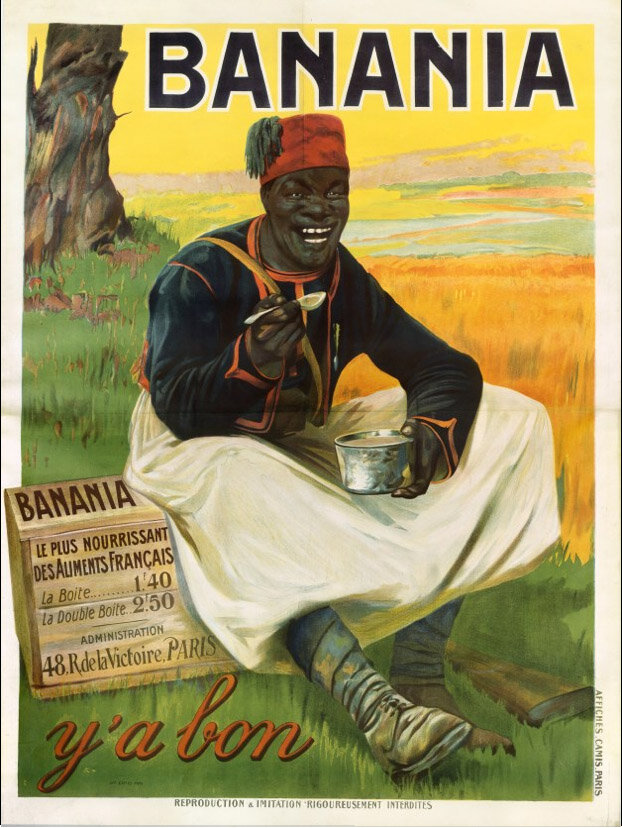
AfricaMuseum is itself a controversial building. It was the site of the notorious 1897 International Exposition, which Leopold II used to showcase his plunder from Congo – including his ‘human zoo’ of Congolese tribespeople put on display. Later remade as the Congo Museum and now formally known as the Royal Museum for Central Africa (RMCA), it underwent a major overhaul a decade ago, acknowledging its role in upholding Belgium’s colonial rule. “The museum used to be a colonial propaganda machine,” Couttenier says. “Now we’re trying to do the complete opposite.”
Despite its reopening in 2018 (closed in 2013), the diaspora does not agree with the complete decolonization of what it offers inside.
What Belgium teaches children about its colony in Kongo
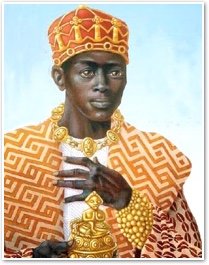
Afonso I, King of Kongo, also know as Nzinga Mbemba.
King Afonso I, also known as Afonso I Mvemba a Nzinga, was a prominent ruler of the Kongo Kingdom during a crucial period in the early 16th century. His reign, spanning from 1509 to 1543, marked a time of significant political, cultural, and religious transformations within the Kongo Kingdom. This article delves into the life of King Afonso I, exploring his leadership, challenges faced, and enduring legacy.
While Belgium and its former King Leopold II are infamous for their colonial atrocities in Congo, many Belgian children are not (properly) taught about this.
Monday, 18 March 2024
By Maïthé Chini
Internationally, Belgium is well-known for the atrocities its then-King Leopold II and later the State committed in the Democratic Republic of the Congo (DRC) under colonial rule. Strikingly, many Belgian children are not (properly) taught about this in schools.
Afonso I, King of Kongo, also know as Nzinga Mbemba.
King Afonso I, also known as Afonso I Mvemba a Nzinga, was a prominent ruler of the Kongo Kingdom during a crucial period in the early 16th century. His reign, spanning from 1509 to 1543, marked a time of significant political, cultural, and religious transformations within the Kongo Kingdom. This article delves into the life of King Afonso I, exploring his leadership, challenges faced, and enduring legacy.
This is an educational project and a long-term documentary project from Belgium.
REFERENCES
El museo de África de Tervuren: ¿un nuevo museo descolonizado? Marina M. Mangado 2709 books https://2709books.wordpress.com/tag/colonizacion/