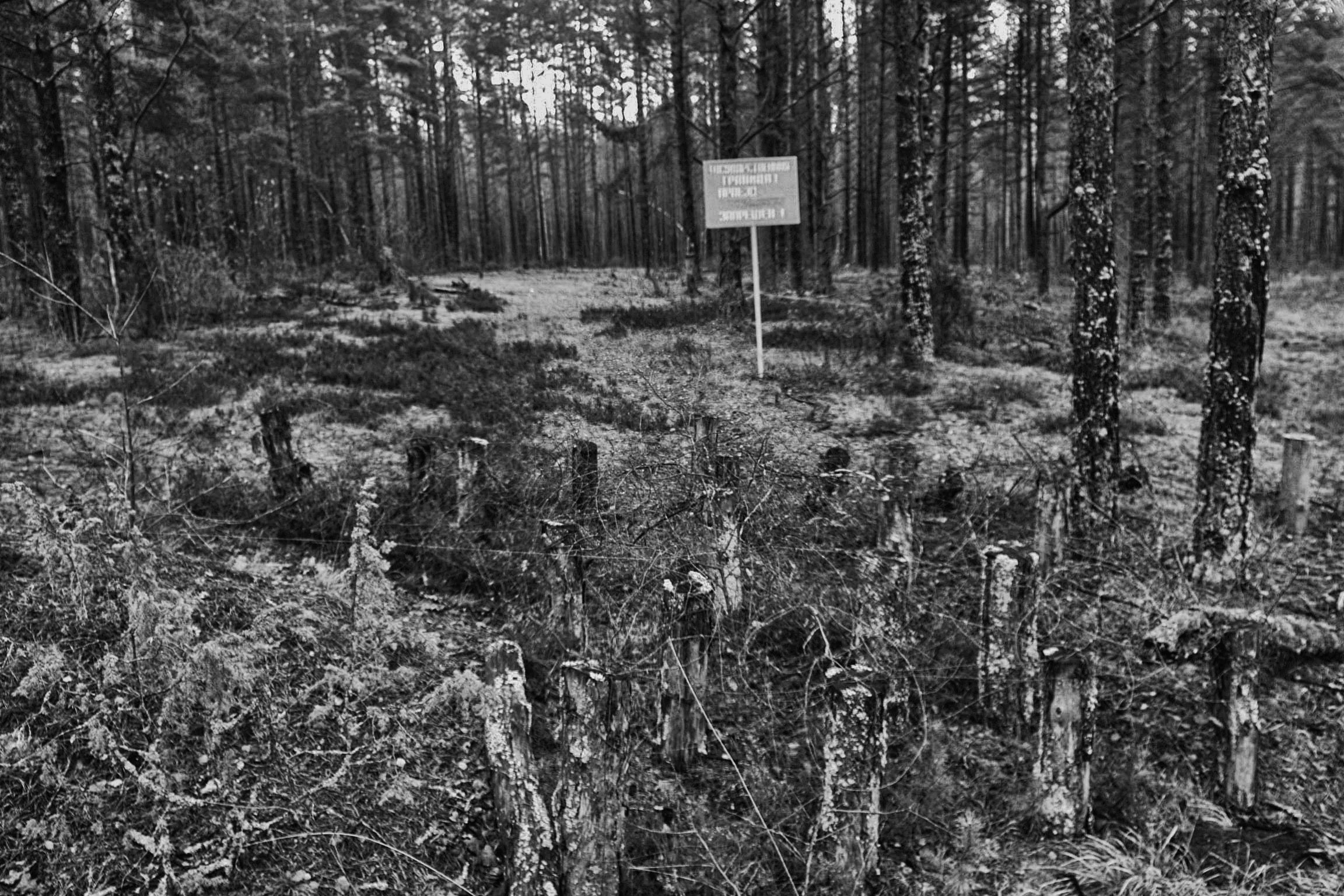
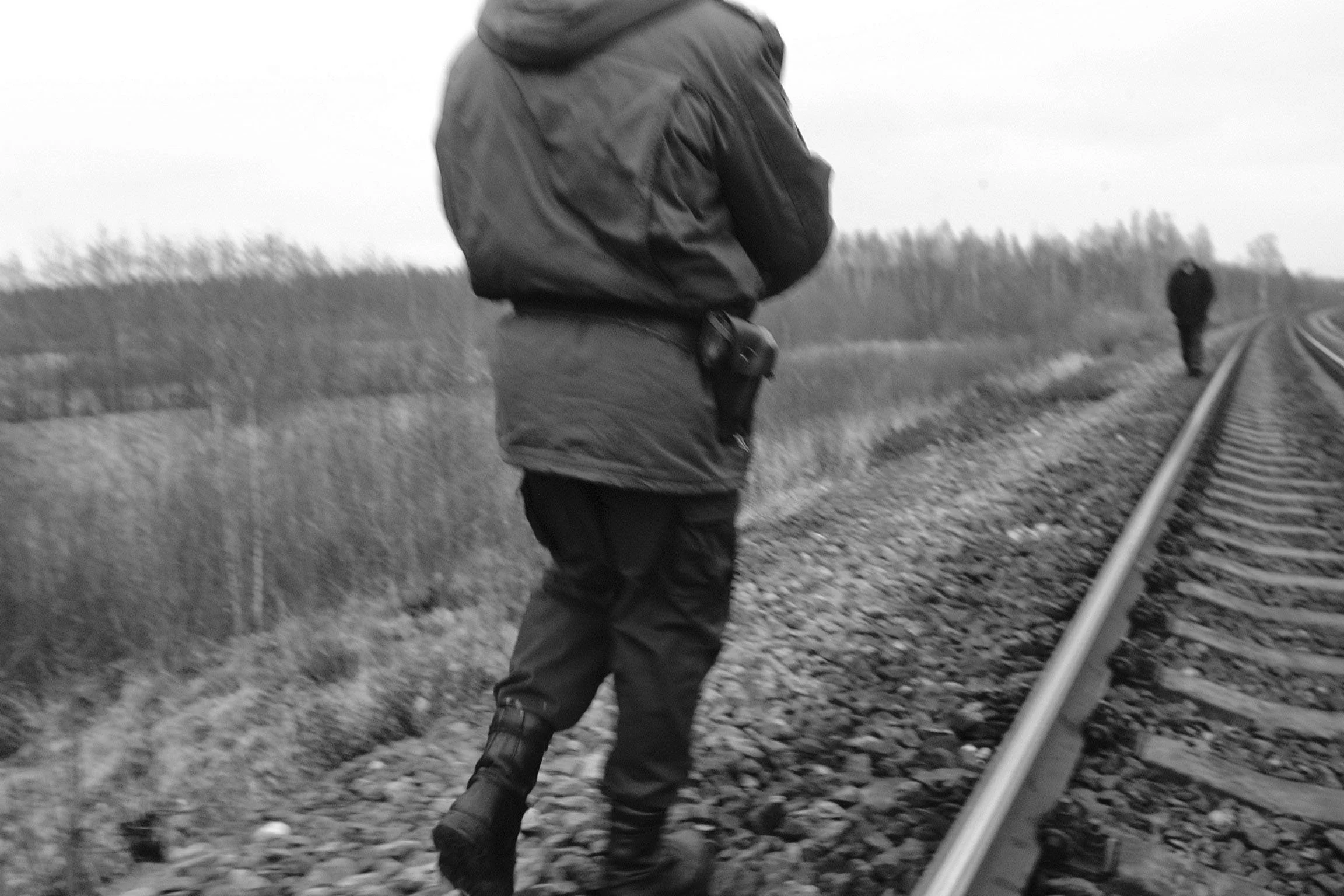
A forgotten frontier of WWII. 2003
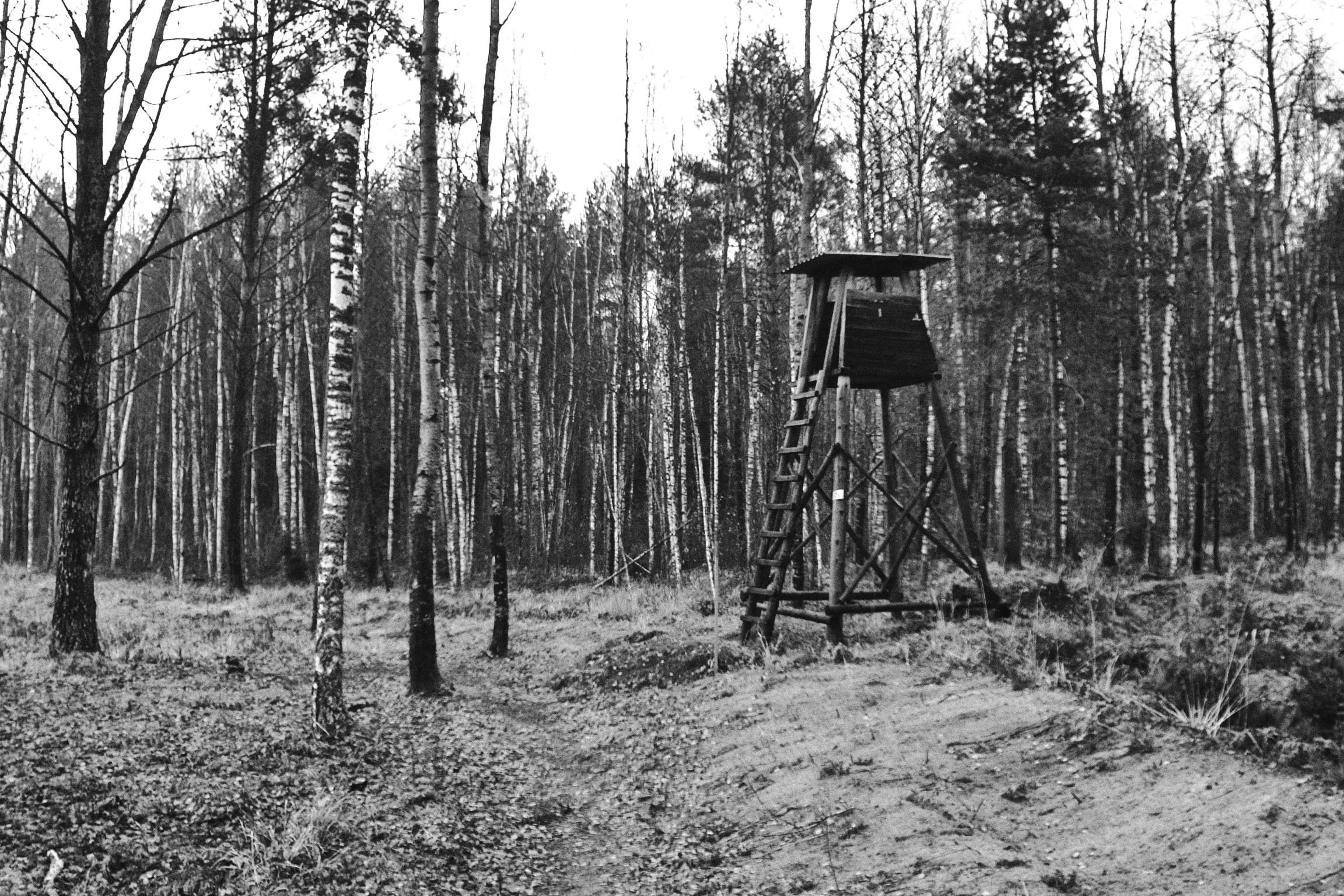
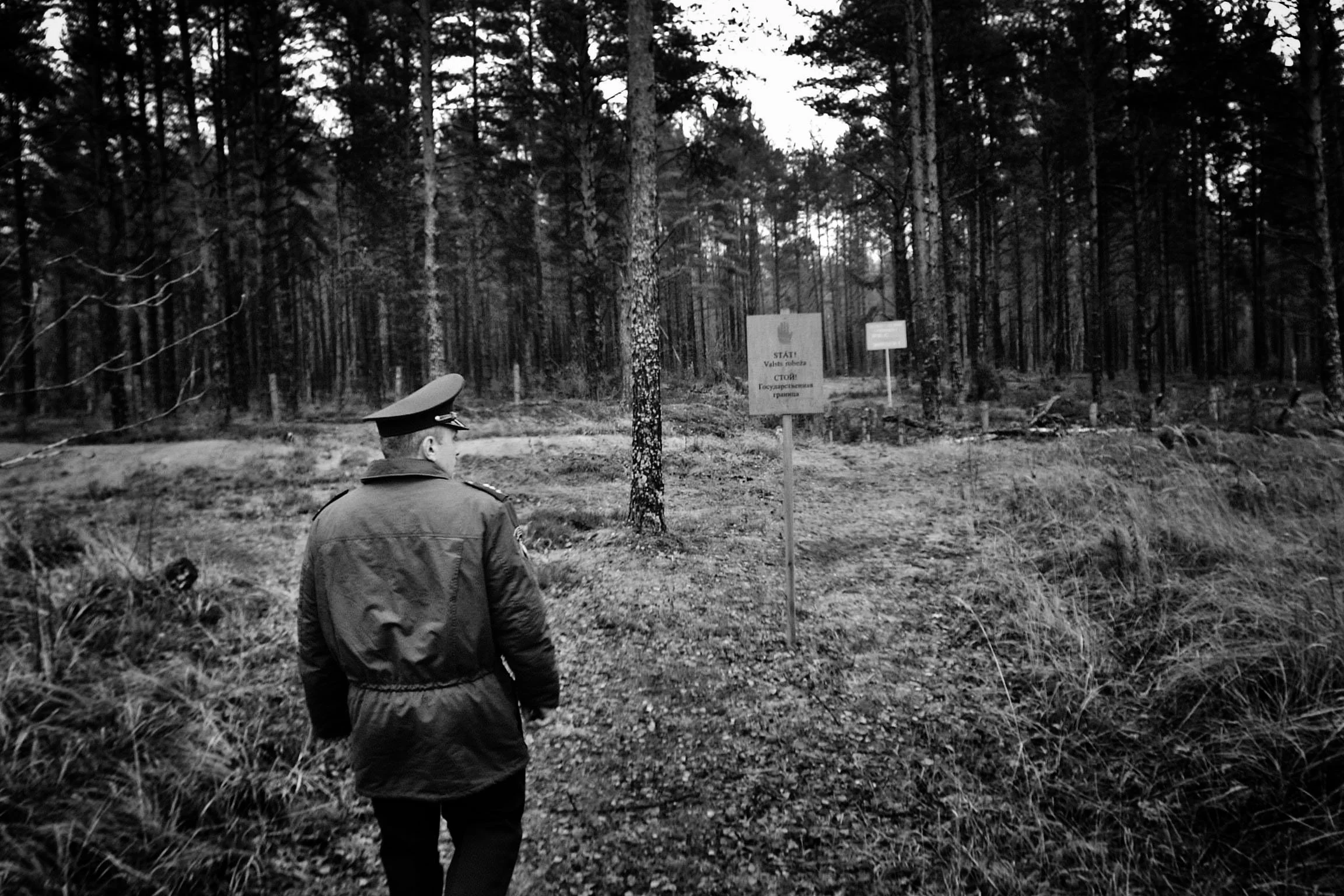
In 2003, the border between Latvia and Russia, it was known as the forgotten border of WWII, 270 to 290 km long, a line marked on the land by old and rusty barbed wire fences, which served as an imaginary line for the two states. Although it may seem anecdotal, at that time the two countries did not have a signed border treaty, and the modern and definitive border between Latvia and Russia was only signed and ratified in 2007, ending decades of territorial disputes following the dissolution of the Soviet Union. This agreement consolidated the current 217 km border, accepting the incorporation into Russia of the former Latvian district of Abrene (present-day Pytalovo).
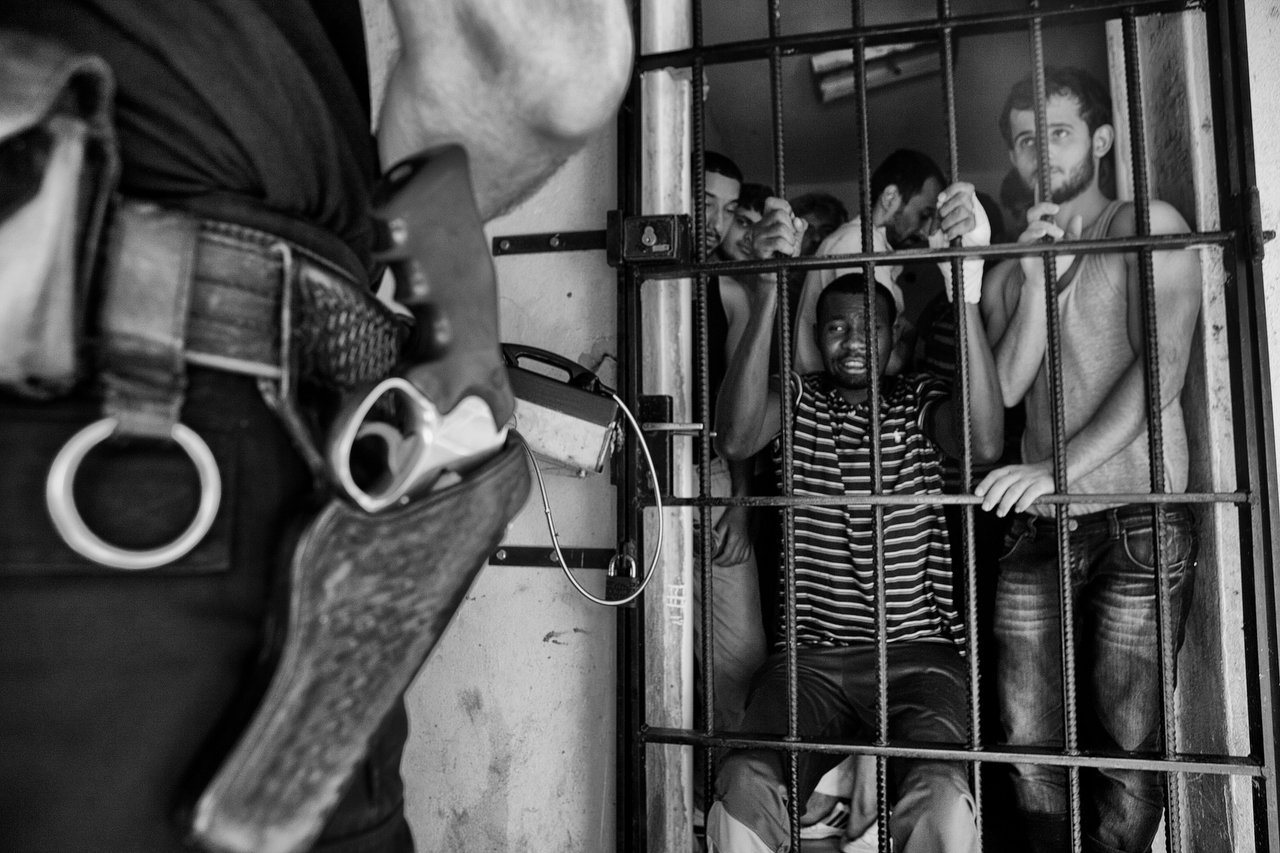
Immigrants imprisoned in northern Greece.
The Fortress Europe documentary photography project on immigration to Europe began with the foundation of the book I started in 1989 about the Galician Diaspora around the world, which took twenty years to complete, finishing in 2009. From then on, I understood how the emigration/immigration of peoples, based on studies and research within anthropological visual photography, had as its references both History in books and the history of peoples wandering the planet. This process, without needing to overanalyze it, involves the origin of Humanity, nomadic life, biblical punishments, wars, famine... Nothing has changed. Human beings have evolved through the different phases of Earth's history, but remain destined for their disappearance in a long book of dystopia, with millions of blank pages. Our future as humans is defined by our own actions.
In 2003, while working for a Latvian newspaper, I was able to visit one of the last remaining borders between Europe and Russia, where the rusty barbed wire fences from WWII were still visible. I am grateful to those who helped me witness firsthand those remnants of what was then the division between Europe and Russia.
In 2004, when the new members of the European Union joined the community, Latvia received aid to bring its border up to acceptable security standards.
I saw border guards from both countries walking along a single stream several meters across, and although those young soldiers were forbidden from speaking or communicating with each other, there was no shortage of exchanges of packs of cigarettes and the occasional short conversation while they smoked.
Seeing these kinds of situations and being an eyewitness to history for years developed in my mind a subsequent work process when the wars in the Middle East created a massive immigration to Europe: hunger, persecution, fratricidal wars, religion, the interests of third countries, illegal invasions, arms sales, so, within my possibilities I continued documenting as much as I could, although as always in personal documentation projects, the extremely important economic part, did not arrive to finish or even start.
With or without a signed treaty, the border between the two countries remained a sieve for smuggling and human trafficking, with the ease typical of historical borders through which humanity has fed itself or bolstered its ailing economies. Examples abound, and the stories of these borders are, today, the livelihood of thousands of families.
Smuggling was followed en masse by human trafficking, managed by mafia gangs that smuggled thousands of people across in exchange for money. The harsh winters also took their toll, leaving lives cut short in the final attempt for a better and more dignified life.
Modern systems at the Latvian border reduced all forms of human trafficking during the crisis, and the stories are countless, although the worst of it, as is well known, was borne by the border between Turkey and Greece, with towns like Nea Vyssa and the Evros River, places where many lives were lost in their struggle to reach the promised land.
Latvia announced that they have completed the first 23km wire fence on its 276km border with Russia. The main goal of the barrier is to prevent “illegal migration,” according to State Border Guards spokeswoman Evgeniya Poznyak. Aimed at preventing “illegal immigrants” from entering the country, Latvia’s fence construction began in 2015, and was expected to be completed in 2019. However, the fence is far from the goal set to protect 193 kilometers of “vulnerable” borderland, based on Latvia’s Delfi news.
Interior Minister Rihards Kozlovskis previously voiced the need for 80 million euros to be “approximated” for the work when talking about regulating the country’s borders with Russia and Belarus.
The fence itself and general border control reorganization were estimated to be worth 17 million euros, according to State Border Guard. Since an additional 6.3 million euros has been put into the construction, the total costs seem to be more uncertain.
During my travels between 2003 and 2004 through the European countries that would become new members of the EU, the editors of Diena, the largest independent newspaper at the time, offered me a position on their editorial team for the launch of a new magazine. Once I accepted the position, my residency as a foreigner before joining the EU was fraught with difficulties living and working as a journalist in Latvia. There was considerable suspicion; the country had recently gained independence from the Soviet Union, and its society was slowly transitioning to a new nation free from dictatorial constraints. Therefore, my presence as a European journalist was a real headache for the bureaucracy and for those who had not yet overcome the effects of martial law. A European writing and traveling through a beautiful country raised many eyebrows, to the point that I was detained at the airport when I was leaving for another EU country. The border guards couldn't understand, despite my accreditation from the Ministry of Foreign Affairs and my press pass from the newspaper, why a foreigner could be living in the country for so long, spying on its culture and daily life. That situation ended with countless calls back and forth from a patriotic official who almost made me miss my flight. And it wasn't the only time, but Latvia quickly began to awaken from that long slumber of suffering and repression and saw that on the other side of what had been the Iron Curtain, there were people waiting for them with open arms.