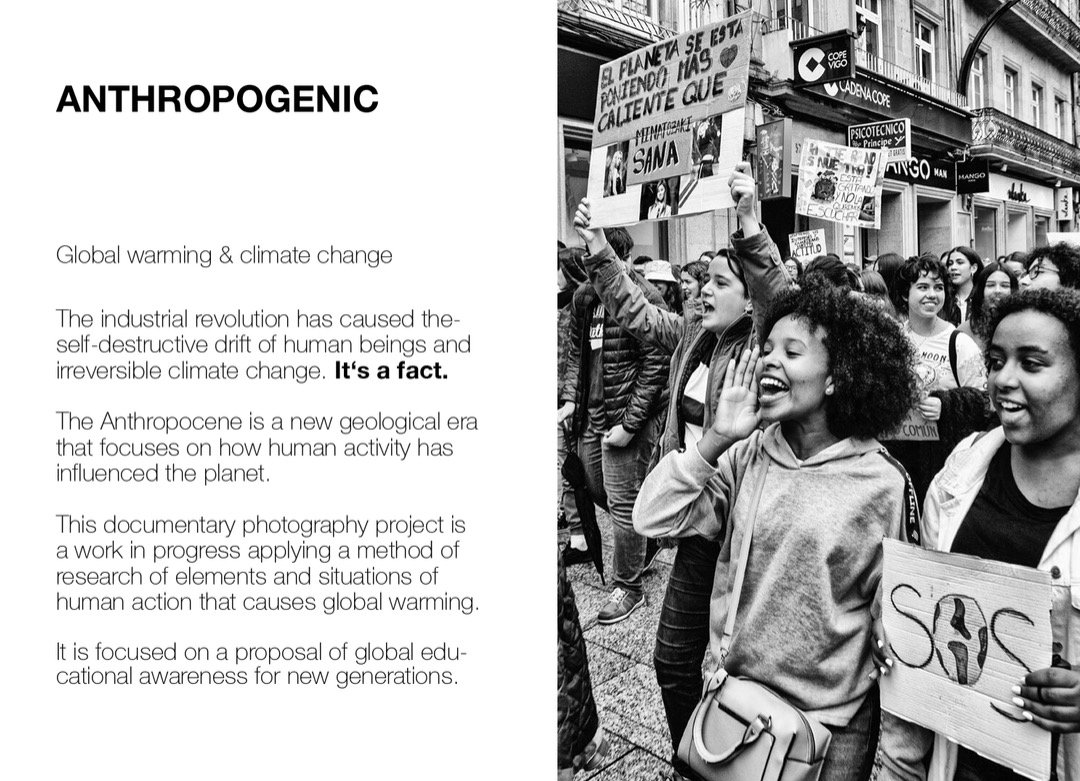
Anthropogenic
Anthropogenic means originating from human activity. It is most frequently used in the context of environmental science to describe pollution, climate change, or ecological alterations caused by human actions, as opposed to natural processes.
Climate Change: Greenhouse gas emissions from burning fossil fuels.
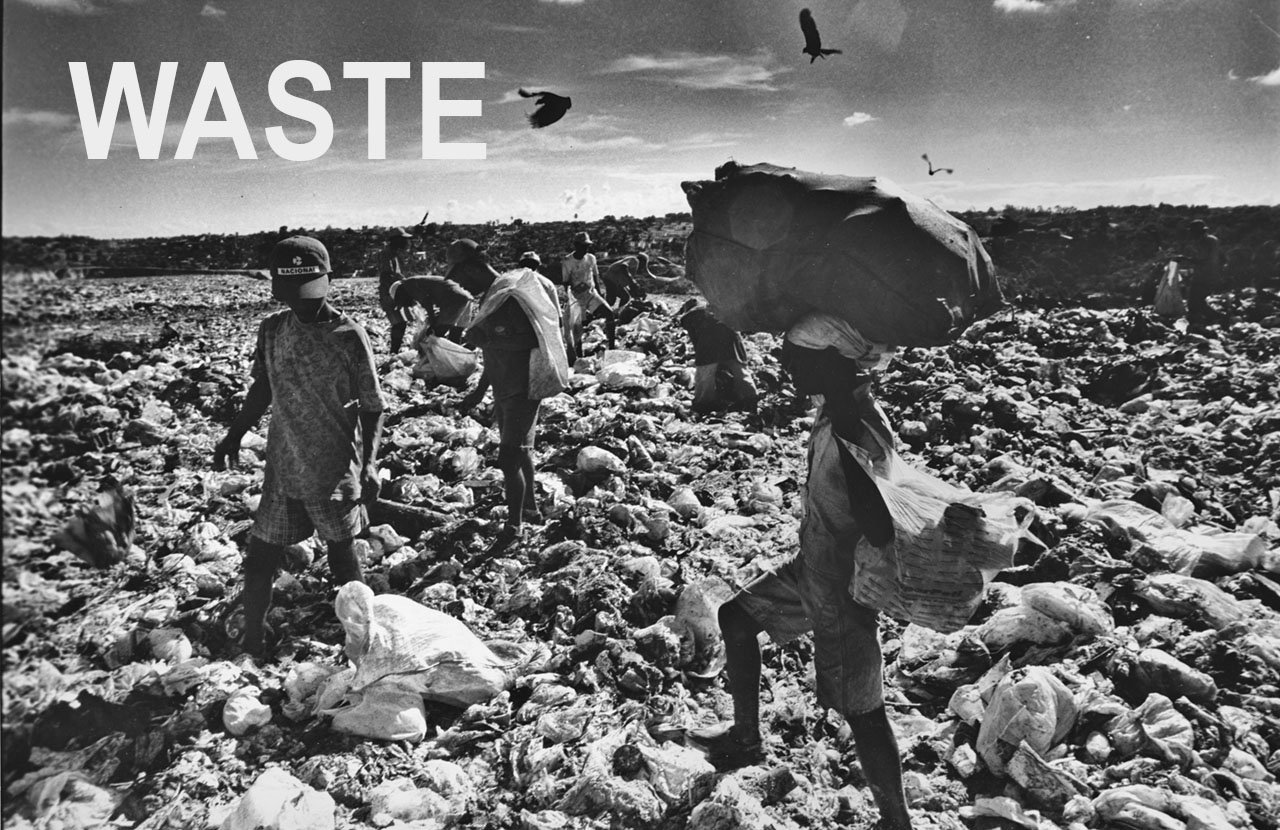
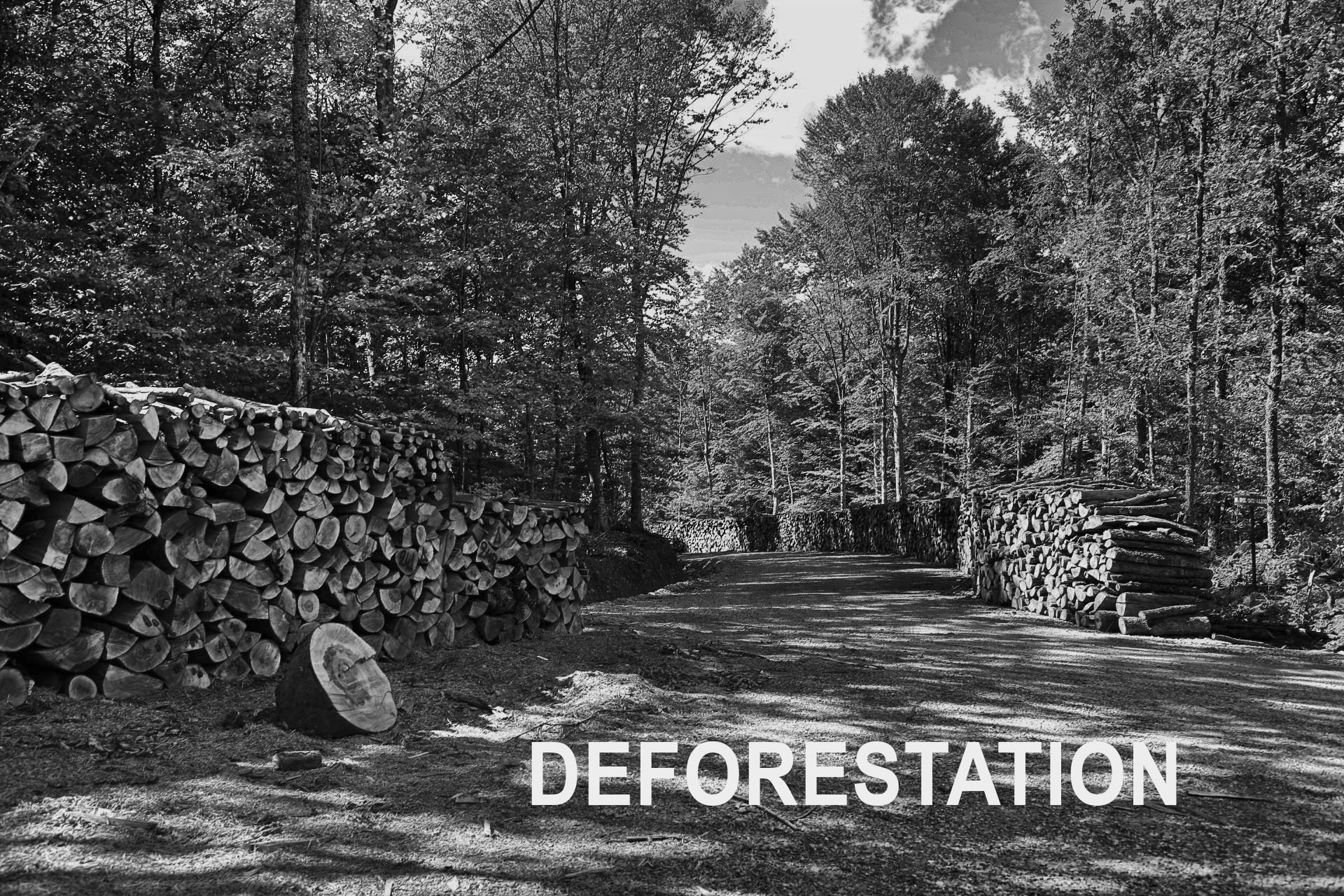
Habitat Destruction: Deforestation, urbanization, and waste generation.
Long-term documentary
Work in progress. Text updated may 31, 2026, 6:38pm
Purpose: Educational project, researchers, journalism, visual anthropology, climate change information.
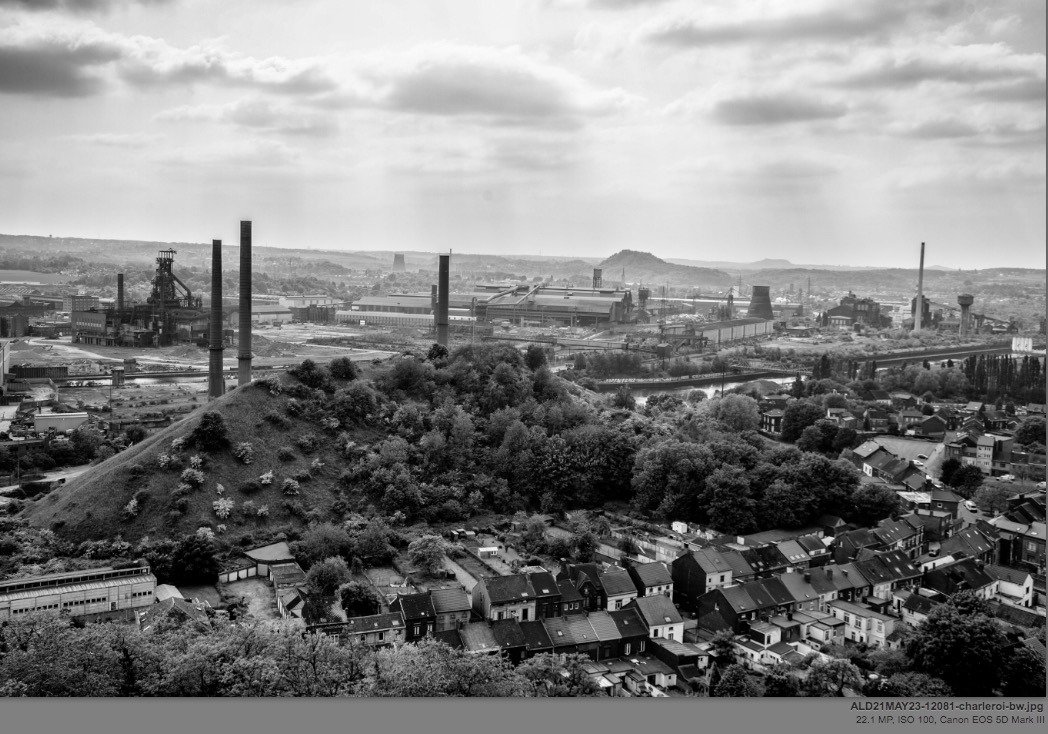
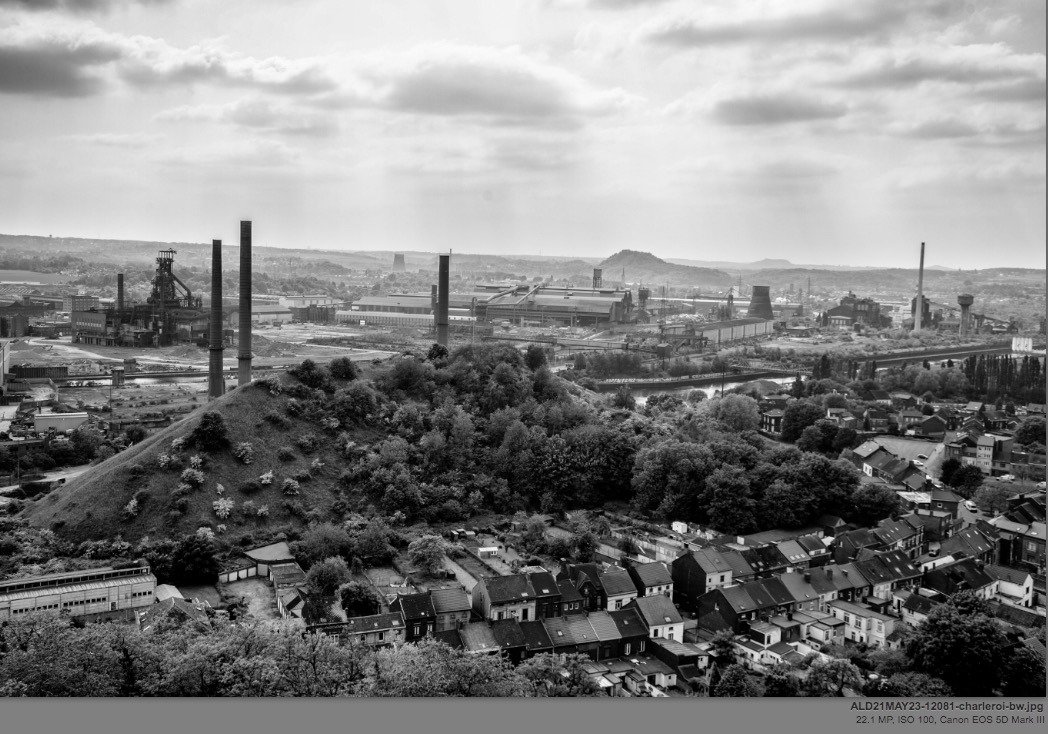
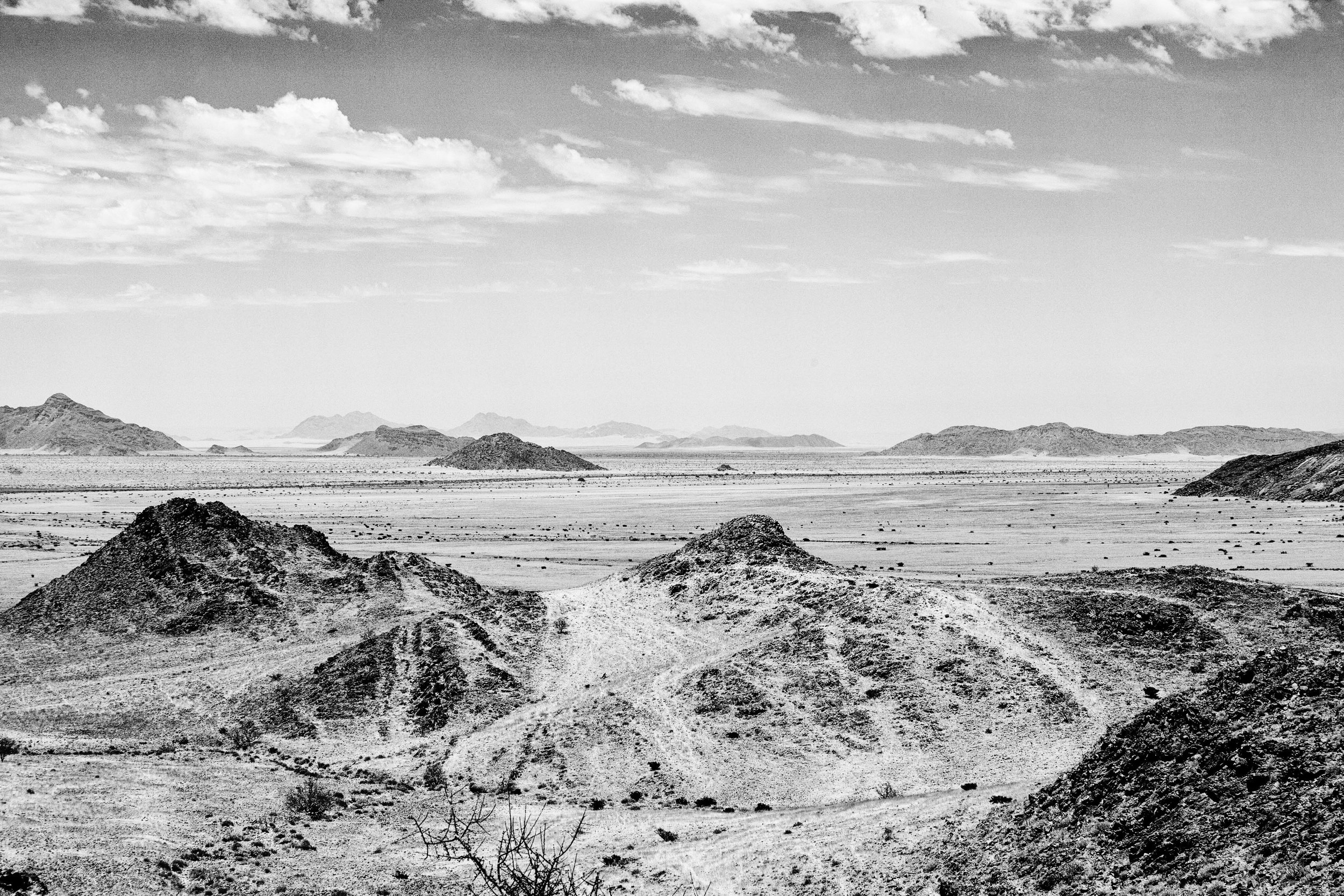
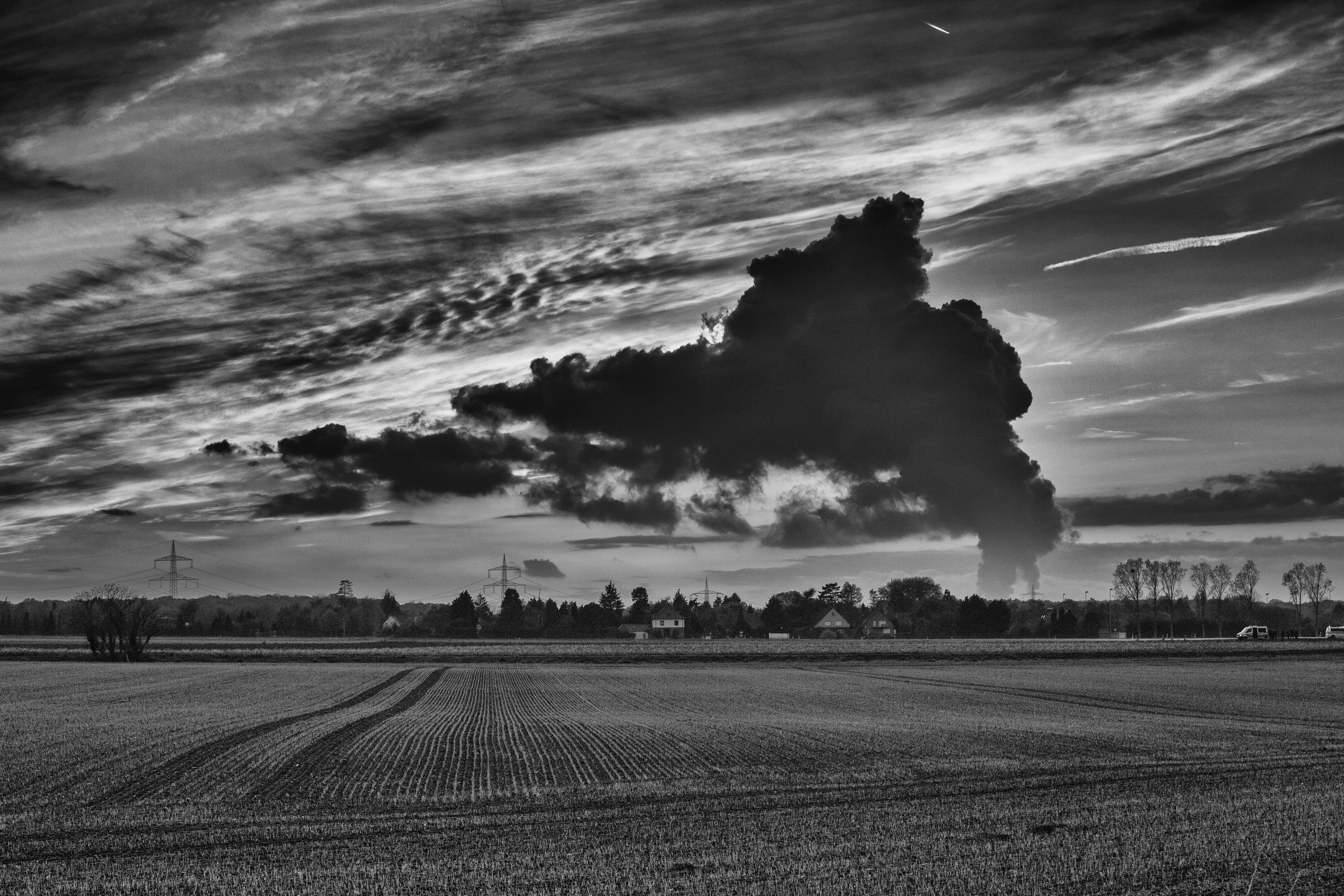
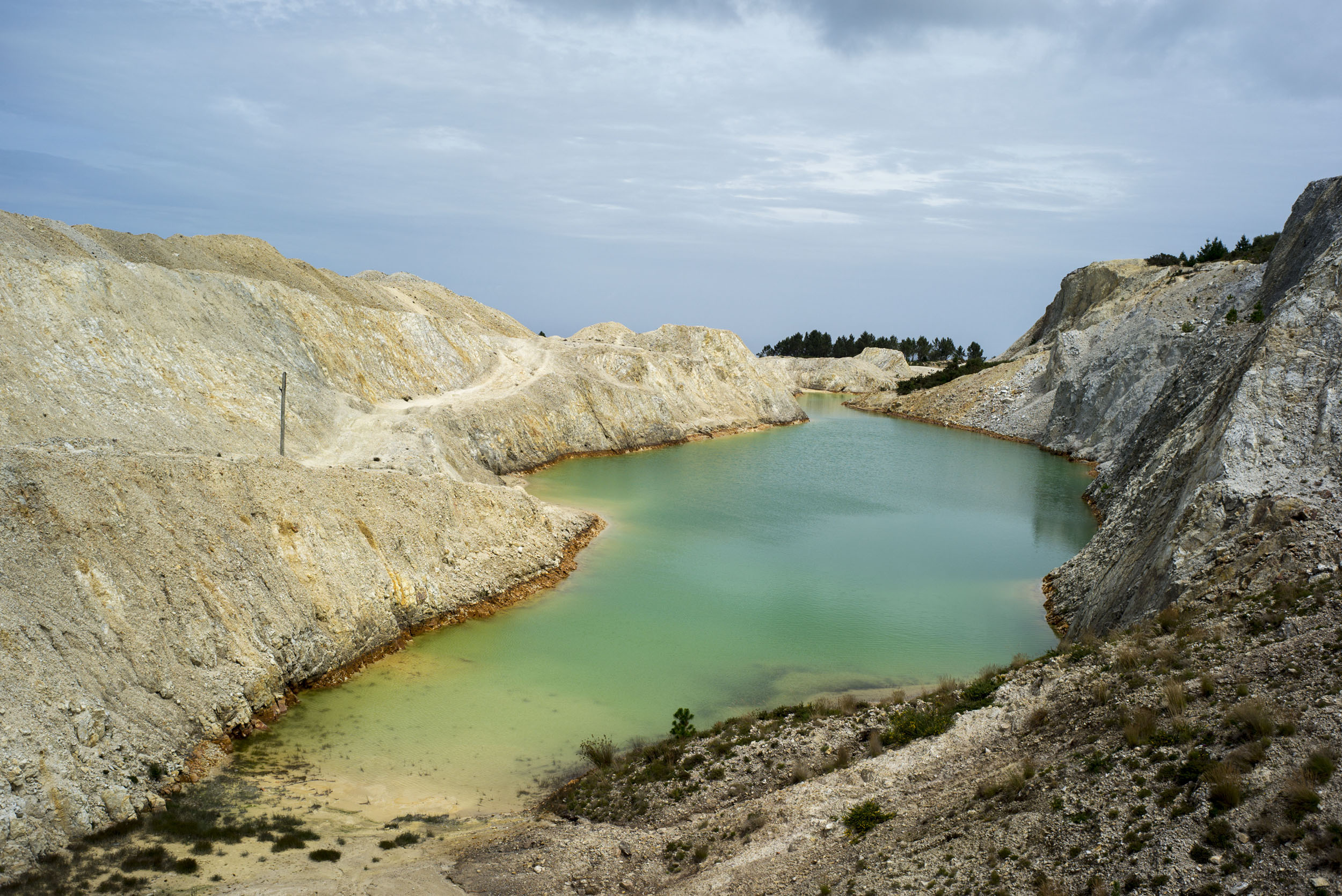
The former coal mining industry still relies on fossil fuel machinery in a gray city. The artificial hills in the foreground are made from coal ore. Charleroi. 2023.
Belgium was the second country in the world (only behind the United Kingdom) to implement and develop the Industrial Revolution during the 19th century. Its rapid industrialization was due to several key factors: Abundant resources: It had large deposits of coal (especially in the Walloon Basin) and iron, essential for the time. State support: The government actively promoted the creation of a national railway network and supported financial modernization. Early innovation: It was a pioneer in the textile and metallurgy industries, notably the city of Seraing, which housed some of the largest iron and steel complexes in Europe.
The Manifesto of Physical Evidence
The manifesto gathers the approaches and reflections of my project: the conservationist and self-taught gaze; the origin in Neolithic agriculture; the chronology of the steam engine and nineteenth-century coal mining; the migratory drama and silicosis in Charleroi; the wolfram fever in Galicia; concrete in Greece; anthropic action and geological risk in the La Palma volcano; hyper-consumerism; the hypocrisy of climate summits; the global submission to the manufacturing oligopoly and the mimetic expansionism of China; the irreversible thirty-year scientific projection; and the analytical coldness of data that serve as an indispensable notary deed of our era (p. 1).
Nothing is accidental; everything has a beginning caused by an energy (p. 4). The project Anthropogenic, by photographer and anthropologist Delmi Álvarez, is a long-term documentary visual photographic essay and a continuous work in progress, a constantly evolving investigation that remains open over time and whose end is never known (p. 4). The term "anthropogenic" explicitly defines those global-scale biophysical alterations caused by human activity in direct contravention to the planet's natural processes and cycles, which are governed by energy flows that humanity has learned to intervene in violently (p. 4). As a conservationist and self-taught observer free from institutional dogmas, the author articulates a visual investigation that functions as an accumulation of physical evidence where environmental aggression is inseparable from human exploitation, operating under a rigorous exercise of visual self-criticism (p. 4).
The Genesis of Change: The Early Anthropocene
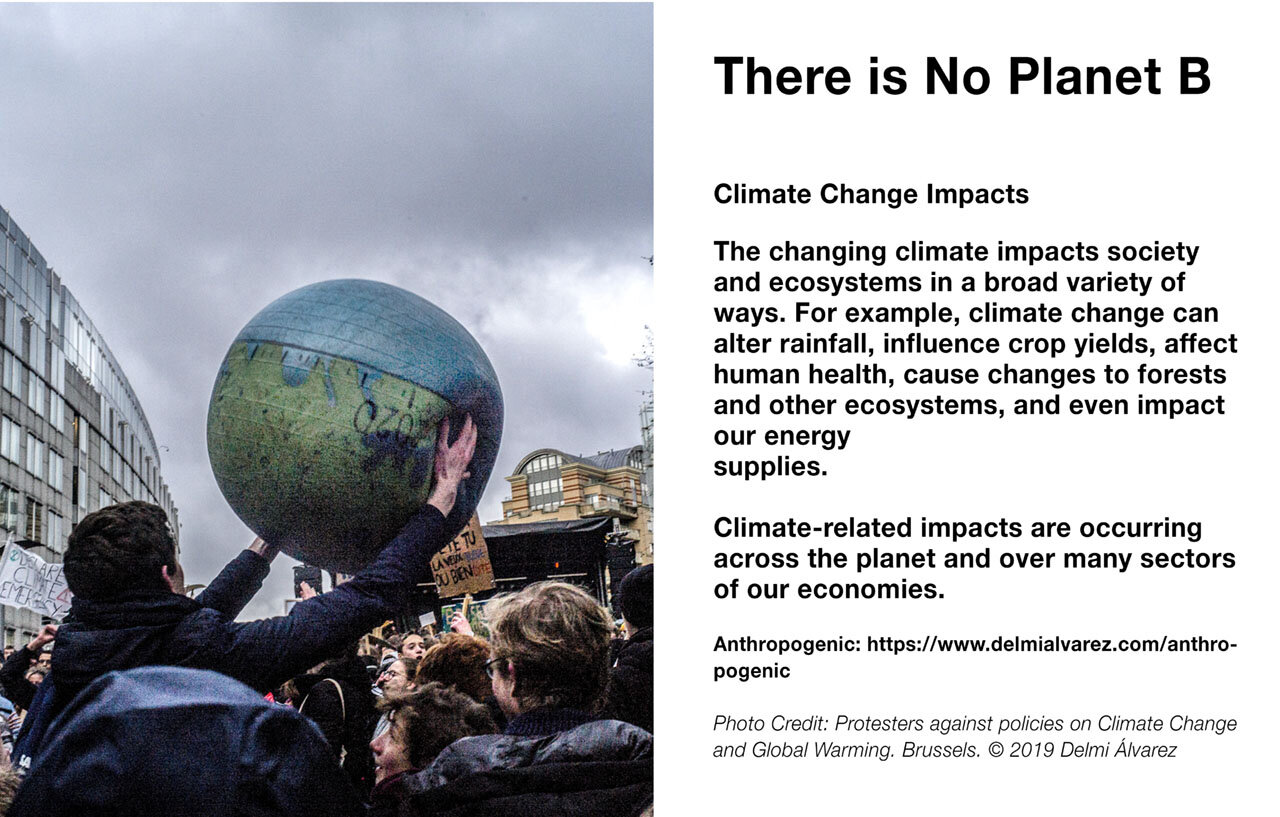
First of all, we should introduce the Anthropocene and its armed wing, anthropogenic action (p. 1). This approach fully coincides with the scientific formulation proposed by Nobel laureates Paul Crutzen and Eugene Stoermer, who formally coined the term "Anthropocene" to define a new geological epoch in which emissions resulting from industrial activity have irreversibly displaced the planet from its stable Holocene behavior (p. 4). This is a concept that currents of political ecology, such as those of Jason W. Moore, refine under the name of Capitalocene to point out that the crisis responds to an economic system based on constant accumulation at the expense of the destruction of nature (p. 4).
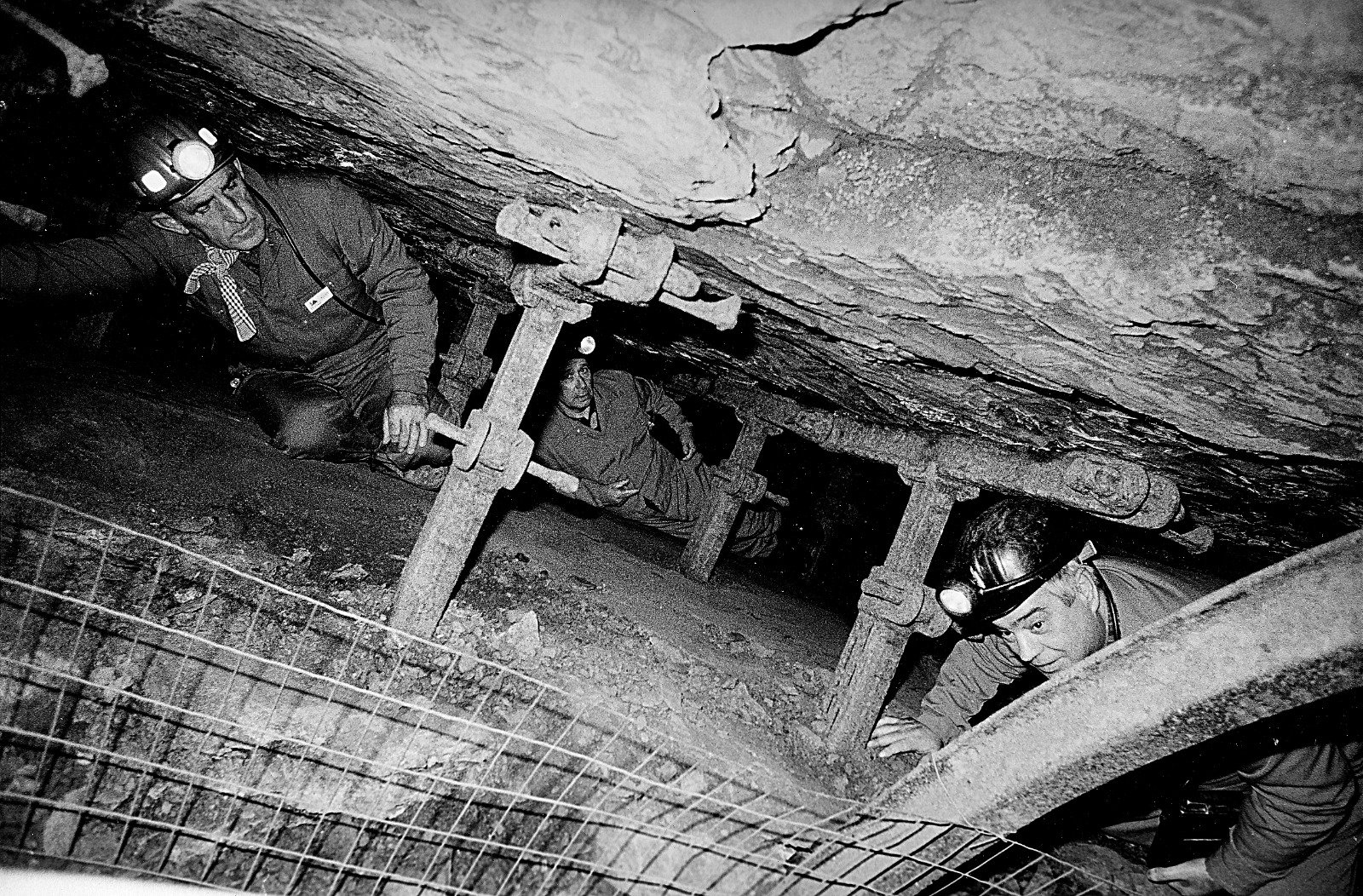
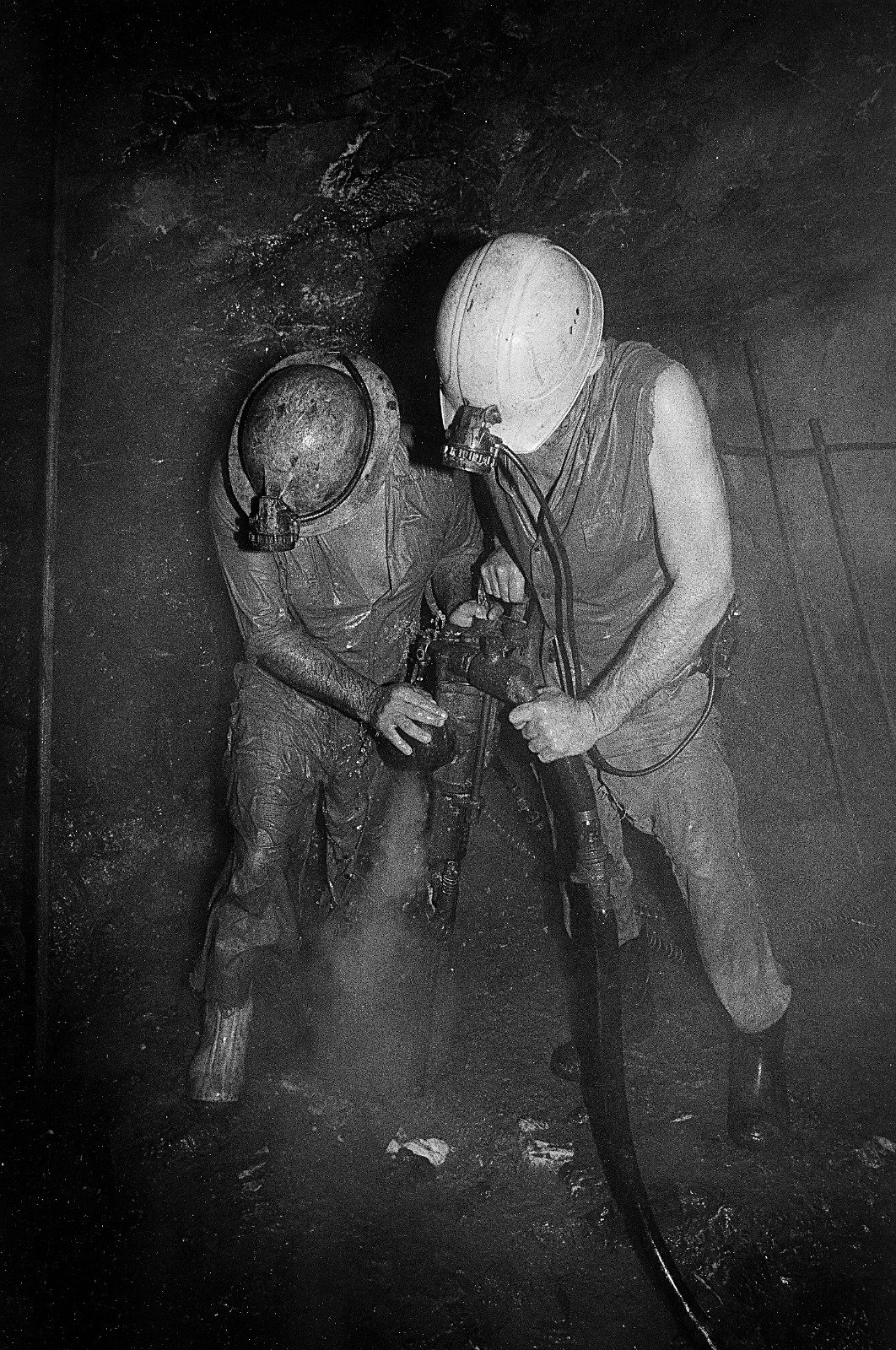
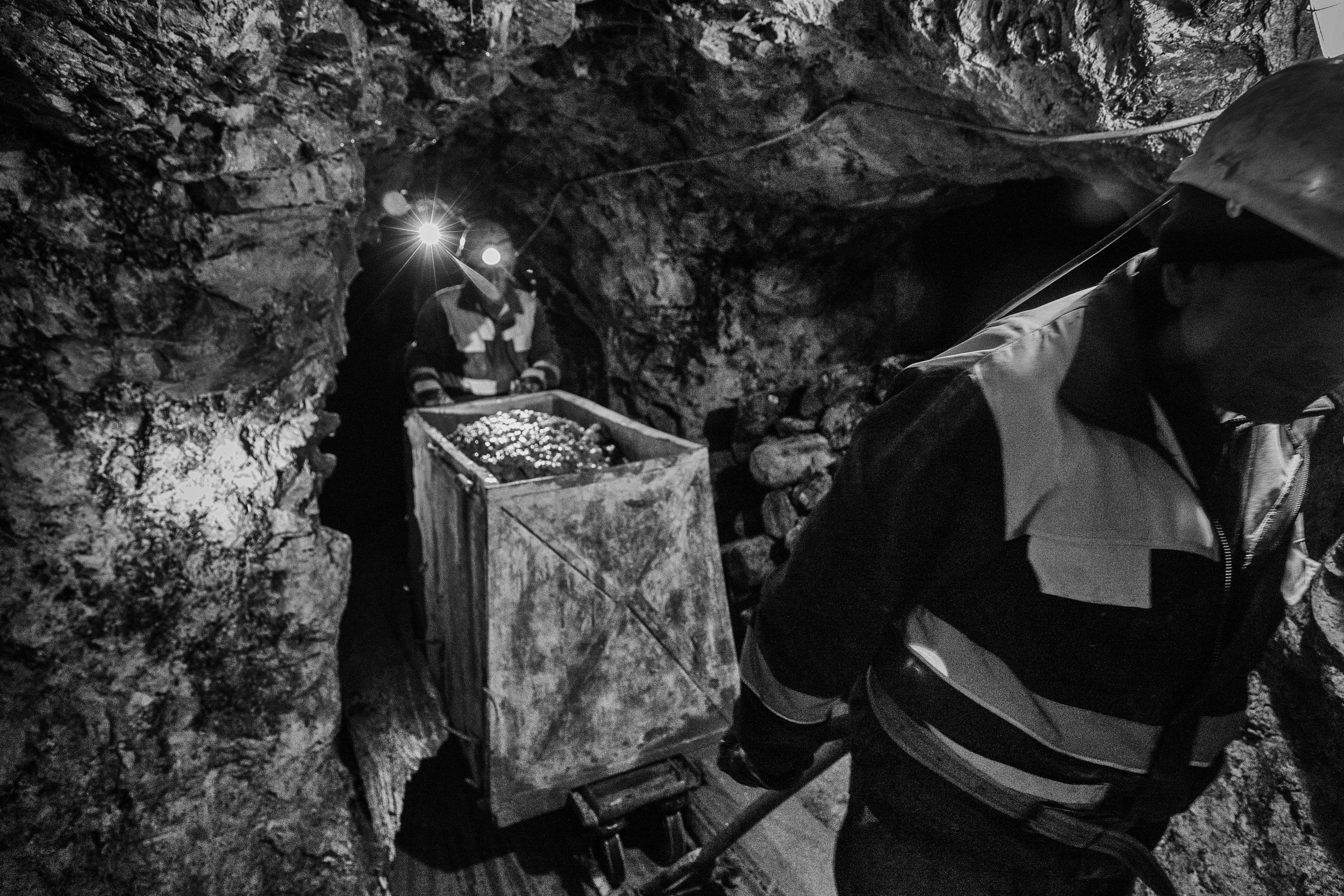
Miners in carbpn mine. Belgium. 1989
To understand the magnitude of today's climate crisis, the visual discourse of this investigation is articulated through a rigorous chronological reasoning that demonstrates that every current aggression is the consequence of a previous energetic impulse, beginning its journey long before the era of machines, specifically with the Neolithic Revolution (p. 4). The scientific community debates the key moments of this kickoff (p. 1). The early origin is situated about ten thousand to five thousand years ago, when humans transitioned from being nomadic to forming sedentary societies, marking the first large-scale manipulation of the planetary soil by the first agricultural civilizations in the Fertile Crescent, Europe, and East Asia (p. 9).
This line of research is supported by the early Anthropocene hypothesis—also known as the Ruddiman hypothesis—which demonstrates that climate change did not start all at once but was cooked over a slow fire (p. 2). The massive clearing and burning of primary forests for plowing released the first large concentrations of carbon dioxide (\(CO_{2}\)) retained in the biomass (p. 9). Subsequently, the domestication of ruminants and the expansion of flooded rice cultivation in Asia injected methane (\(CH_{4}\)) into the atmosphere due to anaerobic decomposition in stagnant water—a gas that, in the short term, is up to 28 times more potent than \(CO_{2}\) (pp. 3, 9). Analyzing the air bubbles trapped in ancient Antarctic ice, scientists discovered that these rural actions deviated gas curves from their natural course, altering the global thermostat just enough to artificially halt the natural cooling trend that was pushing us toward a new ice age (pp. 3, 9).
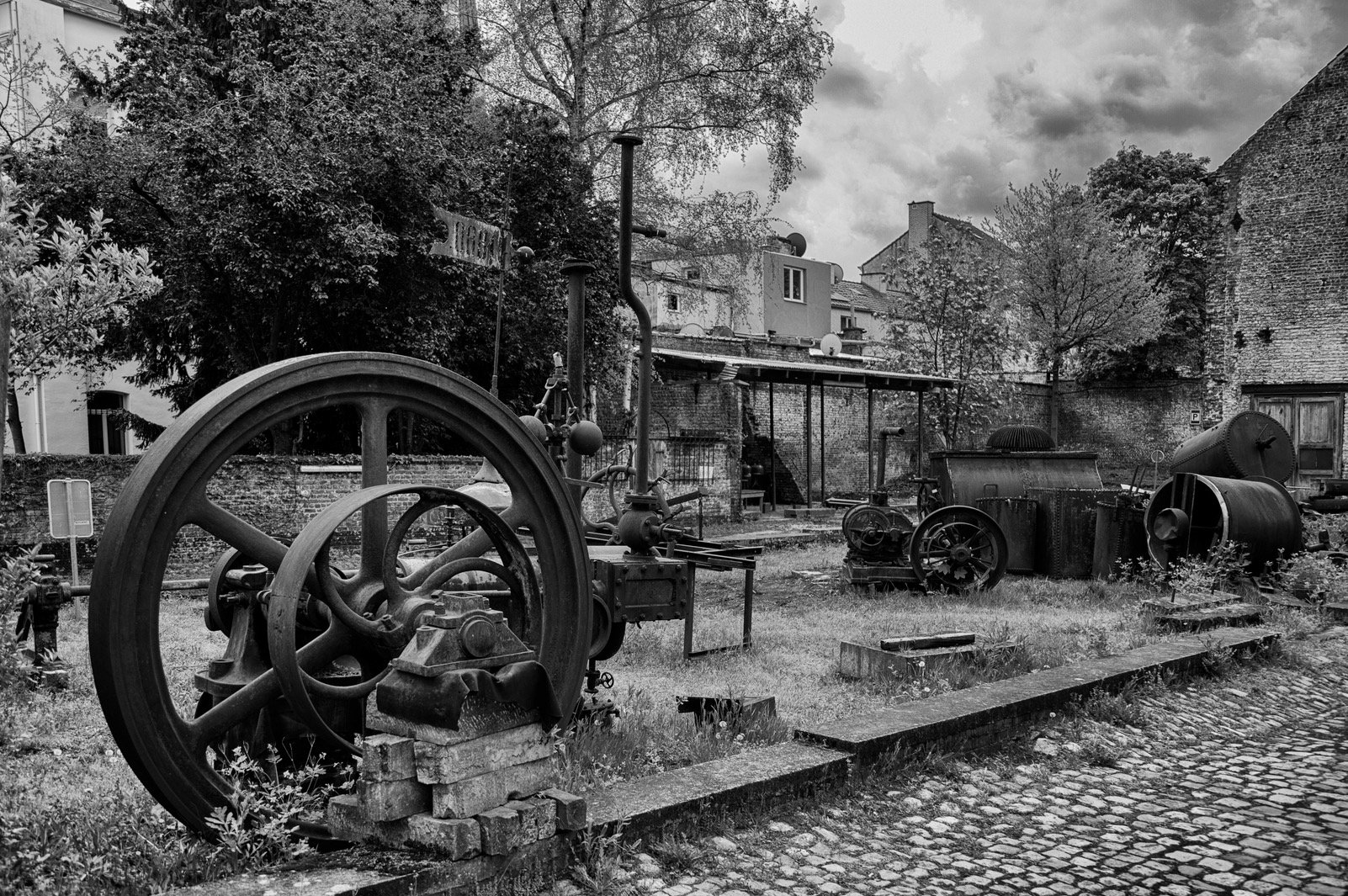
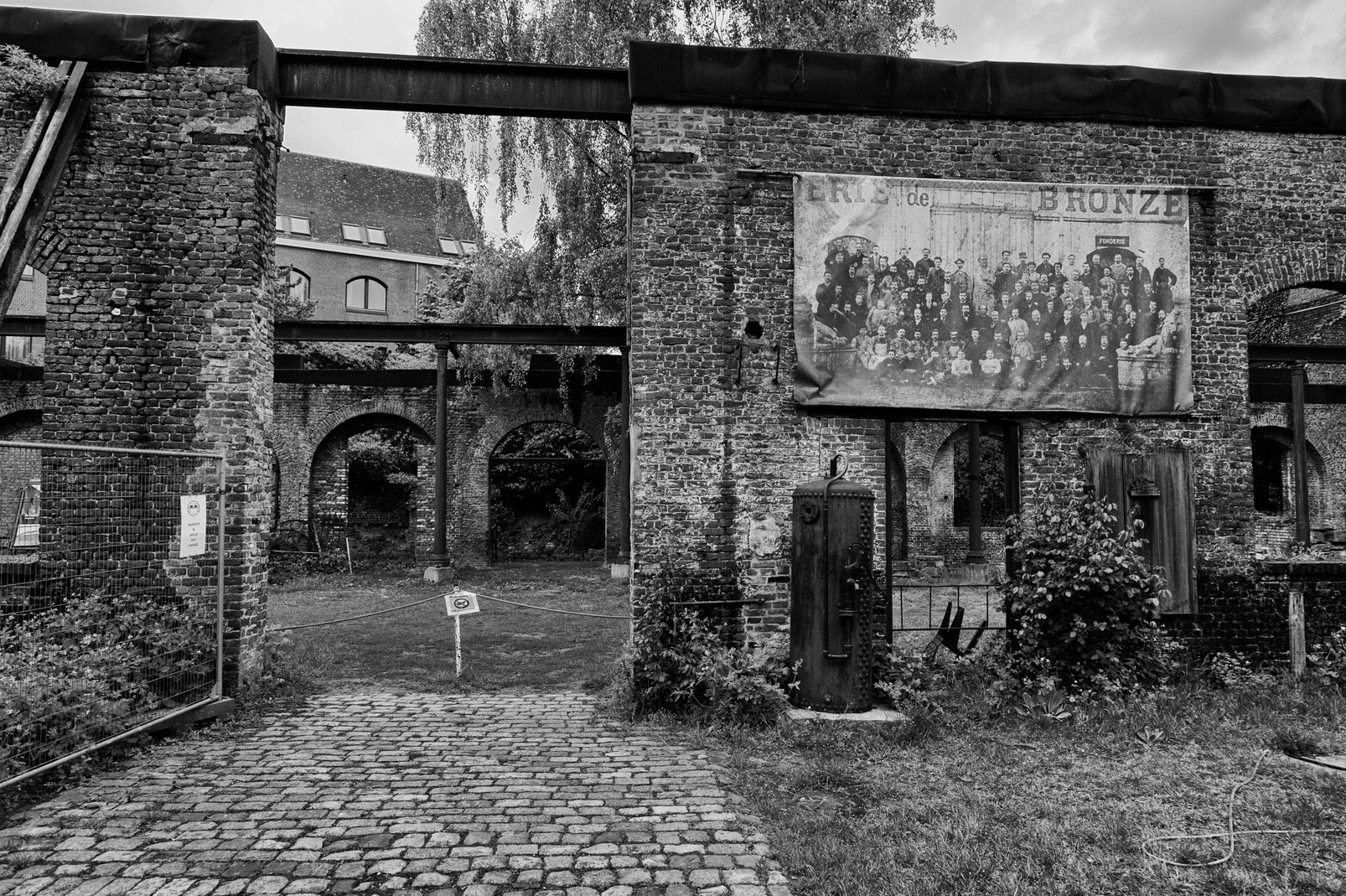
LaFonderie, Brussels' Museum of Industry and Labor, is located in the Molenbeek district, within a former 19th-century bronze foundry that operated during the height of the Industrial Revolution. It displays original machinery, tools, and documents that tell the story of the working class and the manufacturing development of the Brussels region. Brussels. 2023.
The Coal Era: The Unearthing of Capital
This subtle trend of rural intervention underwent a radical and destructive shift at the end of the eighteenth century with the unearthing of solar energy concentrated for millions of years underground in the form of fossil fuels—the true industrial turning point that drastically accelerated climate change (pp. 4, 9). The genesis of this geohistorical turn dates back to the year 1712 with the invention of the first commercial steam engine by Thomas Newcomen, designed precisely to capture the thermal energy of fire, transform it into mechanical motion, and pump water out of mine shafts (pp. 5, 9). This purely extractivist technology was perfected in 1765 by James Watt to boost coal mining in the United Kingdom (p. 9). From there, the climate death of the modern planet emerged as steam, factories, and massive industrial heating became widespread (pp. 5, 9).
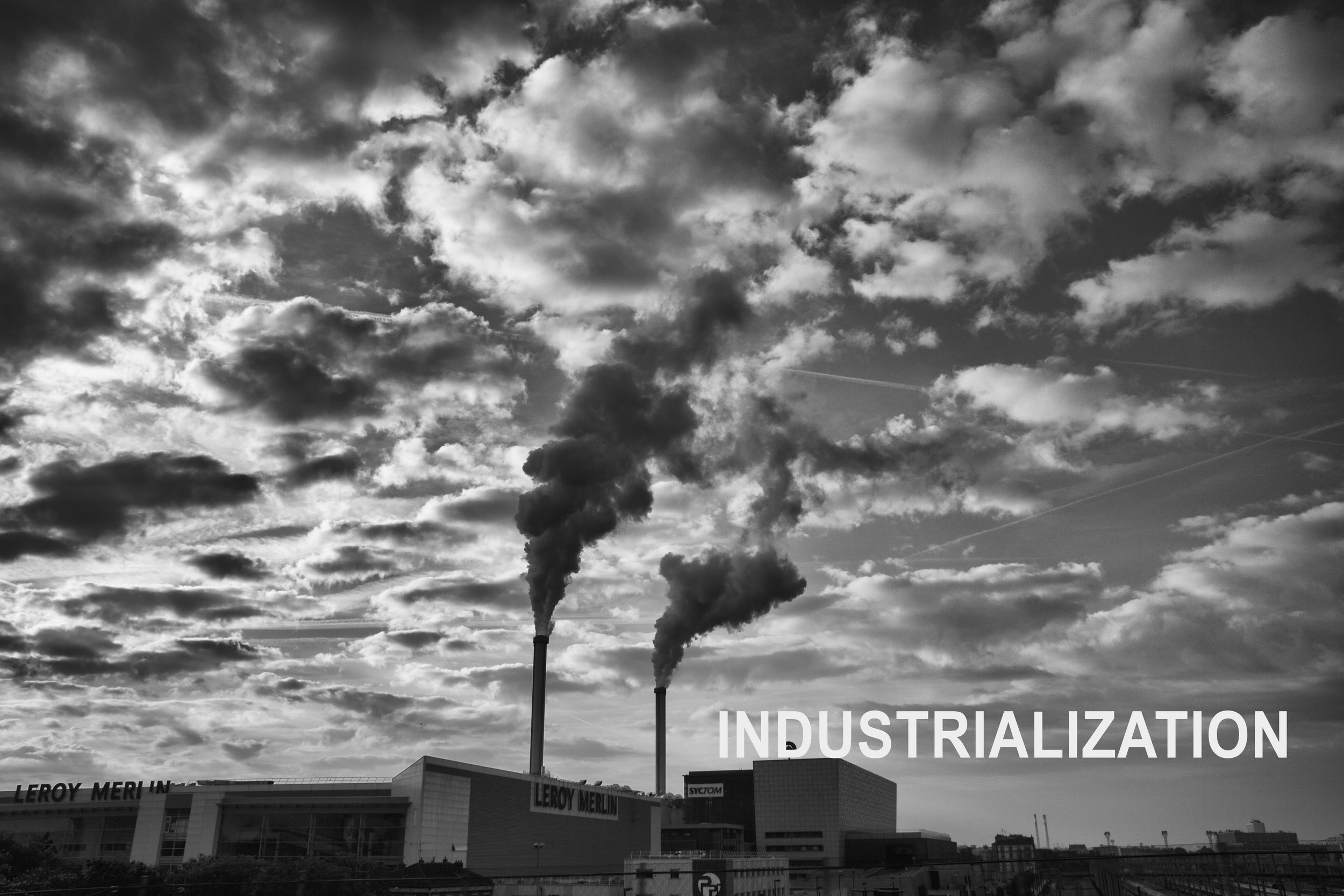
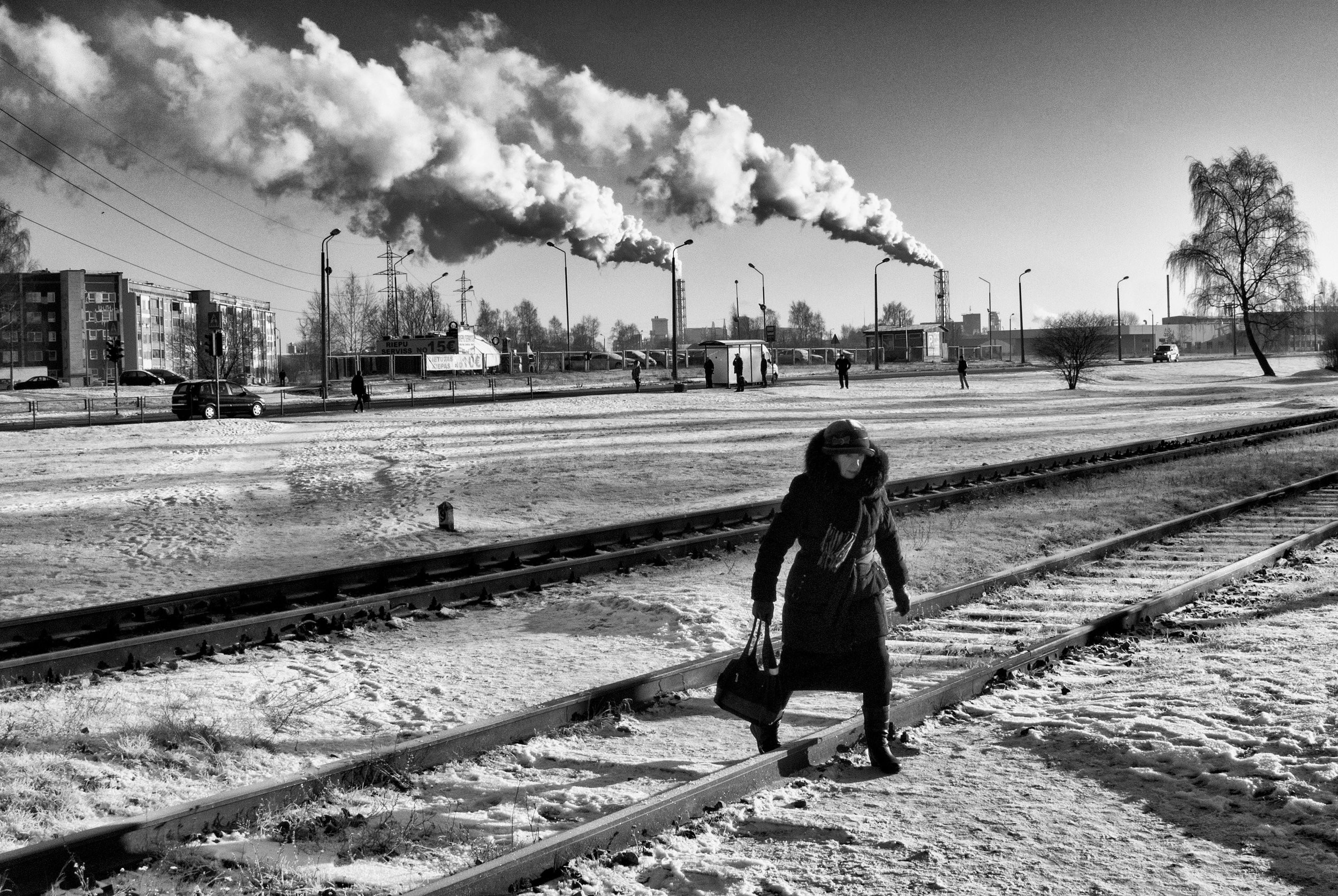
Throughout the nineteenth century, the widespread use of this mineral exponentially raised carbon dioxide levels in the atmosphere, giving rise to the era of smelting and heavy metallurgy visible in the factory chimneys of Riga in Latvia and in the industrial canals of Charleroi in Belgium (p. 5). The image that opens the project, taken in this very Belgian mining basin (ALD21MAY23-12081-charleroi-bw.jpg), materializes the physical heritage of that industrial era by masterfully condensing the alteration of the landscape and the terrible human drama of the working-class diaspora that mobilized that energy (p. 5). Far from being a natural landform, the imposing hill that dominates the frame is actually a teril, a huge artificial mound of sterile coal waste pulled from the subsoil, at the foot of which crawls a fabric of workers' housing that sheltered waves of Polish immigrants in the 1920s and Spaniards following the 1956 agreement (p. 5). These were men trapped by economic necessity who dug a thousand meters deep to feed the gears of European capitalism, paying the ultimate price of dying from total silicosis due to the inhalation of mixed dust in the mines (p. 5).
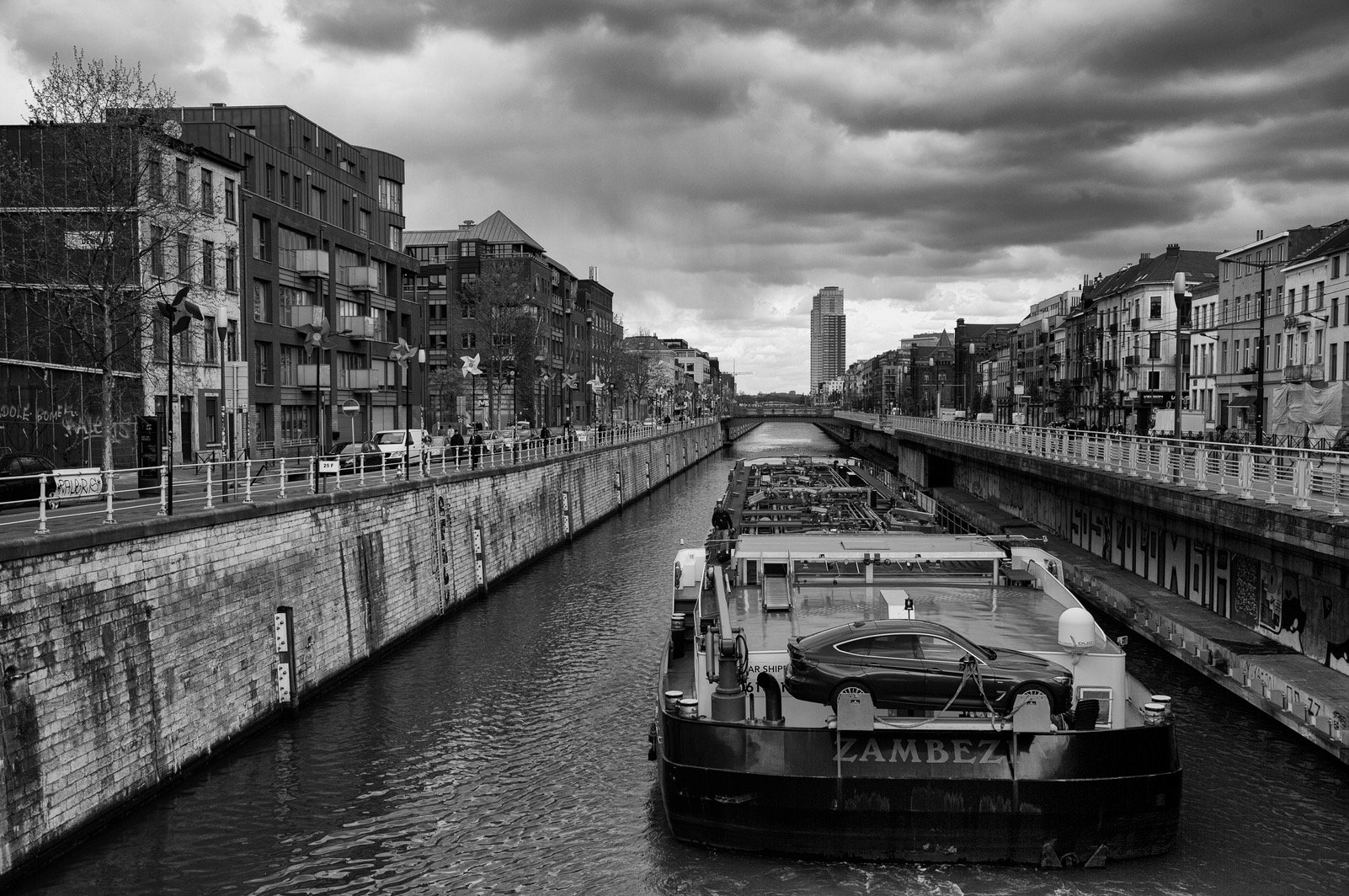
The Molenbeek Canal (the Charleroi Canal) was the main driver of the area's industrial development during the Industrial Revolution. Its opening in 1832 facilitated the transport of coal from Wallonia, which spurred rapid urban and economic transformation. This waterway allowed Molenbeek to become a major manufacturing center, to the point of being nicknamed the "Belgian Manchester" or "Little Manchester." The canal banks attracted all kinds of factories and businesses due to the ample space and excellent trade connections: Chemical Industry: Soap, glue, starch, and chemical factories. Agri-food Sector: Large distilleries and breweries. Metallurgy: Foundries (such as the Fonderie des Bronzes) and coachbuilding workshops. Brussels. 2023
This extractivist evolution of the Capitalocene reached its point of maximum destructive acceleration and militarization with the world wars of the twentieth century—purely industrial conflicts that demanded an unprecedented mobilization of mining resources (p. 5). In Galicia, this translated into the savage exploitation of wolfram during the Second World War (p. 5). It was an episode dominated by the greed of smugglers and agents who destroyed virgin natural landscapes and exploited workers and political prisoners in subhuman conditions just to supply the armor plating and projectiles for the European front, leaving behind an indelible ecological scar on Galician soil upon its sudden abandonment (pp. 5-6).
The Great Acceleration and the Scars of Progress
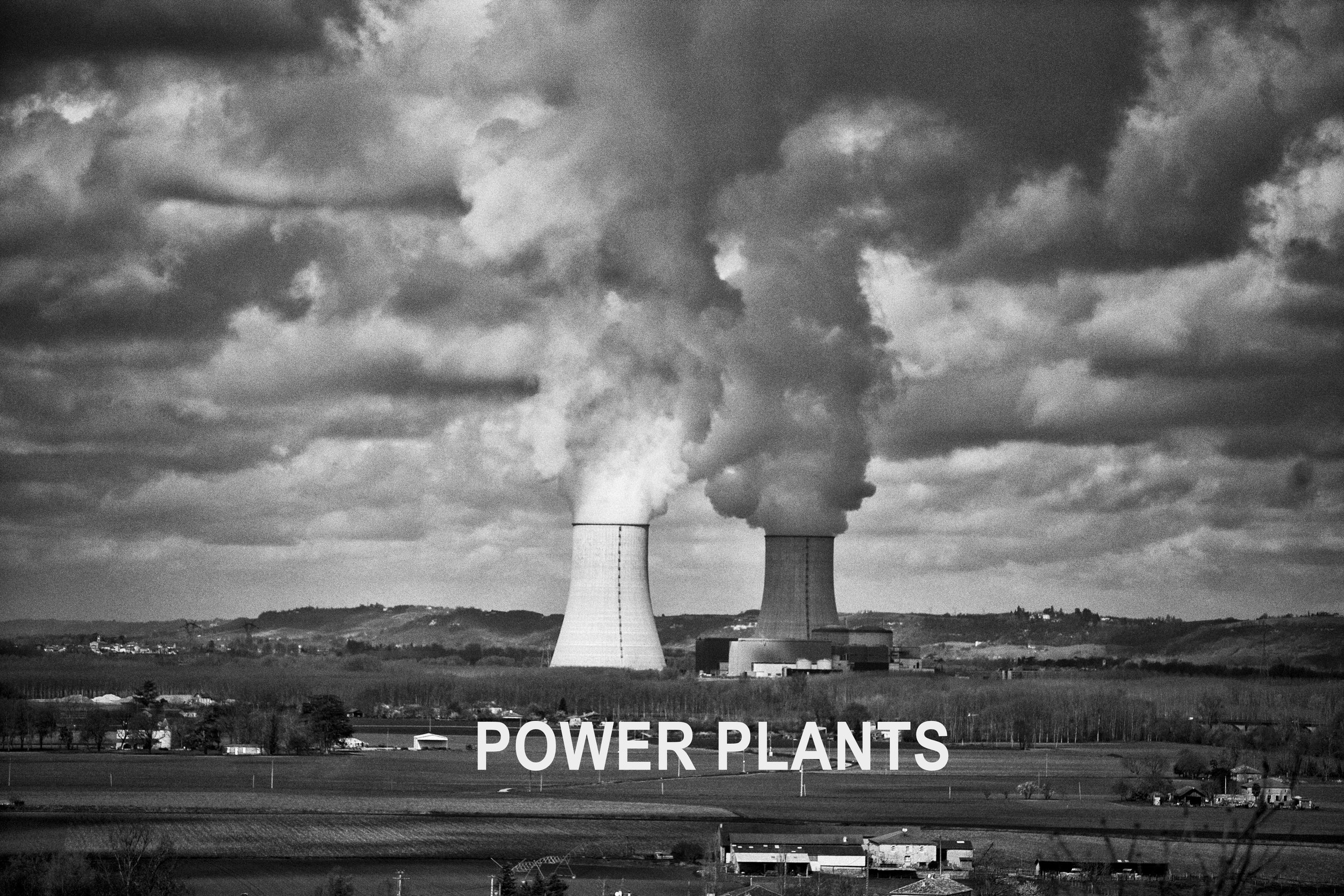
Following the war effort and during the post-war period of the mid-twentieth century, modern development consolidated the global warming we experience today, as documented in the records of the US National Oceanic and Atmospheric Administration (NOAA) and the IPCC reports—through the historical explosion known scientifically as the "Great Acceleration" (1950–1980) (pp. 6, 9). Coal was overtaken by oil and natural gas as the world's engines; the internal combustion engine, automobiles, commercial aviation, and the petrochemical industry mass-produced the ensuing boom of plastics (p. 10). This era is distinguished by the global imposition of cement and concrete, used to artificially channel or divert the natural course of rivers or to erect unfinished infrastructures, such as the skeletons of abandoned houses in Greece that operate as permanent architectural scars (pp. 6, 10). Pollution and emission charts shot up vertically in an uncontrolled manner, leaving behind an indelible geological footprint: the plutonium residues from nuclear tests engraved in the sediments across the entire planet as a definitive human mark (pp. 2, 9).
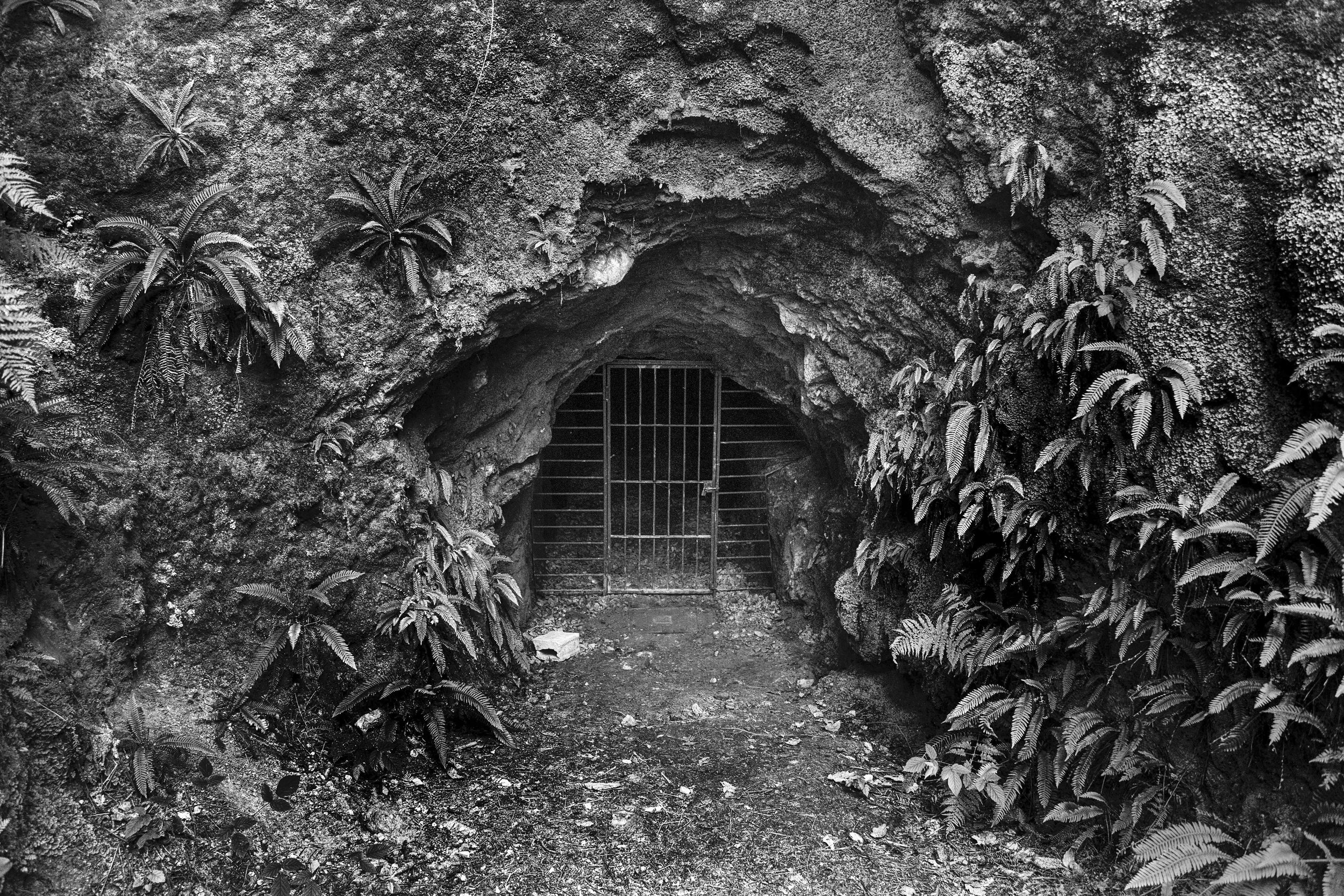
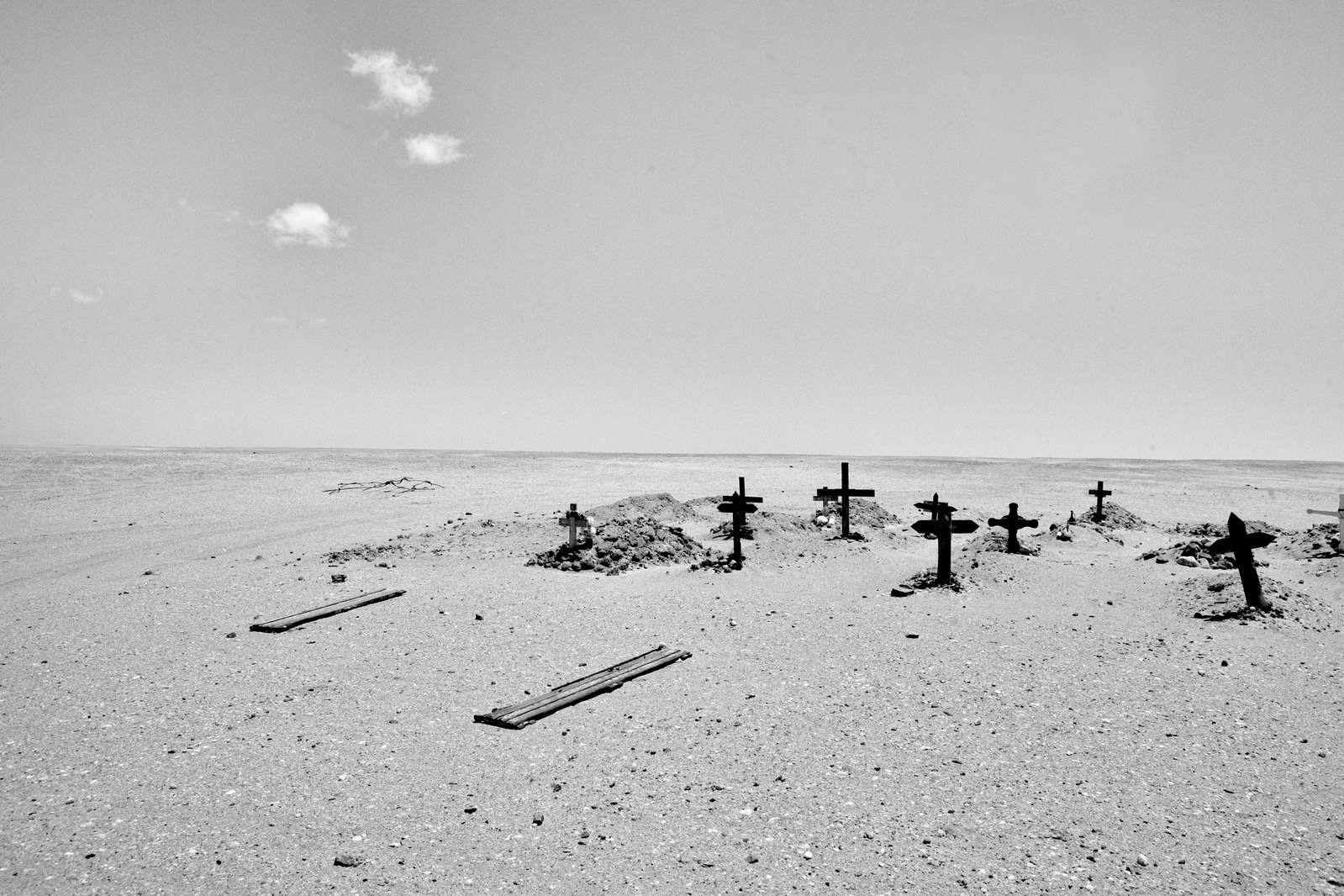
Entry of a former roman mine of gold. Corcoesto.
Some facts
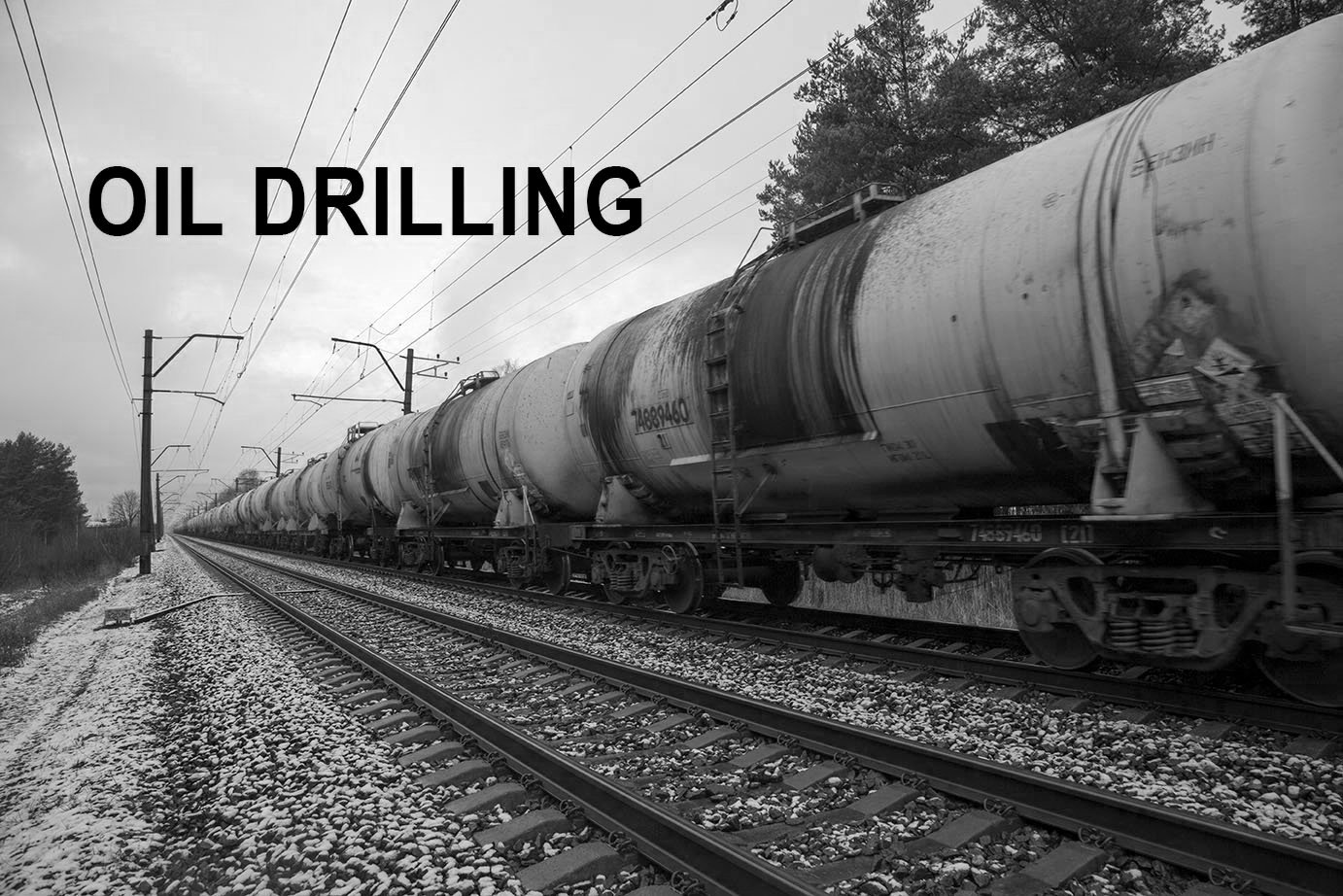
Scientifically, human activity on Mother Earth began thousands of years ago, and in the 19th century, with the rise of the coal industry in England, a new phase of destruction began, escalating to the present day. It's a complex, interconnected process: coal, industry, smelting, railroads, machinery, ships, steel... It's not difficult to understand. And, of course, with all this machinery came oil extraction and the aggressive mining of gold and other minerals. The damage caused by petroleum products has ultimately left the planet at serious risk within the next hundred years, or perhaps even less. Next to this disaster is climate change.
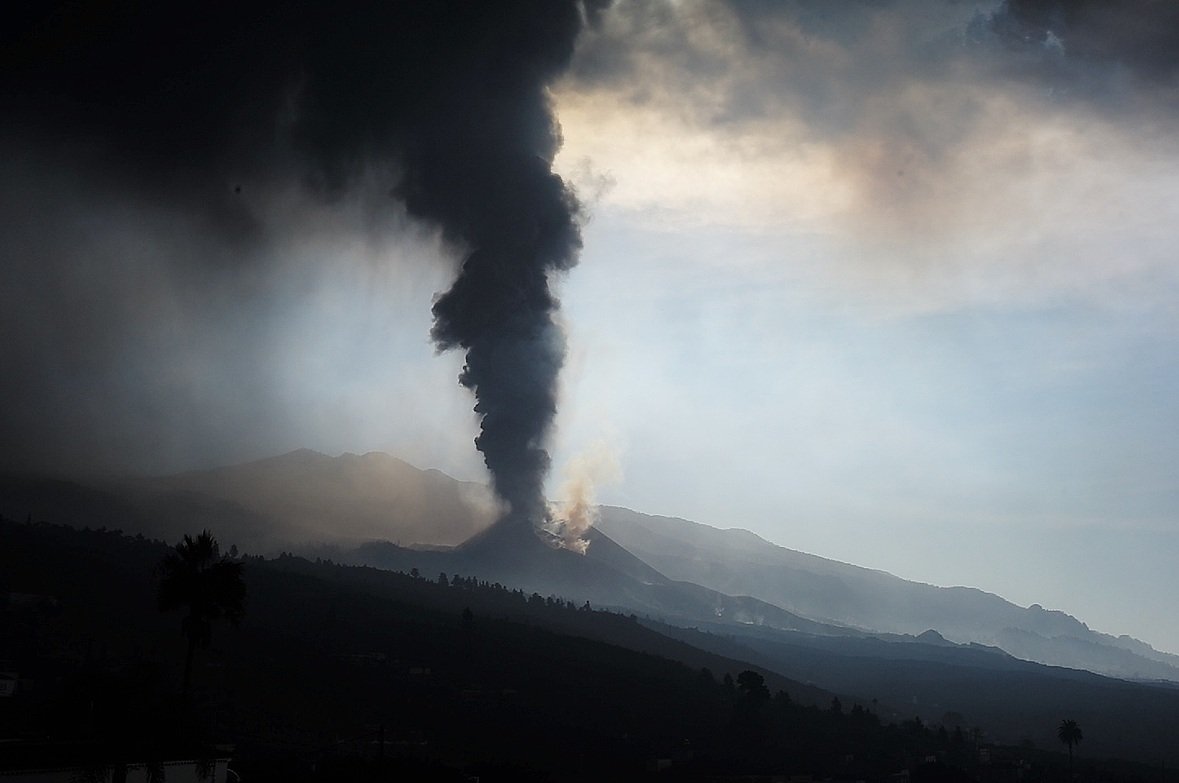
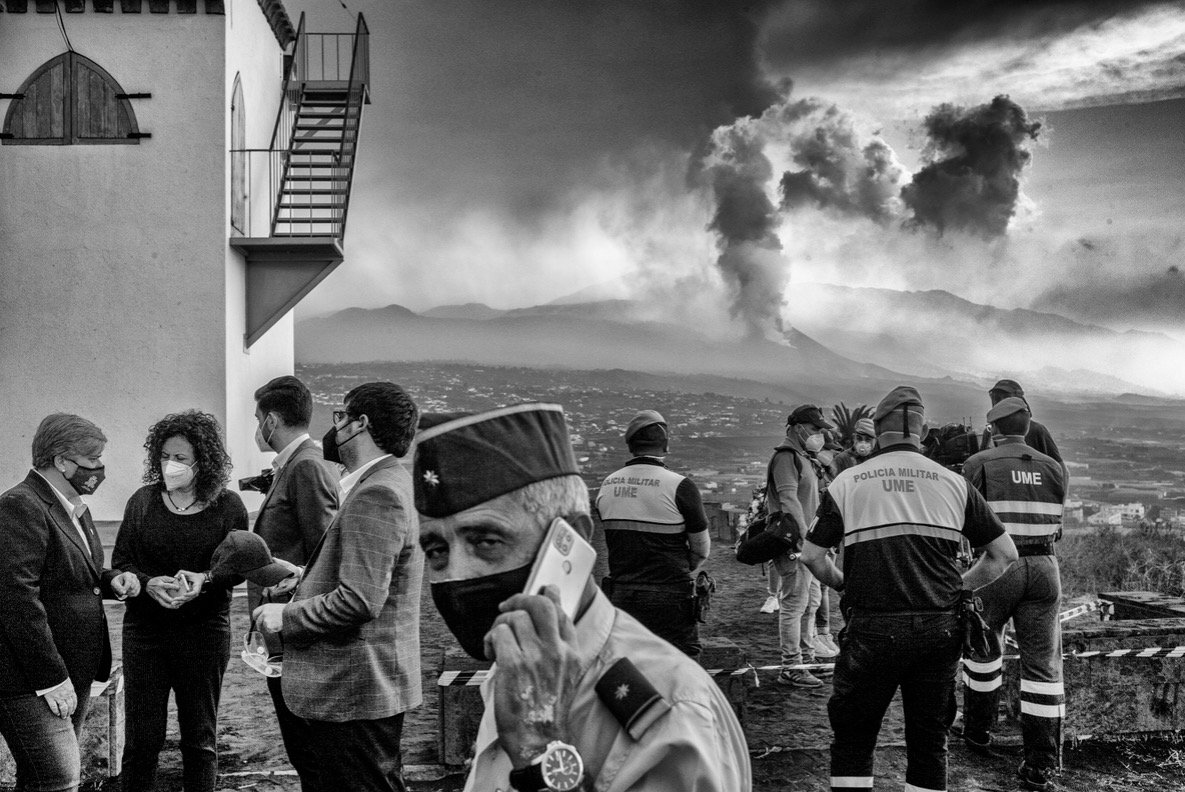
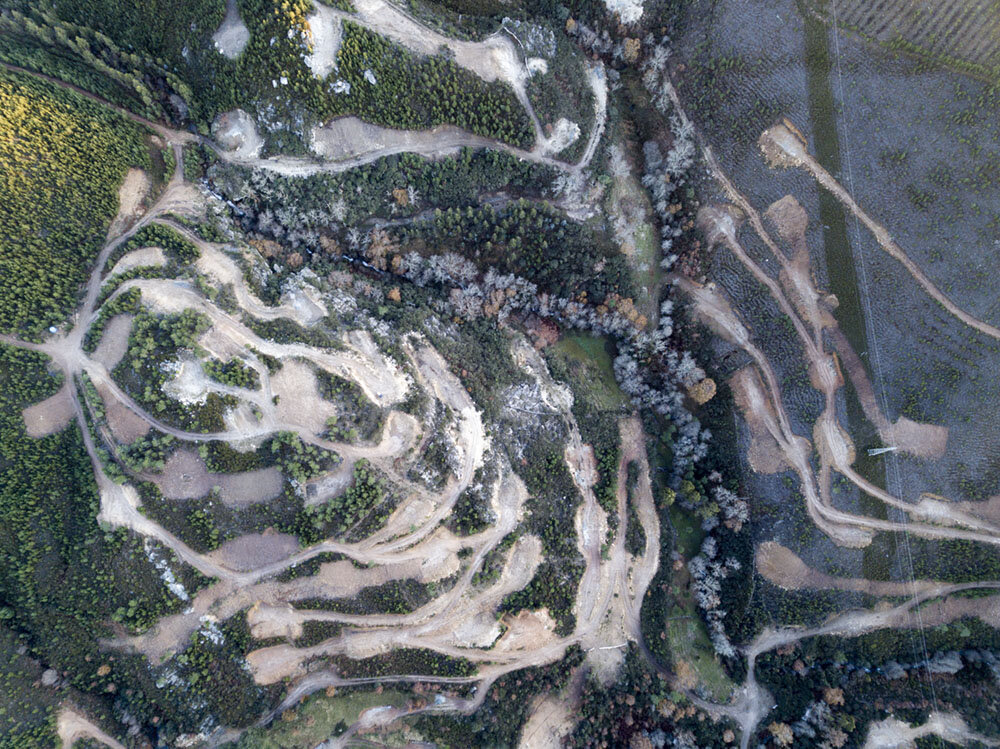
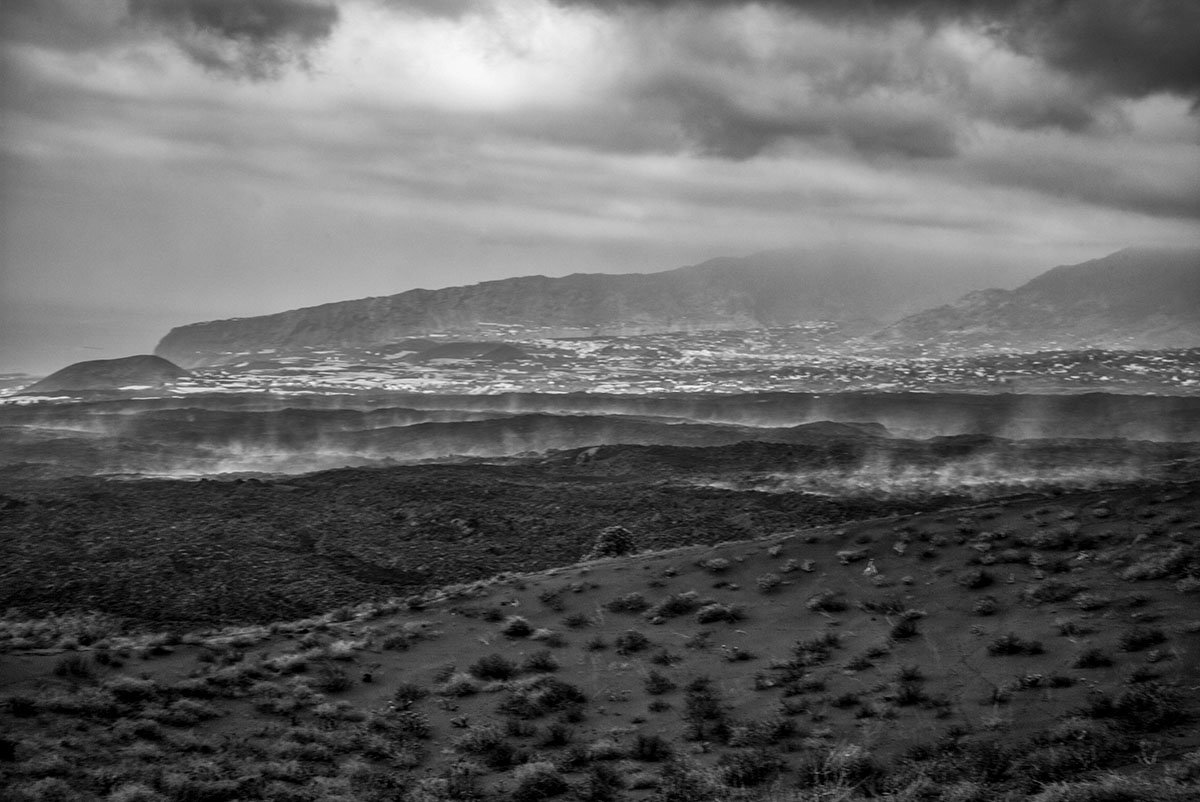
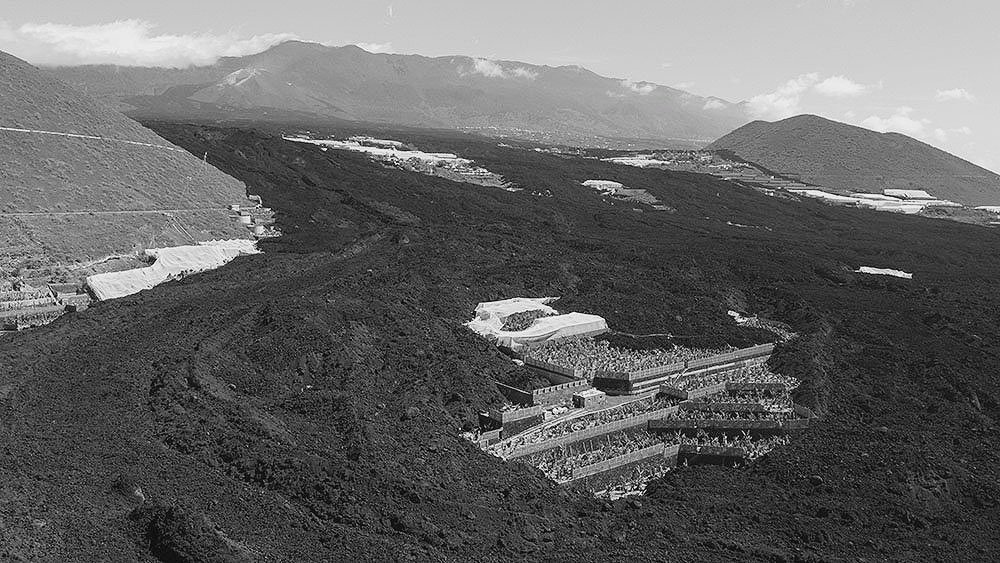
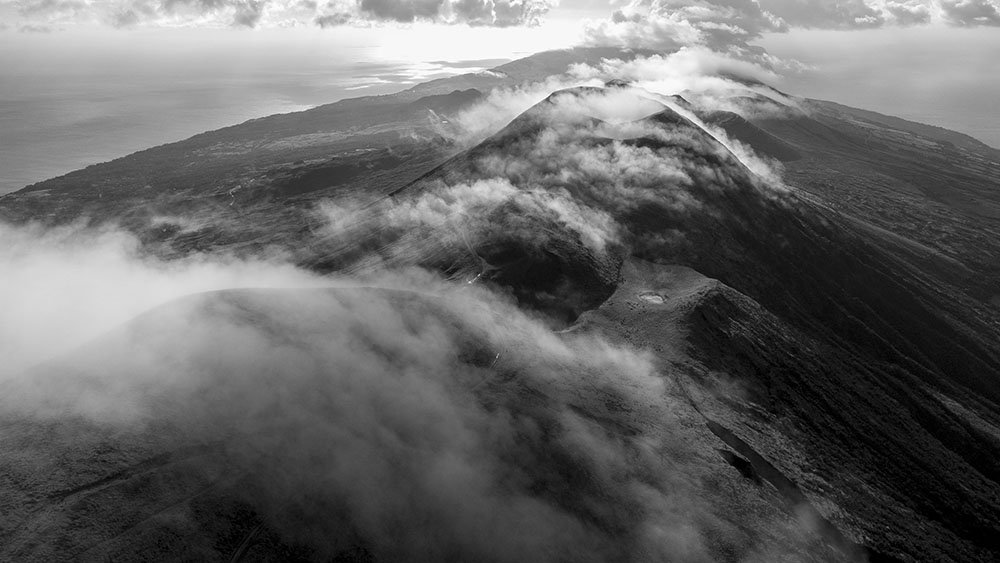
This same logic of aggressive human occupation and risk alteration manifests itself when defying the Earth's most extreme geological forces in volcanic regions (p. 6). Here, the planet's immense internal energy is contested by humans through modifications to the land surface, such as using heavy machinery to level lava flows or urbanizing unstable fertile terrains, creating a scenario of latent danger (p. 6). This scientific reality was exposed in 2021 by the volcano on the island of La Palma, whose eruptions buried hundreds of homes, demonstrating the high price paid when nature awakens to reclaim its own energy, as documented in the subproject La isla resiliente (p. 6).
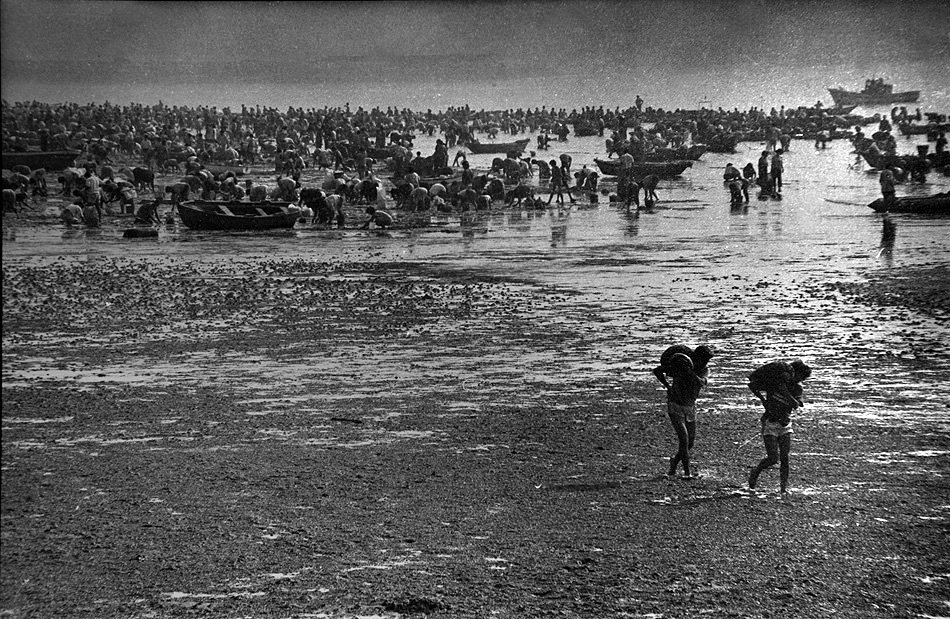
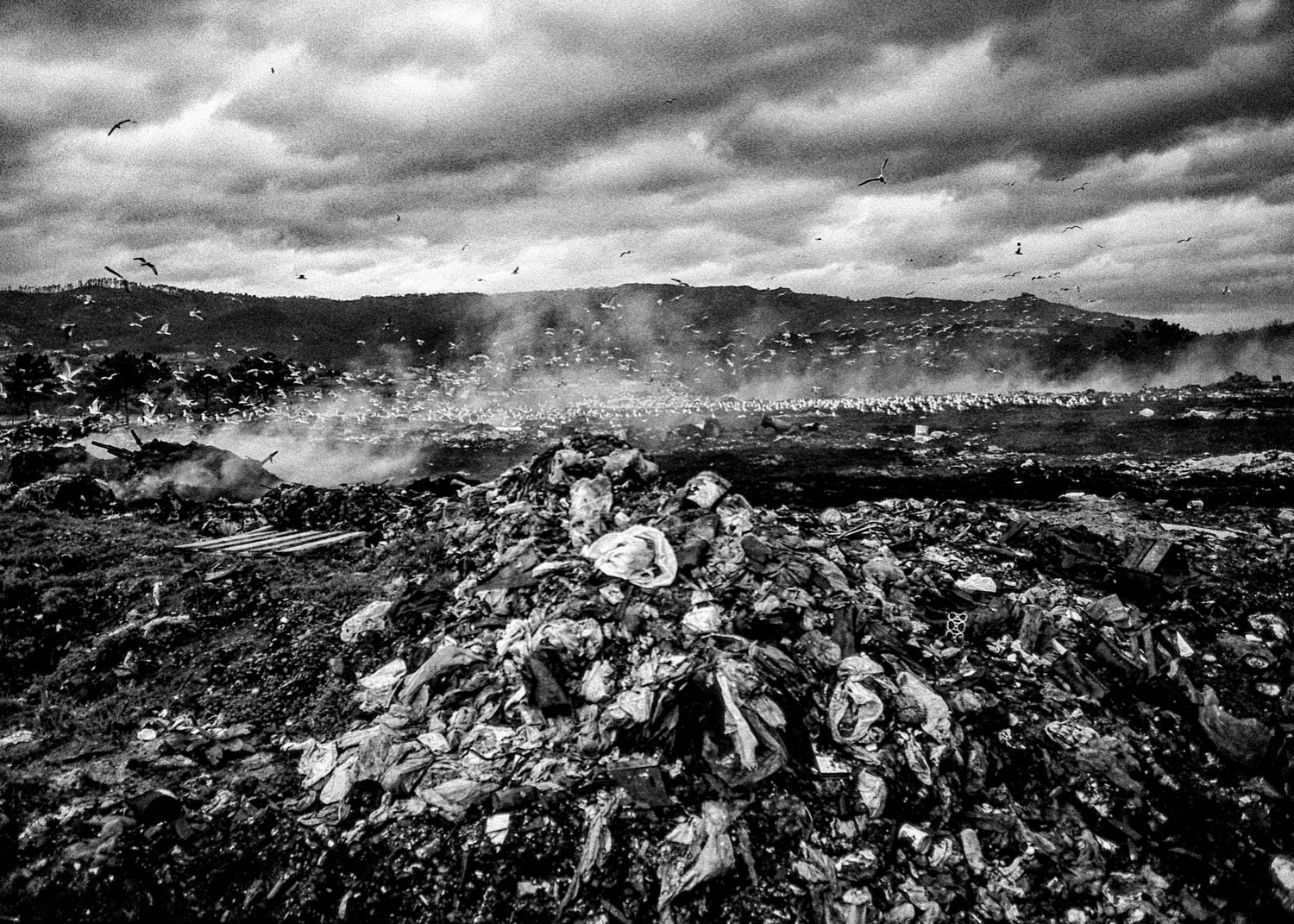
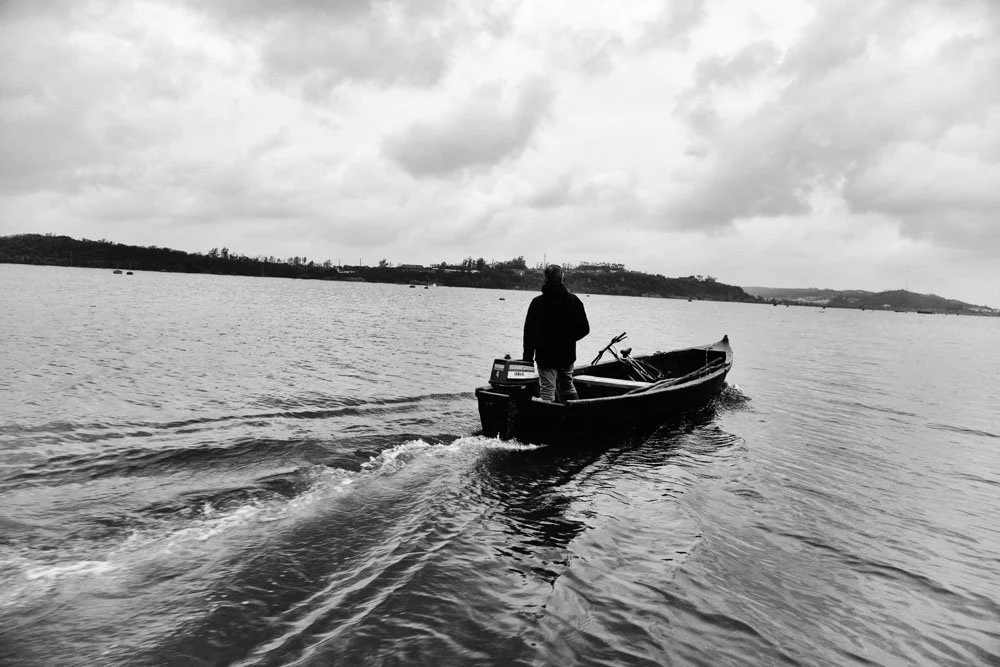
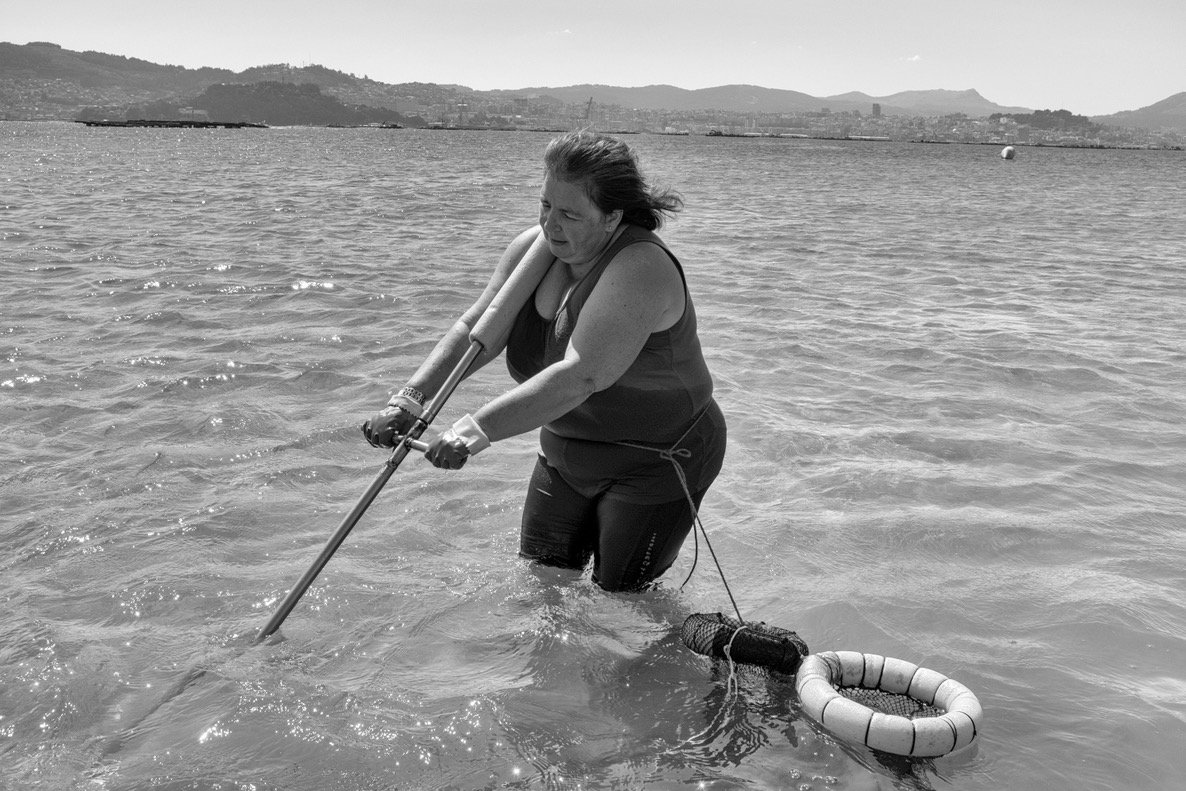
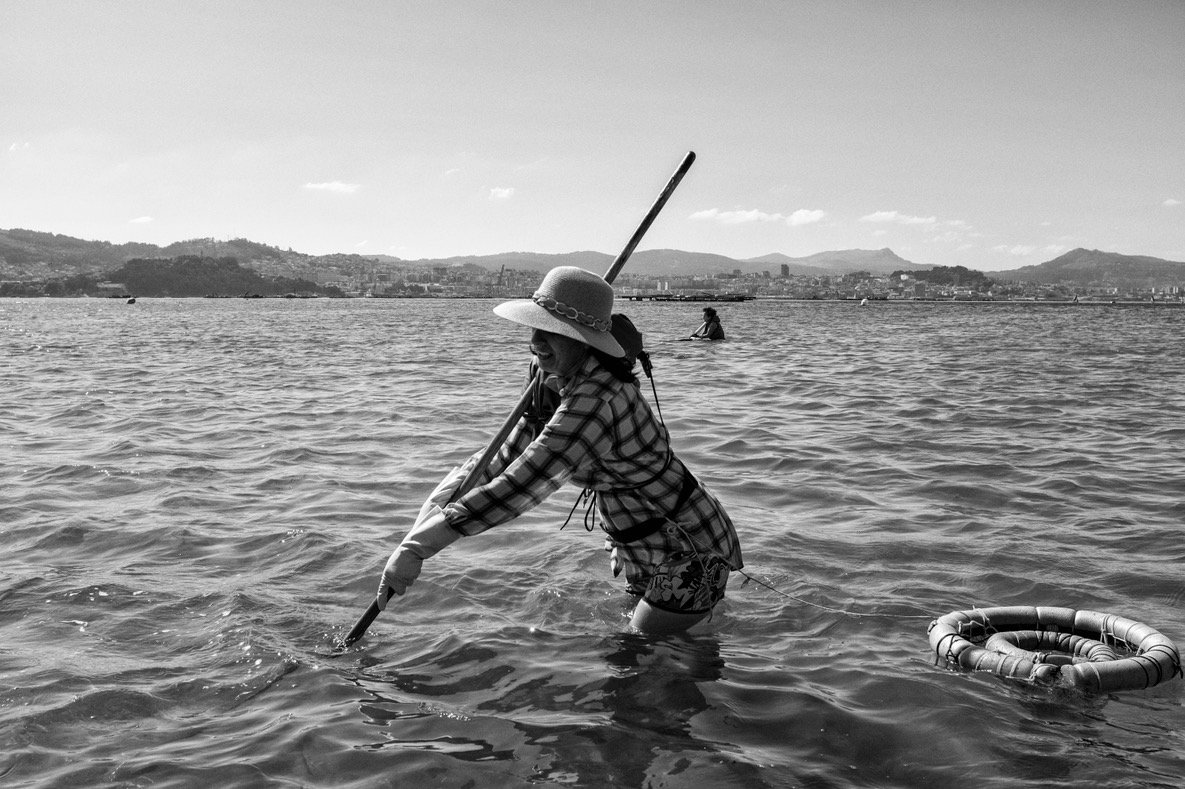
Shellfish culture. Vigo estuary, circa 80.
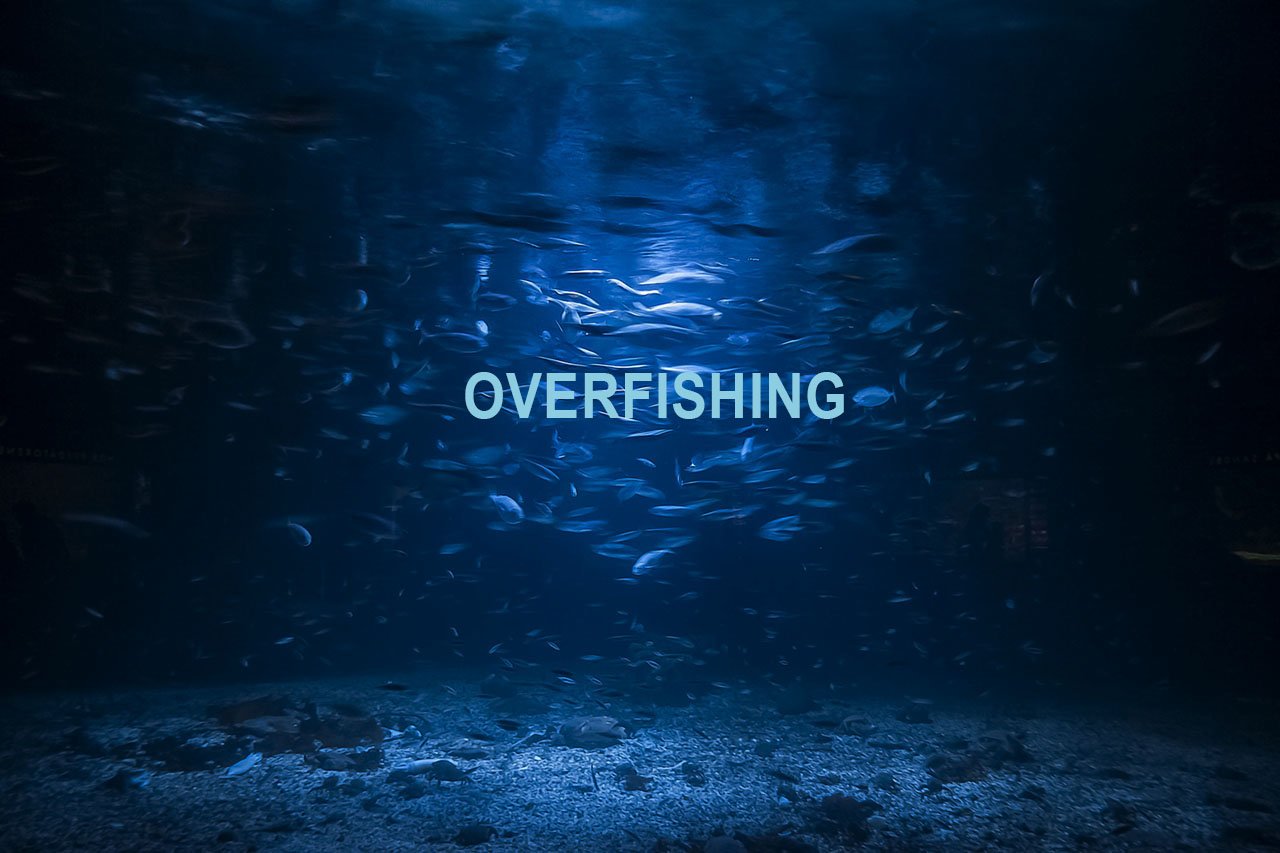
In the archaeological excavations at O Castro in Vigo, mollusk shell remains were found dating from between the 2nd century BC and the 3rd century AD. Shellfishing was essential for life, and for millennia mollusks were harvested naturally, but industrial overexploitation disrupted this balance. The historical turning point, when natural oyster beds were depleted and it became necessary to begin "planting" (cultivating) oysters, occurred in the mid-to-late 19th century (between 1860 and 1890), triggered by the complete collapse of the native flat oyster population. The first successful planting in the Vigo estuary, a key year in the history of aquaculture, was 1935.
The collapse of natural bivalve beds in the Vigo Estuary constitutes a paradigmatic case of regressive human activity. The transition from artisanal harvesting to industrial-scale exploitation generated ecological stress that exceeded the ecosystem's resilience. This phenomenon of overexploitation of common resources (or tragedy of the commons) led to the biological collapse of native populations, forcing an anthropogenic reconfiguration of the environment through a forced transition to aquaculture and active stock management (seeding) to guarantee the socioeconomic sustainability of the estuary.
The Hidden Crime and Geopolitical Complicities
Faced with this implacable trajectory, humanity has arrived at its current crossroads under an alarming political and institutional paradox (p. 6). International governments have developed a belated haste to implement decarbonization measures, not out of a genuine ecological consciousness, but because the physical effects of warming are already strangling their economies and threatening the stability of their borders (p. 6). Political and corporate powers never ignored the problem; the major hydrocarbon multinationals (the so-called Seven Sisters, such as Exxon, Mobil, Shell, and BP) already possessed precise internal scientific reports since the mid-20th century (pp. 6, 10). Scientists at the Exxon corporation, led by researchers like James Black in 1977 and internal committees in 1982, determined with astonishing mathematical precision that burning their petroleum products would double atmospheric \(CO_{2}\) and cause a global temperature increase of 2 to 3 degrees by the 21st century (p. 10). Opting to conceal these data to protect their profit margins under the short-term logic of electoral cycles and fiscal quarters, they spent millions of dollars over the following decades financing disinformation campaigns, buying compliant scientists, and sowing doubt in the media to create the modern denialist movement, thereby delaying any protective political action (pp. 6, 10).
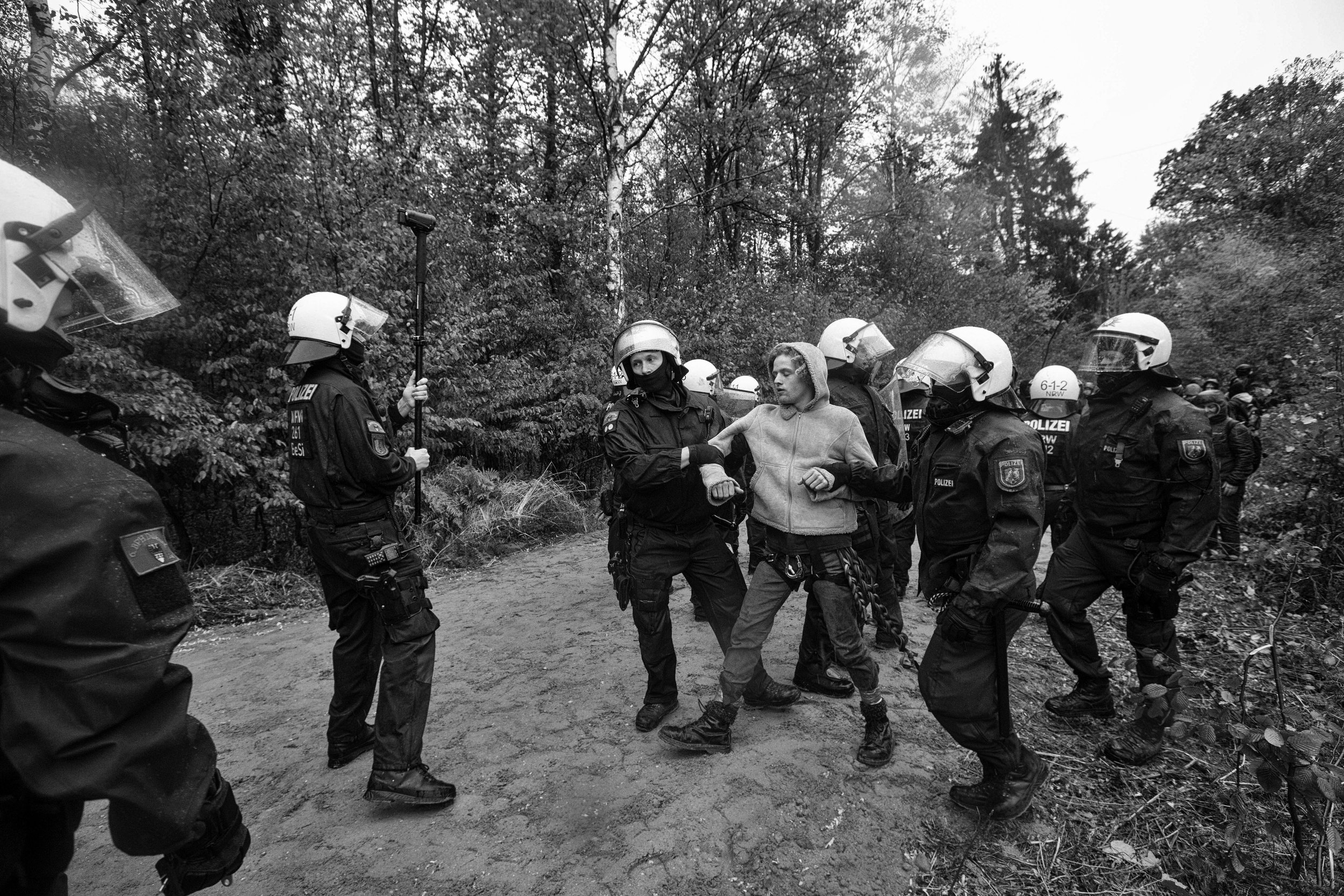
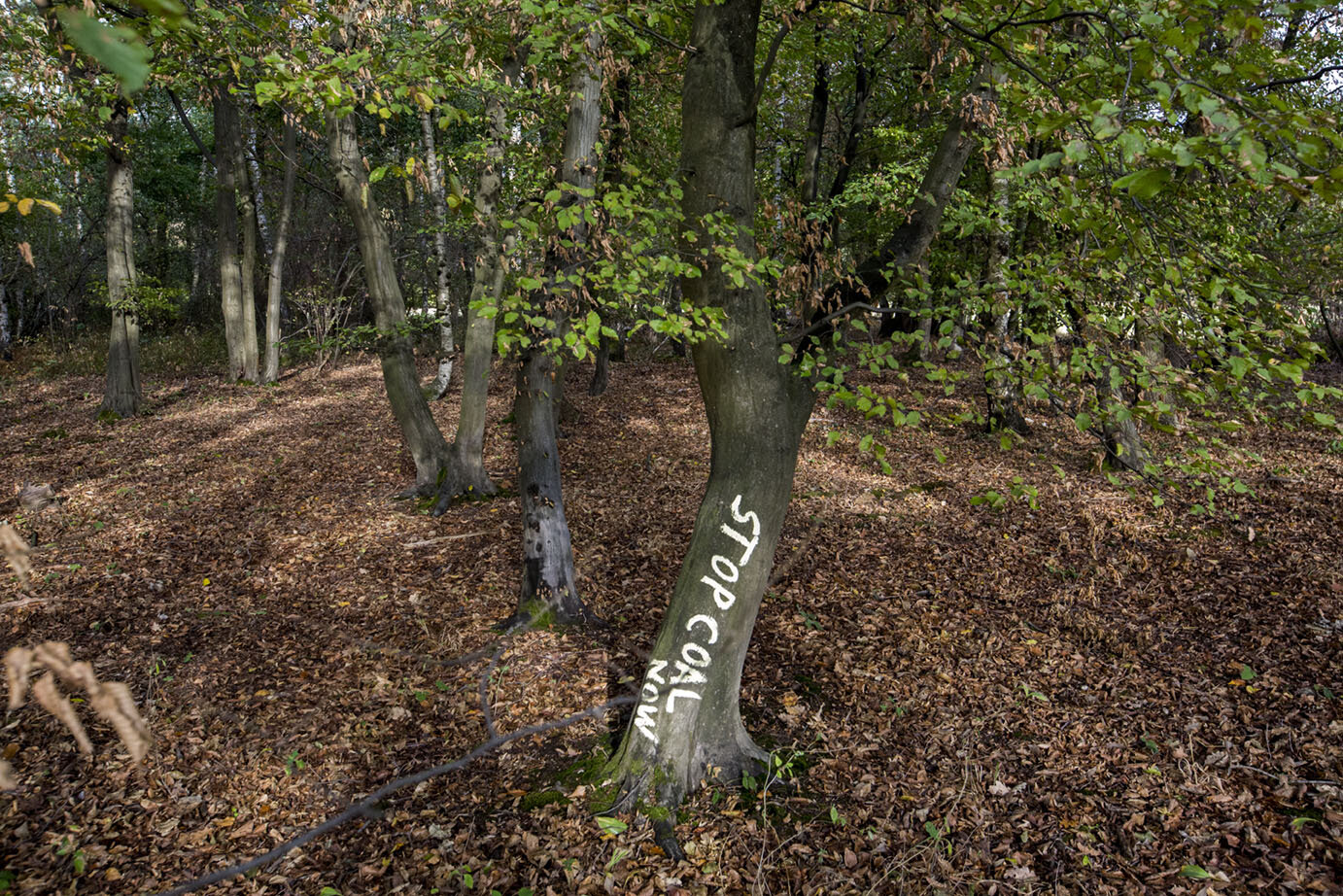
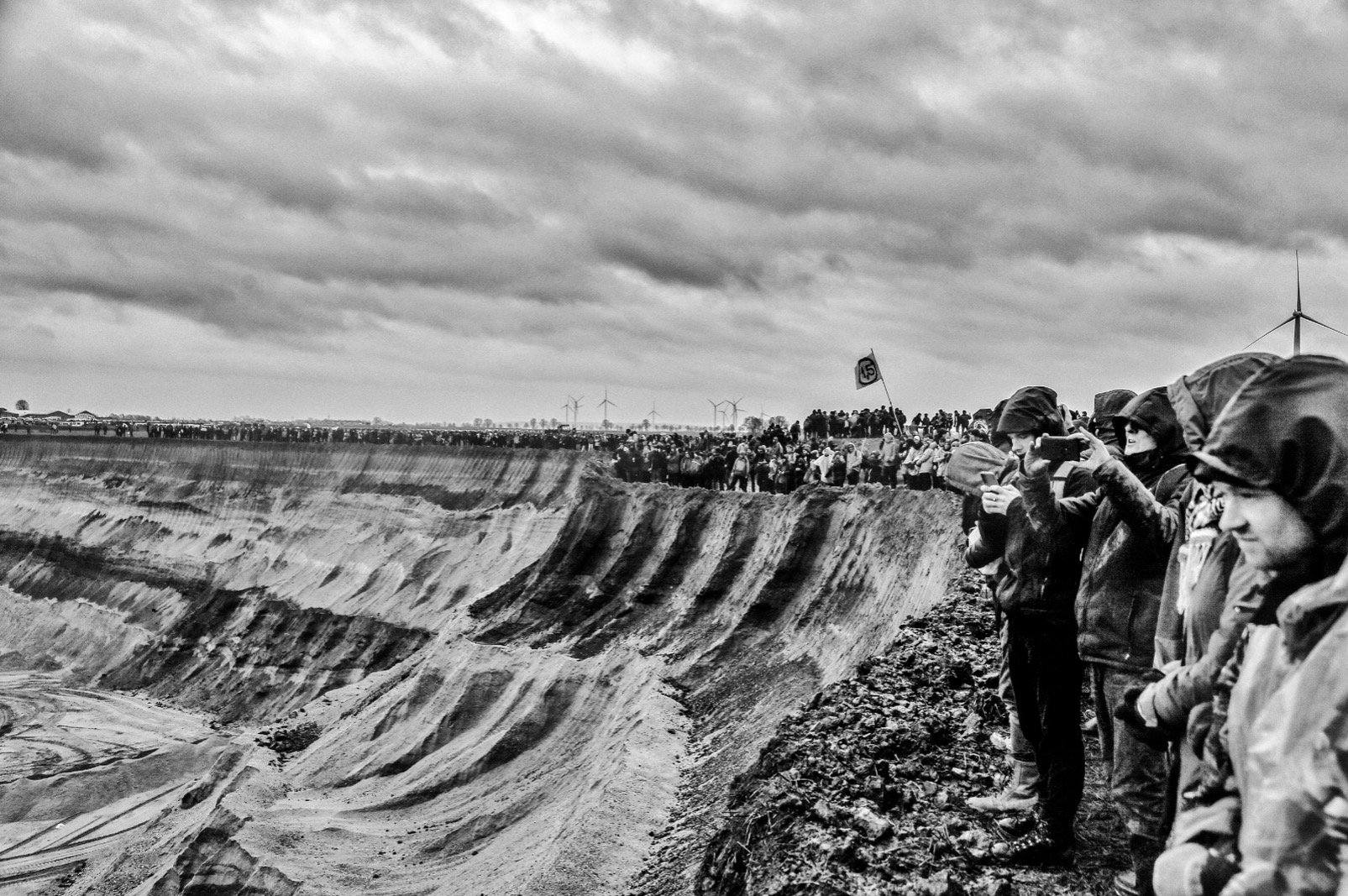
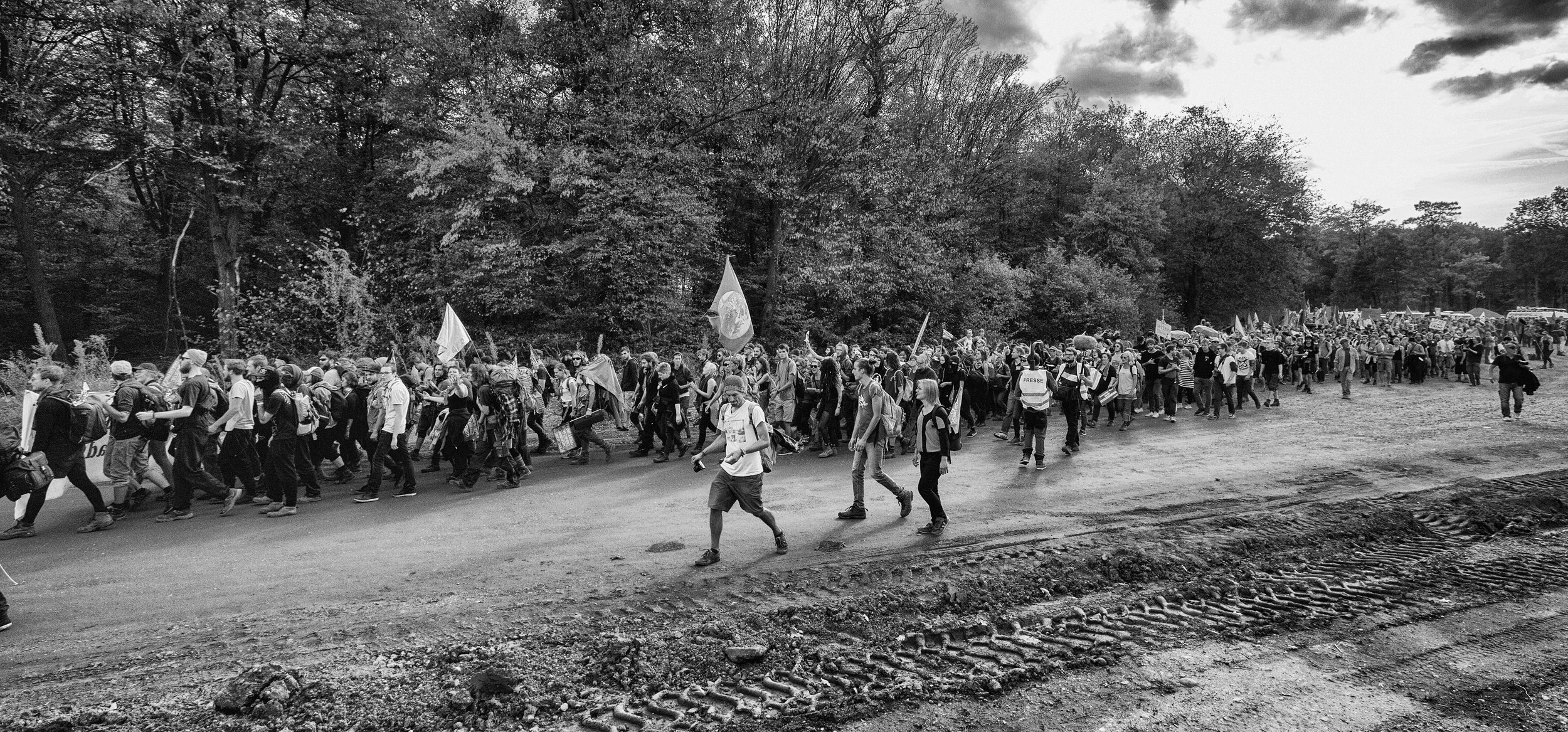
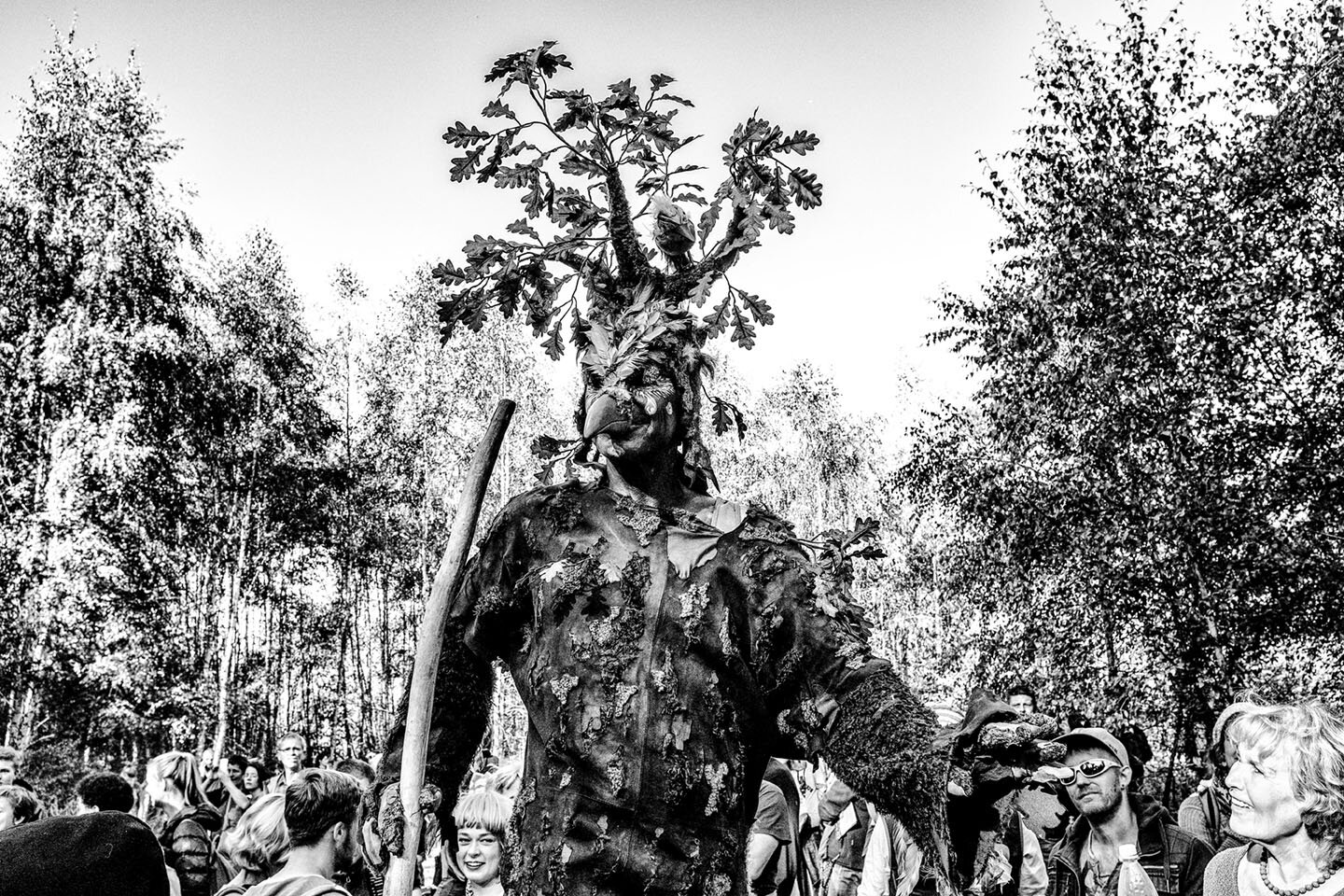
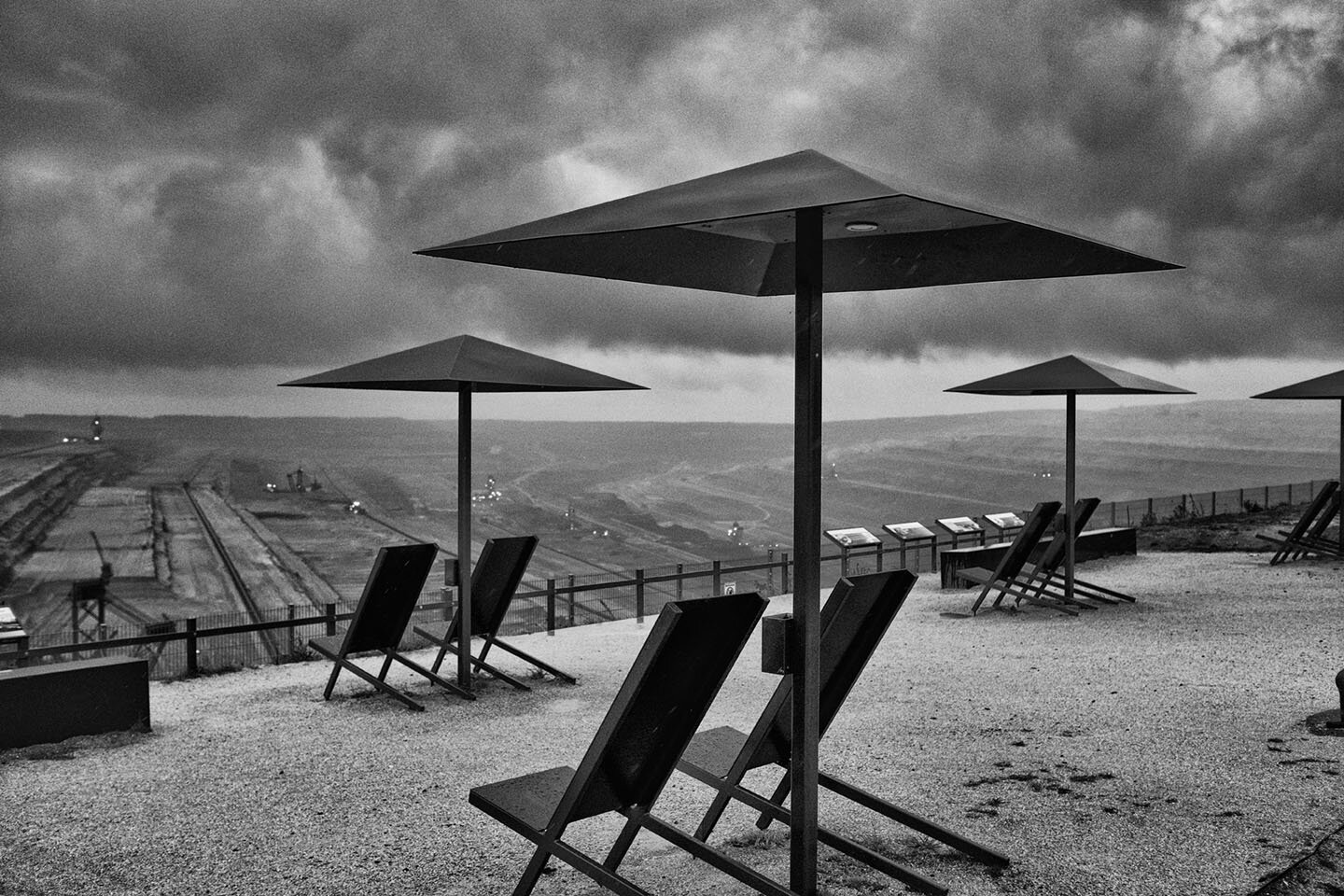
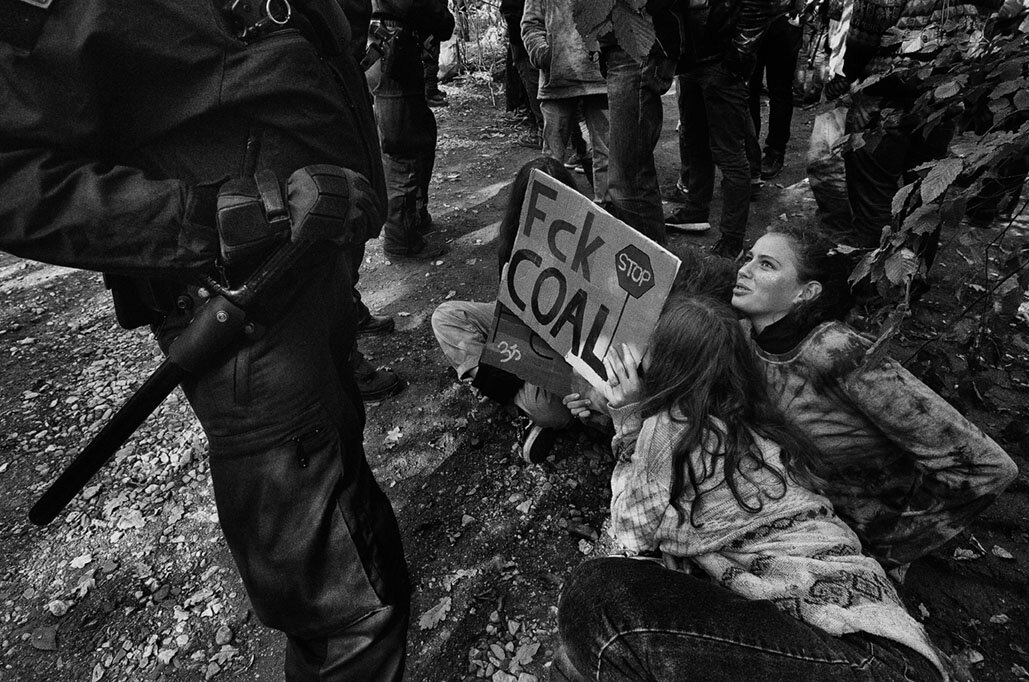
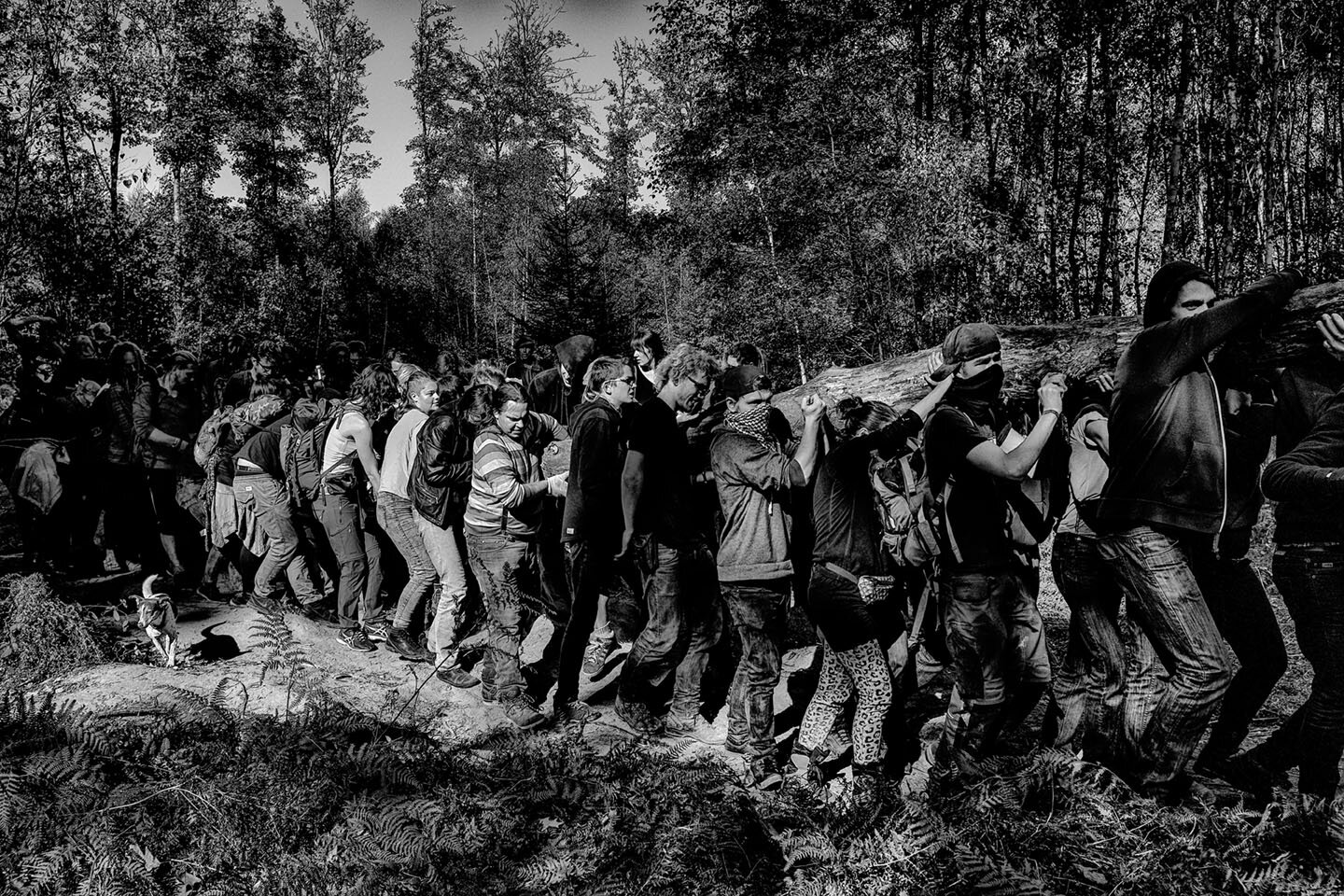
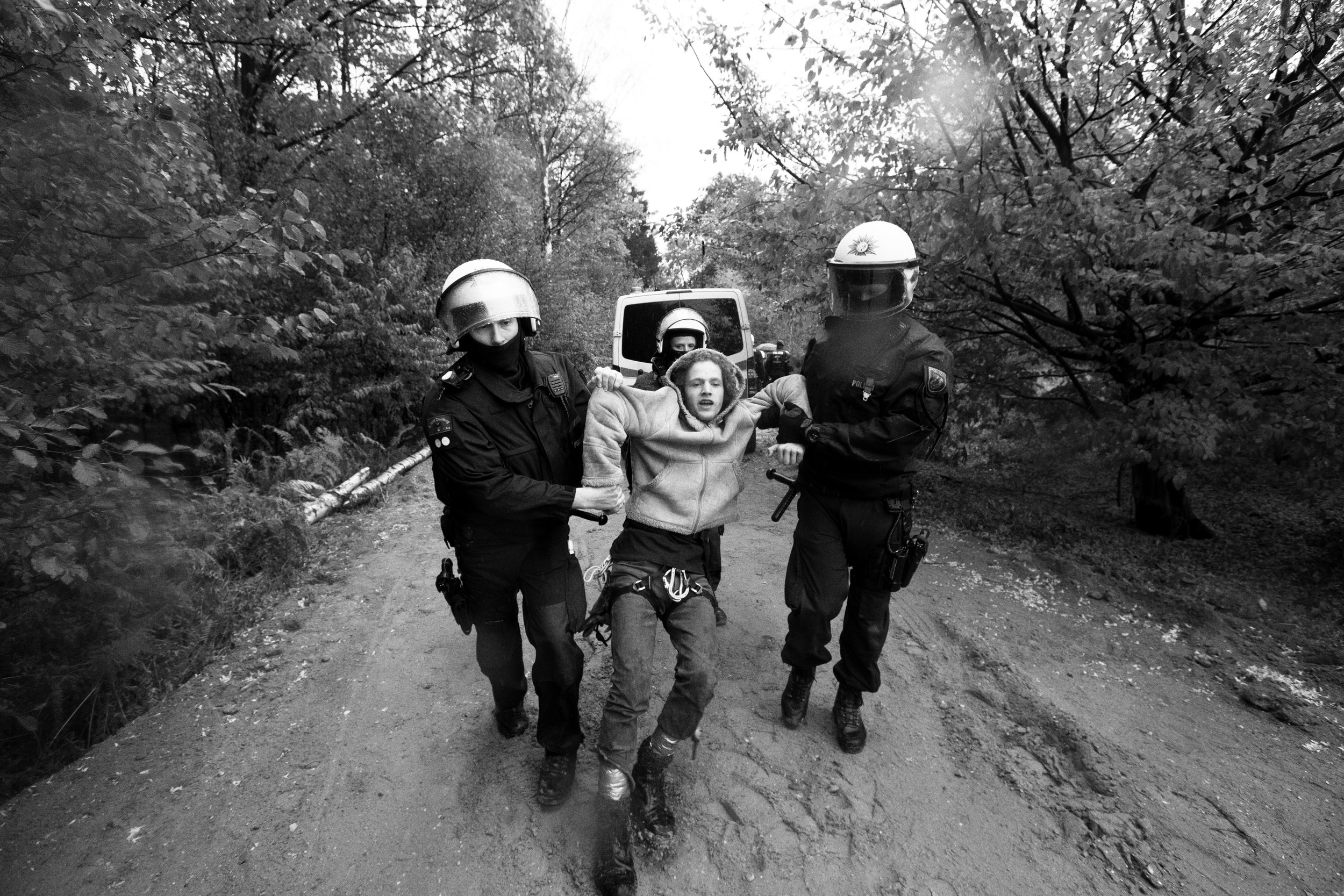
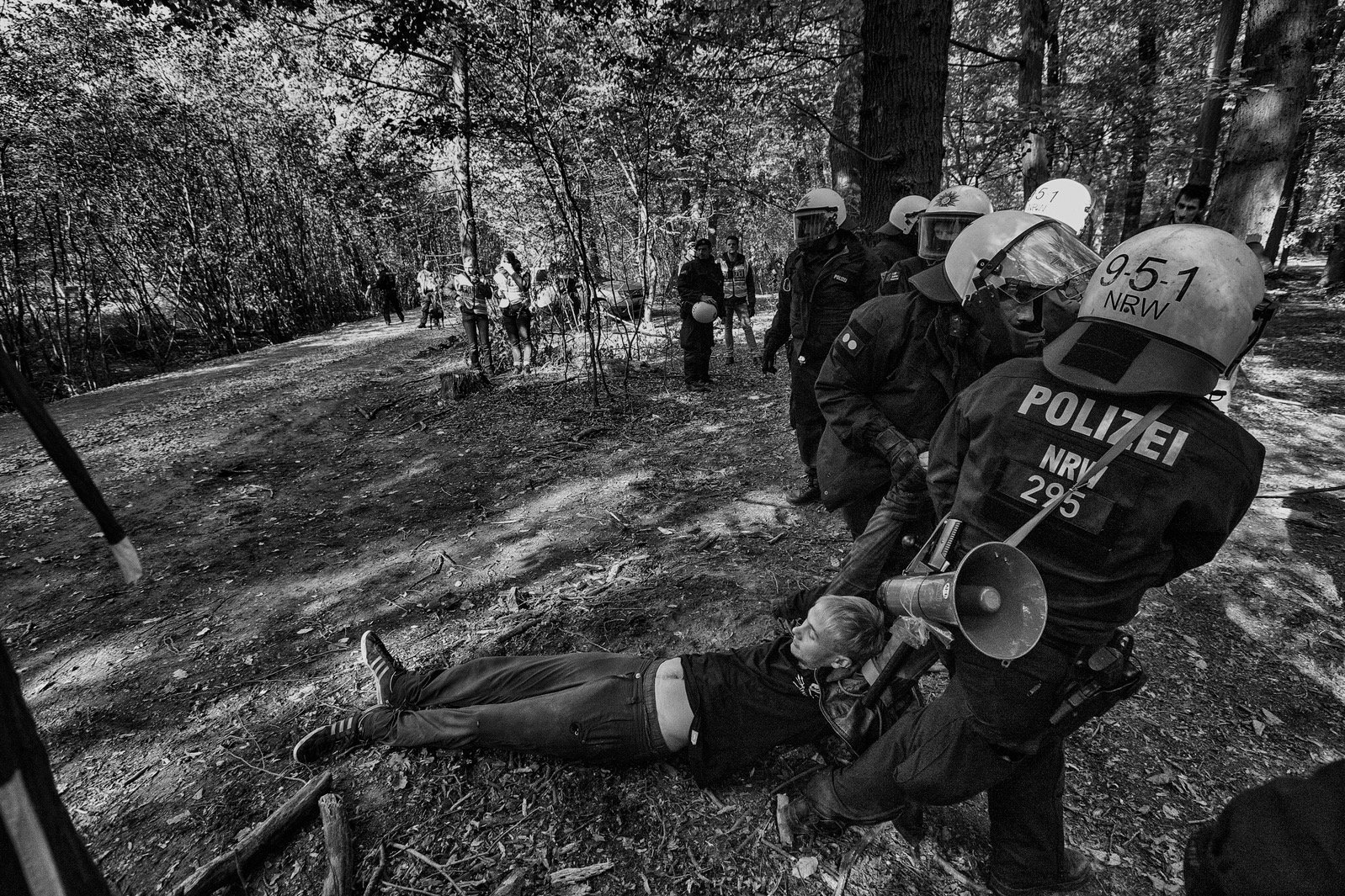
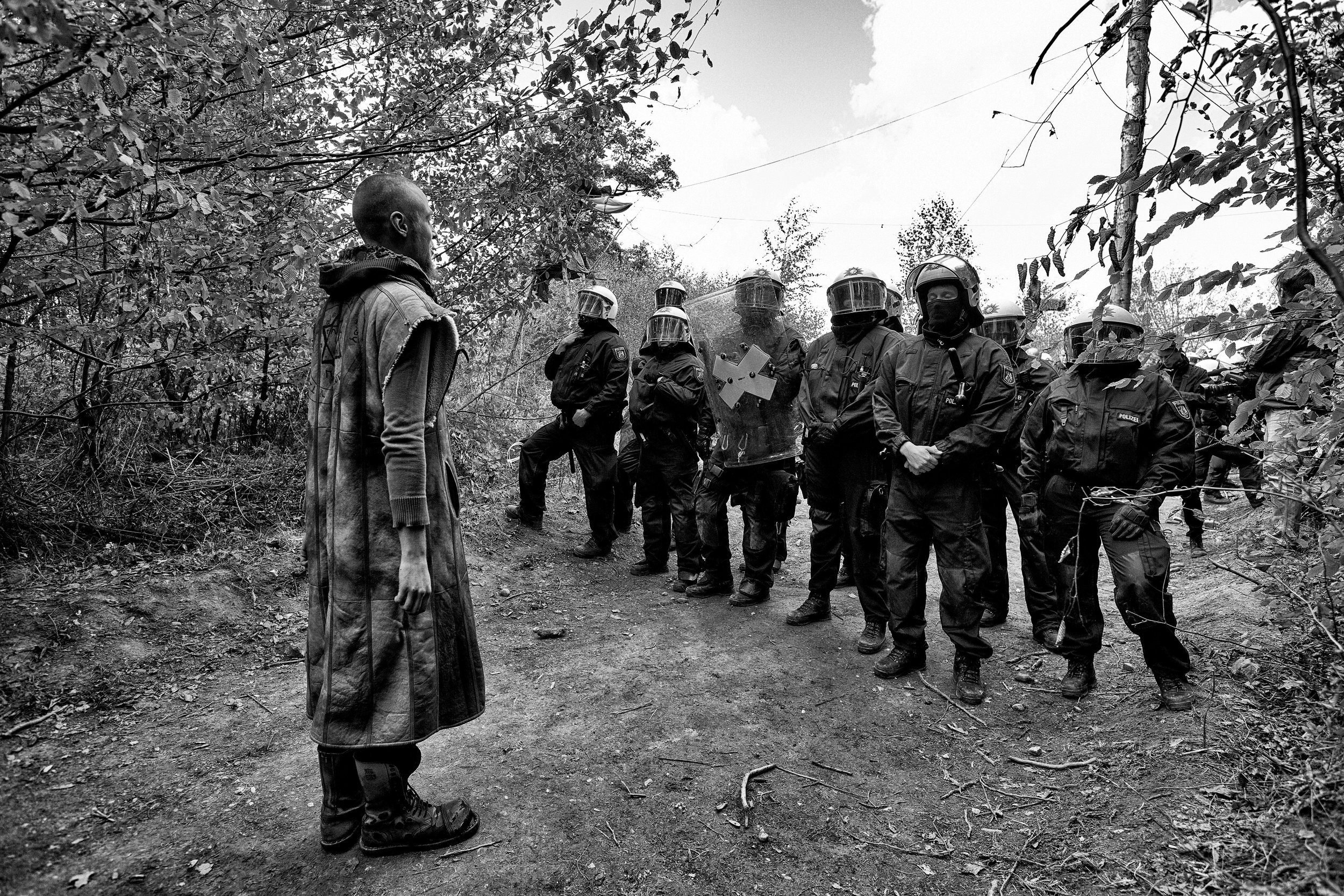
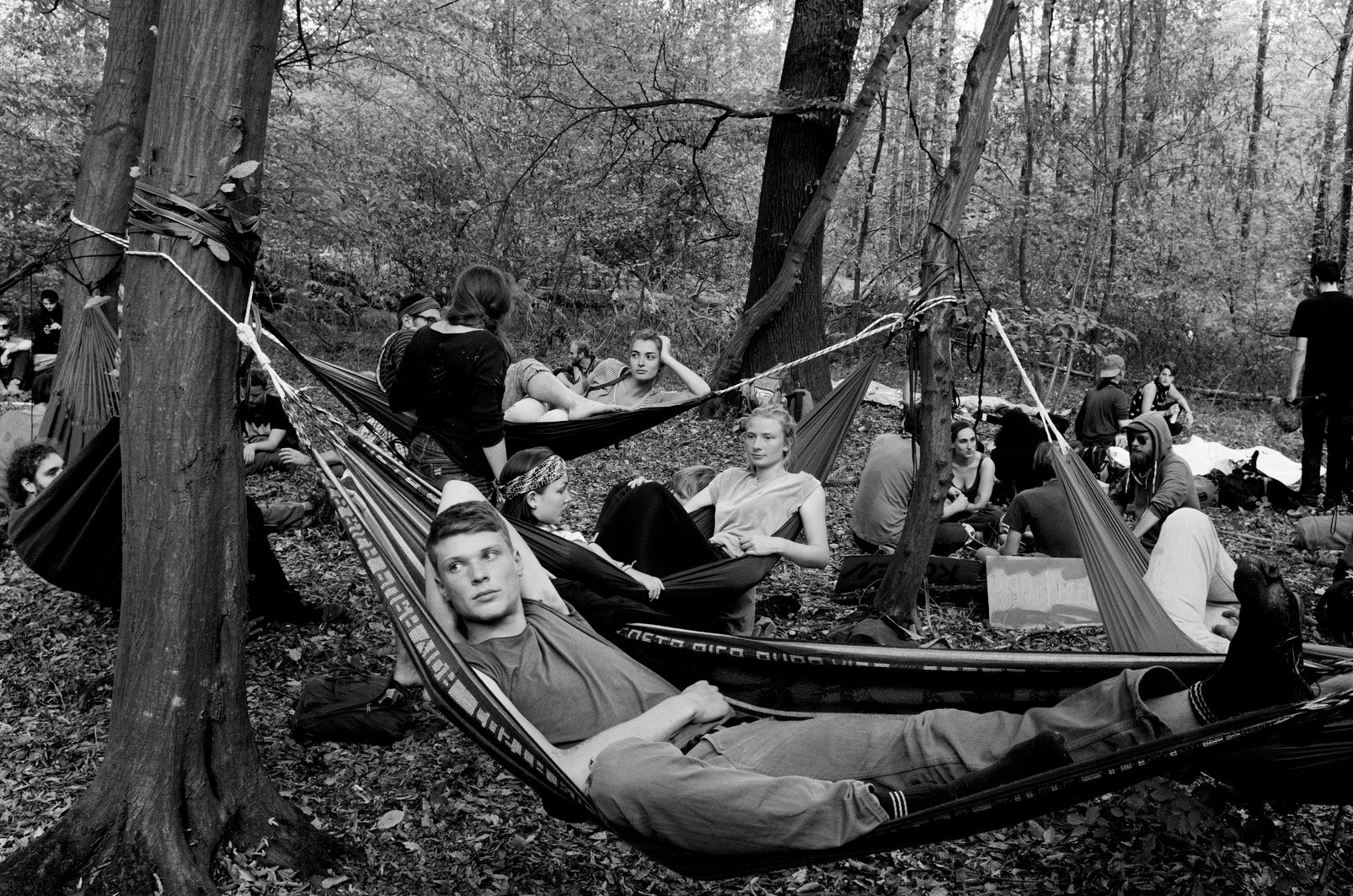
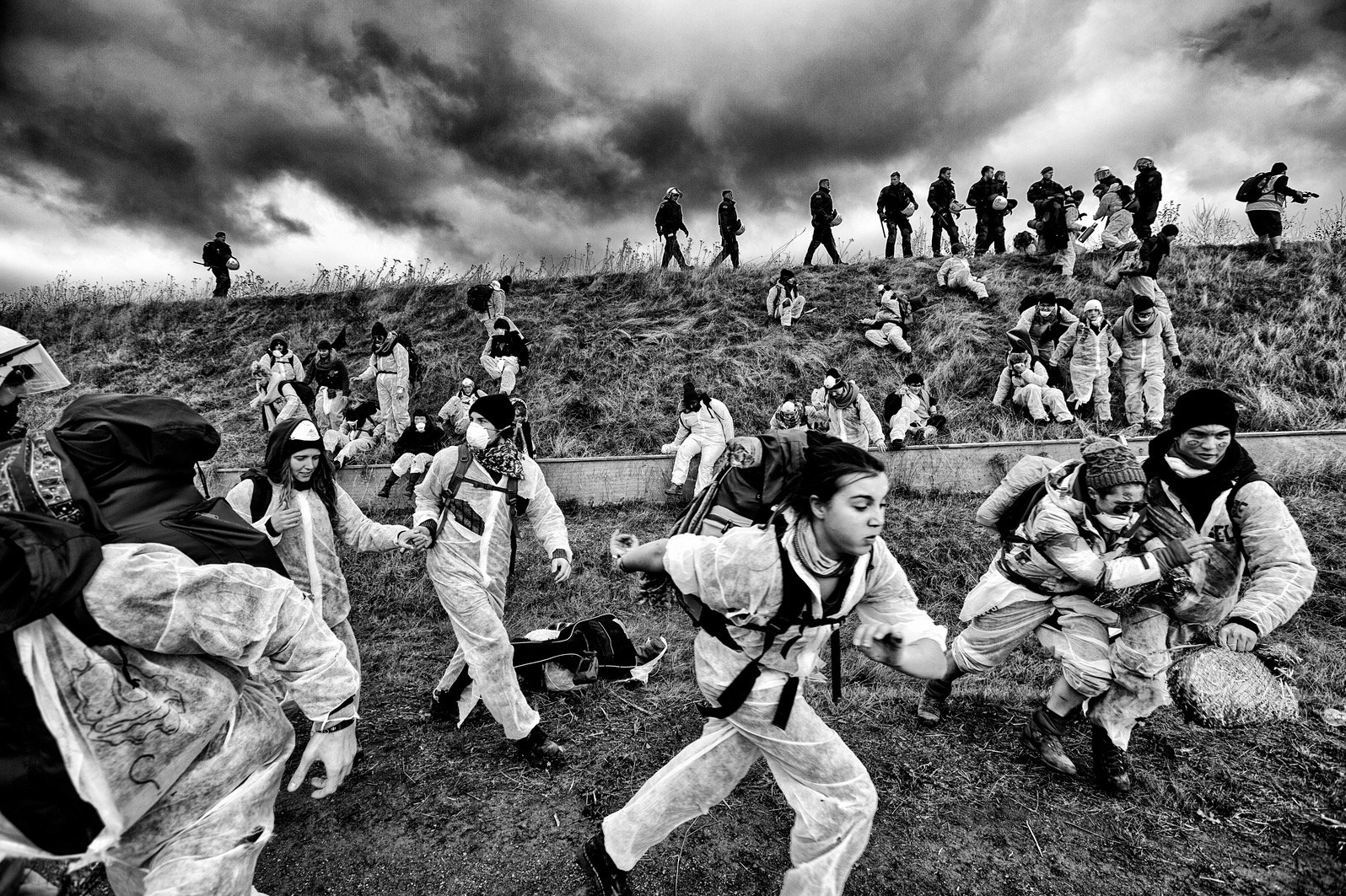
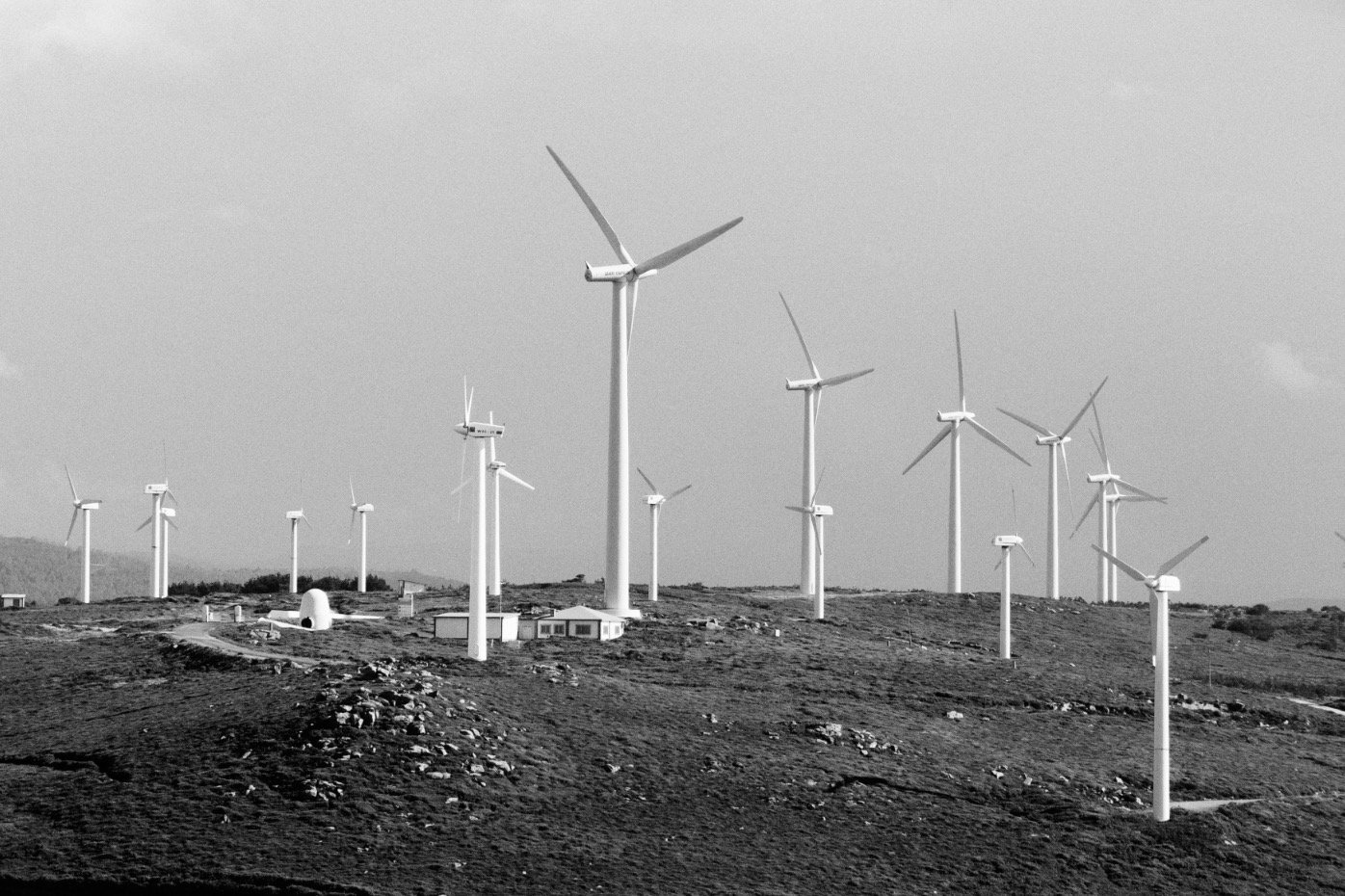
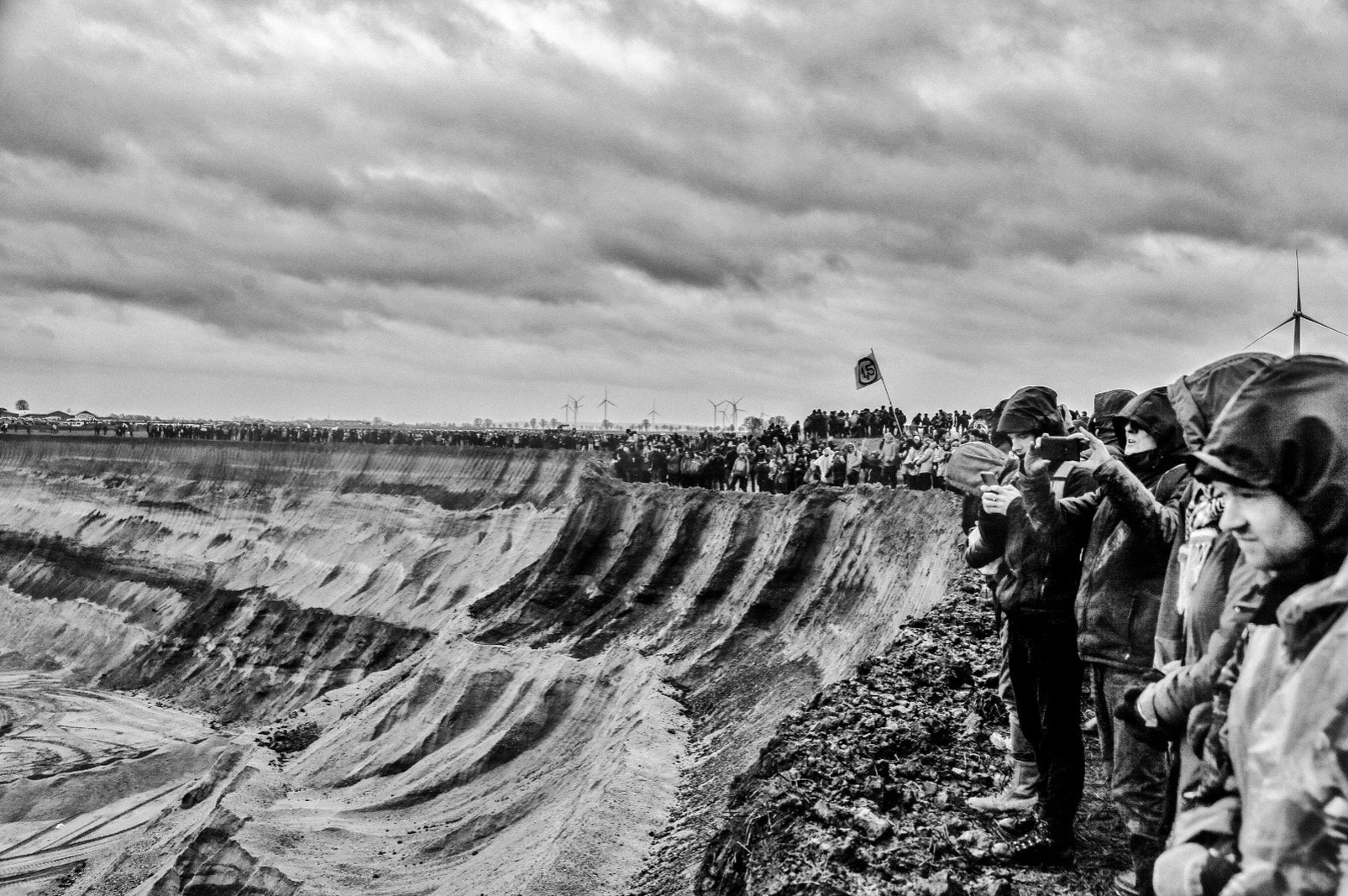
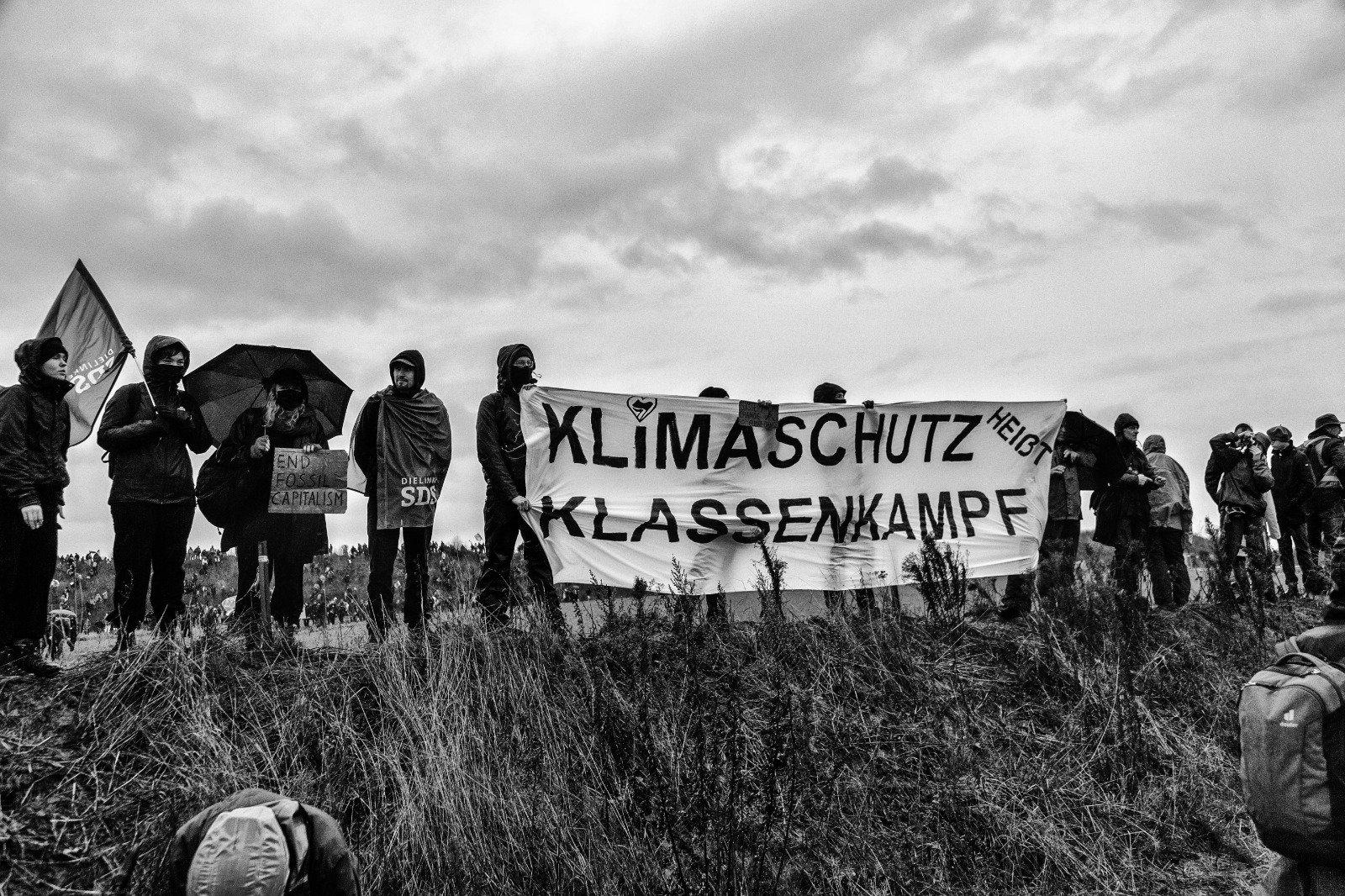
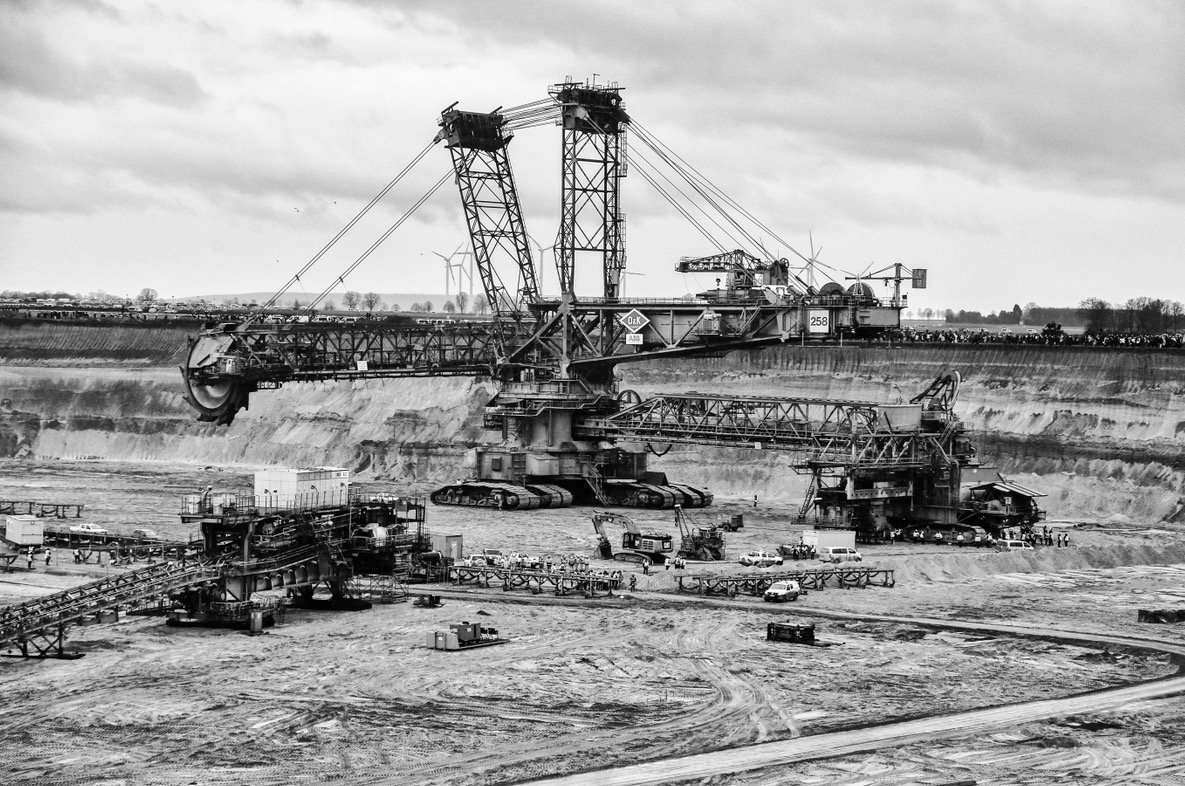
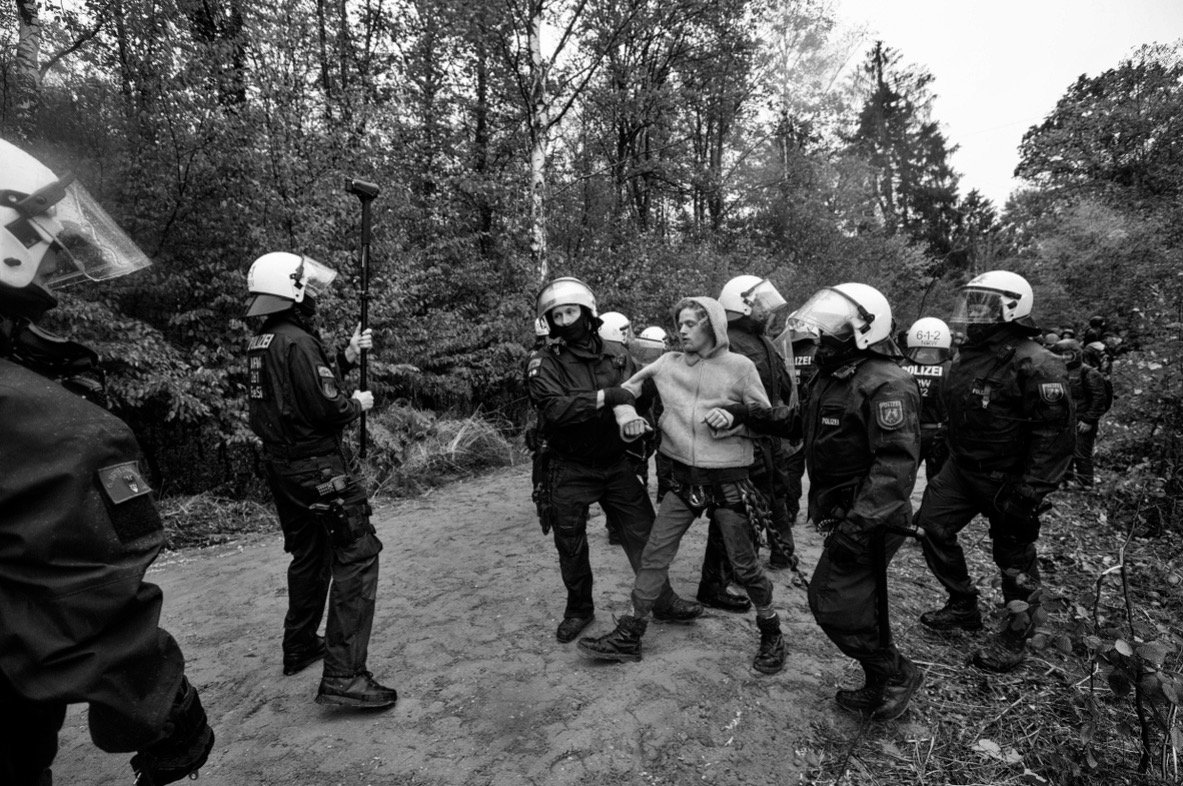
In the Rhineland region, the mining company RWA destroyed thousands of hectares of an ancient forest to obtain lignite for its hydroelectric power plants. In 2012, activists began protesting, and by 2018, when only 10% of the Hambi Forest remained, the environmental movement launched a desperate plea to save what little was left. Until 2020, activists barricaded themselves in the treetops, building shelters to prevent the mining company from cutting down the trees. For two years, until the courts ruled in favor of the activists, thousands of people gathered on weekends, bringing food or protesting against RWA's actions, which had received political approval, including from the Green Party.
A journalist died when falling down from a tree. Police charged the protesters; there were injuries and arrests, including journalists covering the events. RWA realized that the pressure he exerted on politics and the federal government was getting out of hand. 2018
This willful blindness is perpetuated today through powerful blocs and states guided by the economic interest of the resources buried in their subsoil (p. 6). In this geopolitical chessboard, the United States stands out as a focus of constant climate skepticism due to the pressure of conservative administrations aligned with traditional fossil fuel interest groups (pp. 6-7). This consumerist resistance is silently shared by the Persian Gulf petrostates, which systematically block the definitive end of crude oil at international summits to protect their national wealth (p. 7). Similarly, Russia's leadership maintains a skeptical pragmatism that prioritizes the intensive export of gas and oil while eyeing with interest the melting of Arctic commercial shipping routes—an extractivist gridlock also reflected in nations like Indonesia, heavily anchored in the lucrative destruction of primary rainforests for palm oil and massive coal extraction (p. 7).
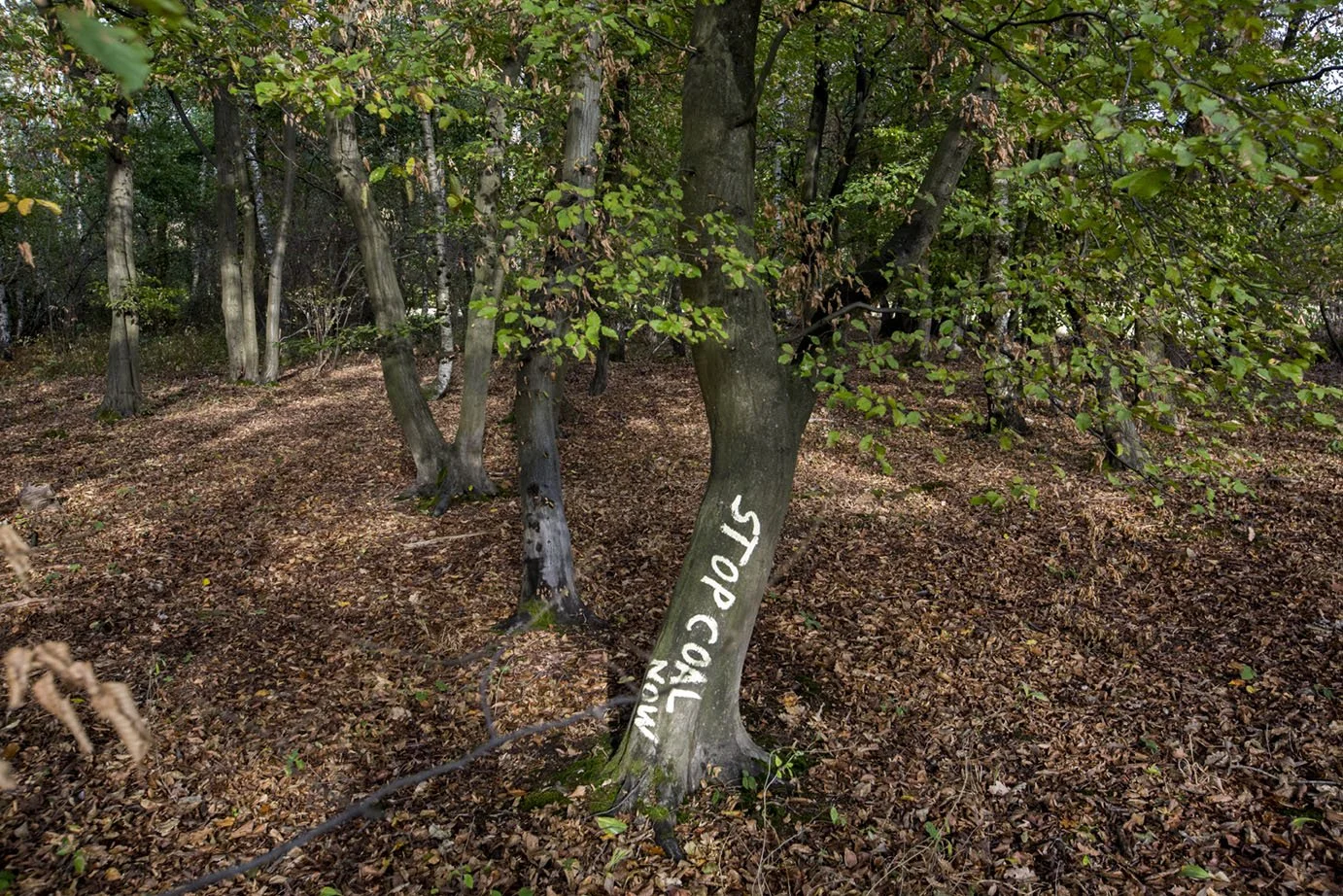
The phrase STOP COAL NOW was painted on one of the ancient trees in the Hambach forest to prevent the destruction of the remaining 10% of the forest, rich in biodiversity and home to a unique species of bat. STOP COAL NOW in Hambach Forest. Germany 2018.
The Imperial Pincher and the Hypocrisy of Power
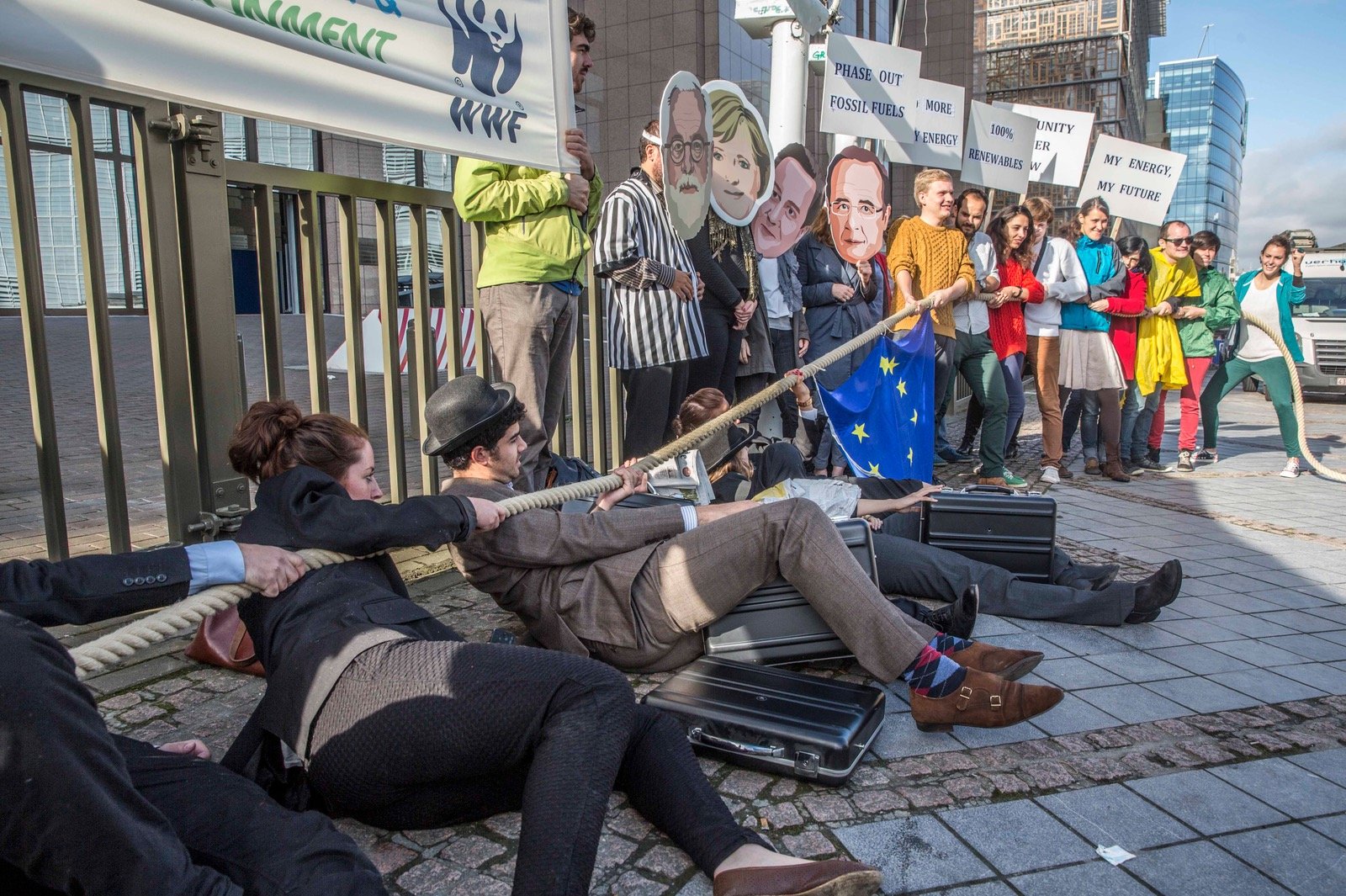
This alarming network of global complicities places us squarely before the contemporary subjugation by two symbiotic empires governing the Earth's ecological destiny: the United States as the planet's largest consumer and China as the absolute controller of the global manufacturing oligopoly (p. 7). The map of this Capitalocene was crucially reorganized in 2001 with China's entry into the World Trade Organization (WTO) (p. 10). Within this pincher, the North American power stands out for its consumerist voracity, while the Asian model finds its maximum and most absurd paradox in being an officially communist state that has implemented one of the most ferocious and illogical consumer capitalisms in history, operating under a quiet and expansive organization that functions with the disciplined mimicry of ants (pp. 7, 11). The Beijing regime sends its men in black with briefcases containing millions to buy political favors, strategic infrastructure, and agricultural land around the globe, making the entire world dependent on its production (pp. 7, 11).
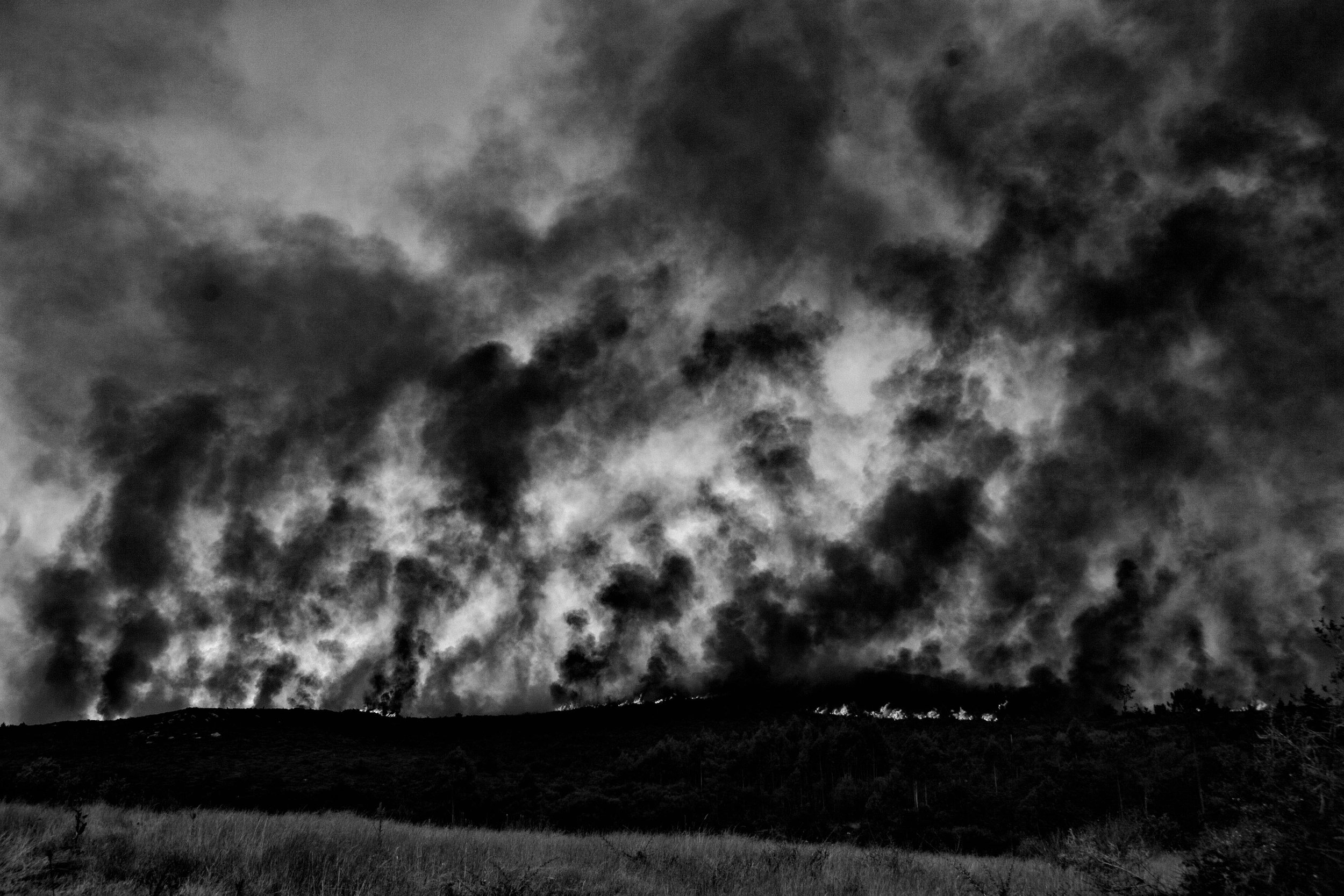
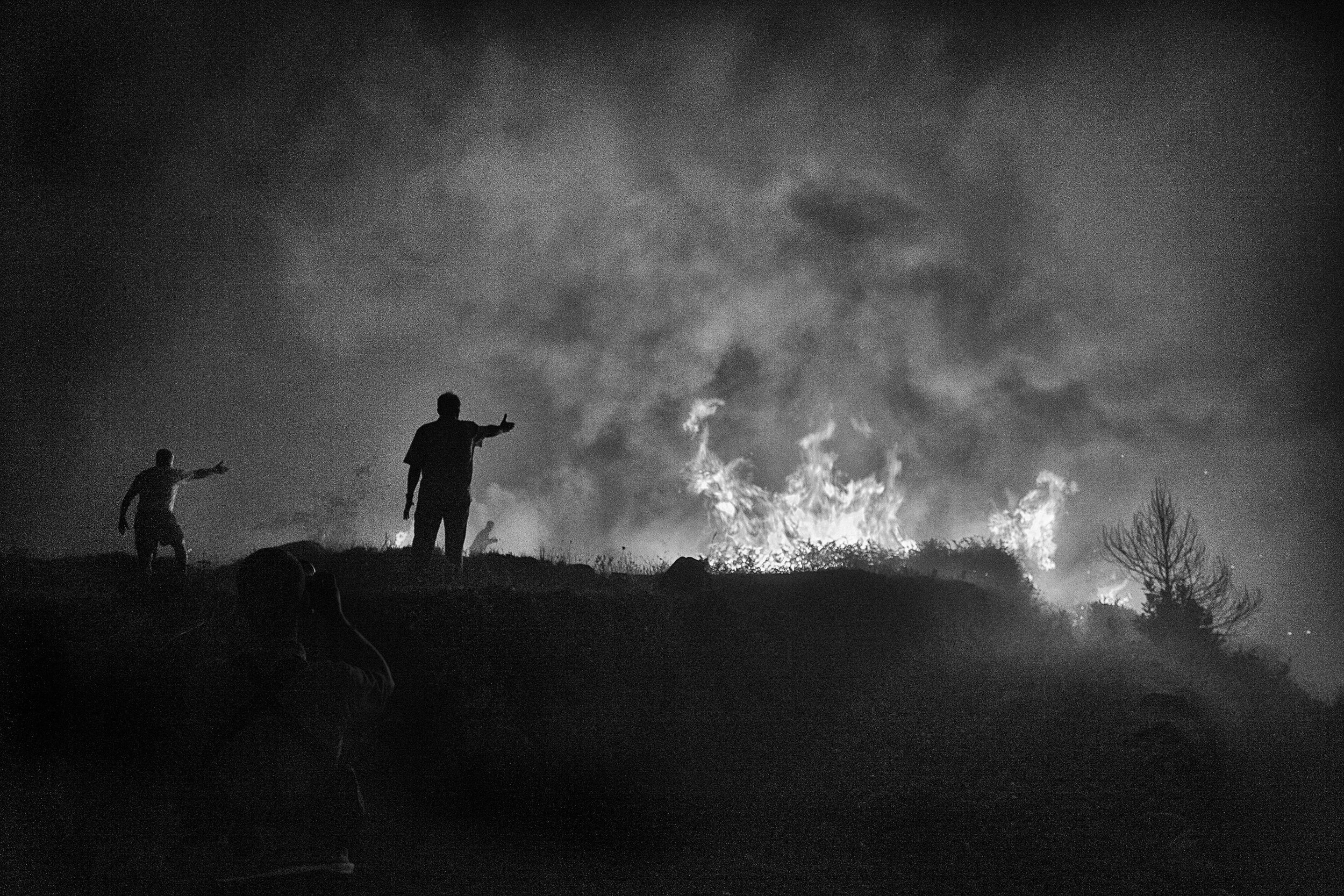
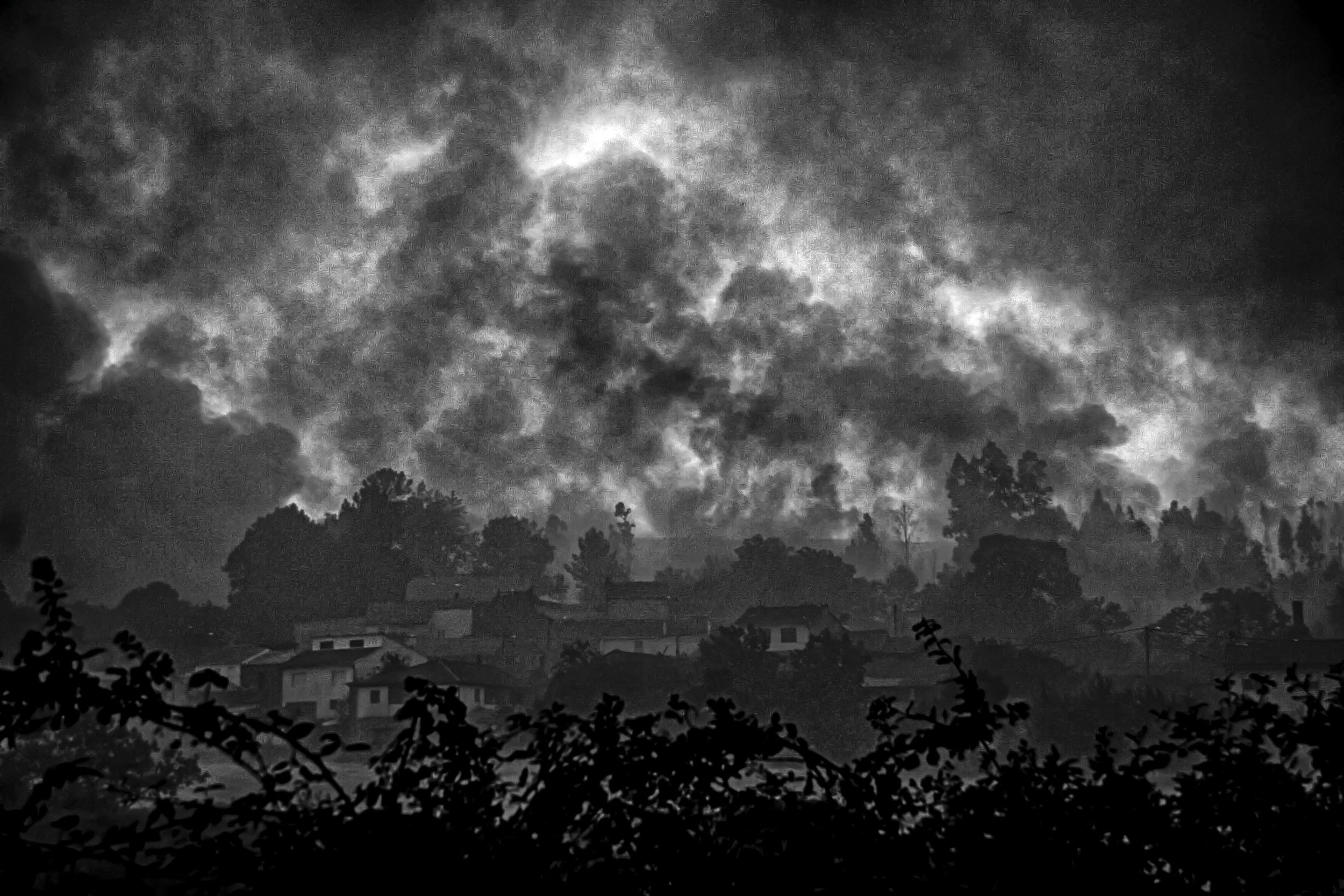
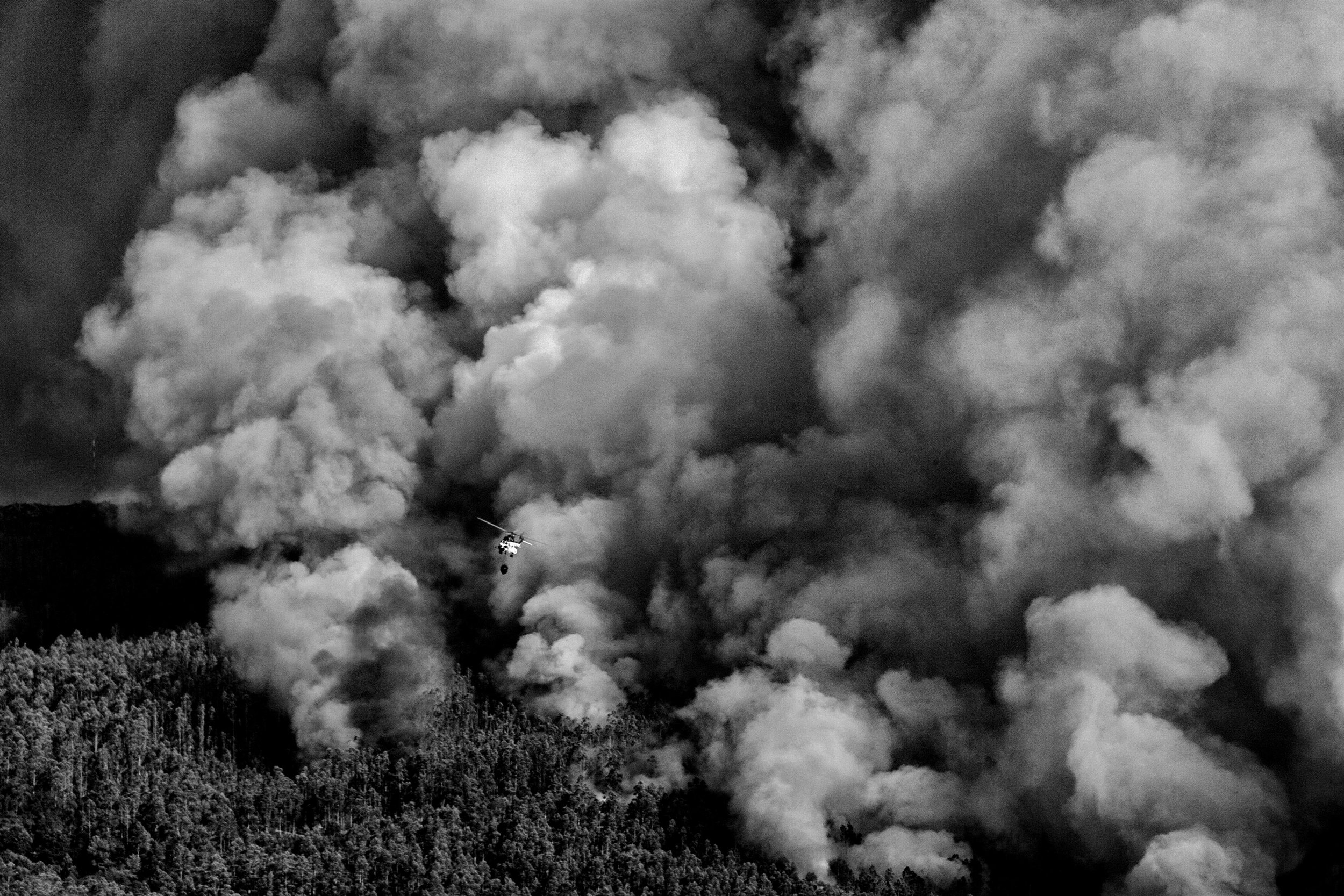
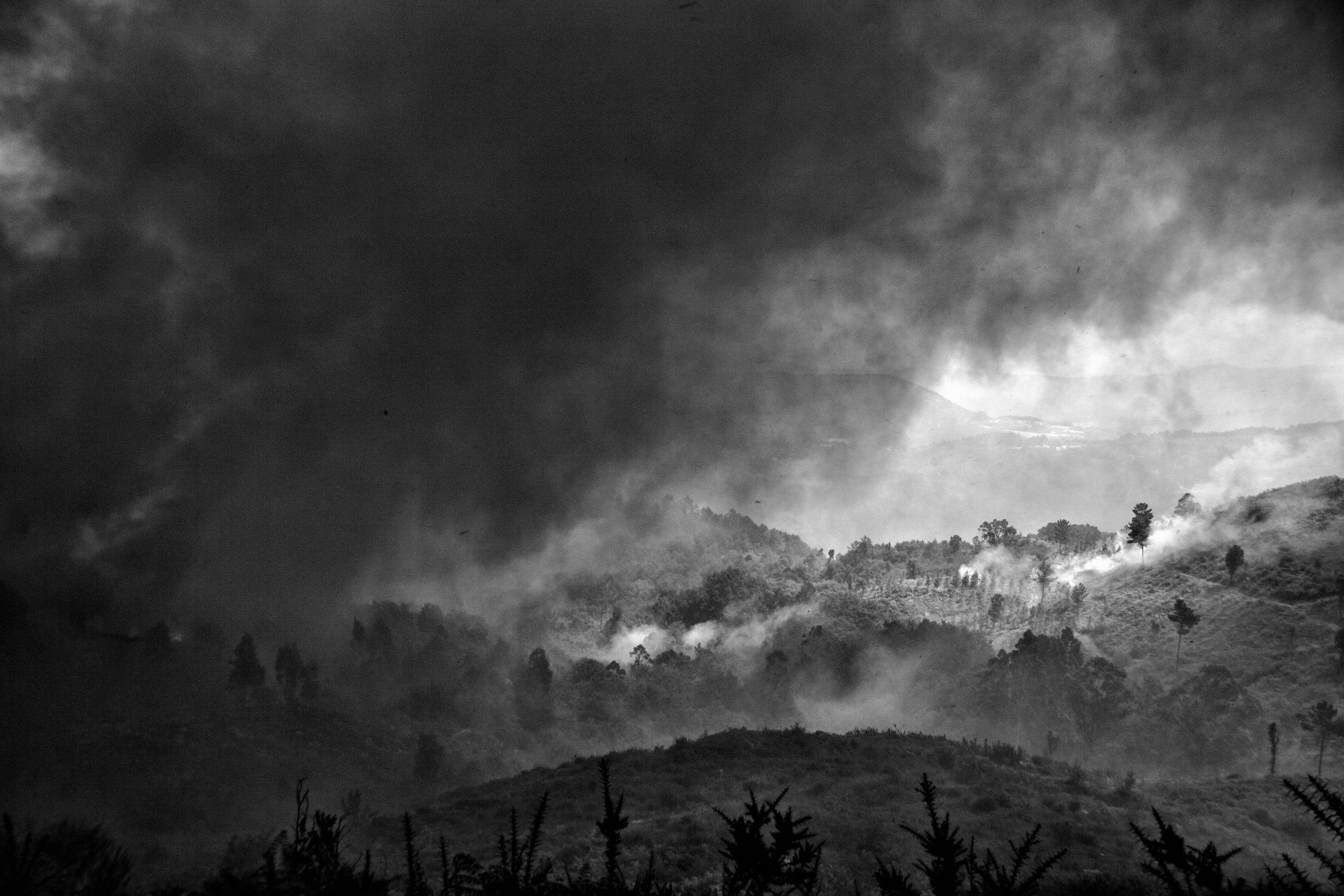
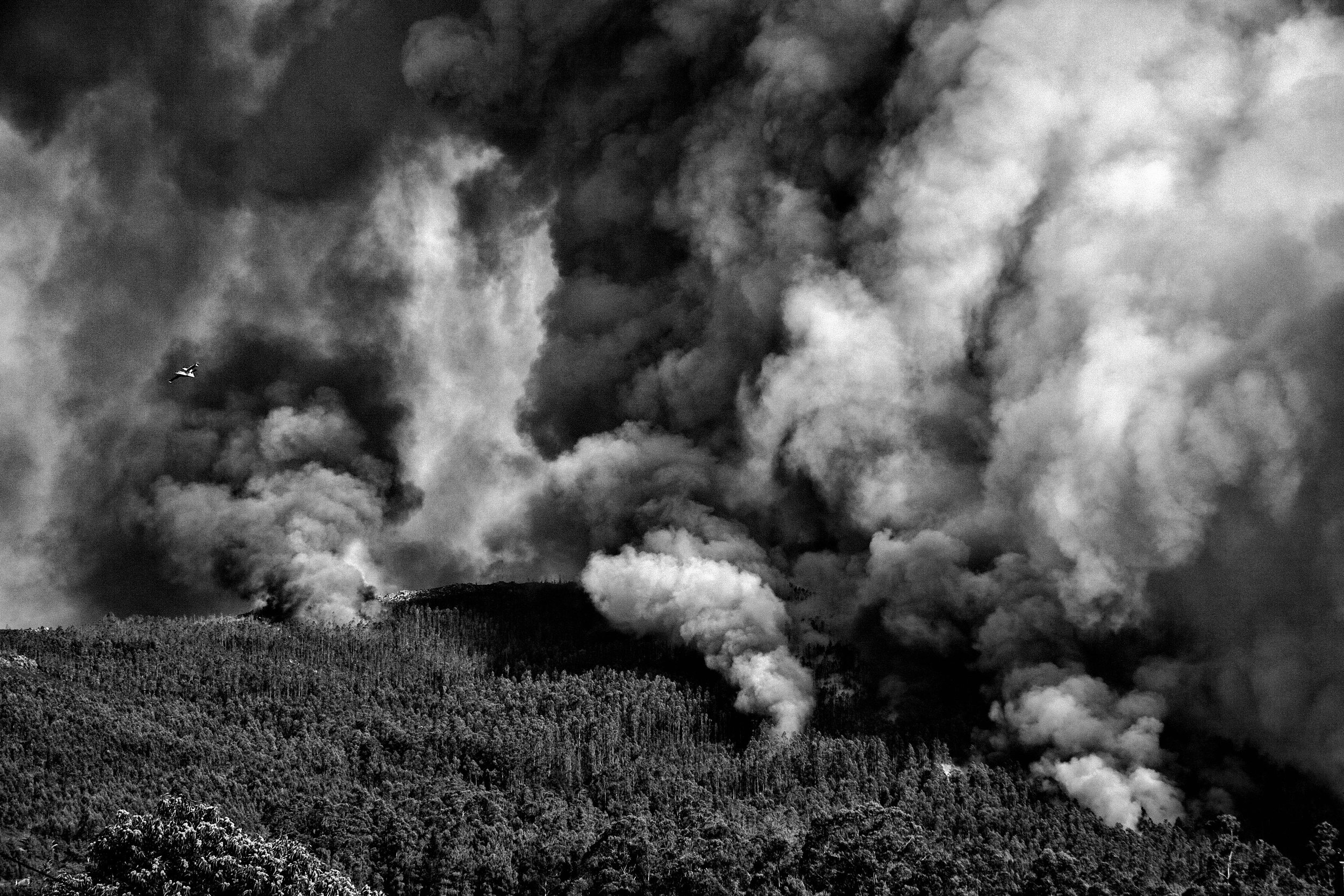
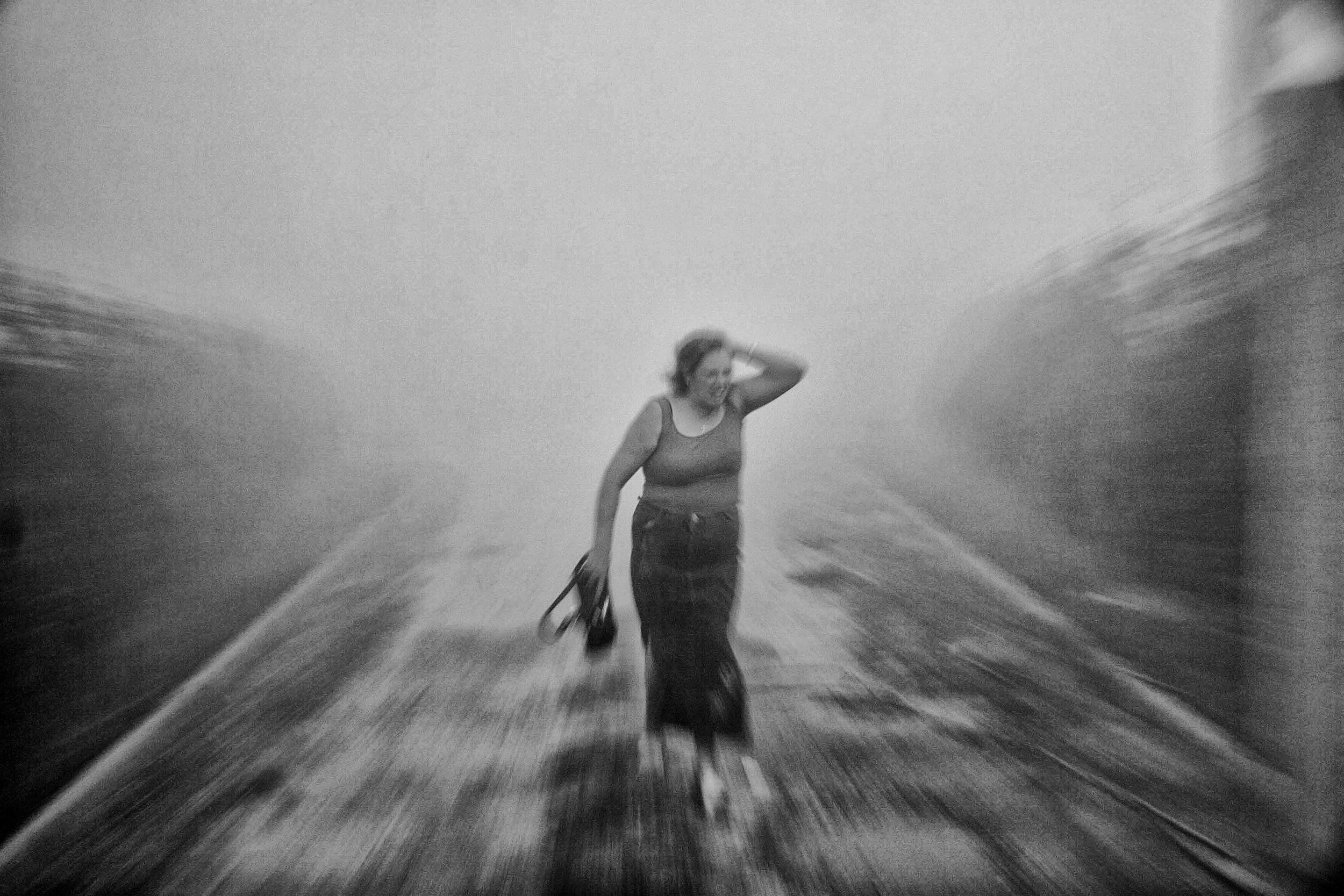
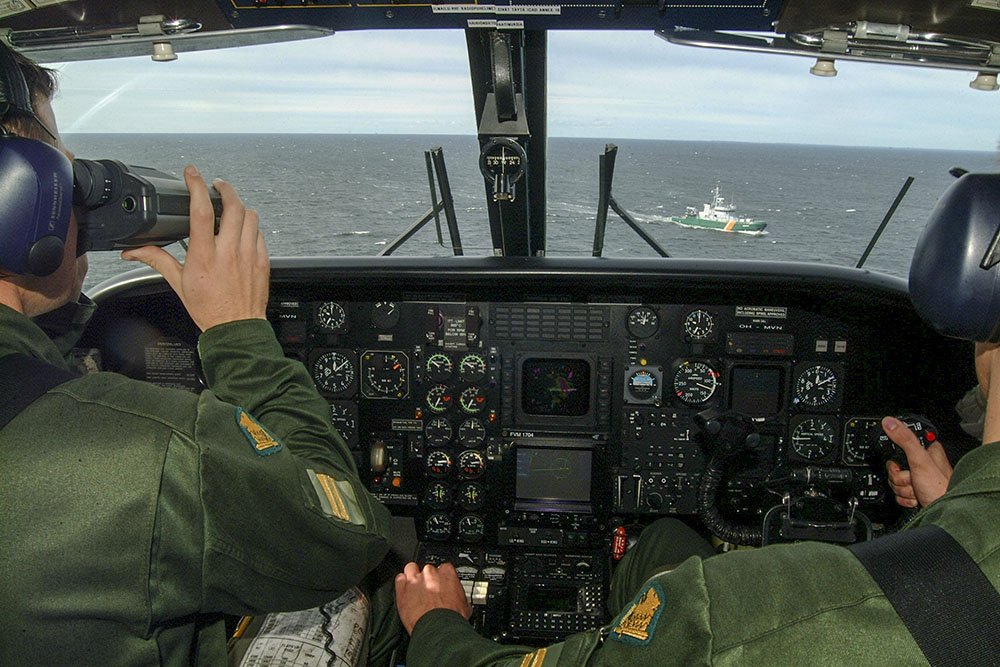
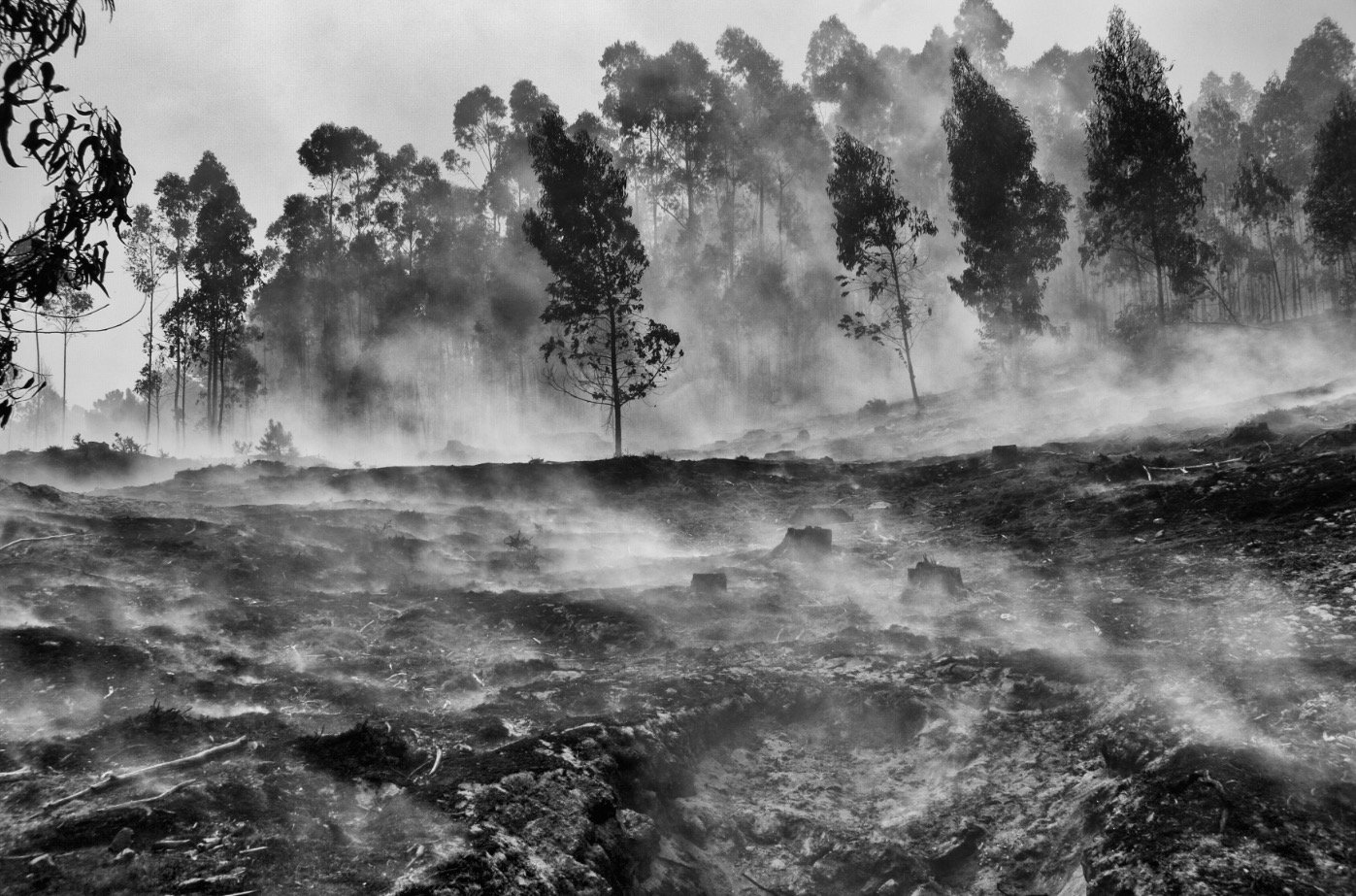
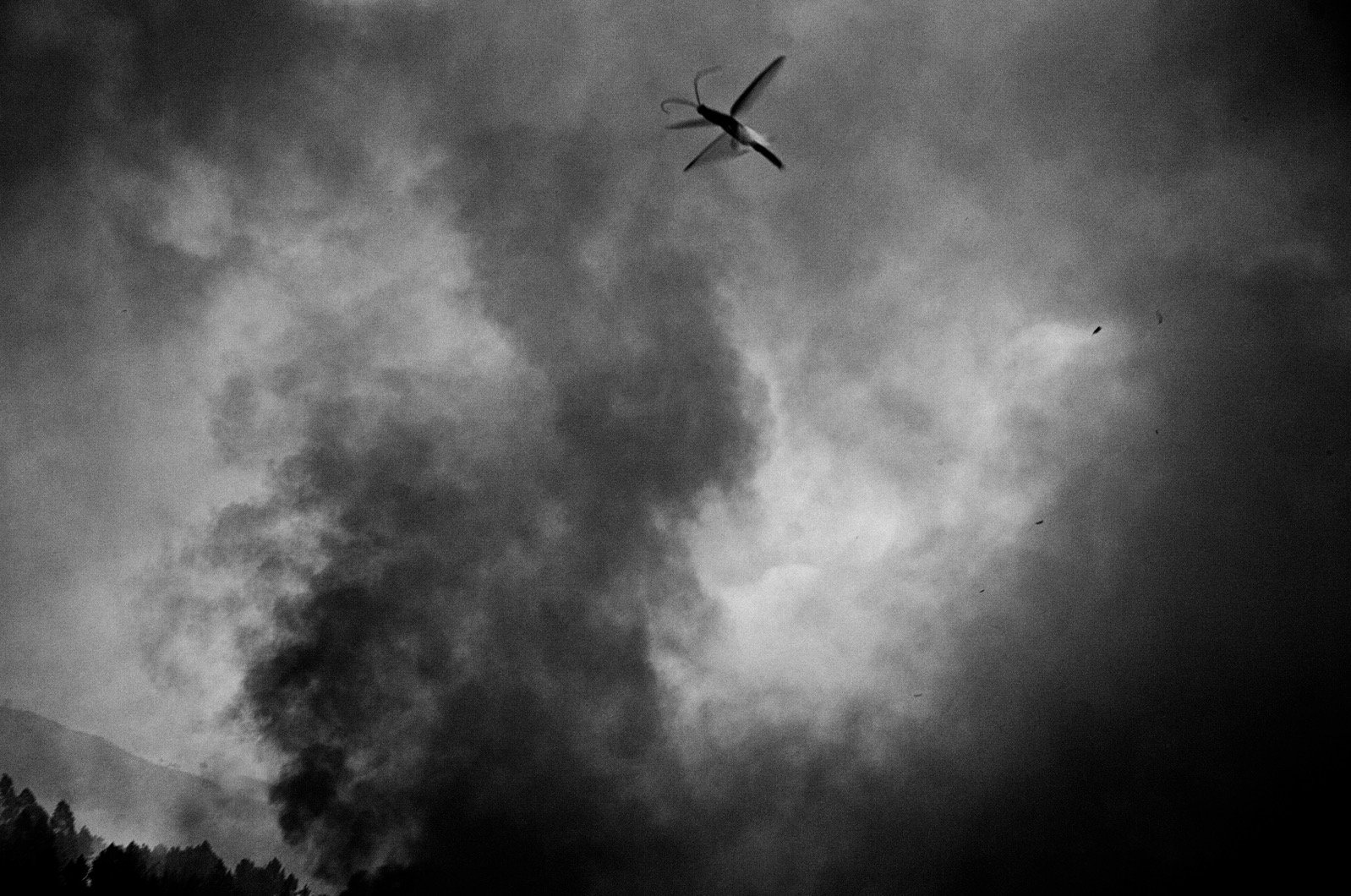
Fire in the province of Pontevedra, Galicia. 2006. The proliferation of industry in large cities created a migratory phenomenon from rural villages, leading to depopulation and the abandonment of forest management. In Spain, the criminal group G6, made up of companies in the firefighting aviation sector, operated for many years. Although they were tried in the National Court and convicted, no one served a prison sentence, since sentences of less than two years and the lack of prior convictions prevent imprisonment. The facts were acknowledged by both businesspeople and politicians. Currently, several of these companies have changed their names and continue to operate with impunity due to the Spanish government's emergency contracts, which are awarded without competitive bidding, worth hundreds of millions of euros. Pontevedra, Galicia. 2006.
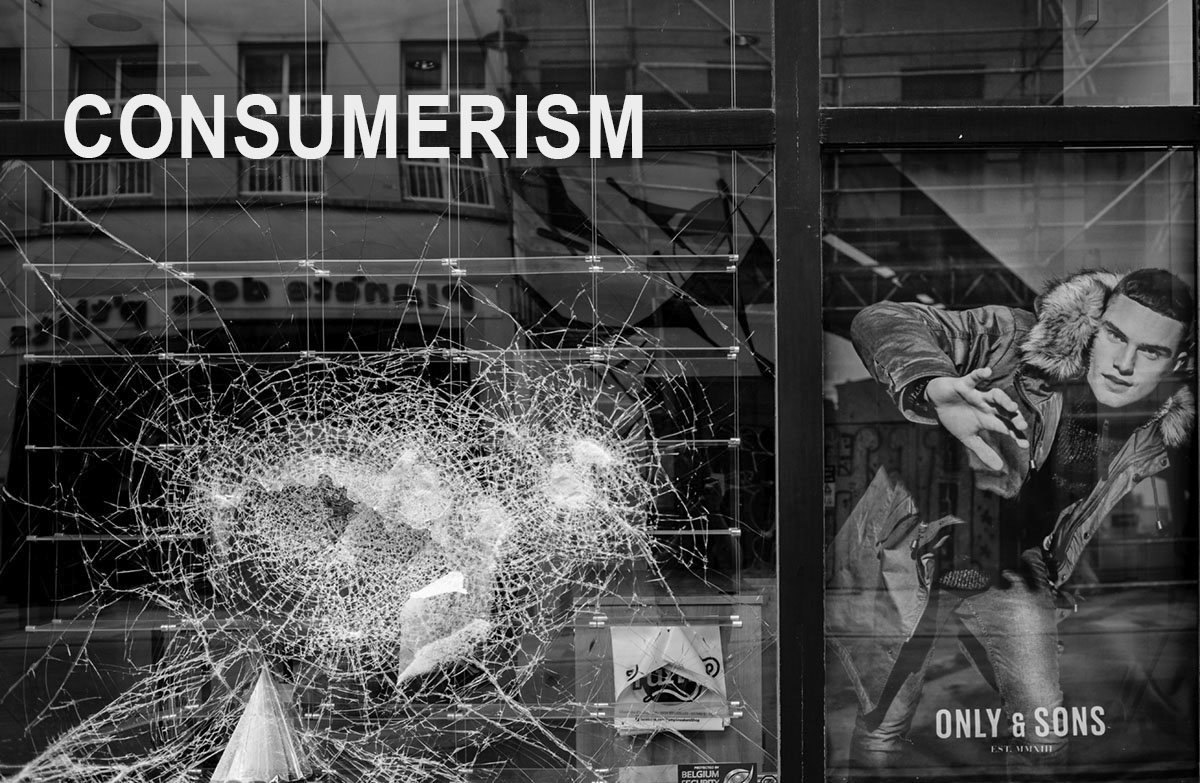
The West willingly yielded to this corporate invasion to externalize the ecological scar of its own consumption. generating a structural submission so blind that today humanity depends on the Earth's largest coal burner—which burns more than the rest of the world combined—to acquire the solar panels and technologies for its supposed green transition (pp. 7, 11). This installs an economic schizophrenia that promotes digital addiction to disposable objects driven by a bombardment of advertising while devouring the biosphere to secure an implacable geopolitical expansion before which global leaders prefer to remain silent (pp. 7, 11).
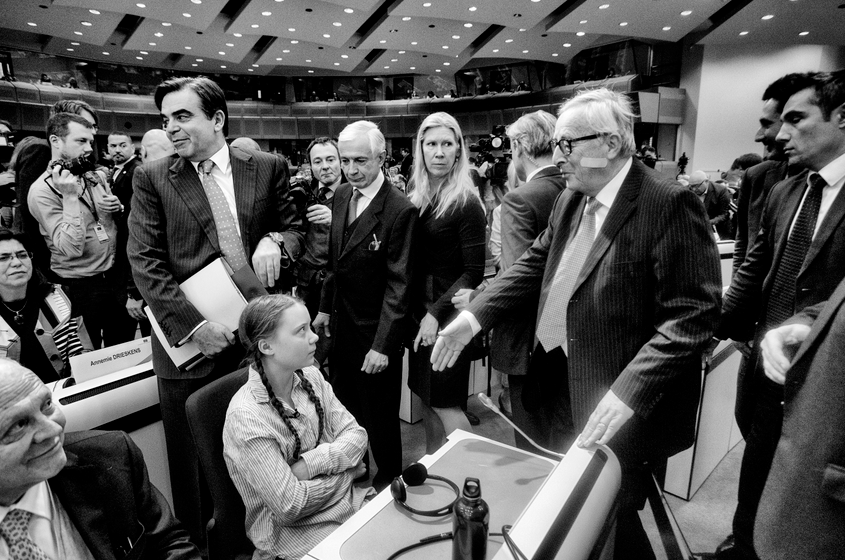
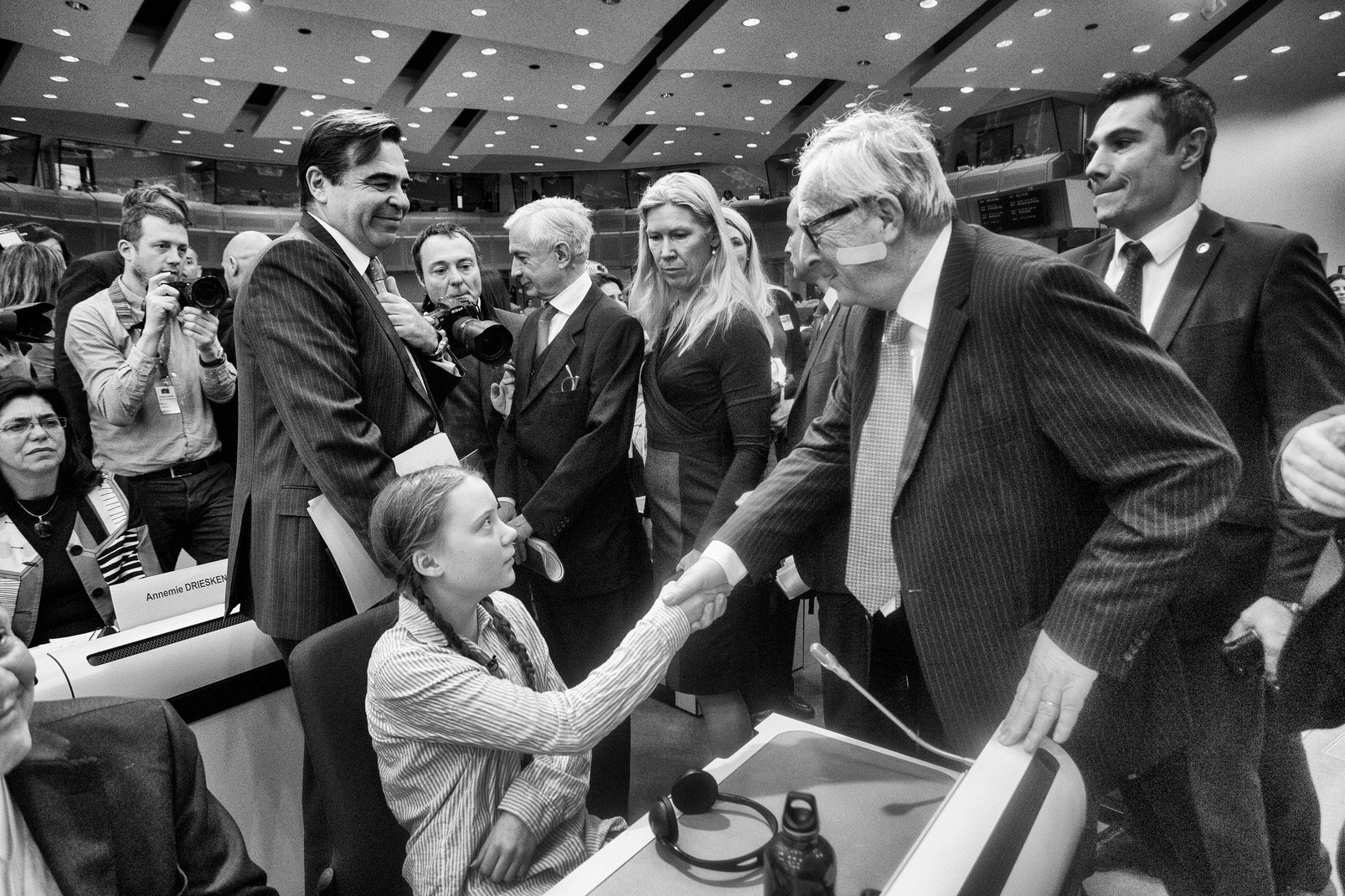
This structural hypocrisy is grotesquely staged at pompous international climate summits—forums that seem designed not to mitigate the crisis but to legitimize higher levels of pollution under the pretext of global diplomacy (p. 7). It is incomprehensible and ethically intolerable to watch world leaders and corporate elites travel in hundreds of private jets that saturate the airspace, emitting tons of carbon during fleeting trips that are impossible to offset, only to later draft moral guidelines dictating how citizens must clean up the filth they themselves force us to swallow (pp. 7-8).
The Devastating Horizon and the Notary Deed
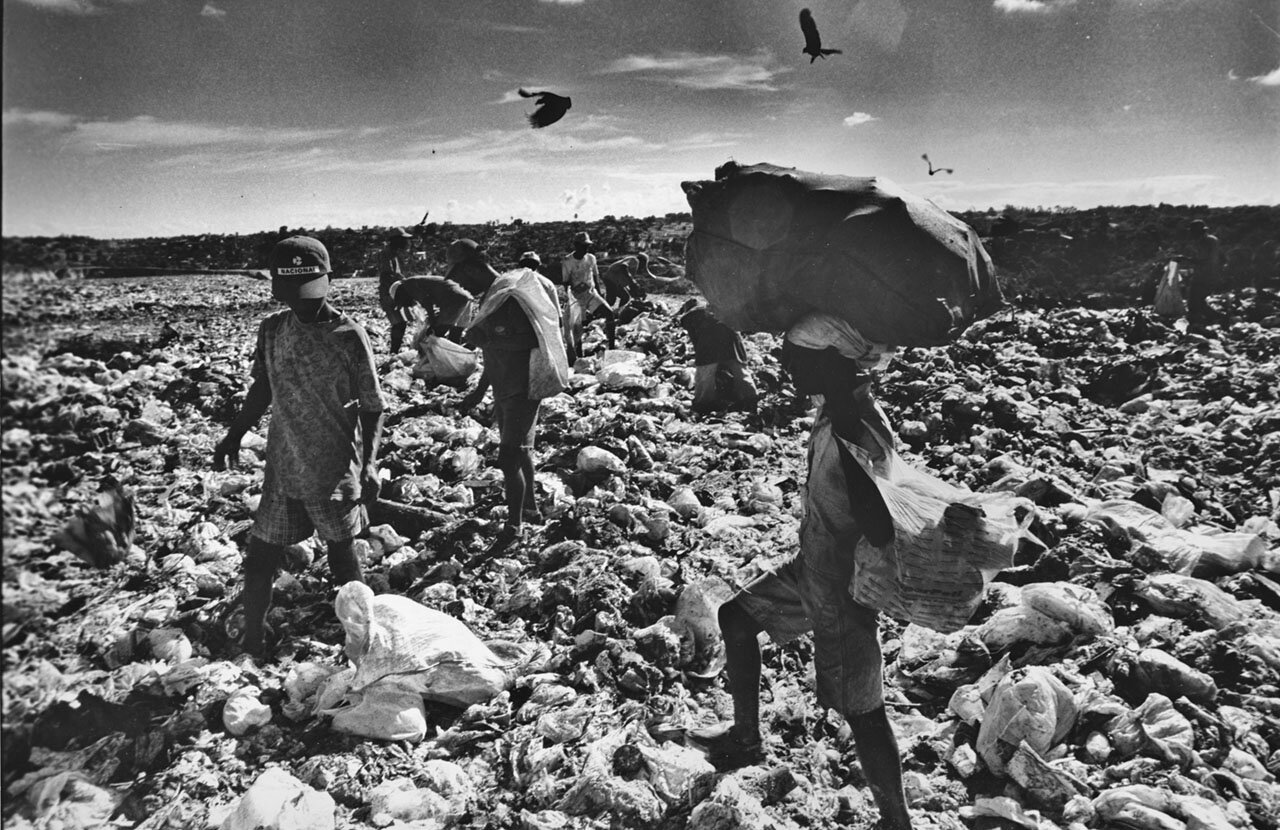
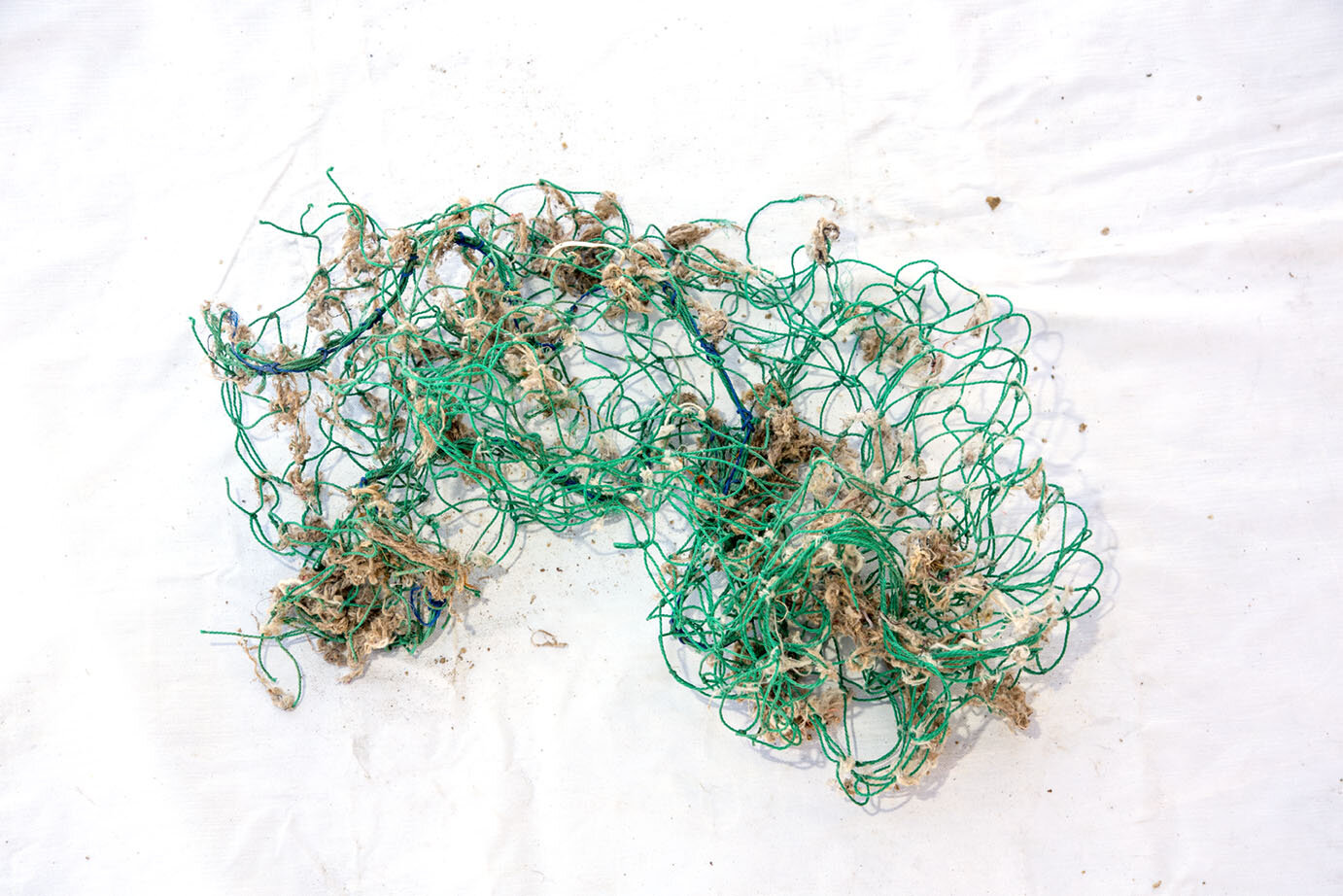
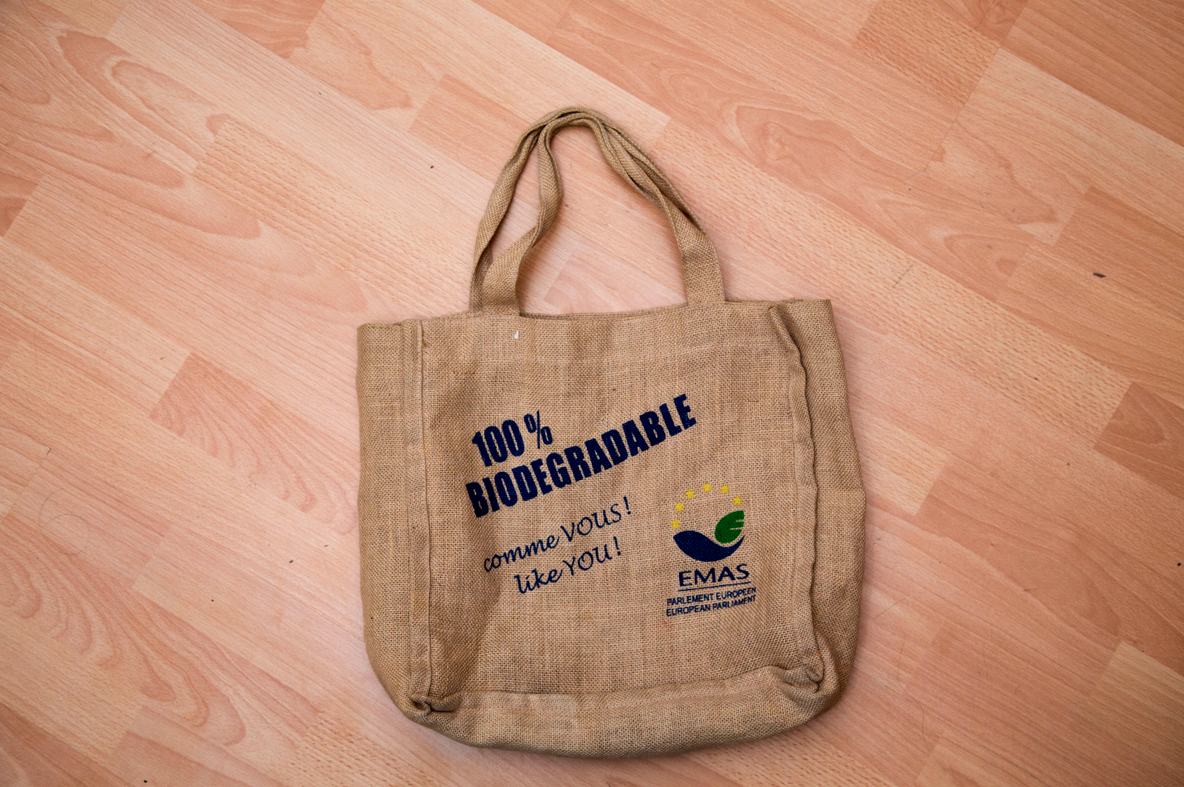
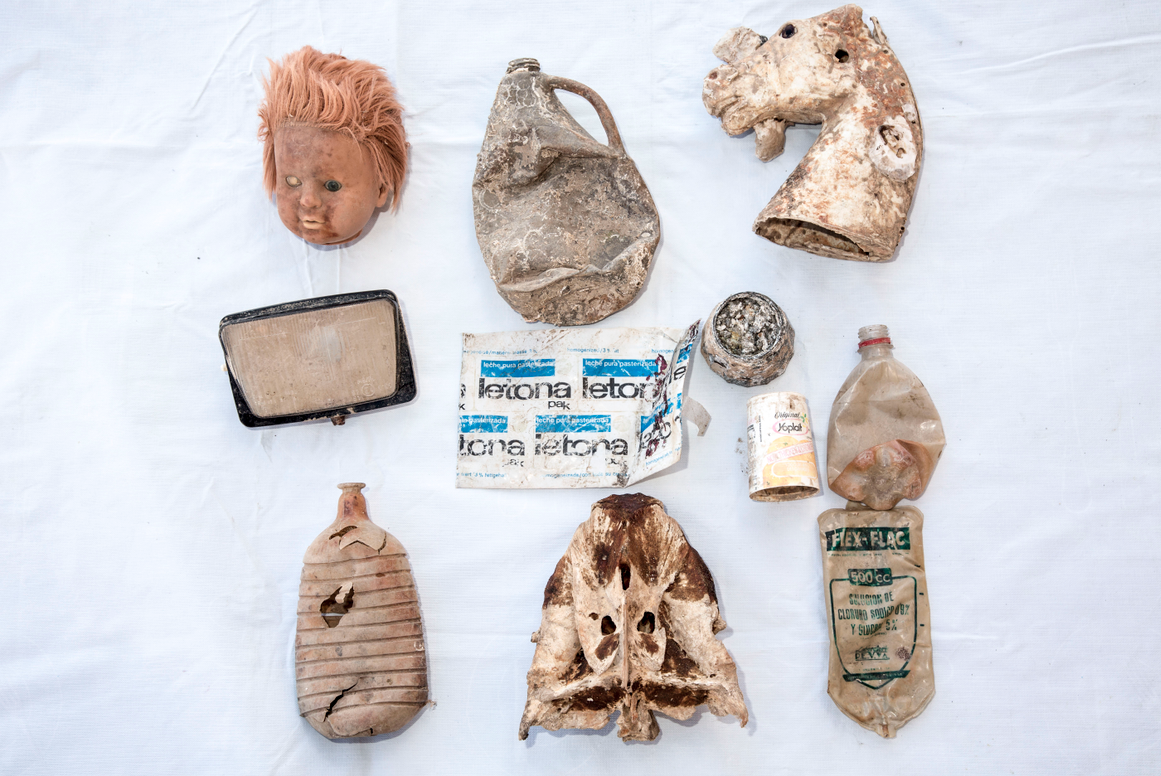
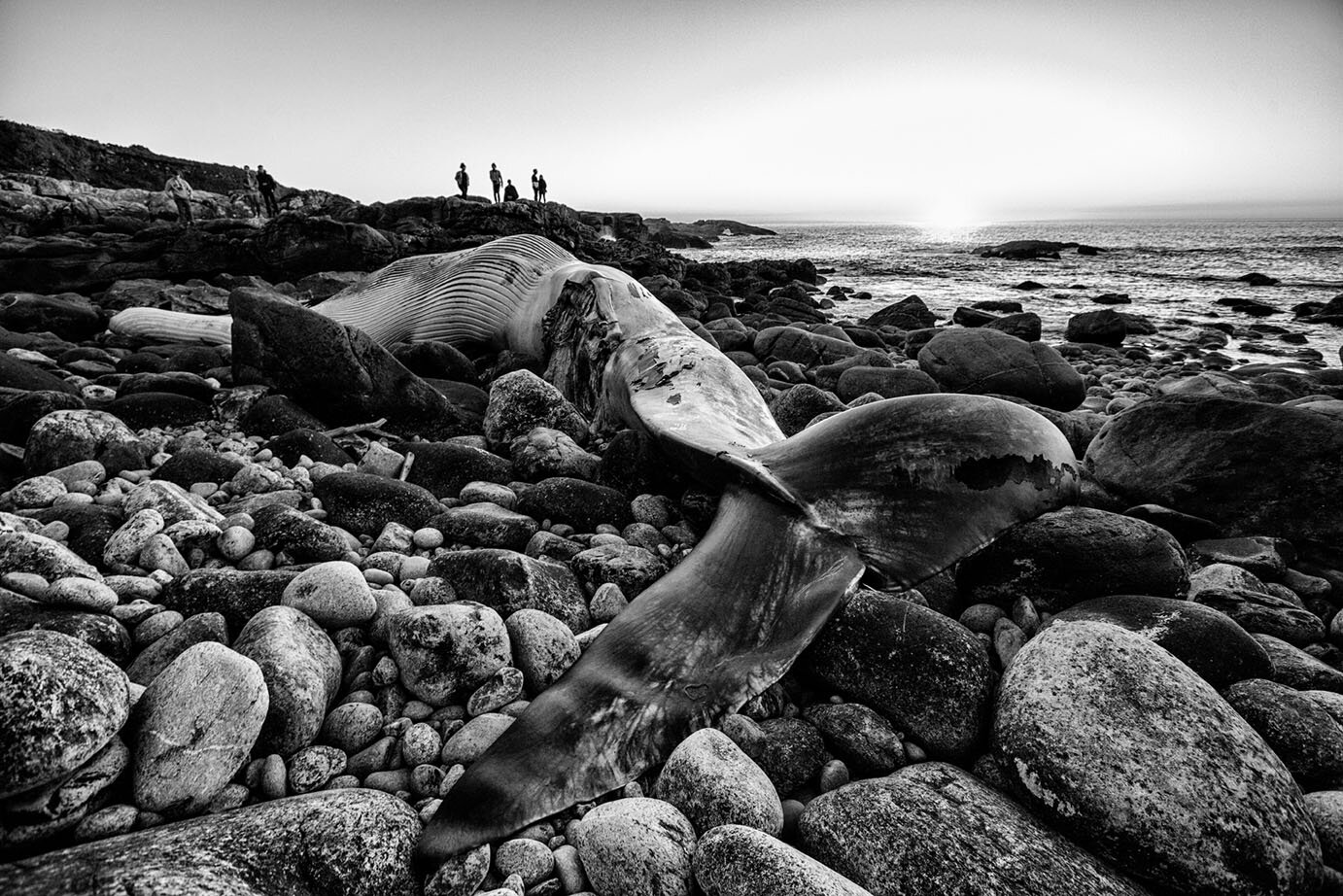
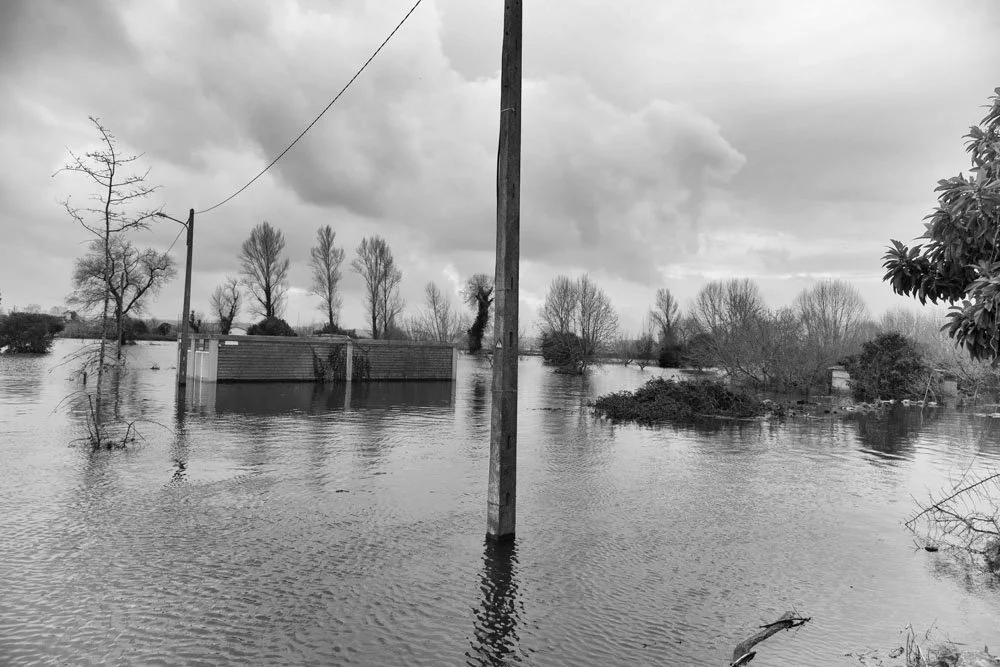
Should this inaction, protected by the cynicism of power, continue, scientific projections from global data models trace a devastating horizon for the next thirty years, placing us by mid-century before a terminal geography governed by the physics of thermodynamics (p. 8). This will bring the collapse of habitable zones, widespread famines, international wars for the military control of fresh water, and the irreversible acidification of the Galician rías (p. 8). This legacy of degradation materializes on our surface through the waste society, driven by constant advertising that squanders energy to push us to desire what we do not need and to generate waste that the biosphere cannot assimilate (p. 8). This is visible in the accumulation of illegal dumps and plastic bags in cities like Brussels and in the alarming tailing ponds of toxic sediment and cyanide at the Roșia Montană and Roșia Poieni copper mining complexes in Romania (p. 8).
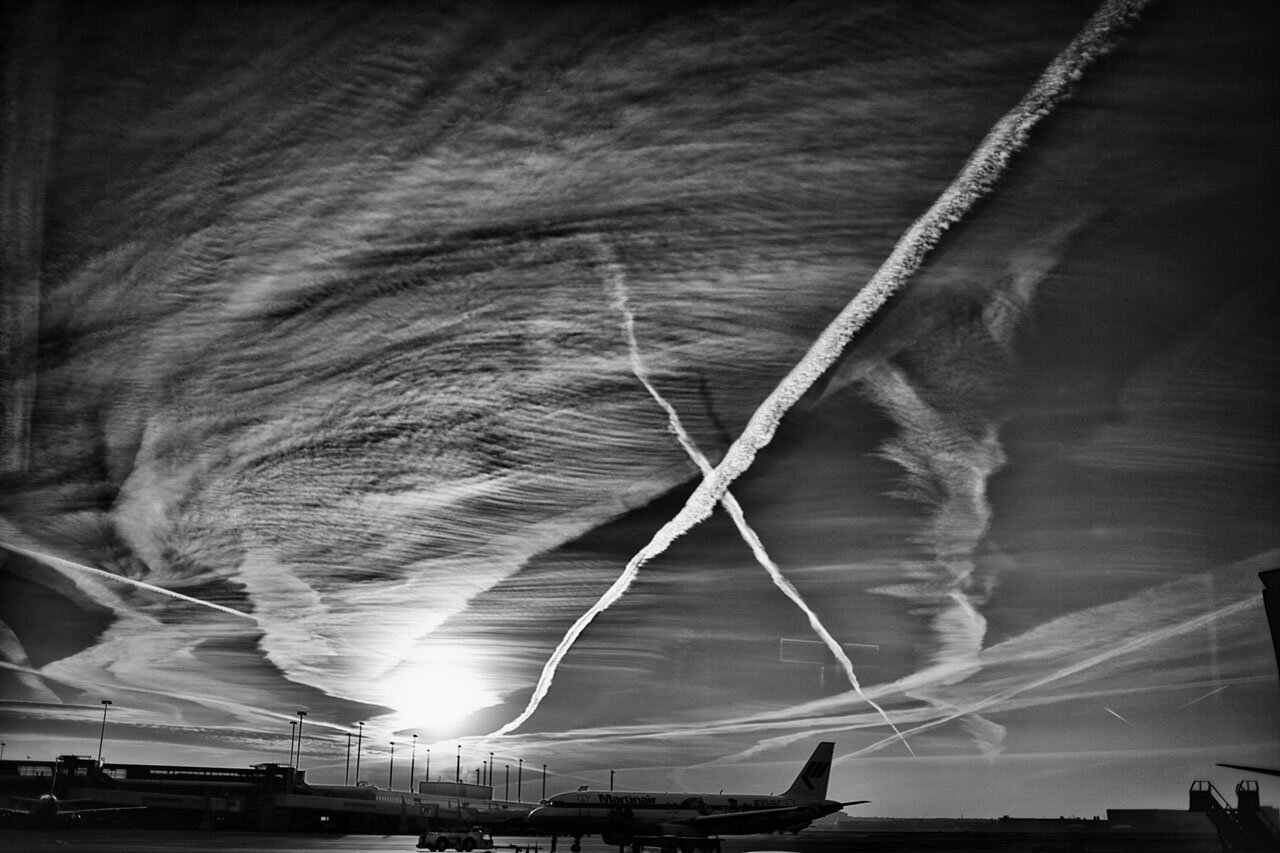
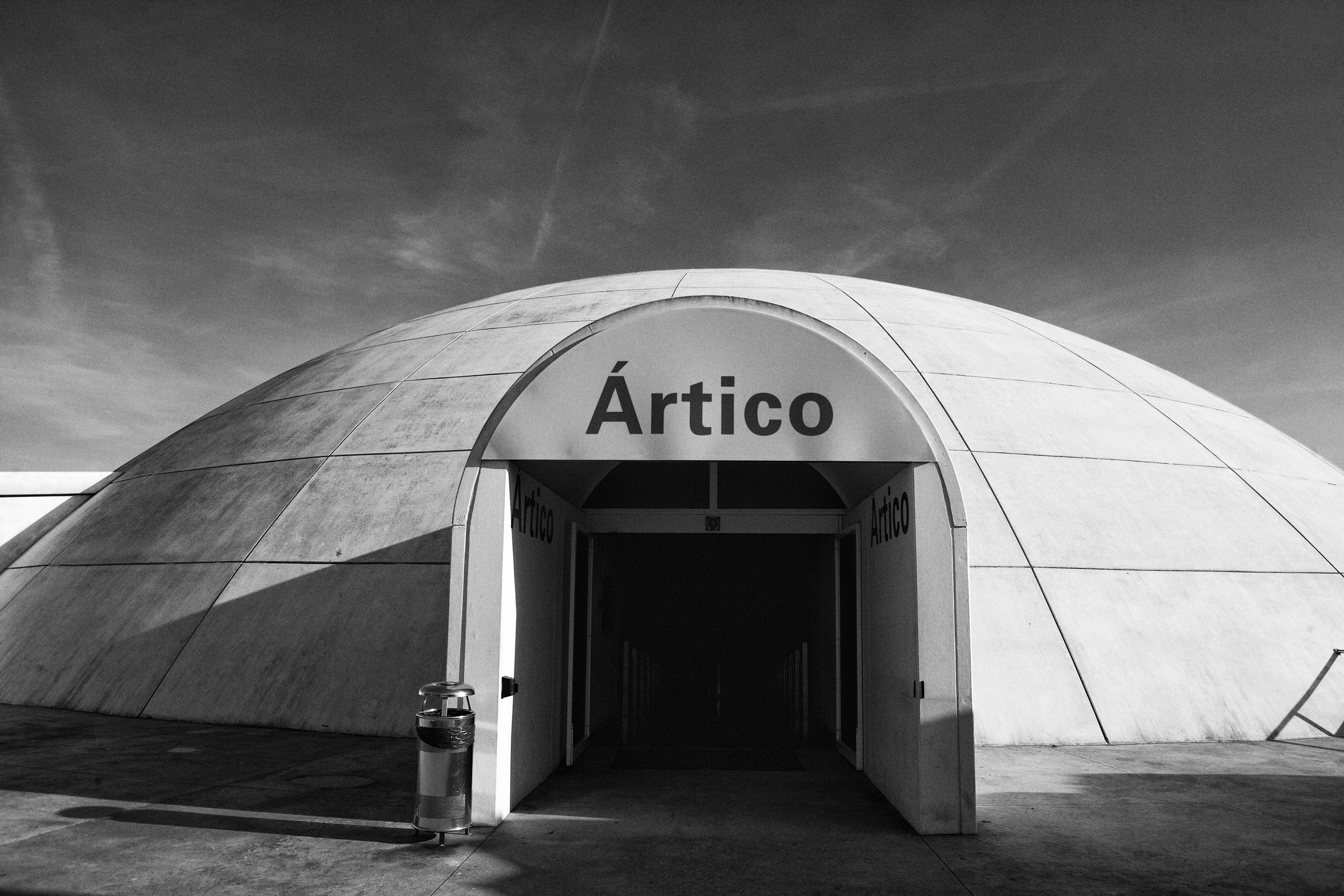
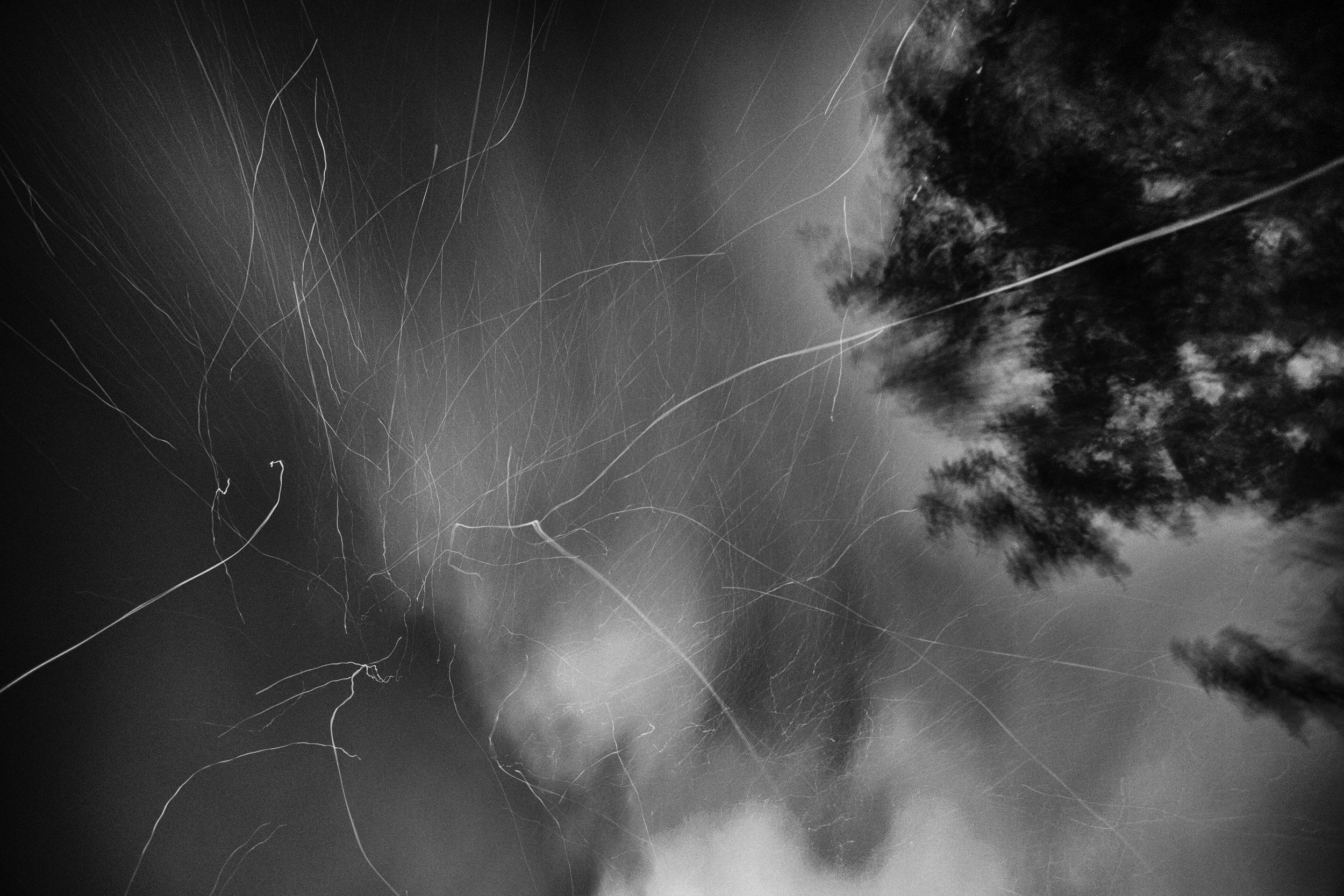
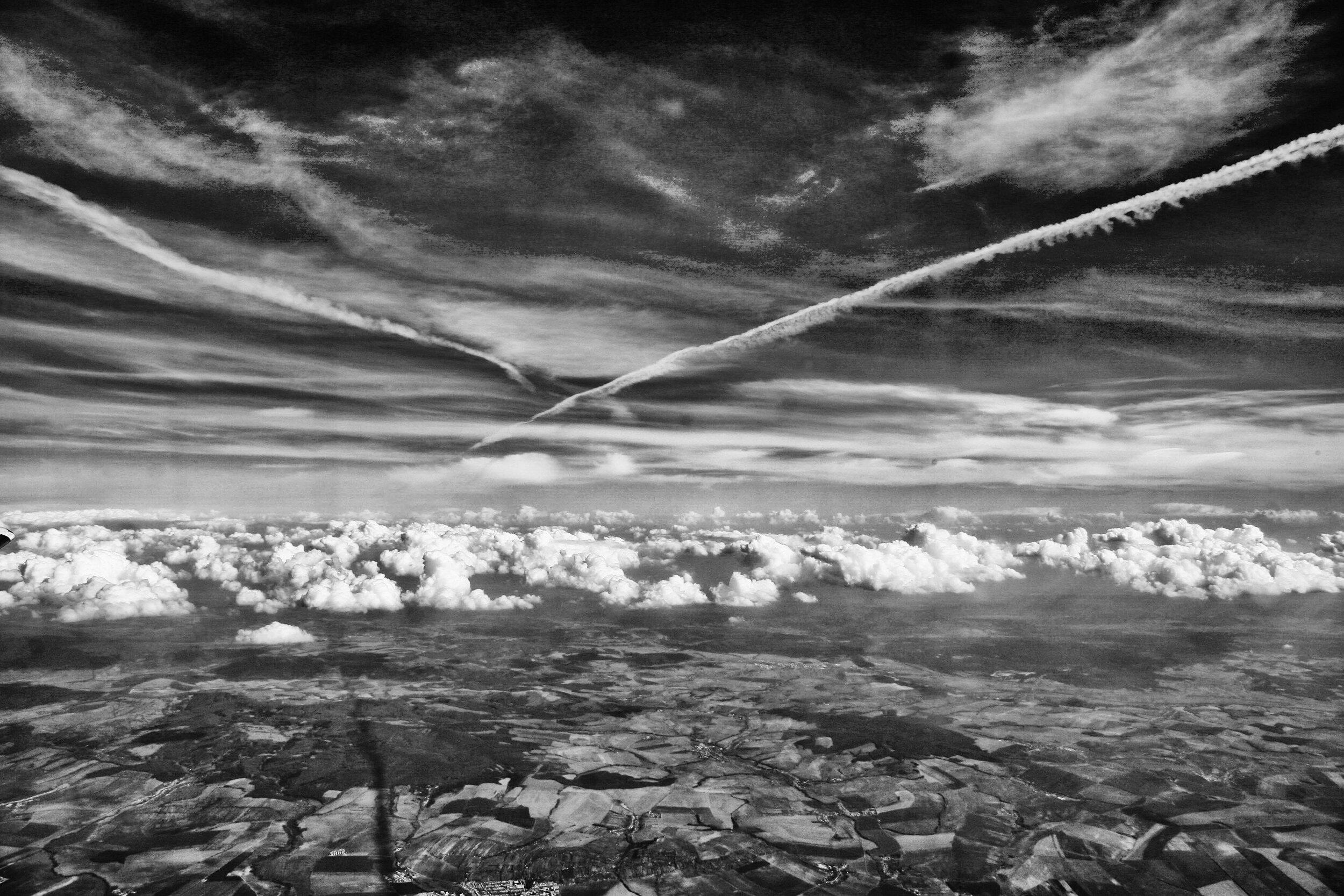
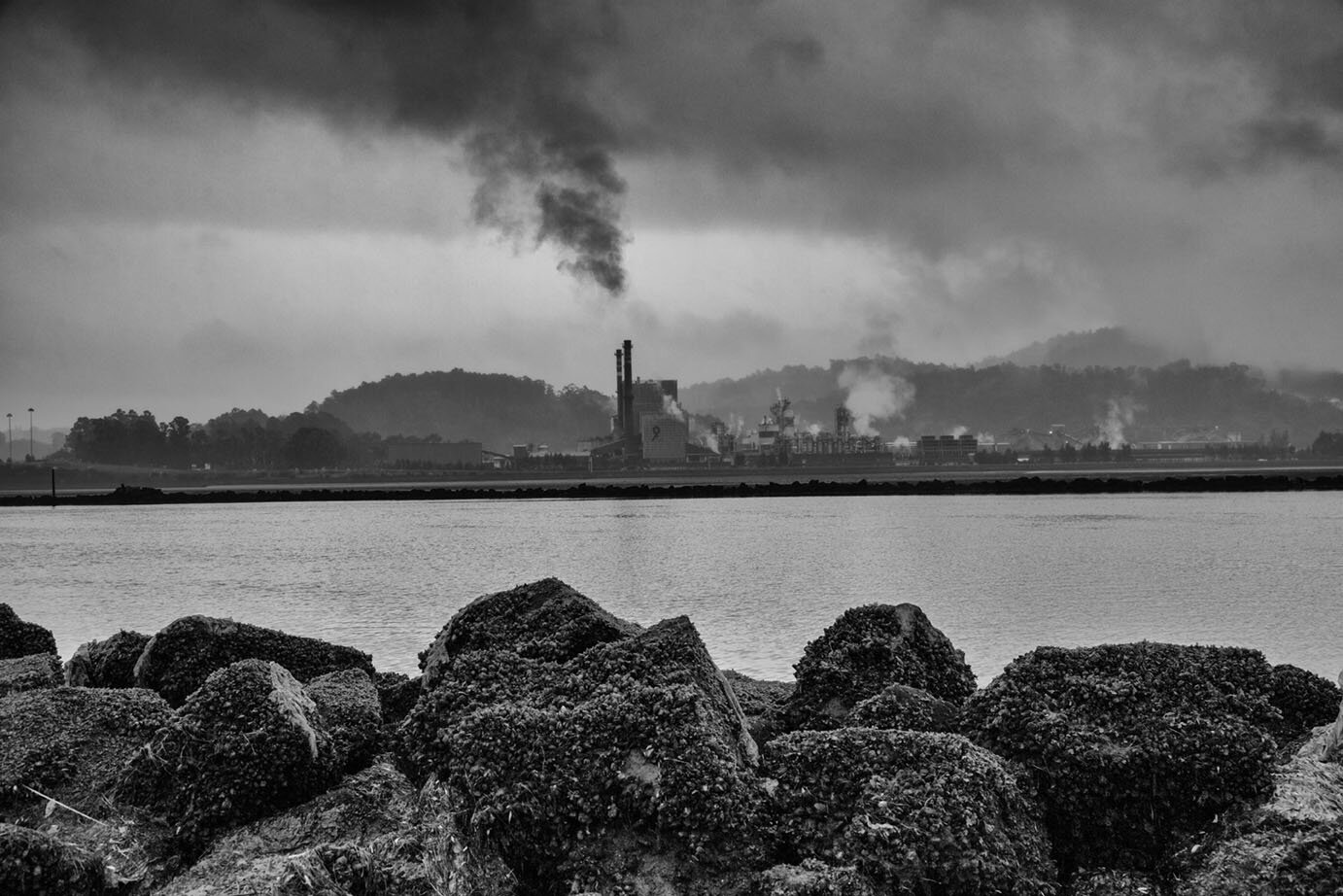
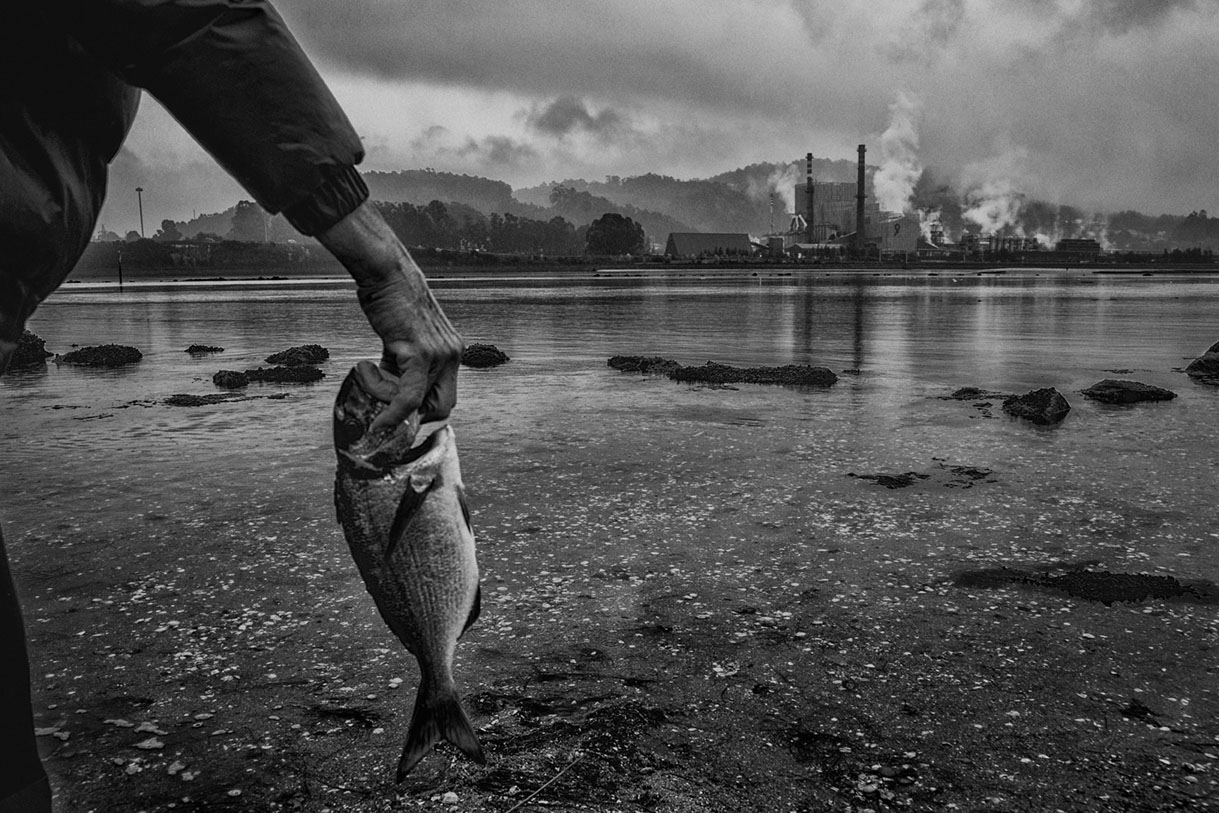
The consequences of this historical trajectory extend silently into the atmosphere through the contrails of airplanes cross-hatching the skies, into the melting Arctic, and into oceans saturated with microplastics (p. 8). The essay closes at the intersection of survival and the silent resistance of traditional communities defending Mother Nature (p. 8). It is a conflict embodied in the work of the female shellfish gatherers (mariscadoras) in Galicia, who attempt to harvest ancestral biological sustenance from a marine environment hemmed in, threatened, and suffocated by the relentless pressure of this global anthropogenic legacy (p. 8). Meanwhile, the same madmen as always, now wearing suits and ties in parliaments and boardrooms, refuse to stop it (p. 8). There is no magic or chance in this drift but an inexorable chain of physical causes and effects depicted with absolute precision by science and statistics—a continuous and deliberate transfer of energy where the immediate economic benefit of a few imperial and corporate actors has always prevailed over the Earth's biological balance (pp. 8, 11). The synthesis of this map of disaster converts this visual ethnographic archive into an indispensable notary deed of historical urgency (p. 8).
To comprehend the magnitude of the current climate crisis, the visual anthropologic discourse of this research is articulated through rigorous chronological reasoning that demonstrates that every current aggression is the consequence of a prior energetic impulse, beginning its journey long before the era of machines, specifically with the Neolithic Revolution about ten thousand years ago.
In this early origin, the human being shifted from nomad to farmer and herder, initiating agricultural deforestation through the cutting and burning of forests to create crop fields, which released vast amounts of carbon stored in forest biomass, an impact that was accentuated about eight thousand years ago with early livestock farming and the domestication of ruminants that raised methane emissions and was consolidated five thousand years ago with the expansion of flooded rice agriculture in Asia. This subtle trend of rural intervention underwent a radical and destructive turning point at the end of the eighteenth century with the advent of the true industrial breakthrough that drastically accelerated climate change by inaugurating the massive burning of energy concentrated in fossil fuels.
The genesis of this historical turn lies in the year seventeen twelve with the invention of the first commercial steam engine by Thomas Newcomen, designed precisely to capture the thermal energy of fire, transform it into mechanical movement, and pump water out of mines, thereby boosting coal mining in the United Kingdom, from where the climate death of the modern planet springs by popularizing steam, factories, and massive industrial heating. Throughout the nineteenth century, the widespread use of this mineral exponentially raised carbon dioxide levels in the atmosphere, giving rise to the era of smelting and heavy metallurgy visible in the industrial chimneys of Riga in Latvia and in the industrial canals of Charleroi in Belgium.
The image that opens the book, taken in this very Belgian mining basin (ALD21MAY23-12081-charleroi-bw.jpg), materializes the physical heritage of that industrial era by masterfully condensing the alteration of the landscape and the terrible human drama of the working-class diaspora that mobilized that energy. Far from being a natural landform, the imposing hill dominating the frame is actually a terril, an immense artificial mound of sterile coal waste ripped from the subsoil, at whose feet crawls a fabric of identical working-class housing that sheltered the waves of immigrants—first the Polish community during the nineteen twenties and later Spanish miners following the nineteen fifty-six bilateral agreement—men trapped by economic necessity who dug a thousand meters deep to feed the machinery of European capitalism, paying the ultimate price of dying from total silicosis due to inhaling mixed dust in the mines.
This extractive evolution of the Capitalocene reached its peak of destructive acceleration and militarization with the world wars of the twentieth century, purely industrial conflicts that demanded an unprecedented mobilization of mining resources and resulted in Galicia in the savage exploitation of wolfram during World War II, a historical episode dominated by the greed of smugglers and agents who destroyed pristine natural landscapes and exploited local workers and political prisoners under subhuman conditions just to supply the armor plating and projectiles of the European front, leaving behind an indelible ecological scar on Galician soil after its sudden abandonment.
Following the war effort and during the mid-twentieth-century post-war period, modern development consolidated the destructive global warming we experience today—as confirmed by the historical records of the National Oceanic and Atmospheric Administration of the United States and the reports of the IPCC—through the massive adoption of the internal combustion engine based on the energy of oil and gasoline, mass industrial production, and the global imposition of cement and concrete, used to artificially channel or divert the natural course of rivers or to erect unfinished infrastructures like the abandoned house skeletons in Greece that operate as permanent architectural scars. This same logic of aggressive human occupation and risk alteration manifests itself when challenging the Earth's most extreme geological forces in volcanic regions, where the immense internal energy of the planet is contested by humans through modifications to the surface, such as using heavy machinery to level lava flows or urbanizing fertile but unstable land, generating a latent hazard scenario, a scientific reality exposed in twenty twenty-one by the volcano on the island of La Palma, whose eruptions buried hundreds of homes, demonstrating the high price paid when nature awakens to reclaim its own energy, as documented in the subproject La Isla Resiliente.
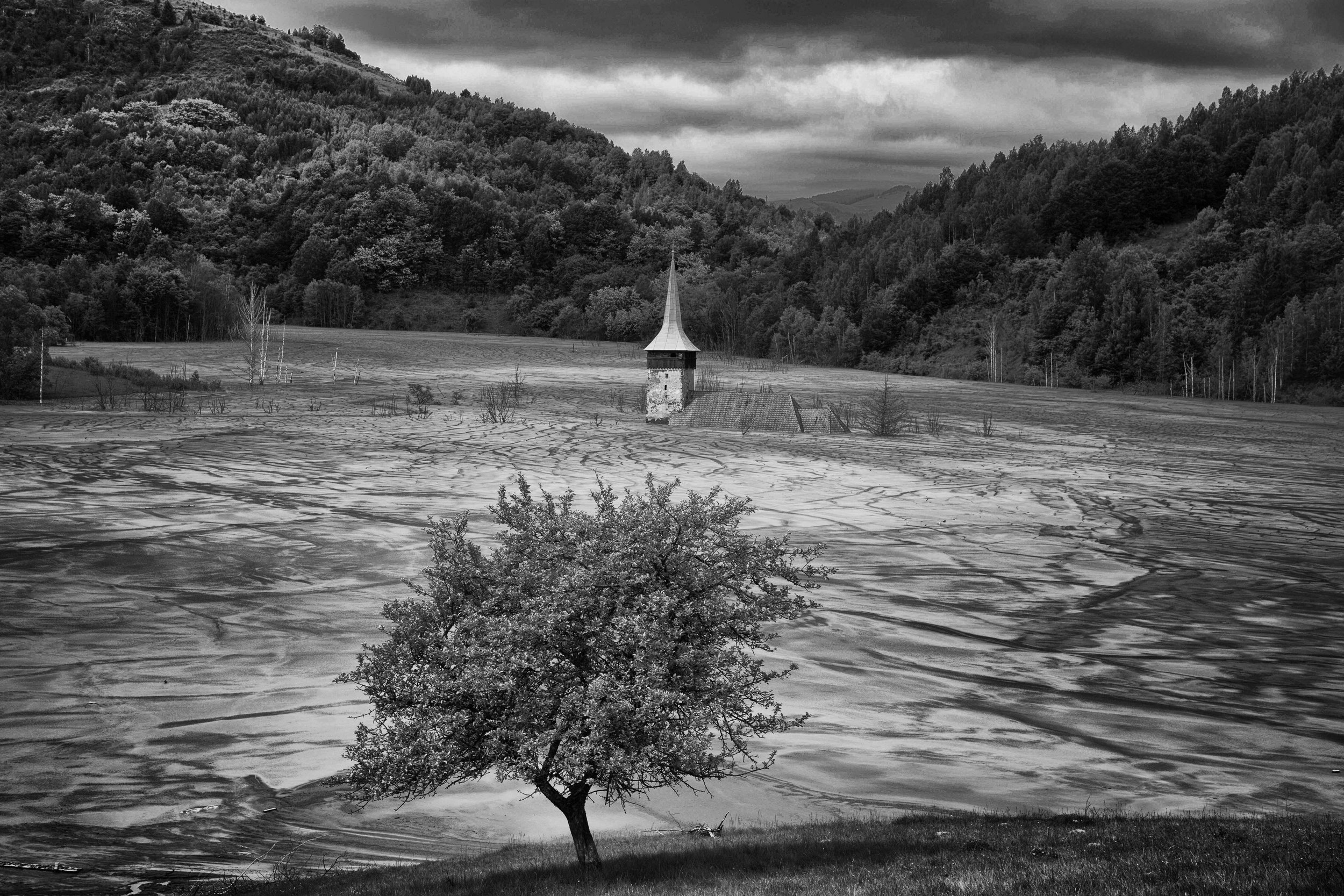
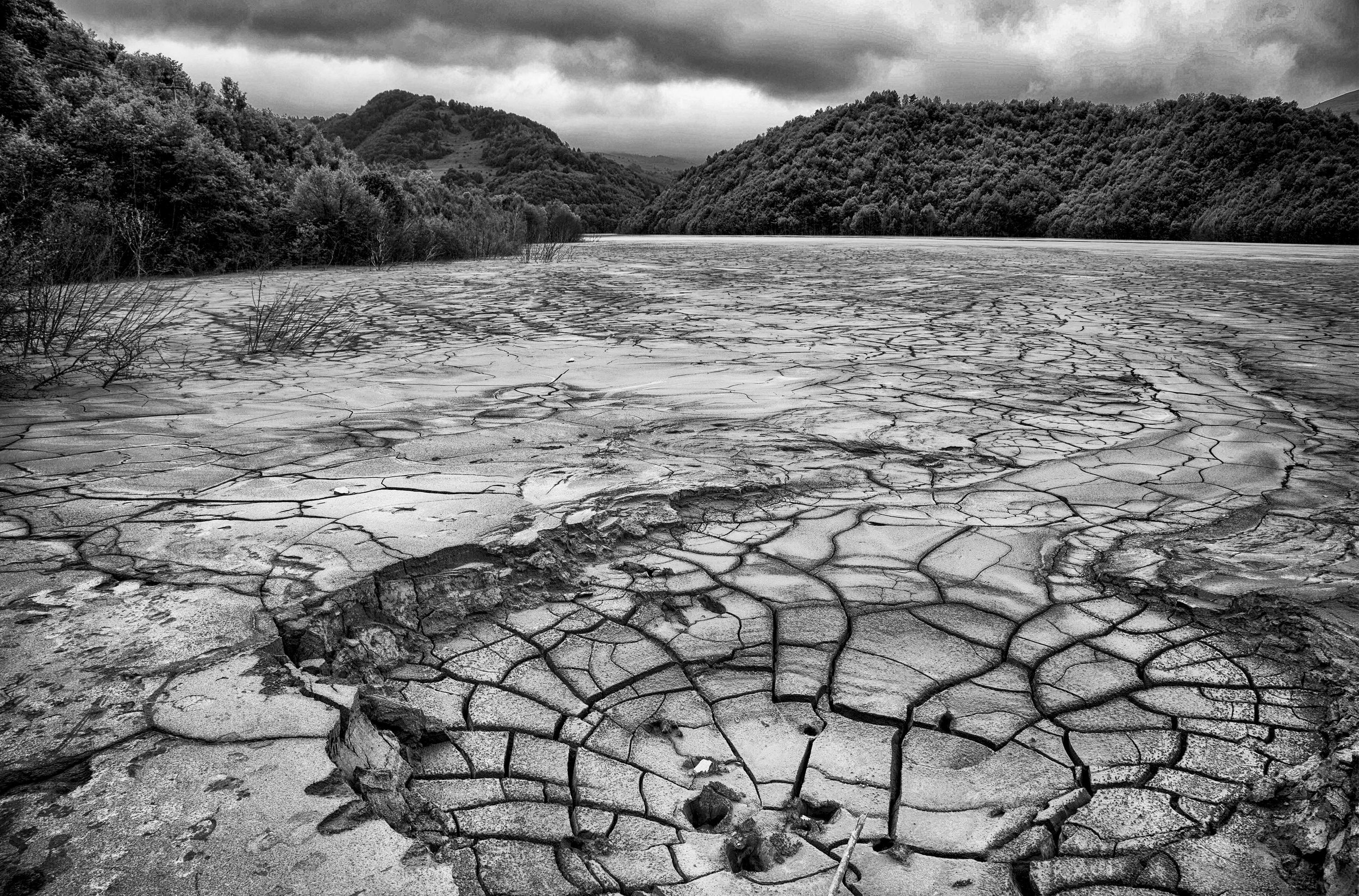
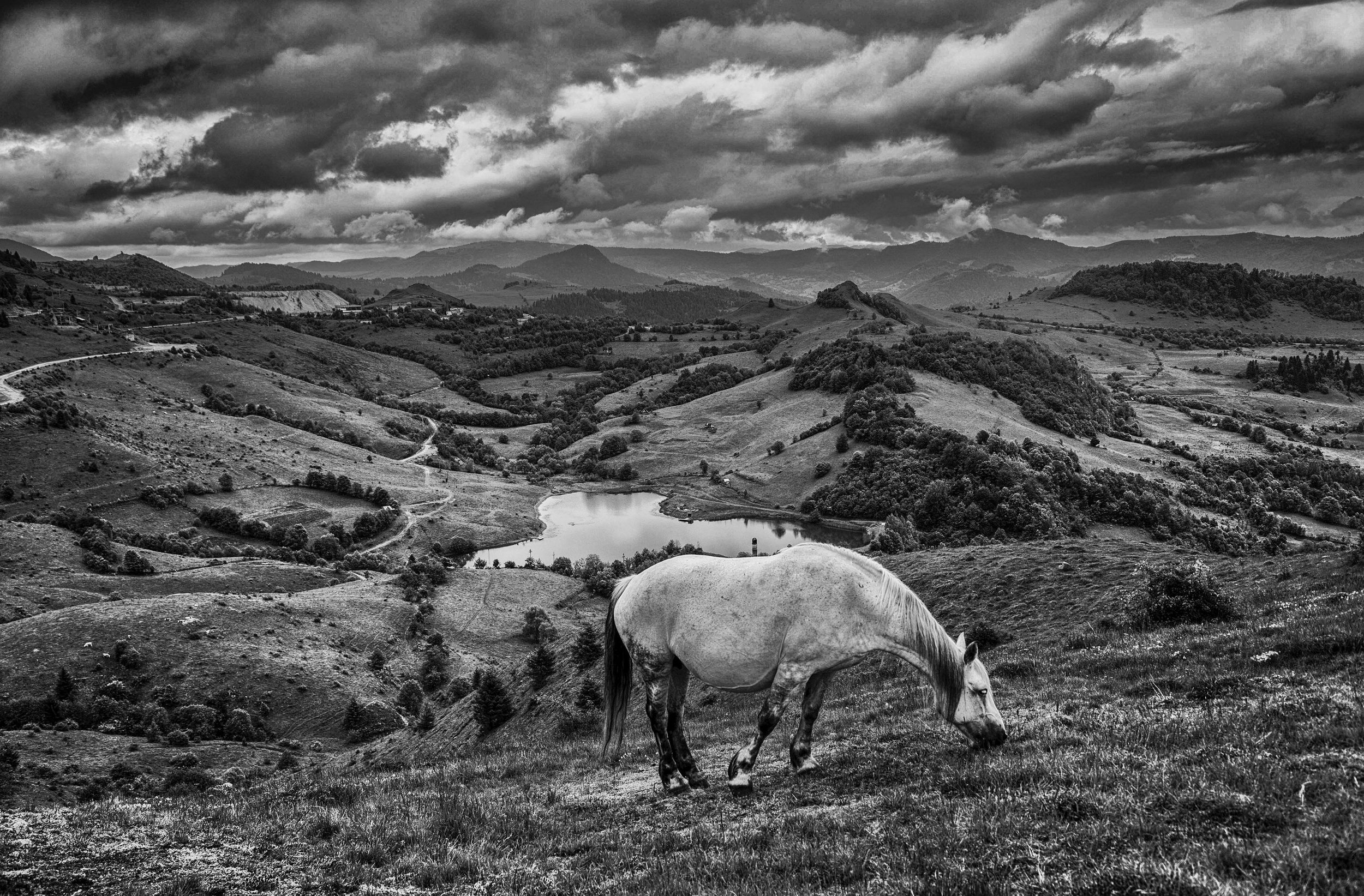
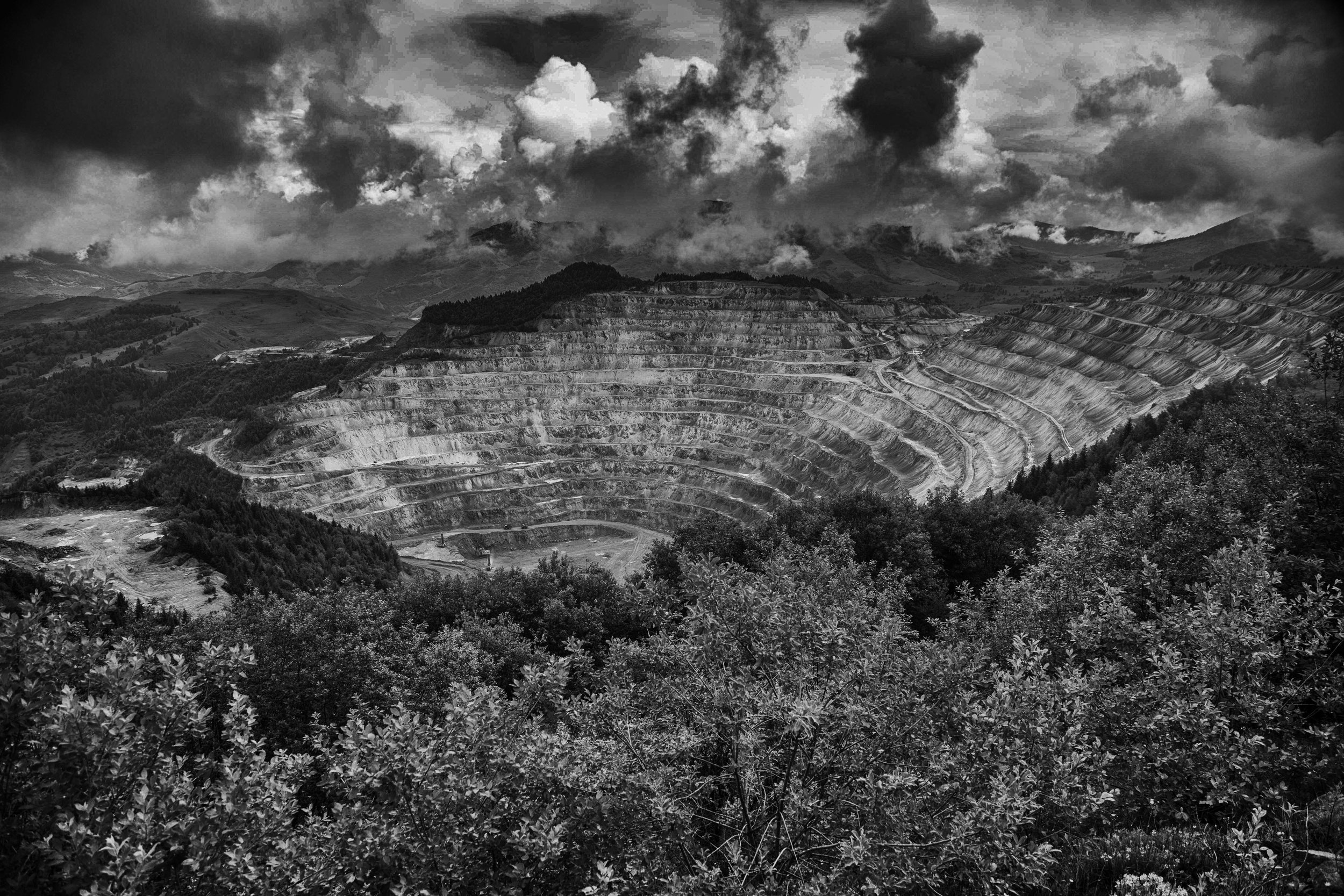
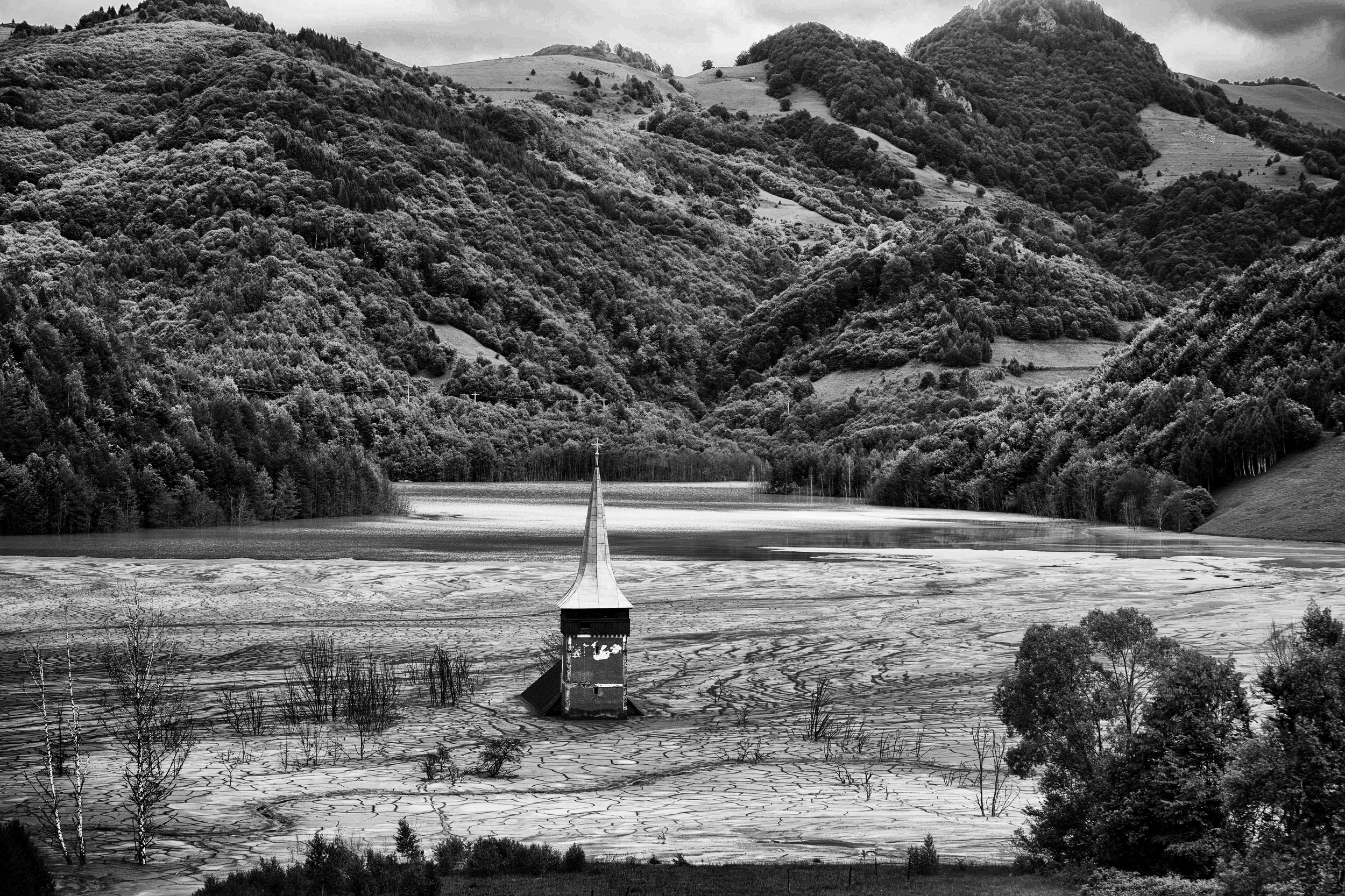
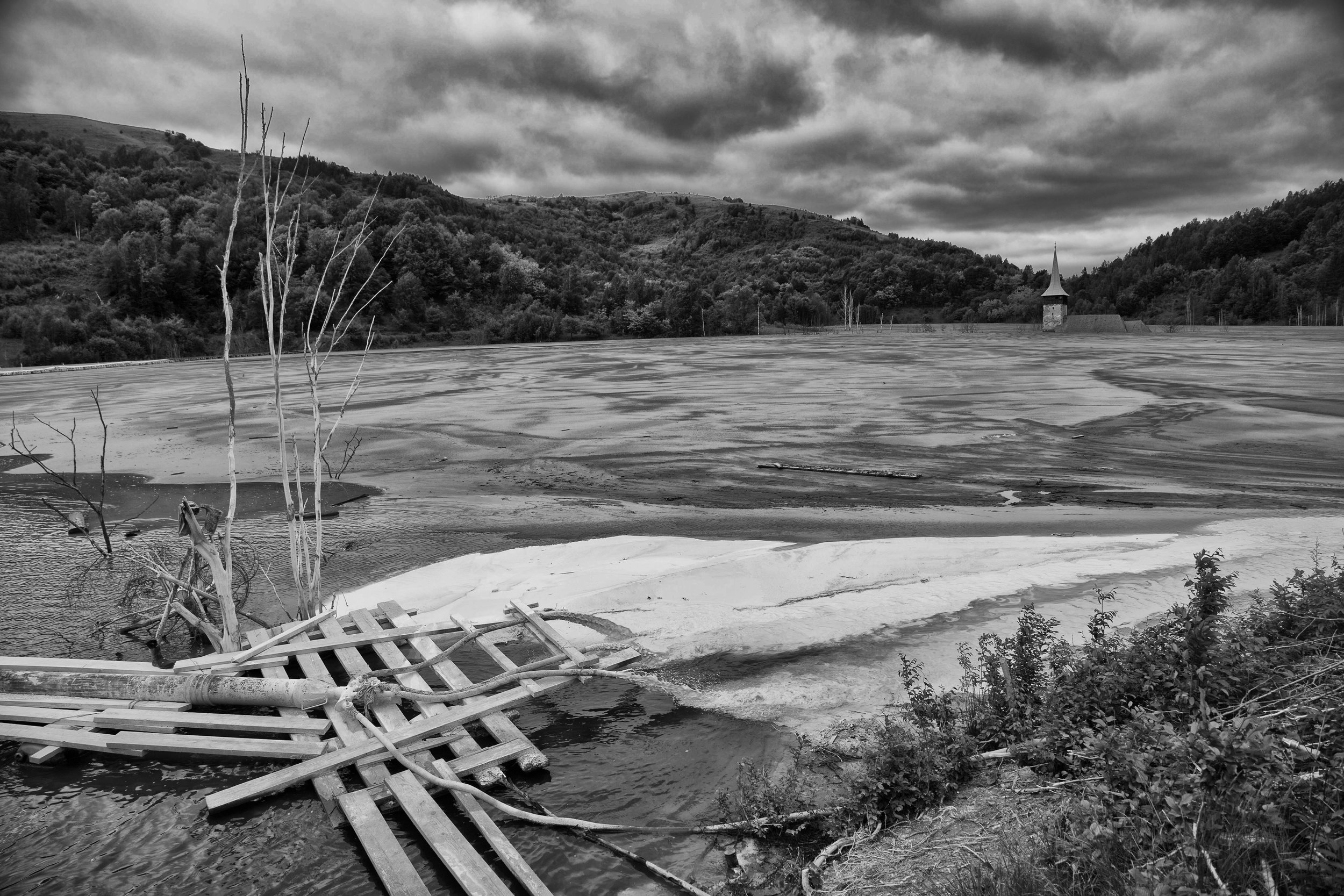
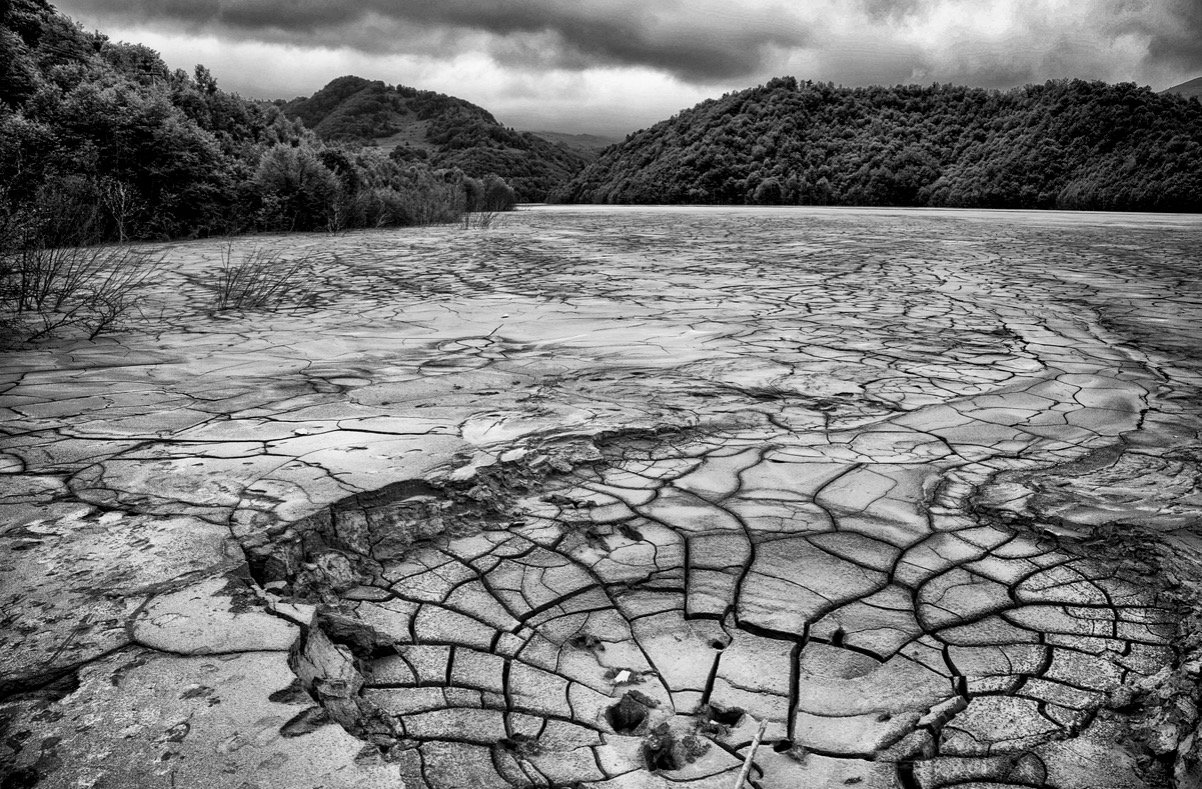
The bell tower of the church in the former village of Geamăna, a village in the Apuseni Mountains (Romania) that was flooded in 1978 to create a toxic waste dump for the Roșia Poieni open-pit copper mine, is considered Romania's worst ecological disaster. The origin of the disaster: Geamăna and Roșia Poieni. In 1977, Nicolae Ceaușescu's communist regime began operations at Roșia Poieni, the second largest copper mine in Europe. To store the mine's sterile and chemical waste, the government decided to completely flood the valley where the village of Geamăna was located. The exodus: More than 300 families were evicted and relocated, watching their lands, homes, and cemeteries disappear beneath the water.. 2013.
This willful blindness perpetuates itself today through powerful blocs and states that harbor markedly negationist currents or actively sabotage the global ecological transition guided by the economic interest of their resources buried in the subsoil.
In this geopolitical arena, the United States stands out as a constant focus of climate skepticism due to pressure from conservative administrations aligned with traditional fossil fuel interest groups and a consumerist resistance shared silently by the Gulf Petrostates by systematically blocking the definitive end of crude oil at international summits to protect their national wealth. Similarly, Russia's leadership maintains a skeptical pragmatism that prioritizes the intensive export of gas and oil while eyeing the melting of Arctic shipping routes with interest, an extractive inertia also reflected in nations like Indonesia, heavily backed by the lucrative destruction of primary rainforests for palm oil and mass coal extraction.
This alarming web of global complicity finds its highest and most absurd paradox in the model of China, an officially communist state that has implemented one of the most ferocious and illogical consumer capitalisms in history, operating as the vast manufacturing factory upon which Western hyper-consumerism entirely depends, its machinery sustained by a massive addiction to coal burning, while parallelly monopolizing the green technology market to secure its global economic hegemony. The critical problem of this Asian giant lies in a silent and expansive organization that functions with the disciplined mimicry of ants, sending its men in black with briefcases containing millions to systematically buy political favors, strategic infrastructure, and vast tracts of agricultural land across the globe, ensuring the entire world becomes dependent on its production.
The West gladly yielded to this corporate invasion to externalize the ecological scar of its own consumption, generating a structural submission so blind that today humanity relies on the planet's largest burner of coal to purchase the solar panels and technologies for our supposed green transition, consolidating an economic schizophrenia that promotes digital addiction to disposable objects while devouring the biosphere to secure an implacable geopolitical expansion before which global leaders prefer to remain silent.
This structural hypocrisy is staged grotesquely at pompous international climate summits, forums that seem designed not to mitigate the crisis but to legitimize higher levels of contamination under the pretext of global diplomacy. It is incomprehensible and ethically intolerable to observe how world leaders and corporate elites travel in hundreds of private jets that saturate the airspace, emitting in fleeting journeys tons of carbon impossible to offset, only to later draft moral guidelines dictating to ordinary citizens how they must clean up the filth they themselves force us to swallow. Should this inaction, protected by the cynicism of power, continue, scientific projections from global data models trace a devastating horizon for the next thirty years, placing us by mid-century before a terminal geography ruled by the physics of thermodynamics, where the collapse of habitable zones, widespread famines, international wars for military control of fresh water, and the irreversible acidification of the Galician rías will occur.
This legacy of degradation is already materialized on our surface through the waste society governed by the constant bombardment of advertising, a force that squanders energy to push us to desire what we do not need and to generate waste impossible for the biosphere to absorb, visible in the accumulation of illegal dumps and plastic bags in cities like Brussels and in the alarming mining tailings ponds of toxic waste, heavy metals, and cyanide in the copper mining complexes of Roșia Montană and Roșia Poieni in Romania. The consequences of this historical trajectory extend silently today toward the atmosphere through the condensation trails of airplanes that grid the skies, toward the melting of the Arctic, and toward oceans saturated with microplastics, with the essay's closure converging on the friction of survival and the silent resistance of traditional communities defending Mother Nature, a conflict embodied in the work of the shellfish gatherers (mariscadoras) in Galicia, who attempt to harvest ancestral biological sustenance in a marine environment hemmed in, threatened, and suffocated by the implacable pressure of this global anthropogenic legacy that the same madmen as always, now wearing suits and ties in parliaments and boardrooms, refuse to stop. There is neither magic nor chance in this drift but an inexorable chain of physical causes and effects depicted with absolute precision by science and statistics, a map of disaster whose synthesis transforms this visual ethnographic archive into an indispensable notary deed of historical urgency.
























© Copyright Delmi Alvarez