Grande Synthe
BELÉN DOMÍNGUEZ CEBRIÁN / EL PAÍS
Francia - 18 ENE 2016 - 07:19 CET
Refugees in the Mud
#documentary #visualanthropology #etnographic #migration
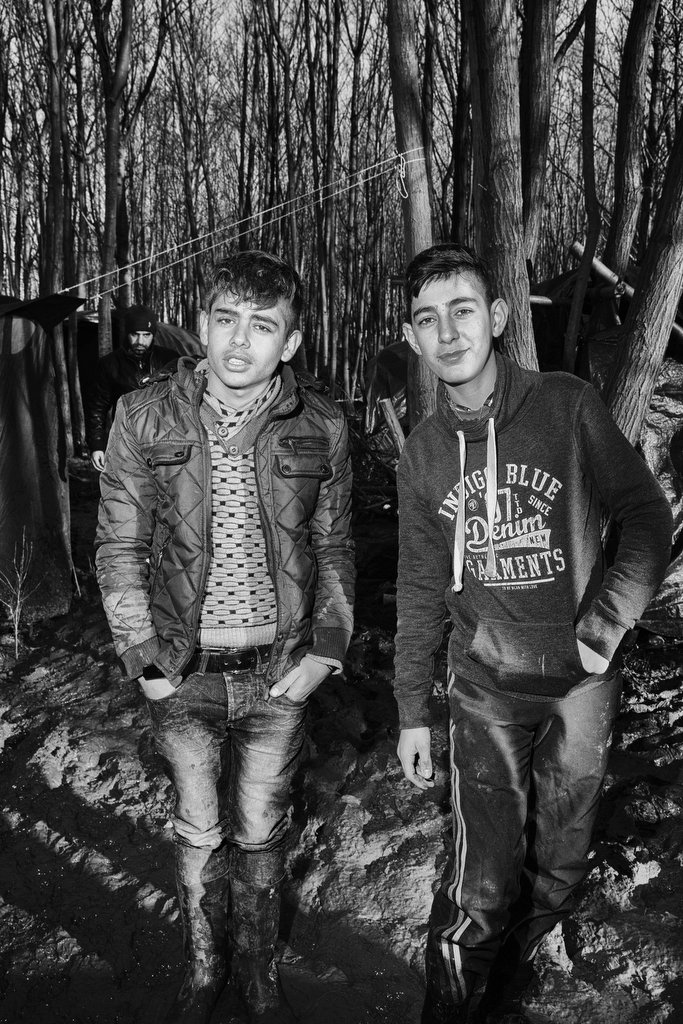
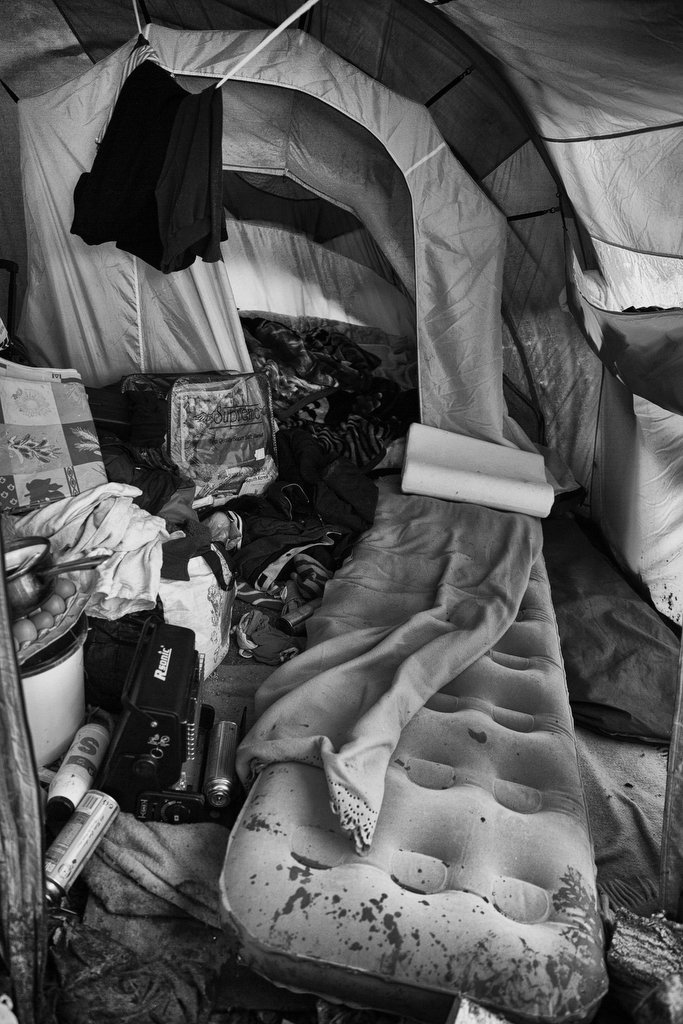
Refugee camp of Grande-Synthe, France, 2016
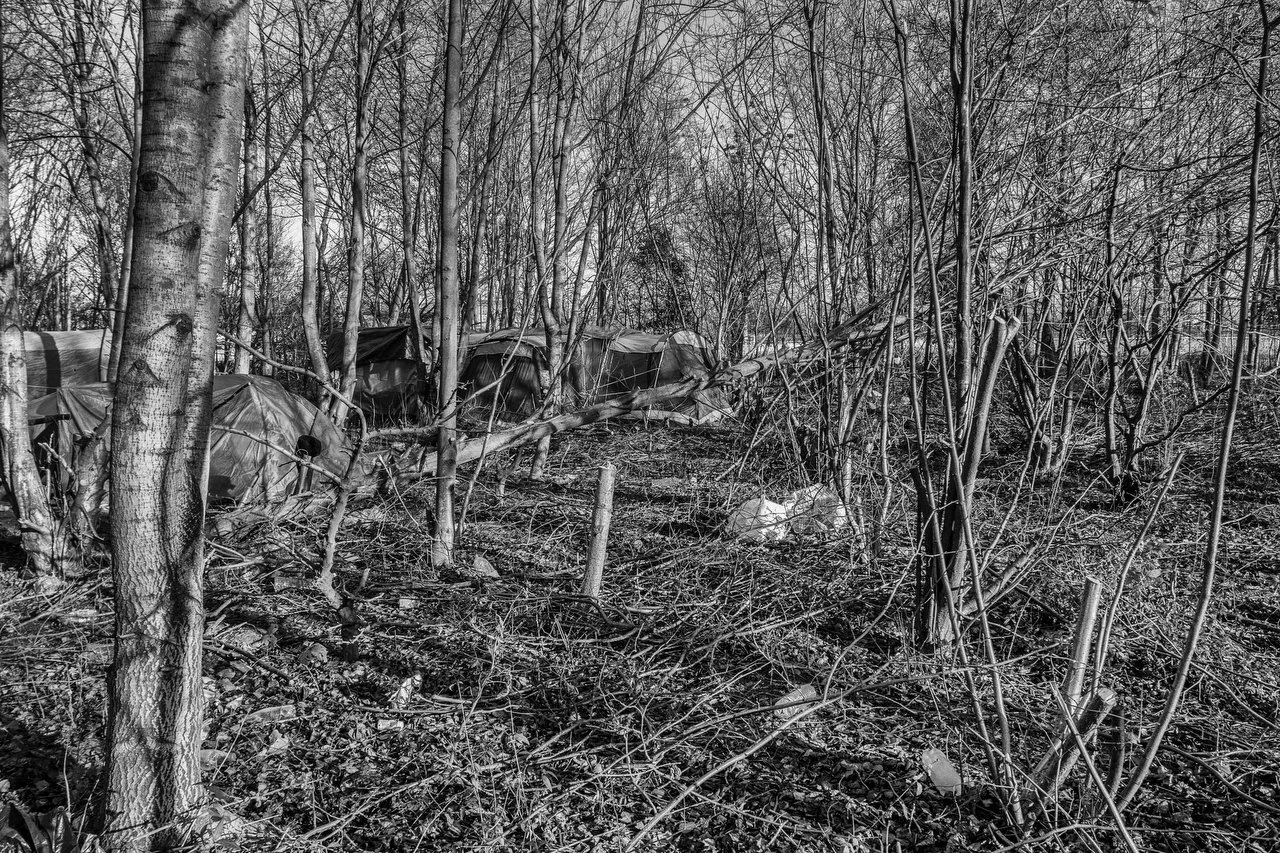
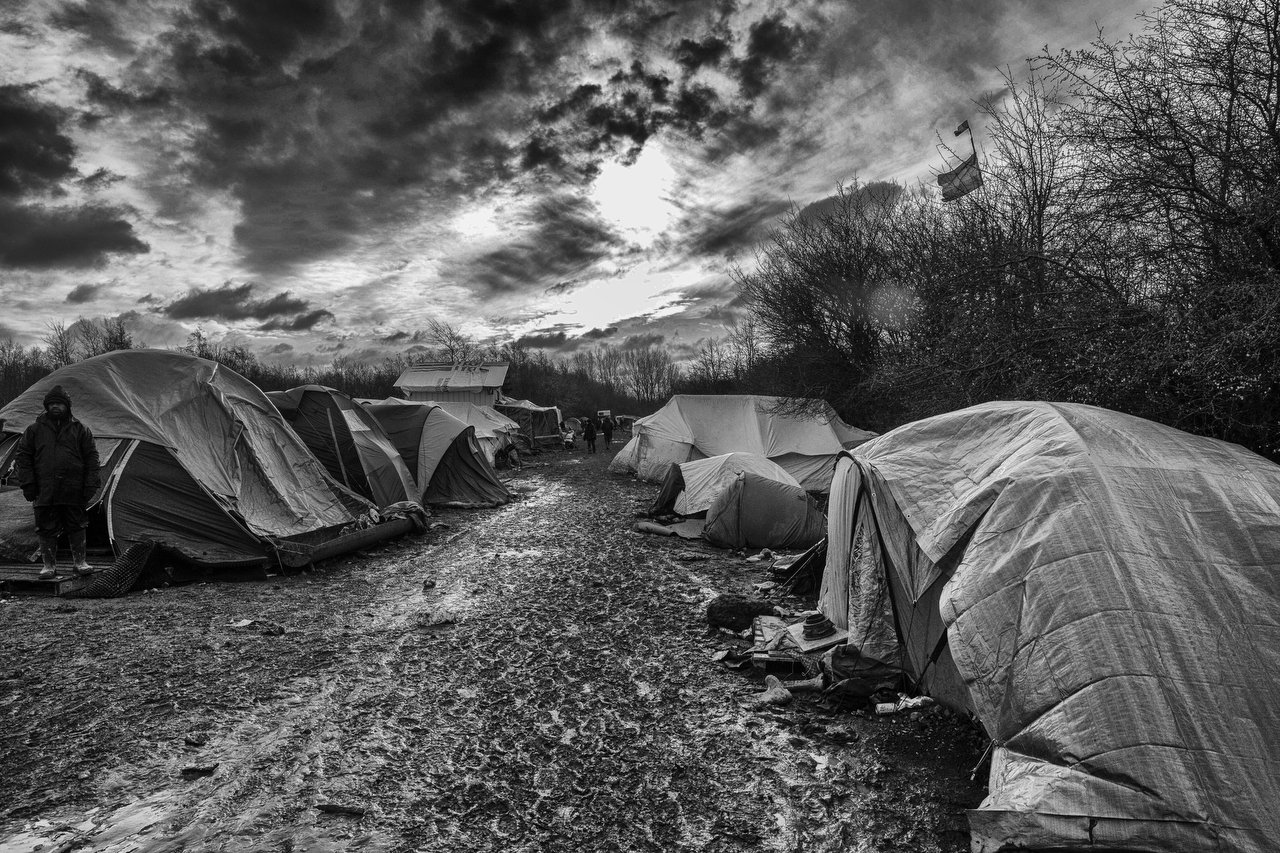
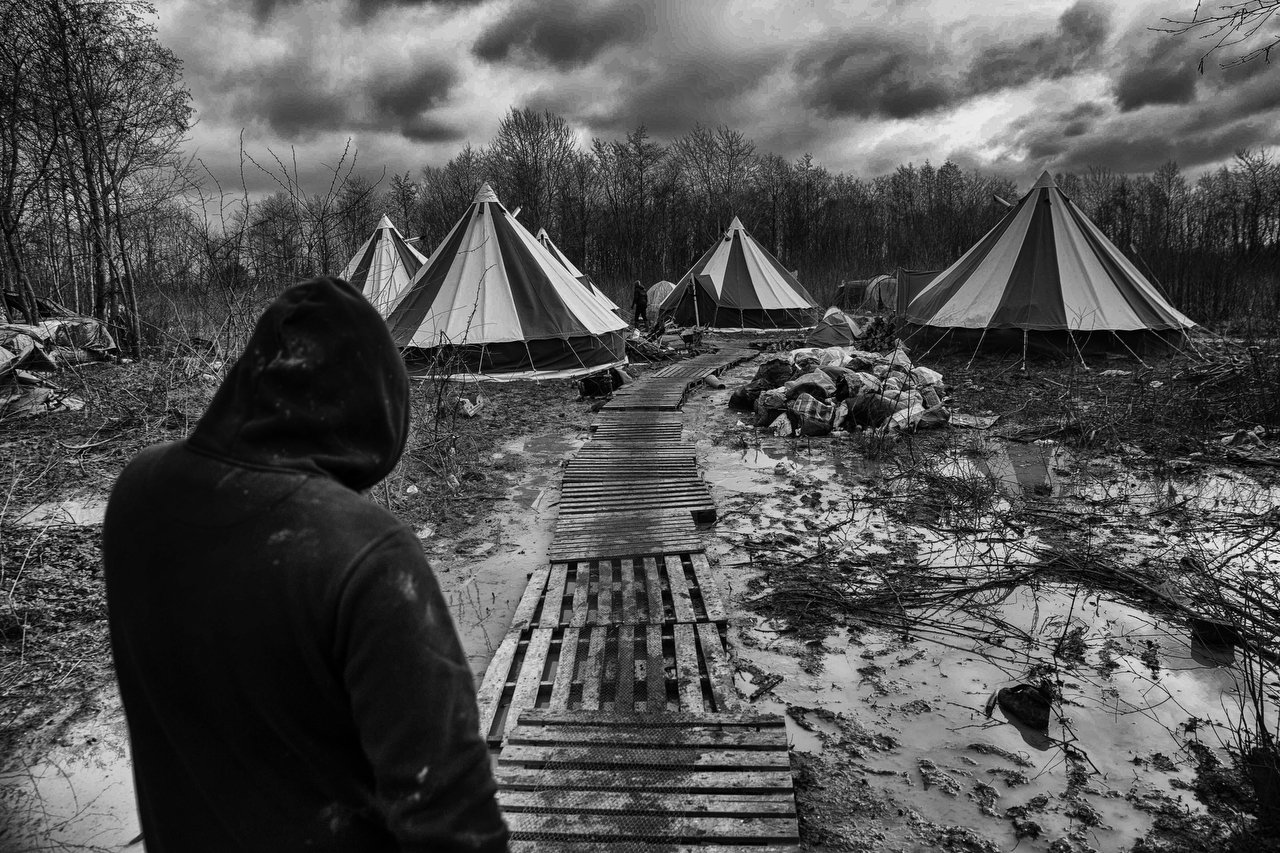
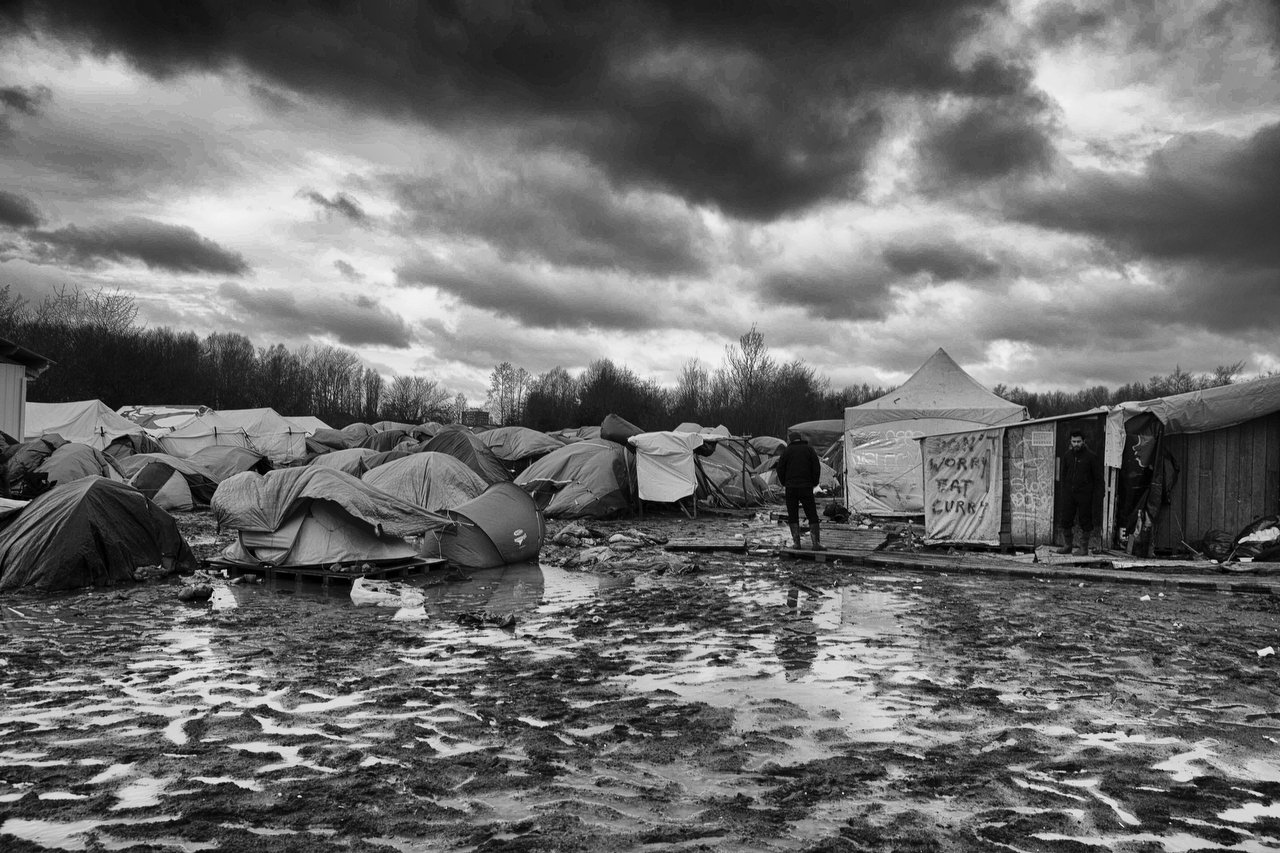
Thousands of Kurds are camped in Grande-Synthe, on the outskirts of Dunkirk, France, waiting to reach the United Kingdom. They will pay Albanian smugglers up to €4,000 to get on a truck and cross the English Channel. Europe's Penultimate Stop. Thousands of Kurdish migrants are surviving in the open air, waiting to cross the English Channel and reach England.
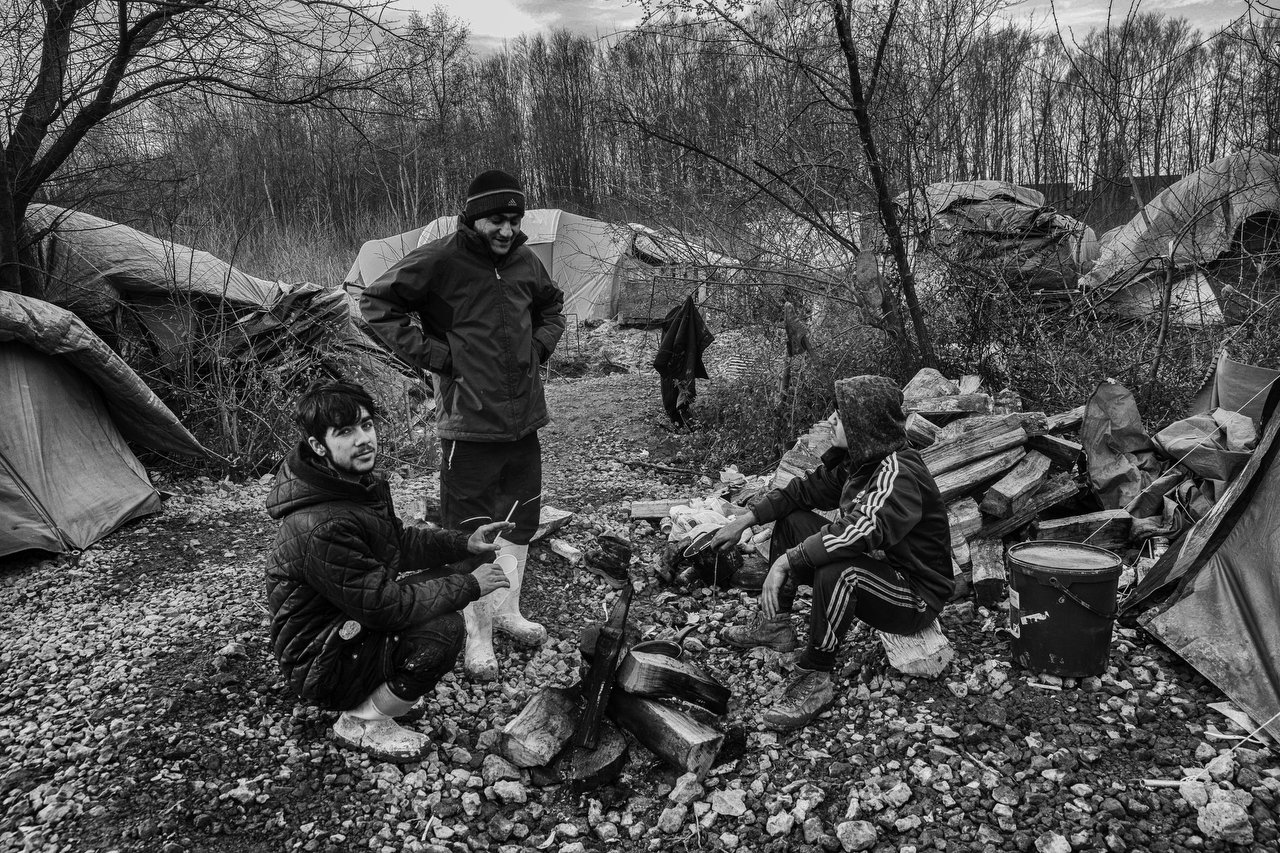
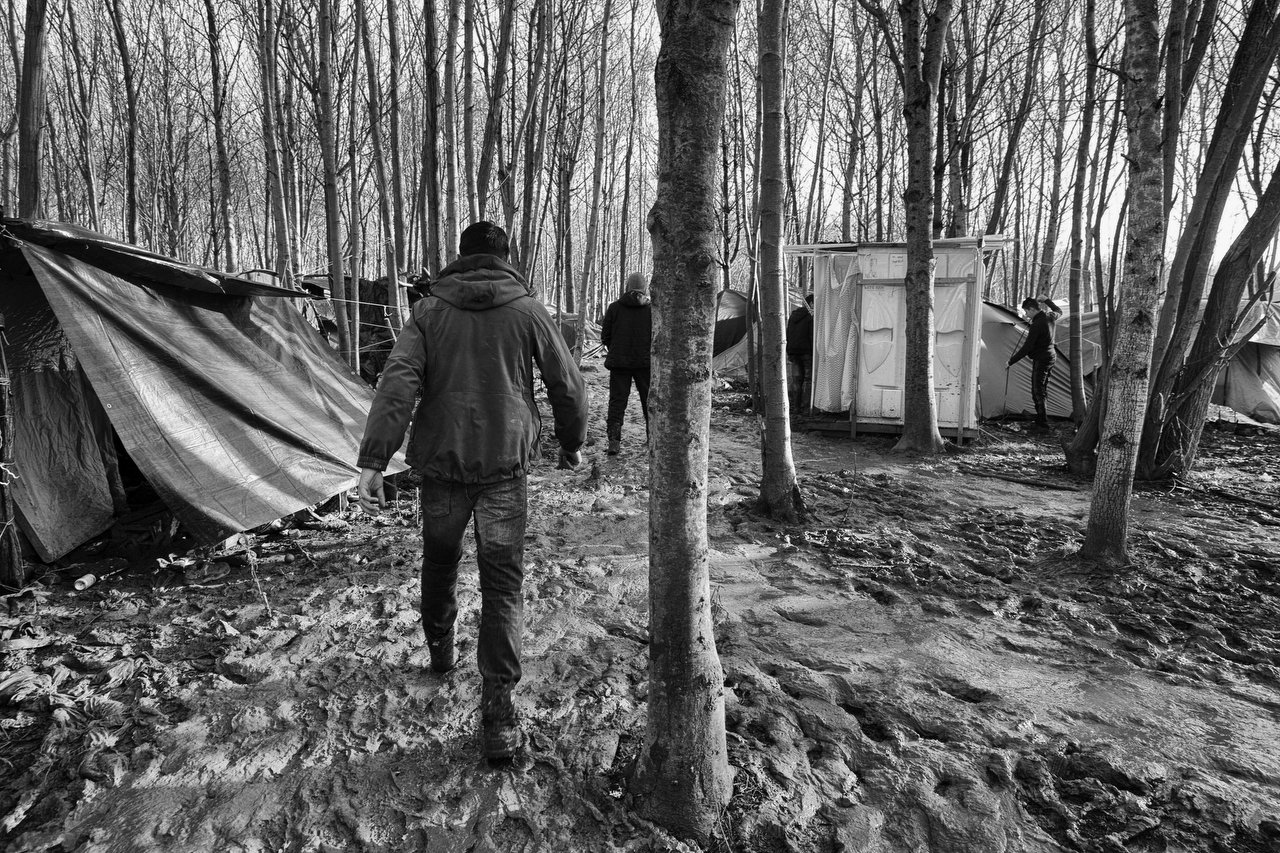
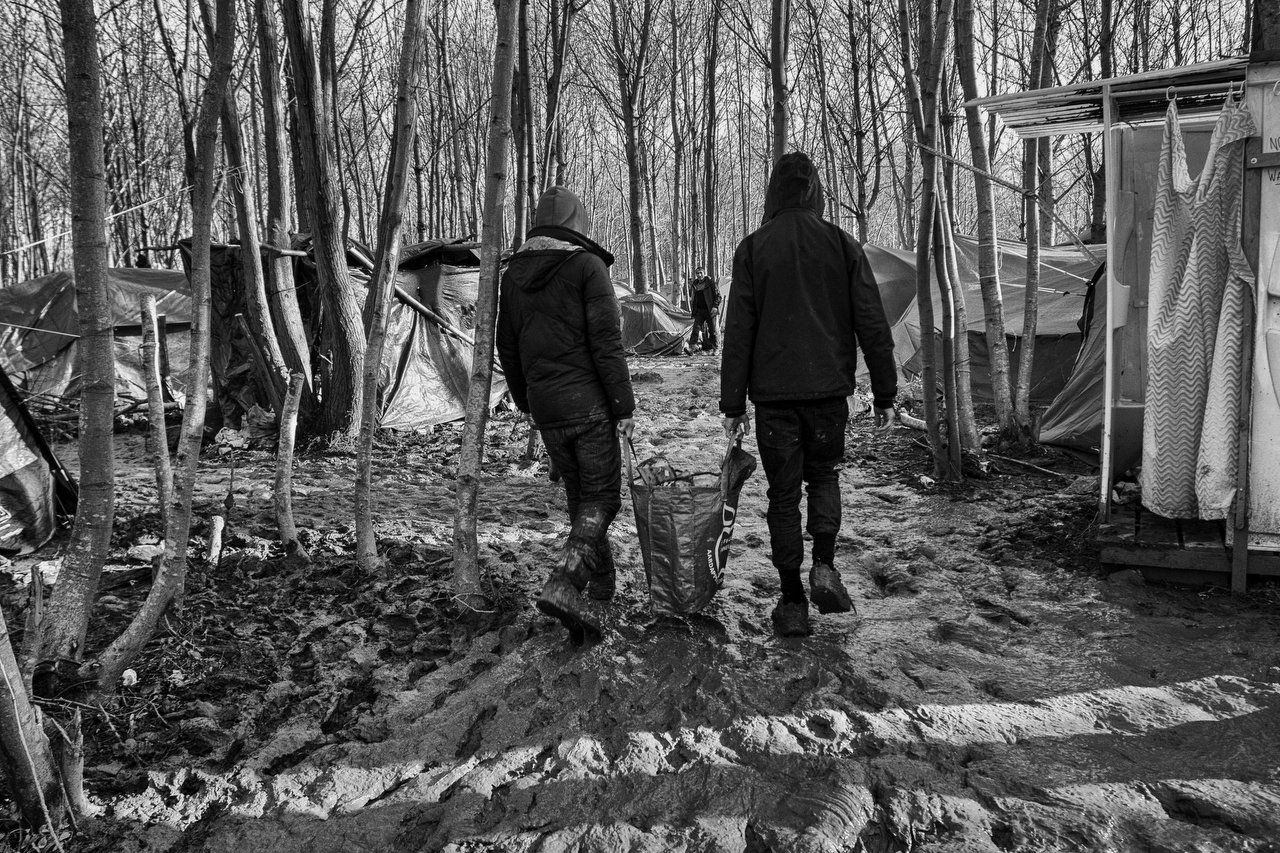
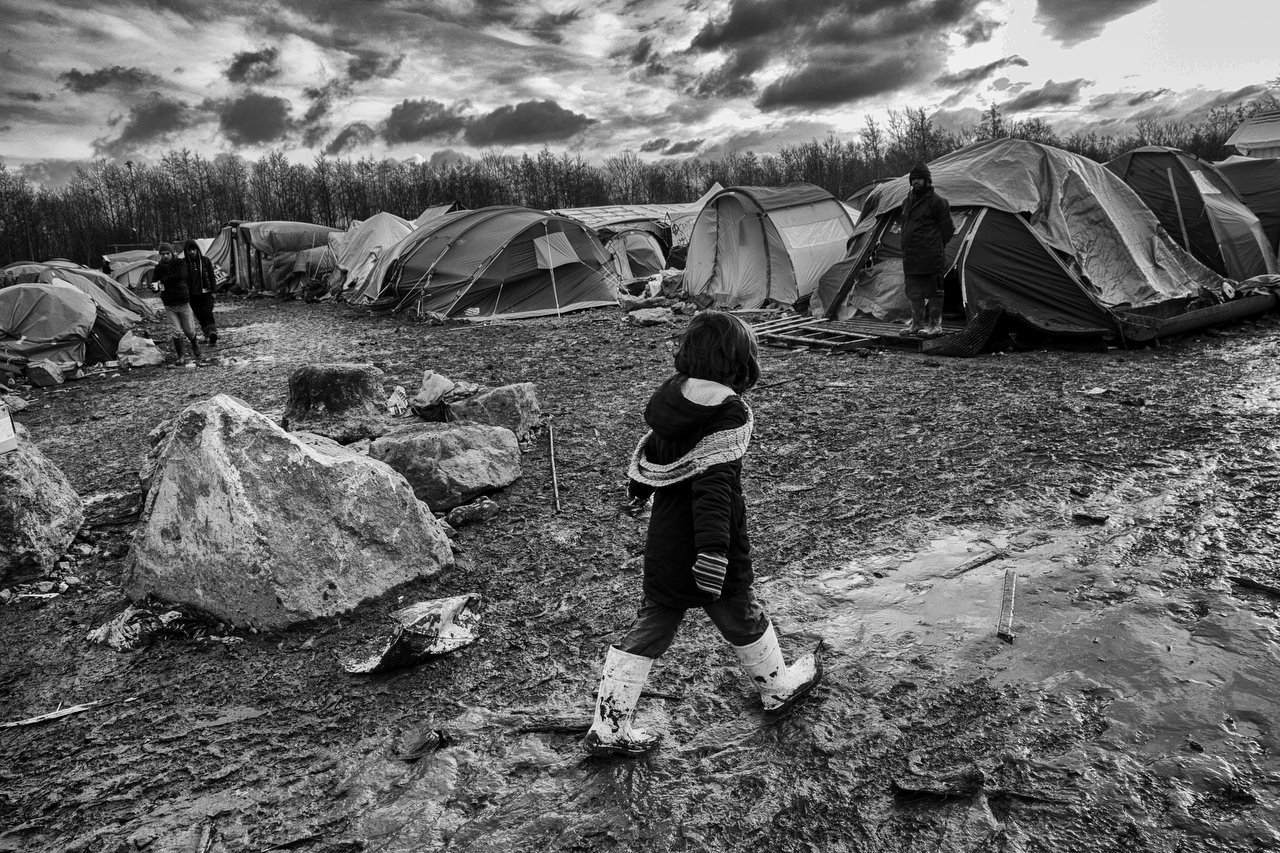
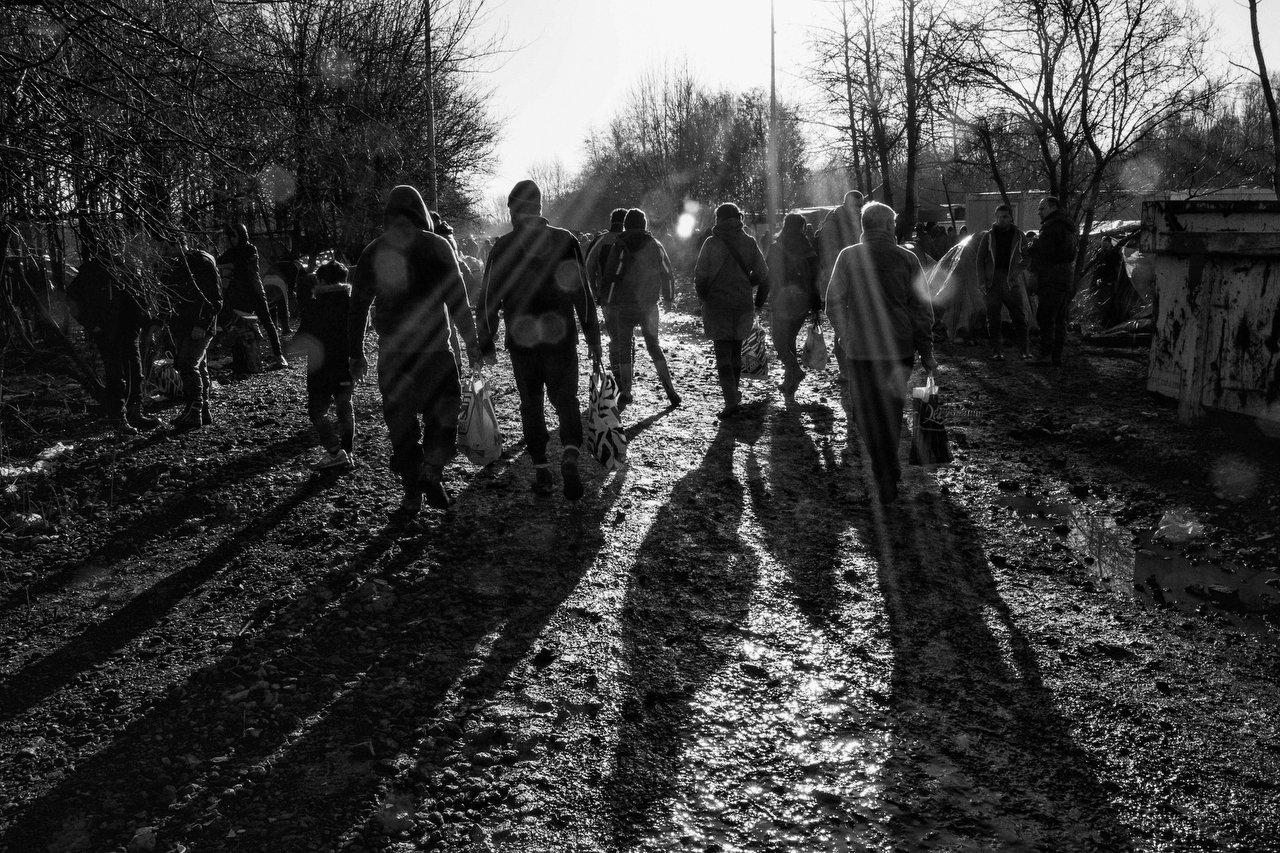
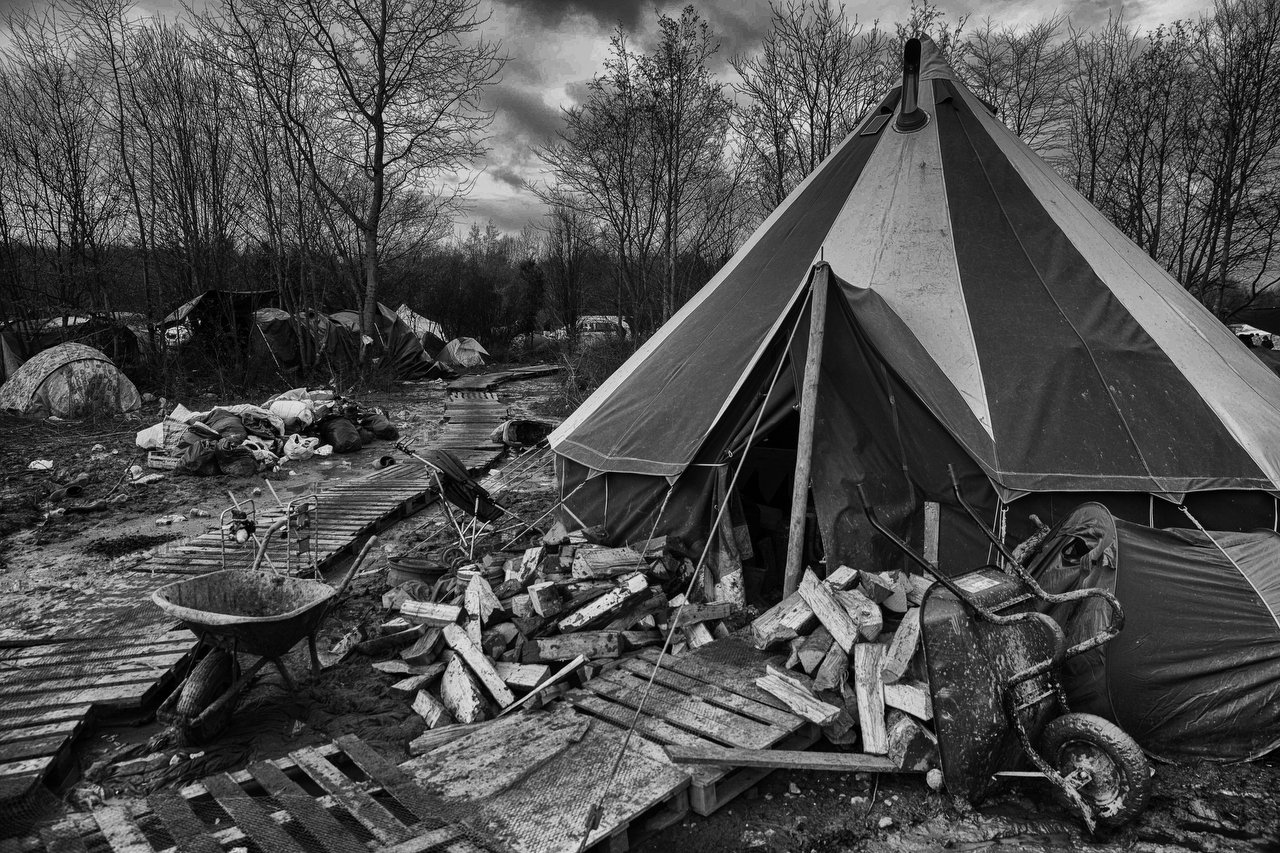
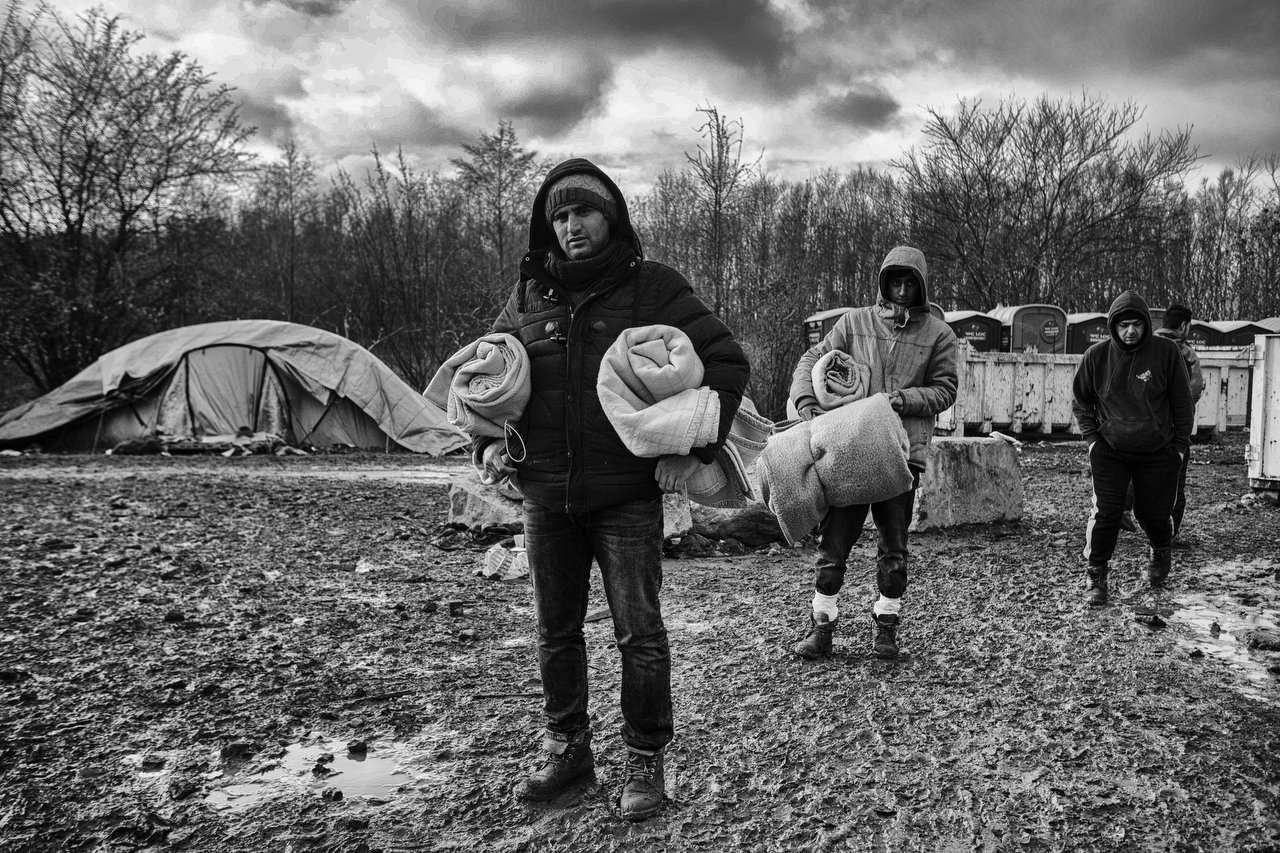
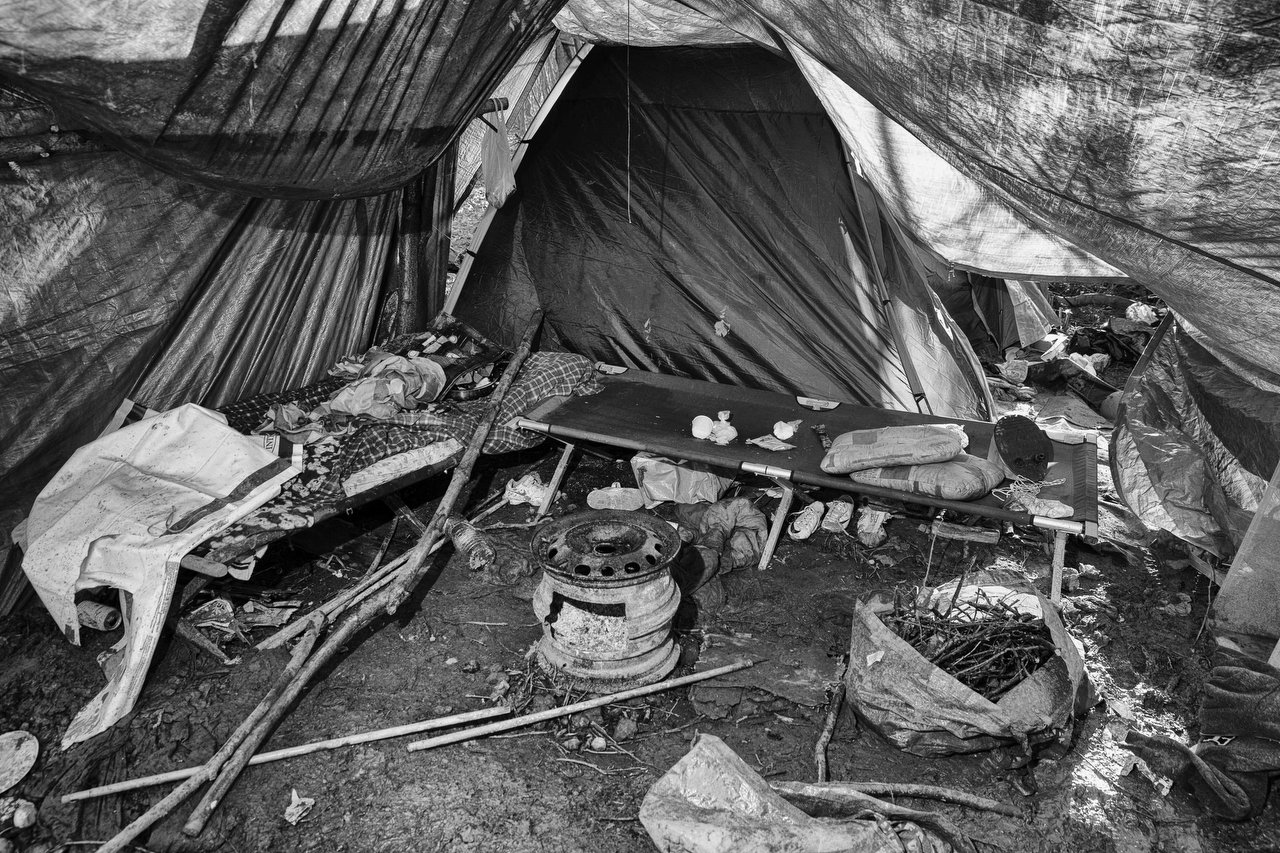
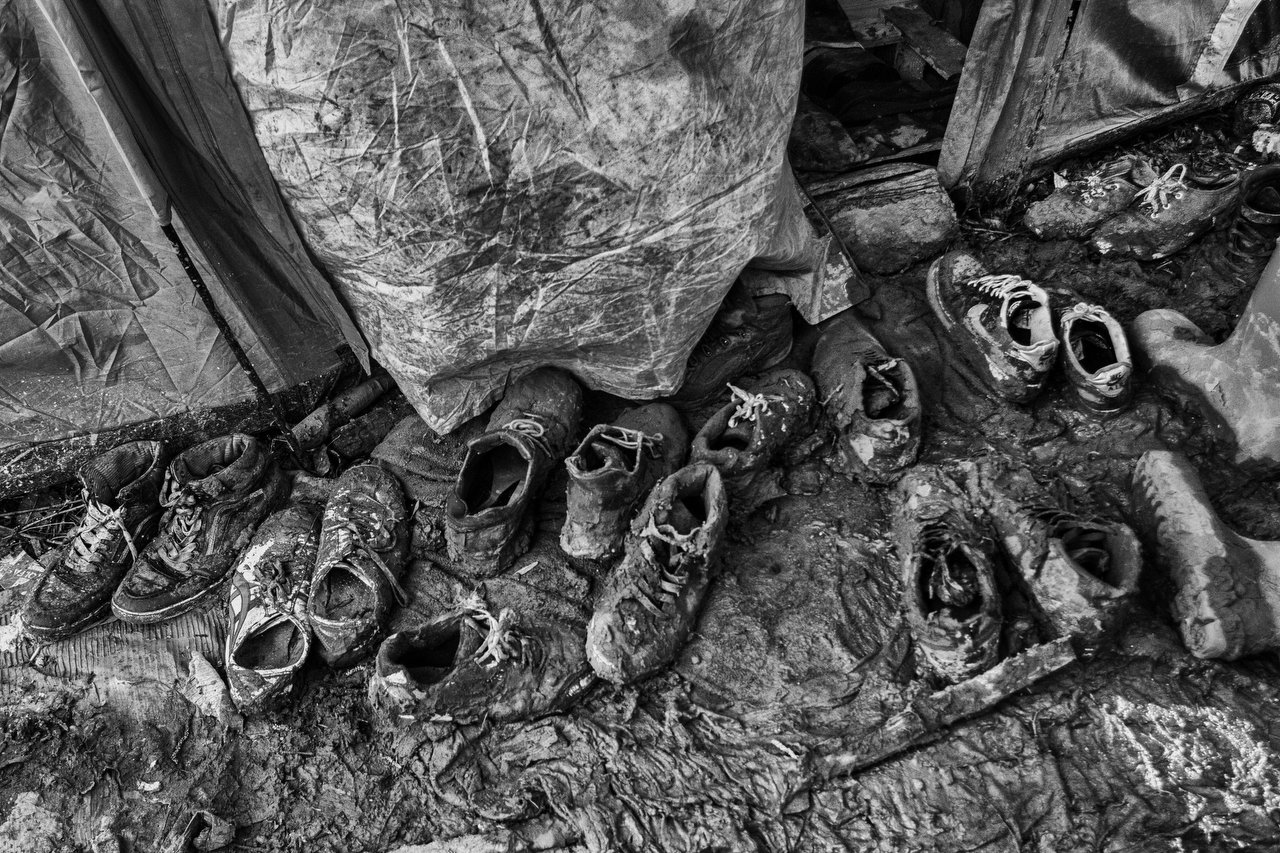
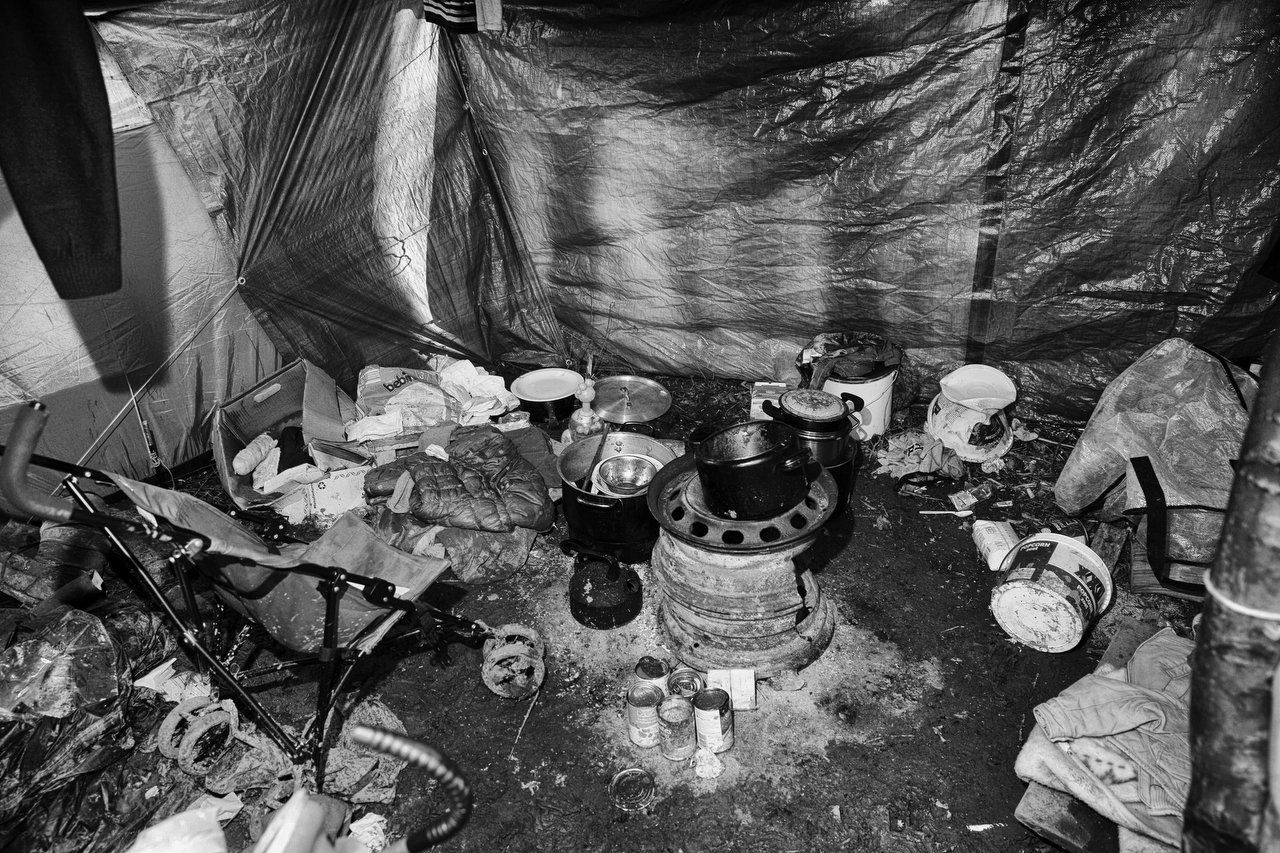
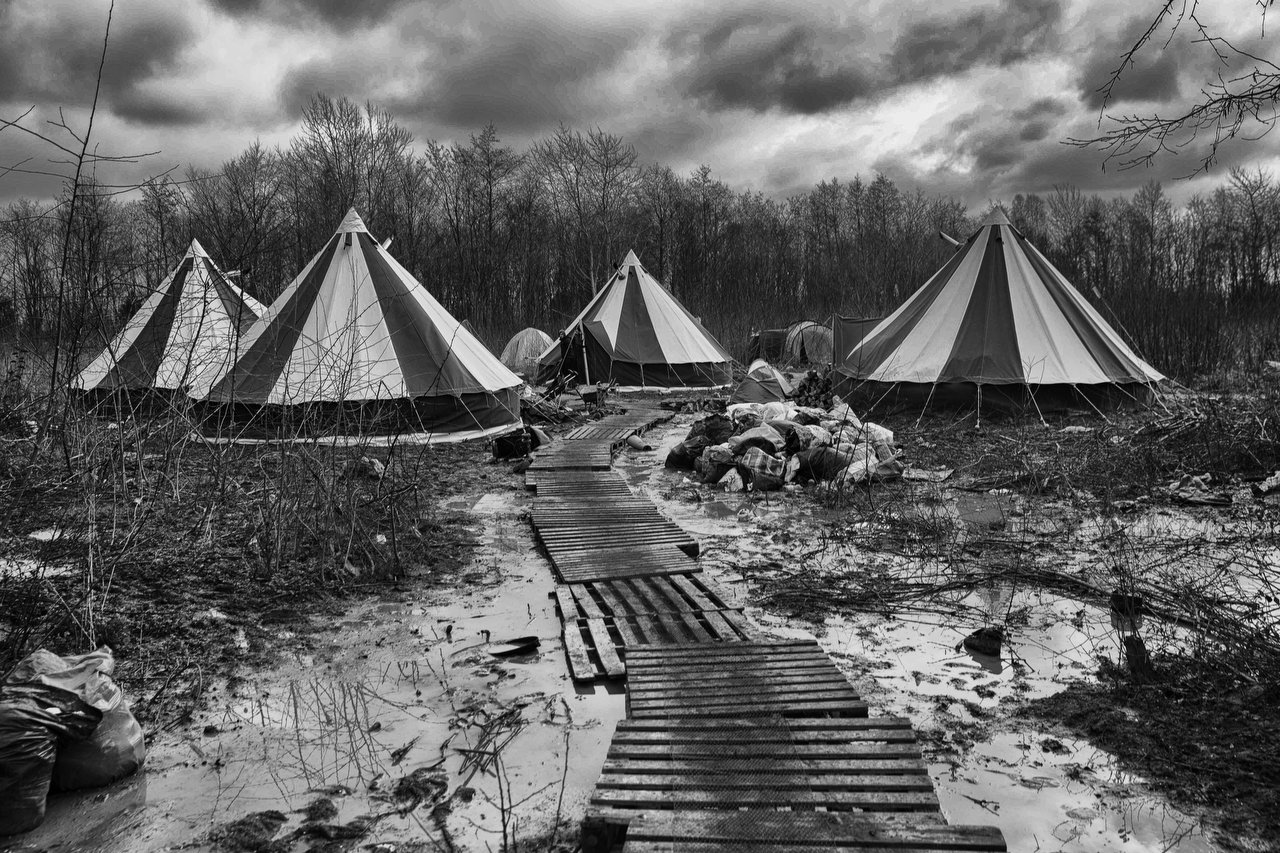
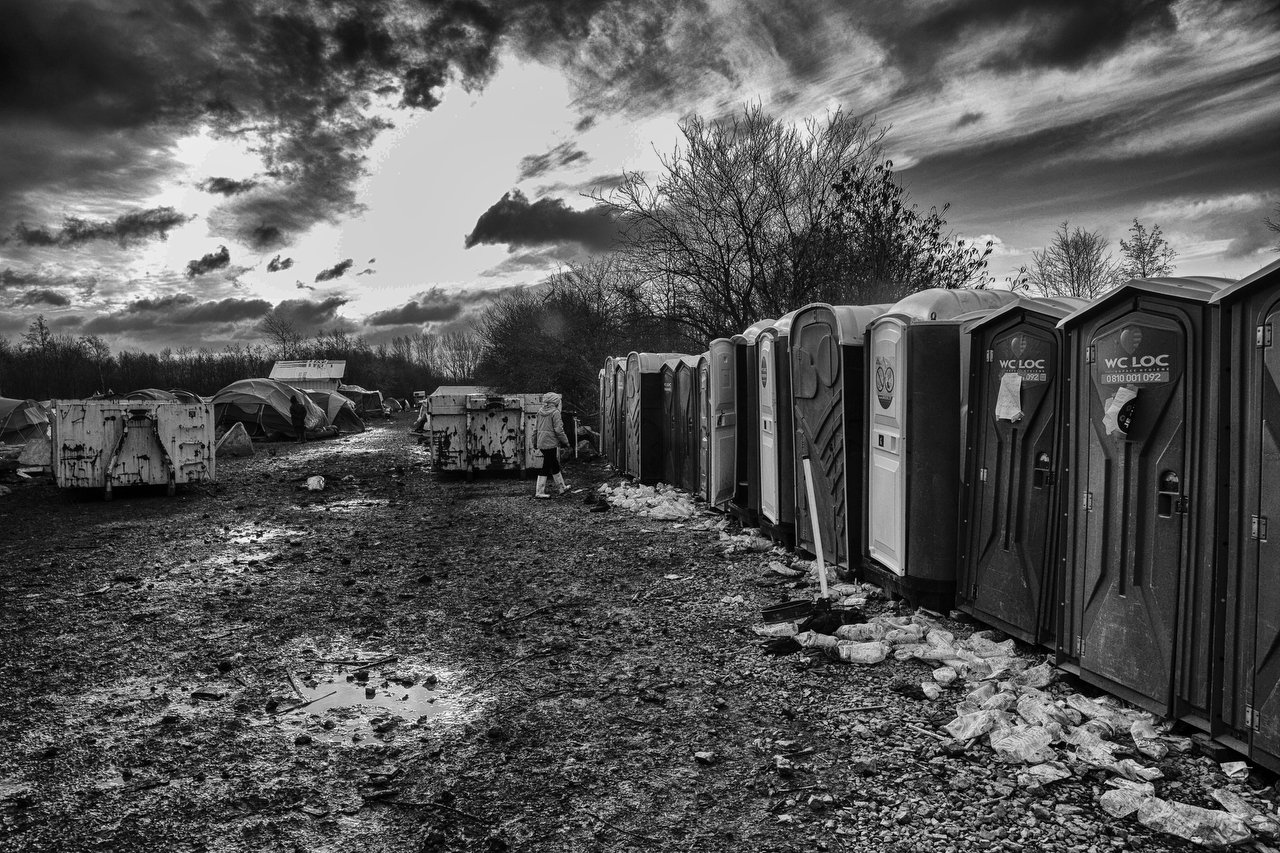
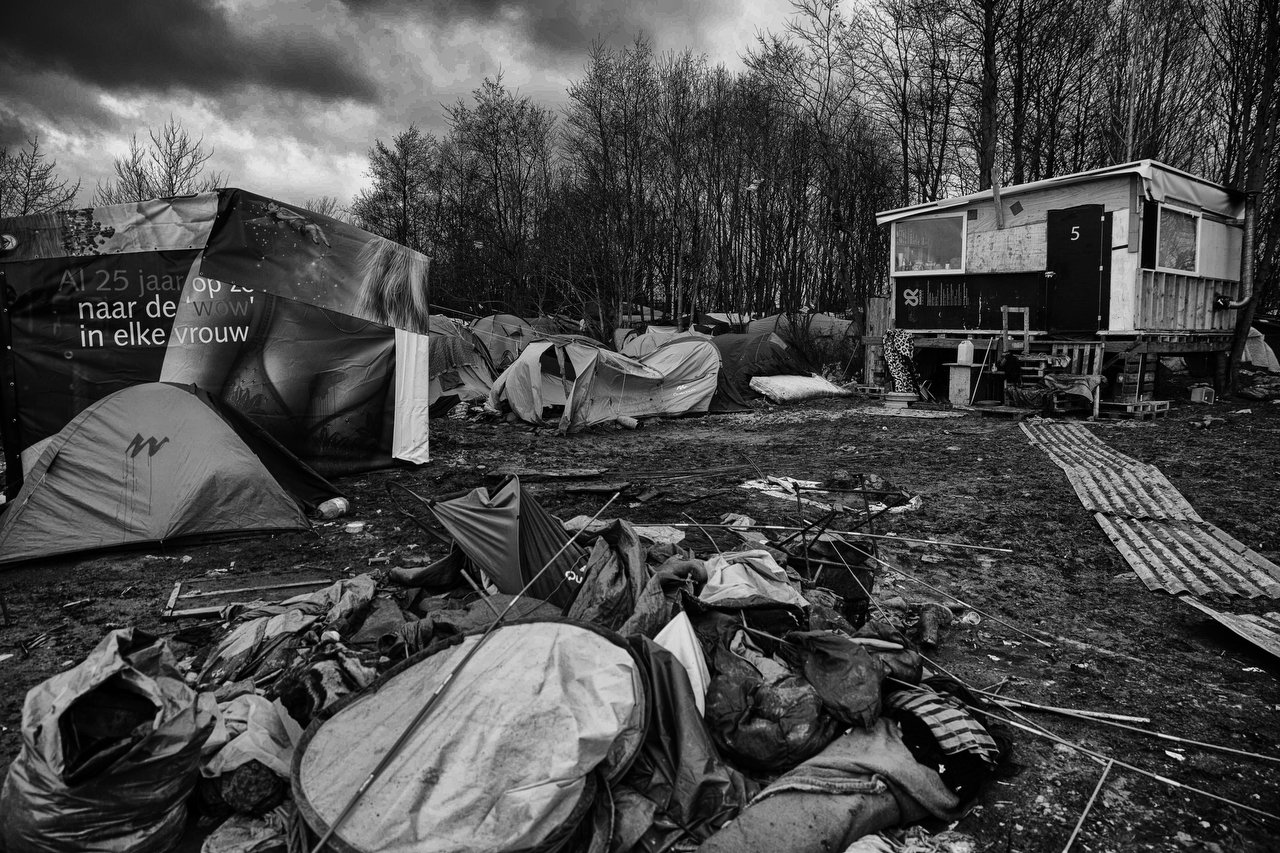
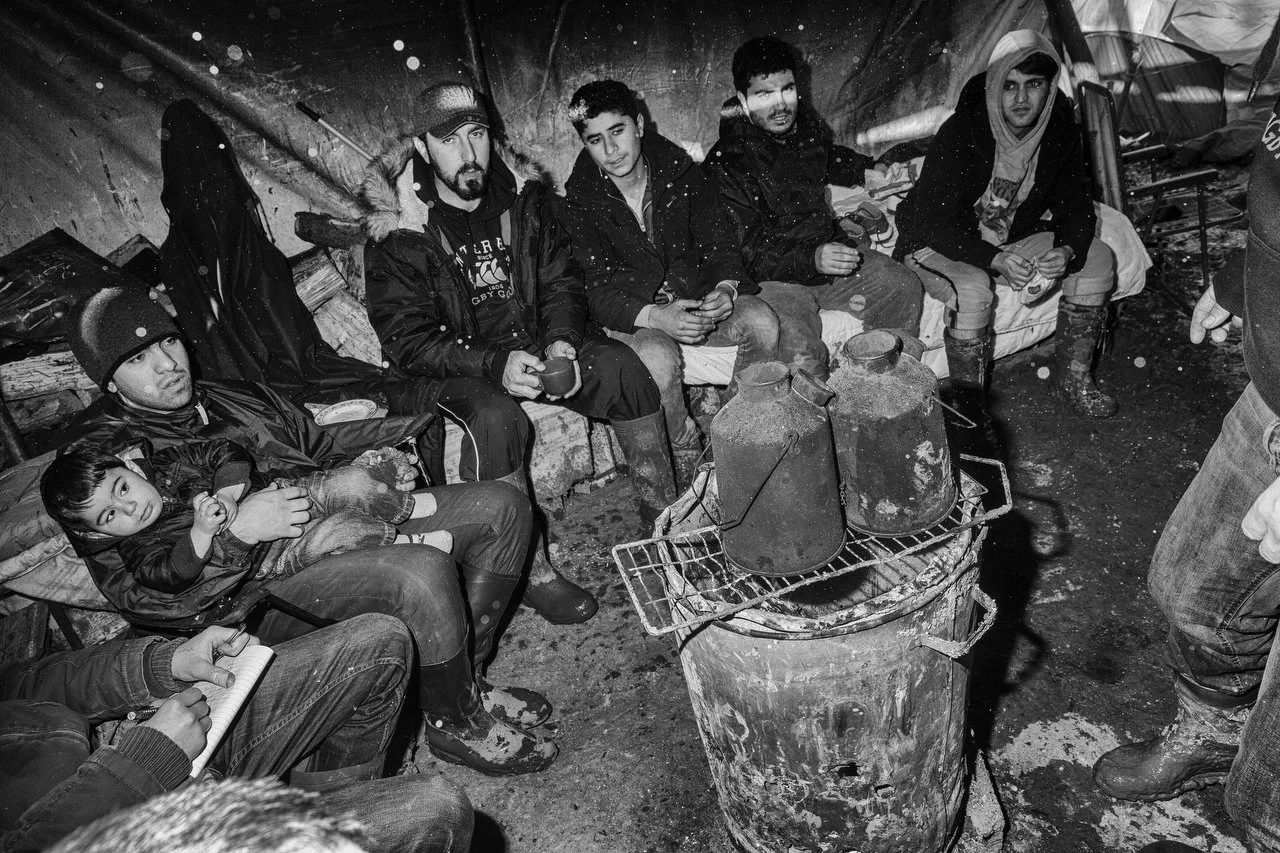
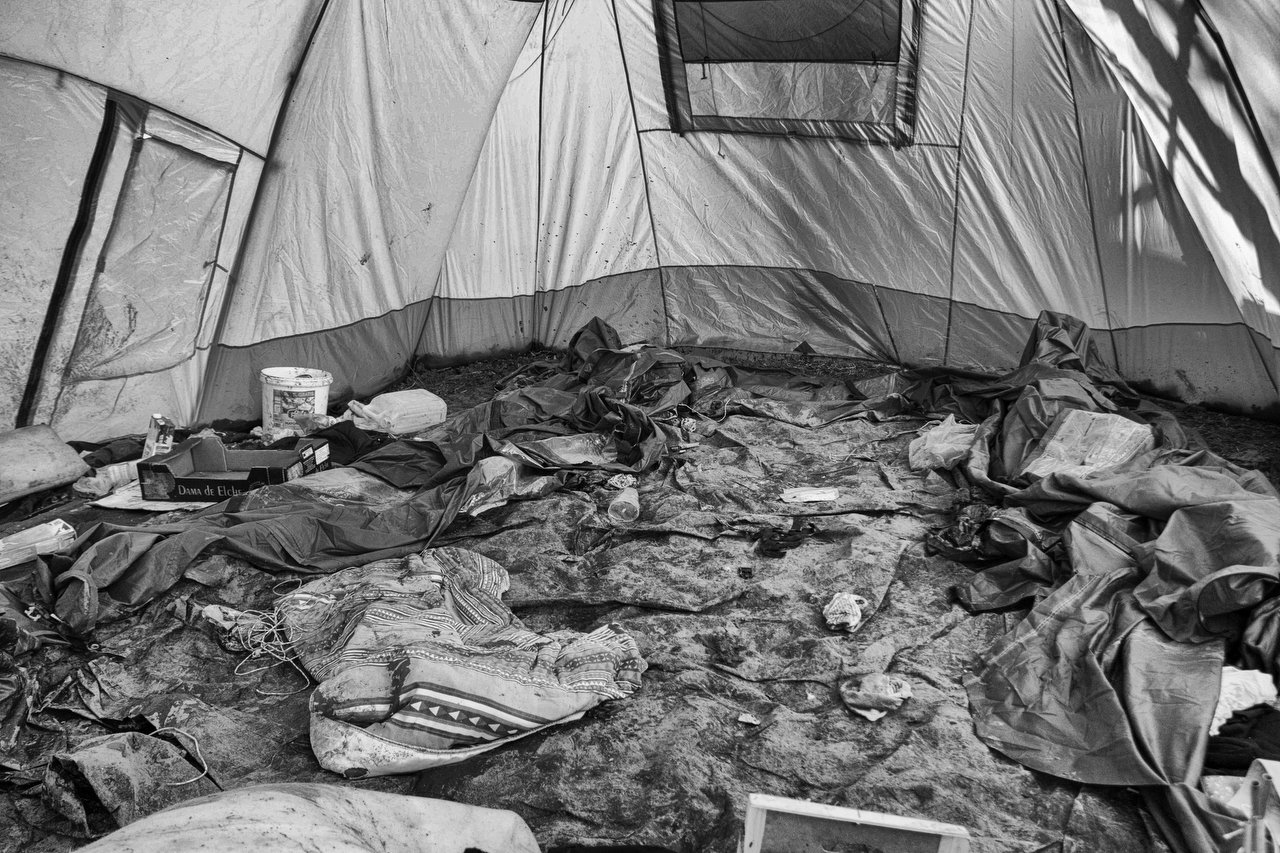
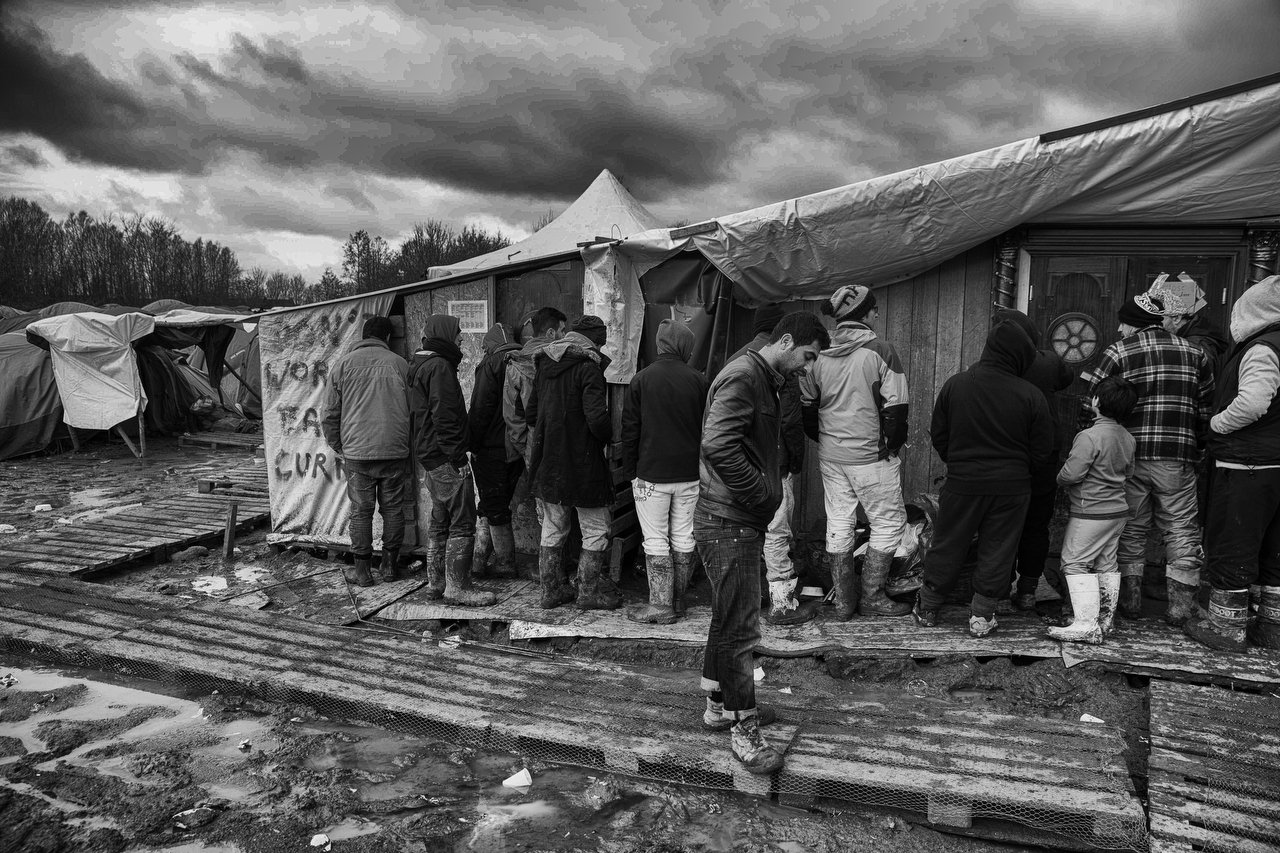
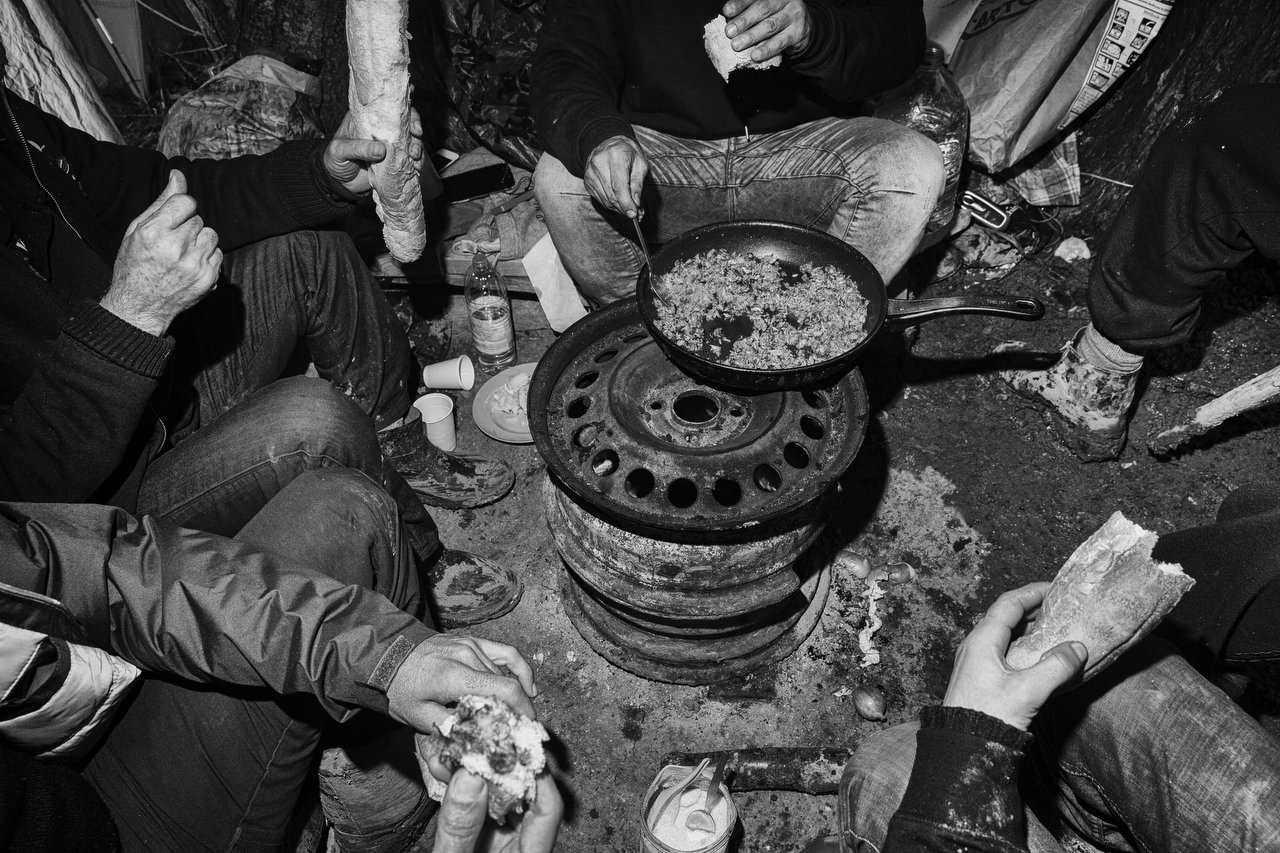
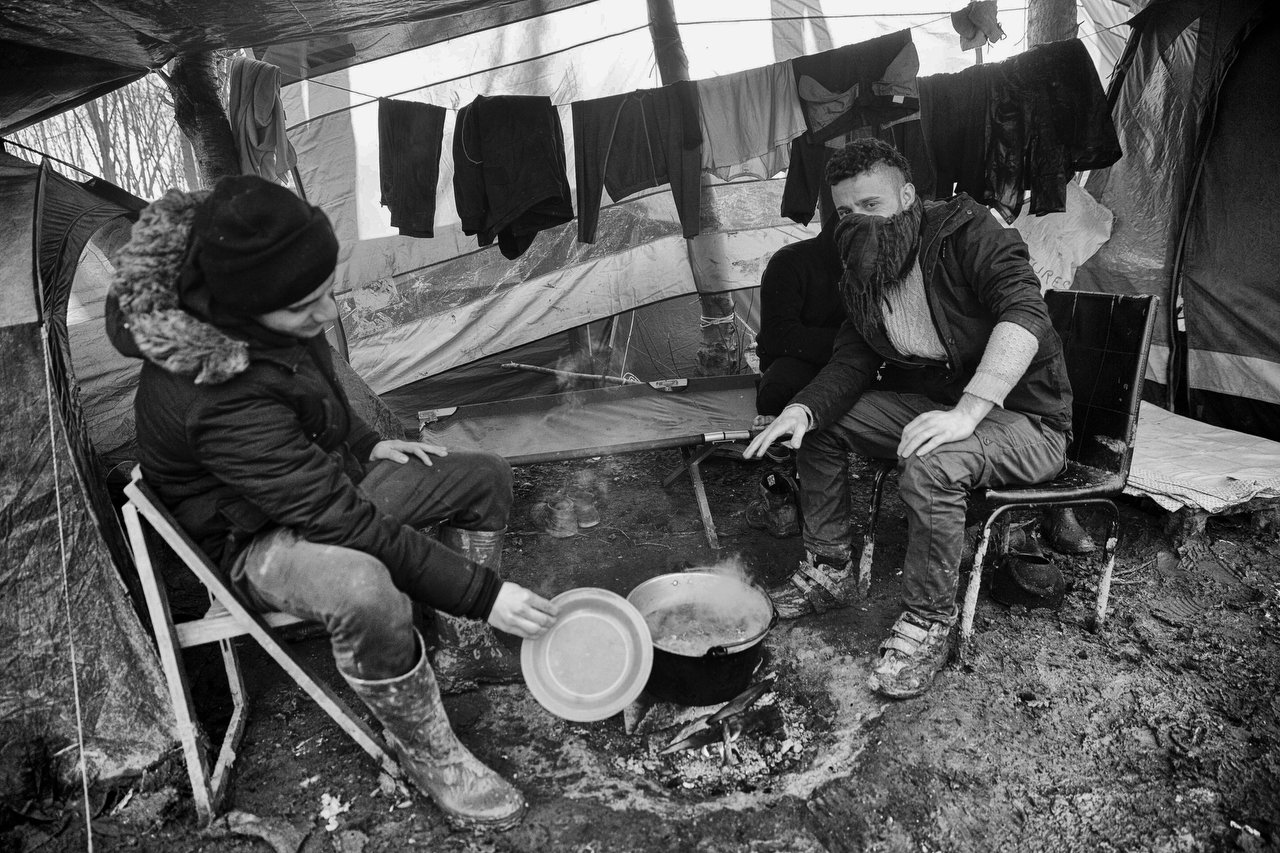
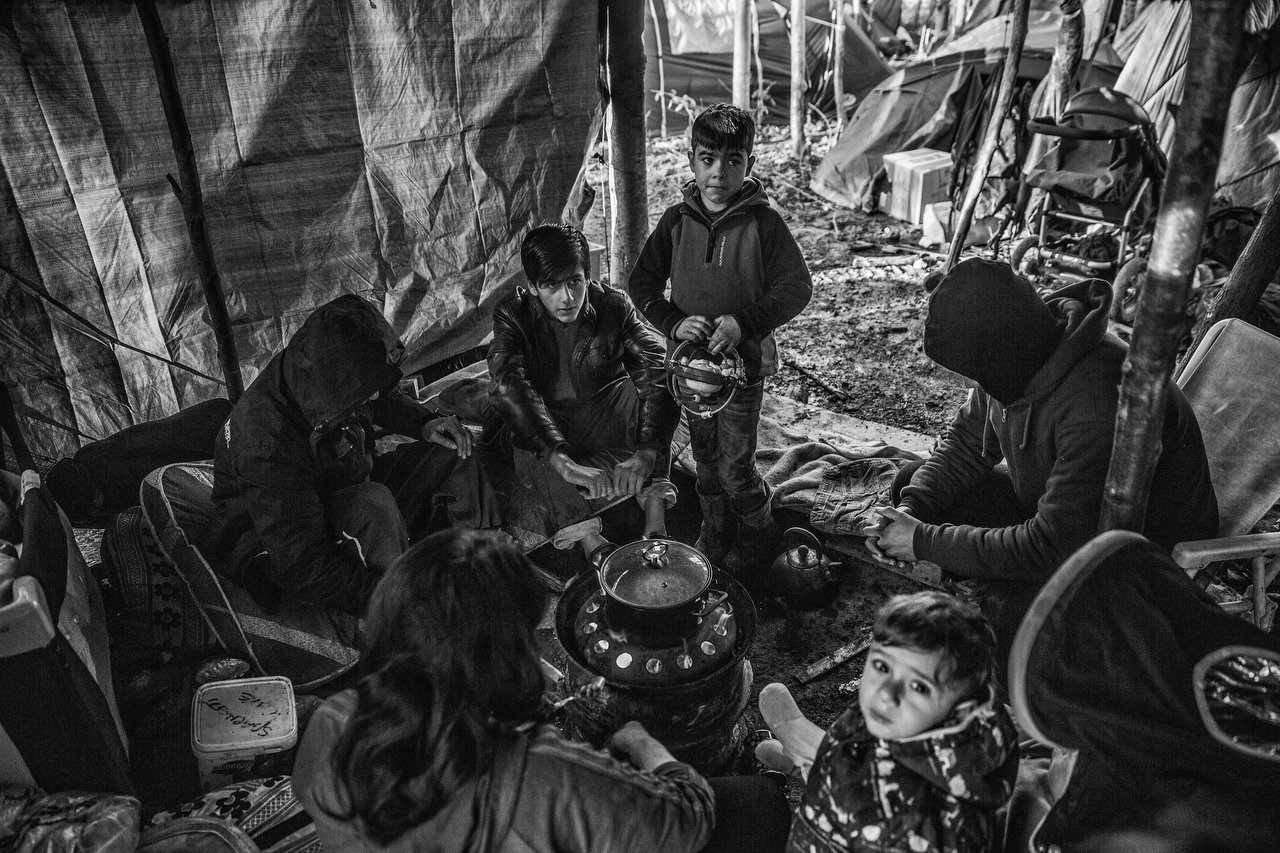
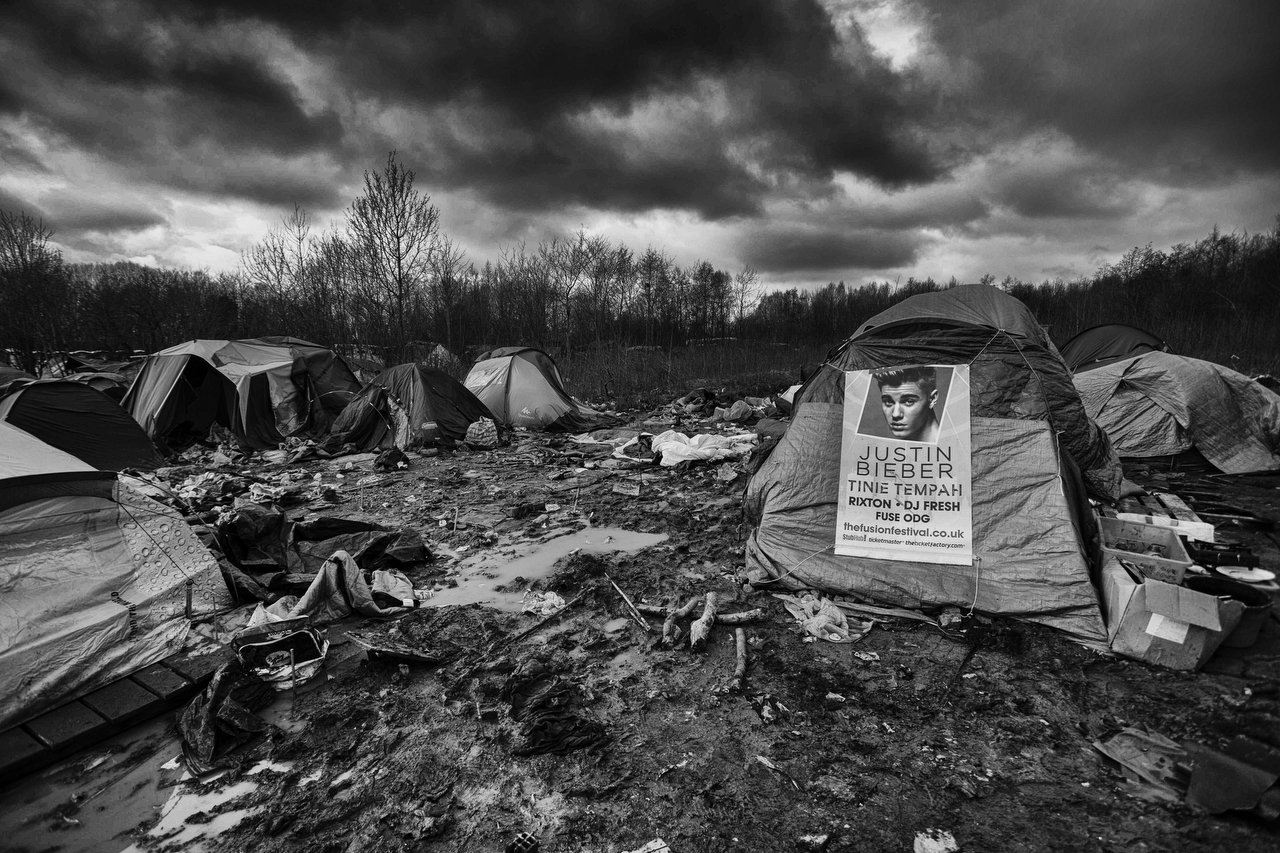
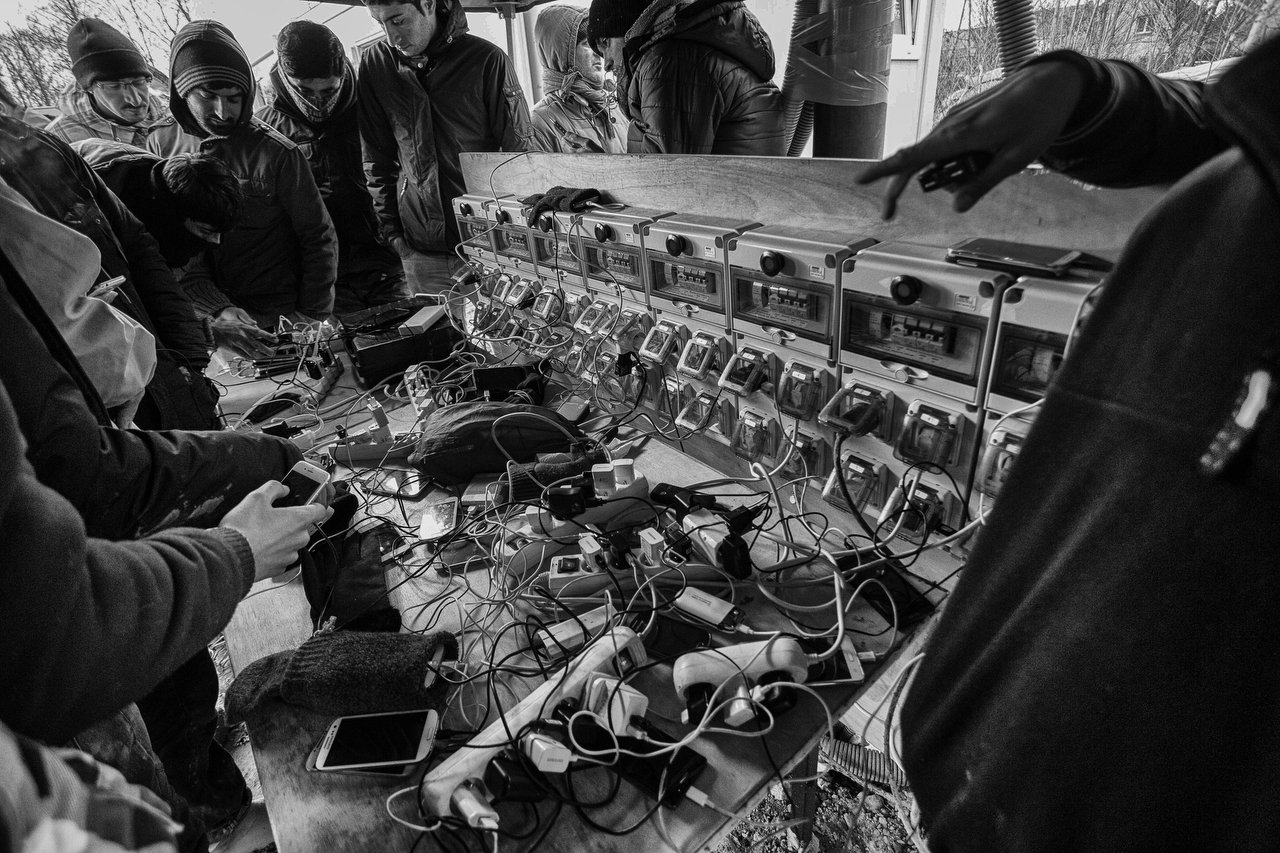
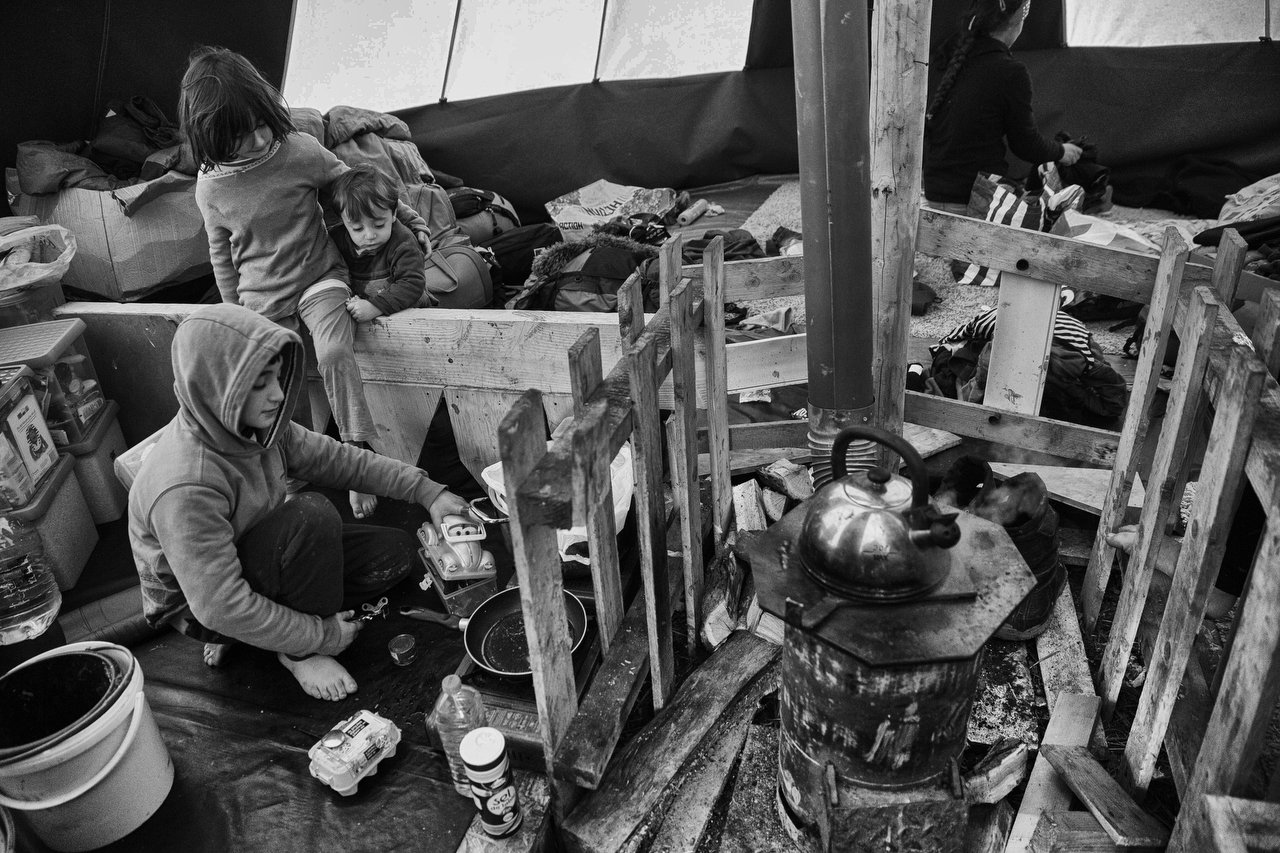
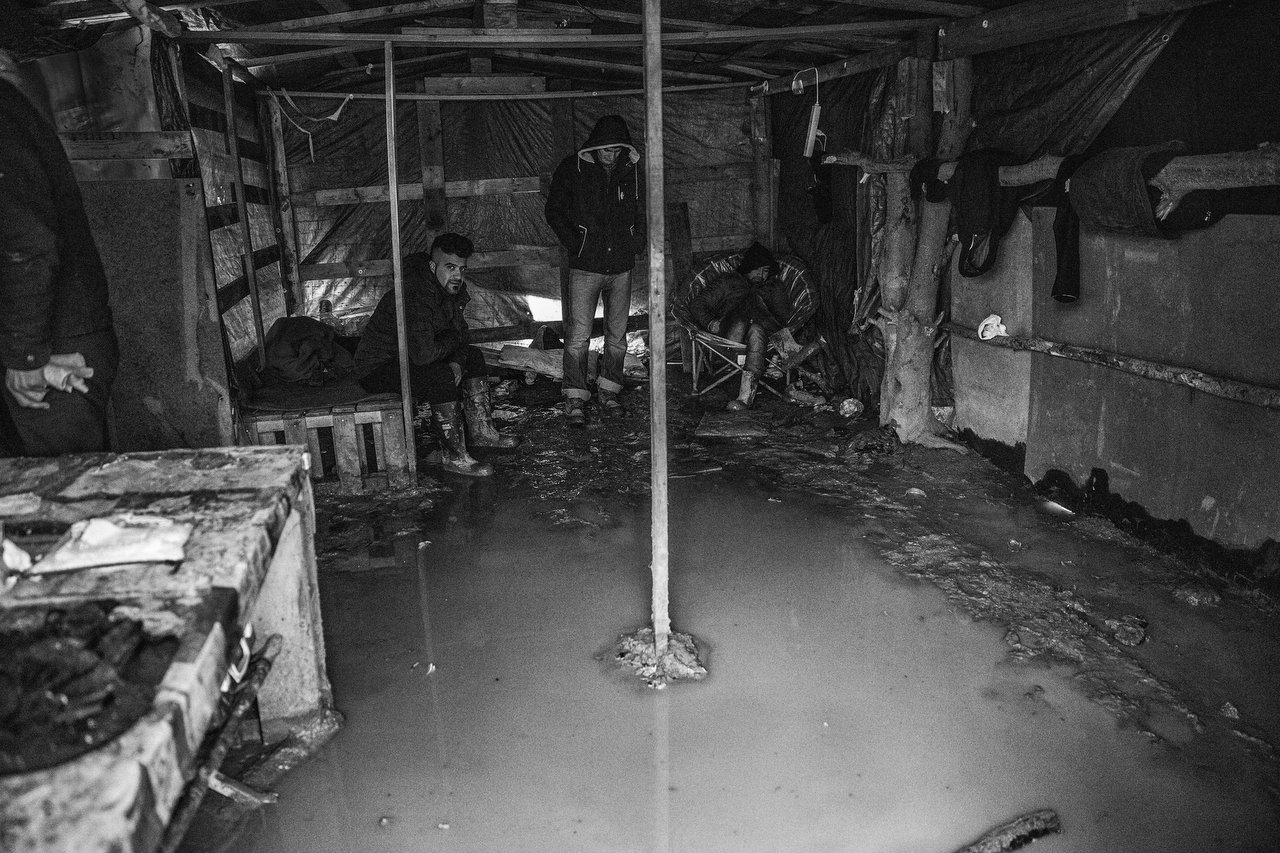
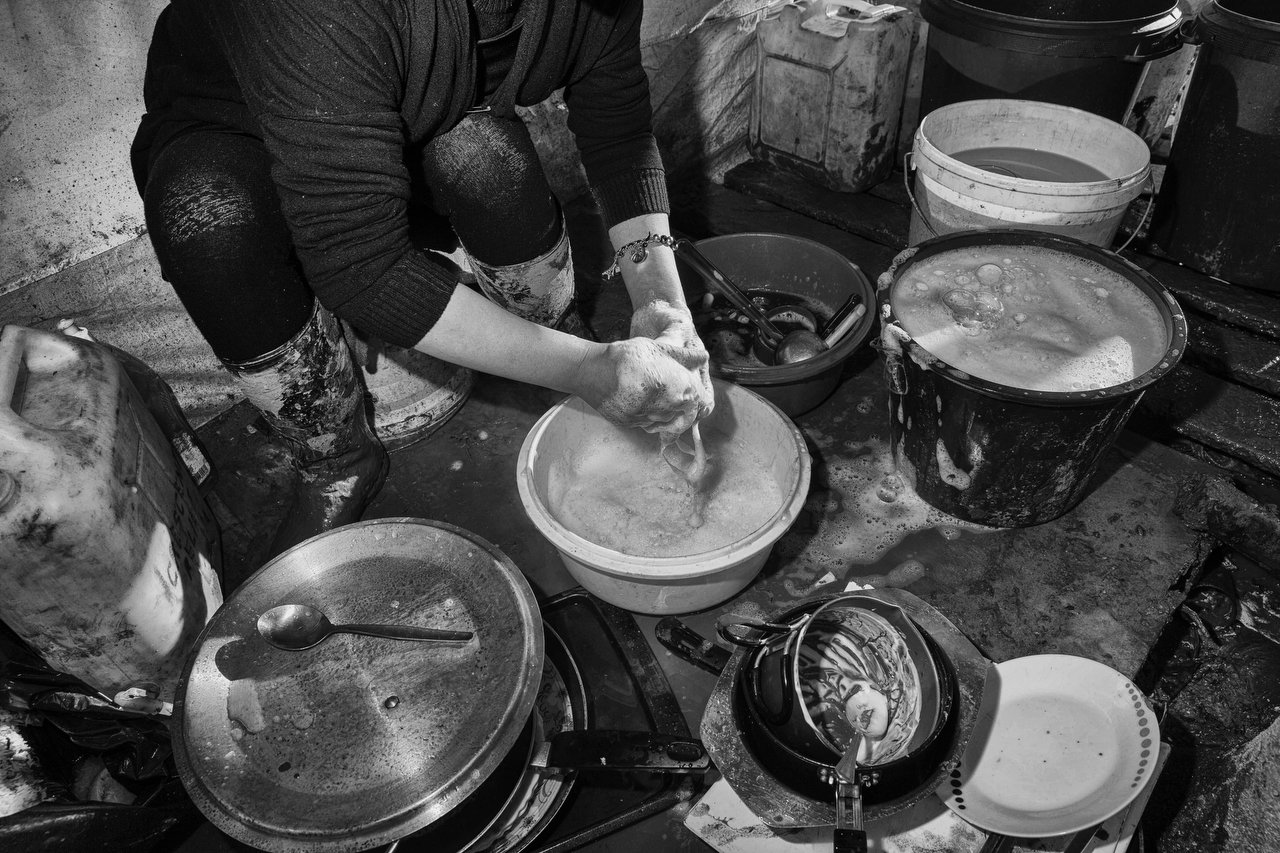
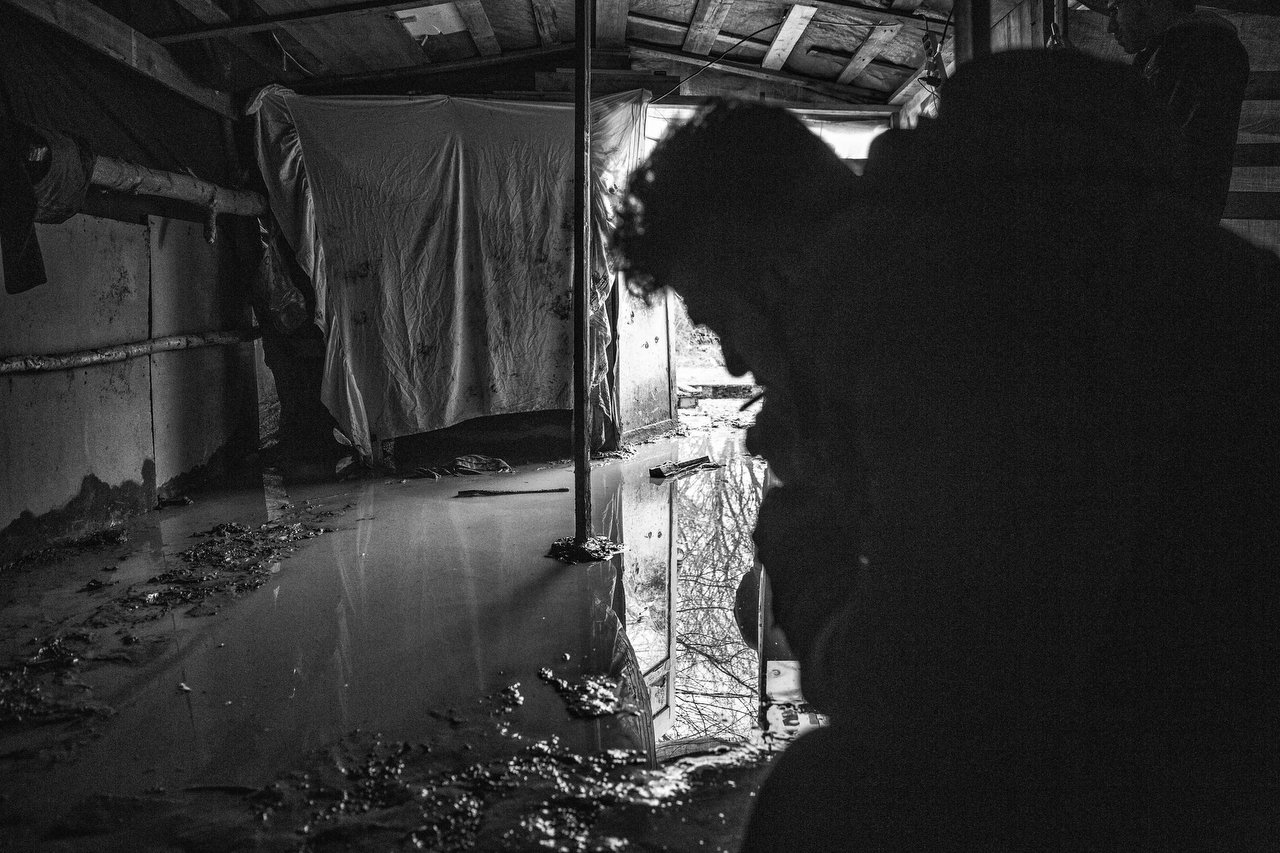
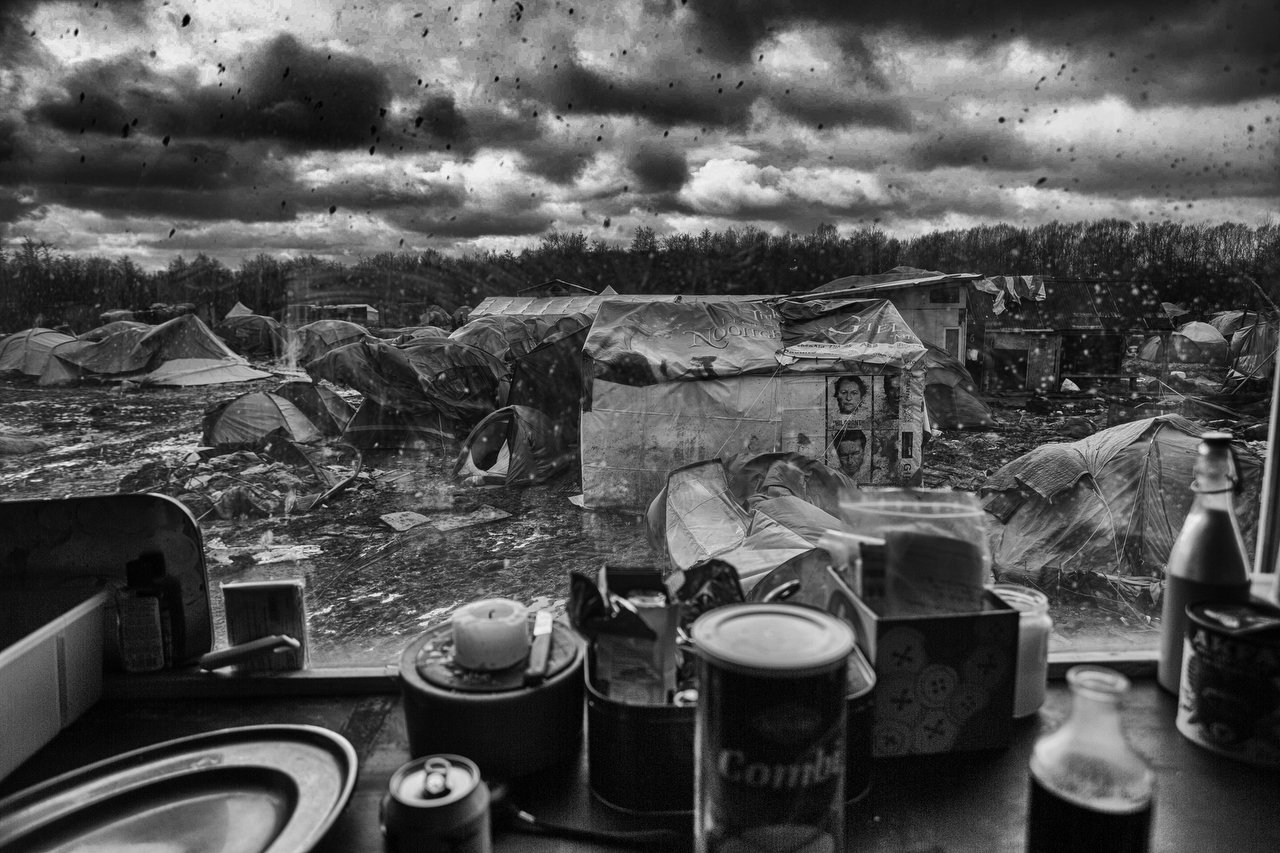
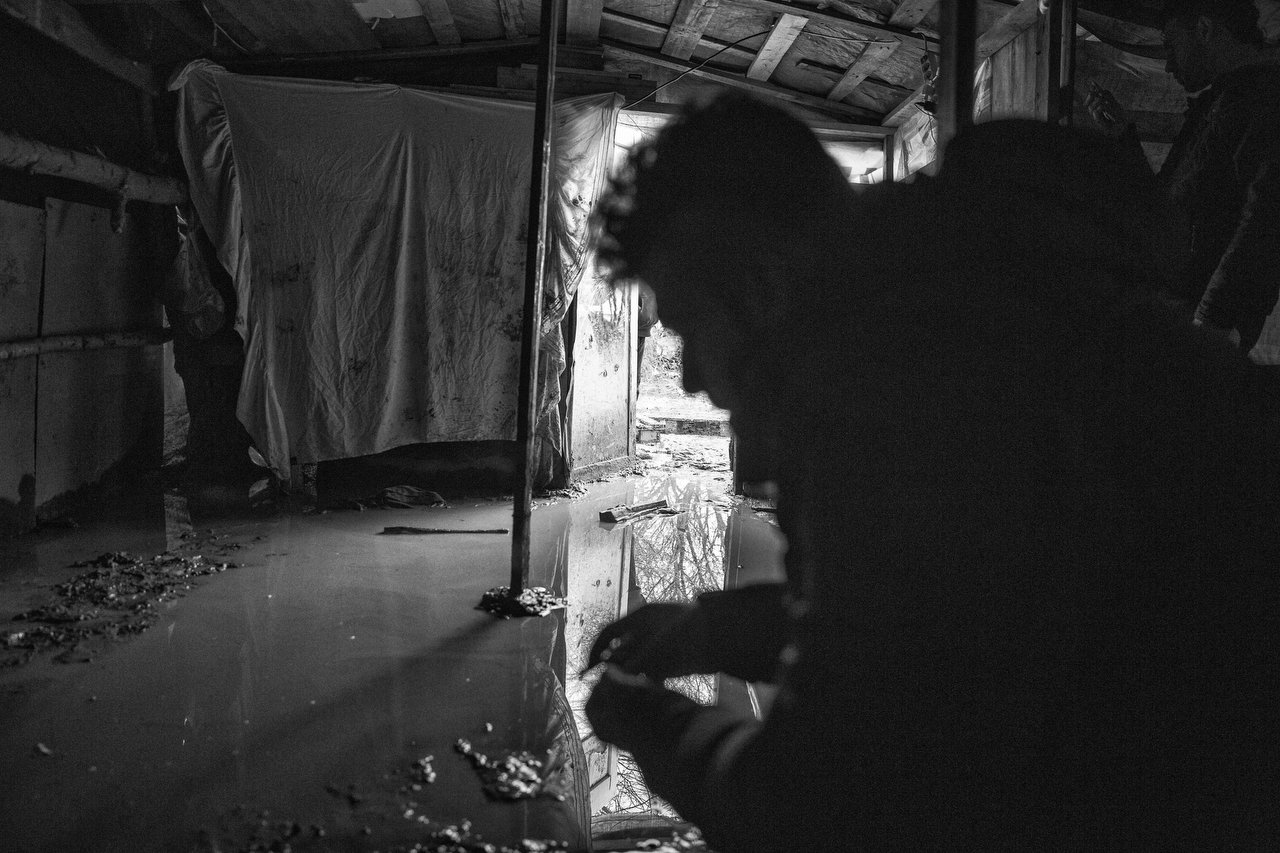
Nearly 3,000 people are keeping warm by several open fires, where they also cook beans, boil milk, and fry eggs. Their beds are just a couple of blankets on the mud left by the recent heavy rains. Their toilets, about 20 for the thousands of people camped there, are plastic, filthy, and contain traces of the previous user's feces. This scene is repeated in up to six refugee camps in northern France. This is the one in Grande-Synthe, on the outskirts of Dunkirk.
“The conditions are unsanitary and terrible,” explains André Jincq, deputy director of operations for Doctors Without Borders (MSF). This town bordering Belgium, with just 22,000 inhabitants, has become home since last summer to Iraqi Kurds, Iranian Kurds, Yazidis, and a small group of Vietnamese who, for different reasons, have fled their homes. They are united, however, by the same feeling that also fuels their hopes of escaping this hell where mud literally covers everything: to cross the English Channel and reach the United Kingdom.
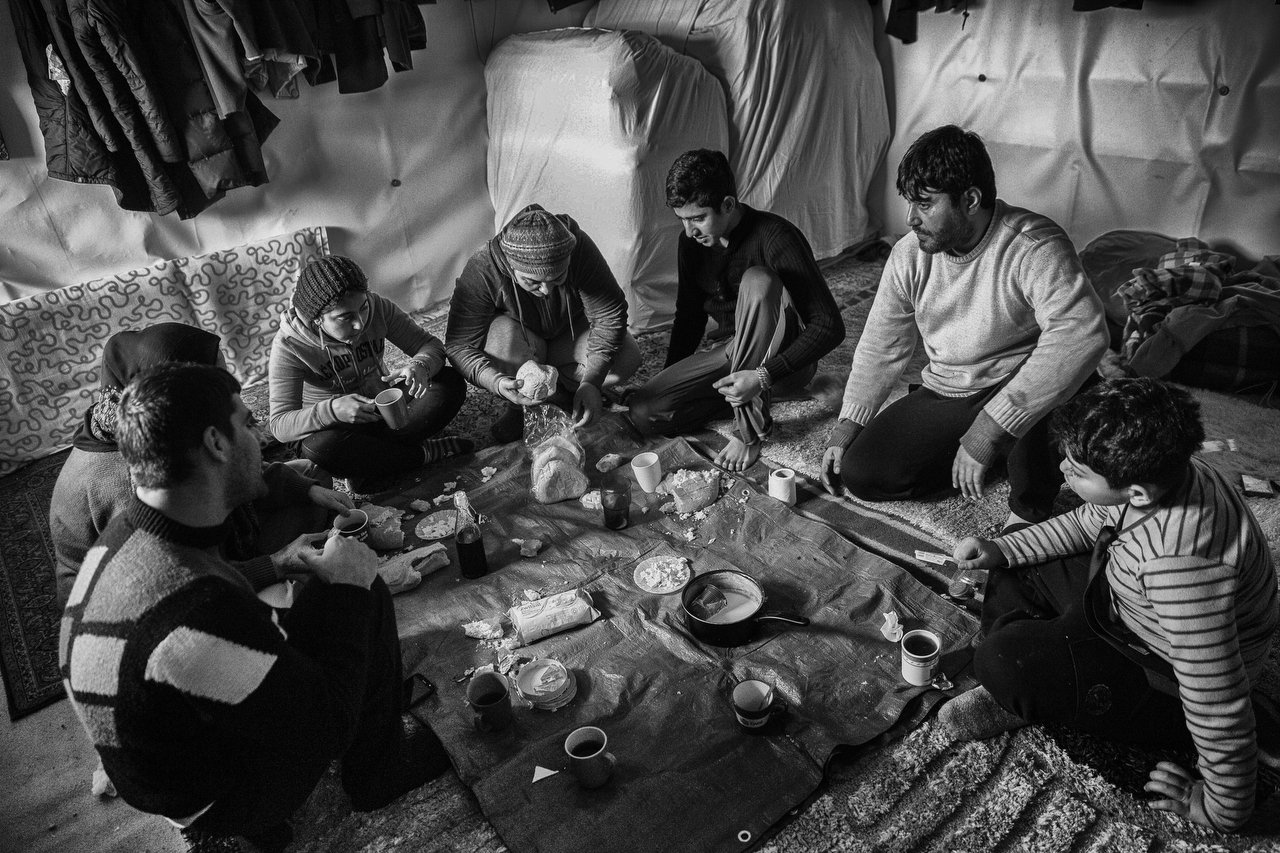
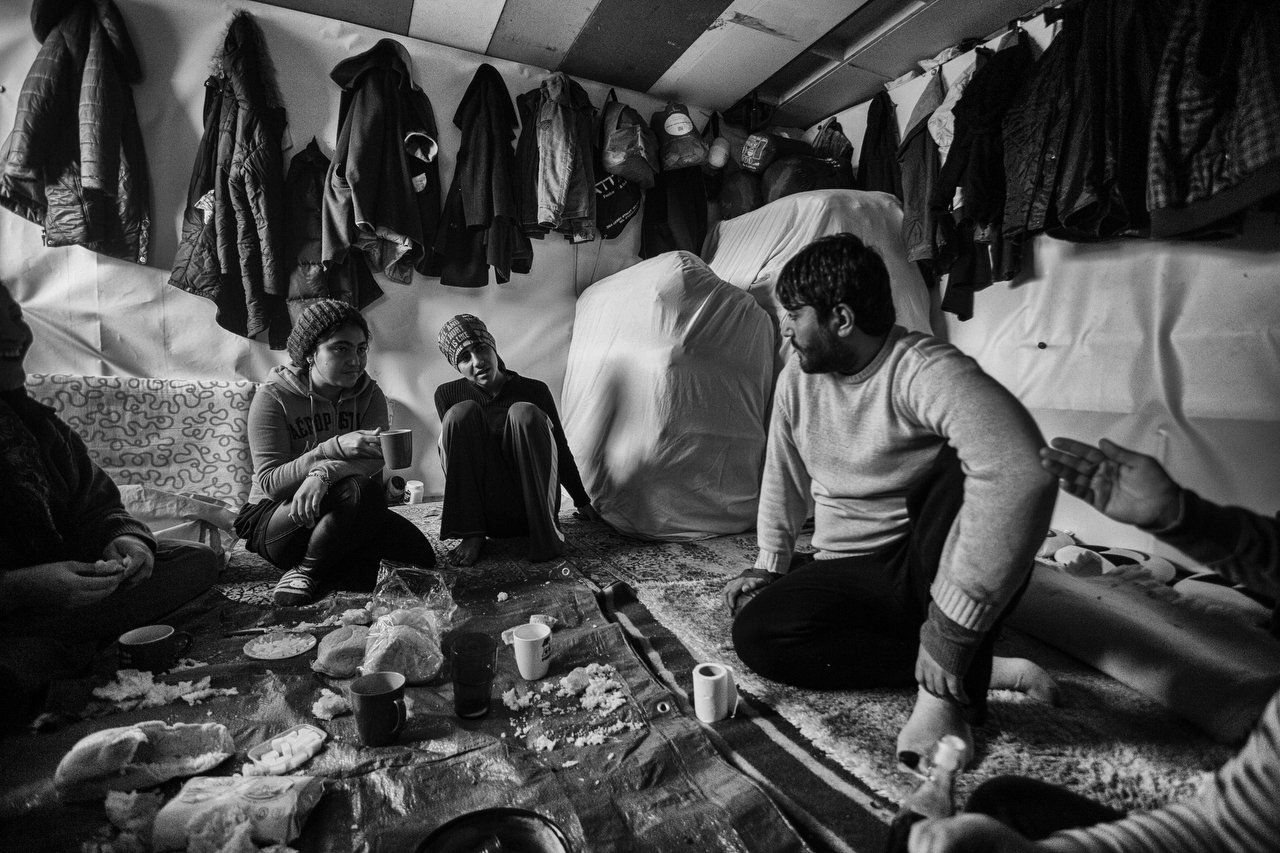
“England is good. We know the language; there’s work and housing,” explains Arash Faramarzi, a Yazidi from Iranian Kurdistan who lives in this camp with his two brothers, sister-in-law, and nephews. They're lucky, as they're occupying a small hut built by Belgian volunteers, which, fortunately, sits a meter above the ground. "We have the best view," he jokes after offering a cup of tea, bread, and cheese but not before making them wash their muddy hands with a baby wipe. He has no money to continue his journey, and from the floor of the cubicle, it's clear he expects to be there much longer than he'd like. "I can't afford the trip. I just want to bring my wife and daughter with me," he sobs as he inquires about the languages spoken in Belgium and the Netherlands. It seems all possibilities are open to him.
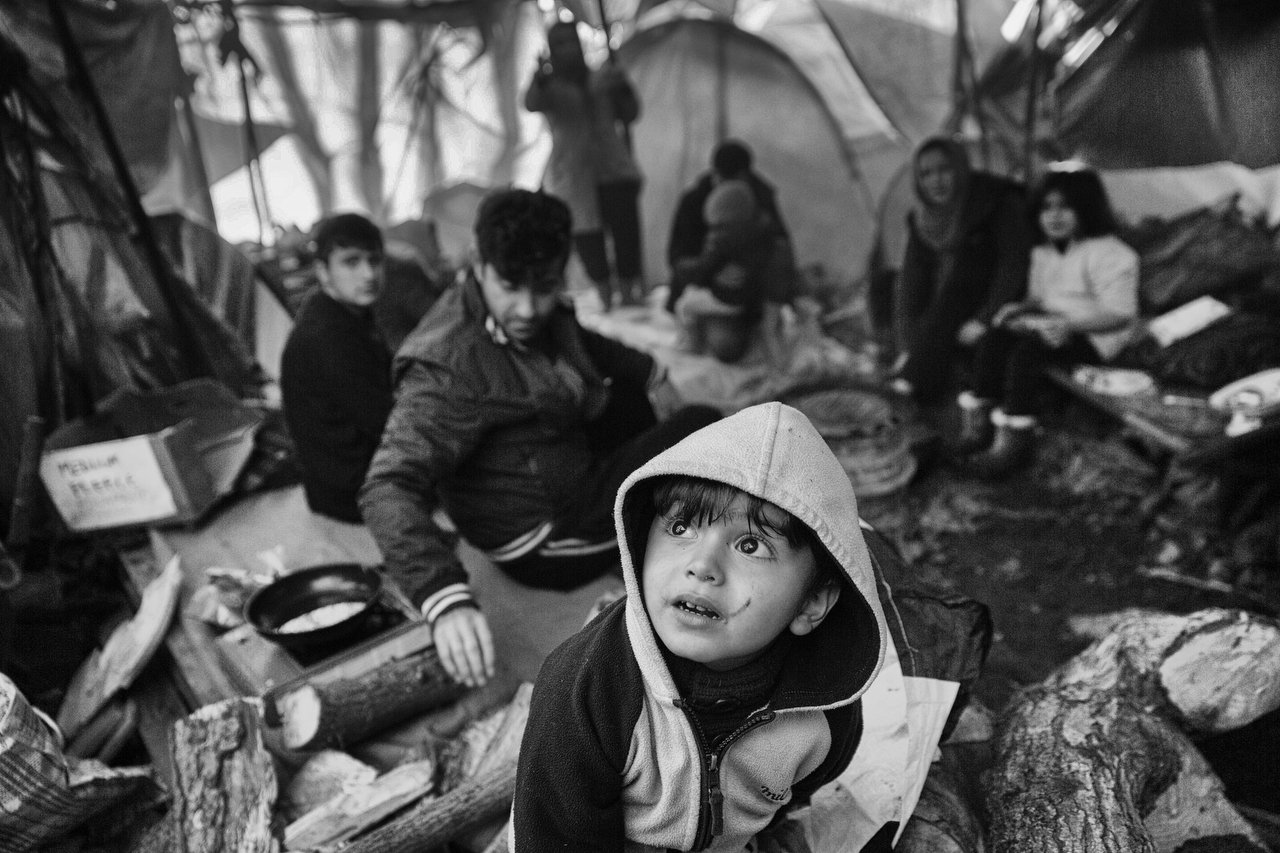
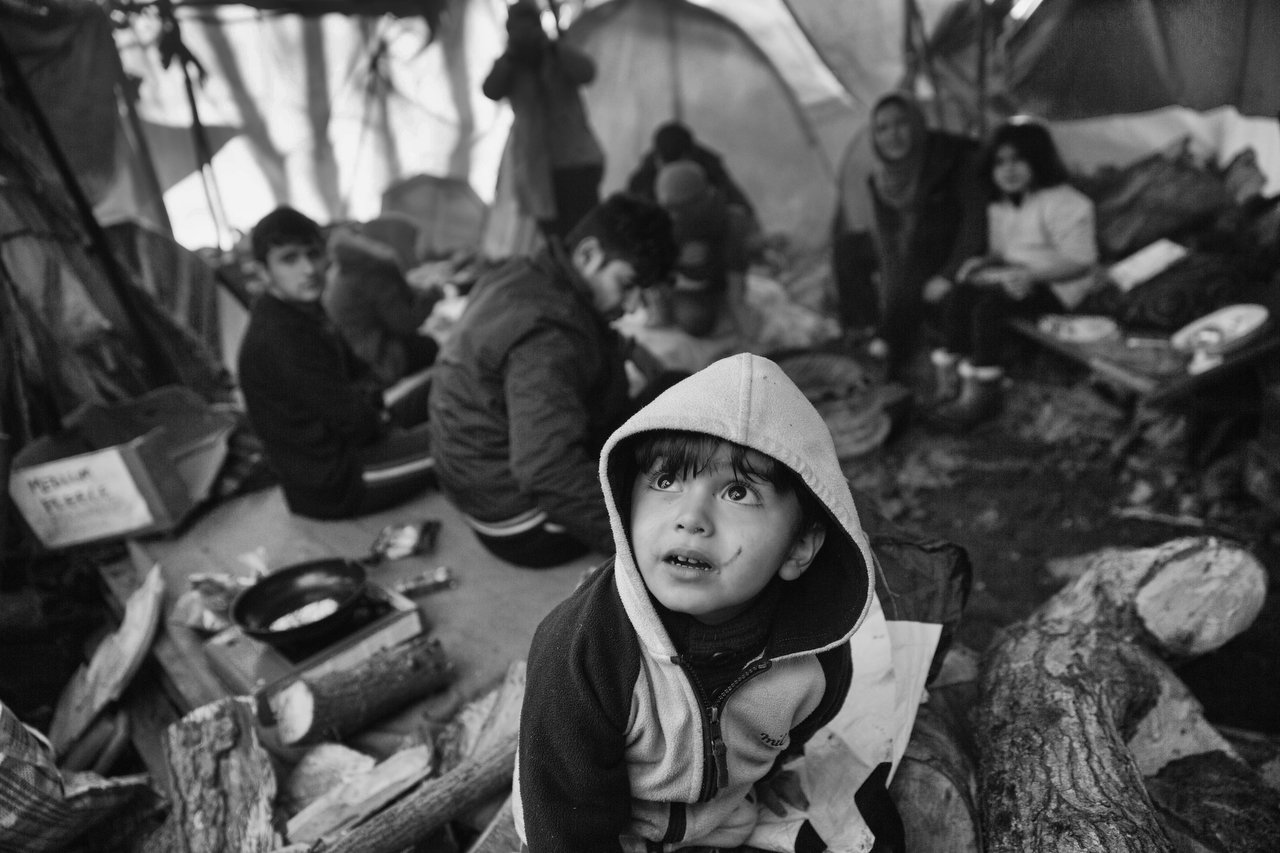
The Yazidi family of Arash Faramarzi, while having lunch in their tent.. Grande-Synthe. France. 2016
Brahim (as he prefers to be called), a 28-year-old computer engineer from Iraqi Kurdistan, thinks the situation is "terrifying." He fled a town near Mosul when he saw that the self-proclaimed Islamic State (ISIS) was about to take the city. “I left with my family, who are now scattered between Turkey and Germany, where two of his three sisters decided to seek asylum." Brahim, tall, dark-haired, and impeccably clean—something that stands out amidst these almost shifting sands—explains, standing on a makeshift bridge of pallets, how they manage to escape: “Albanian traffickers. I love them!” he exclaims.
The pattern works the same for everyone. “The mafias contact us. Sometimes they come to the camp [which is open and monitored by a couple of local police vans] and organize us into groups of 10 or 15 people,” he explains, continuing to discreetly reveal the traffickers’ modus operandi. “They send us a message a few hours in advance telling us to go at night to a certain point on the highway where there’s a truck we have to get into.” The price: 4,000 euros per adult. “Children pay half!” says his compatriot M., who has three: one two years old, another six, and another nine. Brahim explains that the truck driver “doesn’t notice” and that they hide where the cargo is, something they can’t touch—or eat, if it’s food—under any circumstances because the authorities would know someone had been inside. Payment can be made in cash or upon arrival in England through money transfer companies like Western Union. And if they don’t pay? “They know we’ve arrived.” “They have their people there, and they’d chase us,” he whispers, glancing around.
M., on the other hand, will pay in cash. From outside what has been his home for the last two and a half months—a kind of green-and-white striped circus tent with a wood-burning stove—he maintains that he has enough money to cross. “Right now, I have about 35,000 euros wrapped in plastic,” he confesses. And so it is with the hundreds of families who spend their days exposed to the elements, supported only by MSF and a few poorly organized volunteers. Like the gynecologist Maite Leblond, who treats pregnant young women. Despite carrying so much money and the extremely difficult conditions in the camp, M. smiles… “We don’t steal from each other here. We’re all in the same boat,” he points out.
Every night, between nine and five in the morning, according to the migrants themselves, a group sets out to try their luck. “Things are very complicated,” explains a young man from Kirkuk. “For the last few months, the controls have been very strict.” They say there are three checkpoints and that they always run into a dog sniffing around to identify people. A friend of M.'s tried on Thursday night and will now have to spend a few days at the police station in Lille, France. But his friends are taking it with humor. “We’ll try again, but we don’t know when,” they say, shrugging. They’ll be notified.
Doctors Without Borders, which has gone so far as to call this camp an “open-air garbage dump,” according to one of its social workers, Rewan Hussein, announced last Friday the construction of up to 500 sturdier tents so that the hundreds of families “can get through the winter with more dignity,” according to a statement. “It’s hard for a human being to live like this. Not even animals live like this,” Ali, a 21-year-old Iranian, told the organization.