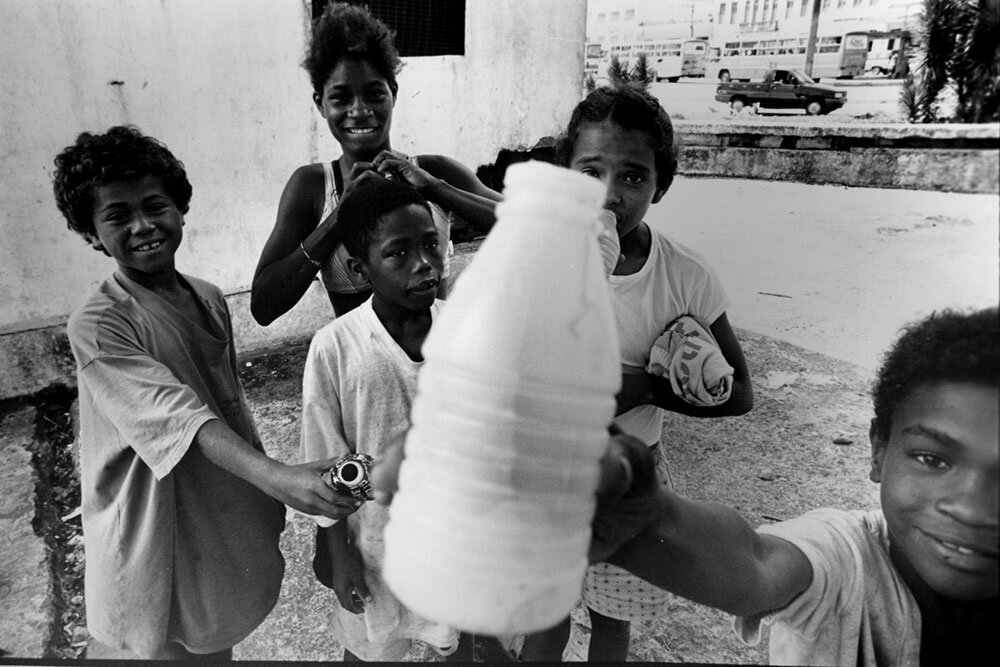
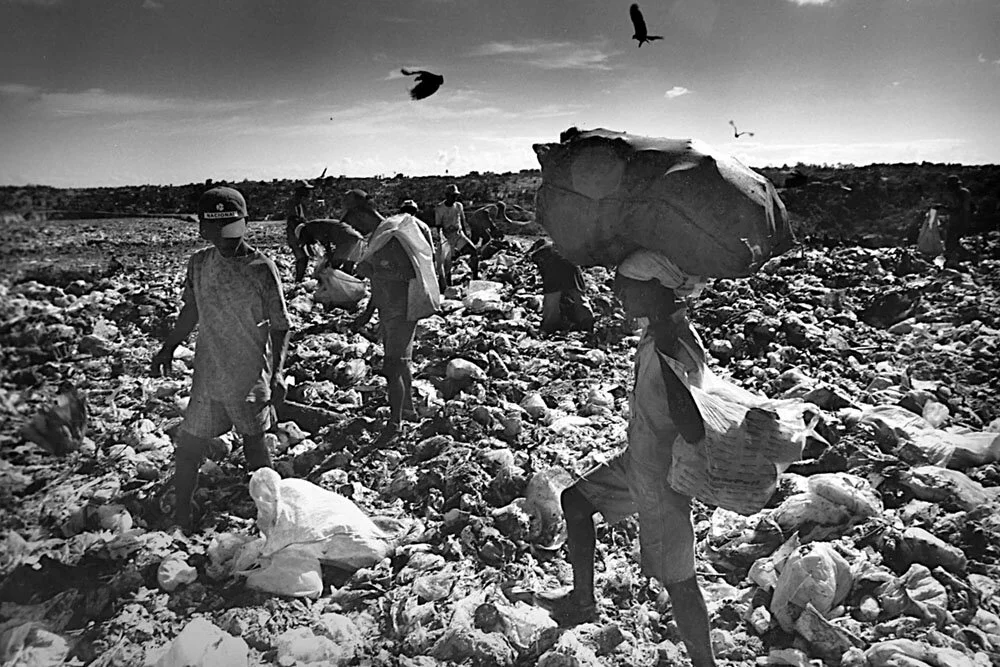
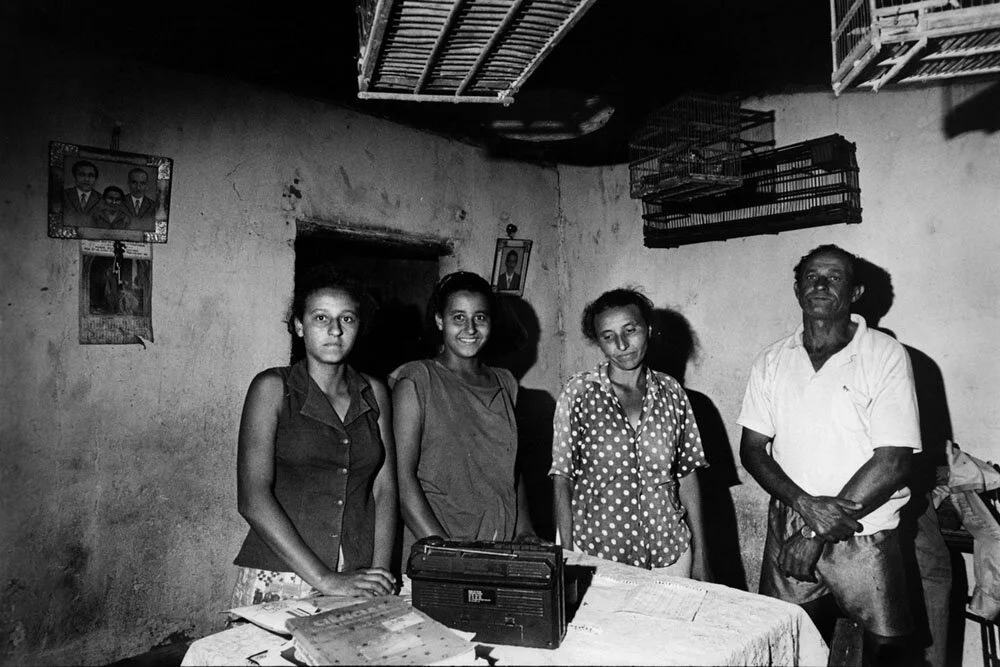
Street Children. Brazil. 1996
In the 90s I was on a roll with my travels, and it's in the summer, July and August, that I can't live without being in O Morrazo, seeing the sea, enjoying a morning coffee at the Pósito in Moaña, having a couple of churros (which aren't the same as they used to be), and greeting an acquaintance. 1996 was different from all the previous years, and I prepared a trip about the exploitation of children living in Salvador de Bahia and its surrounding region.
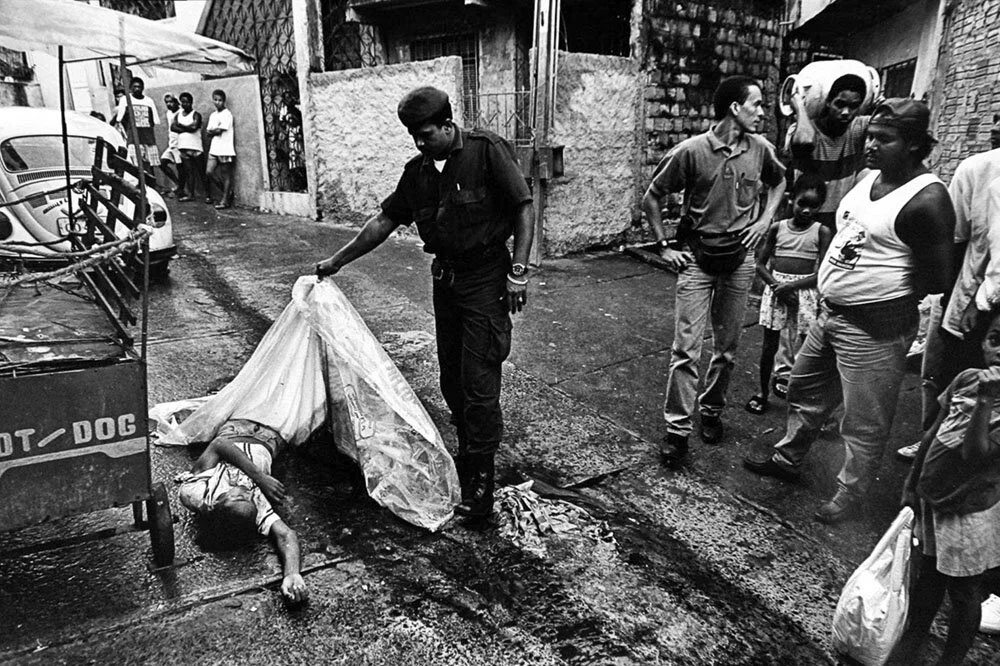
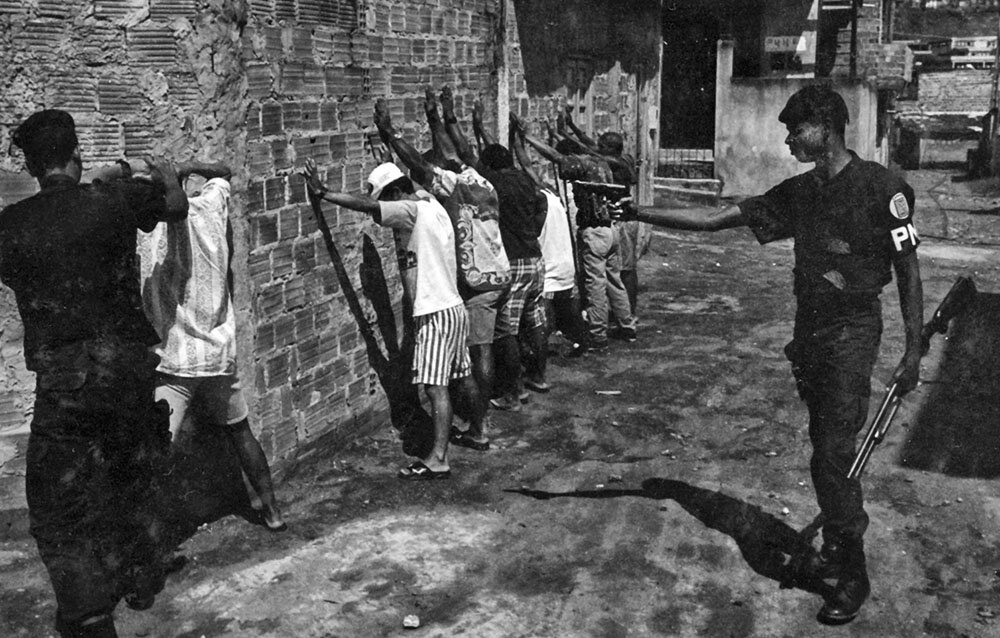
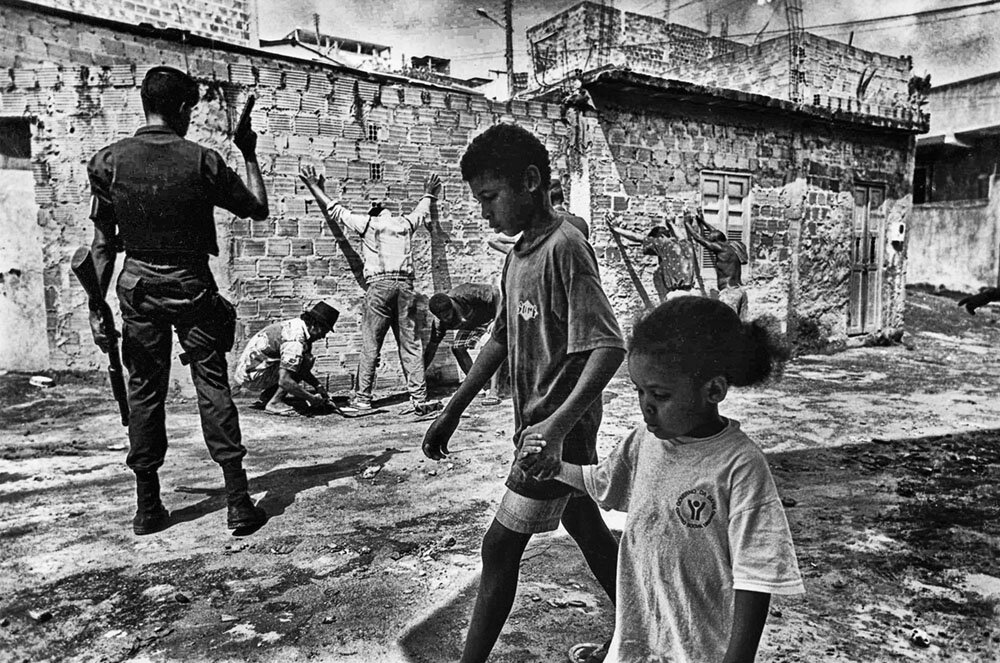
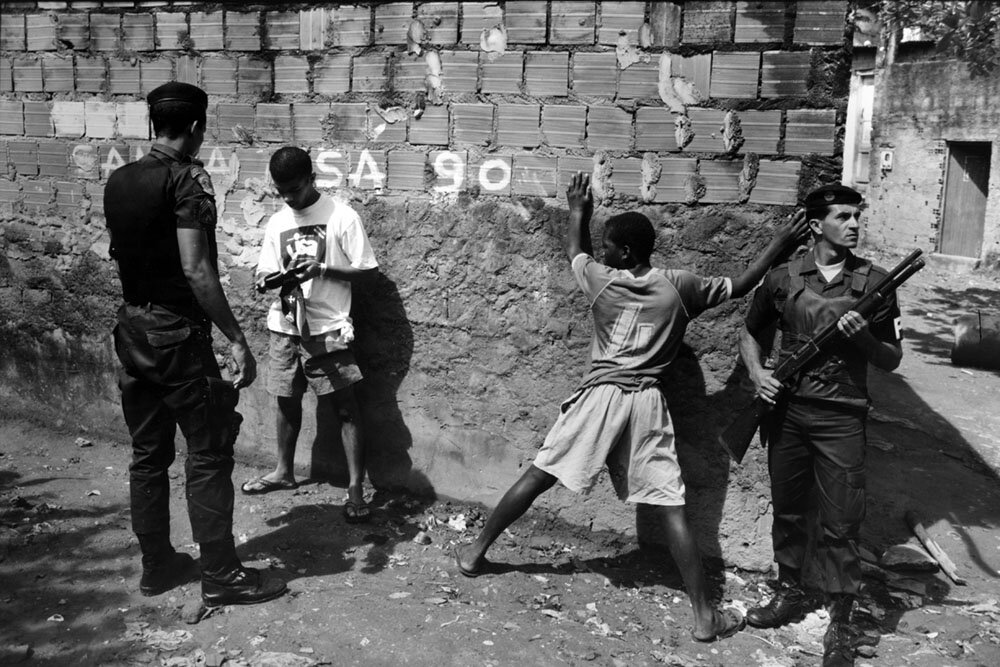
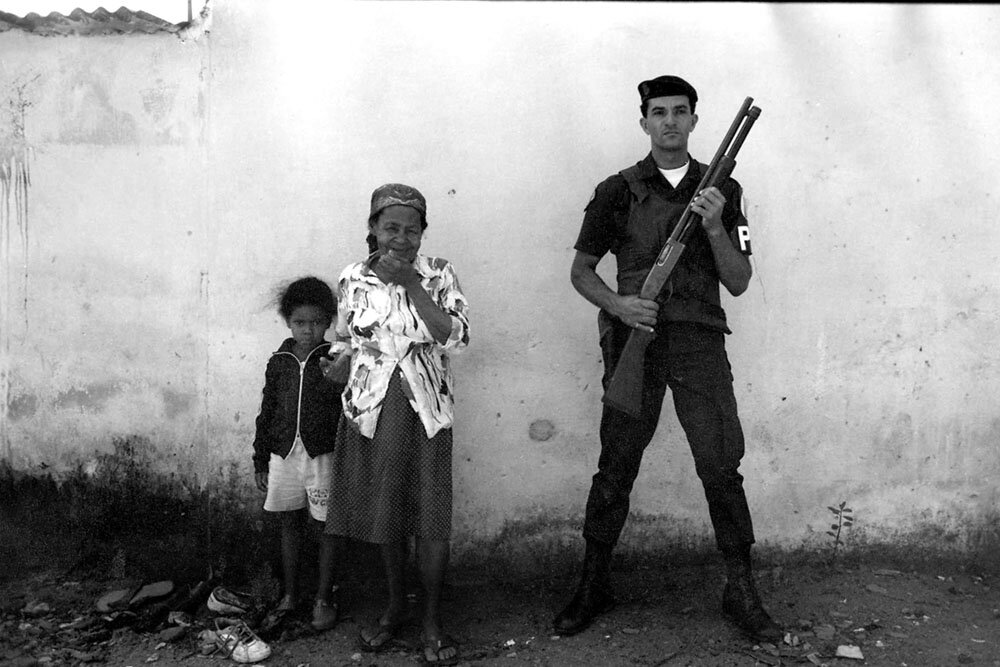
Military police in the favela of Beirú, Salvador de Bahía. 1996
Salvador de Bahía, Brazil, 1996. I based myself at the Hotel Imperial, owned by Miro, a young and enterprising Galician, and set up my small darkroom, which I'd been traveling with for the past few years, in two aluminum suitcases. It was typical and normal, and the airlines, knowing you were press, didn't charge or didn't charge much. In the larger suitcase, I carried the enlarger and its stand, but with empty chemical bottles. I only needed Kodak D76 powder developer to dilute once everything was set up in the room. The first thing was to find the room with the least amount of light and cover corners and window openings to prevent any stray rays, although I had my own black photography shirt to load the film tanks for developing and preparing the rolls of Tri-X black and white film, which I always bought in 30-meter cans. The project lasted a few months; I couldn't say for sure if it was three or four, traveling around the state of Bahia whenever I could afford it and everything was well organized.
Salvador is a vibrant city, full of life. It is estimated that 1.7 million people were traded during the slave trade, mostly from what is now Benin, and it was in 1588 that the first slave market in the New World was established, destined to work on the sugarcane plantations.
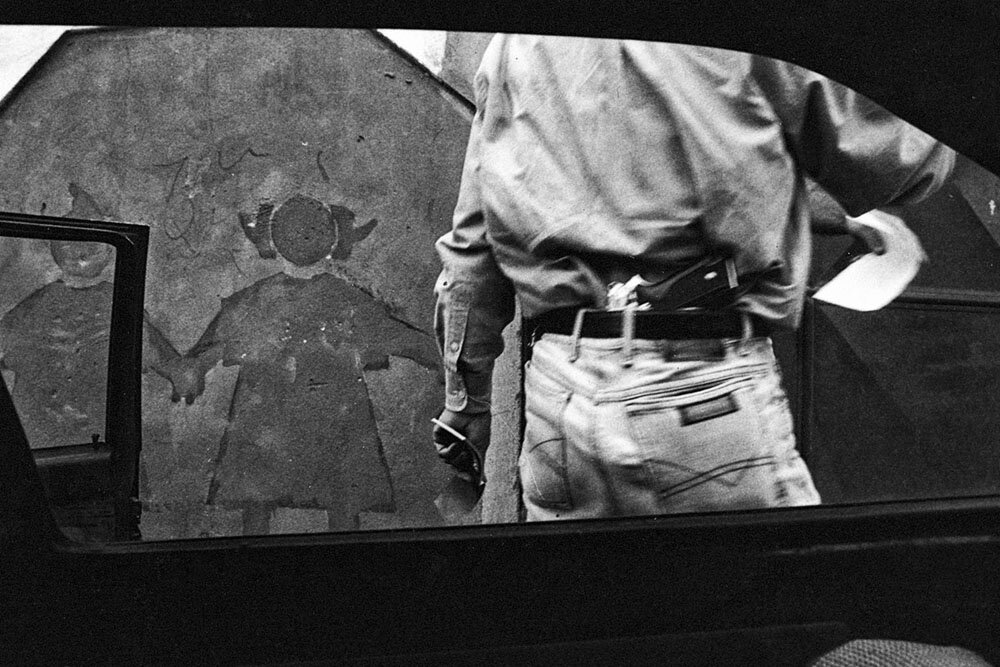
Salvador is a vibrant city, full of life. On the first day, following Miro's advice, I walked without my camera from the hotel through the Pelourinho neighborhoods. It's important to learn to see people and be recognized as a friend, not an enemy, since Brazil isn't exactly a place where the police hand out candy and criminals invite you for coffee.
A child was killed by a gang in Barrio de Pelaporco, Salvador de Bahía. Brazil. 1996
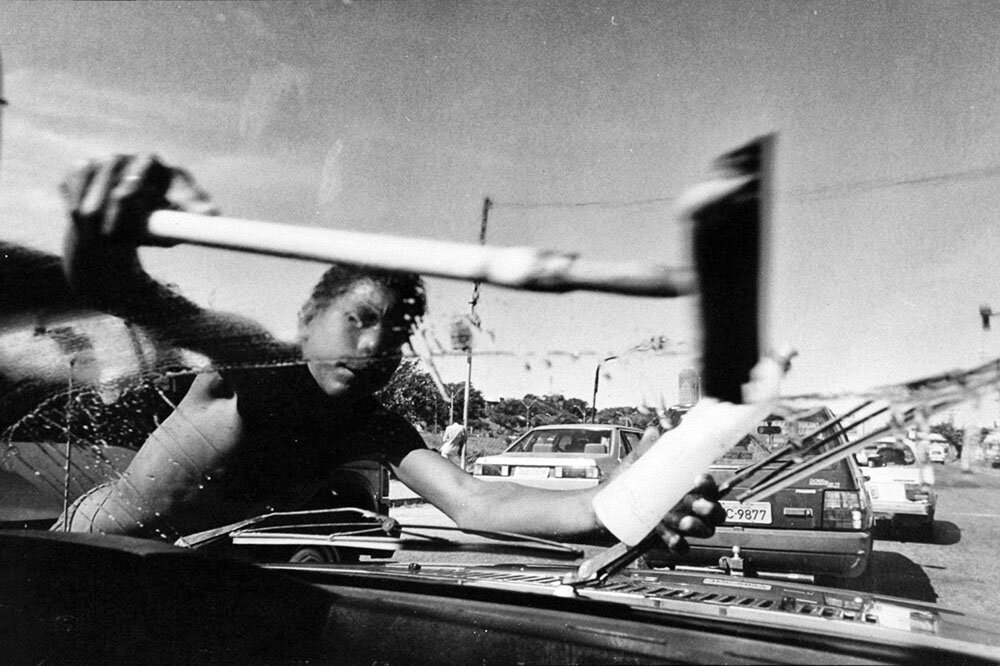
The initial contacts with several NGOs working with street children turned out to be a good option, as I had to explain the photographic work to them. And, as with any plan made in advance, it falls apart when faced with reality. Nothing is as it seems, nor is anything what it appears to be. Poverty, as in other parts of the world, in 1996 left Brazil mired in much more than labor exploitation, children begging in the streets, prostitution, drugs, and organ trafficking. If I wanted something beyond the anecdotal aspects of street photography, I needed to approach other organizations: the university, the journalism school, the military police, and the judges and lawyers involved in UN programs aimed at eradicating, above all, sex tourism. Along with Thailand, Brazil was one of the most shamelessly marketed destinations by the tourism industry, including those from Canada, the US, Europe, and Asia.
The Federal University of Bahia (UFBA) and its photojournalism school enthusiastically embraced the project. Unfortunately, during one of my days photographing in the city's garbage dumps, I contracted dengue fever and was only able to give a few of the talks we had scheduled.
The meninos de rua (street children) are the result of an impoverished society, enriched politicians, and the desertification and depopulation of the Sertão region of Bahia. The wealth accumulated by the landowners allowed for the deforestation of areas with high biodiversity, converting them to other types of crops that, over time, damaged the land and forced millions of people to migrate to the big cities.
Families living in extreme poverty were forced to rent or sell their children to drug and prostitution rings in order to survive. The sight of an entire family walking along a lonely road with a few belongings on their shoulders was common, and truck drivers took advantage of it. A truck driver would tell the parents that he was taking the children to the big city and that they would see them later. It was a lie; that truck driver was selling them to the gangs, and the children's parents would settle however they could in the favelas of dangerous neighborhoods ruled by their own rules. The vast majority of those children would never see their parents again.
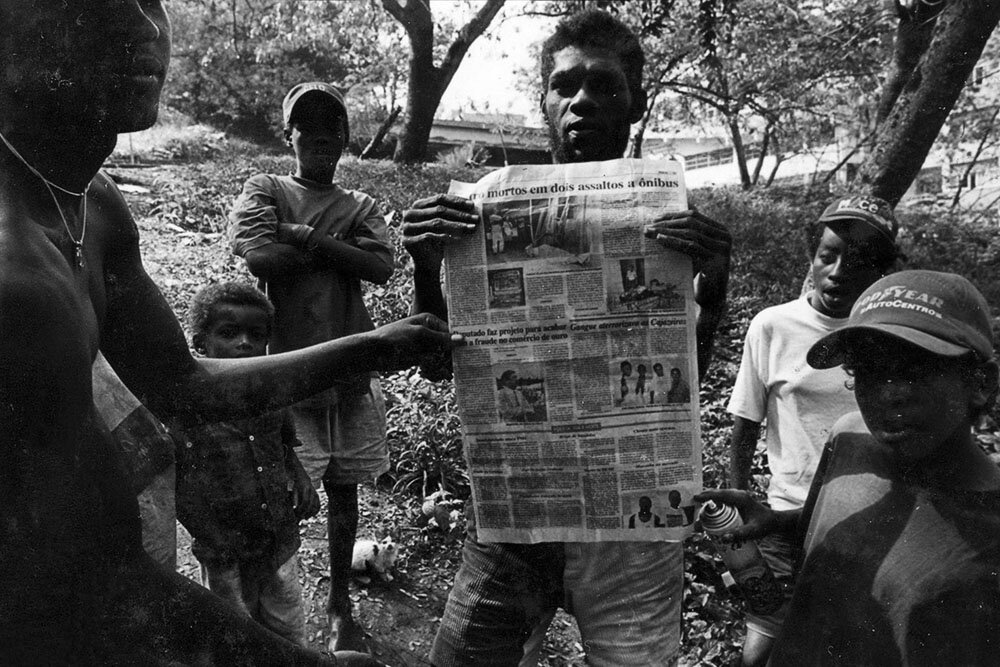
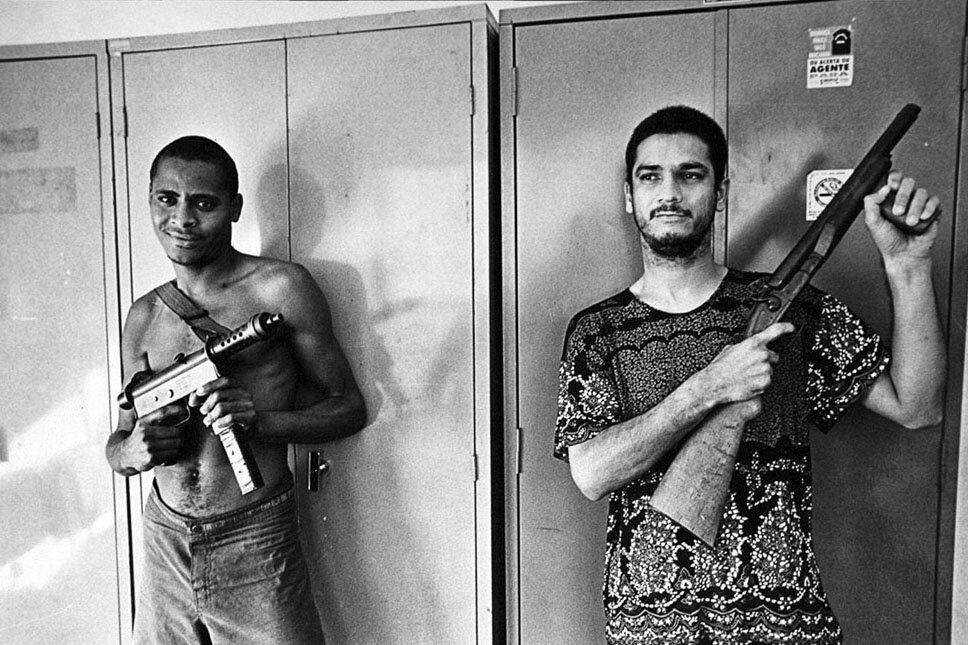
Bus robbers pose with their weapons at a police station in Salvador, Bahia, Brazil. 1996.
Every afternoon, newspaper photographers went to the police stations to photograph the criminals posing with their weapons. They themselves requested it so they could appear in the newspapers and their families would know they were alive. Everyone I spoke to and photographed with their permission said they were proud to have their picture published in the newspapers. Those accused of robberies, murders, or fights came from poor families, favelas, and regions of Bahia.
Photographing that entire process was possible, but it took a lot of preparation and networking, trust, friendships, and encounters with a wide variety of people who gradually opened their doors. The result was a document that remains, as is everything in photography.
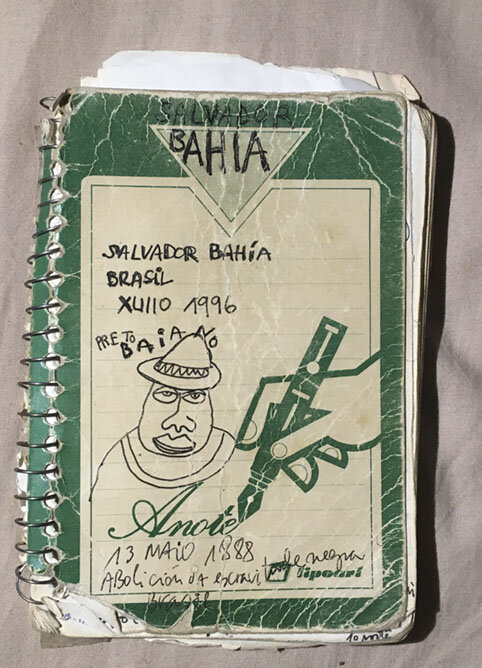
I did the work with Nikon FM2 cameras and Kodak Tri-X black-and-white film, making notes in field notebooks where I recorded names, places, and contacts, as well as my own reactions and thoughts about the day.
In Salvador de Bahia, poverty and crime were inextricably linked.
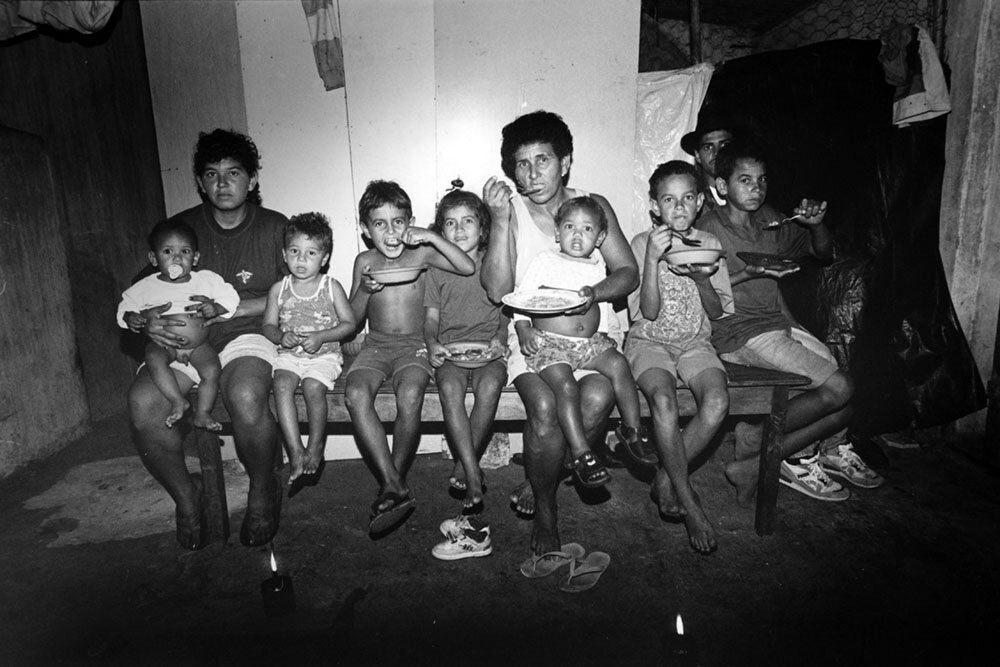
No electricity.
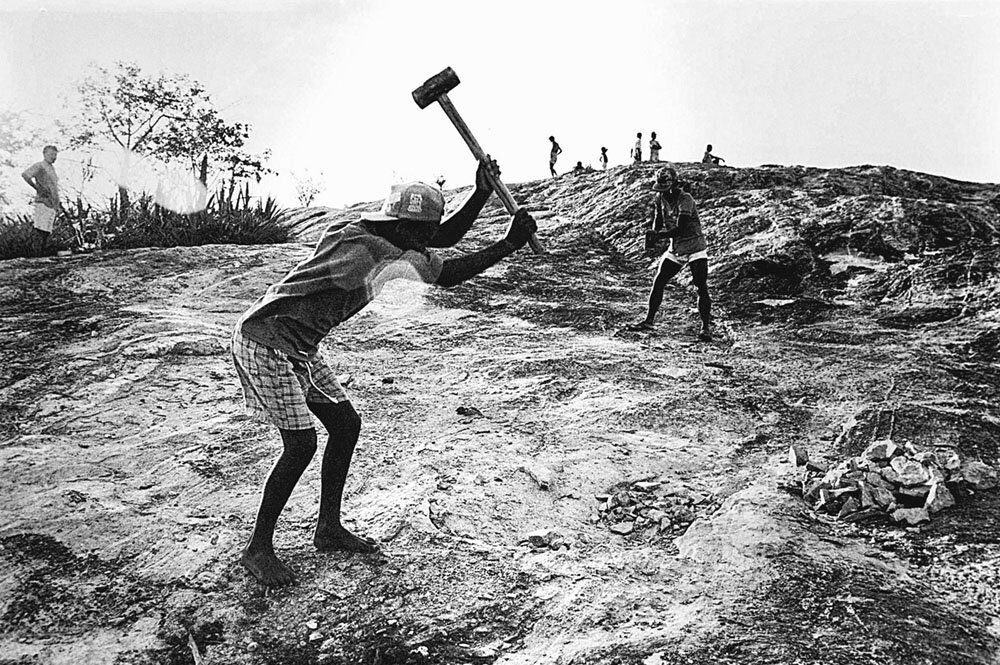
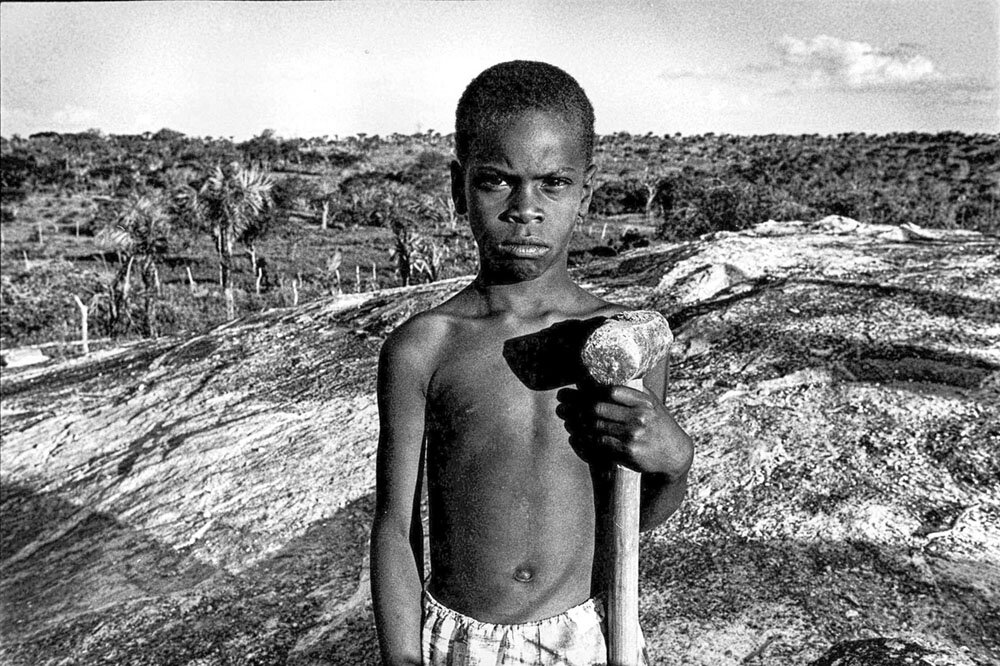
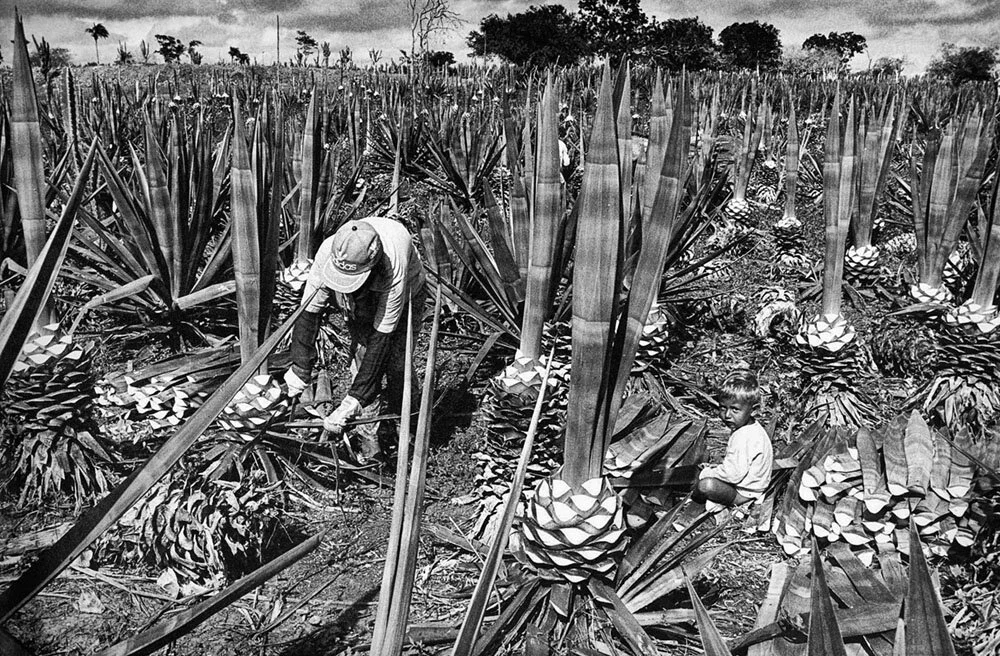
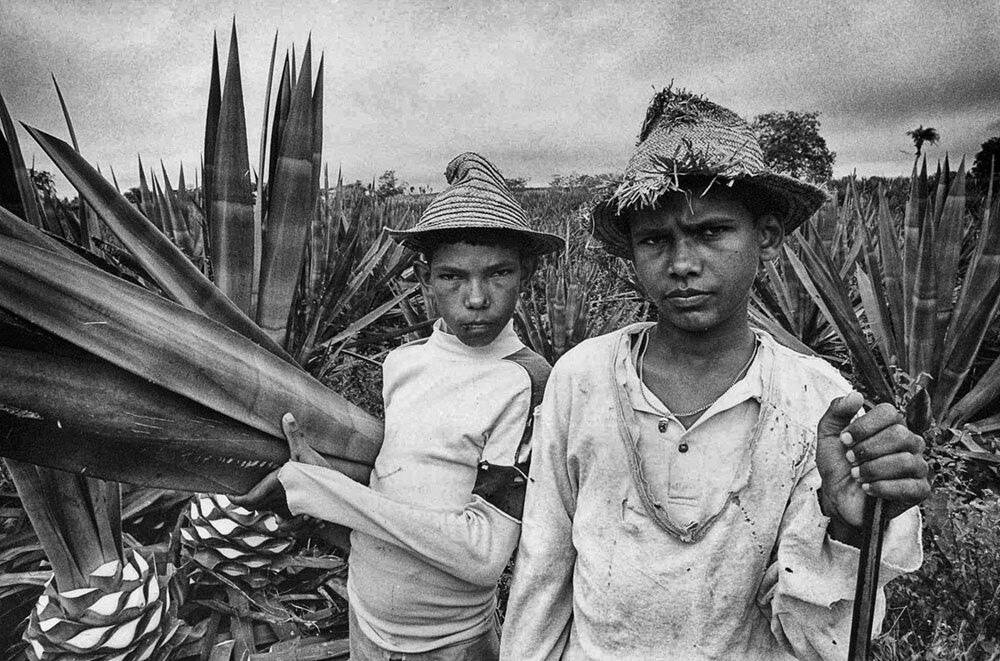
Children who break stones in the sun for road construction work from sunrise to sunset split large rocks and then split the stones into small pieces. This material is used for building roads that are paved with asphalt. They are called the children of the quarries. The wages are as meager as those for sisal, but a family with sons (or even daughters) will be destined for this work.
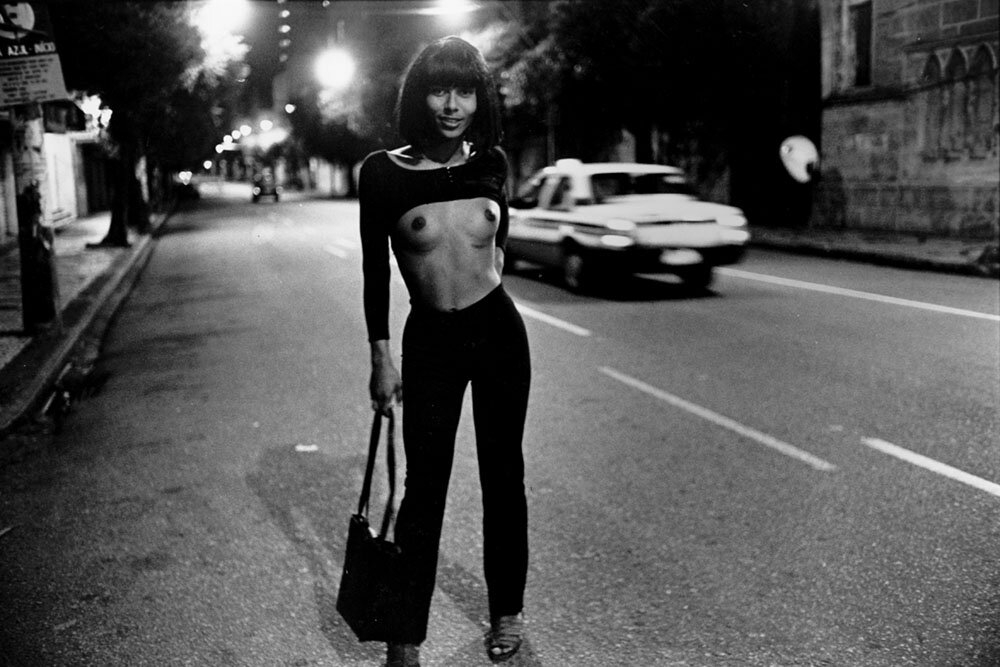
Brothels along the highways of the Bahia state. Mafias use girls, above all, to satisfy clients who want to "bater" (have sex) during their journeys in large trucks along lonely roads. These brothels, which are sometimes nothing more than four boards and a mattress on the floor, enslave and exploit minors with total impunity.
Raids by the judicial police are few and far between, since the distances required to deploy clean police teams are laborious and not economically viable. Truck drivers are the ones who most frequently use these types of brothels, and they are the ones who take the underage girls to the city and hand them over to the mafias. The older women "groom" the girls so they make a good impression on the clients who come on sex tourism vacations.
In one of Salvador's large favelas, a group of girls rescued by an NGO tell me their stories, which I jot down in my field notebook, about how they ended up in prostitution, forced by family members in many cases, or kidnapped. Each life story is horrifying and subhuman, but they are happy to have found a place in secret houses where they are not forced to take drugs or prostitute themselves with men.