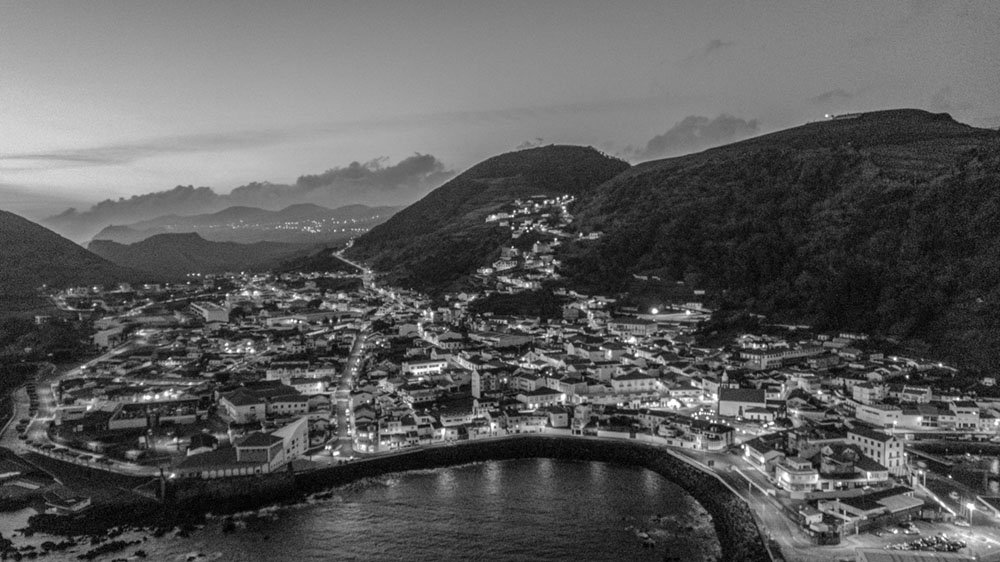
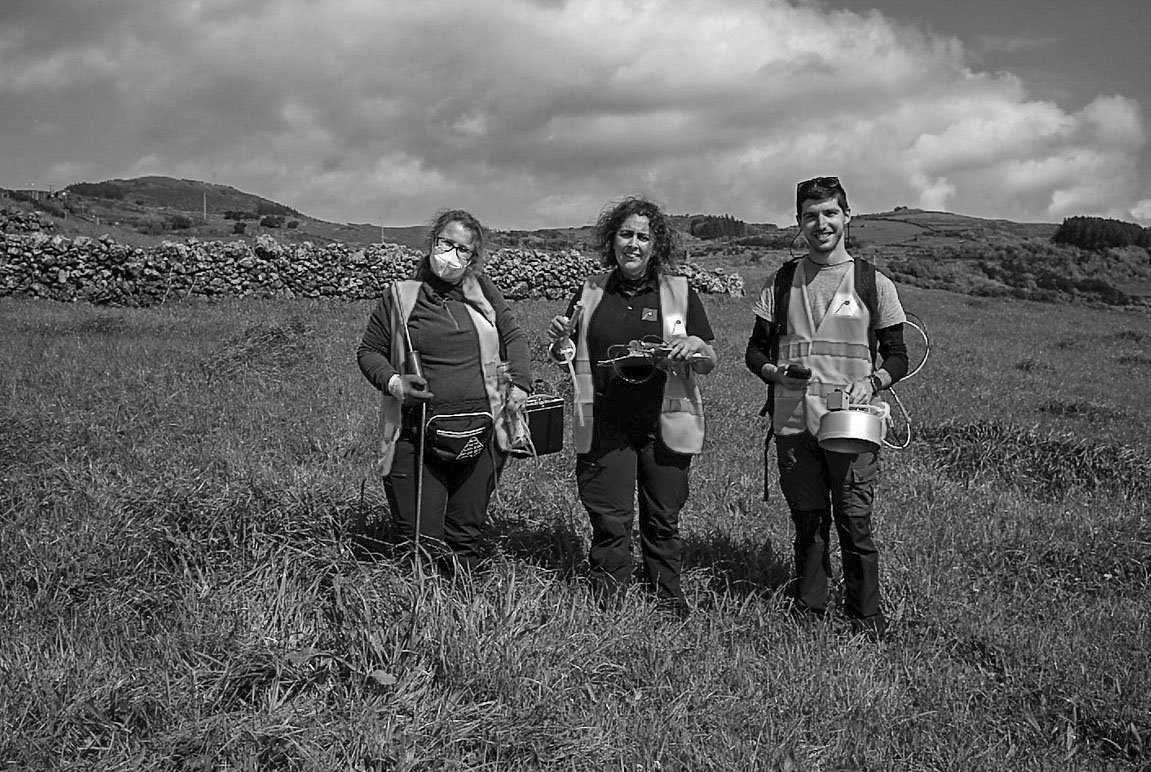
São Jorge. Açores
#Earthquakes
32,000 tremors on the island of the Azores.
Tereixa Constenla/Delmi Alvarez
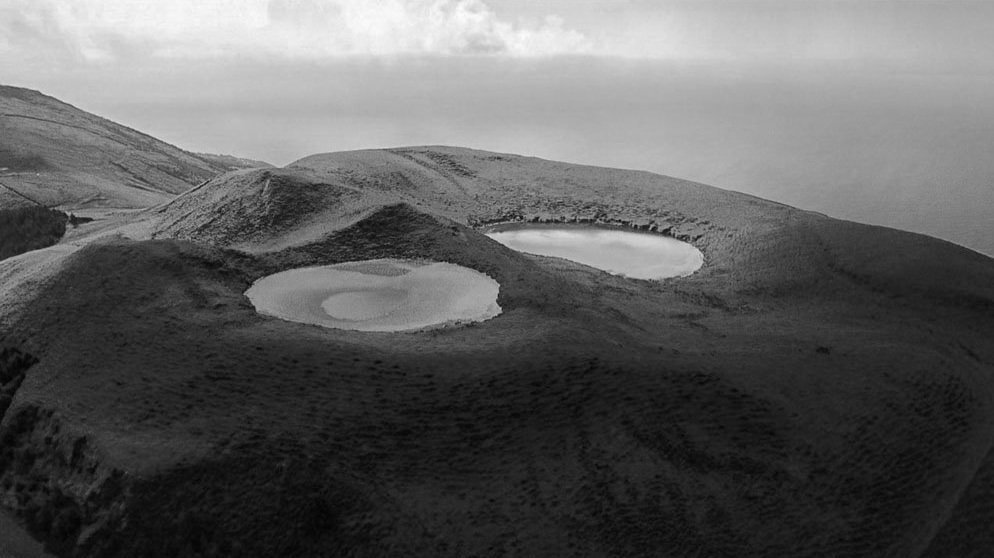
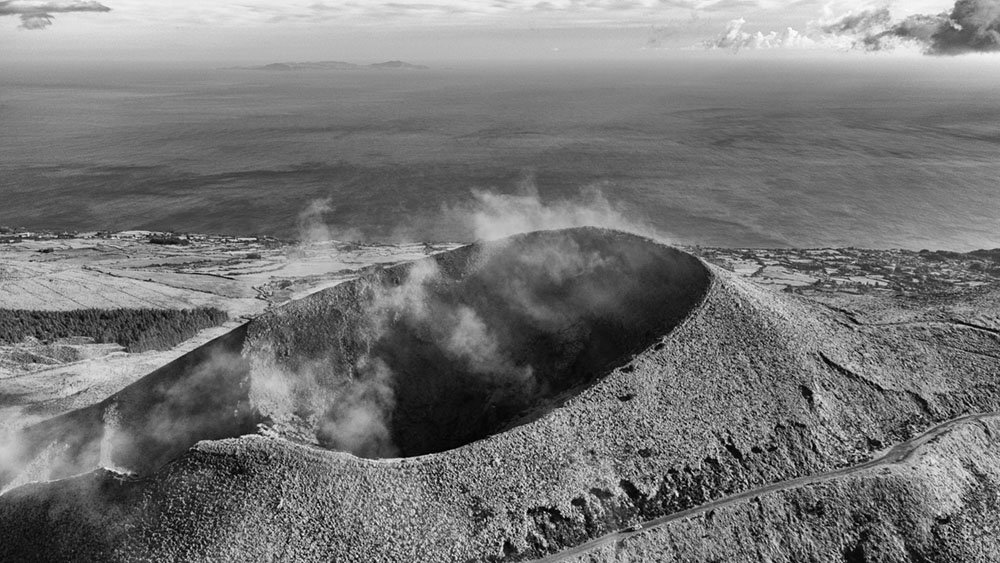
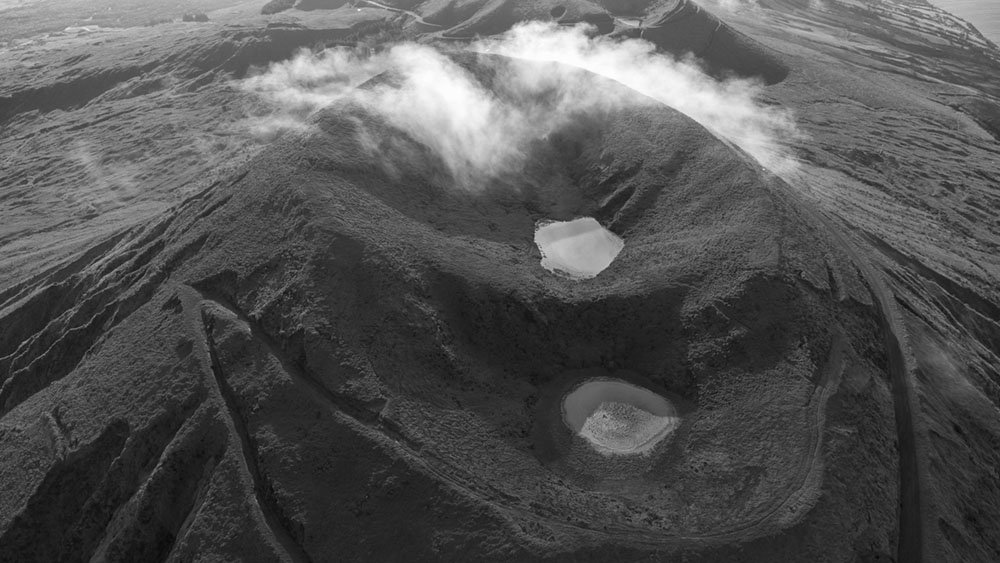
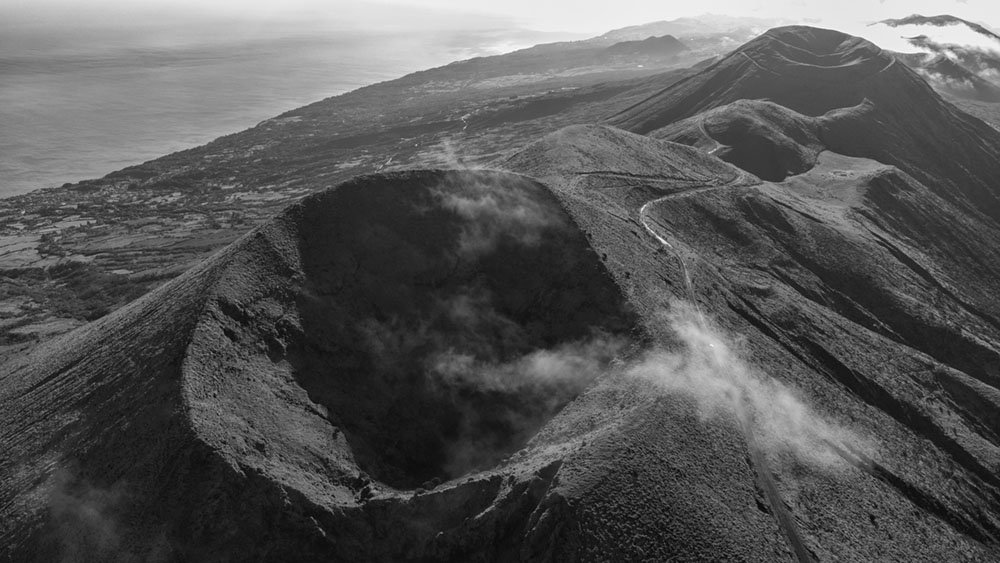
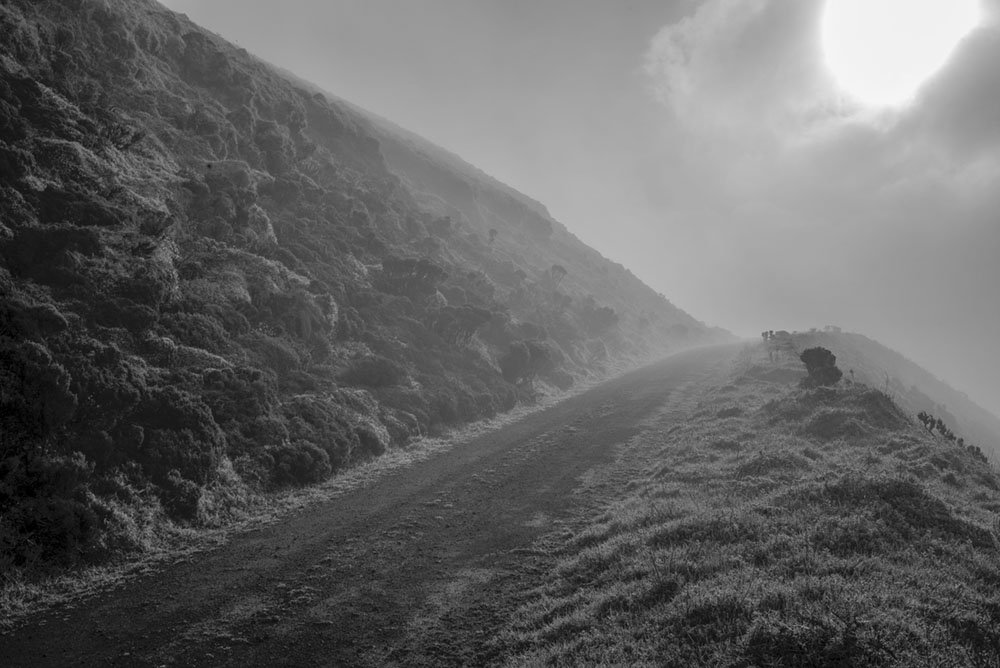
Crater at Pico da Esperança. São Jorge Island, Azores. April 1, 2022 © Delmi Álvarez
Isla de San Jorge (Azores) - 08 MAY 2022 - 05:30 CEST.- After 32,600 earthquakes in two months, the Portuguese island of São Jorge is learning to live with the risk. Residents are returning to Velas, the town most affected by the tremors, which is reliving the events in La Palma. The Azores regional government will again advise against travel to the island, although the alert level remains high due to the threat of eruption.
Since March 19, São Jorge, an Atlantic island located more than 1,600 kilometers from Lisbon, has been experiencing unusual seismic and volcanic activity, with some days registering more than a thousand tremors, although most are imperceptible to residents. The Azores Seismic and Volcanic Monitoring Center (CIVISA), an entity formed by the University of the Azores, the Institute of Volcanology and Risk Assessment, and the regional government to monitor the archipelago's main risks, recorded 267 tremors felt by the population as of Saturday. The largest so far was a magnitude 3.8 and was felt on three of the nine Azorean islands. "People are feeling the earthquakes less now and may have the feeling that the danger has passed, but it hasn't completely passed," explains volcanologist Fátima Viveiros, one of the CIVISA coordinators, who observes the irony of conducting her research on the island where her theoretical knowledge was born. “This is an unprecedented situation for scientists. Everything I’m experiencing has changed the way I teach. "I'm convinced I’ll be a better teacher from now on,” reflects Viveiros, who teaches volcanology and crisis management and response mechanisms at the University of the Azores.
The CIVISA teams measure the seismic and volcanic activity of San Jorge daily at 23 points to forecast eruption risk. The cause of the crisis is unclear, and several scenarios are being considered. San Jorge sits atop an underground crossroads: the zone separating the Eurasian, North American, and African tectonic plates. The area beneath the Earth's crust must be a hive of activity. “We think new magma has entered the system, which sometimes ends in an eruption and sometimes doesn't. The big question is whether the magma entered and caused the episodes or whether the earthquakes opened fissures that allowed the magma to enter,” explains Viveiros. “I compare our work to that of a pediatrician. We look at the patient and analyze their signs, but we don't know why they're in pain. Neither the volcano nor babies can speak,” he adds.
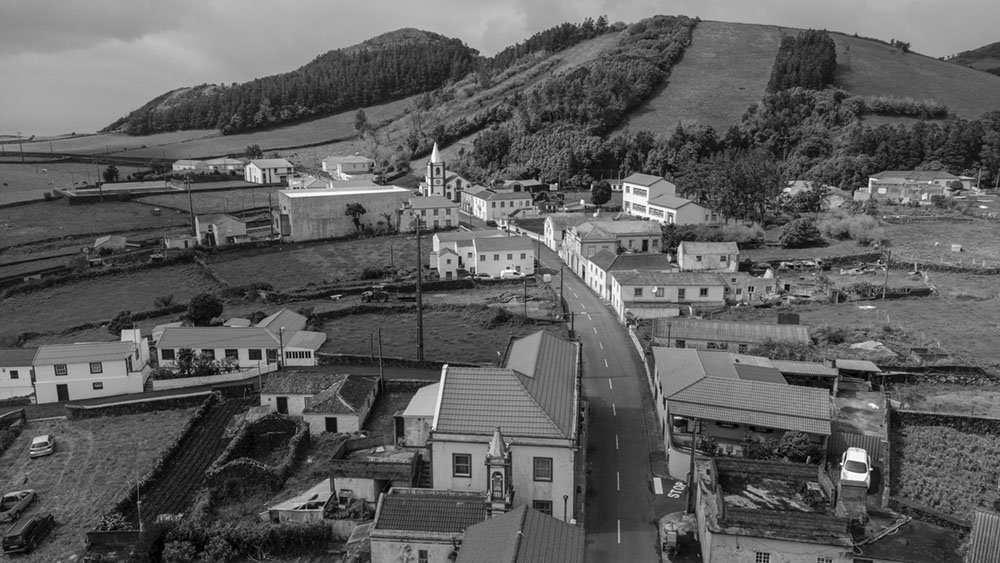
Fear of a volcanic eruption like the one in 1808, which killed 30 people on São Jorge, led half of the 5,000 residents of Velas, in the epicenter zone, to abandon their homes. In March, the regional government recommended against travel to the island, a potential economic catastrophe on the eve of its peak tourist season (May to September). The La Palma syndrome added to the concerns. They are sister islands. They share a history of seismic stress, which in the Spanish island culminated in an eruption, and in the Portuguese island is still an evolving phenomenon with an unpredictable outcome. Both avoid the mass tourism of other destinations and attract hikers and adventure sports enthusiasts. If there is any paradise on earth, it may lie in the Atlantic between La Palma and São Jorge.
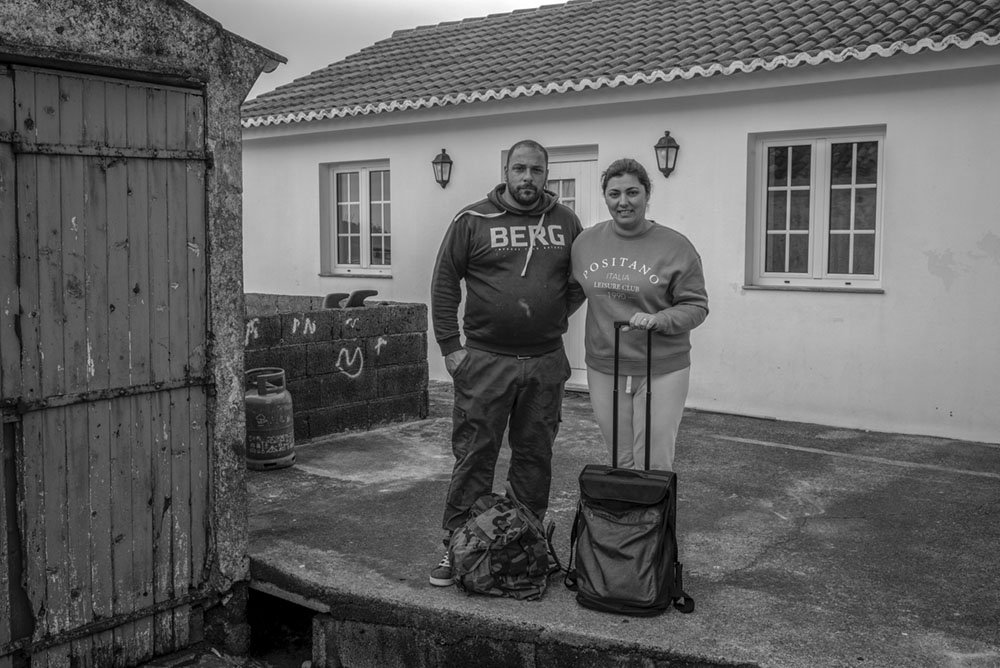
The Azorean Eden is currently at alert level V4 on a scale of six for eruption threat, but the decrease in activity has encouraged the population to return and resume their lives. One of those who left was 82-year-old Honorato Bettancourt Ávila, forced out by his daughters, who, like much of the population, had emigrated to the United States. “I left for three weeks. I didn't want to, but my daughter was screaming as if someone had died. There comes a point when people just can't control themselves anymore,” he remarks wryly while chatting with other friends in the garden of Republic Square in Velas. “Everyone compares it to La Palma. I think Civil Protection has done a good job. My wife and I have our bags packed and ready to leave at any moment,” says João Manuel Oliveira Melo, another of the retirees in the garden and a relative of João Ignacio Sousa Oliveira, the great benefactor of São Jorge, who emigrated to escape poverty and became a multimillionaire thanks to oil.
This Wednesday, Bettancourt also relived the experience of 1964, when an earthquake struck and erupted at sea (or so the scientific suspicion suggests). “I was sowing wheat when I felt it; some walls collapsed and the roof tilted. We were evacuated to Calheta [the island's second-largest town] for two weeks. It was a godsend because the houses were weak, and yet there was only one victim, who didn't even die from the earthquake,” he recalls.
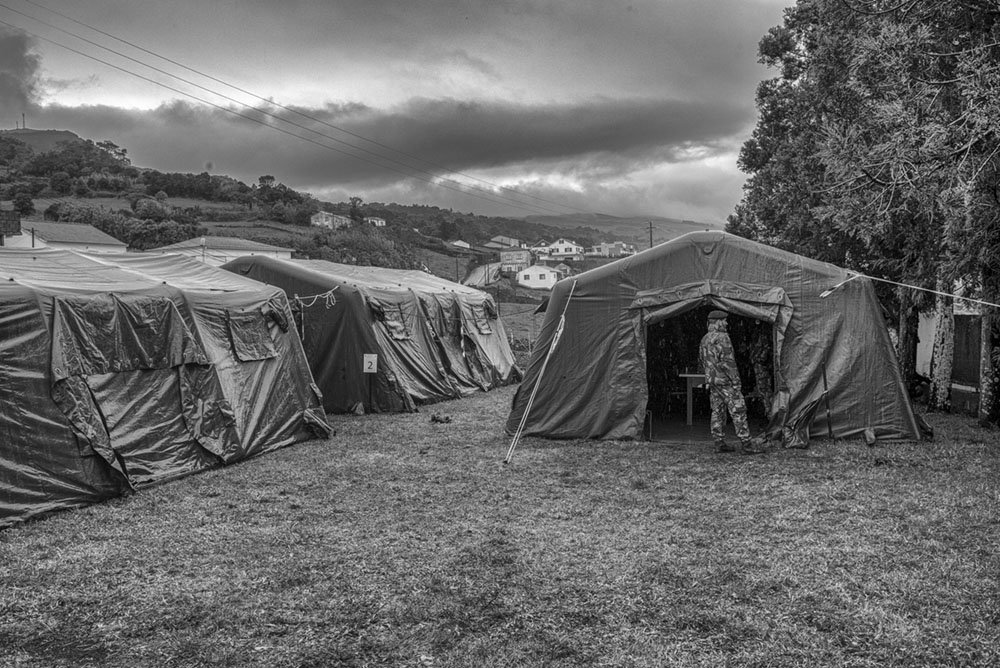
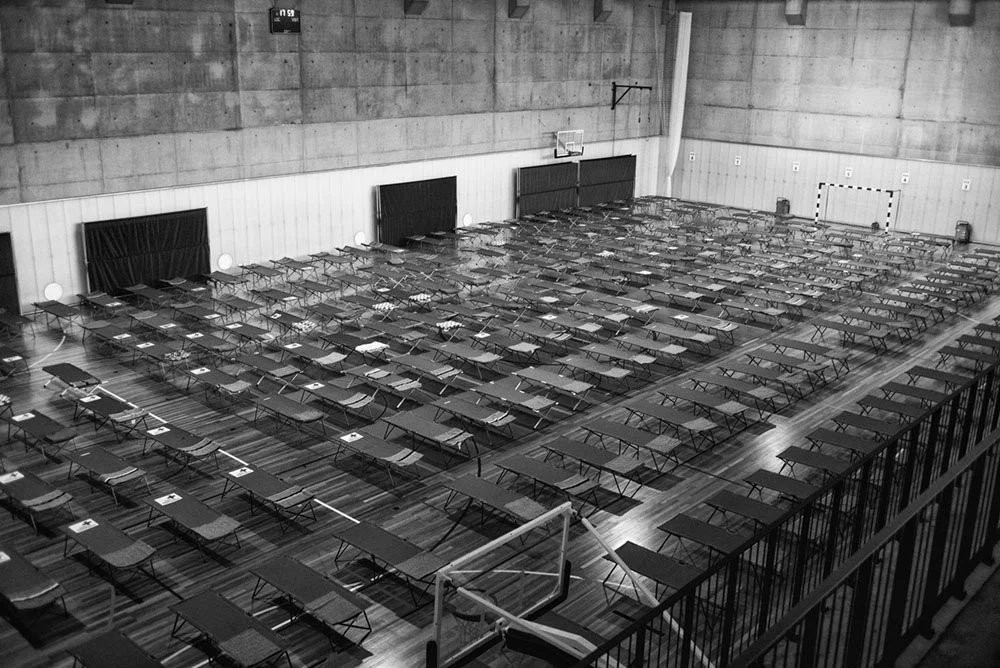
One cannot live in an evacuation indefinitely, anticipating what might happen. Because nothing serious might occur. Following the residents, the first hikers have begun to arrive. “Our situation is very different from the beginning, when we had 4,000 earthquakes and there was nobody here. Now we have people ready to act and a calmer situation,” says Eduardo Faria, the president of Civil Protection in the Azores, who set up camp in Calheta to direct the entire emergency operation. The island currently has 1,400 beds distributed among gyms, community centers, and religious brotherhoods to receive evacuees. Military personnel, medical staff, and vehicles have been deployed.
Military tents for the soldiers sent to São Jorge to respond to an eruption or earthquake in the town of Calheta.
Faria, a Portuguese Air Force pilot for 40 years, has designed an evacuation plan for all possible scenarios, including the possibility of the airport being disabled or roads between the main towns on São Jorge being cut off. “We have mobilized the Navy vessel and coordinated with maritime companies and private individuals who own boats. We have inventoried all the ports and harbors on São Jorge to determine what types of vessels can dock if we need a maritime evacuation,” Faria explains at the Calheta fire station. He tries to send a balanced message: “People shouldn’t relax because of the low number of cases, nor should they be alarmed by exaggerated opinions.” The population will receive the evacuation order via SMS, social media, the press, and also through fire engine sirens and church bells, which have been used since the crisis began. Silenced and will only be used to signal danger.
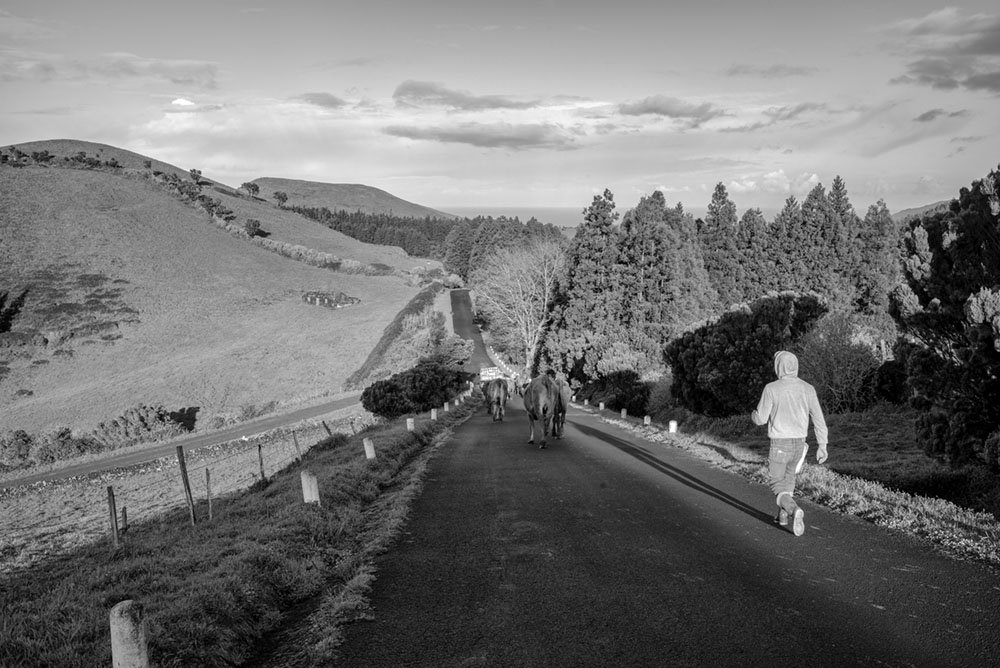
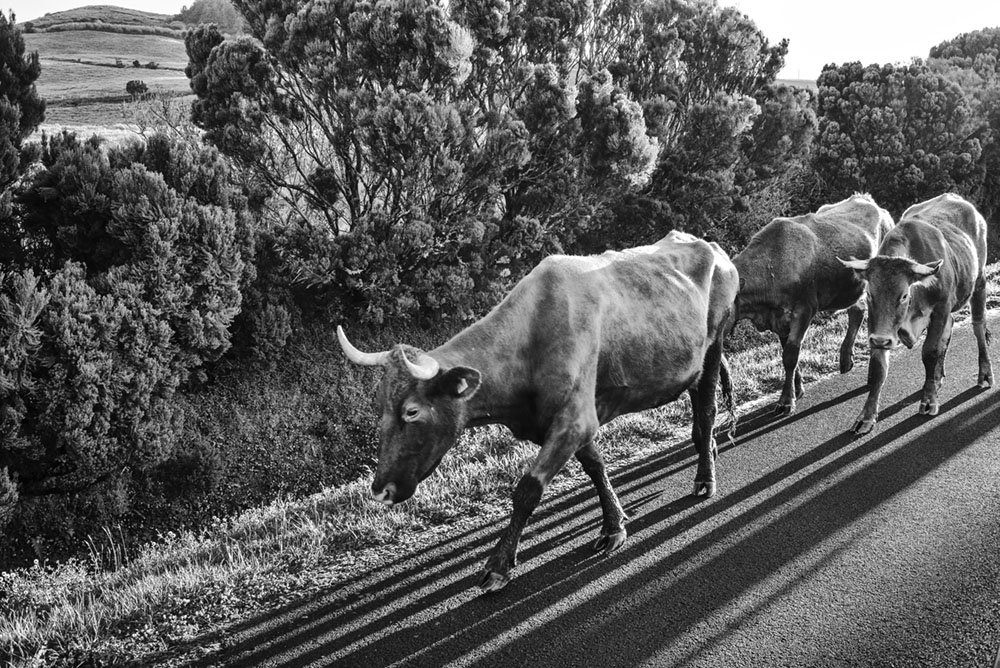
It remains to be seen what João Silveira, a cheese producer who lives in Santo Amaro, in the affected area, will do. “I’m apprehensive because it’s something in nature that you can’t foresee. My family is Catholic, and as my mother says, I put myself in God’s hands, but we can’t leave because we have dairy cows that need to be milked twice a day to avoid getting sick.” The family factory, opened 40 years ago, produces around 5,000 cheeses a year, one of the hallmarks of São Jorge. After demonstrating the entire artisanal production process, Silveira recalls that his animals were frightened during a previous earthquake and that they haven’t changed their behavior this time. “For me, there was an excess of information, and people were scared for no apparent reason,” he says.
Eleuterio Suárez, a tourism entrepreneur who manages a 24-room hotel, is also critical of the declared alert level, which has emptied his farm. João Silveira's cows may not have been stressed, but the tourists certainly were. These complaints seem to be echoed by volcanologist Viveiros: "It's part of crisis management that scientists might lose some credibility in these very prolonged crisis situations." São Jorge's economy depends on cheese and tourism. "A month ago we didn't feel at ease, but now we believe it's safe to come with the entire operation in place so that residents and tourists know what to do," explains Luís Silveira, president of the Velas Municipal Council, at the institution's headquarters. Each visitor can register on a Civil Protection app that will allow their exact location to be known so they can be evacuated in case of an eruption or earthquake. The regional government is expected to recommend travel to São Jorge again soon. The island has prepared for the worst, but continues to offer its best.
Human settlements on volcanic lava flows
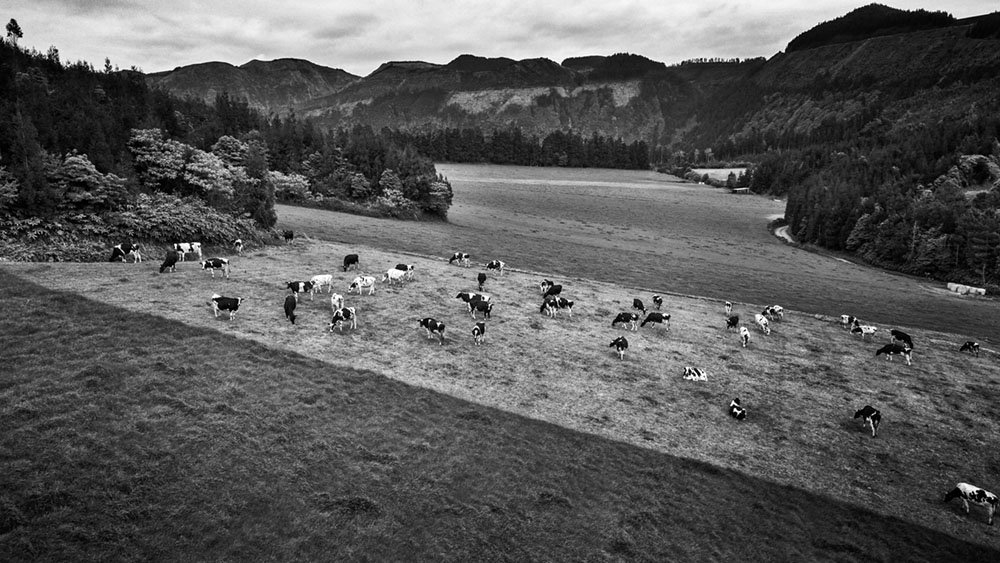
It is one of the nine islands that make up the Azores archipelago in the middle of the Atlantic, and since March 19, 2022, it has experienced more than 28,150 low-intensity earthquakes and 240 that were felt by the population. This unusual number of earthquakes has caused more than 2,500 people to flee the towns of Velas and Santo Amaro for Calheta, Topo, and the island of Pico, where approximately 8,300 people live and where agriculture forms the basis of the economy, alongside tourism. The 10,000 head of cattle grazing on the island produce milk and meat and are the source of the island’s own exquisite cheese. Whales and dolphins pass through the São Jorge Channel between Pico Island and can be spotted between May and the summer months, providing a tourist attraction and a small contribution to the local economy.
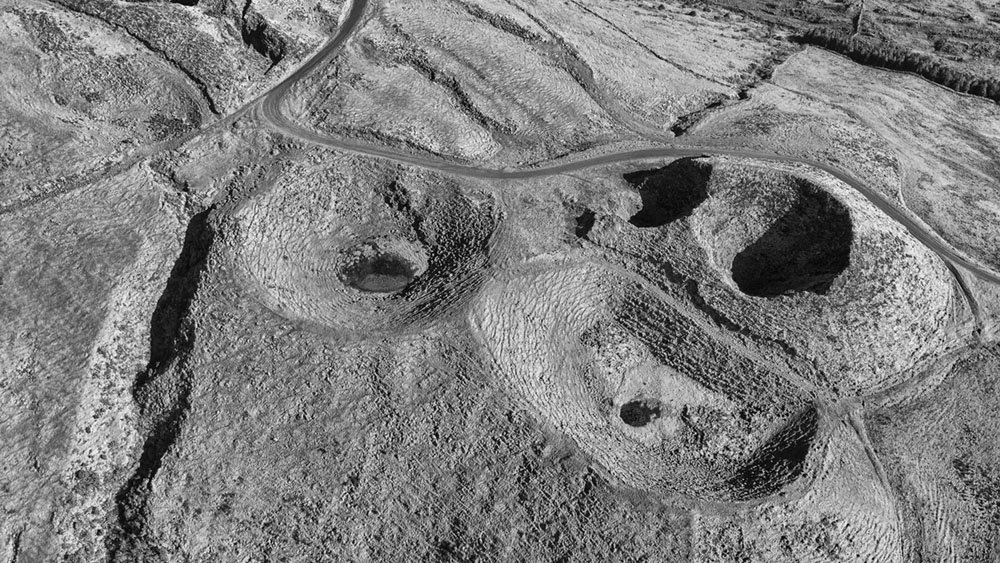
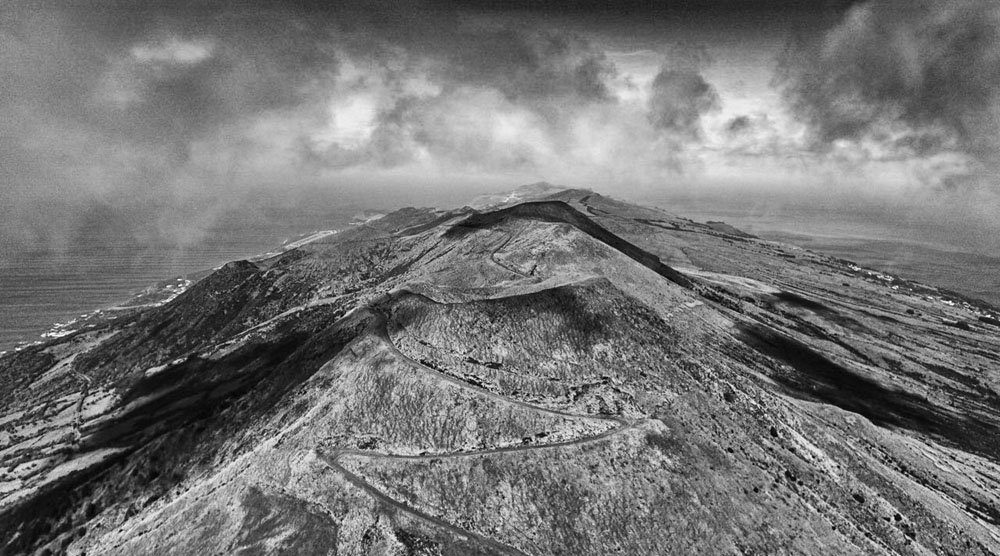
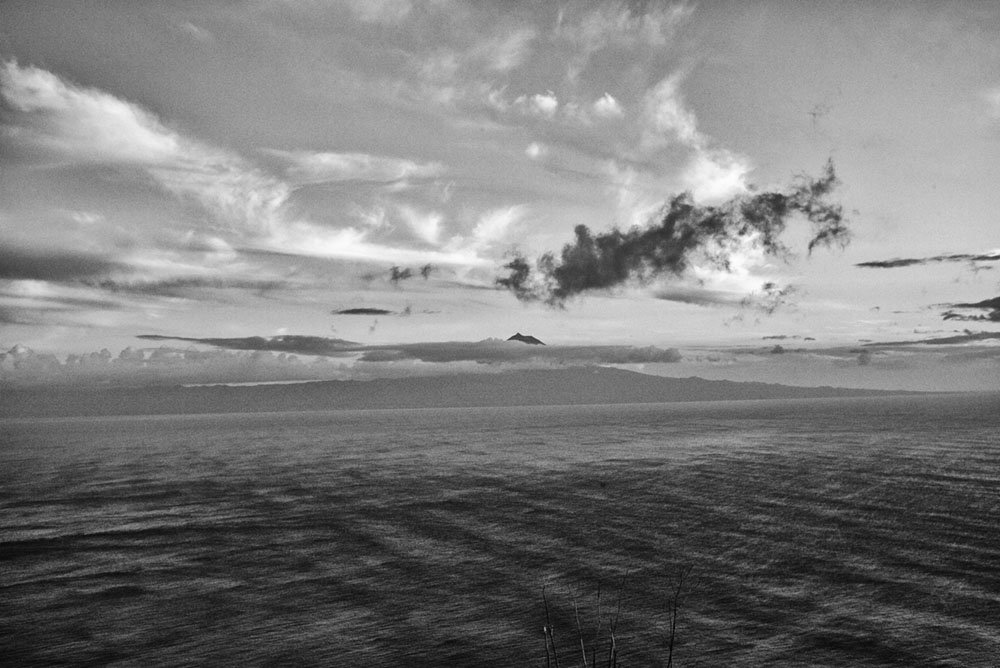
As on the island of La Palma, human settlements were established on top of volcanic lava from previous eruptions. The island is green and unique among the Azores and is traversed by a mountain range that reaches a maximum height of 1,053 meters at Pico da Esperança. São Jorge is characterized by its long, narrow shape and its susceptibility to oceanic erosion. The island was formed by fissure volcanism associated with the plate tectonics of the Mid-Atlantic Ridge and a transform fault extending from the ridge to the island of São Miguel (known as the São Jorge Fault). Through successive fissure eruptions, the island was formed
Assentamentos humanos sobre fluxos de lava vulcânica
É uma das nove ilhas que compõem o arquipélago dos Açores em meados do Atlântico e desde 19 de Março de 2022 teve mais de 28.150 terramotos de baixa intensidade e 240 sentidos pela população. Este número de sismos invulgares provocou a fuga de mais de 2.500 pessoas das cidades de Velas e Santo Amaro para a Calheta, Topo e a ilha do Pico, onde vivem cerca de 8.300 habitantes e onde a agricultura é a base da economia, juntamente com o turismo. As 10.000 cabeças de gado que pastam na ilha produzem leite e carne e dão forma ao próprio queijo requintado da ilha. Baleias e golfinhos passam através do Canal de São Jorge entre a ilha do Pico e podem ser avistados entre Maio e os meses de Verão, proporcionando uma atracção turística e uma pequena contribuição para a economia local.
Tal como na ilha de La Palma, foram criados assentamentos humanos em cima de lava vulcânica de erupções anteriores. A ilha é verde e única entre os Açores e é atravessada por uma cadeia de montanhas que atinge uma altura máxima de 1.053 metros no Pico da Esperança. São Jorge caracteriza-se pela sua forma longa e fina e pela sua susceptibilidade à erosão oceânica. A ilha foi construída sobre vulcanismo fissural associado à tectónica de placas da Crista do Médio-Atlântico e a uma falha de transformação que se estende desde a crista até à ilha de São Miguel (conhecida como a falha de São Jorge). Através de sucessivas erupções fissurais, a ilha foi construída: os únicos restos destas forças são a linha de cones vulcânicos que se estendem ao longo do cume central (aproximadamente 700 metros de altura).
Civisa, o organismo científico responsável pela monitorização sísmica, adverte que a sismicidade é invulgar e aconselha a manter a calma e continuar com a emergência.
Este projecto está associado ao Anthropogenic, a acção do homem no planeta.
Abril 2022
Traduzido com a versão gratuita do tradutor - www.DeepL.com/Translator