THE PORTFOLIO
At least for me, it's difficult. My self-criticism is so radical that I would only include a few images after all these years of photographing and traveling. That's why I always give three friends the unforgiving eye to decide what I include and what I don't. Someone might wonder how it's possible that a photographer would let us edit their own work, but the answer is: I don't think I'm the only one.
At least, of the photographers I know, several prefer that their friends do the editing.
You can't get attached to an image.
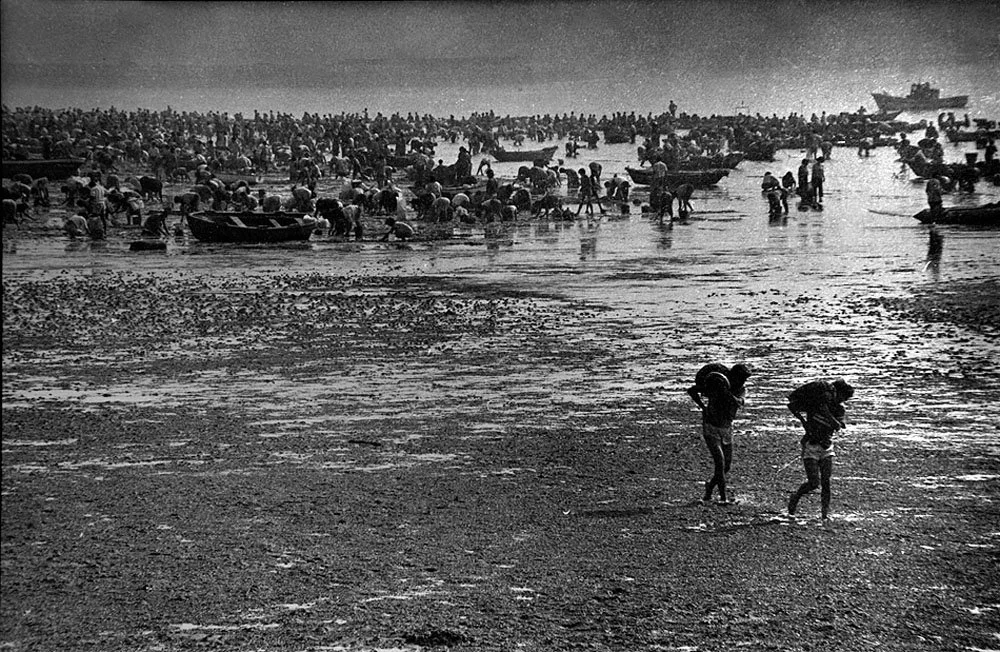
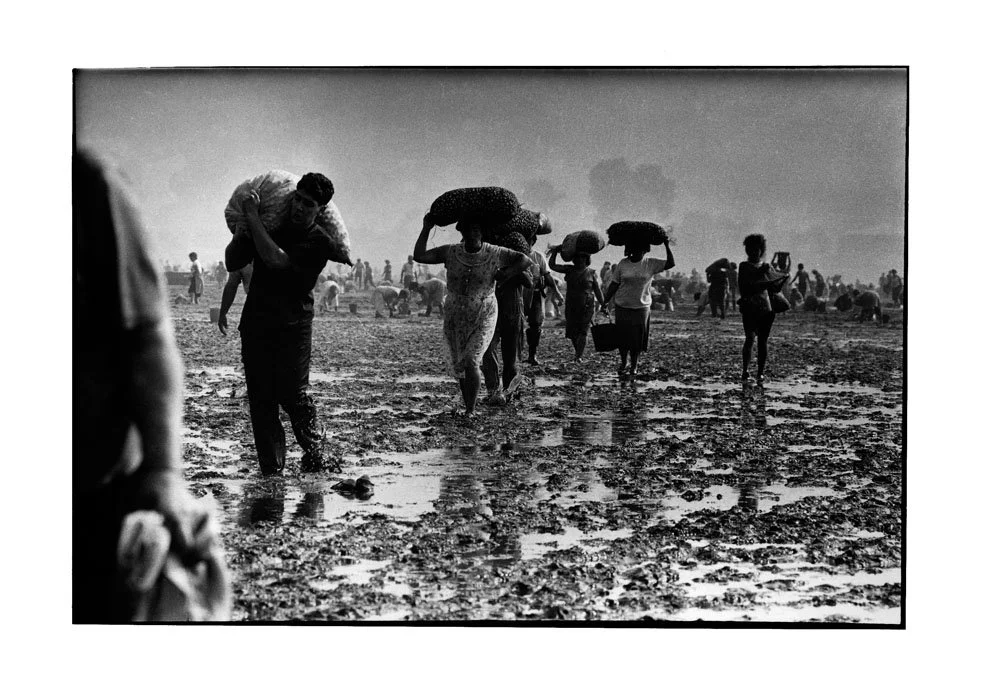
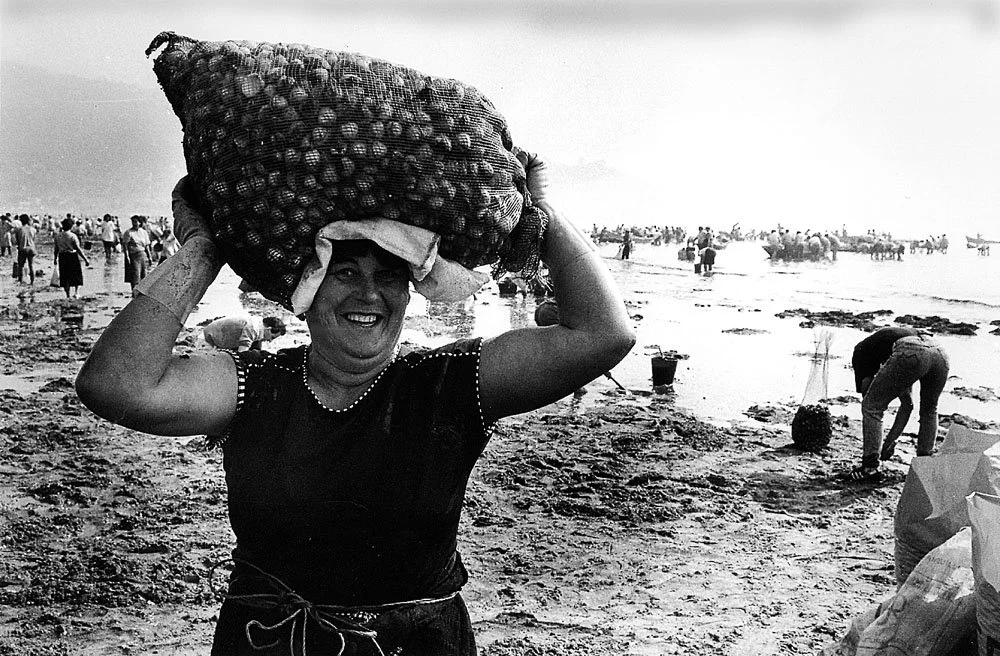
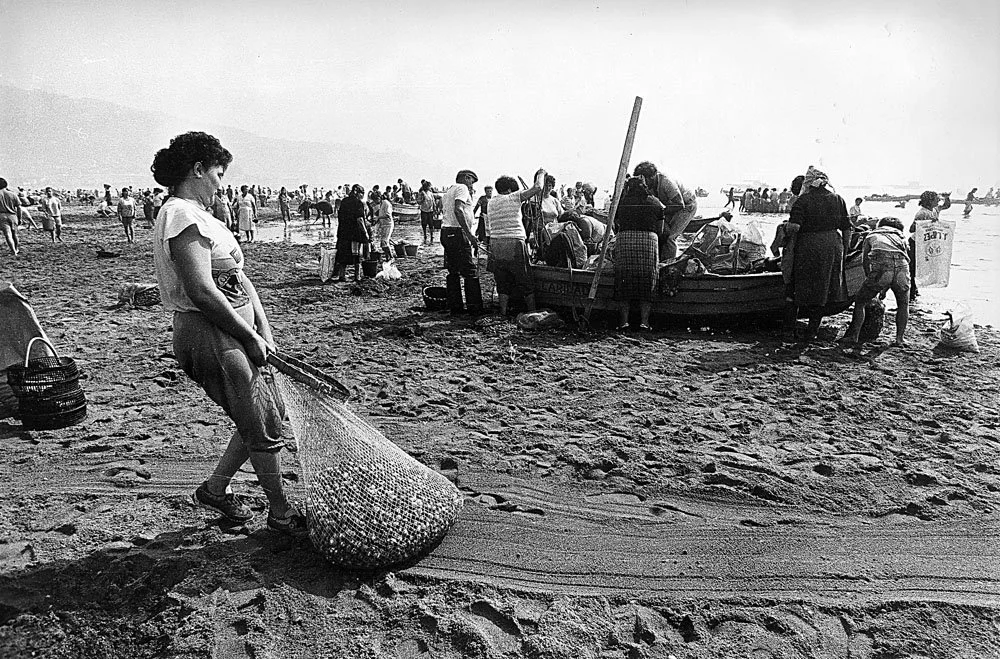
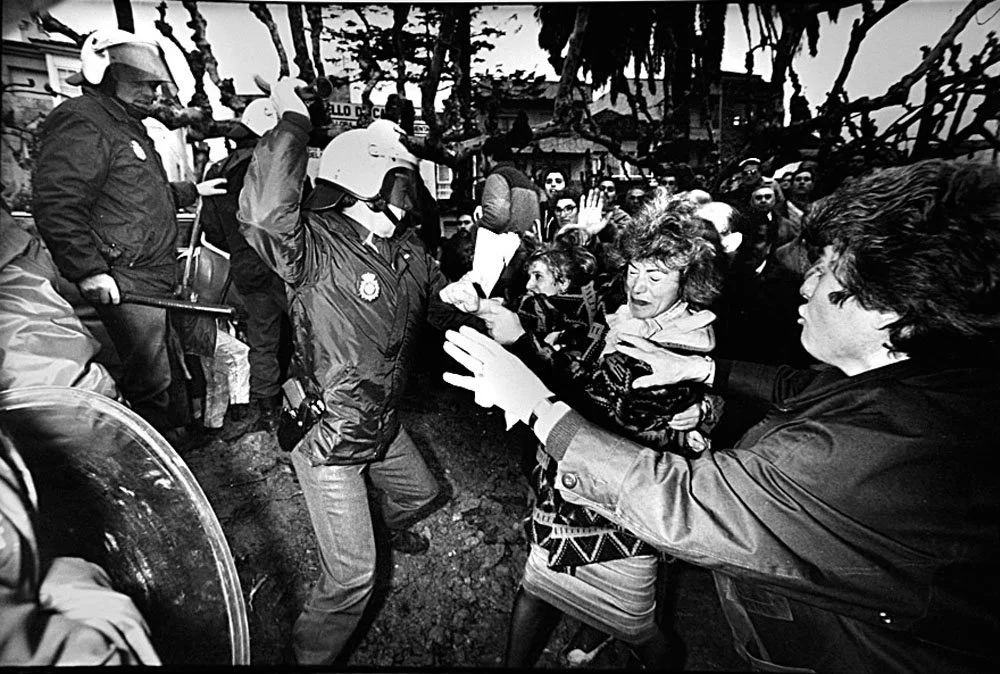
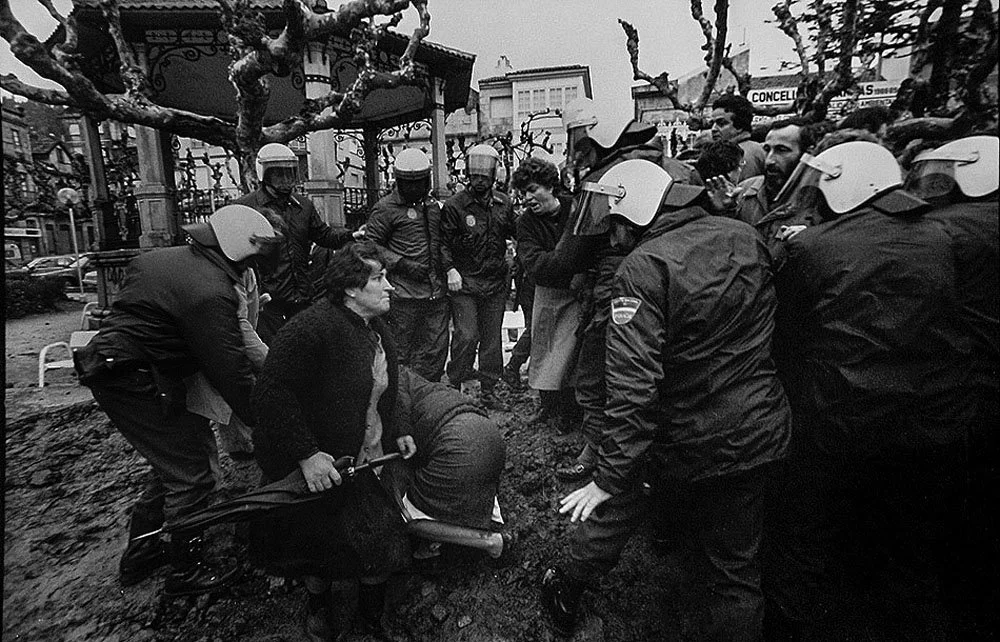
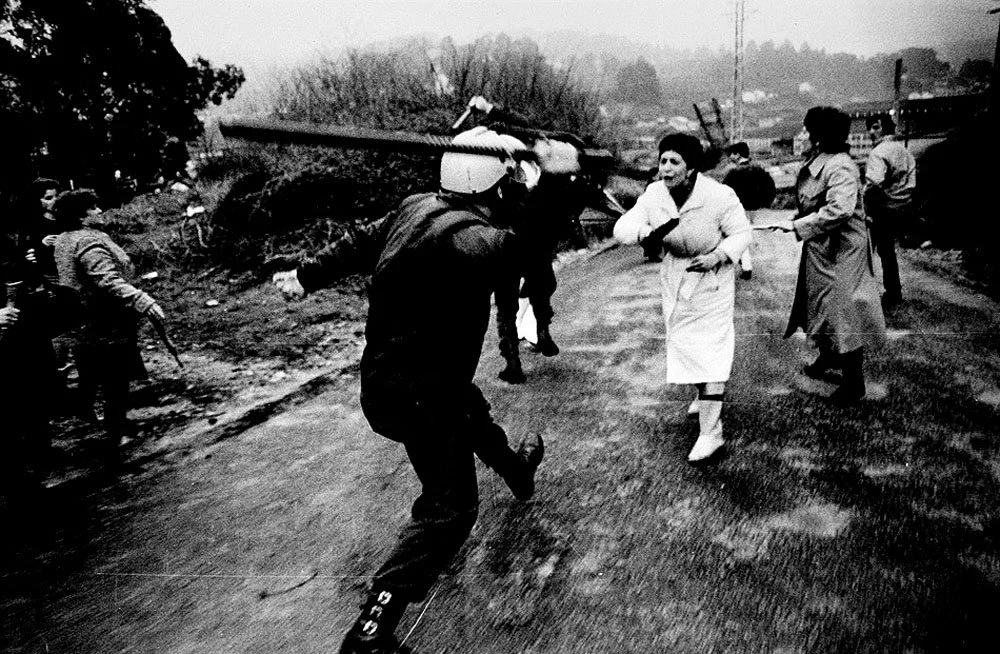
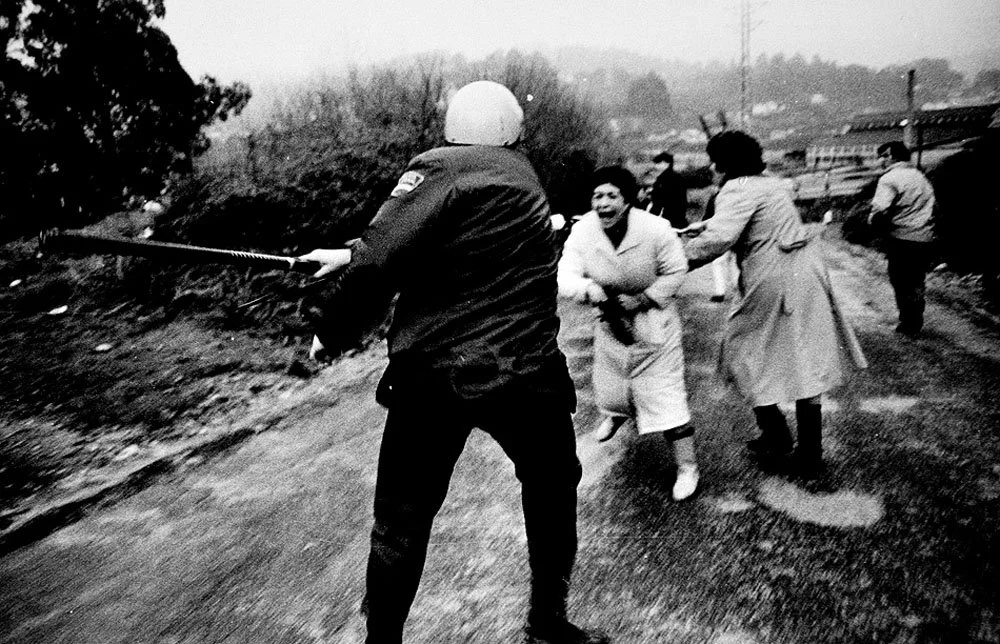
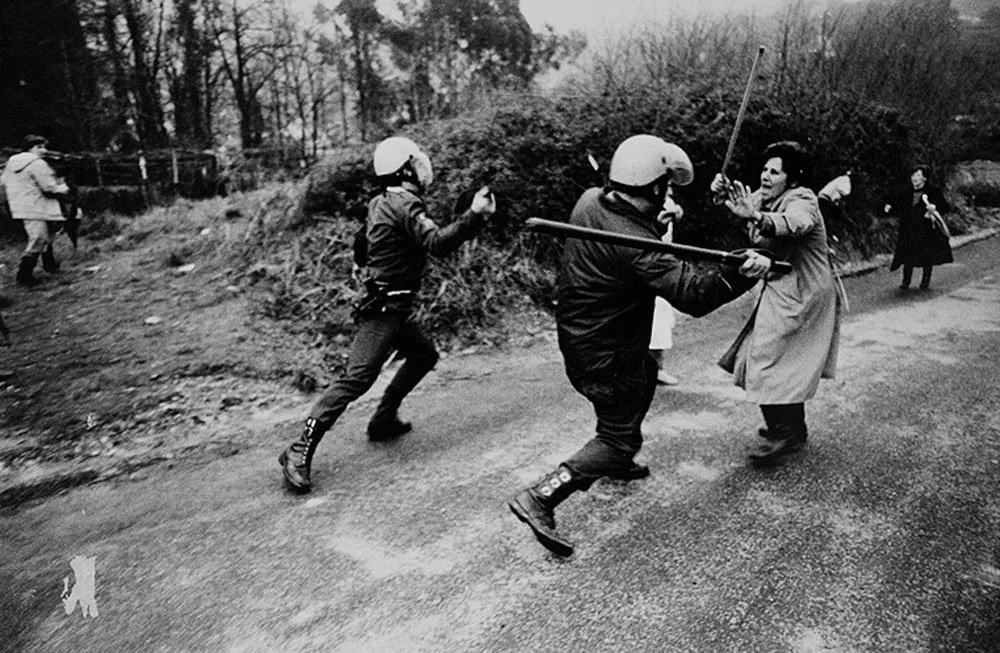
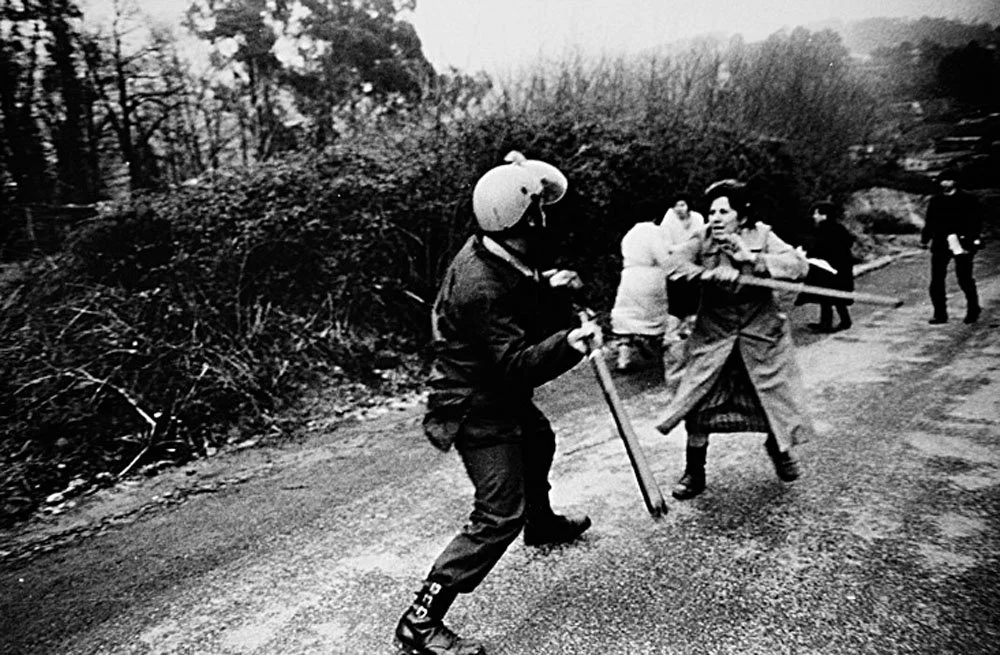
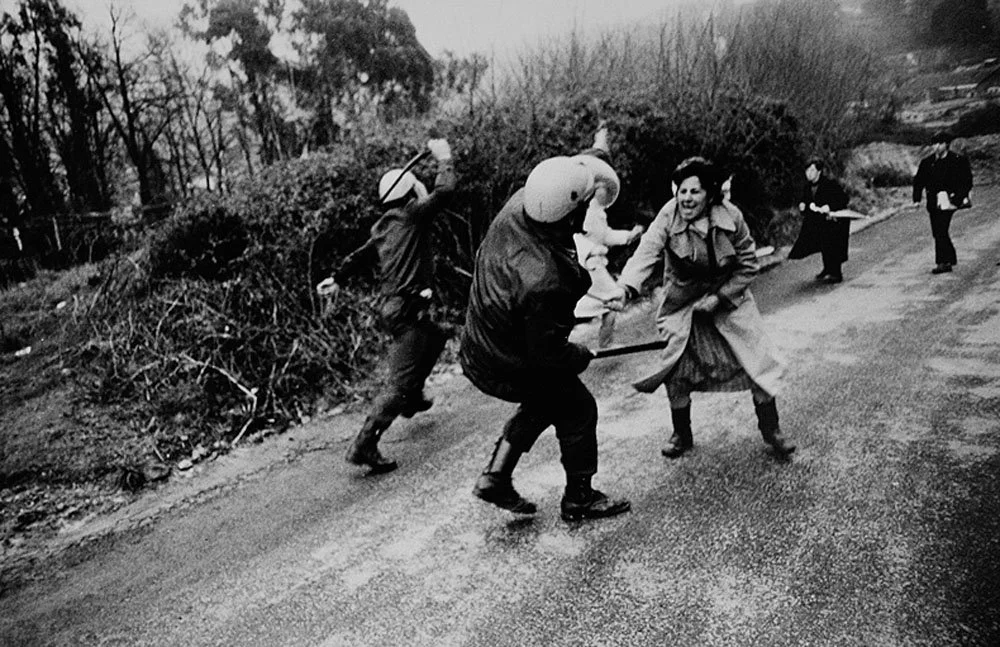
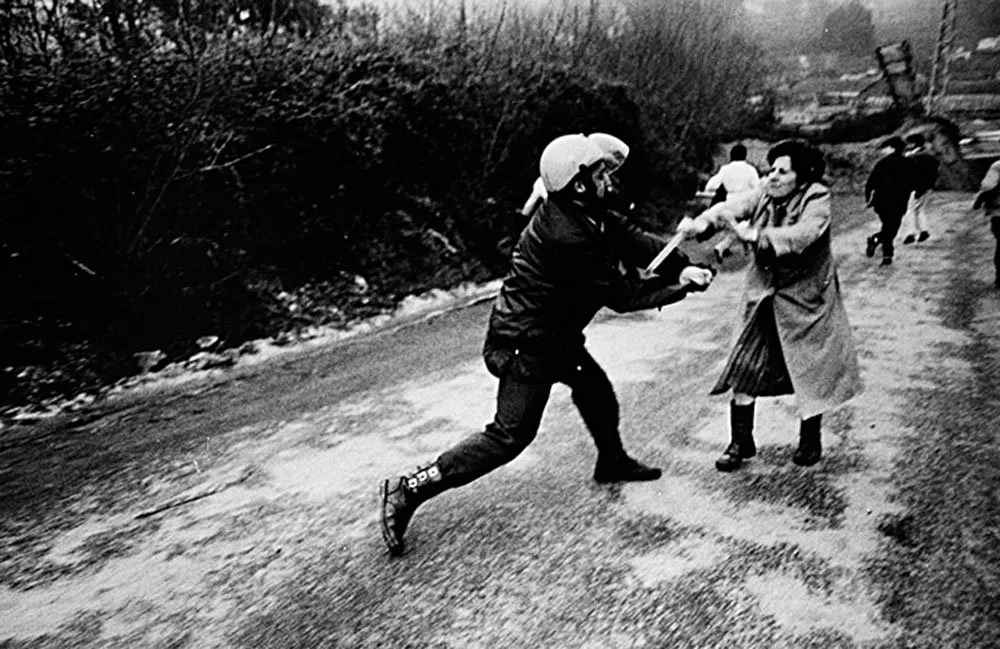
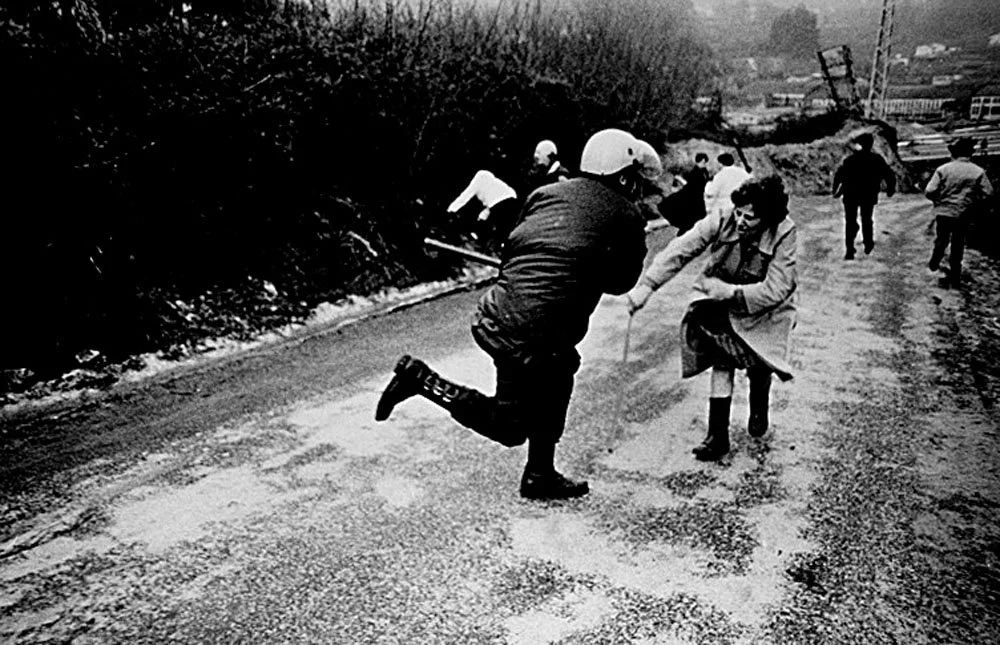
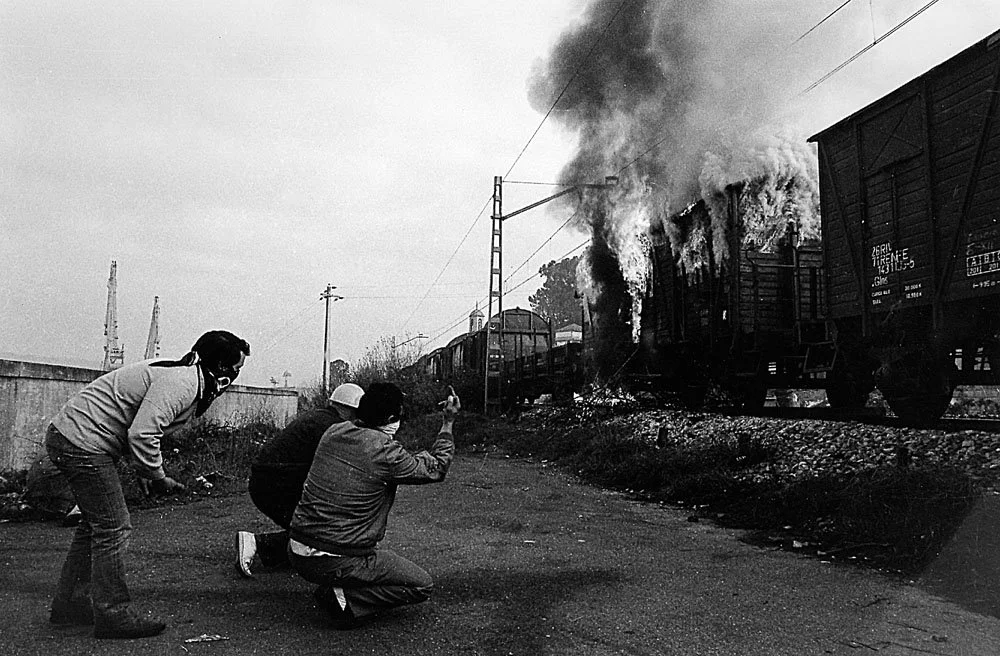
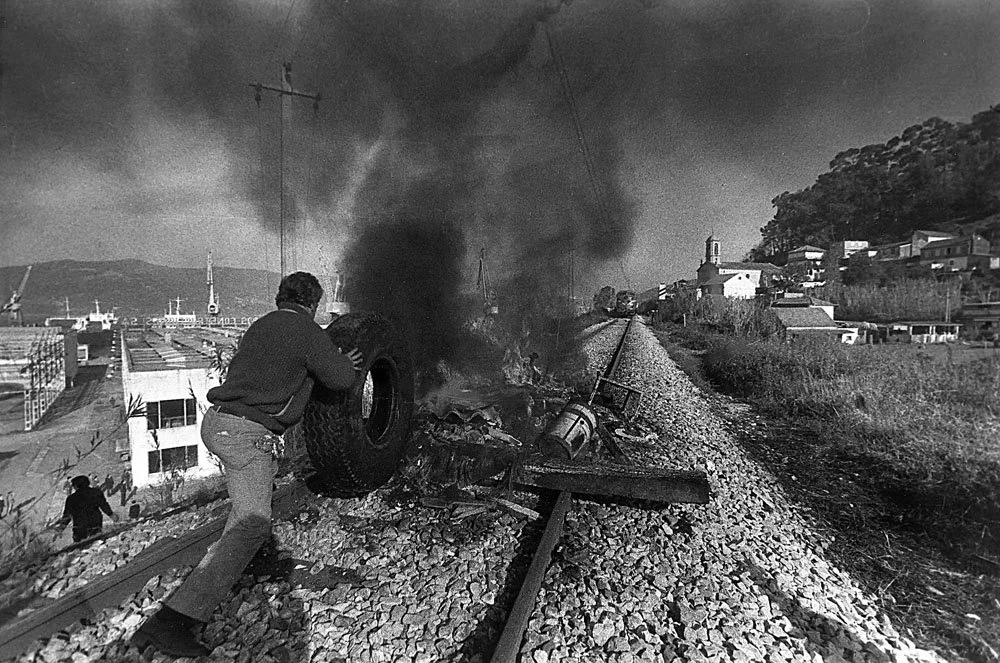
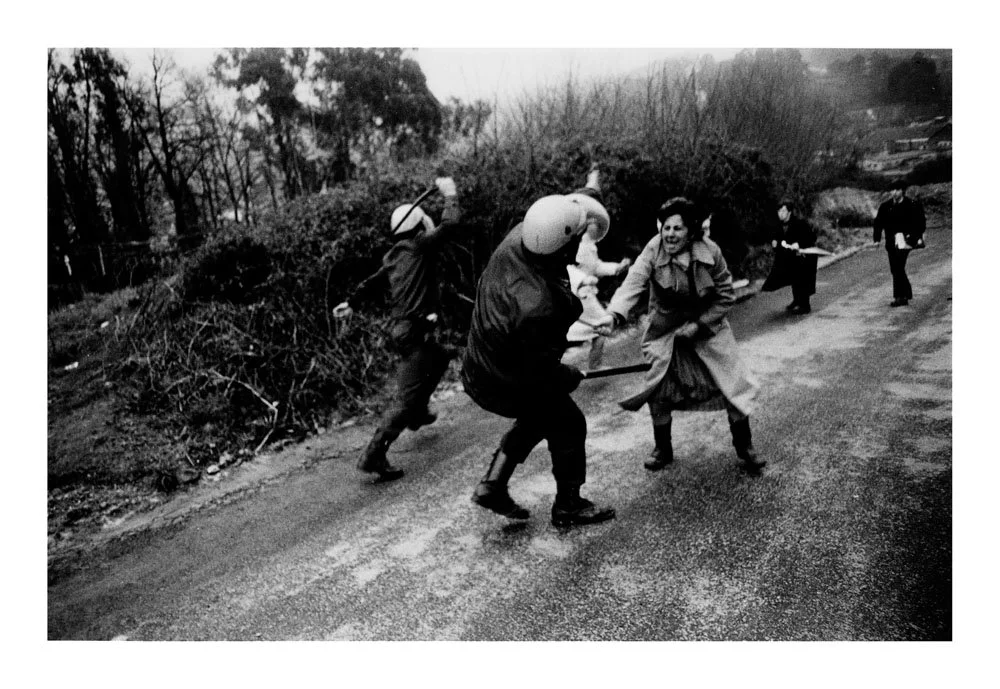
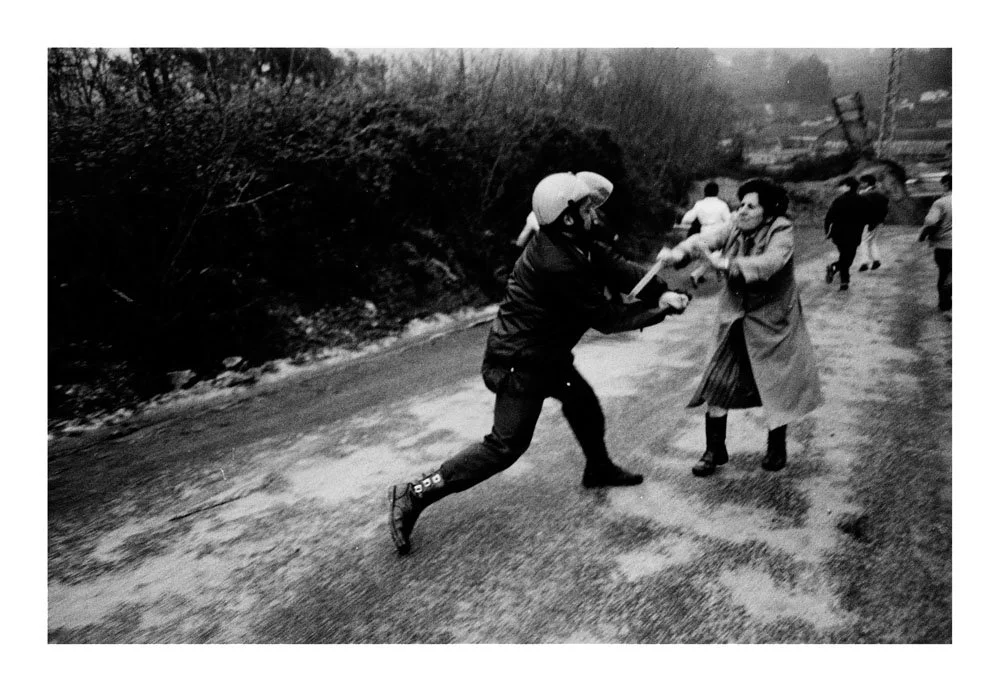
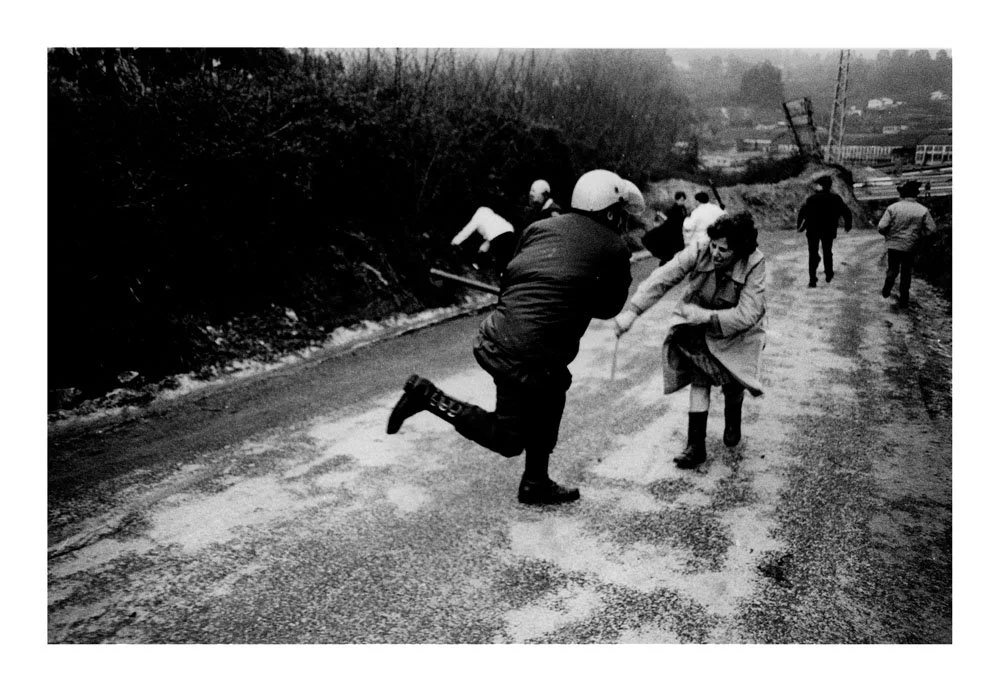
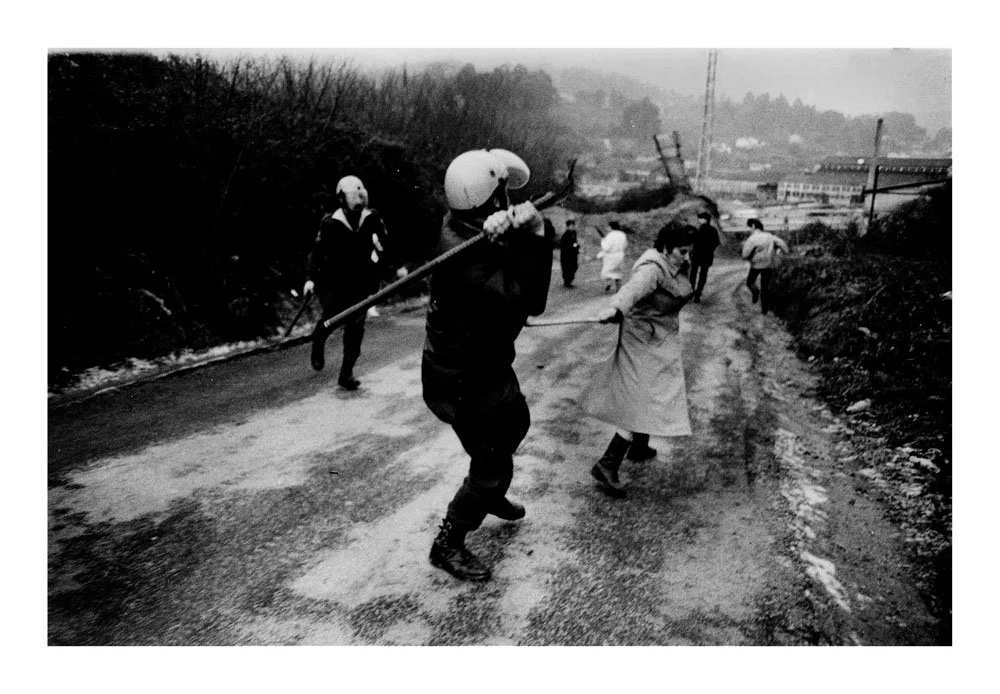
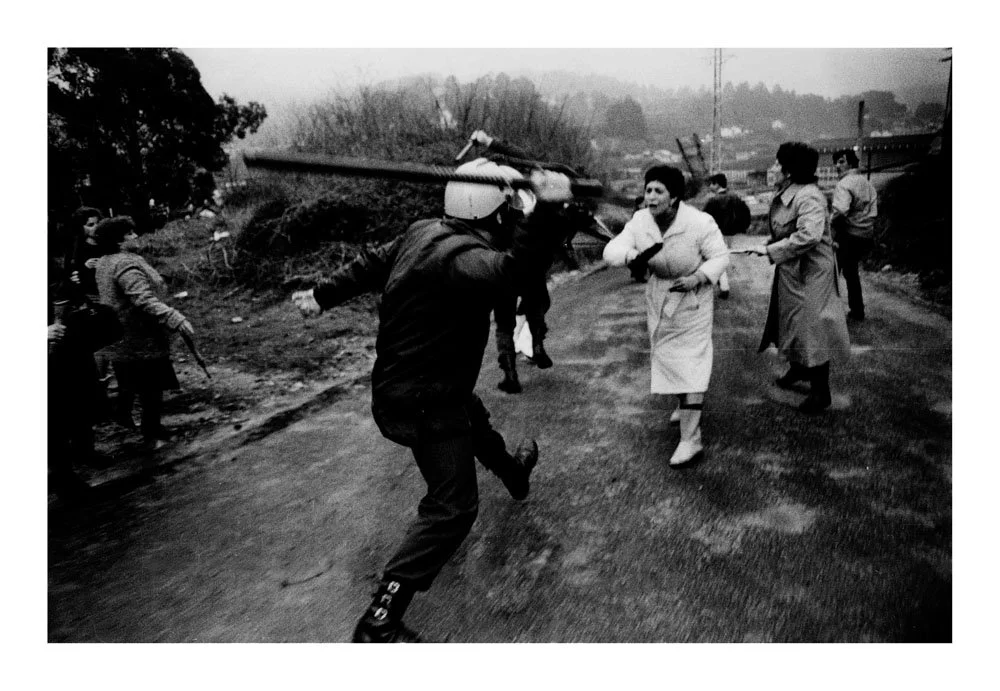
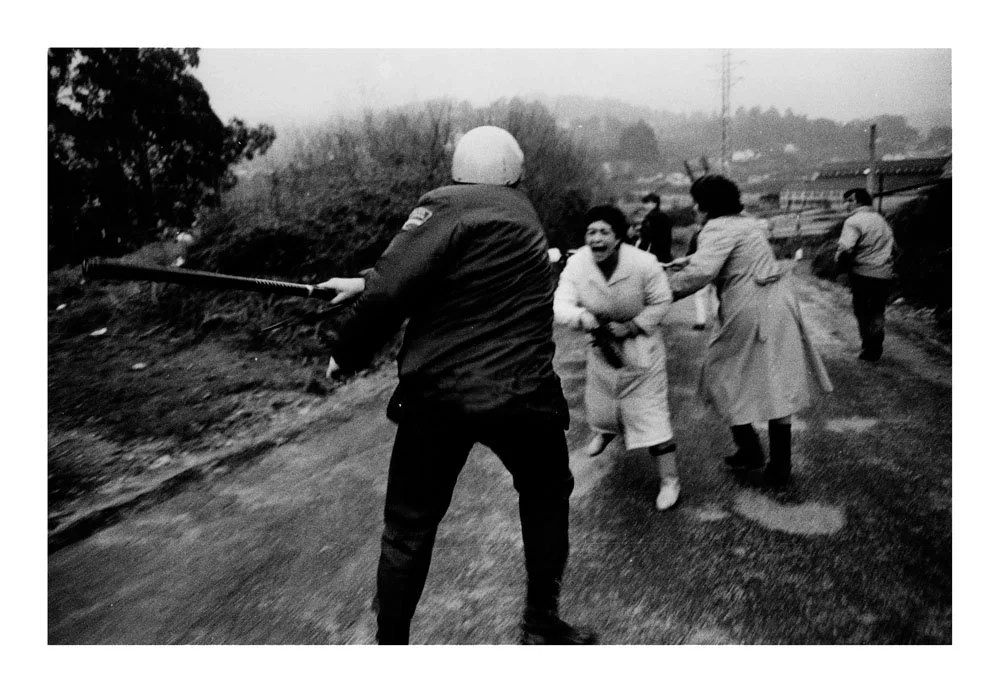
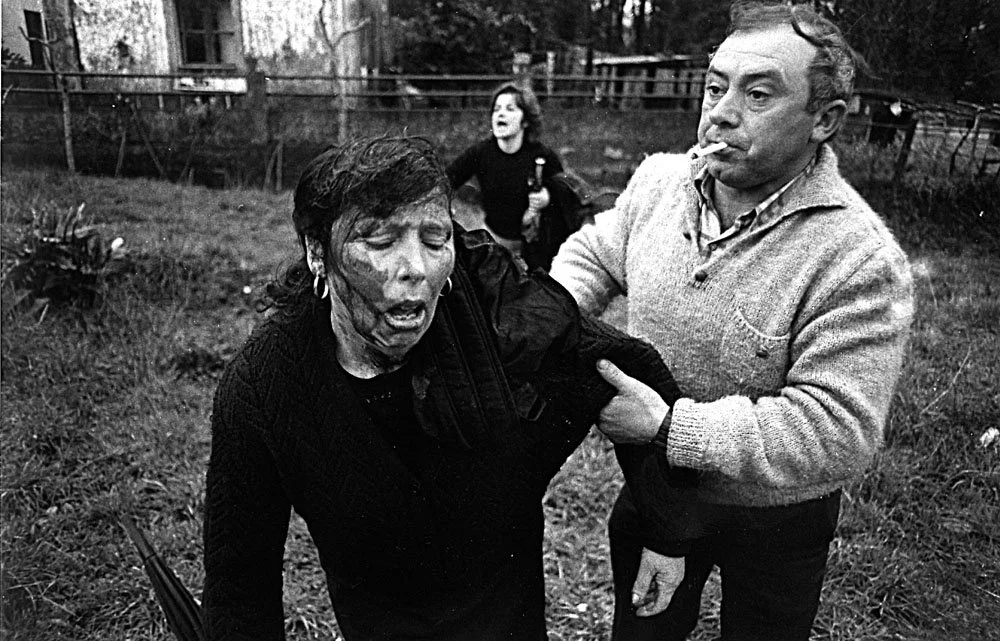
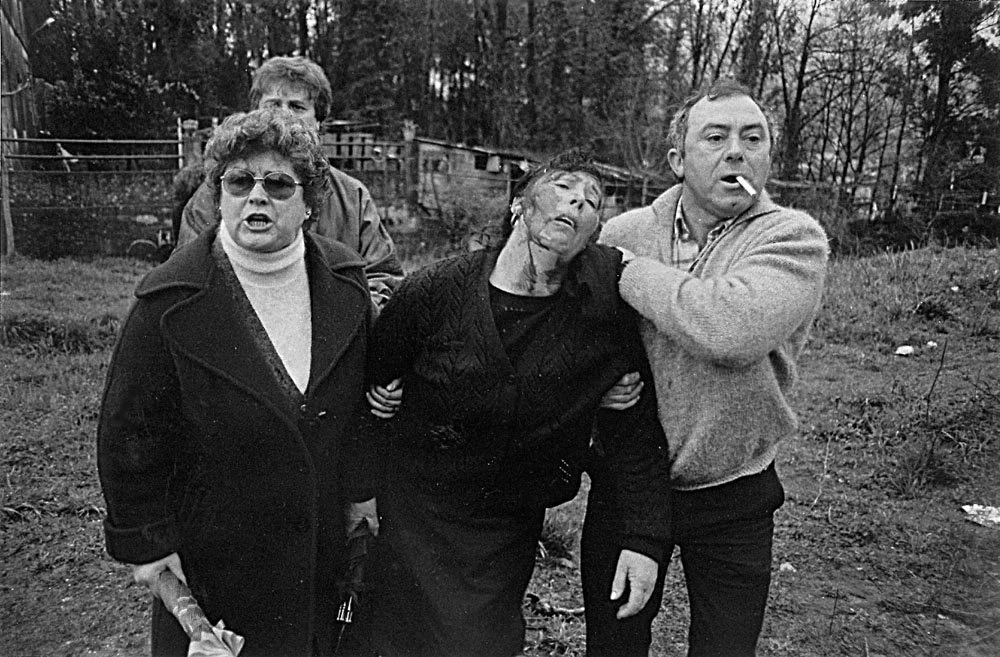
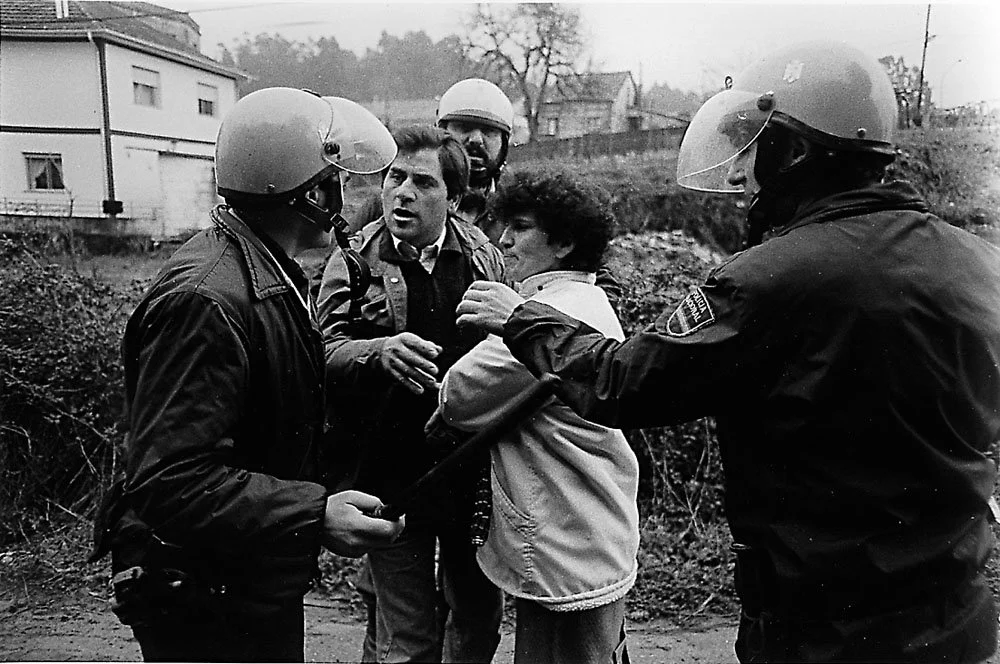
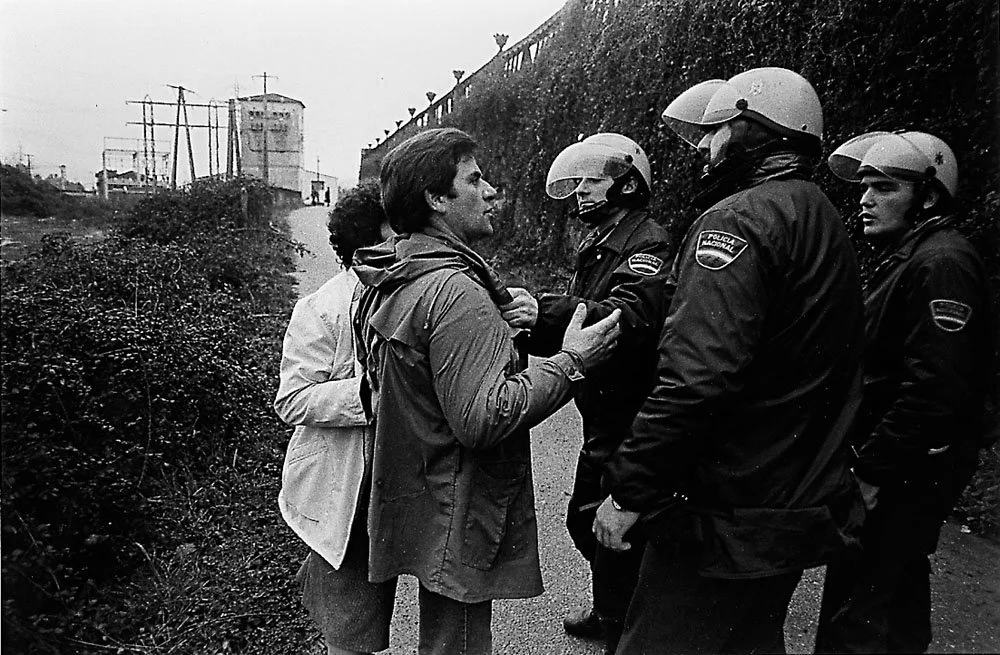
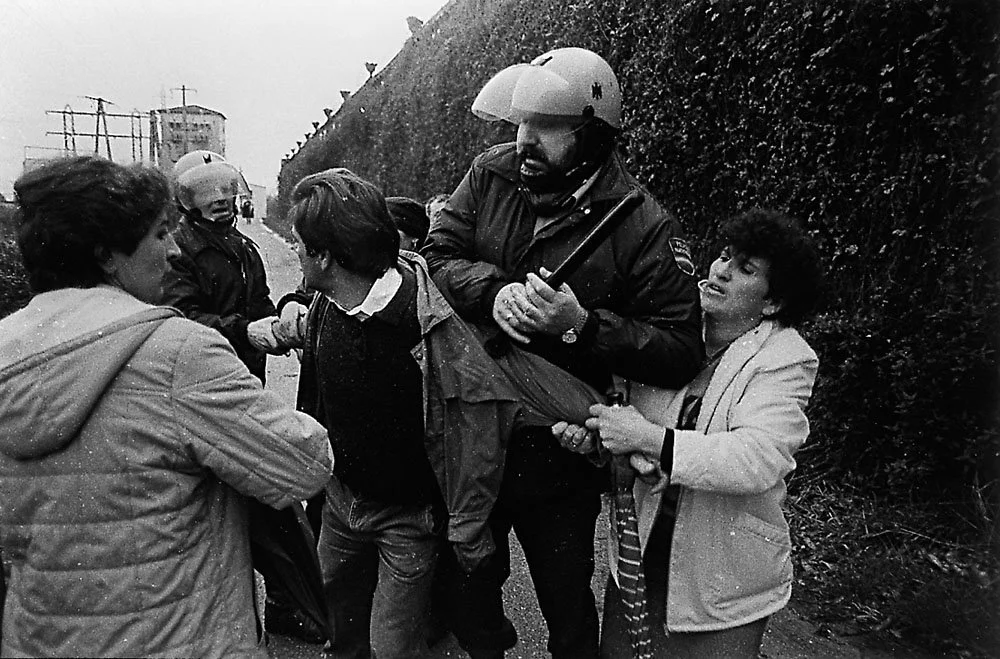
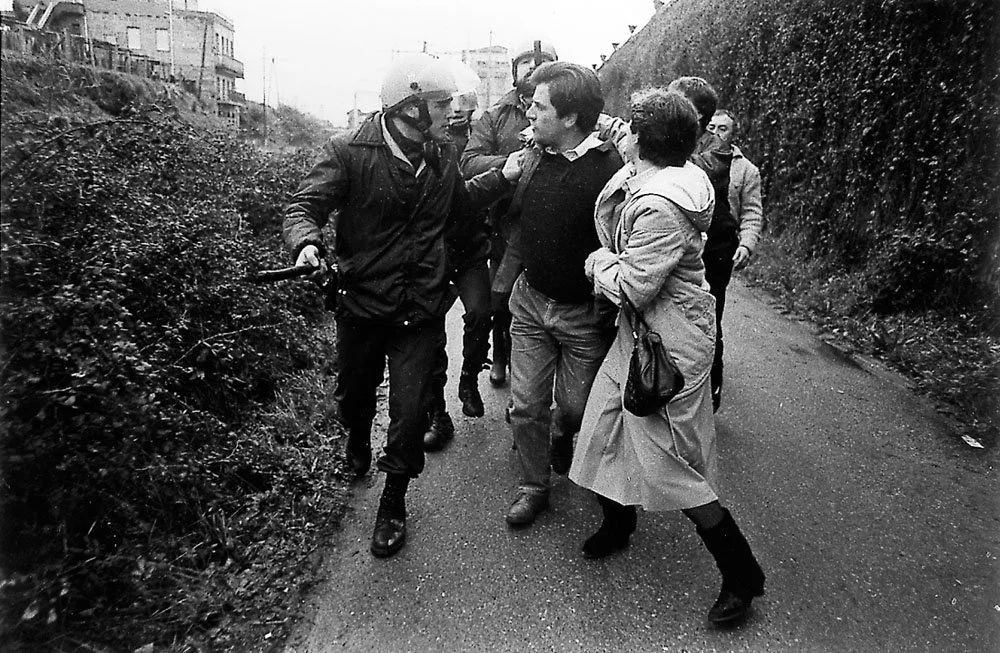
Telanosa. Redondela. 1986
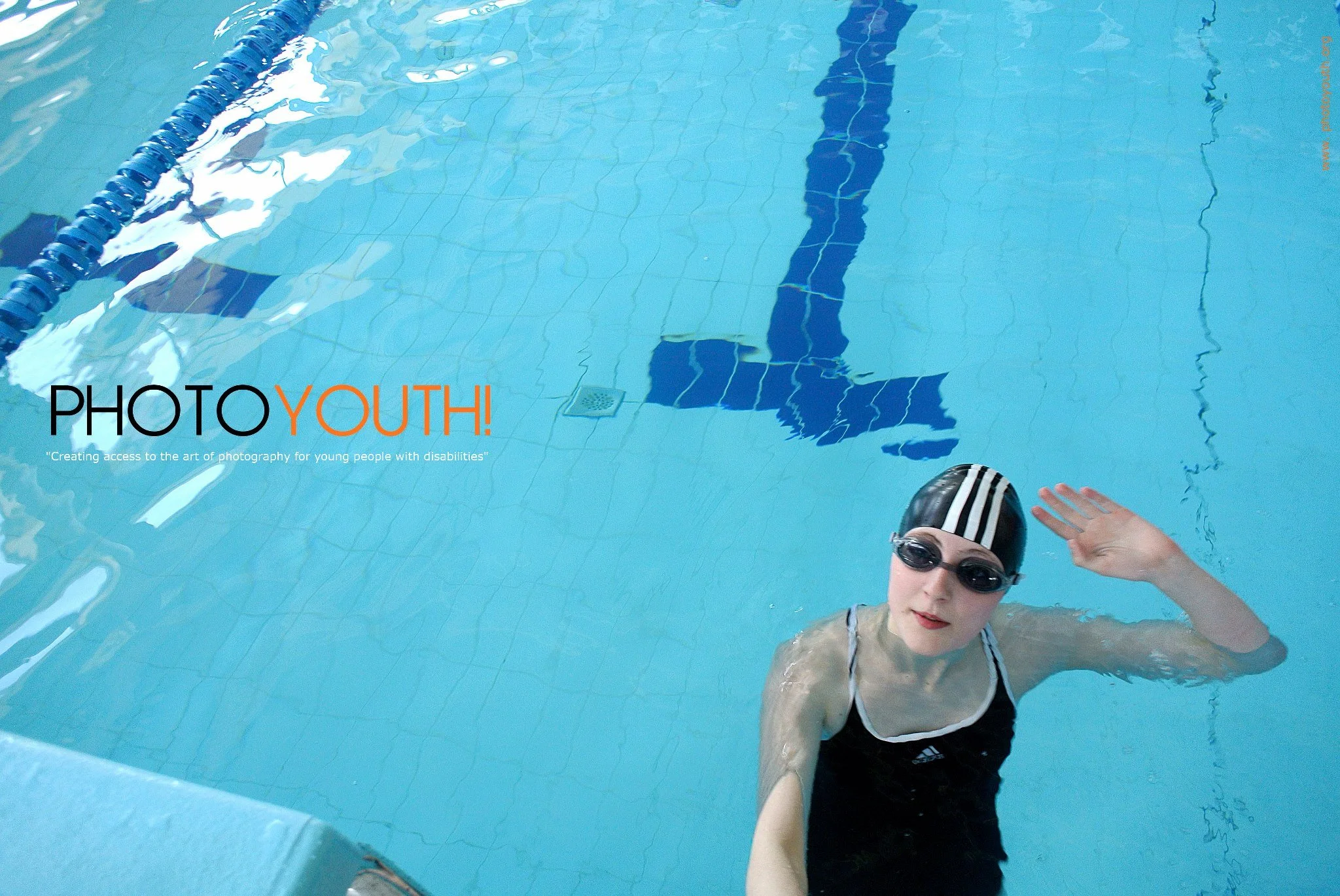
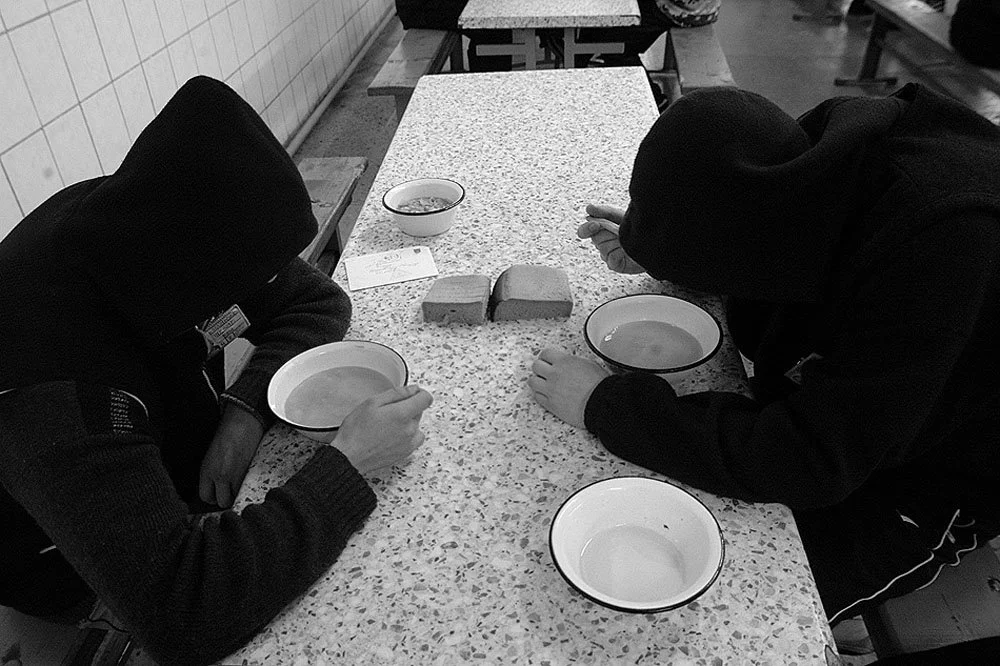
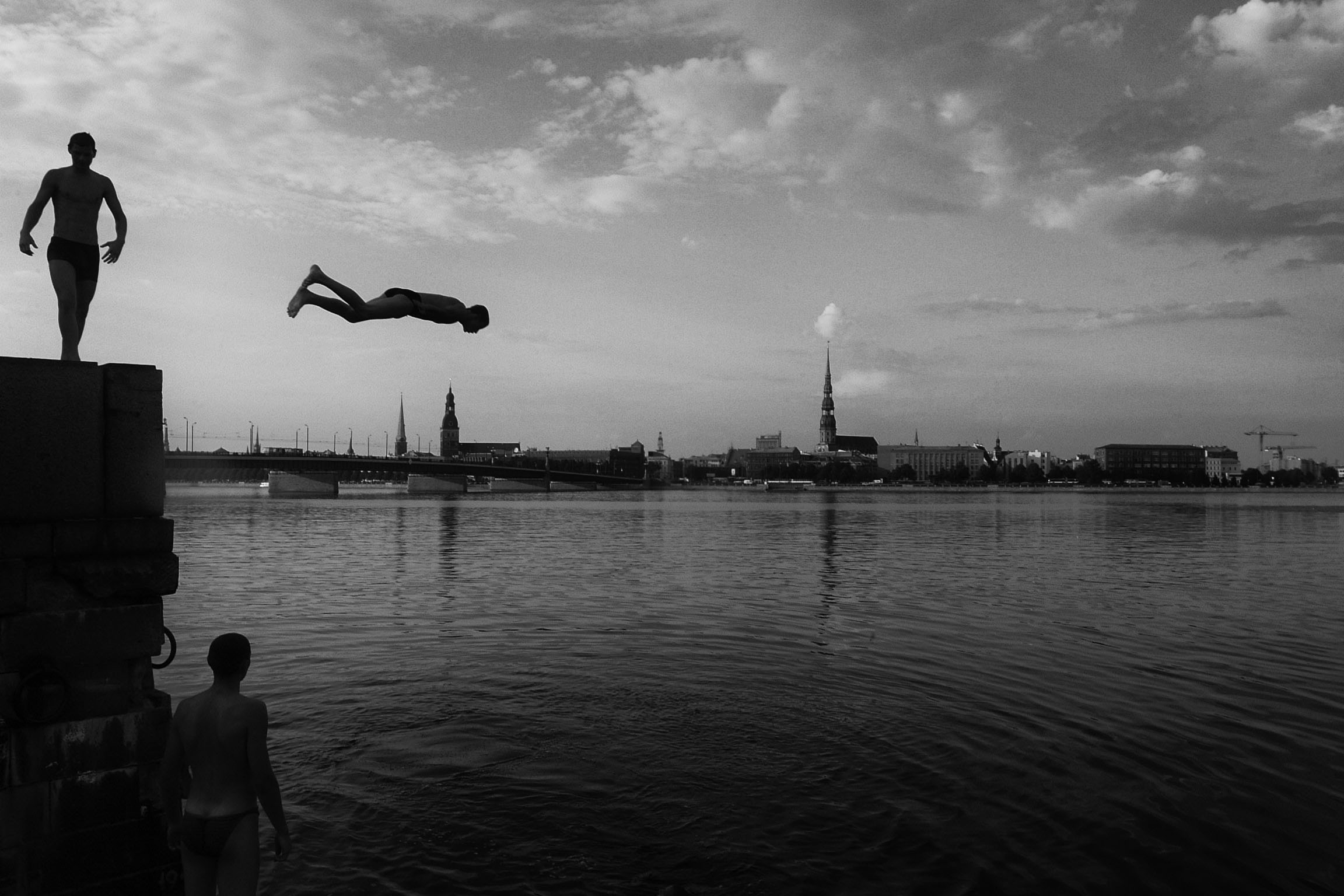
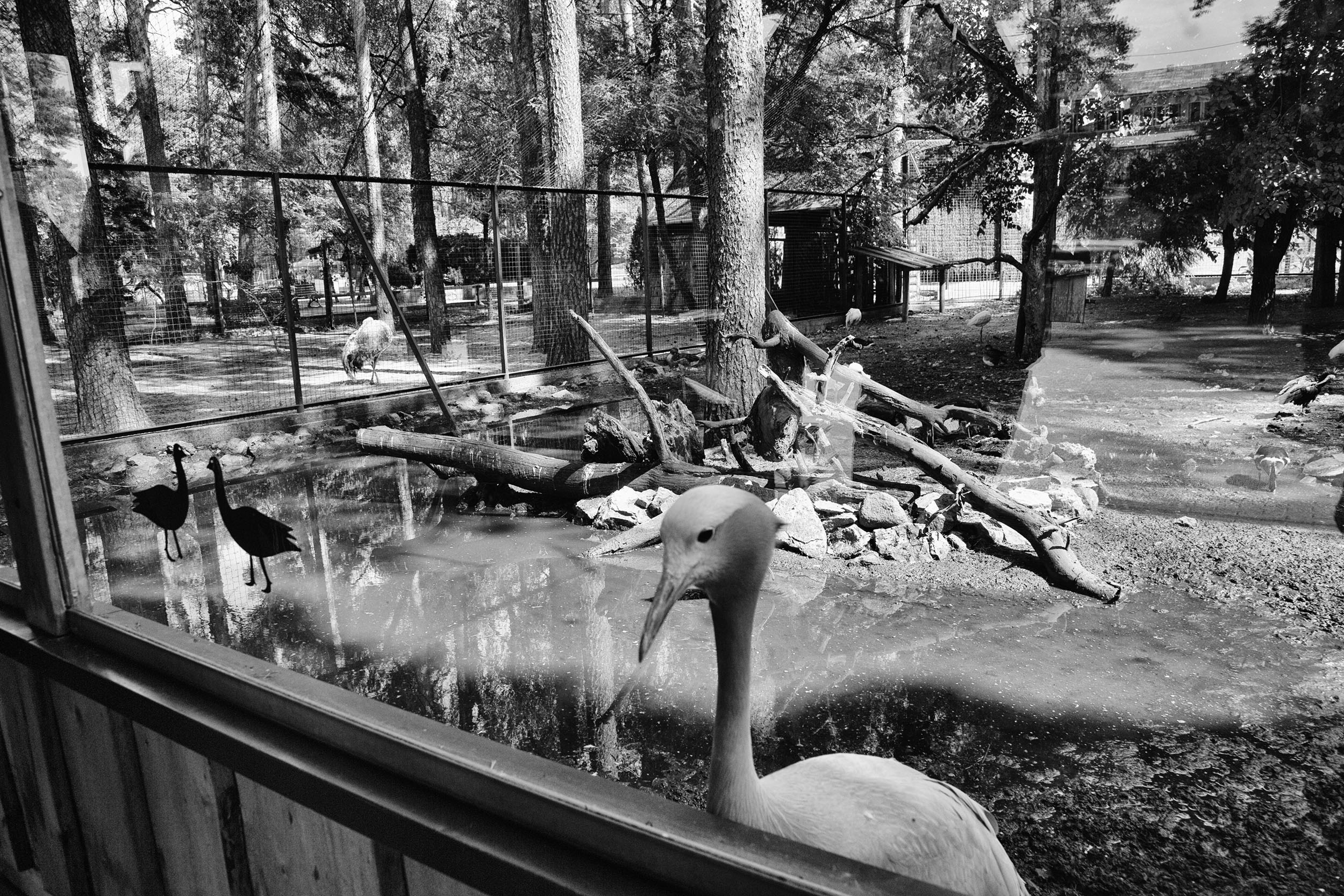
This picture was taken by Edgars Fomicevs in a pool. He is a blind child with a high sense of humor.
Photo Credit © 2012 Edgars Fomicevs (Blind school for children in Jugla, Riga, Latvia)
My practice, which isn't a theory, has always been to print the images and hang them on the white walls of the houses where I've lived. It's worked very well for me, at least for my ego. An image could stay up for a week or a month, and if I got bored, I'd take it down immediately. On the other hand, it was my friends who acted as my photo editors in the simplest way. I would invite them to dinner, to a large table, and the most critical ones I would seat at the end of the table facing the wall. There was always, always someone who ended up hating one of those photos or falling in love with one. Then I would give them away on the spot. Today, I still do it.
I'm better at, and much more comfortable with, editing other photographers' photos. Someone once decided that a story should be told with 12 images, and I don't agree with that. Text is also necessary to give shape to the context. One image will say something, but if a series of them can tell a story over time, even better. Then there are those who hate that the photo is a complement to the text. Well, that depends on who writes the text, because the image is a testimony of what has happened, evidence of something that is already part of the past. The subject matter can be modified as many times as we want, and there are different types of narratives that can be created, for example, a book.
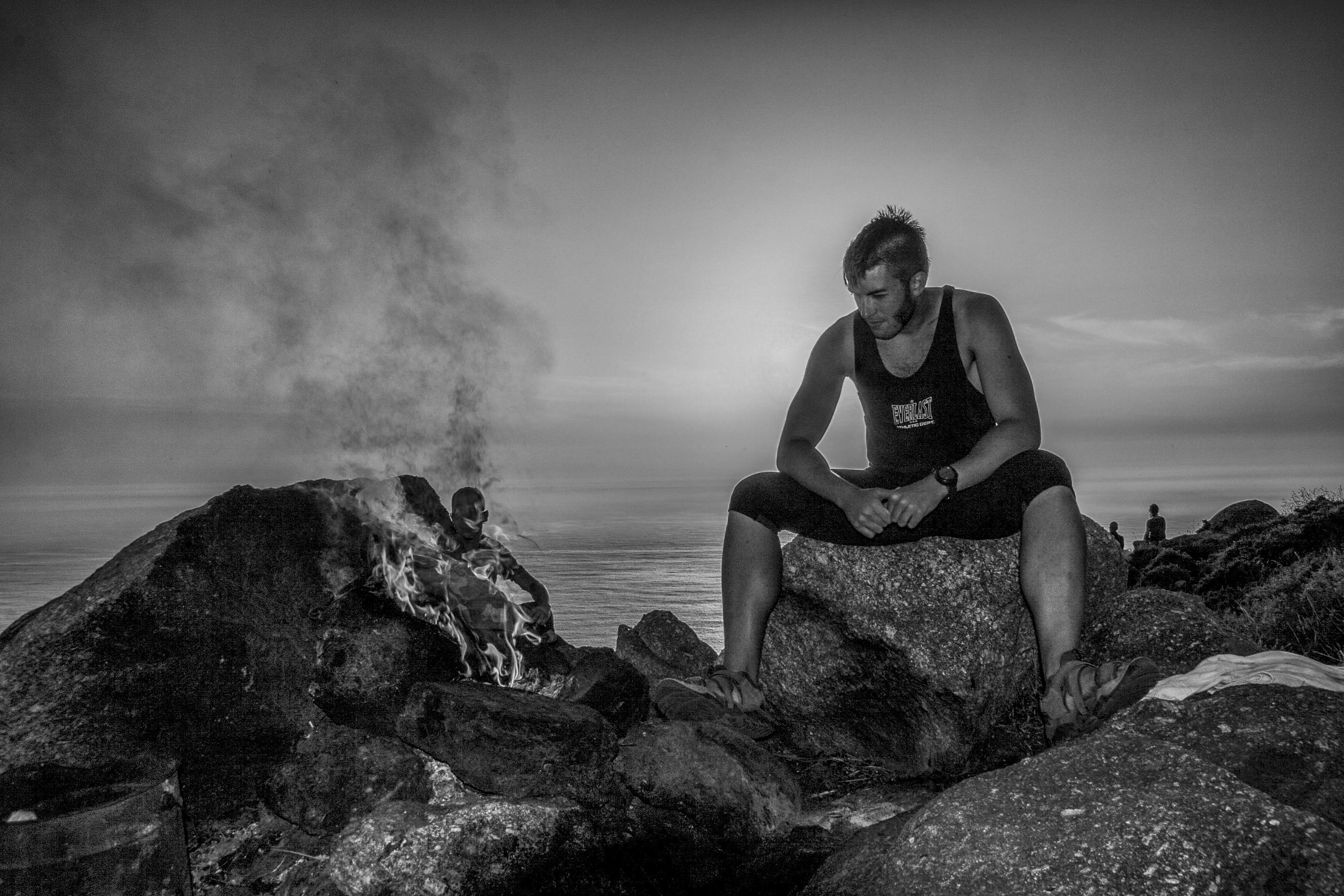
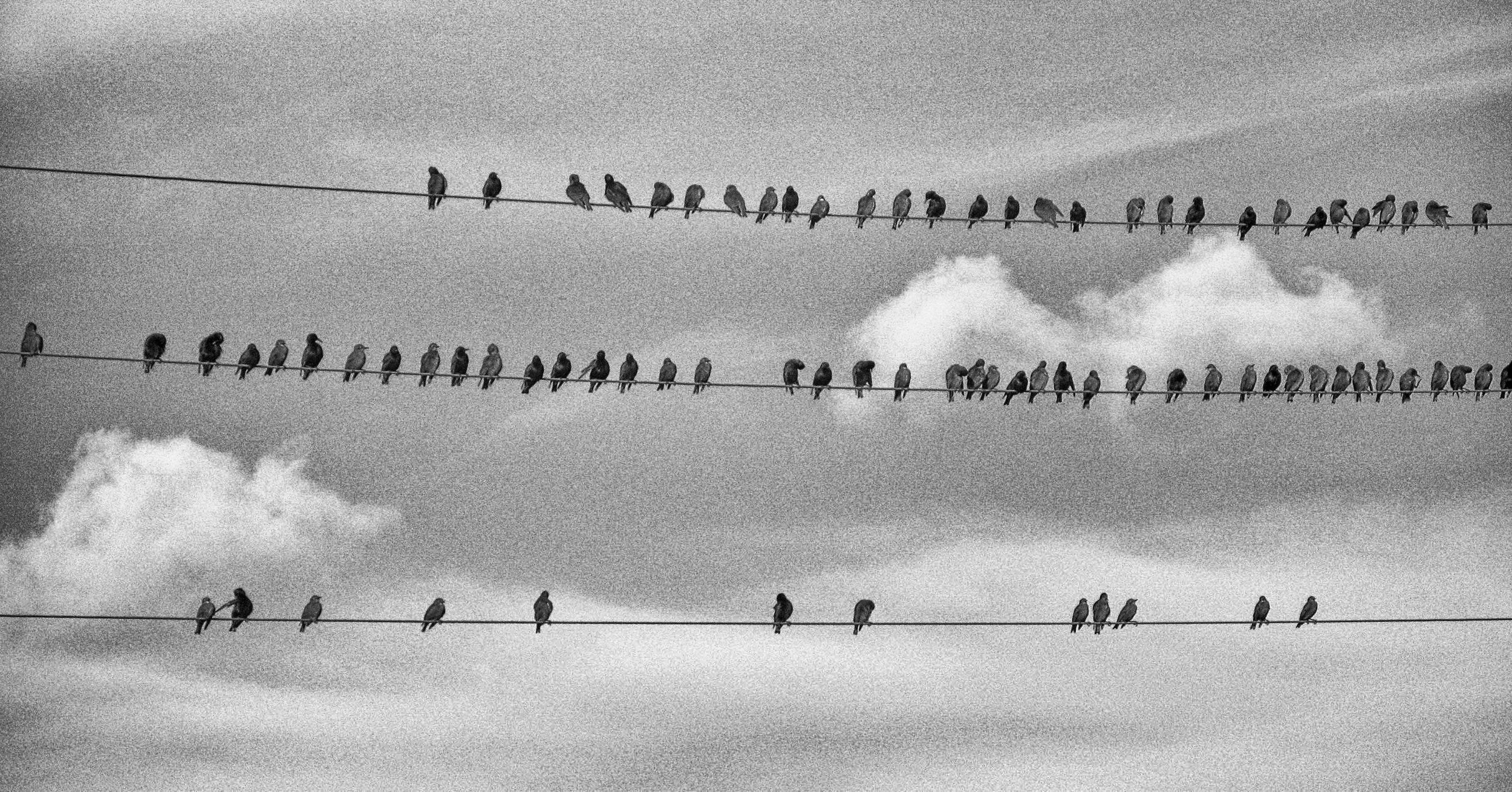
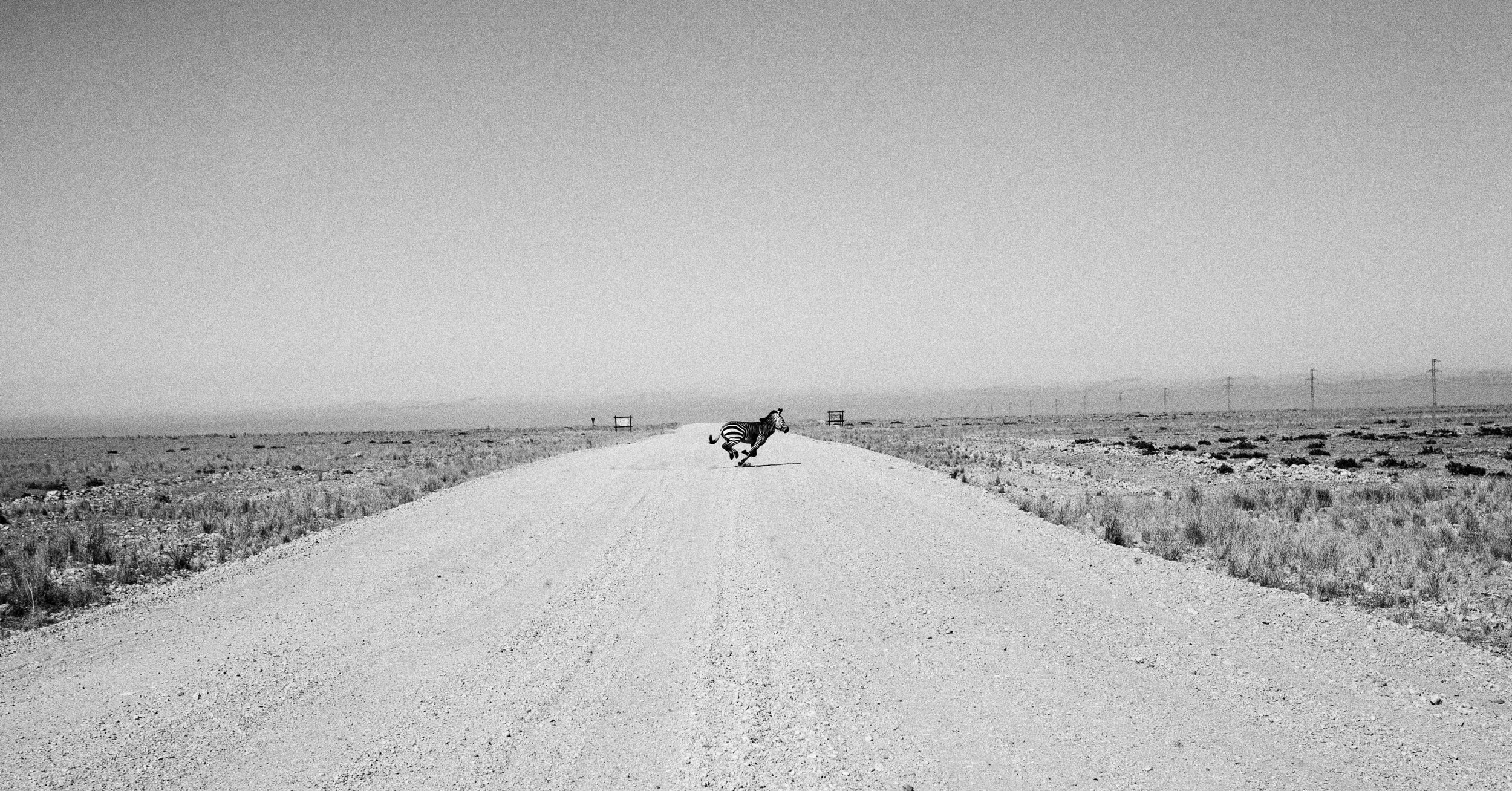
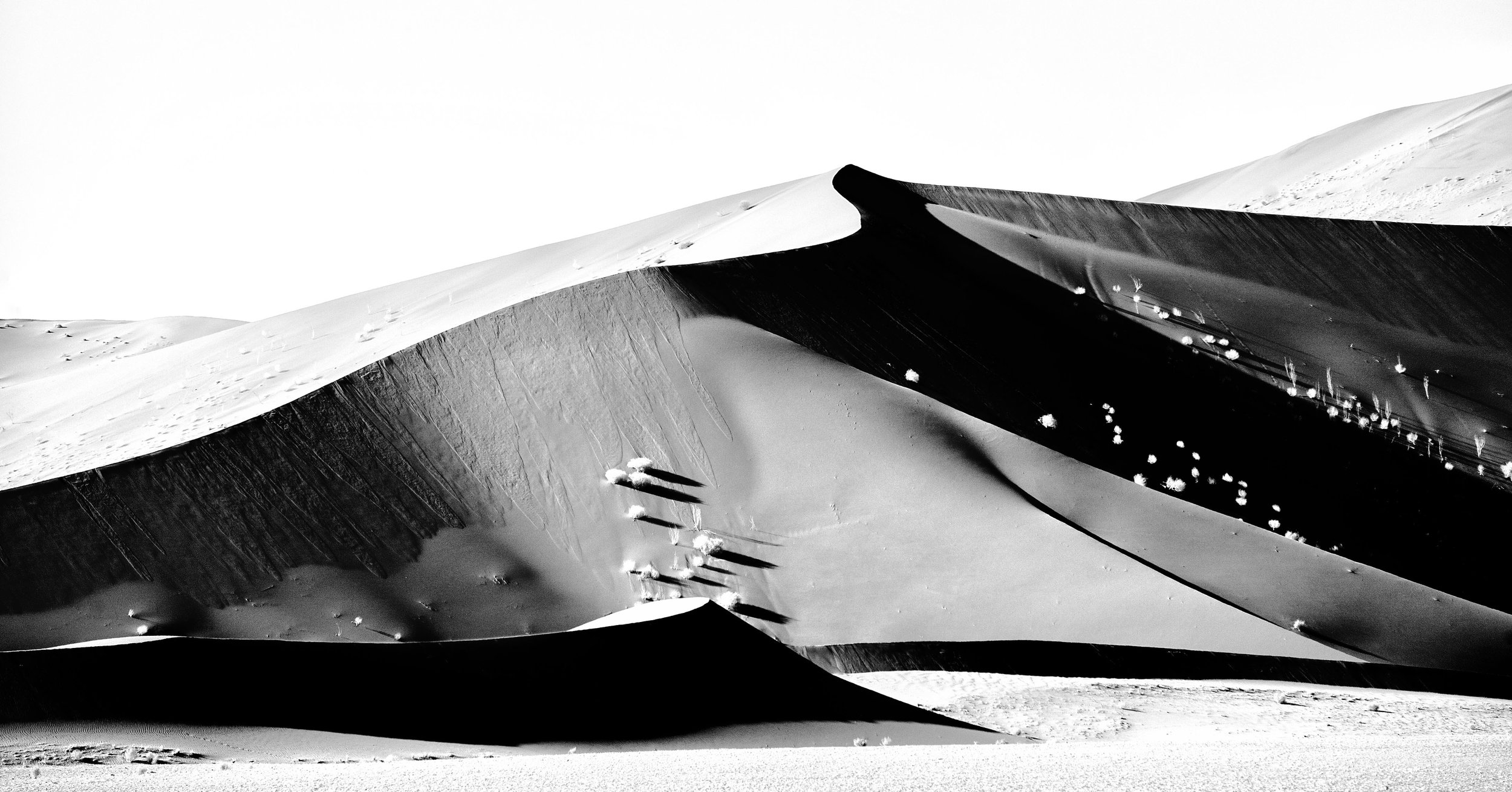
In this portfolio, there's a bit of everything, but I've never liked my photos. I prefer to let time pass, keep them, and look at them years later. I'm not obsessed with the idea that an image is an icon or anything like that. I create images for myself, not for other people, because when I photograph, I'm experiencing a personal moment; I'm not thinking about anyone else—that would be impossible. Even with commissions I've had, I've never asked afterward if they're good or bad. And yes, I've received calls from people in newspaper editorial offices asking if I have a different photo, but then I ask the writer to send me their text so I can review it and tell them where to change this and that.
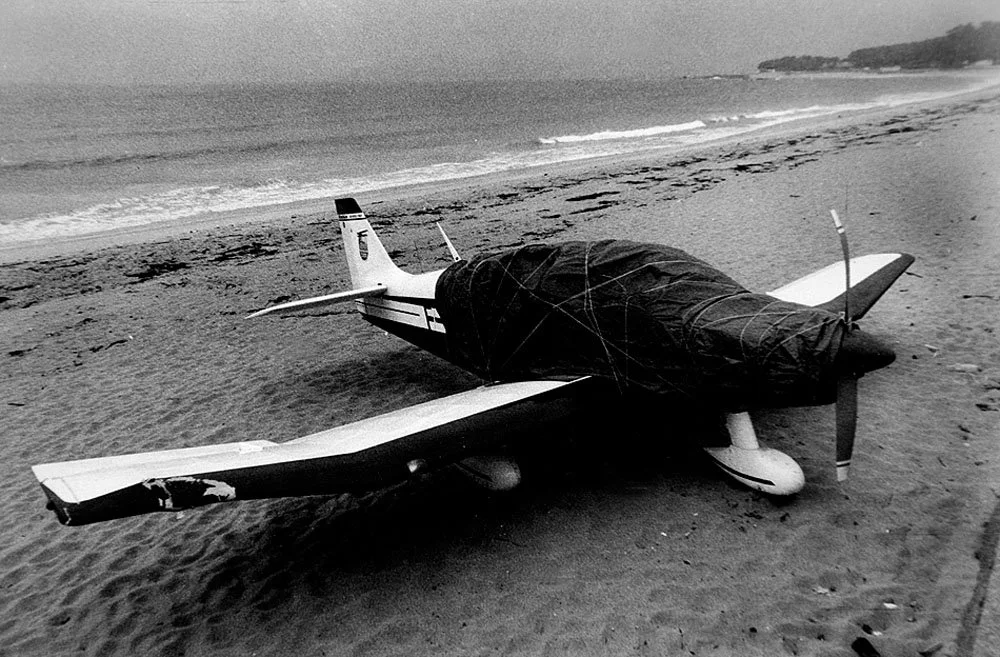
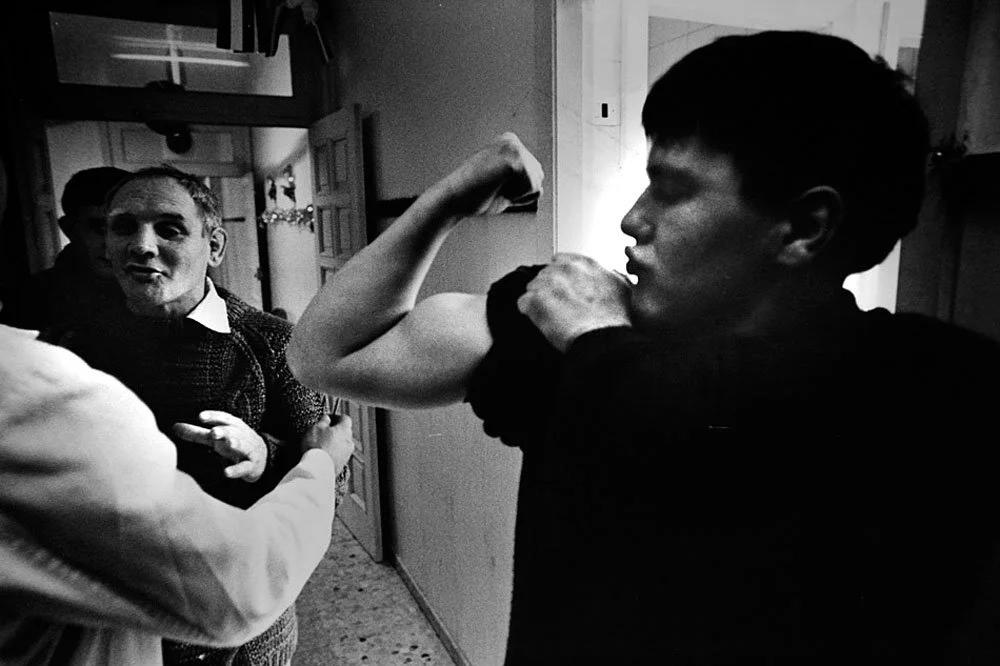
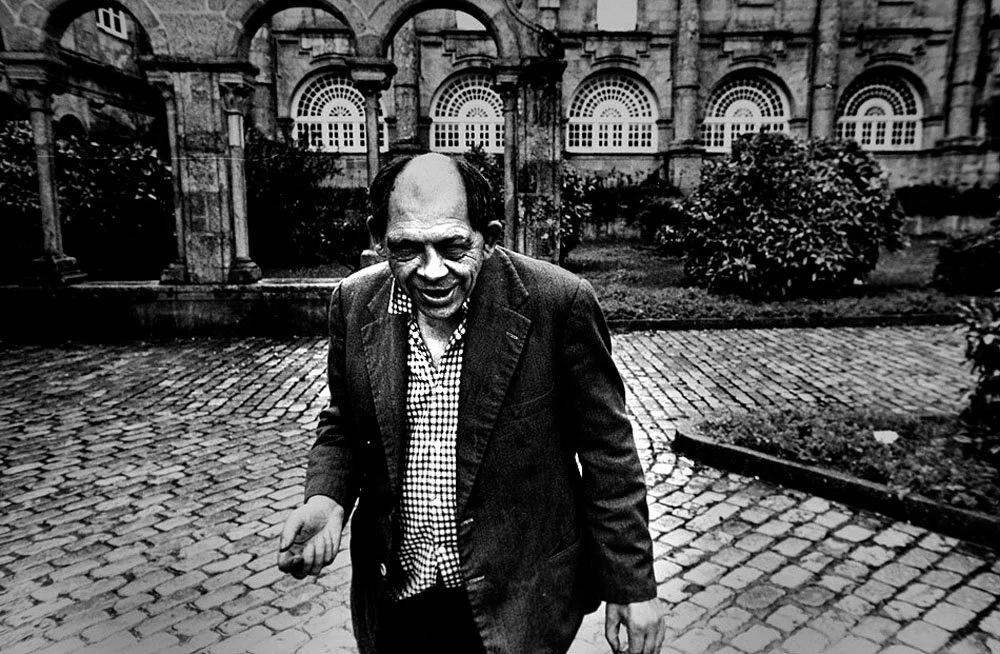
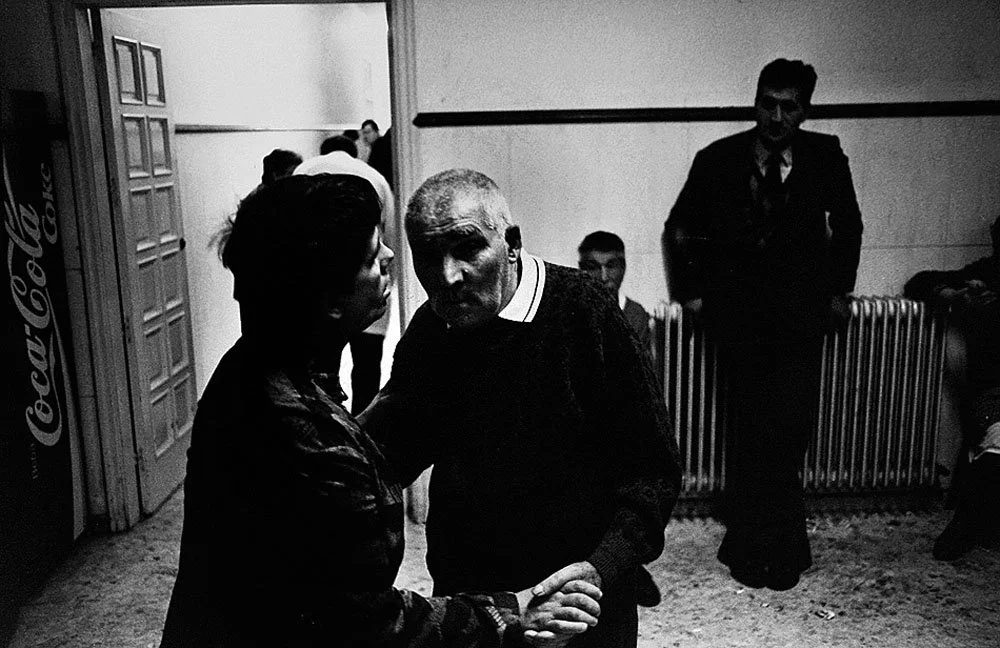
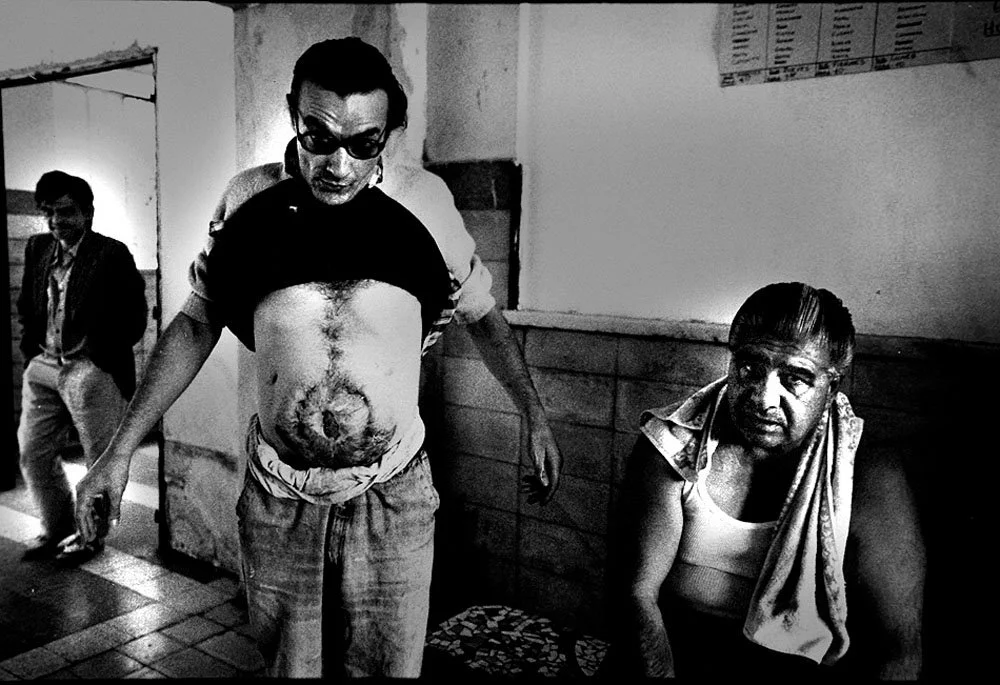
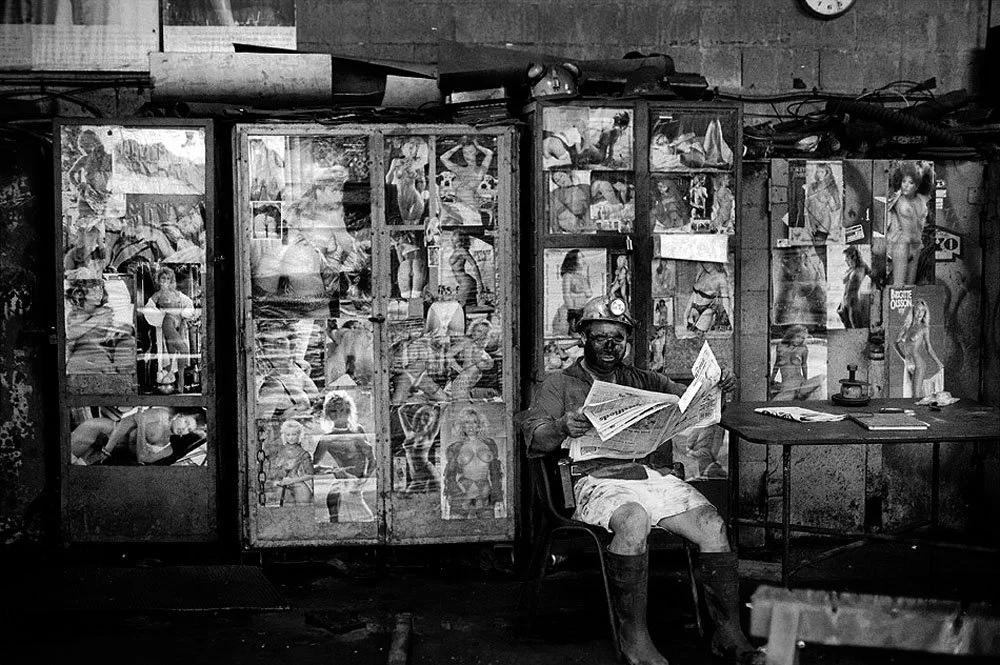
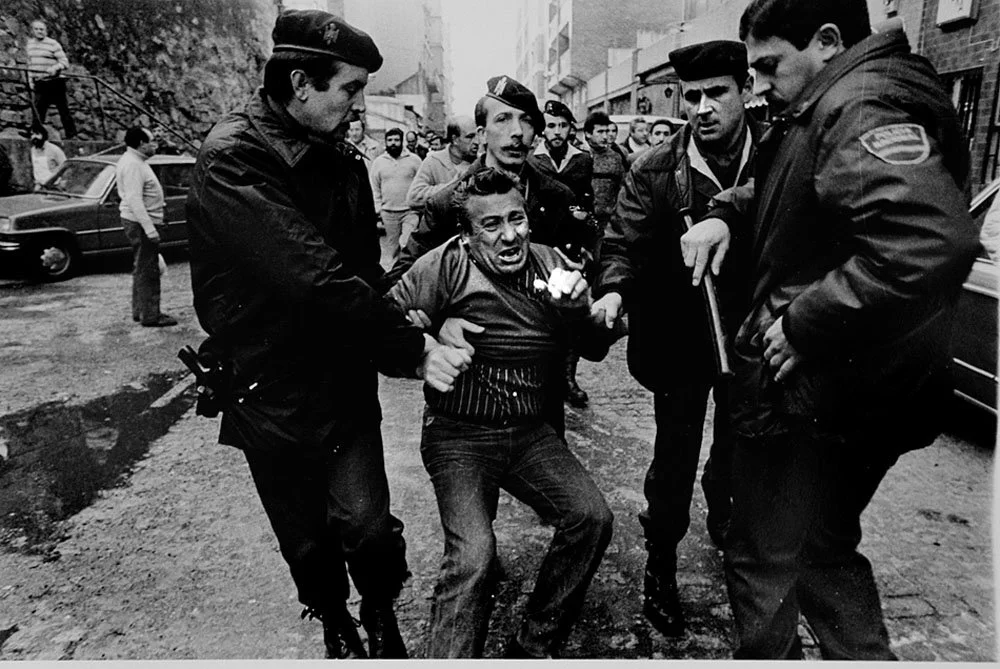
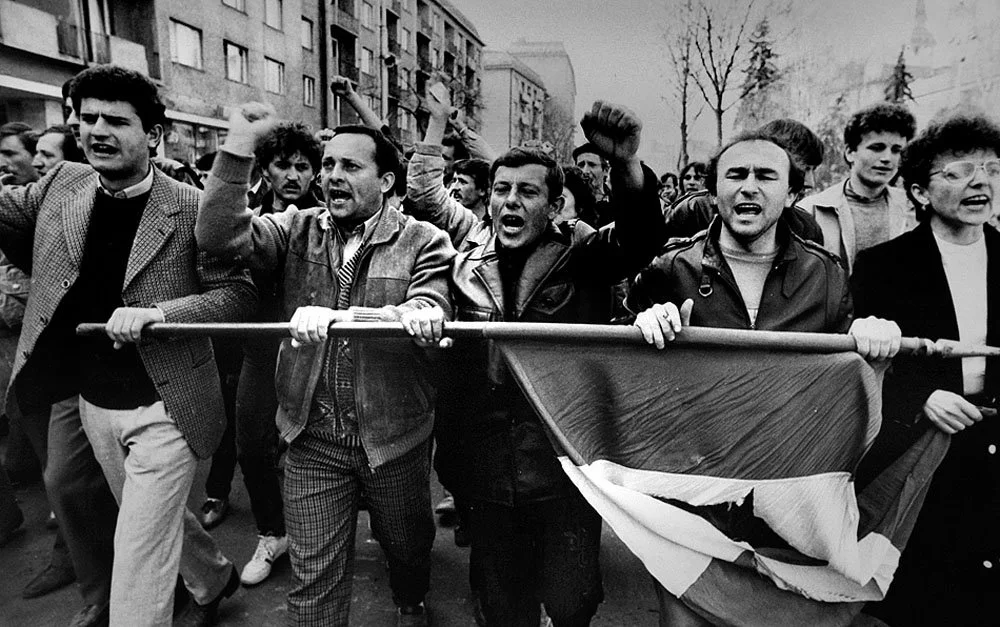
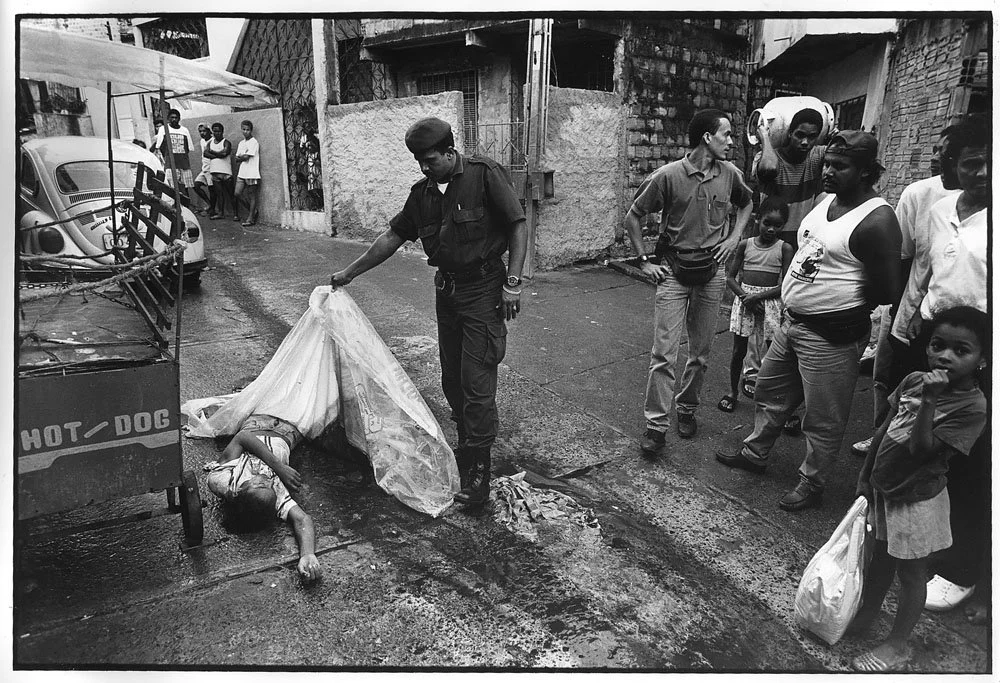
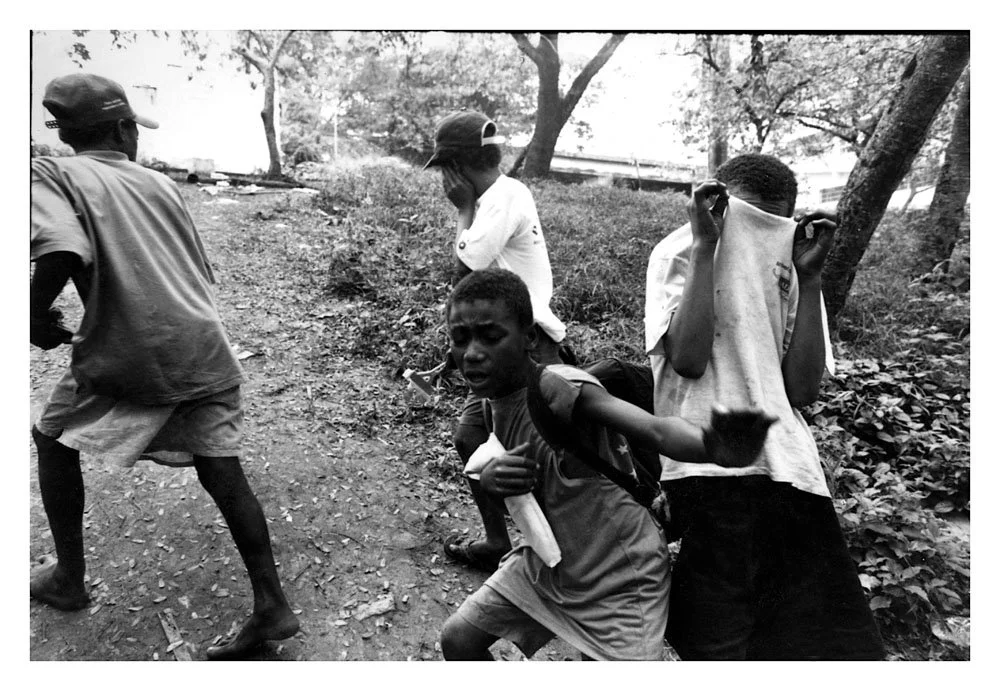
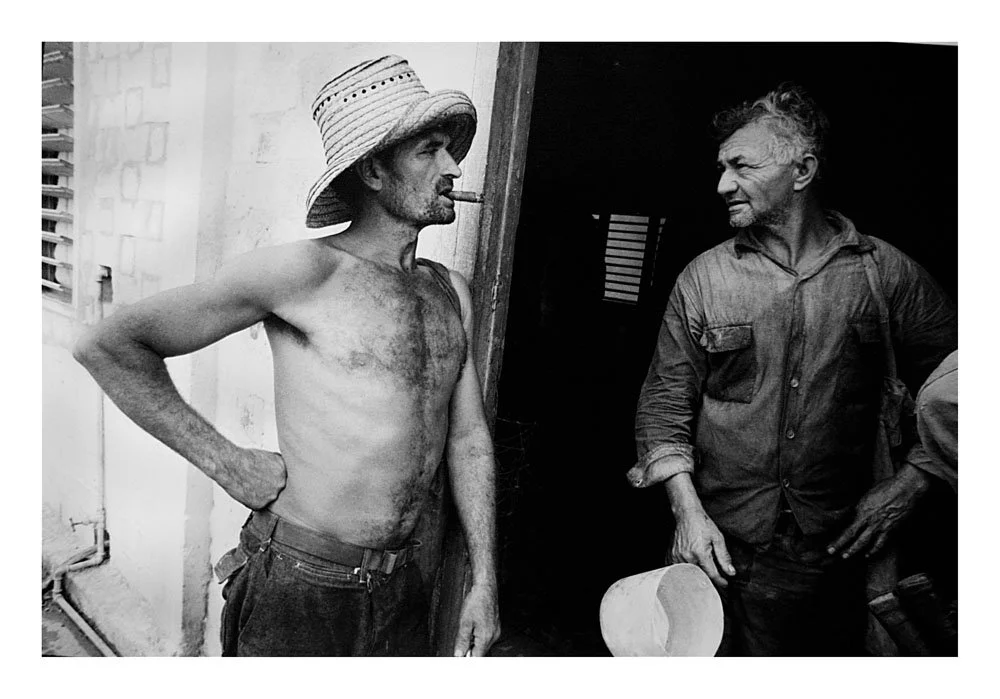
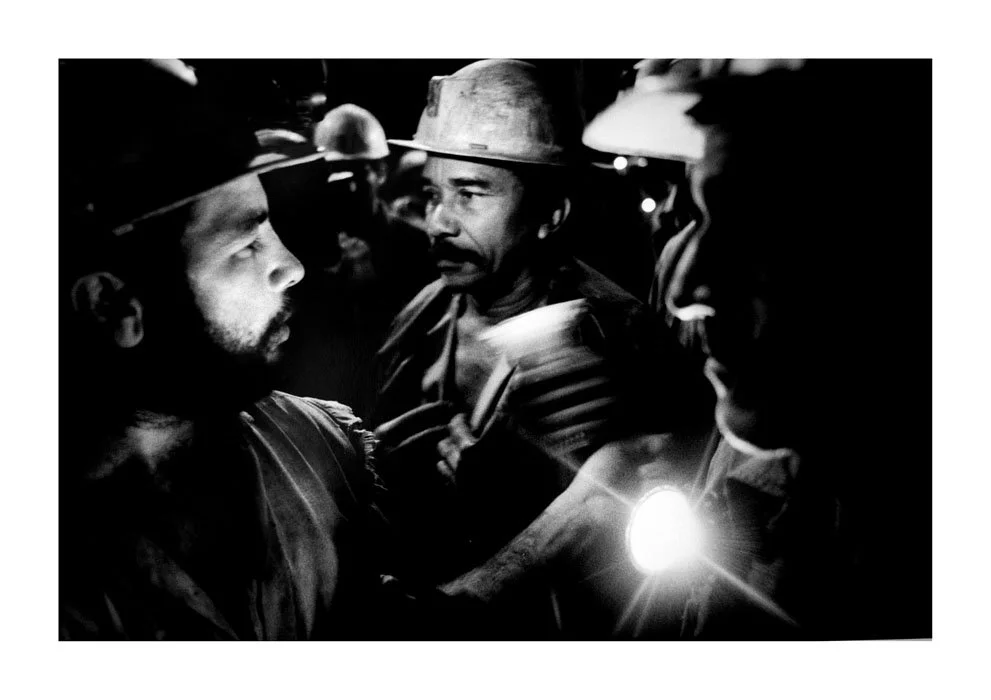
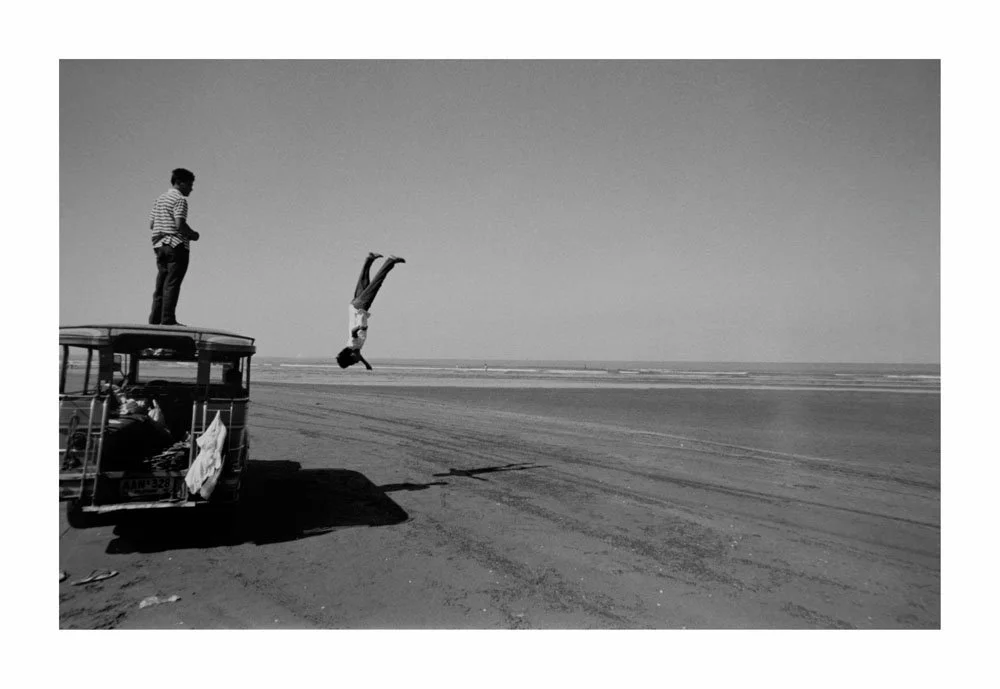
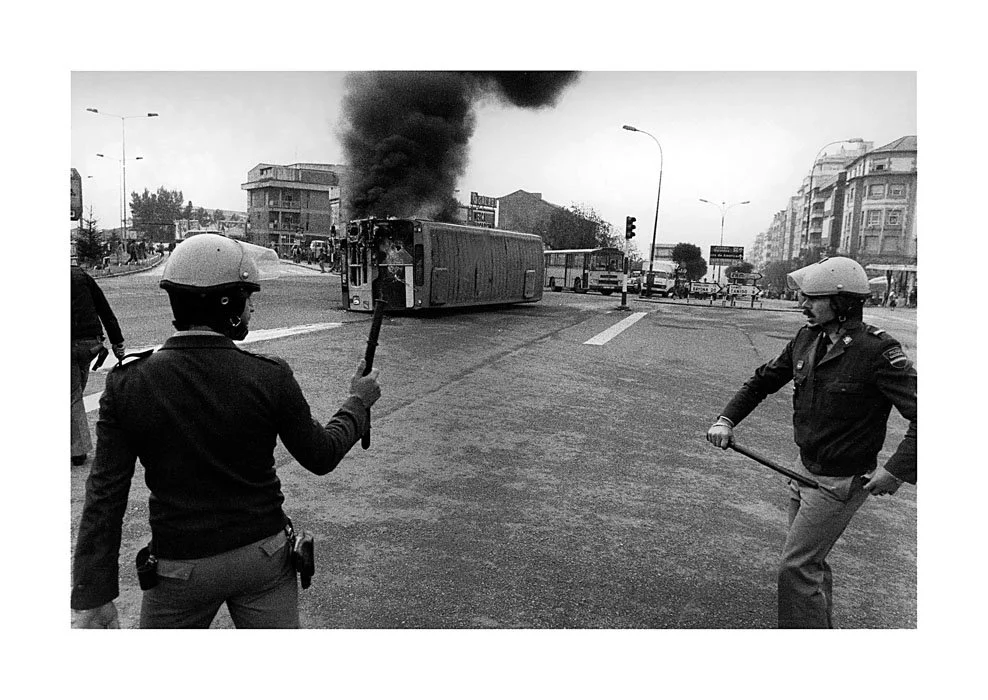
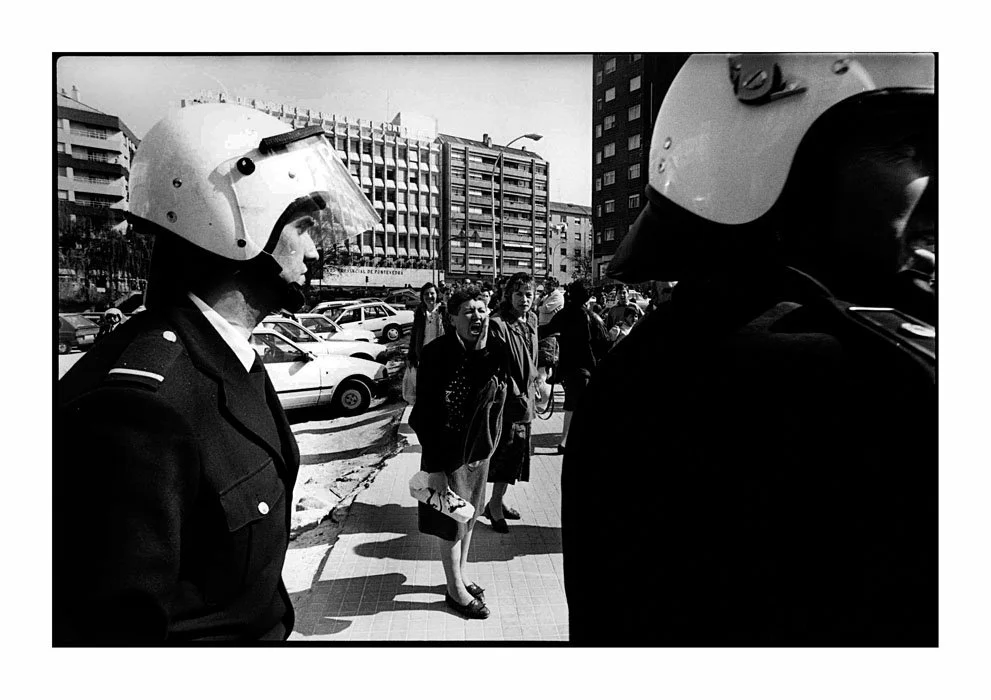
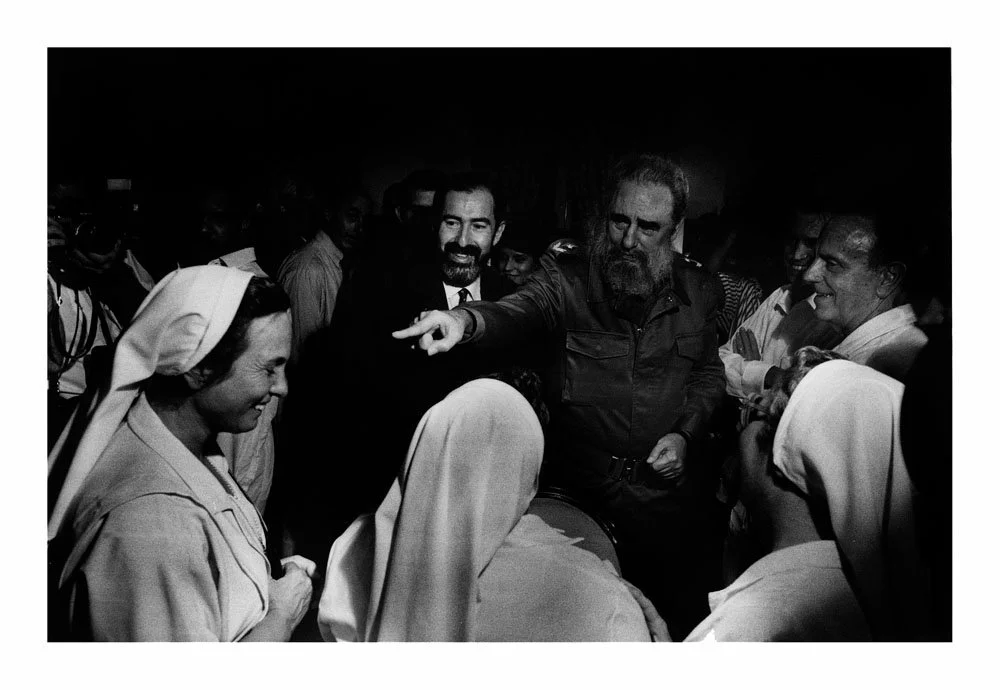
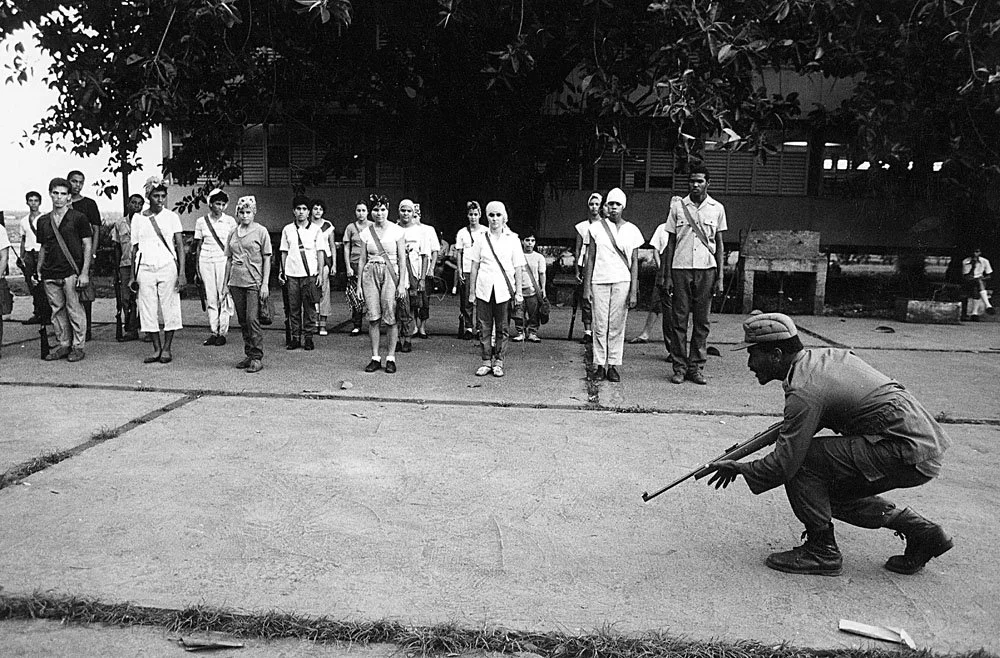
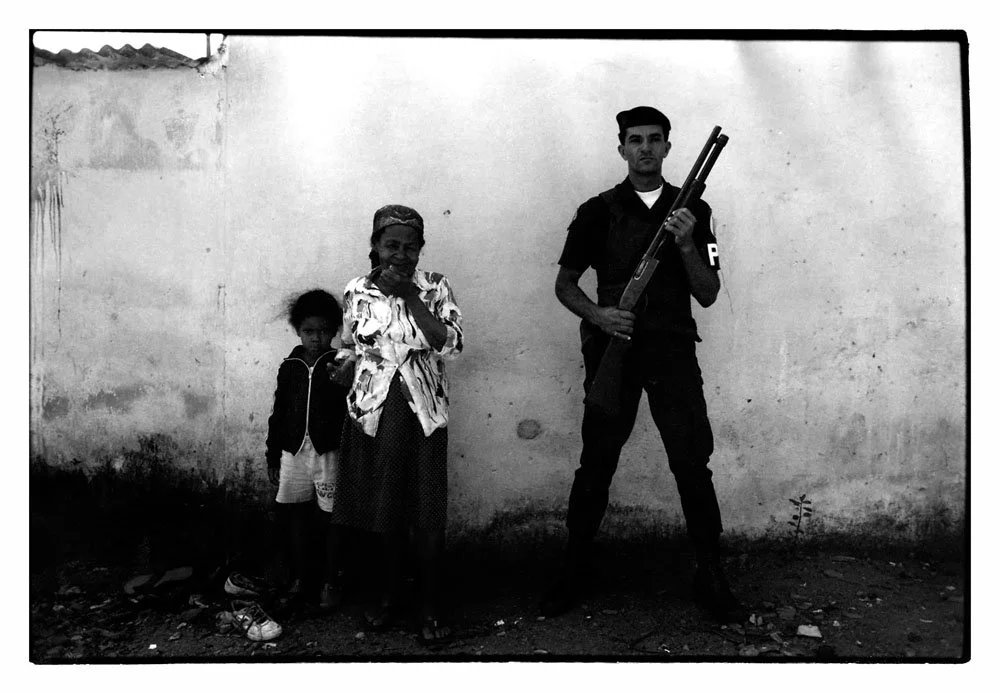
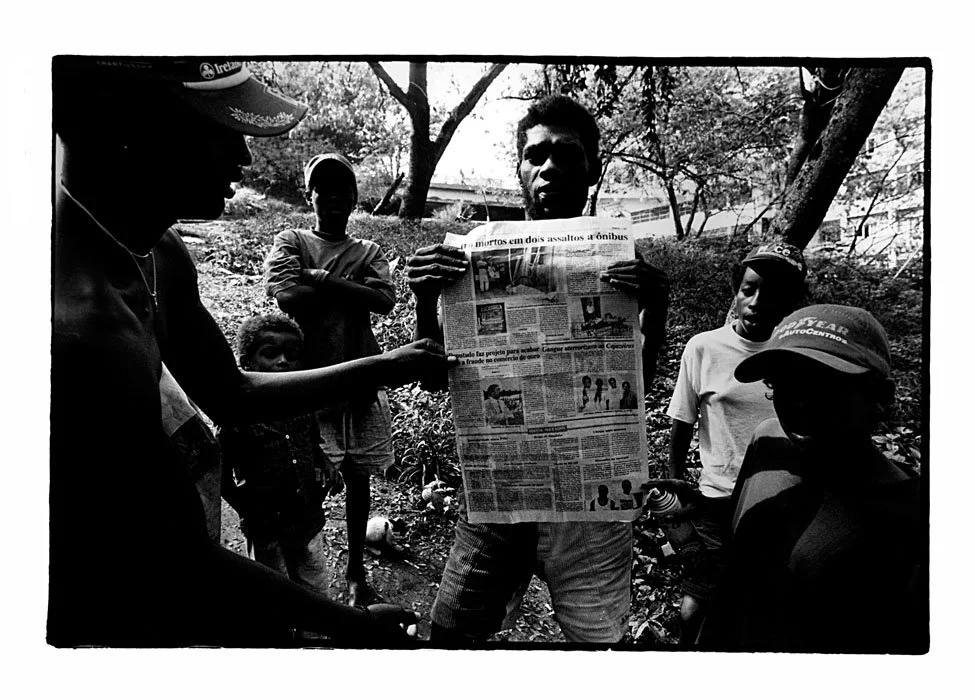
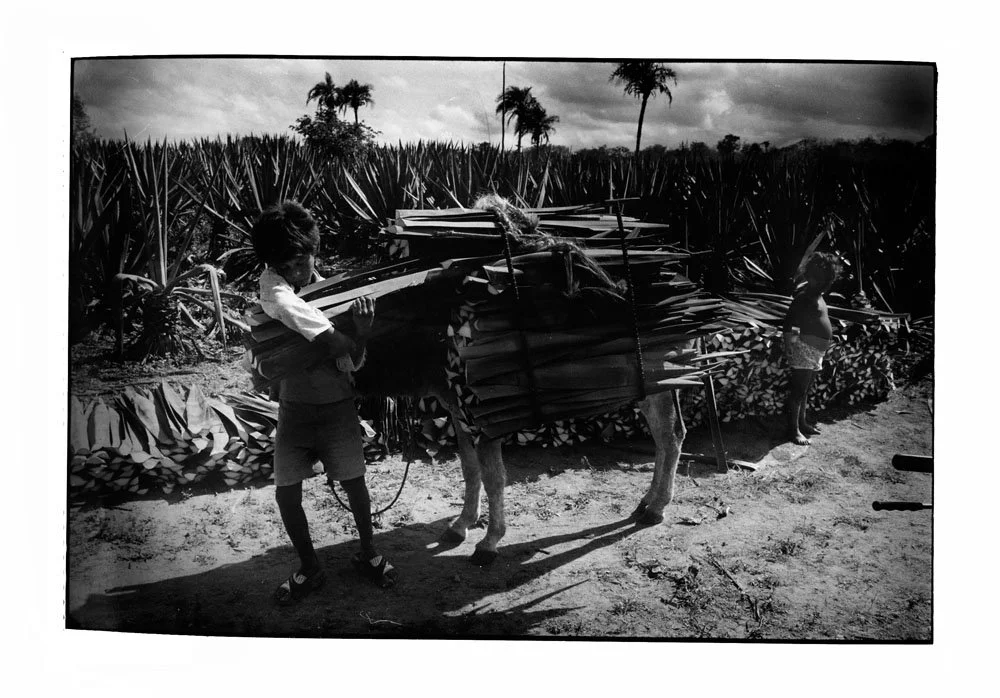
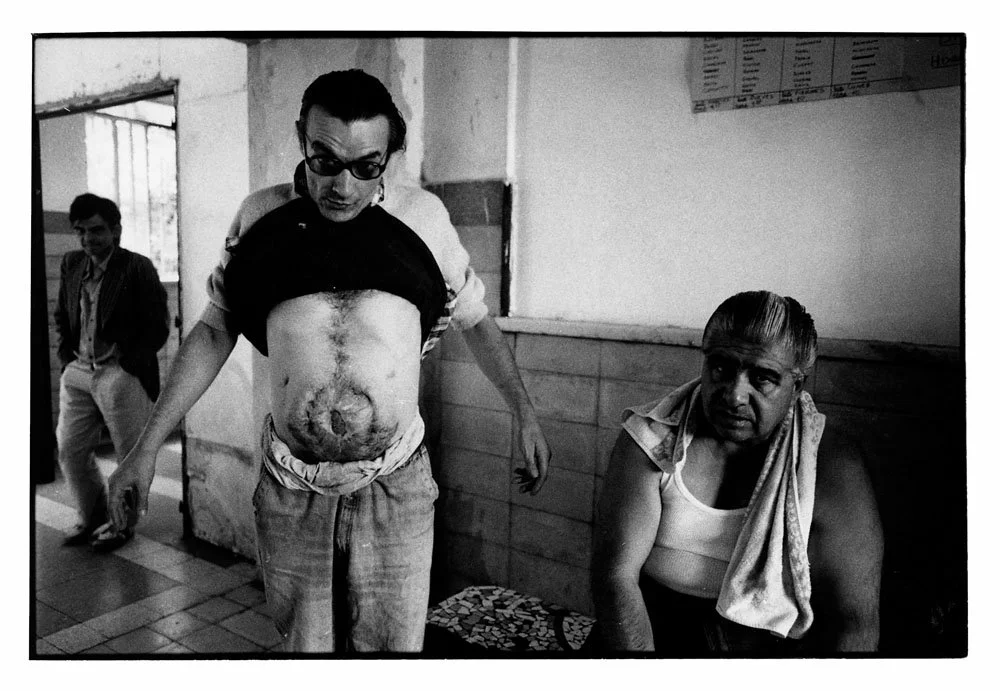
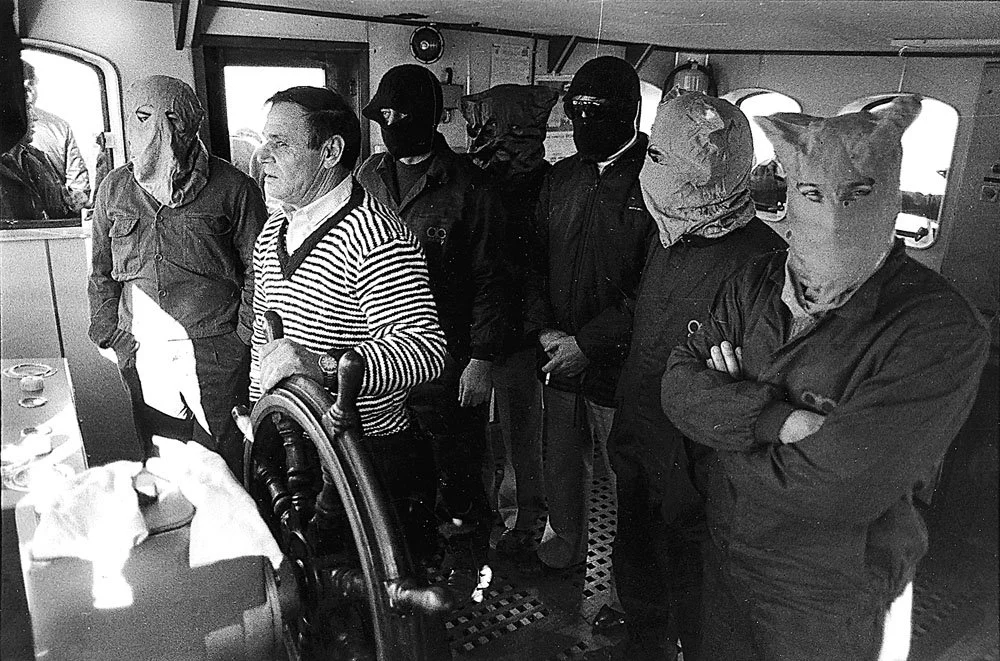
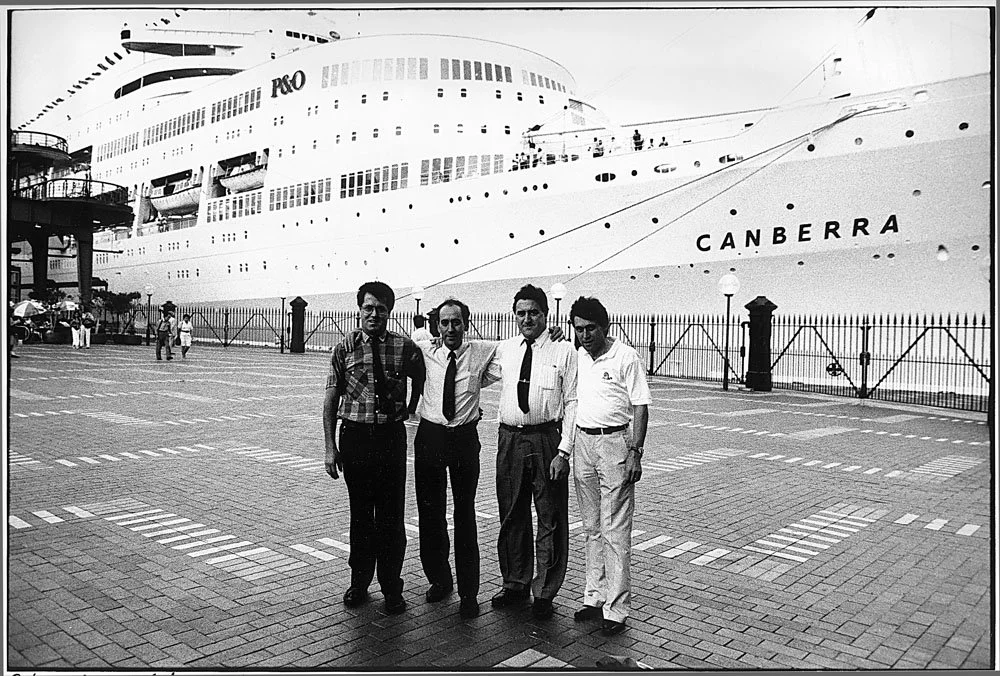
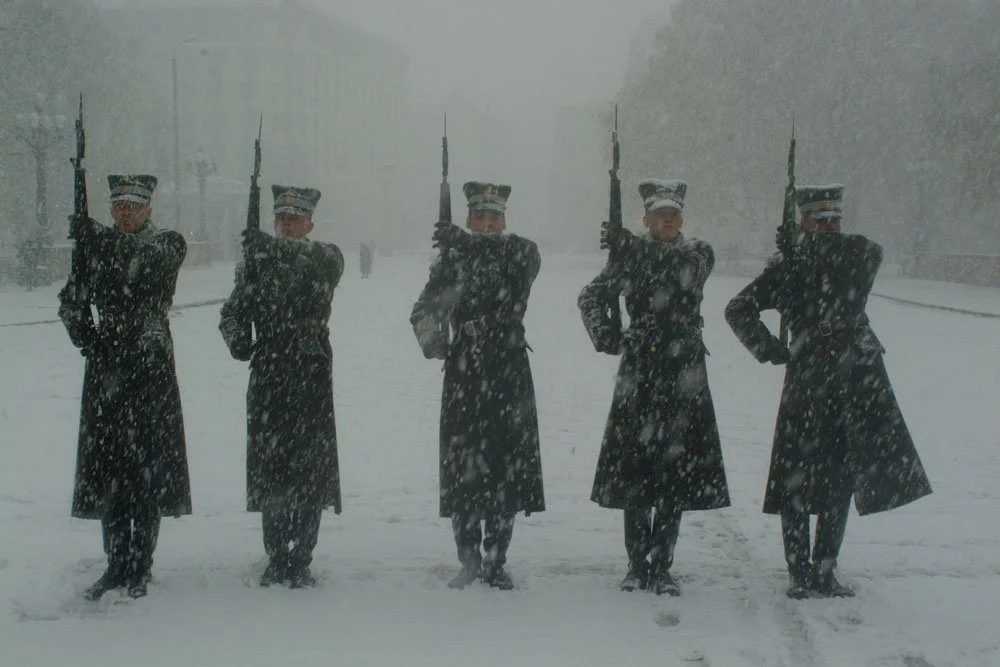
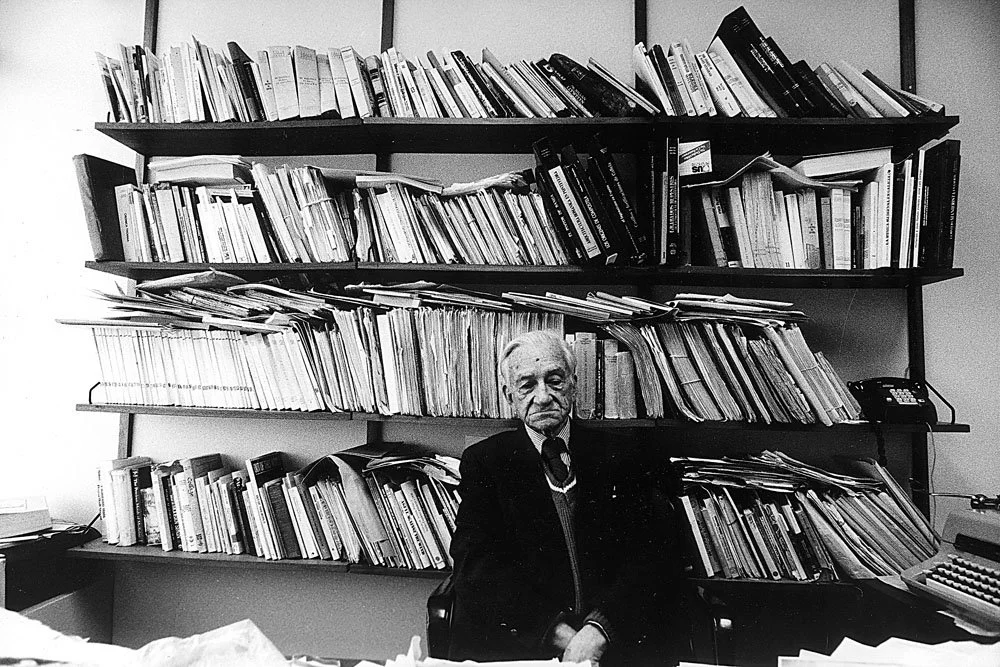
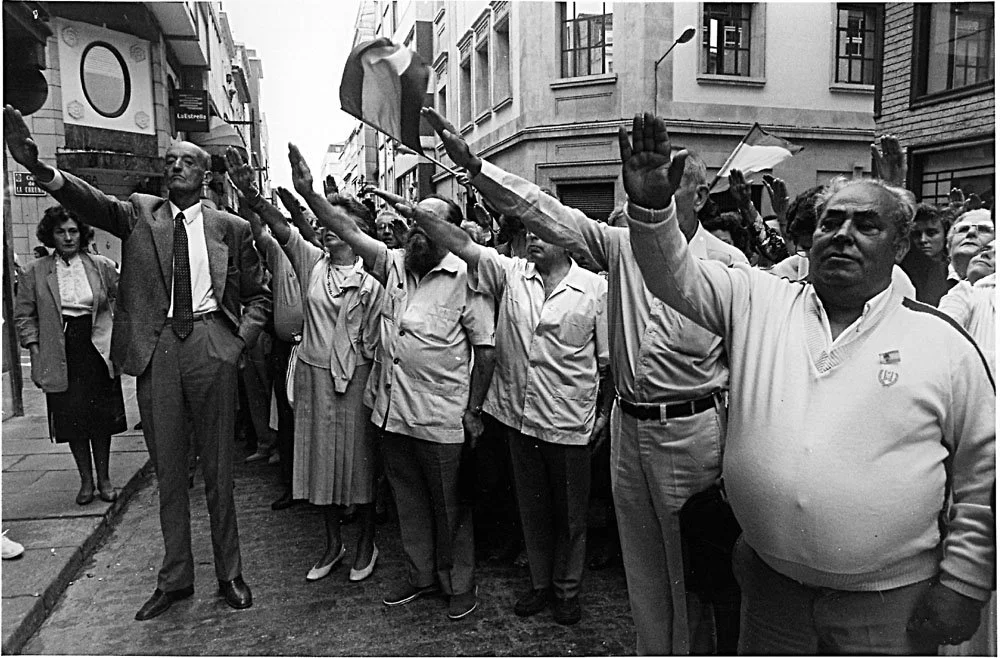
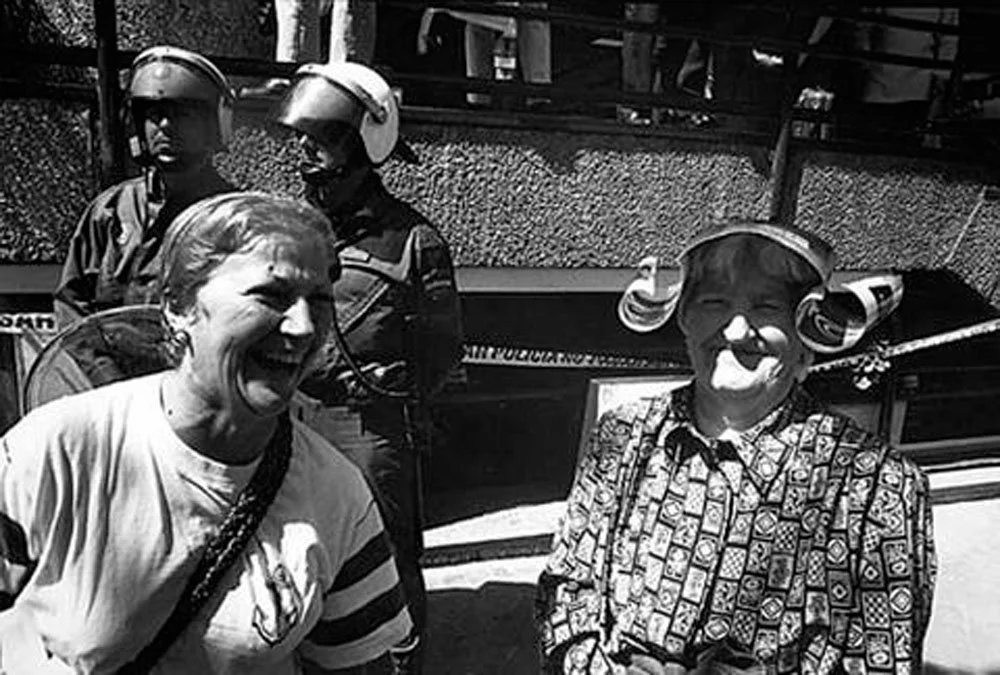
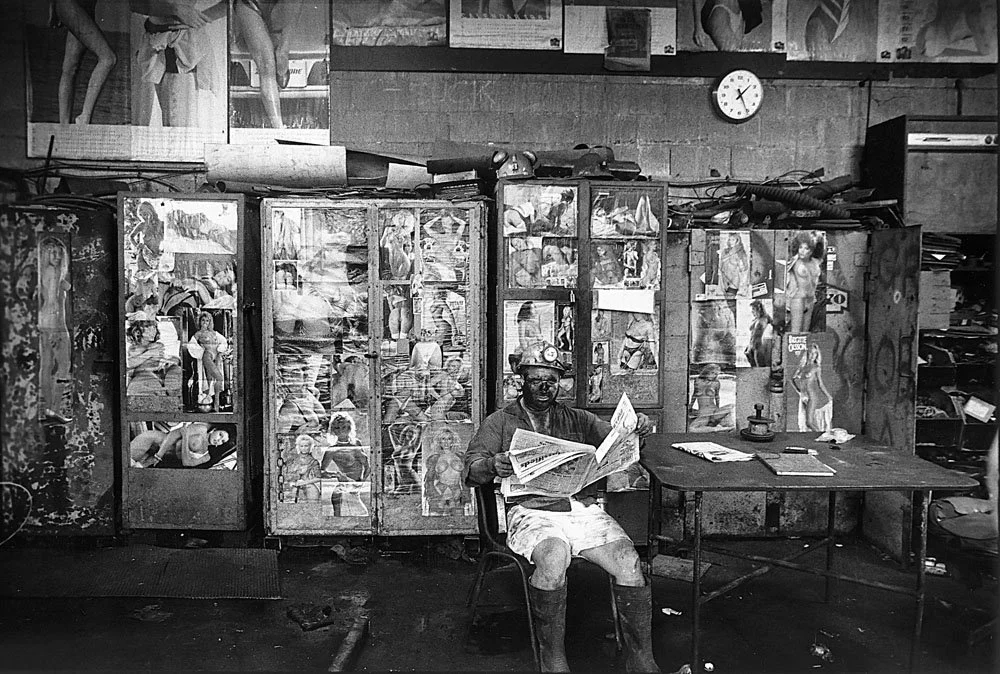
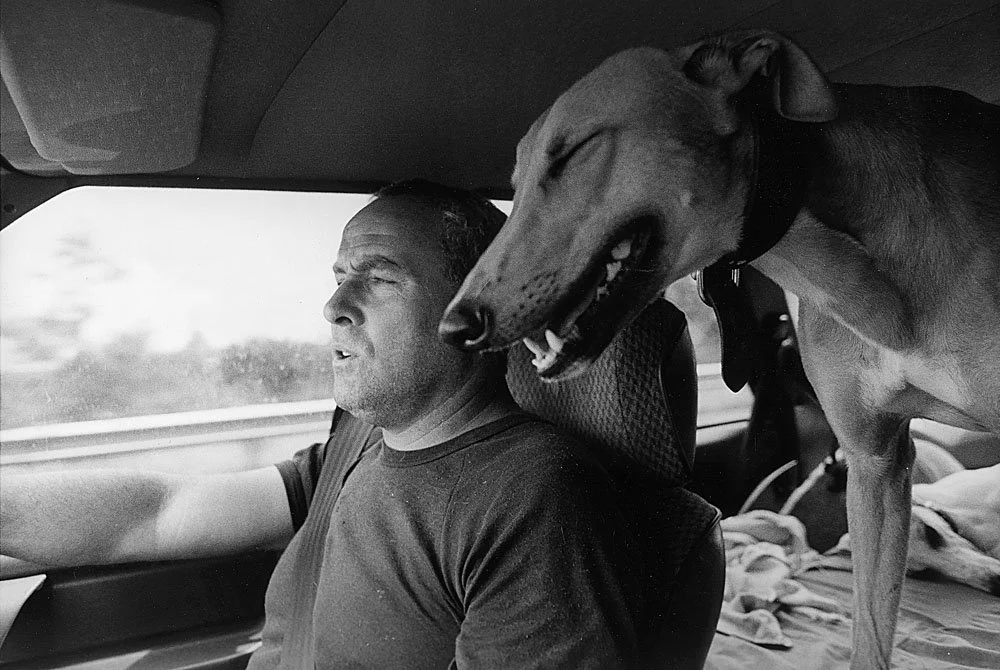
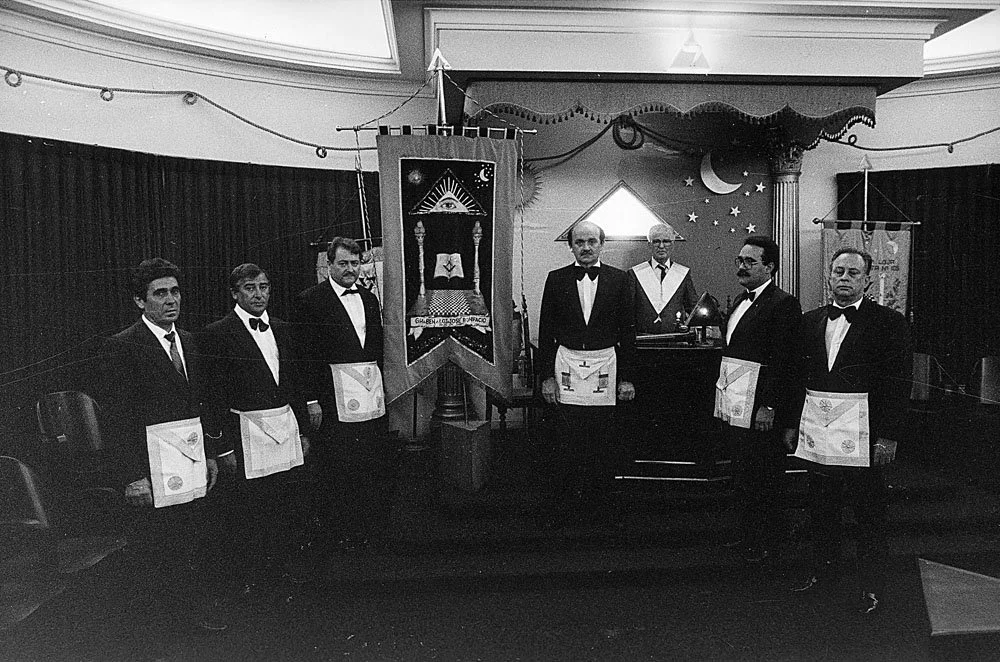
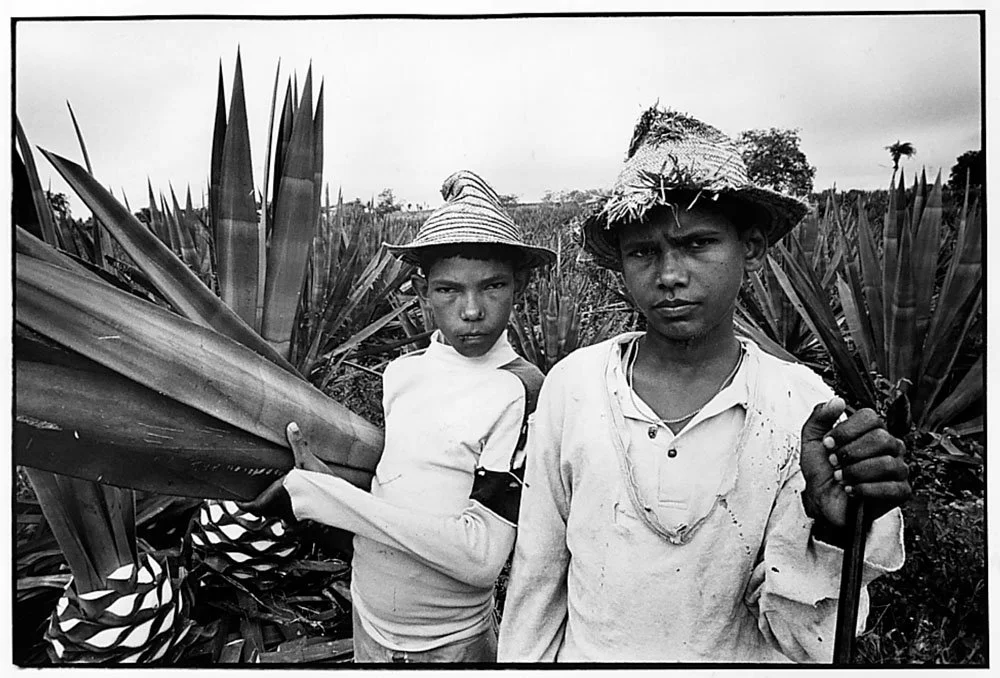
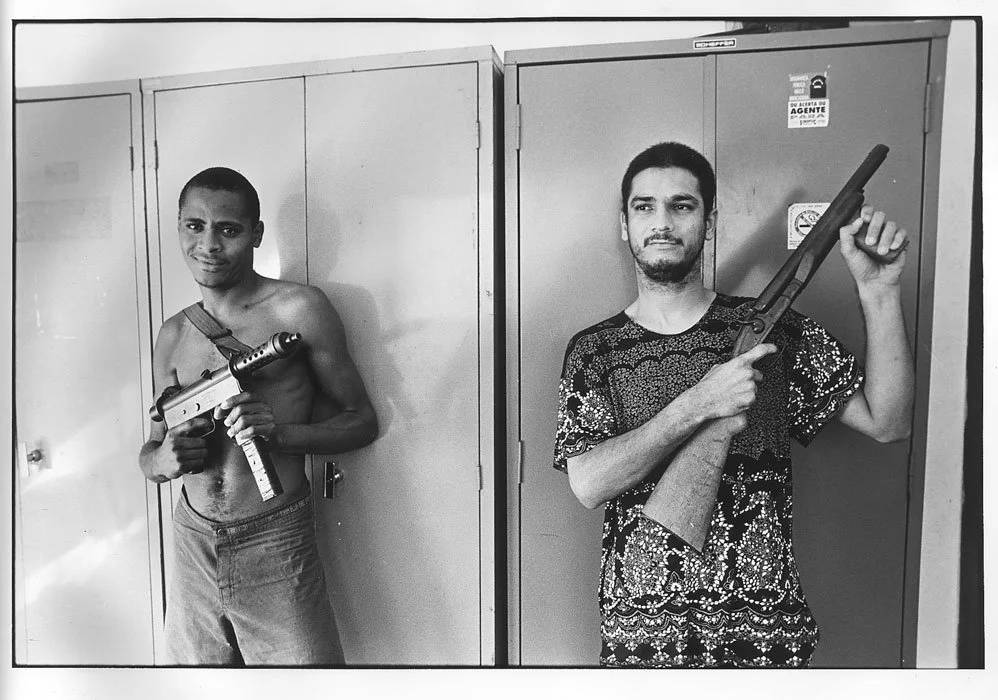
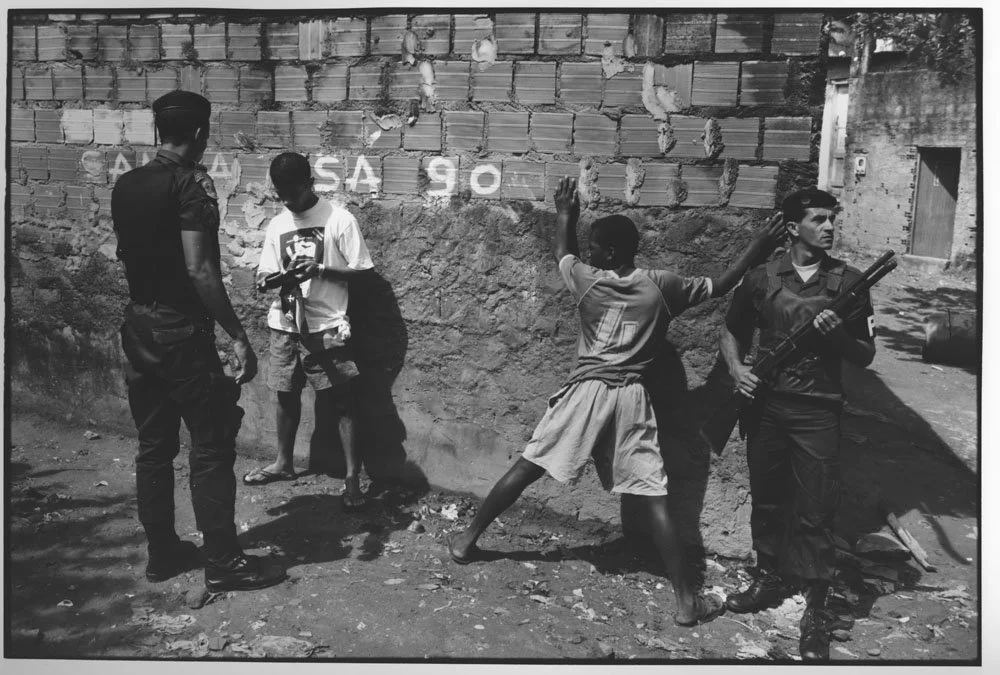
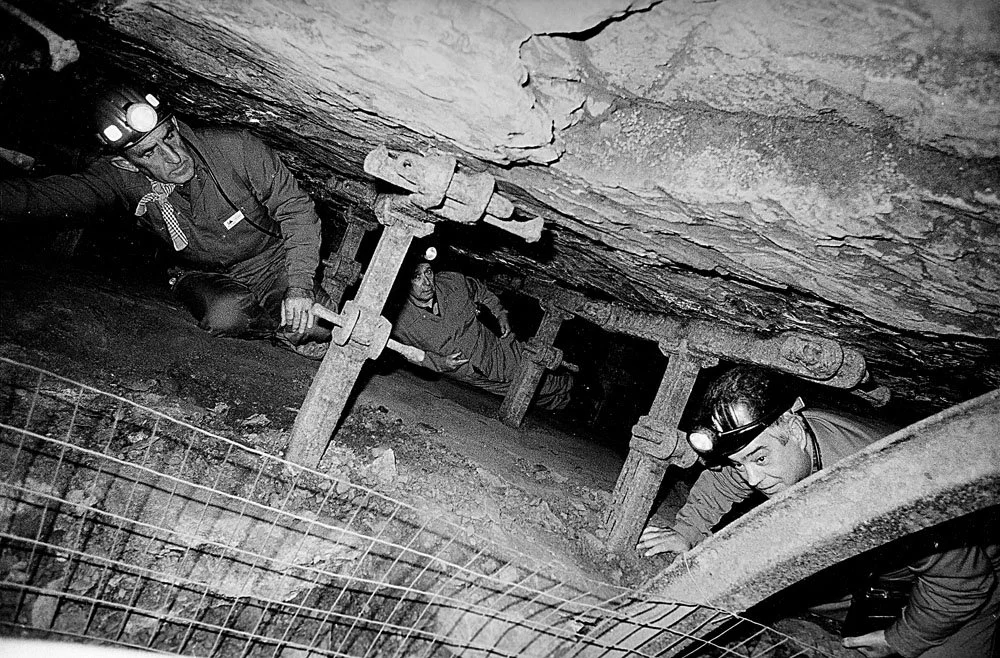
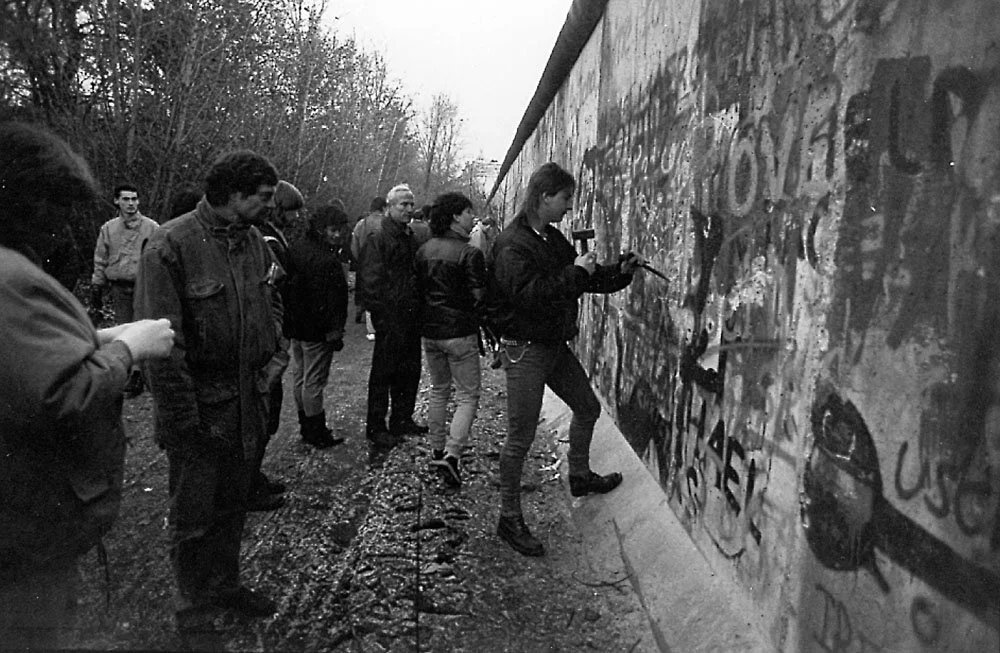
Being self-taught in photography, the drawing classes where I learned geometry have also been a significant influence, particularly regarding perspective and vanishing points. I was passionate about pencil drawing and sketching buildings and architecture, and that's evident in many of my photographs. I enjoyed painting; I tried oils and watercolors, but I've never been able to draw hands or a face. There are incredible artists in the streets, in the summer months in cities, who create drawings that look like photographs of anyone. There are true artists who work wonders with BIC pens, and that fascinates me, making me realize perfectly that drawing isn't my thing, even though I still use 2B or 4B pens to write in plain notebooks.
Is photography subjective? Yes, of course it is, and it depends a lot on the angle from which it's taken. It's not the same to photograph a scene with a 35mm lens as with an 80-200mm lens. And that happened not long ago with a photographer who, using his telephoto lens, overwhelmed the crowd on a beach during the pandemic, giving the impression that many people were ignoring social distancing rules. But some people proved that they were also there that day and explained with other wide-angle photos that people were indeed maintaining the required distance.
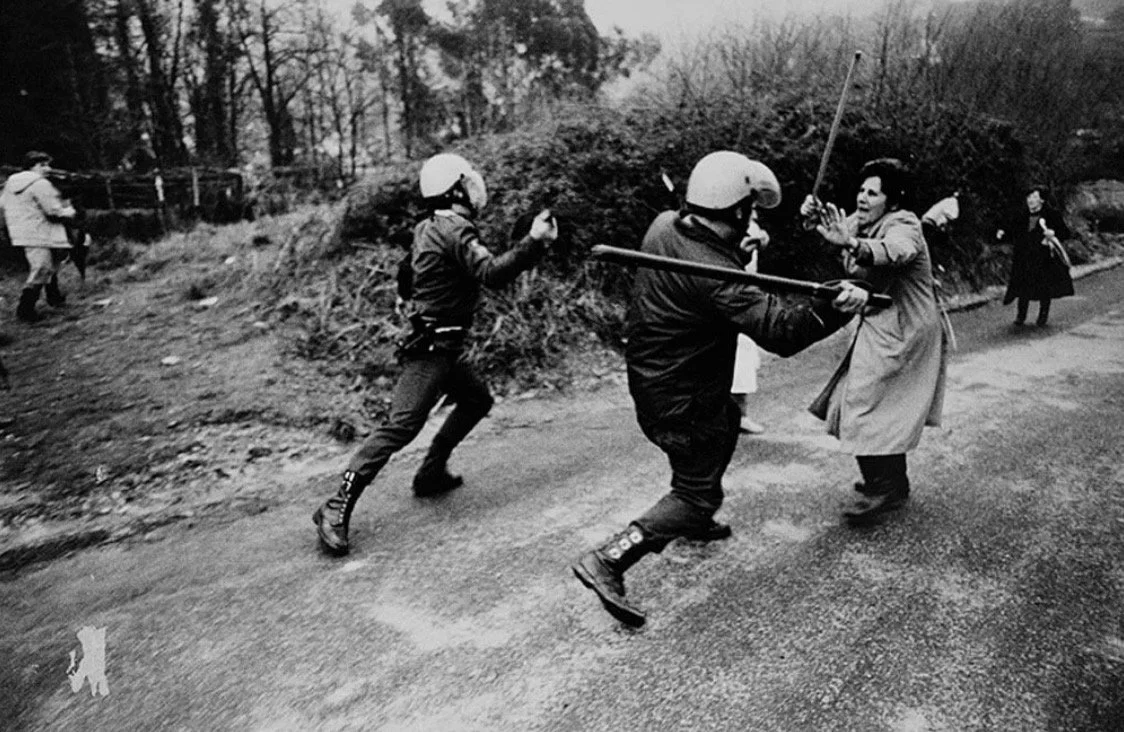
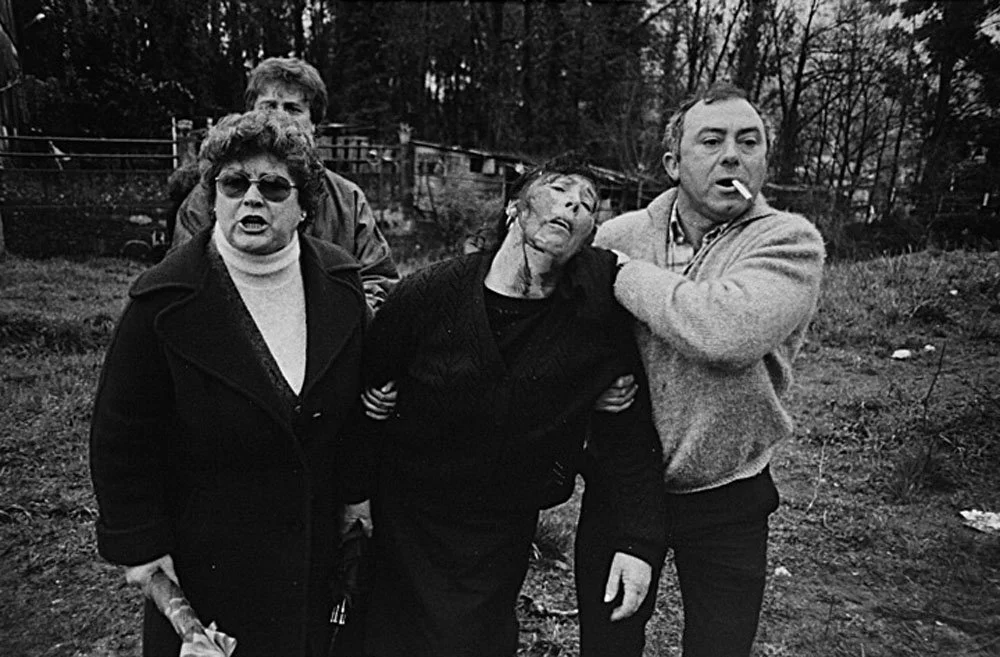
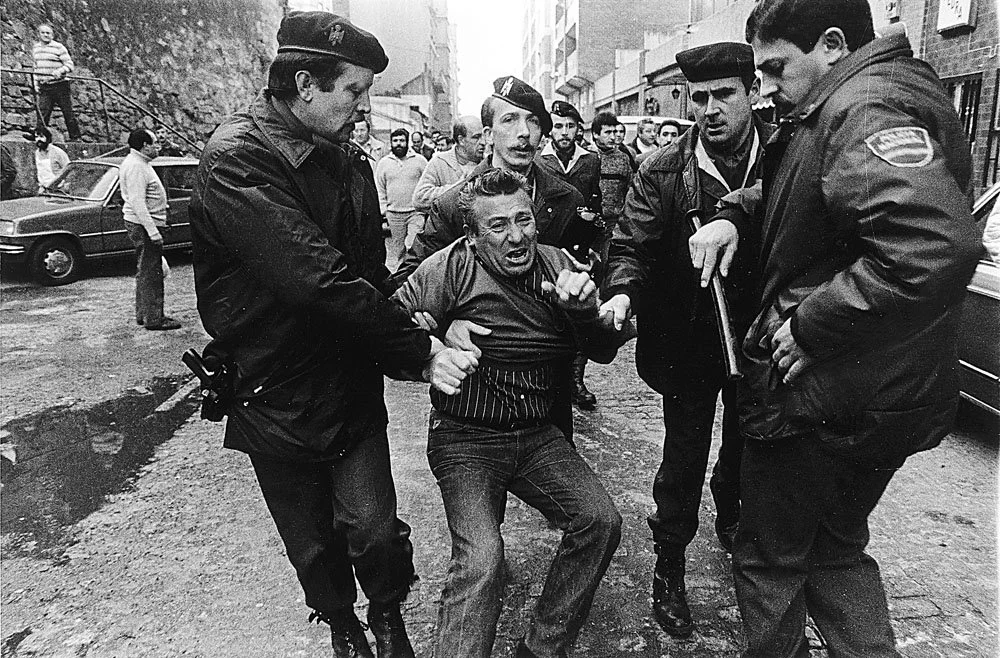
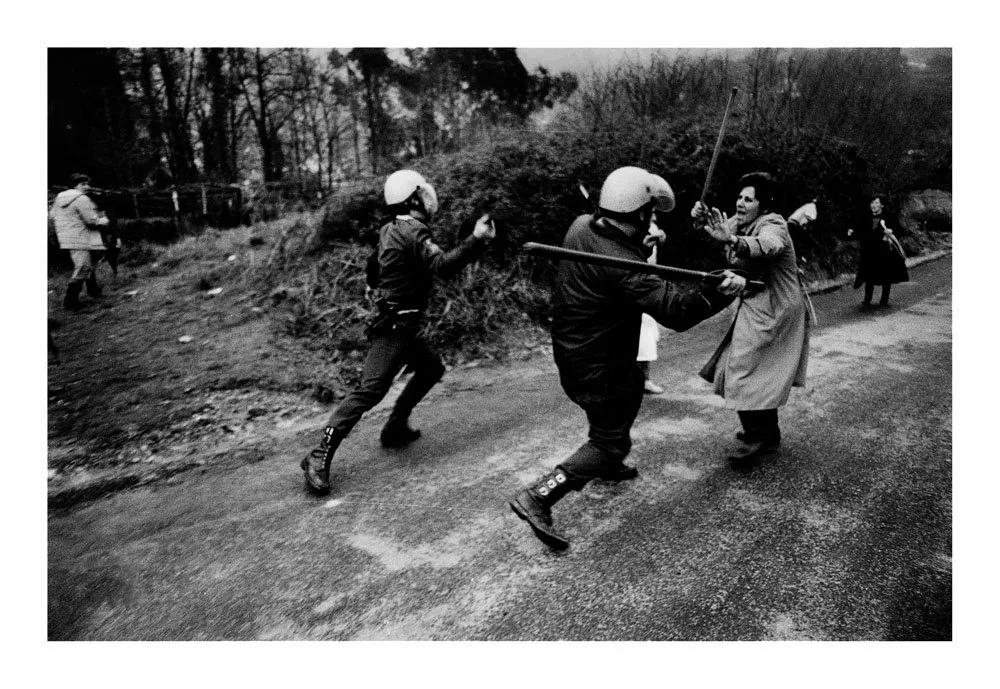
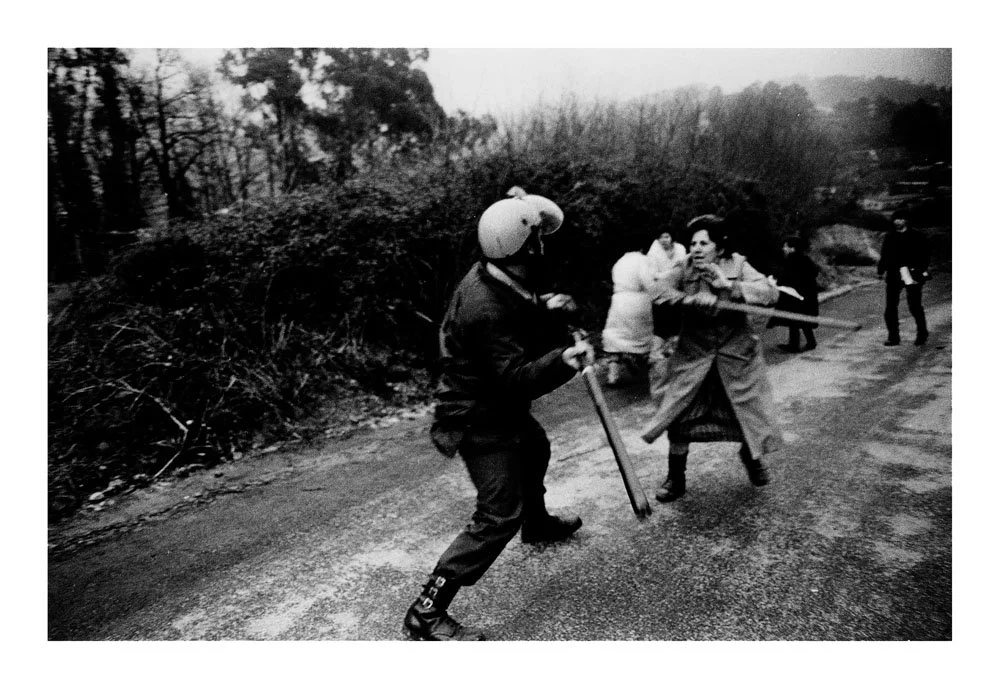
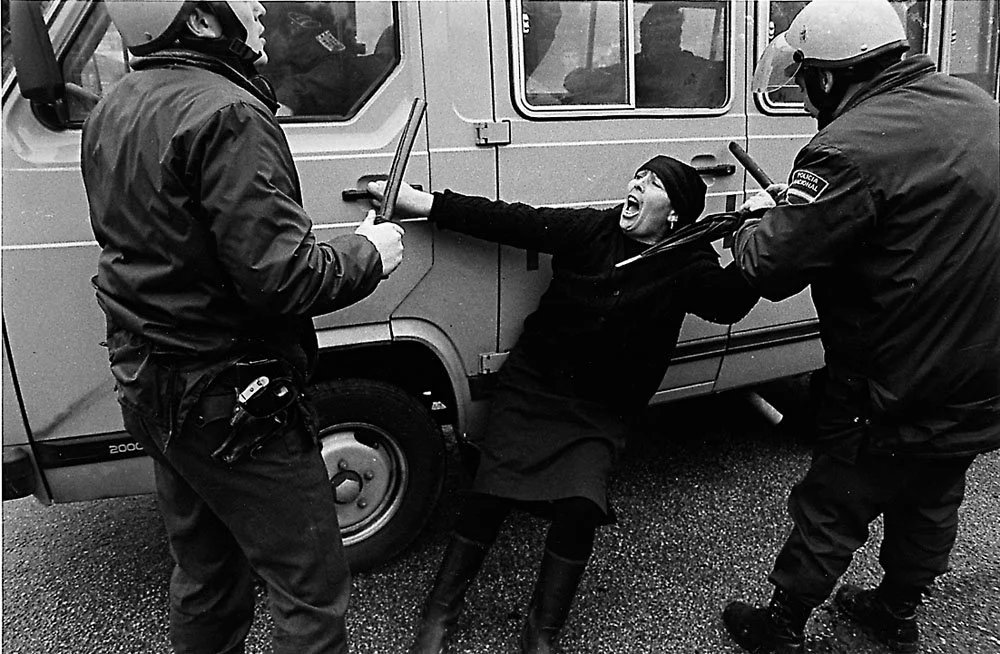
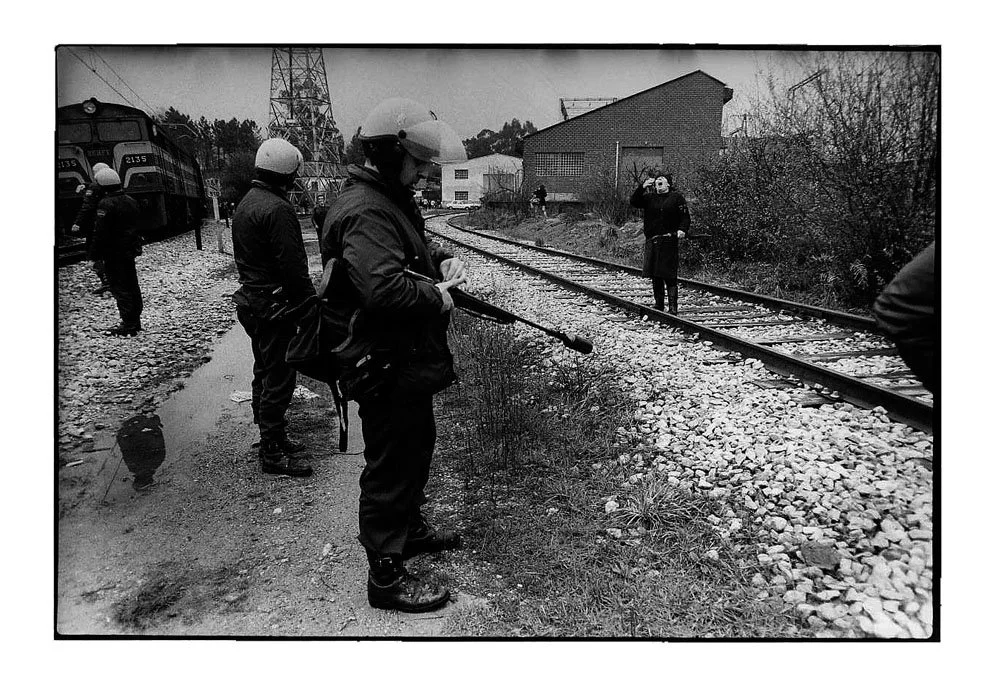
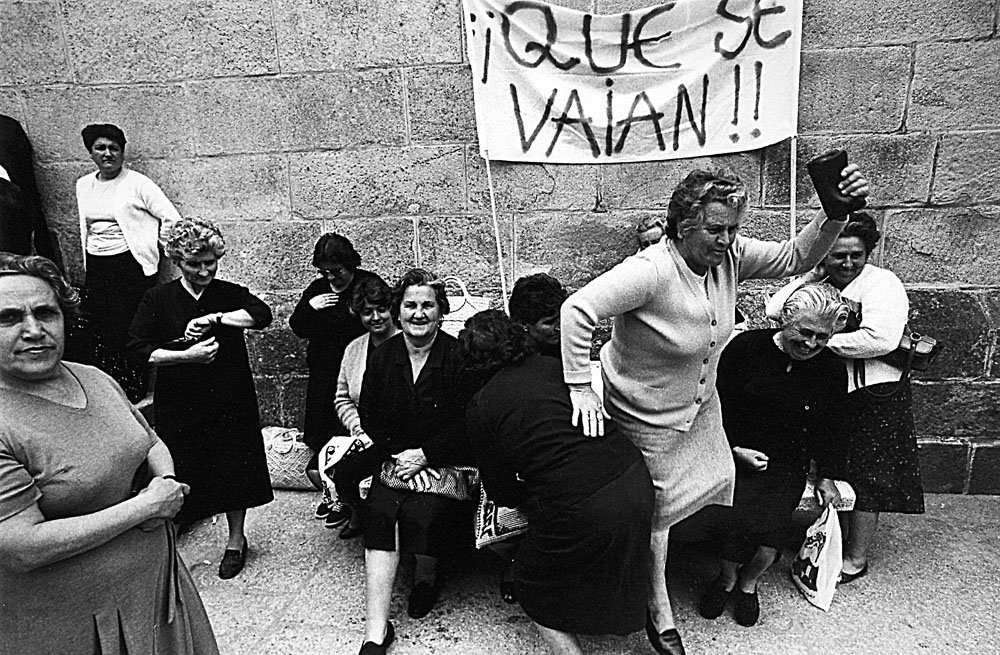
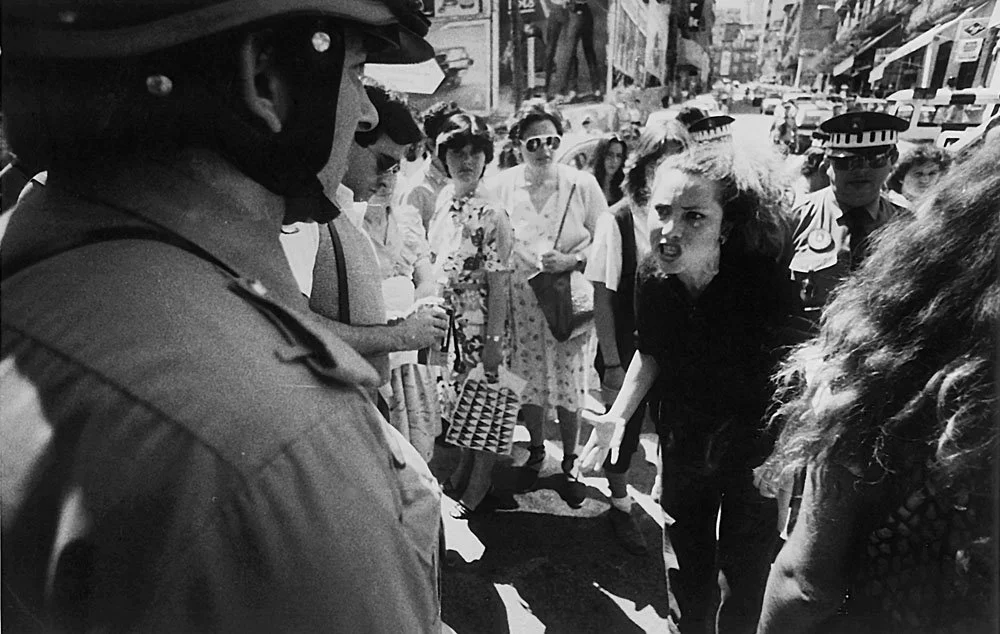
Mulleres de Telanosa. Redondela 1986
Have you ever stopped taking photos? Yes, quite a few times. It's not always about pressing the shutter; empathy for human beings is something we shouldn't lose, from my point of view and opinion. I've stopped photographing someone because they specifically asked me to. I've stopped photographing something because I realized that the photo was utter garbage, useless even if it might have some value.
There are many questions and answers, but the important thing is that photography brings you satisfaction. Working with black and white has been wonderful. But at the same time, we've polluted the environment a lot with chemicals. It's outrageous. I've put my negatives to sleep in boxes at my mother's house, and I still have slides that I'll have to scan someday. But to be honest, I've gone through periods when I hated the camera, when I didn't take a single photo. I only wrote, which is what I enjoy most, or walked my dog Roko, which is what comforts me most.
A photographer once told me: take photos, as many as you can; take lots of photos. And I tell others who ask me: take photos, take photos, and read the photos, read the semiotics of each image, and you'll create your own way of photographing, your own style, because it's not your eye—the eye is a tool—it's your way of seeing life, your concepts; that's what helps you press the click.
In a PhotoYouth project with blind and disabled children, I learned a lot from them. Yes, blind children can make or create images. They live in another dimension because they lack sight, but they have other senses that are much more developed, allowing them to understand what they have photographed.
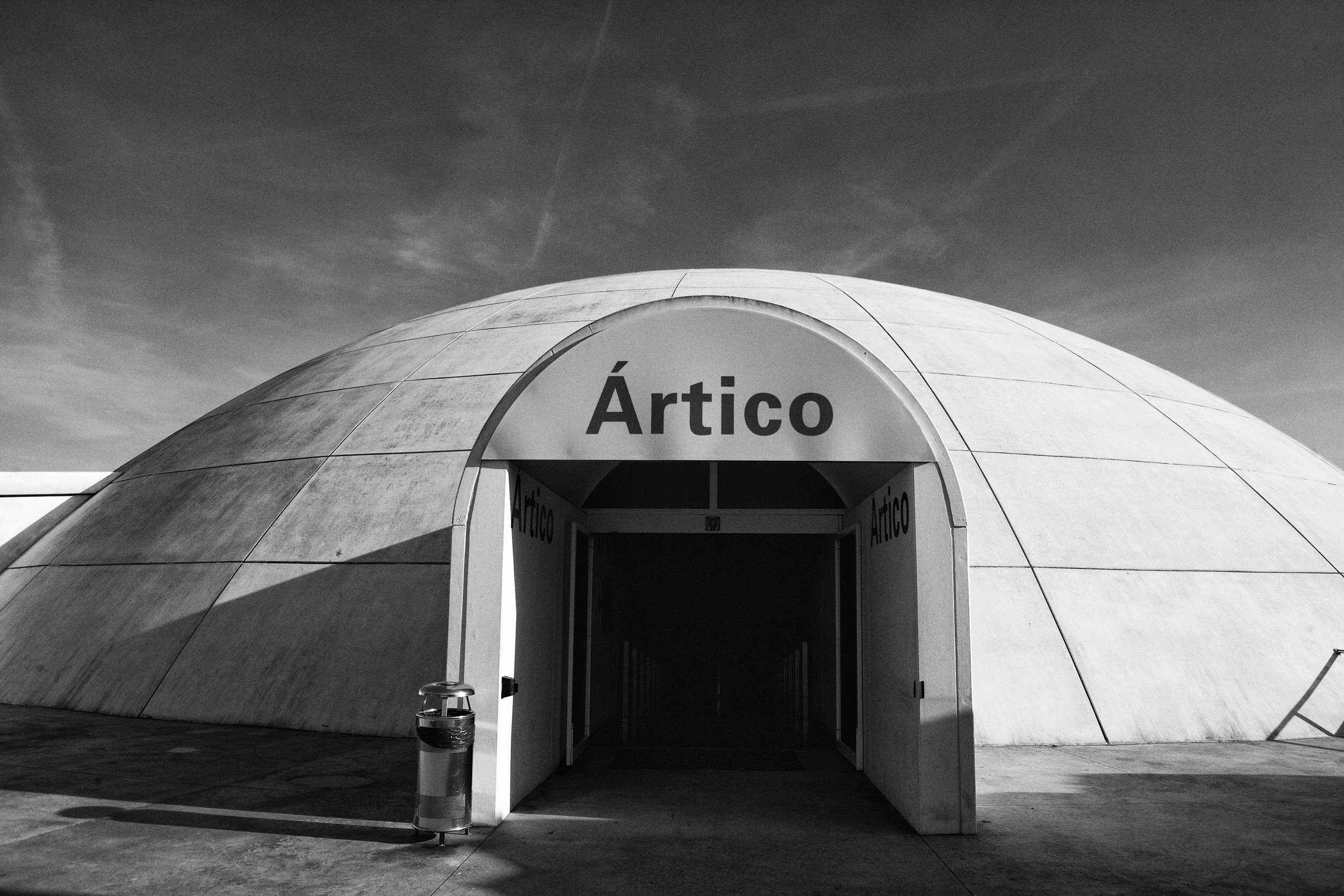
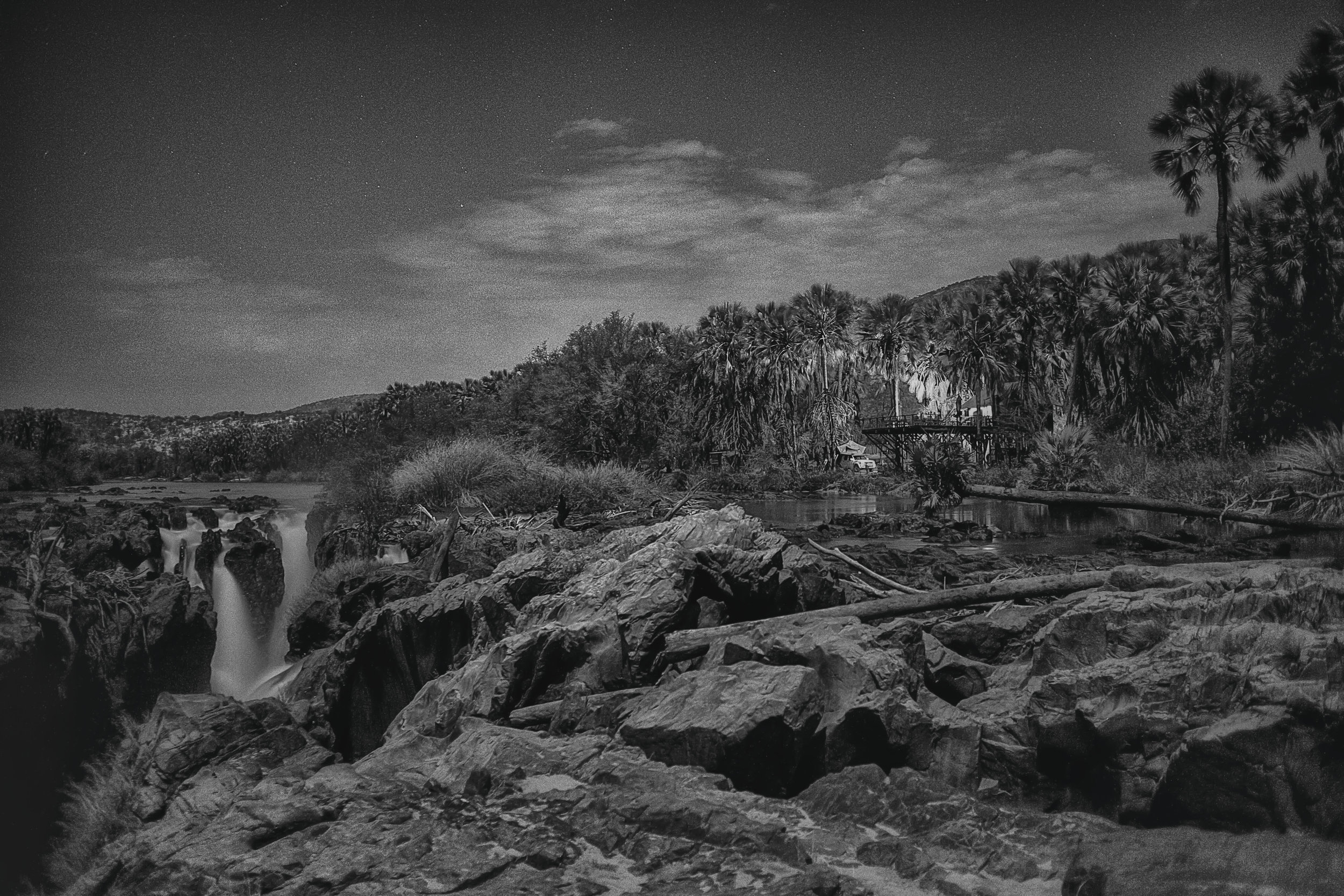
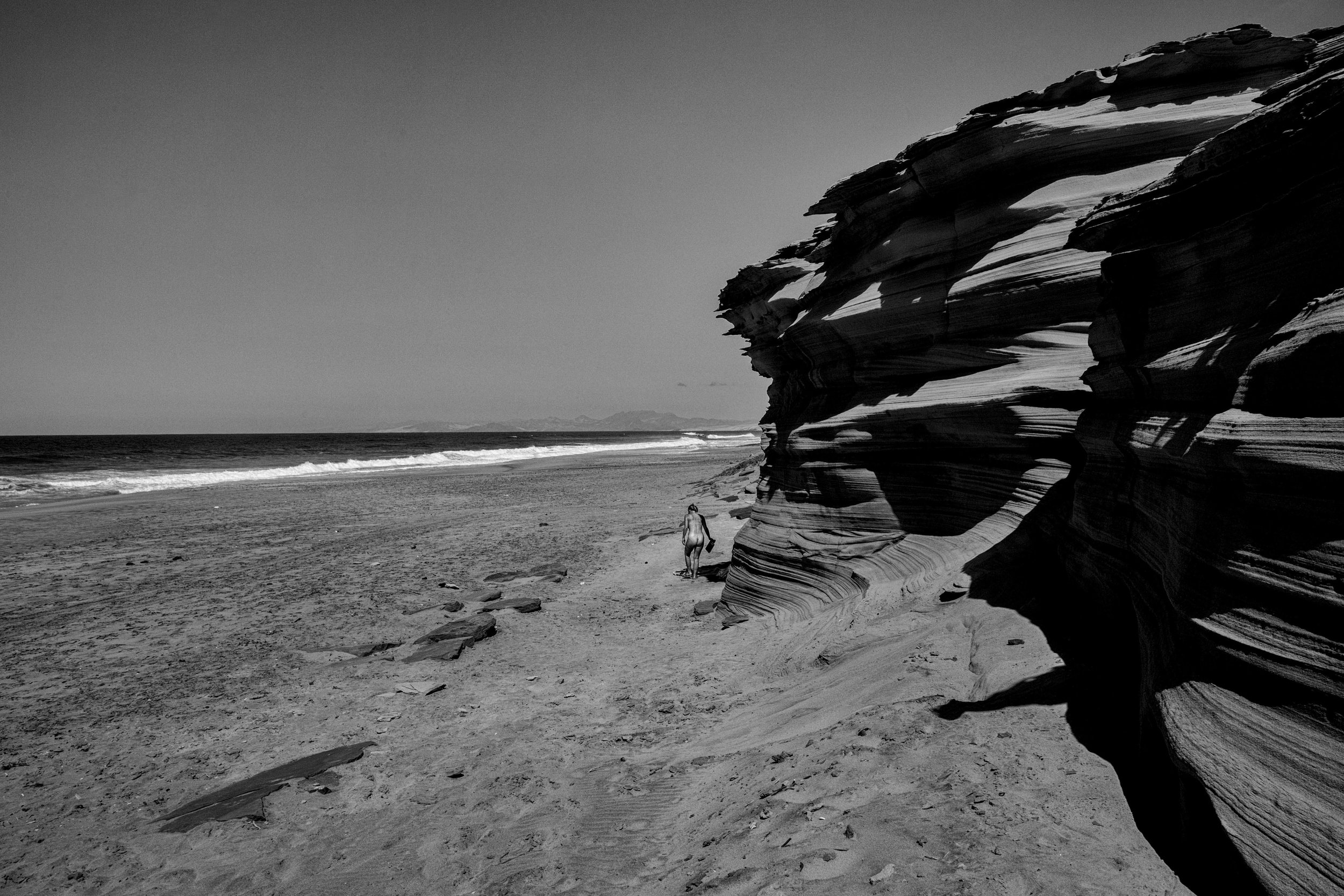
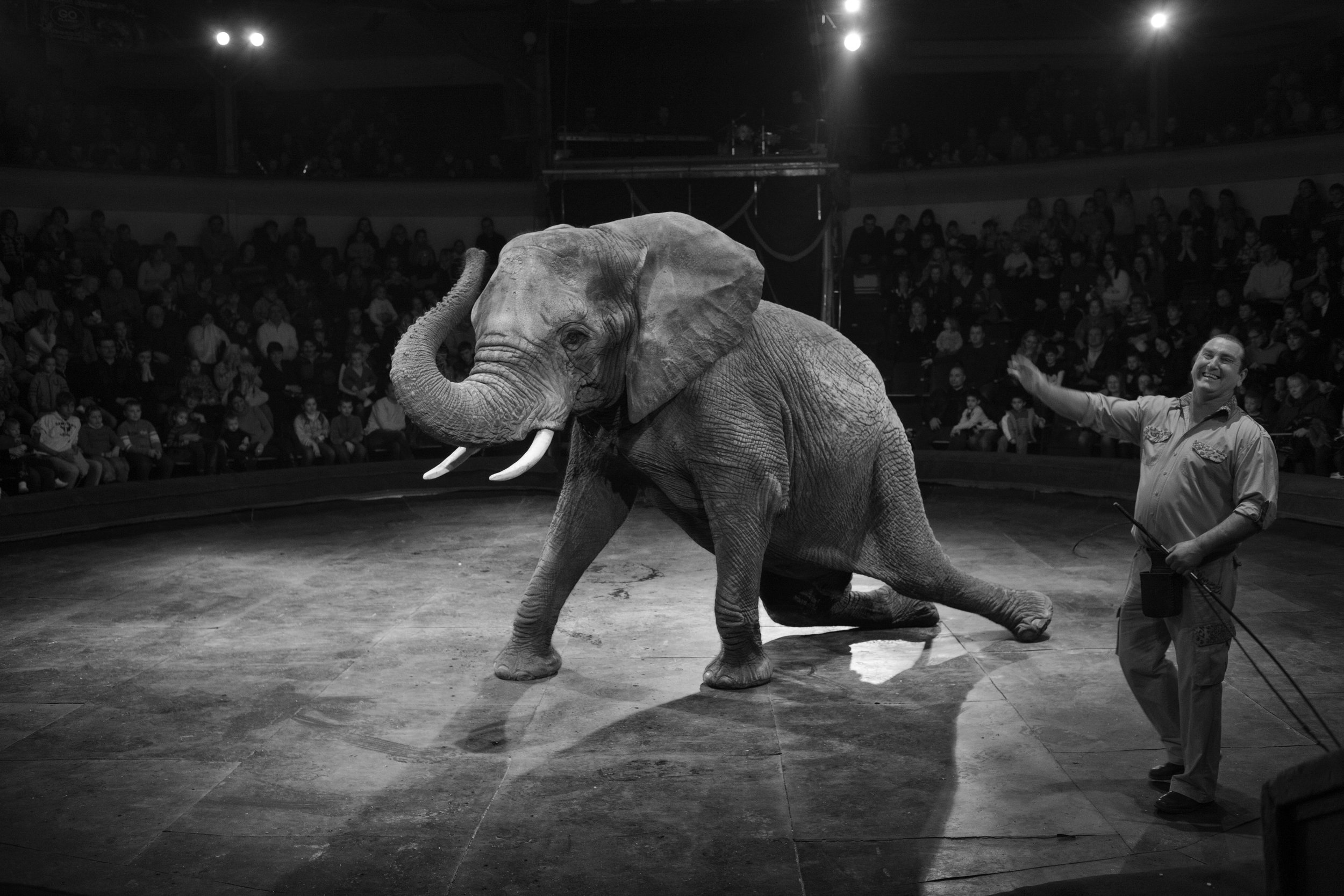
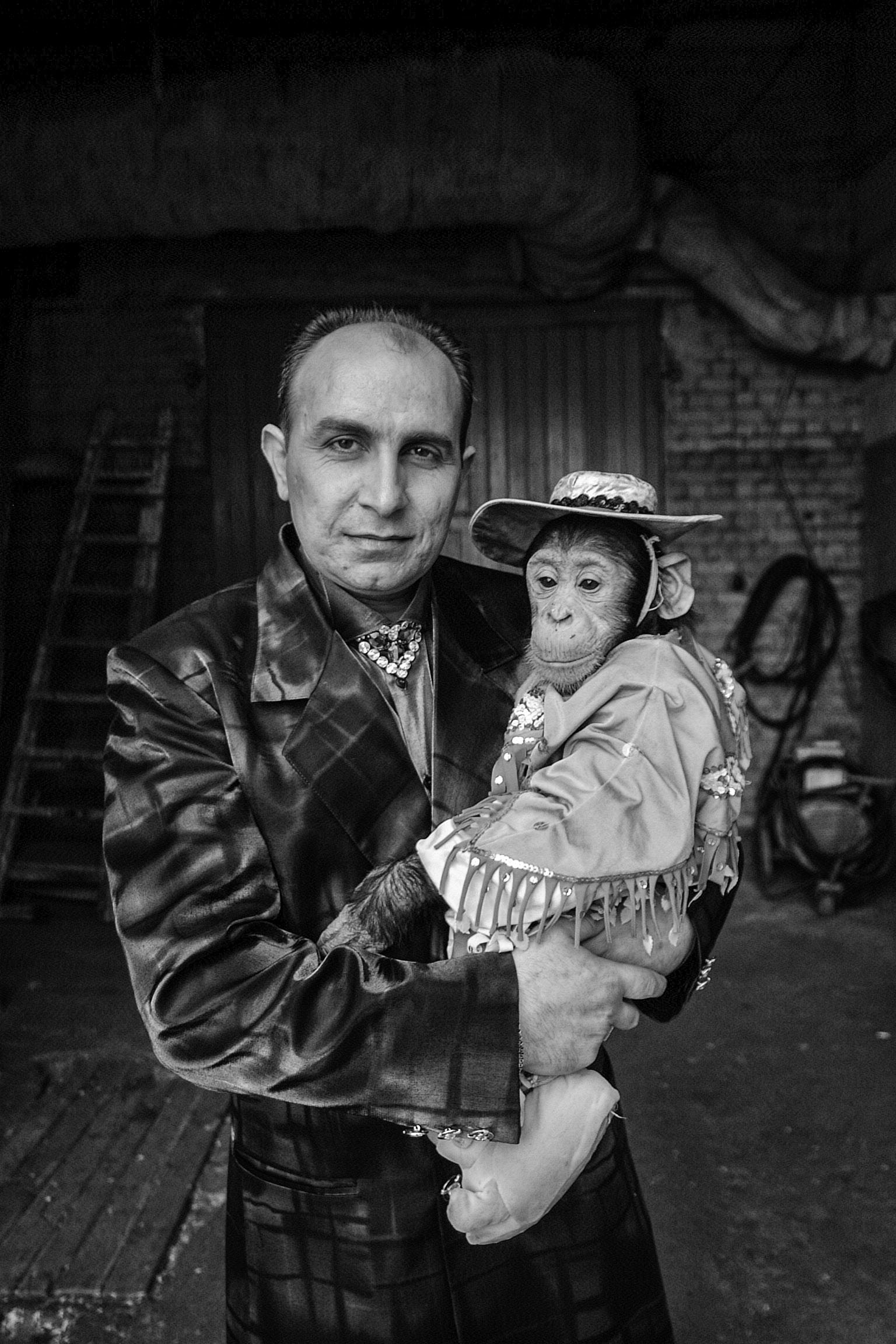
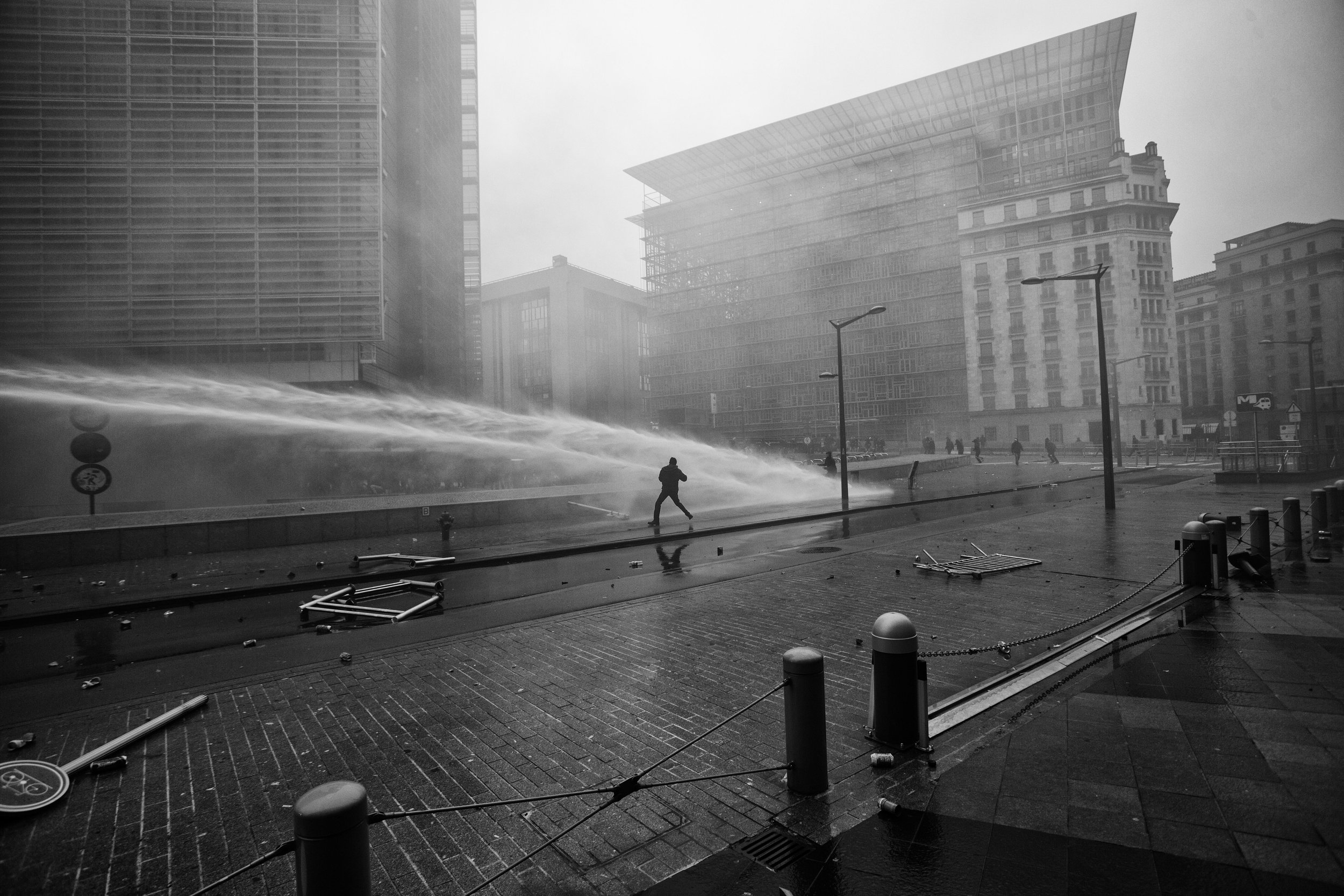
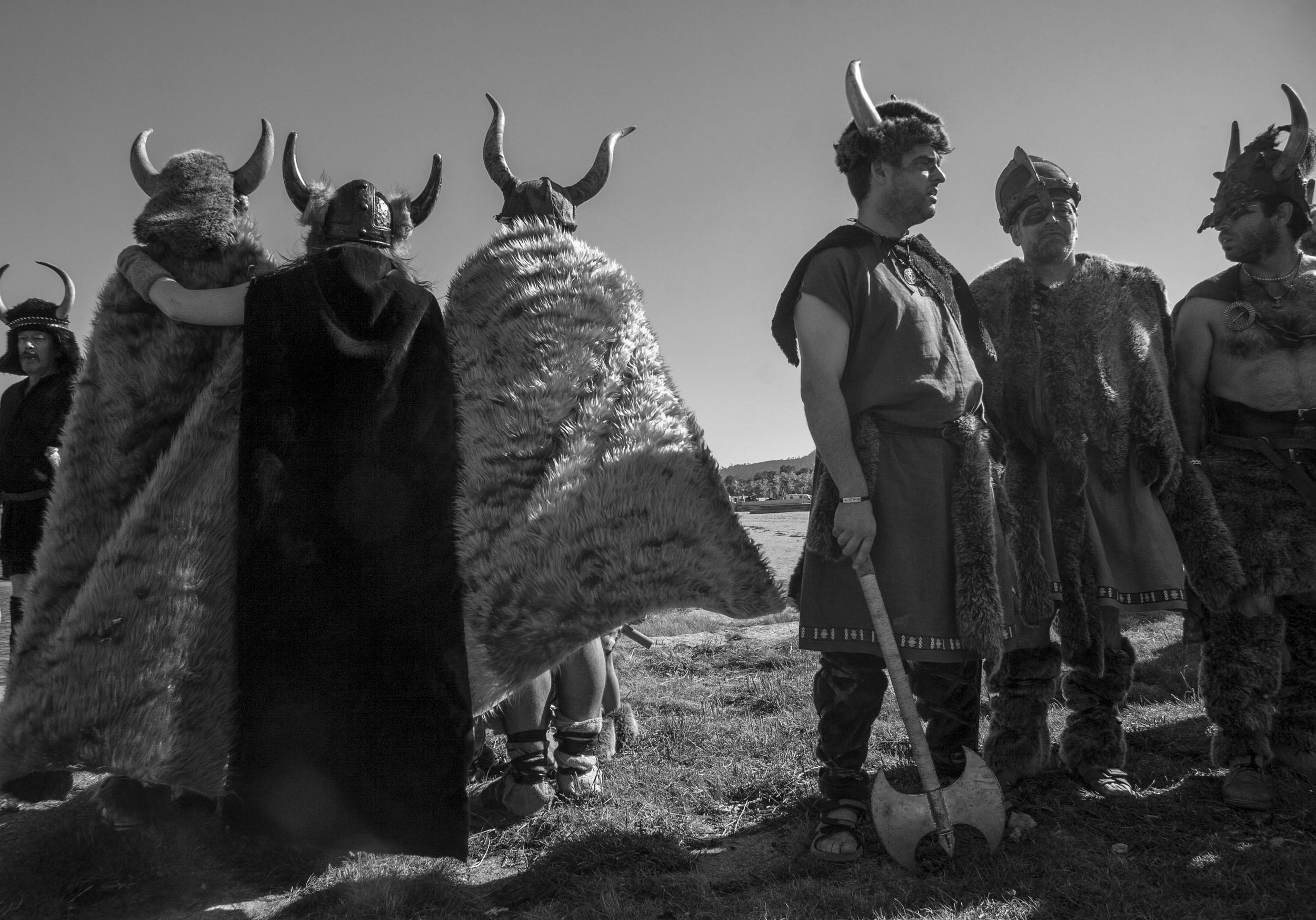
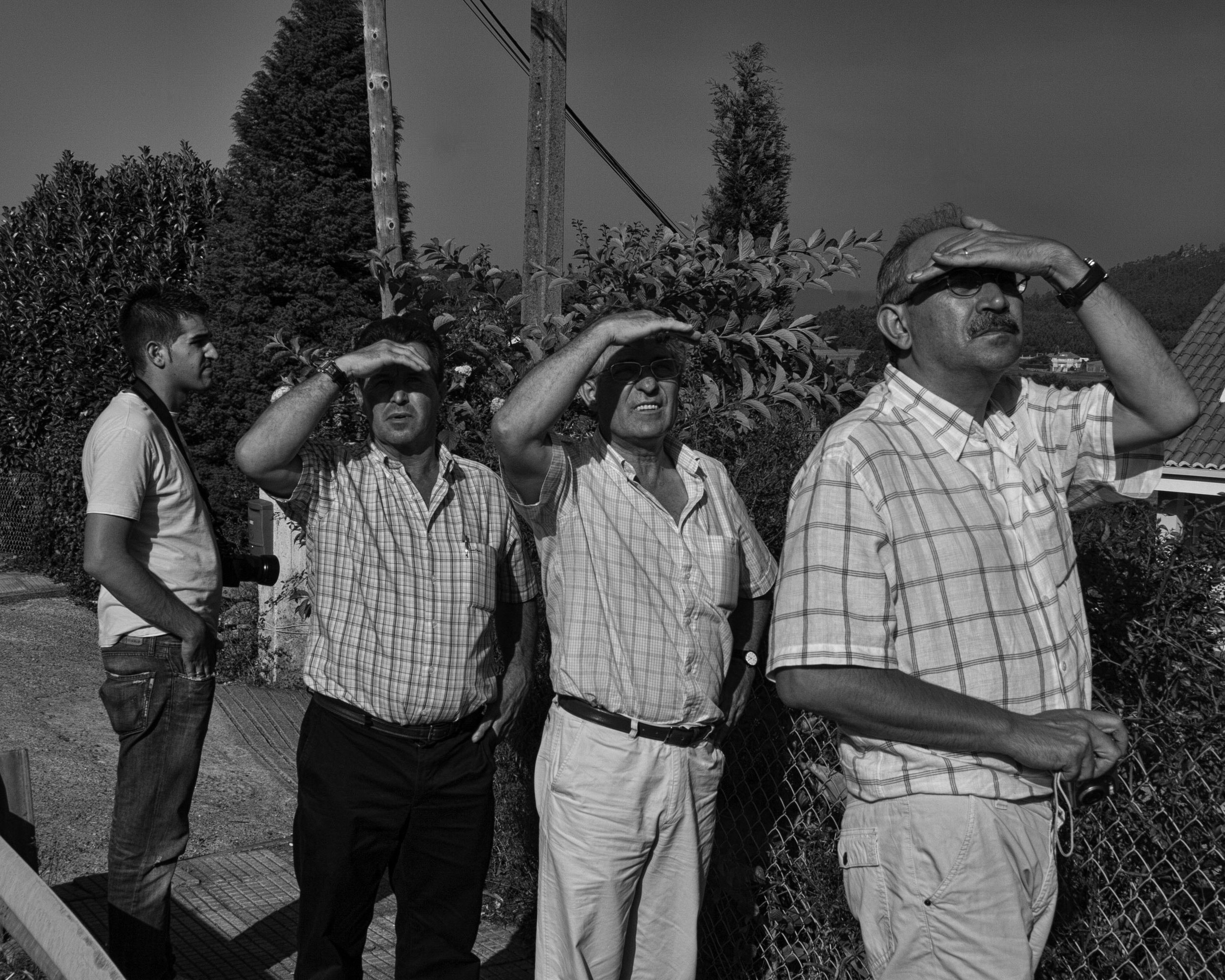
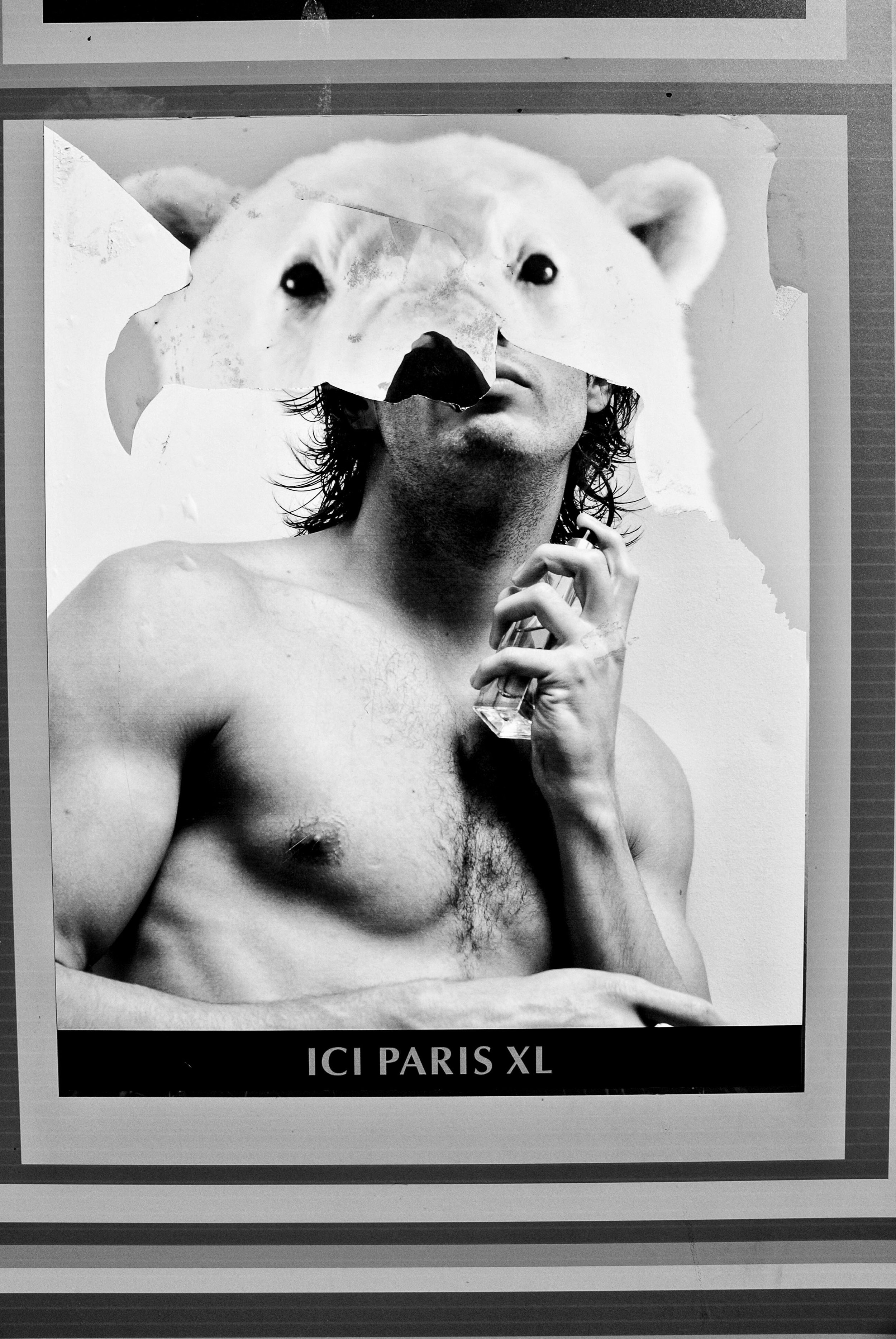
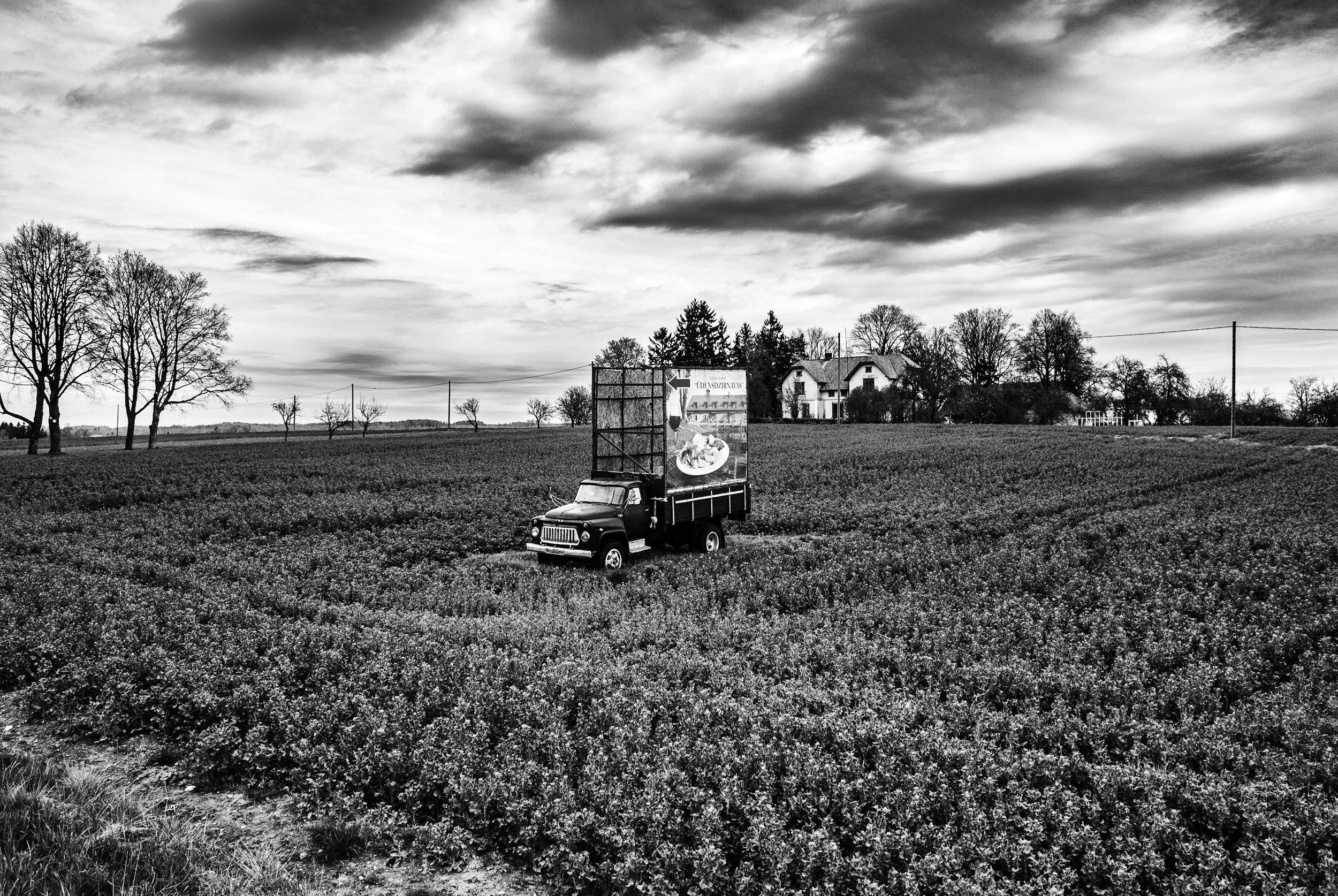
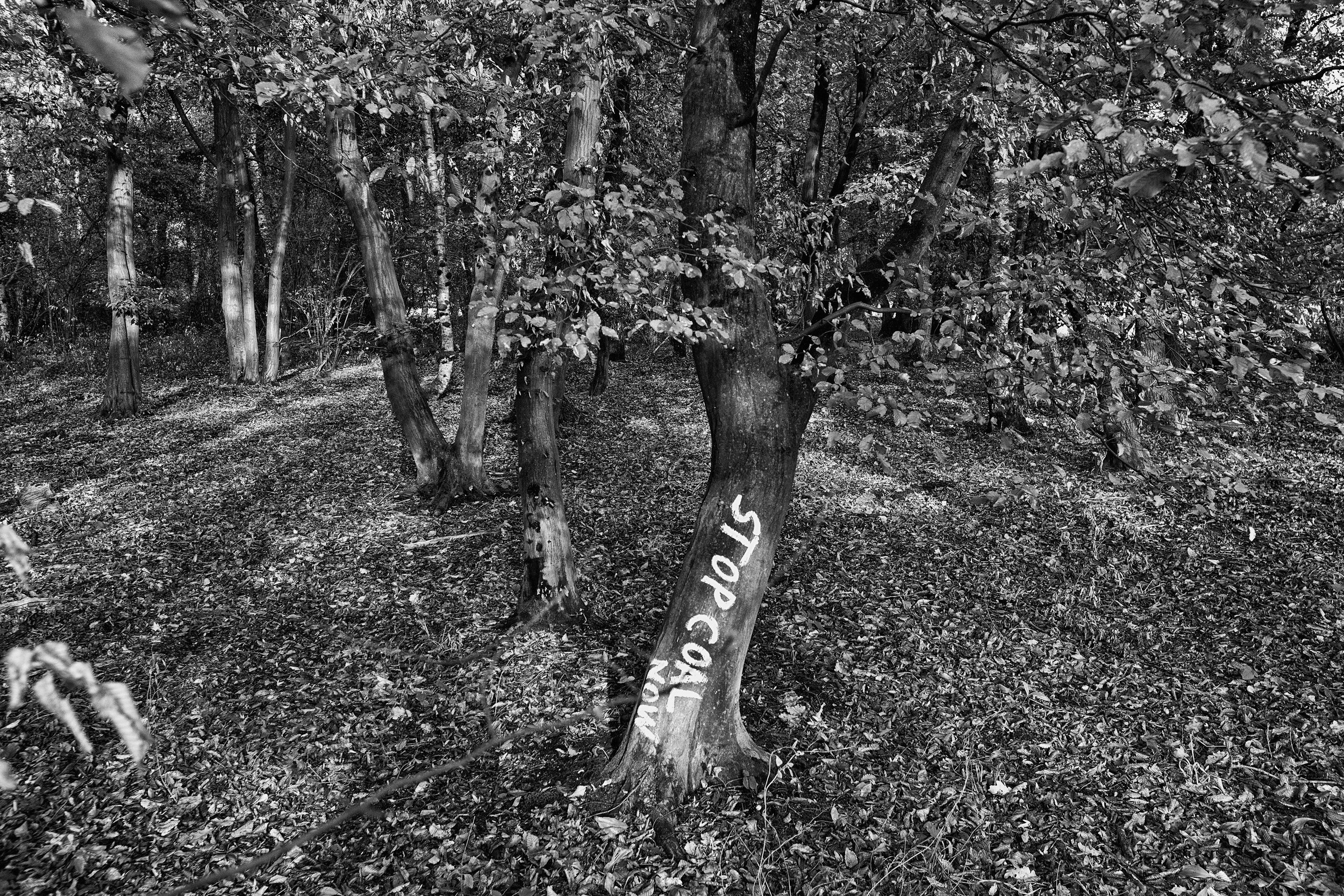
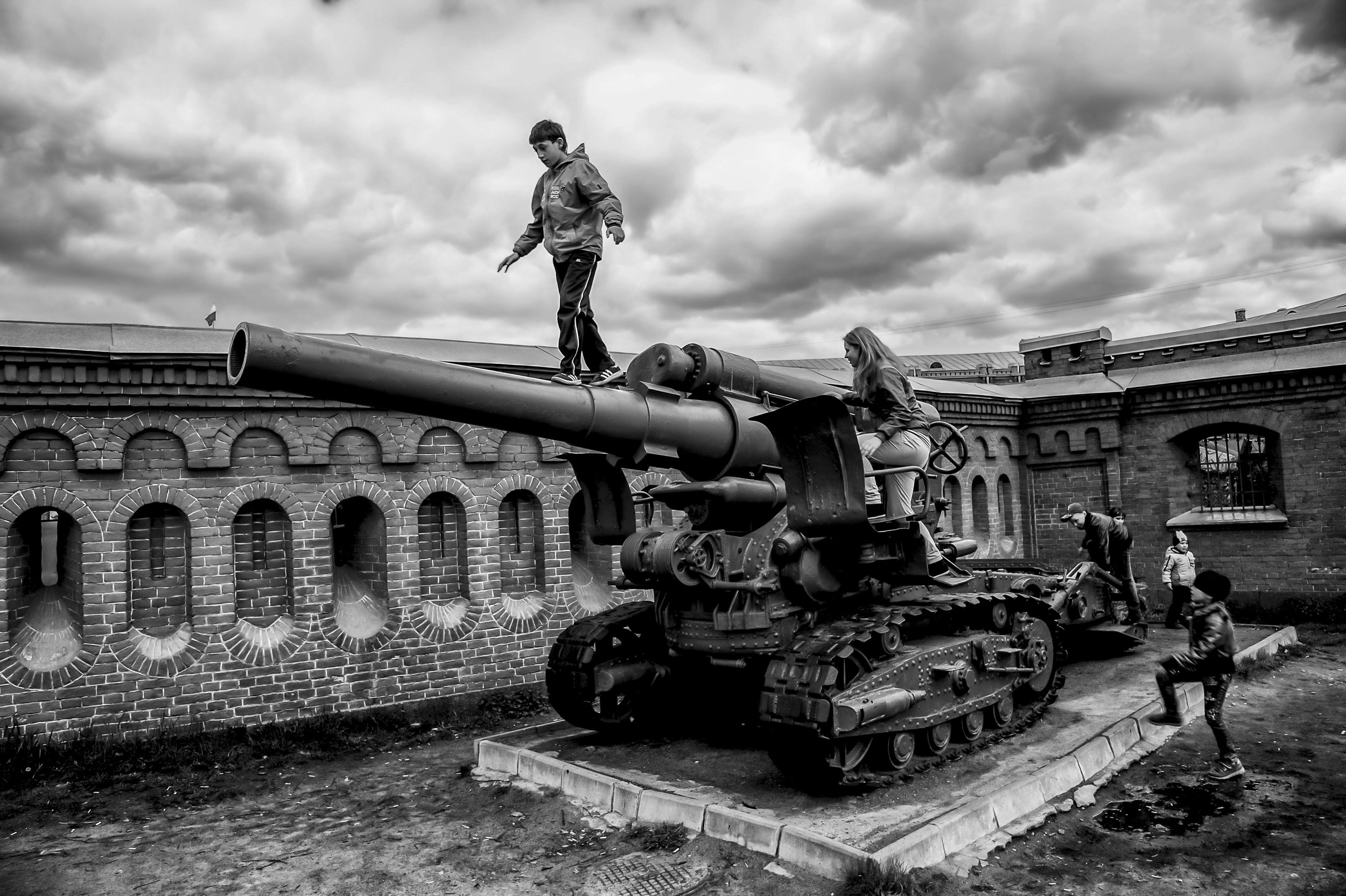
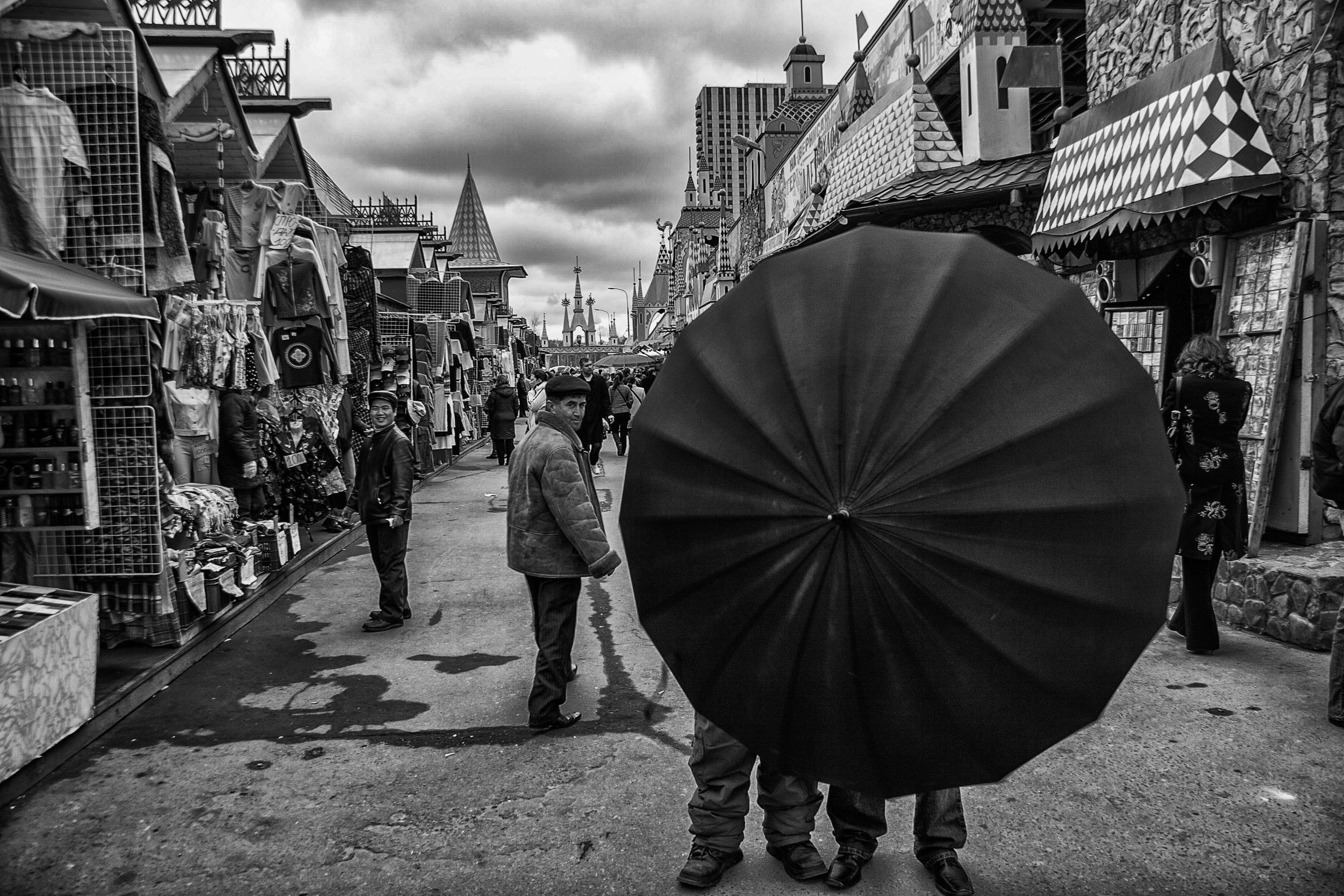
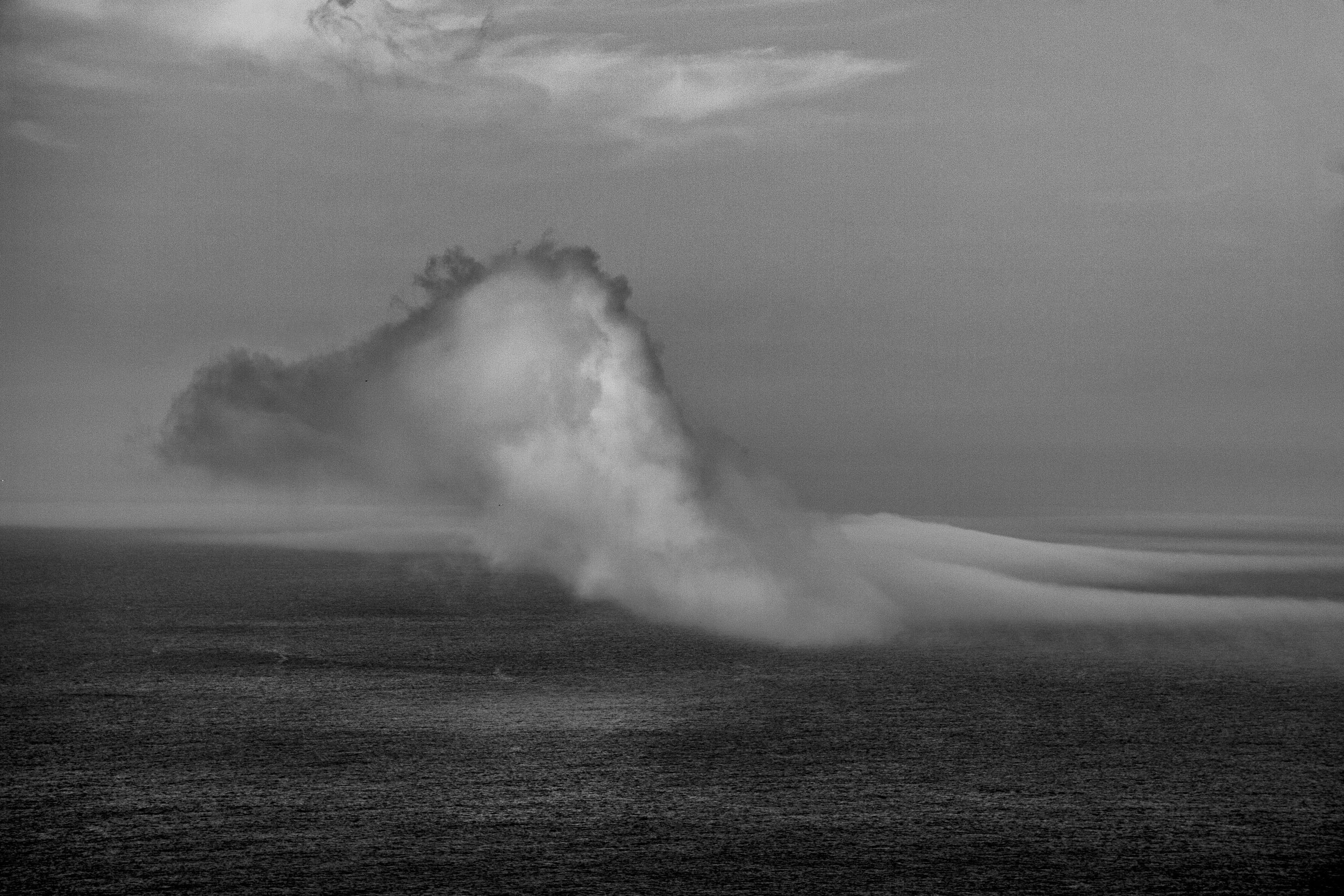
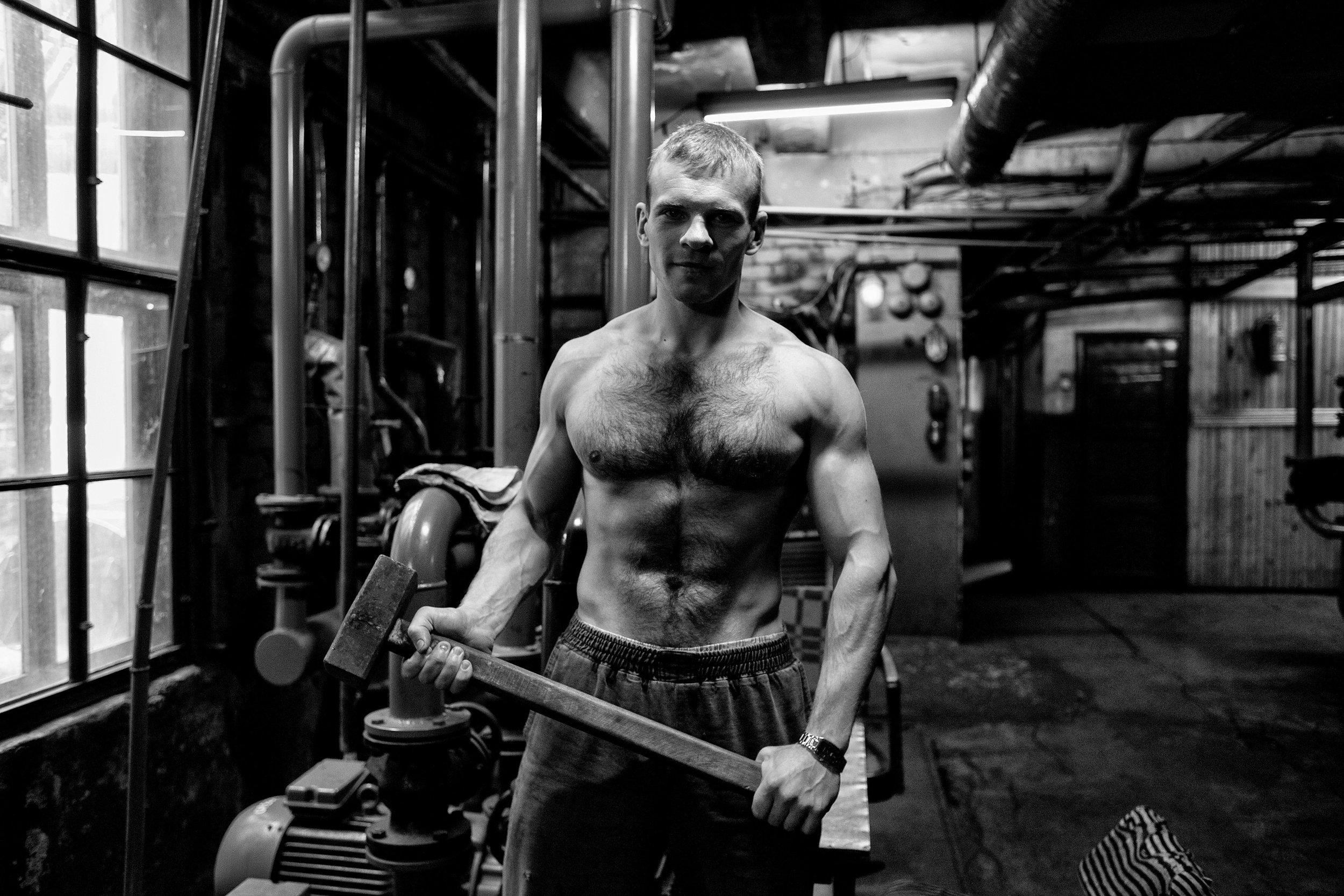
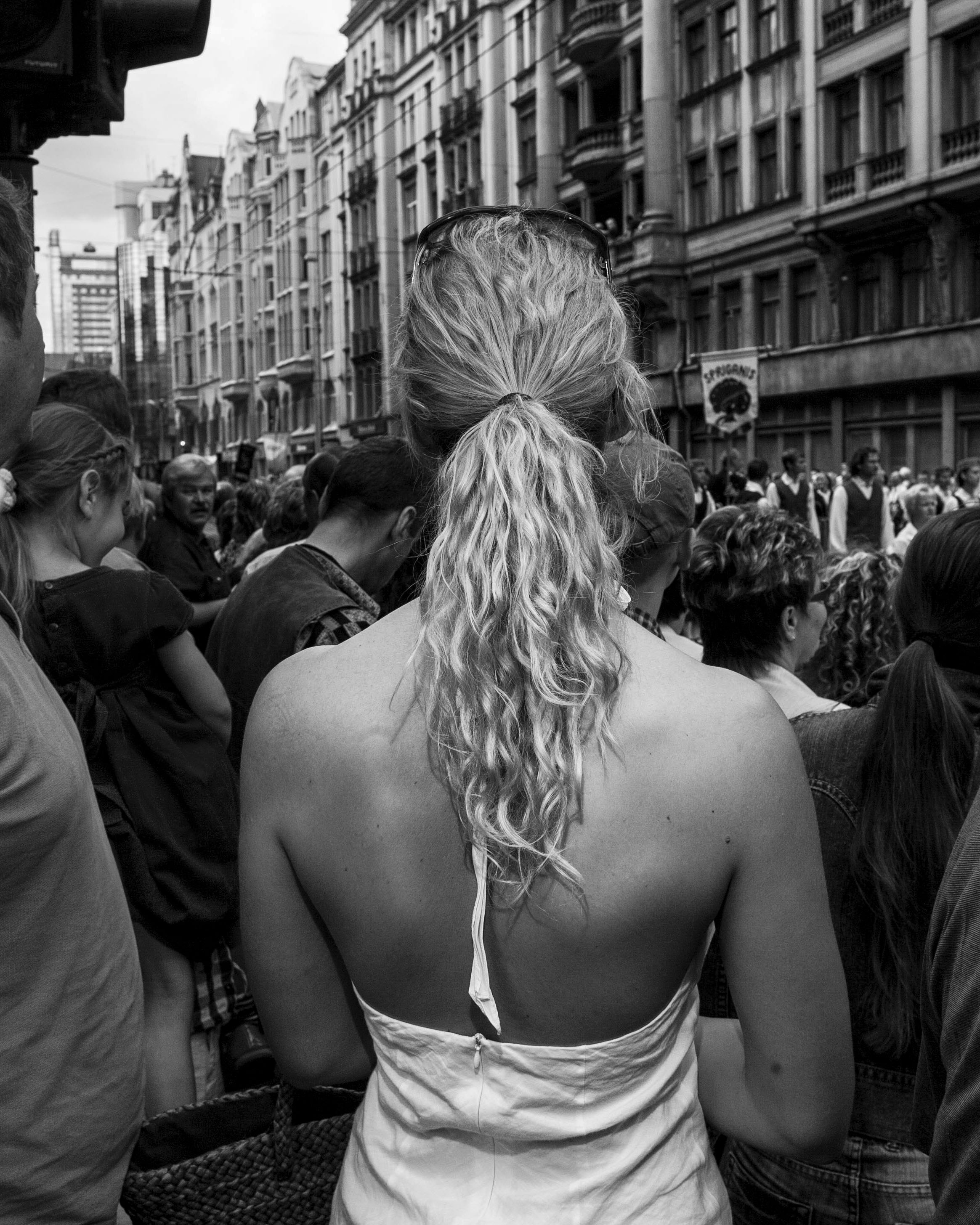
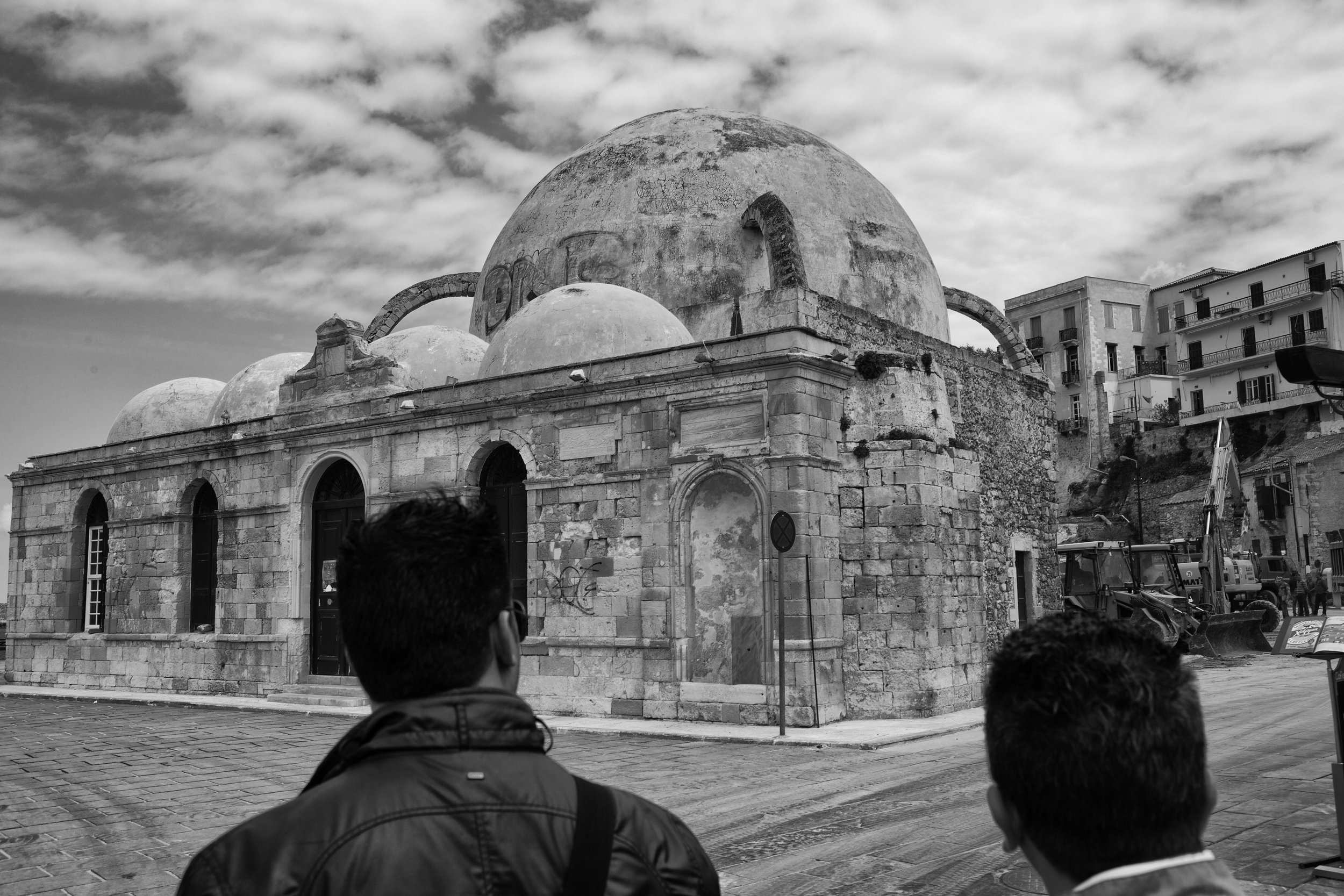
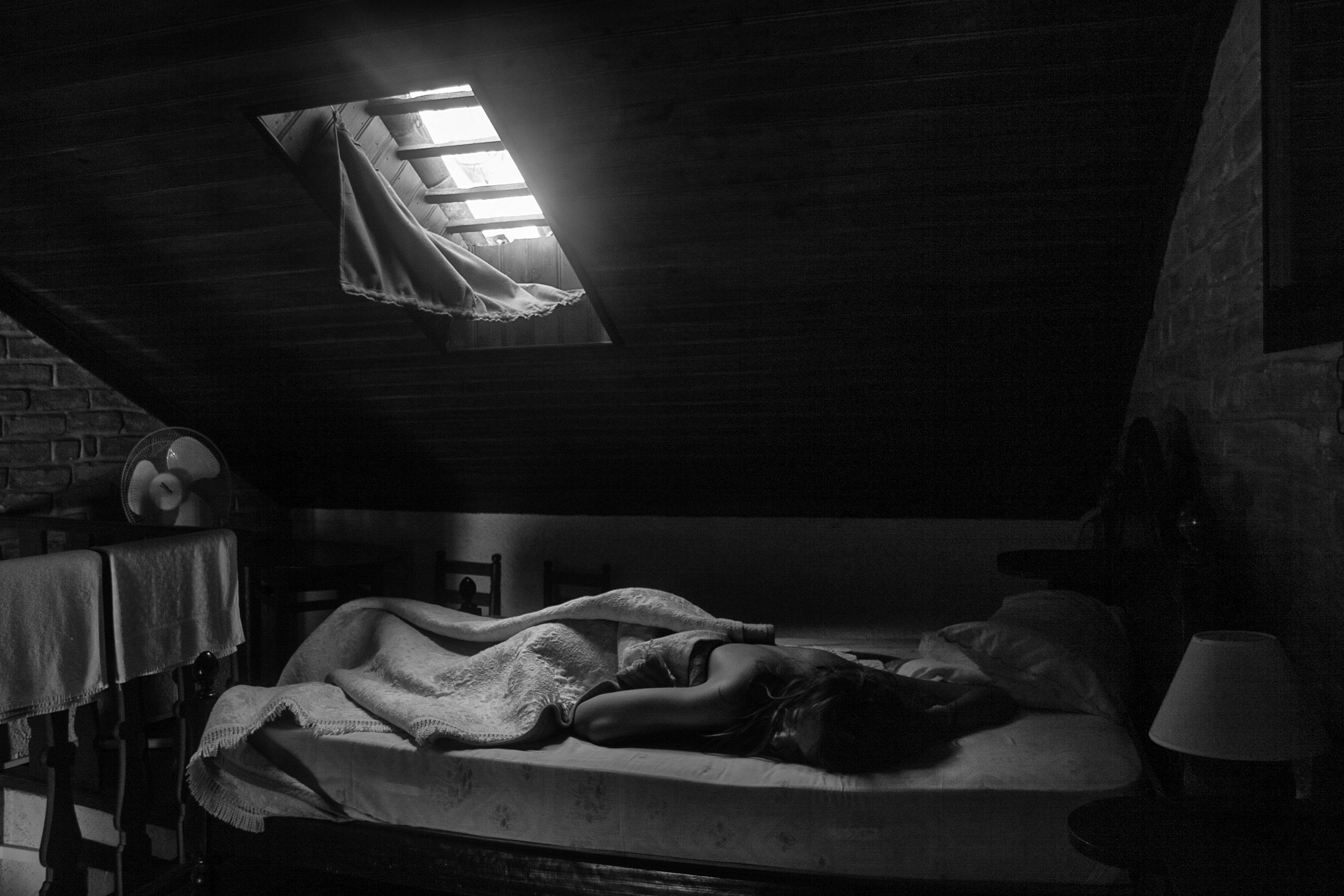
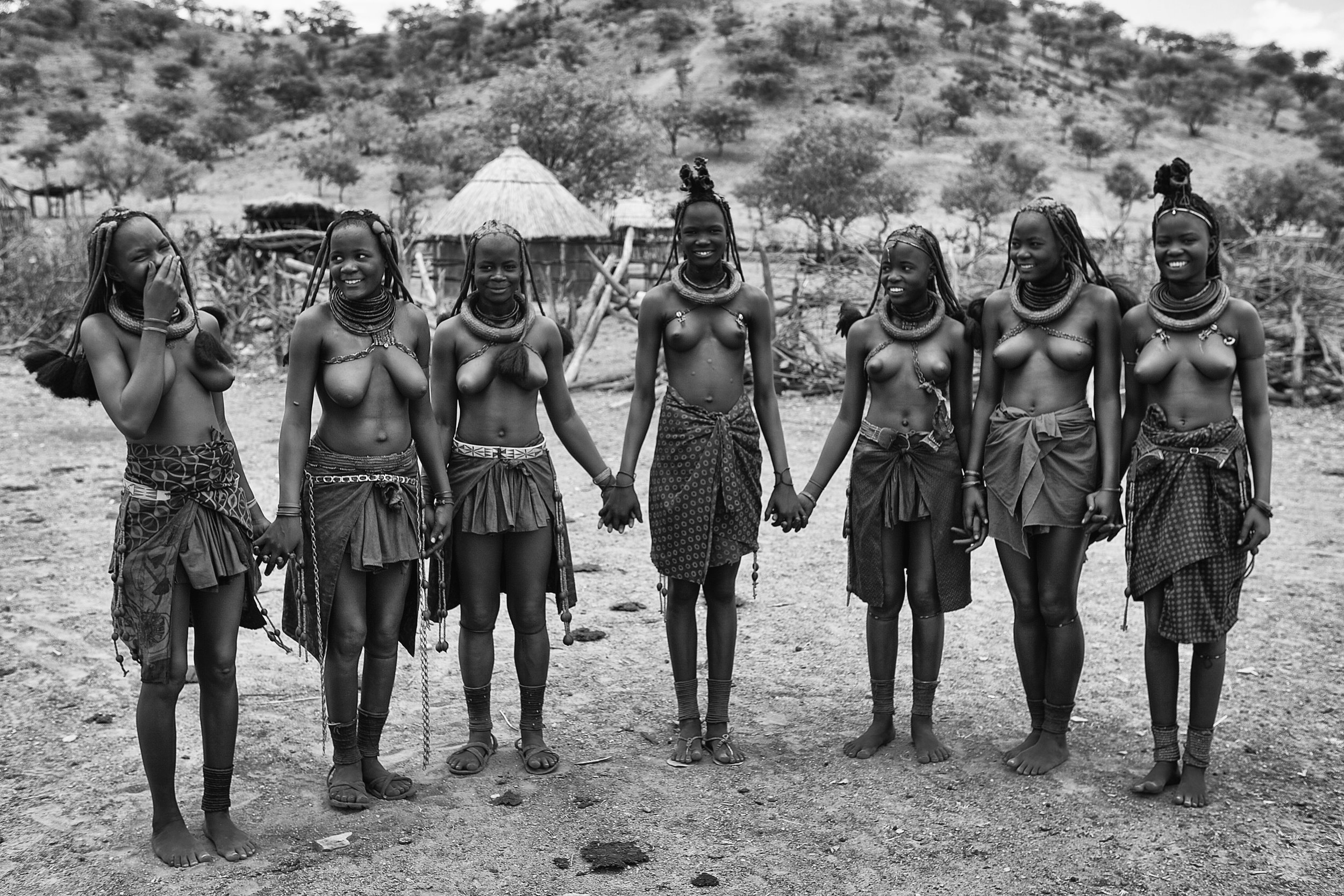
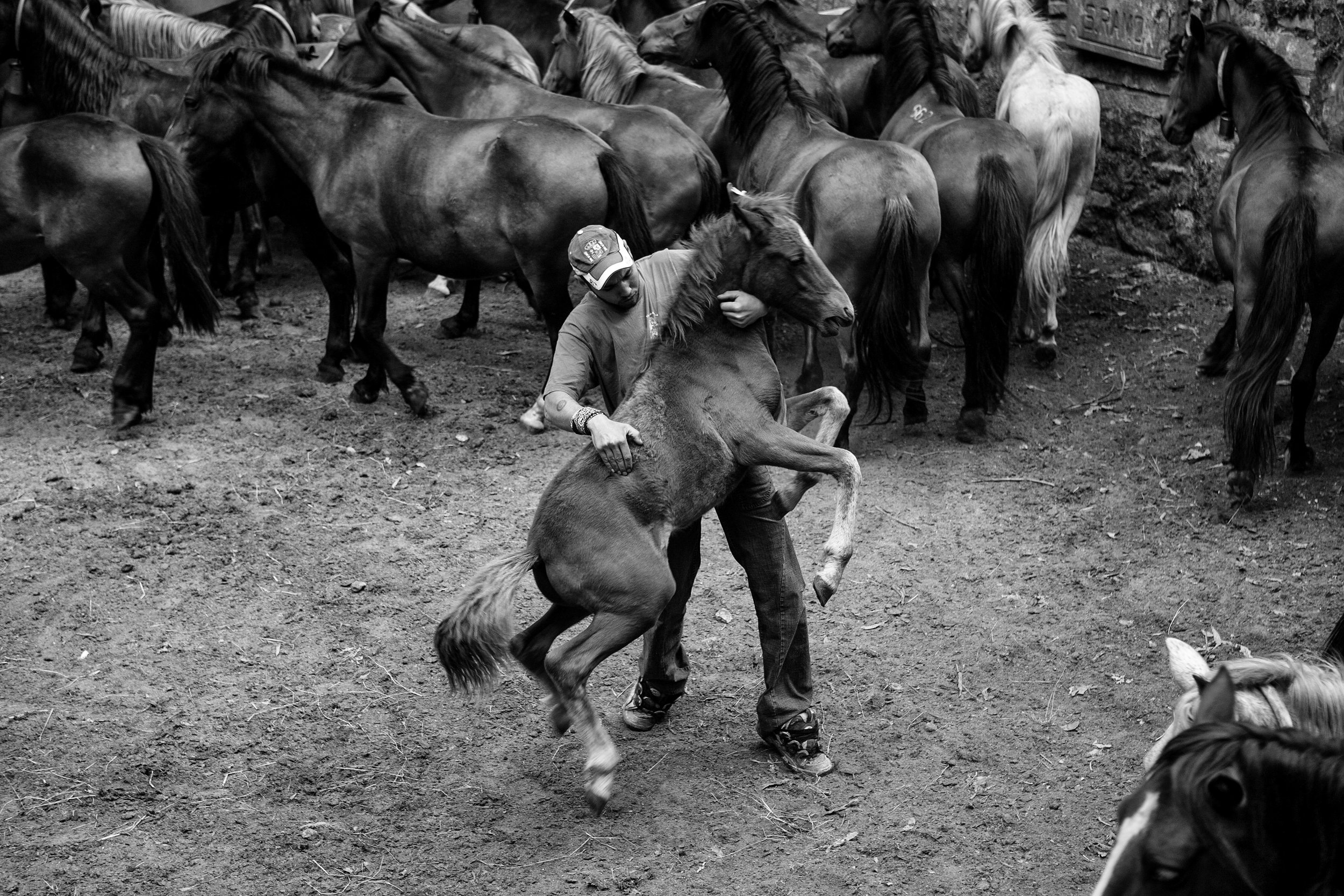
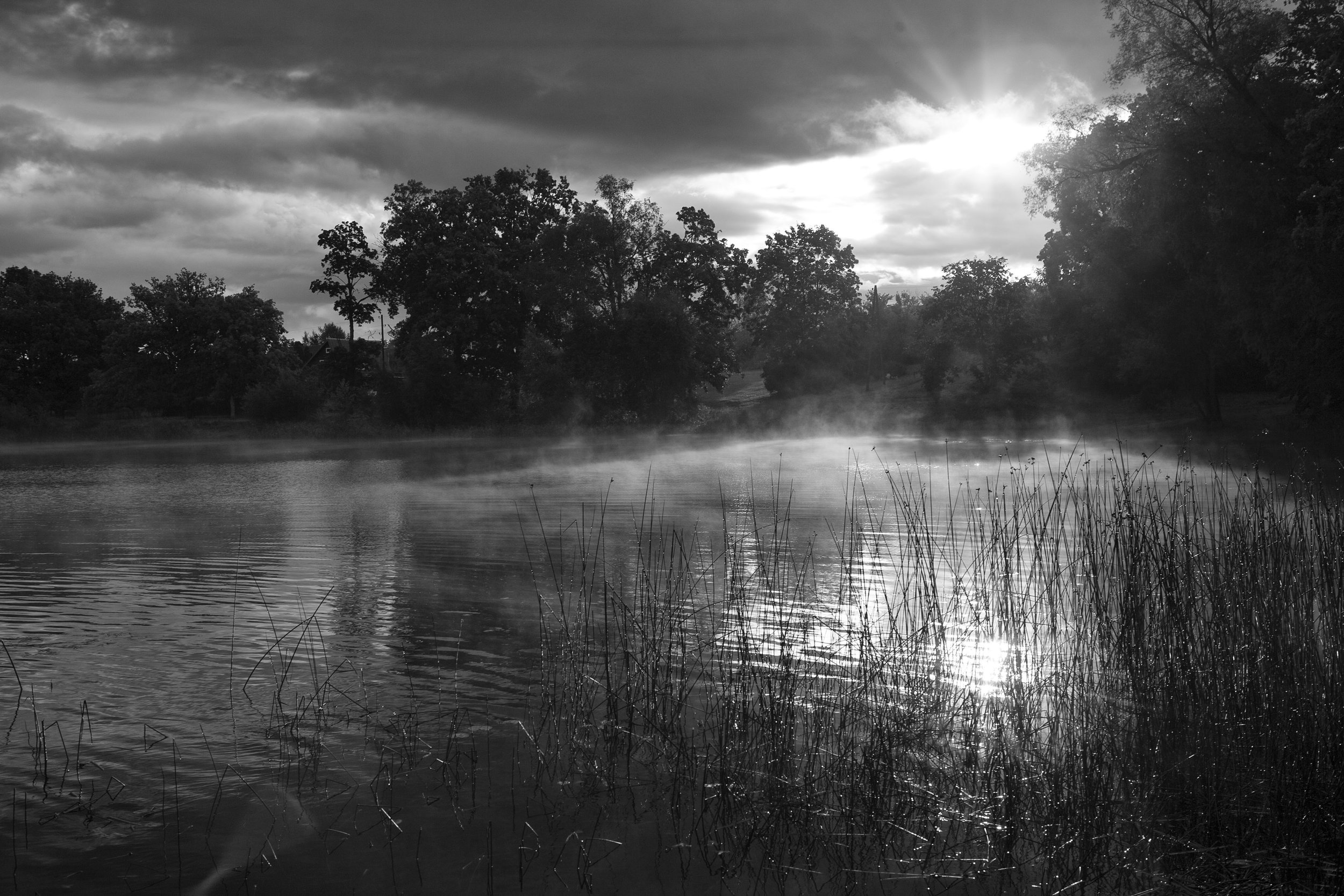
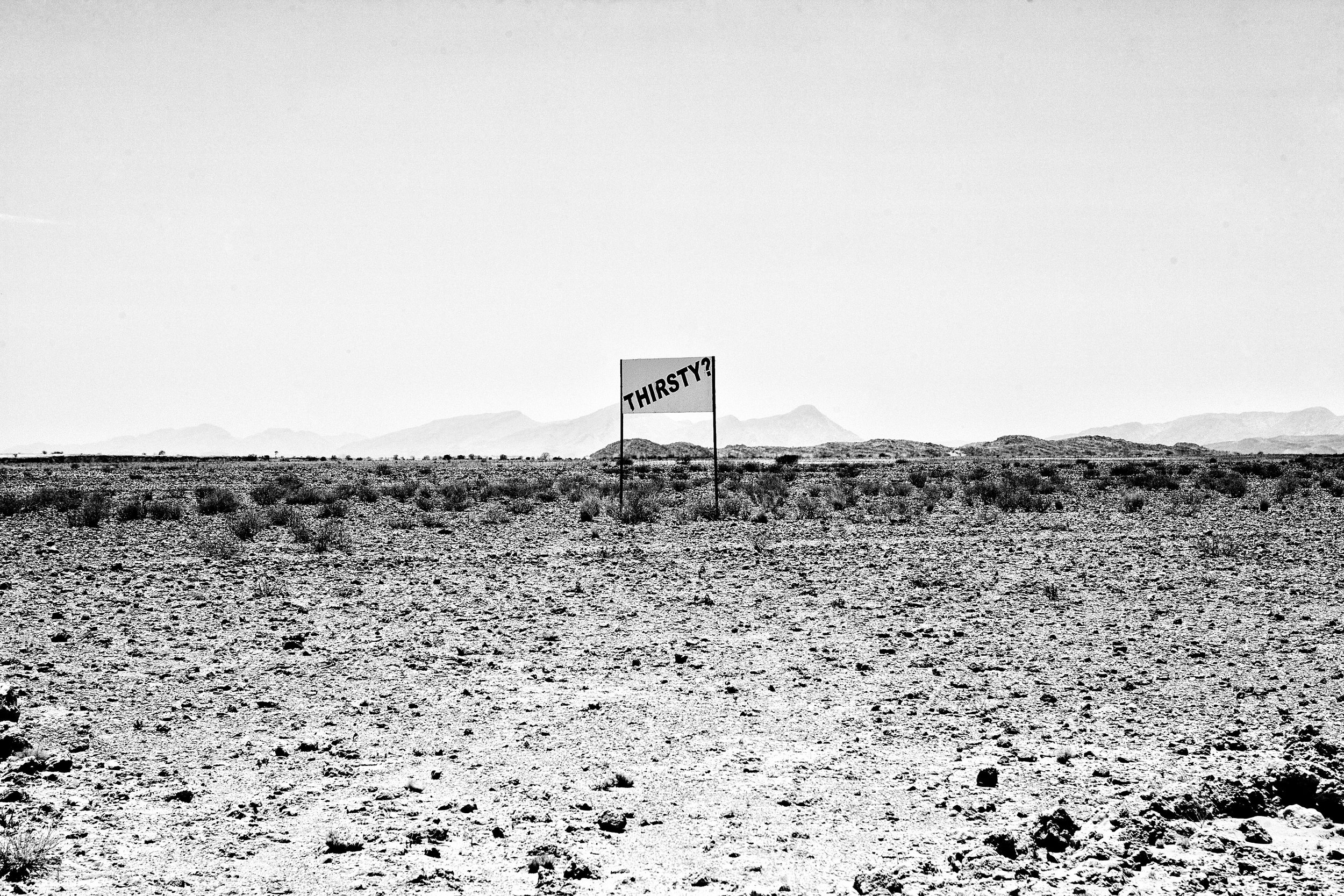
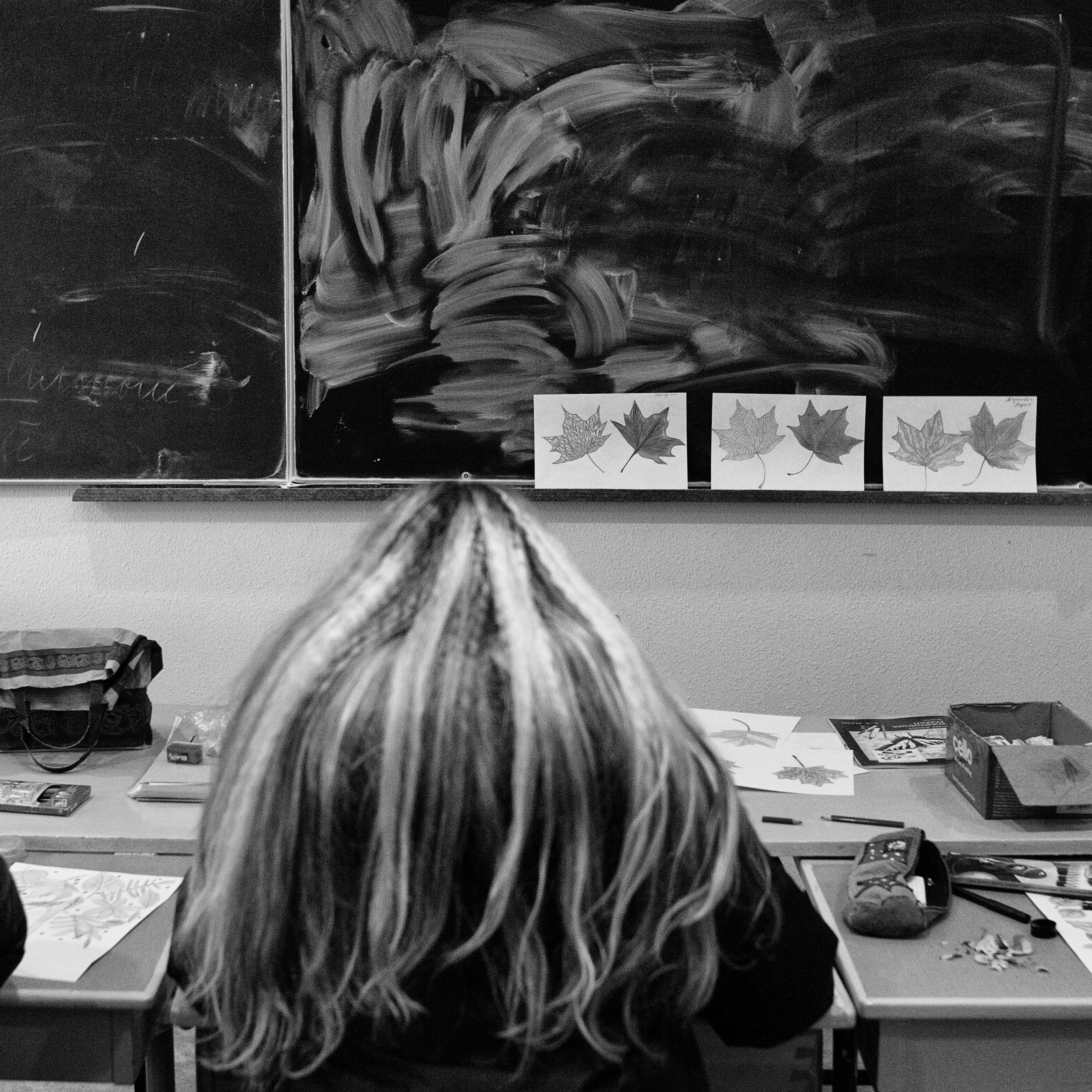
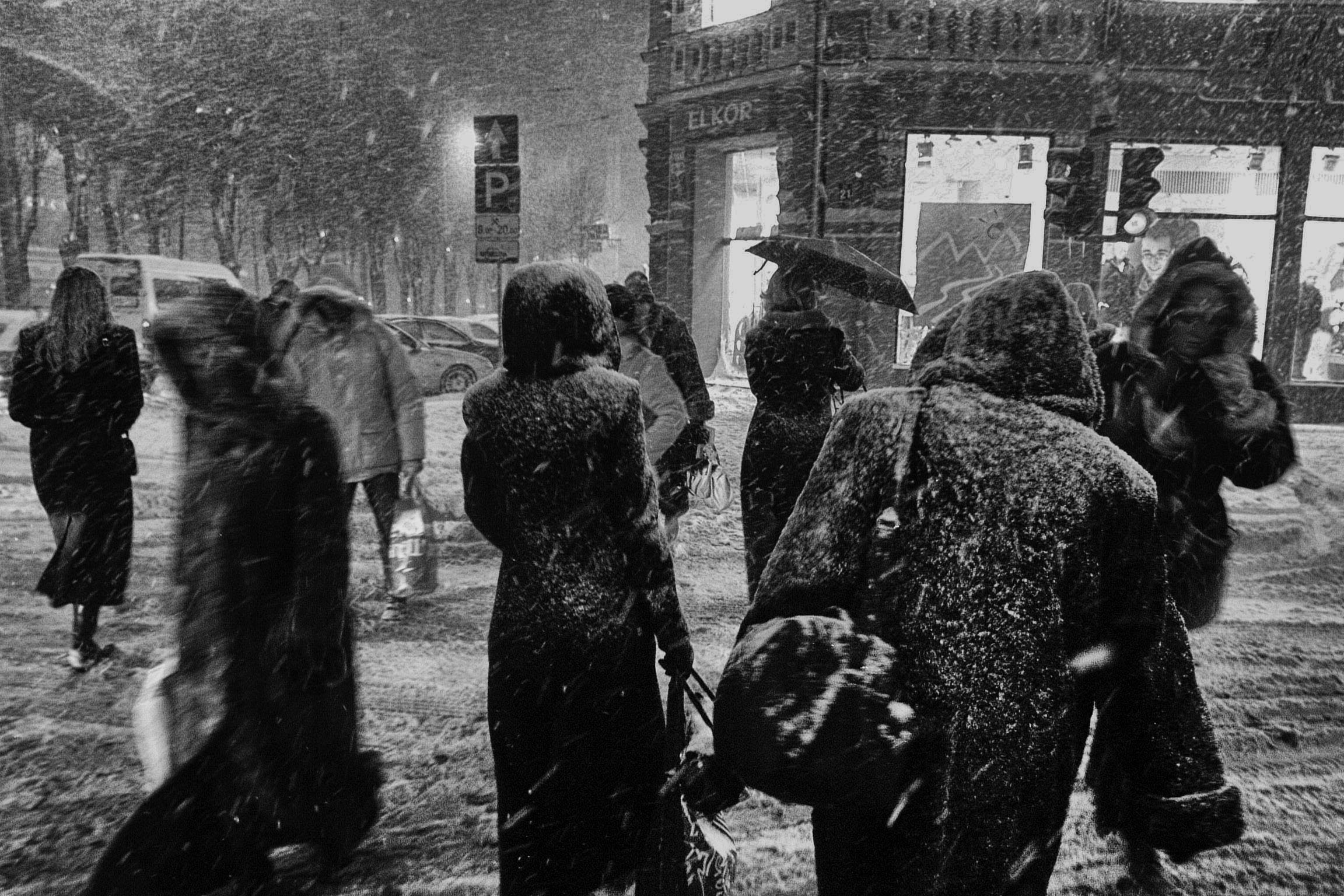
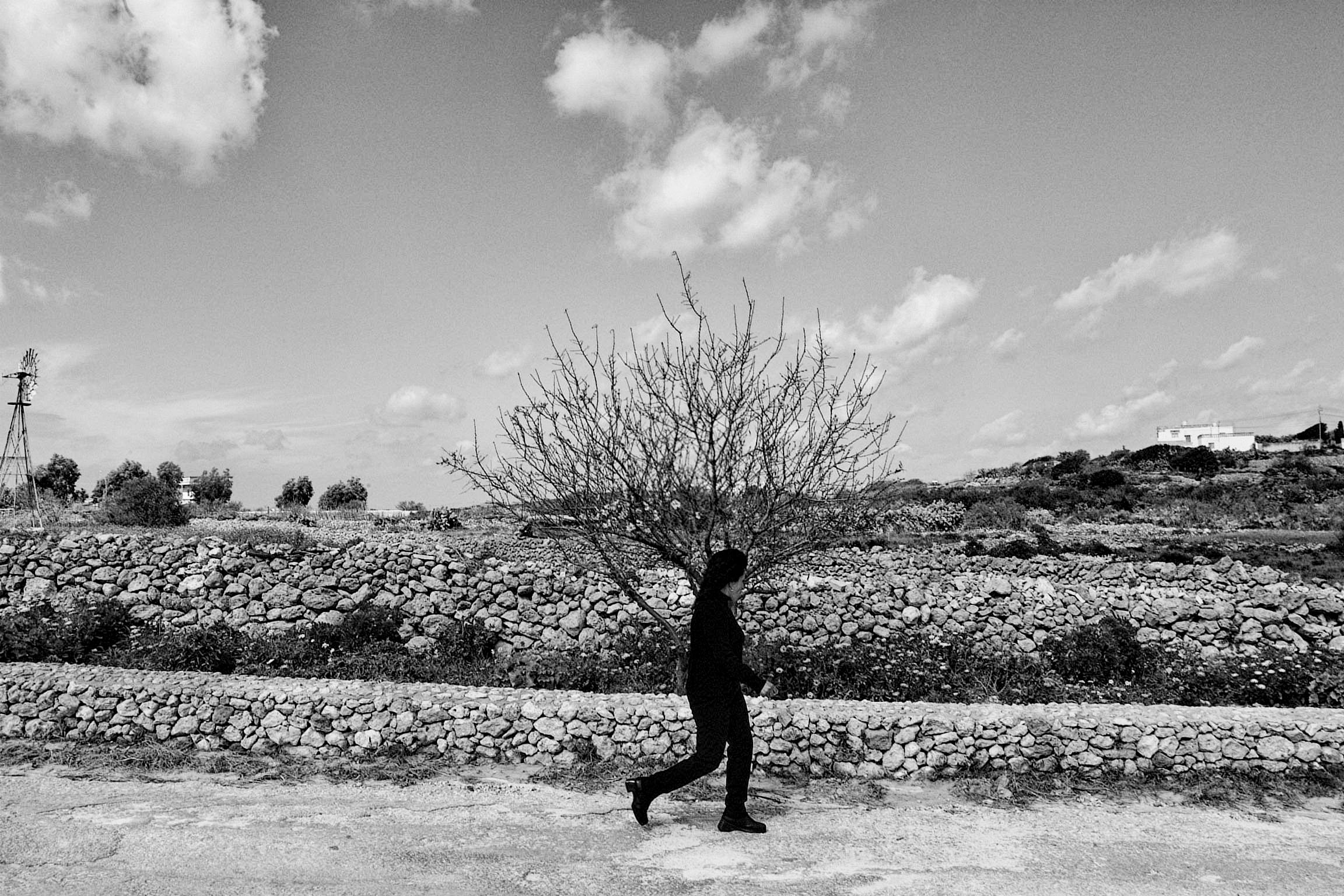
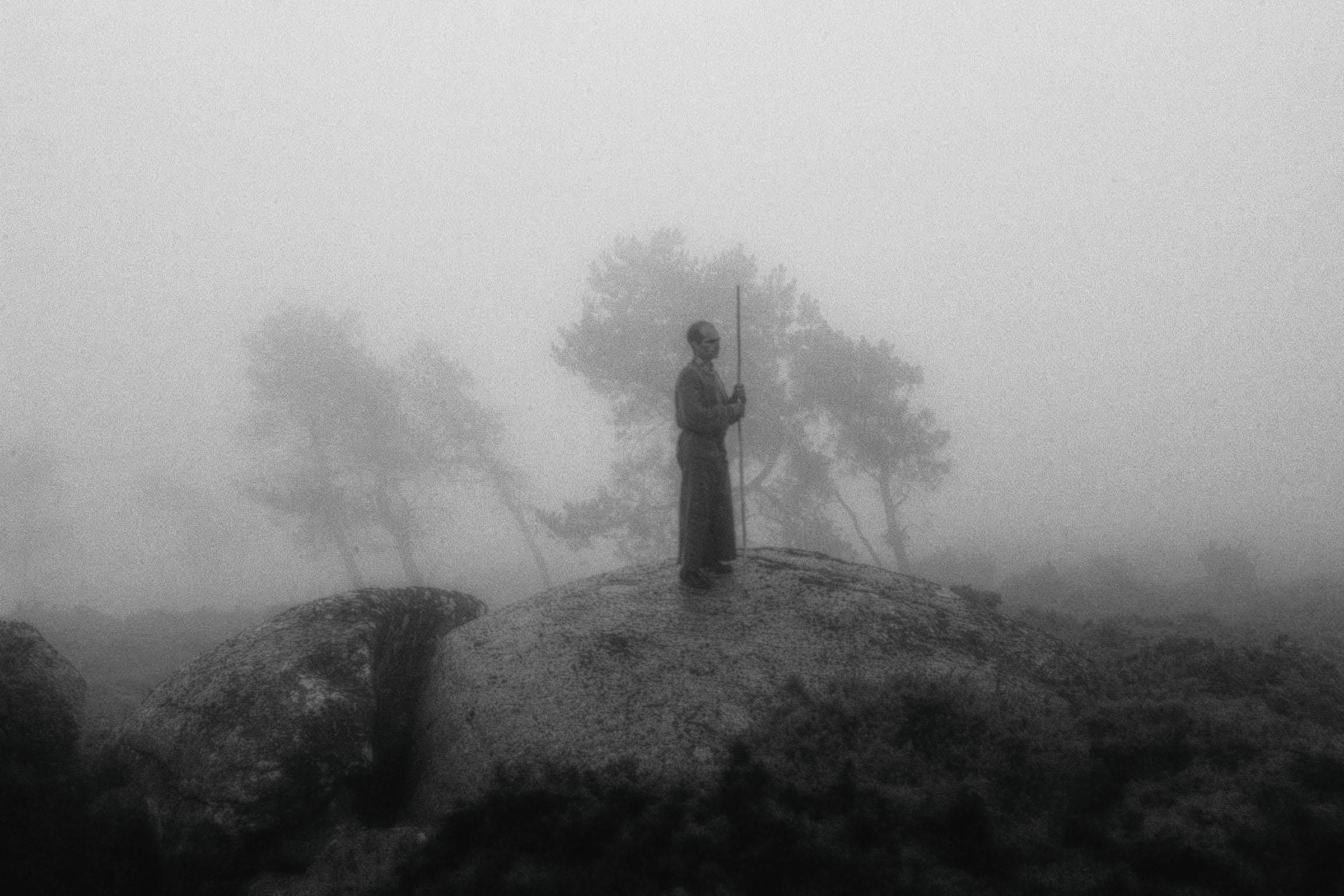
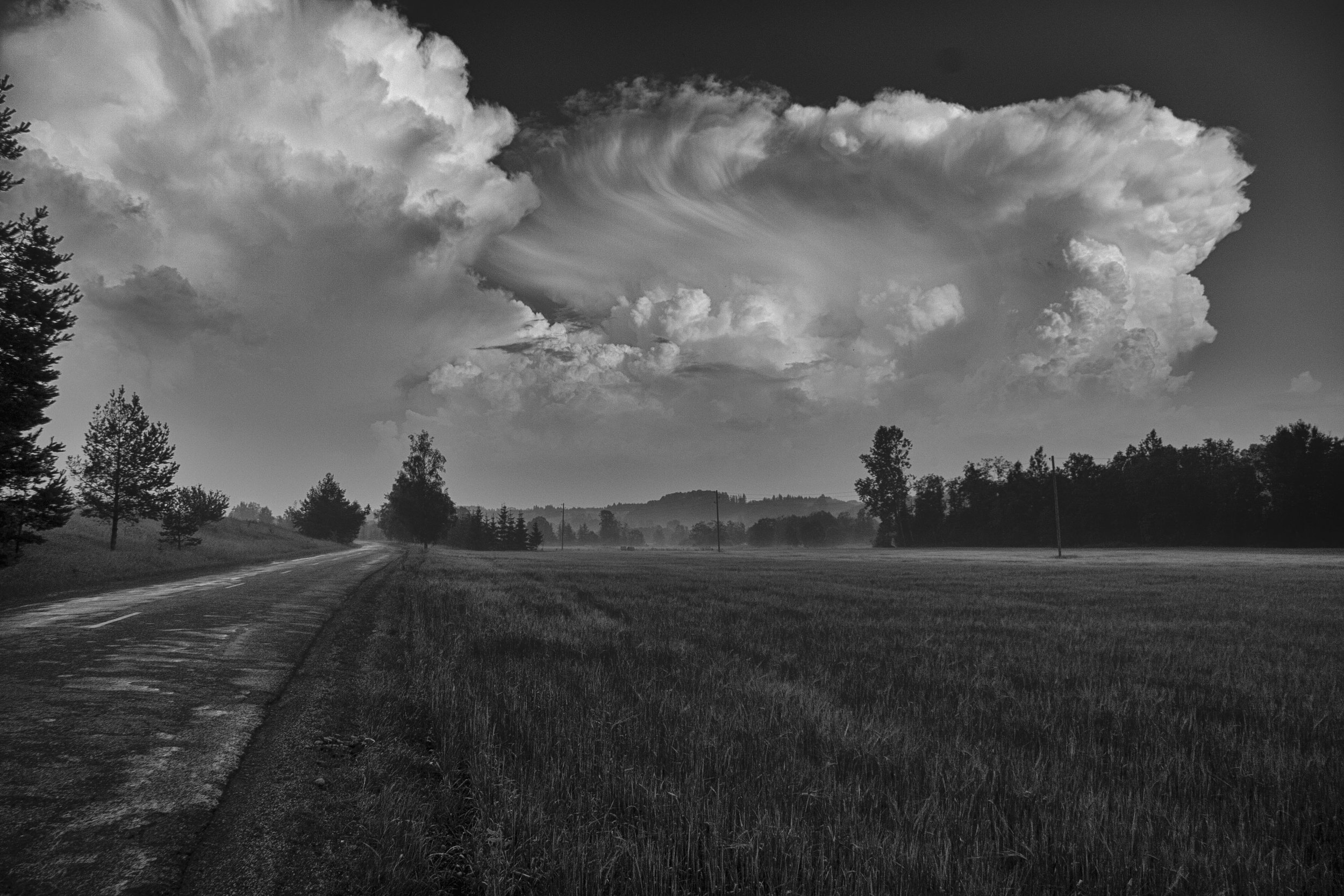
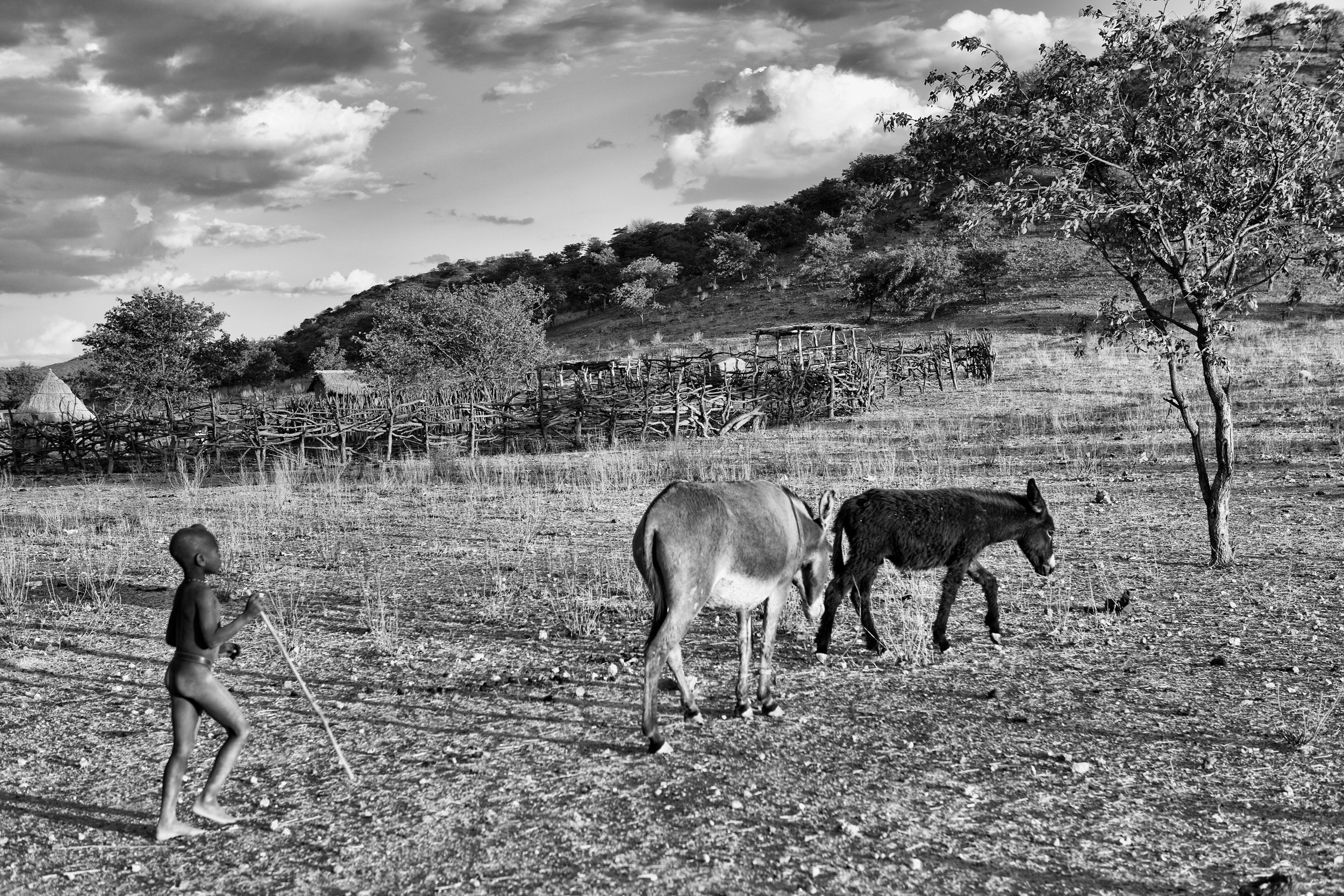
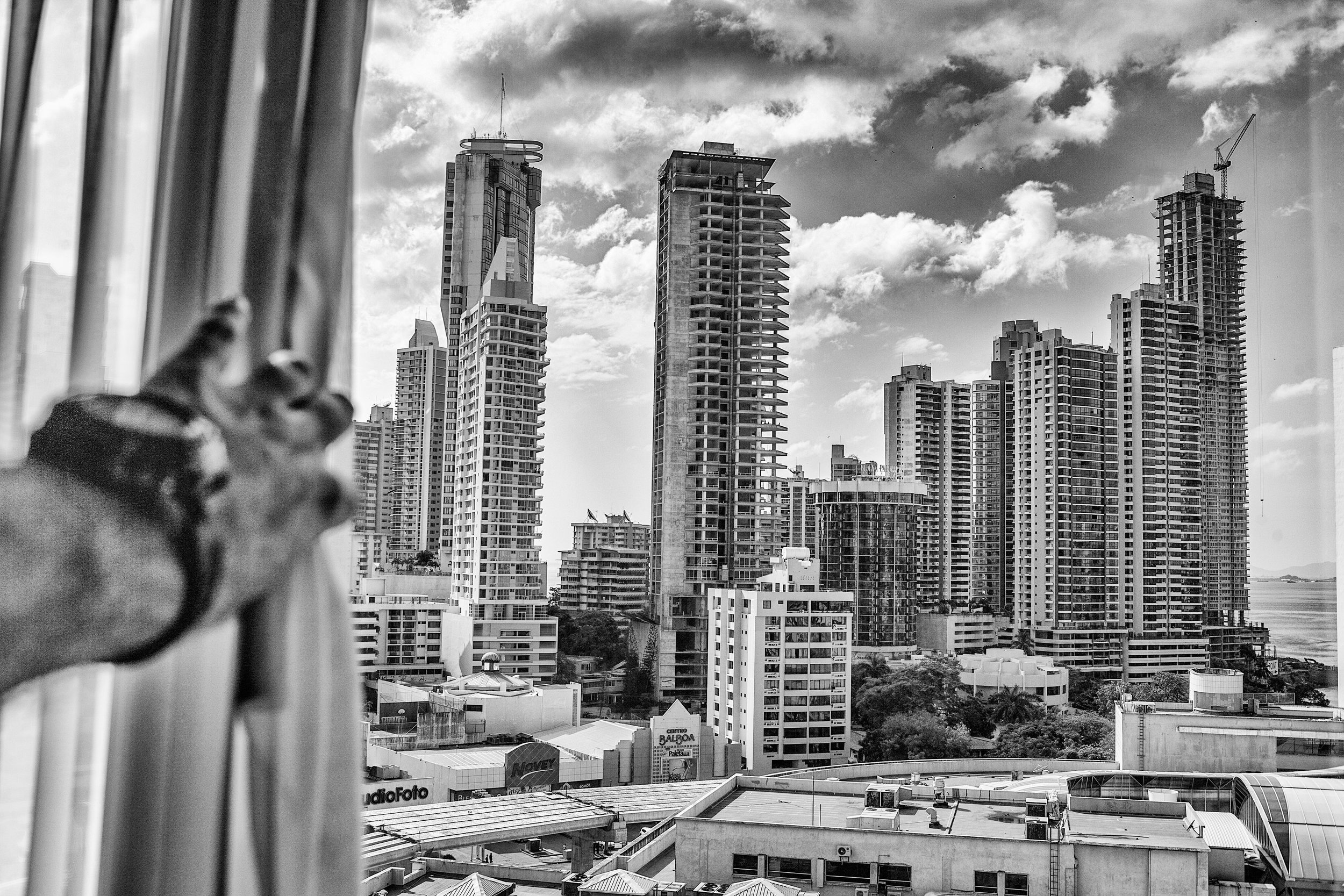
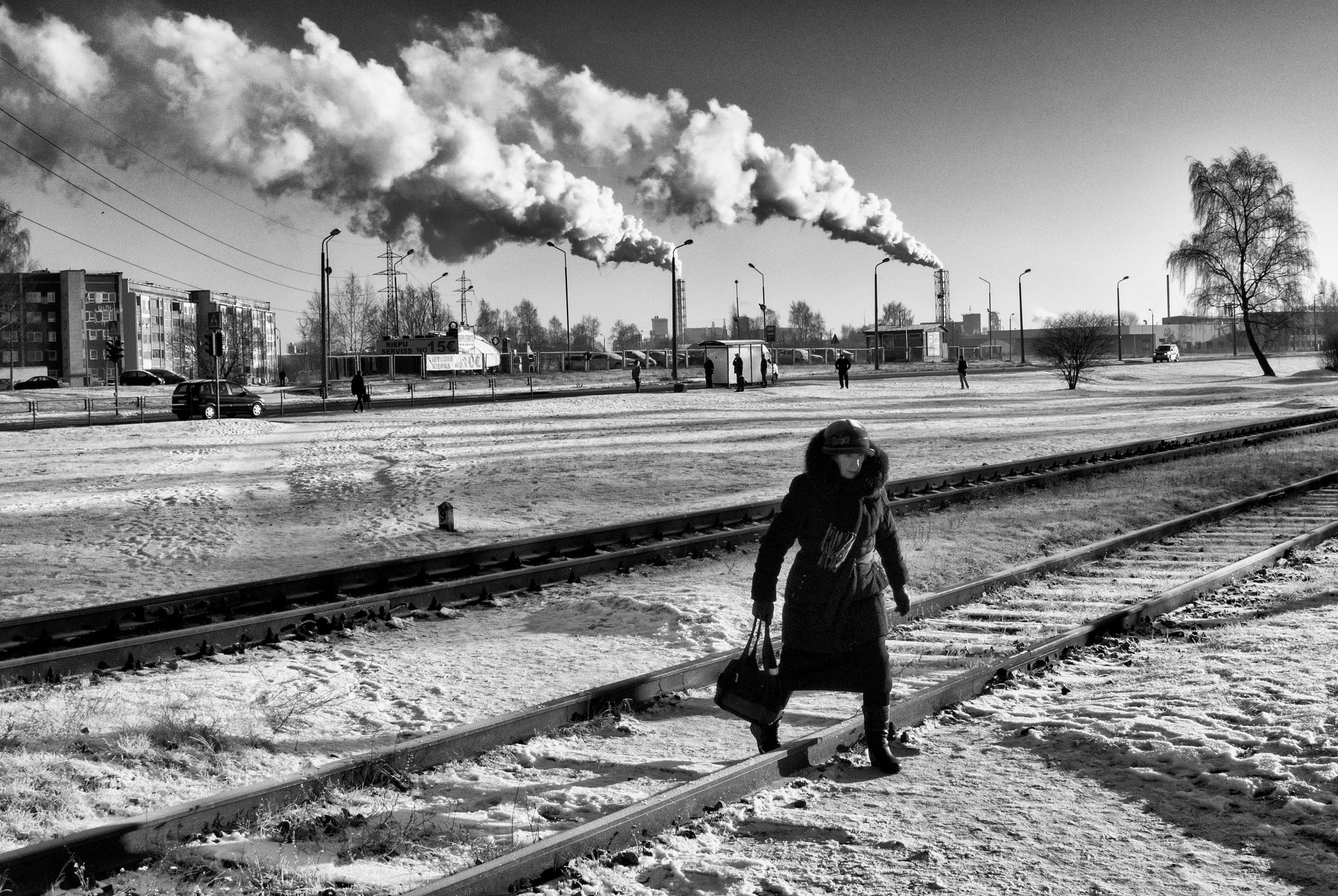
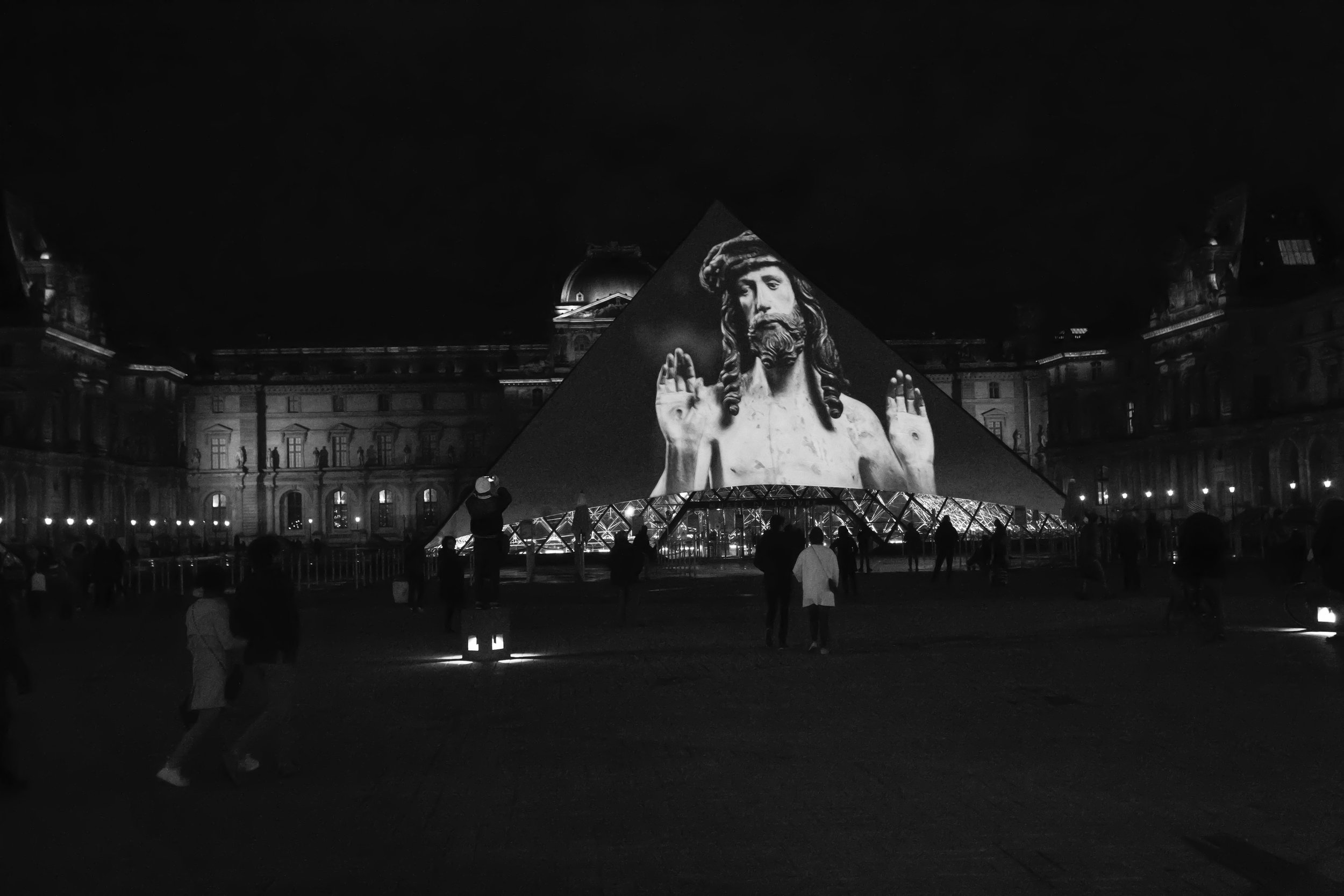
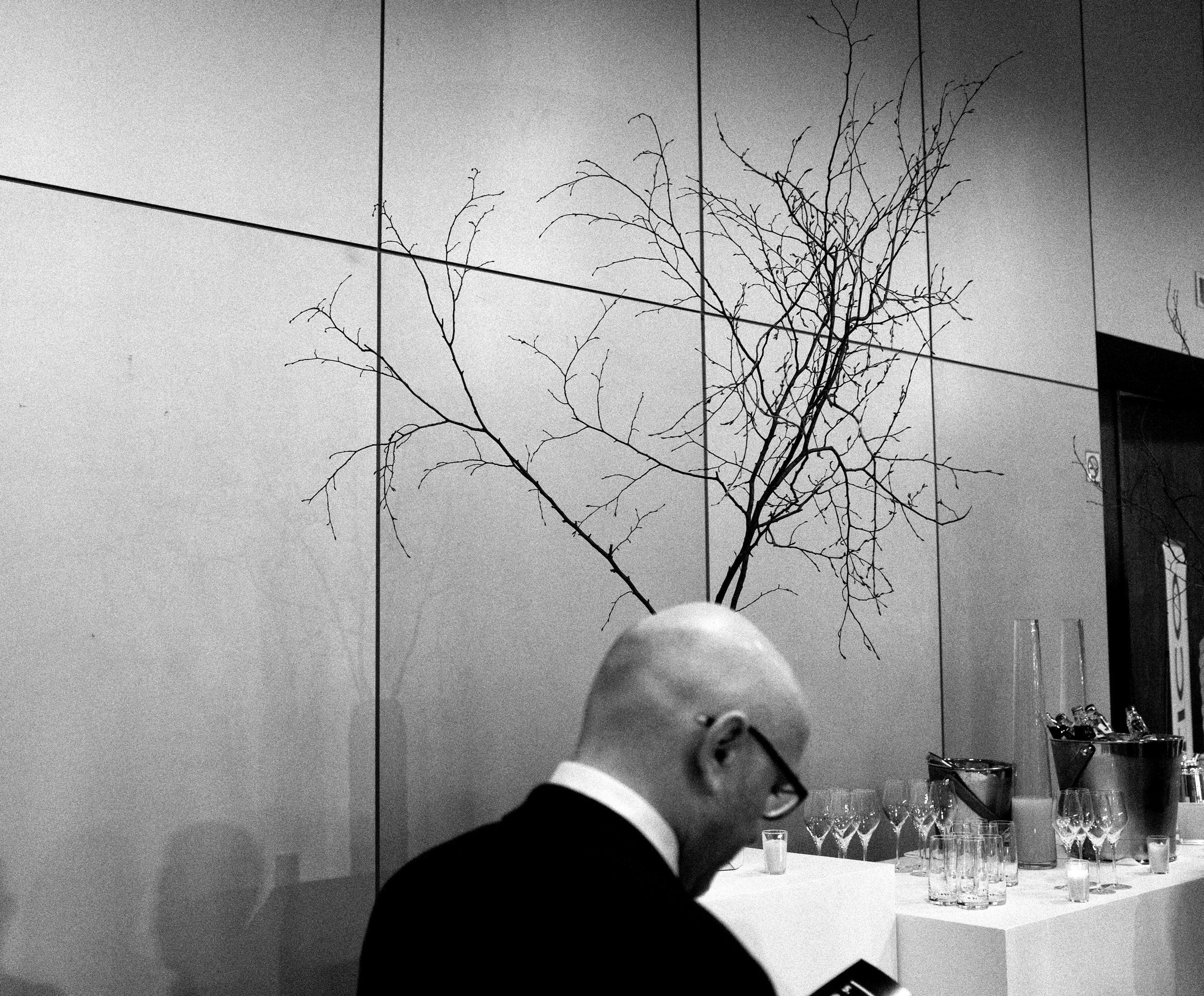
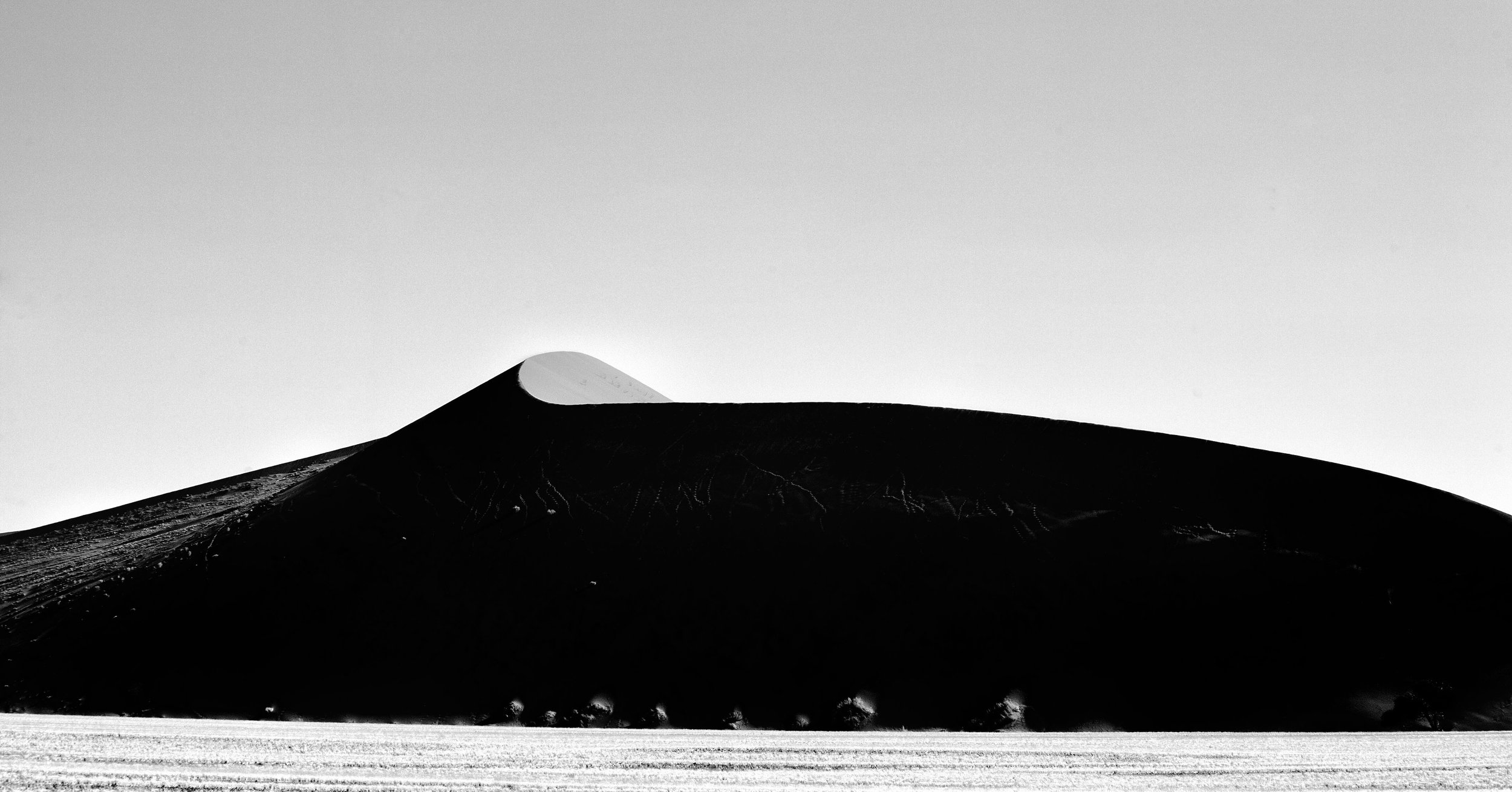
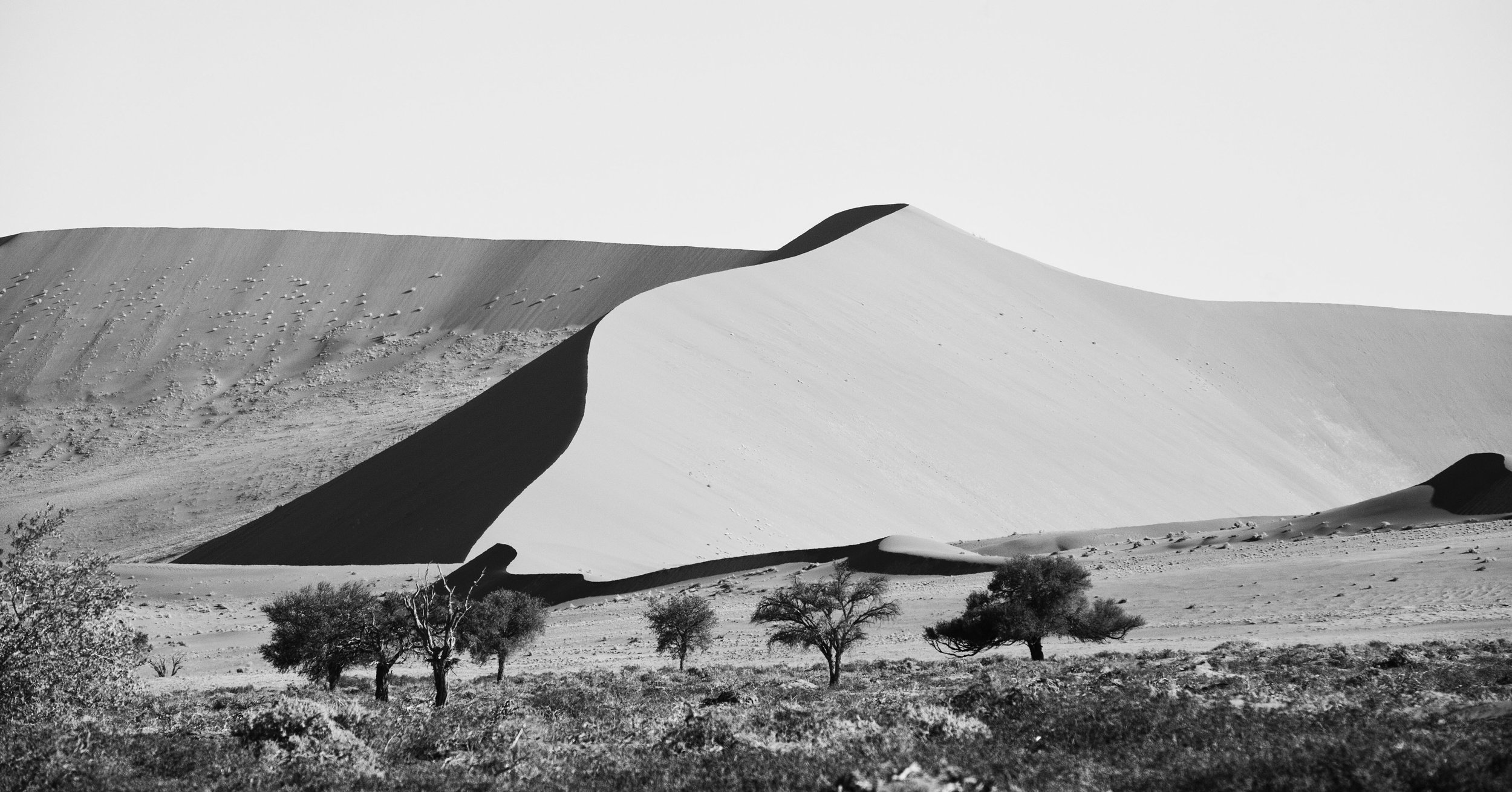

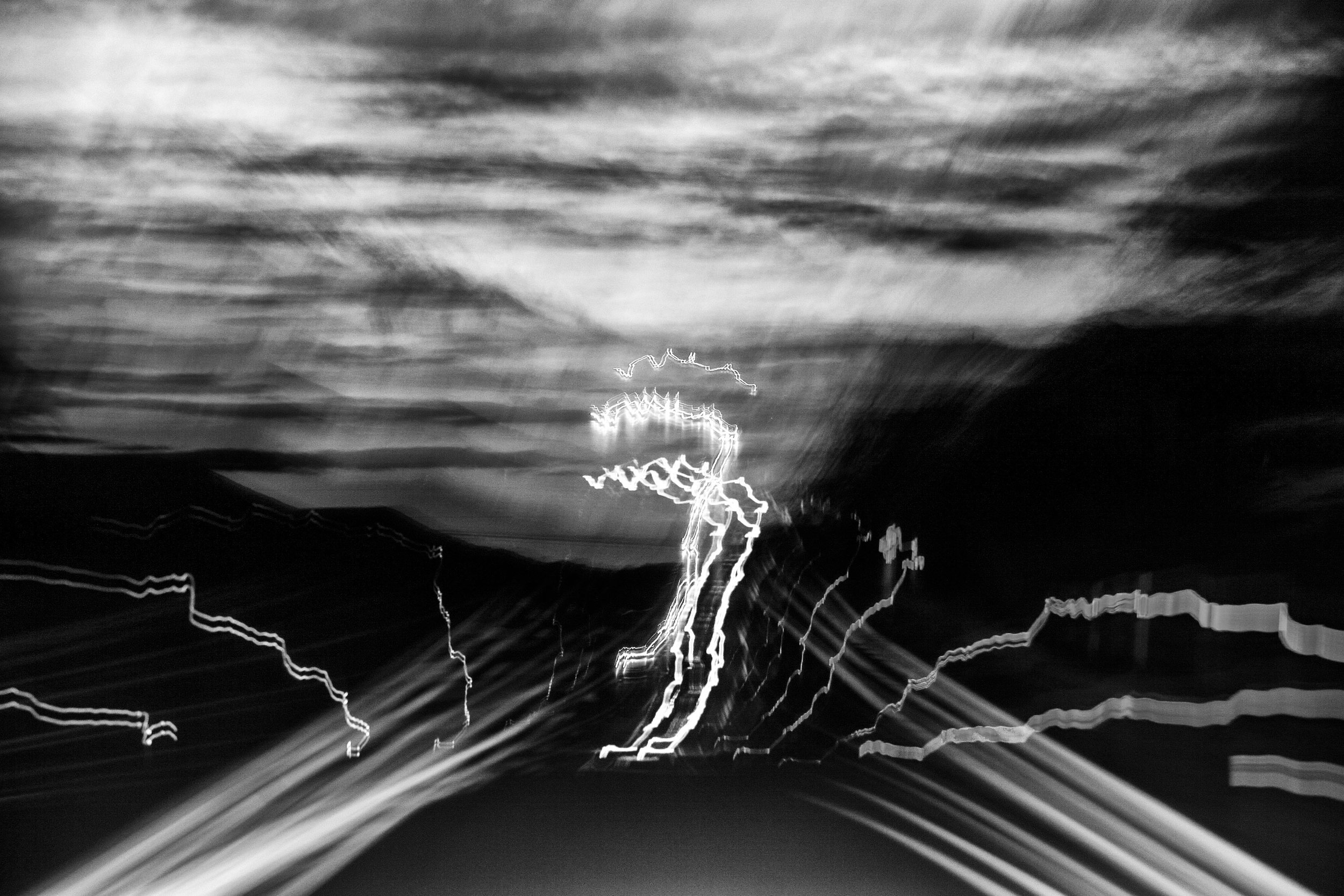
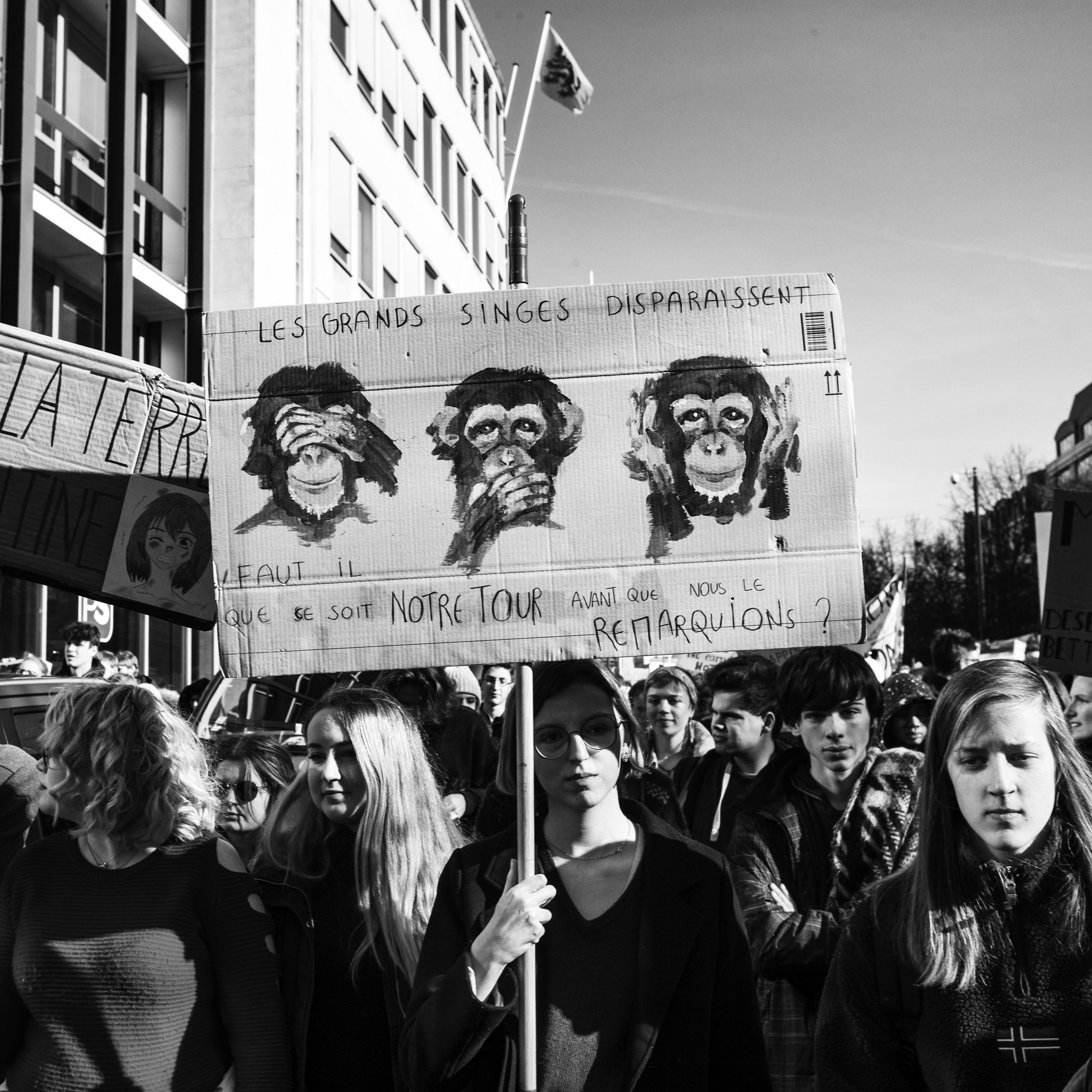
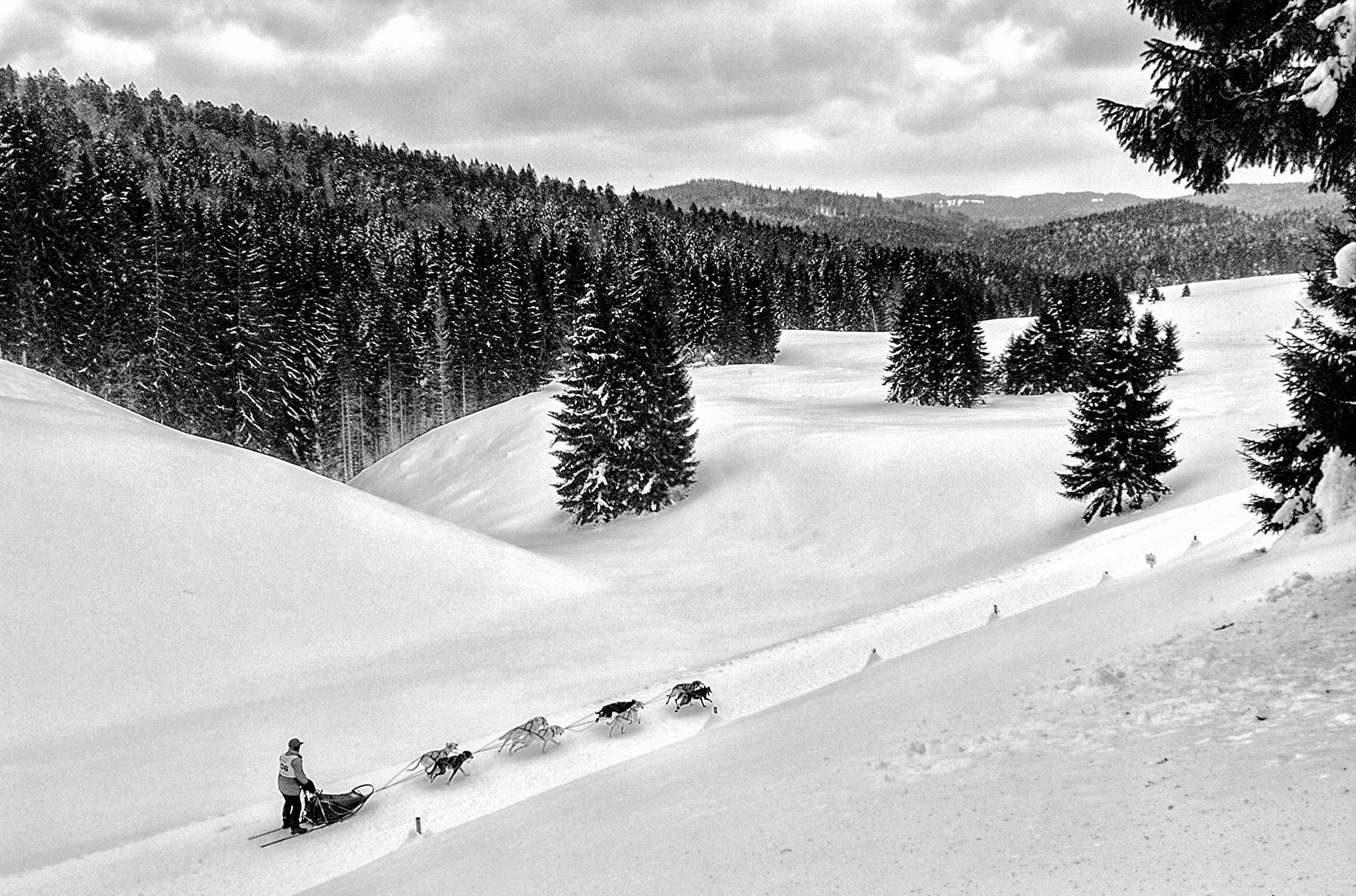
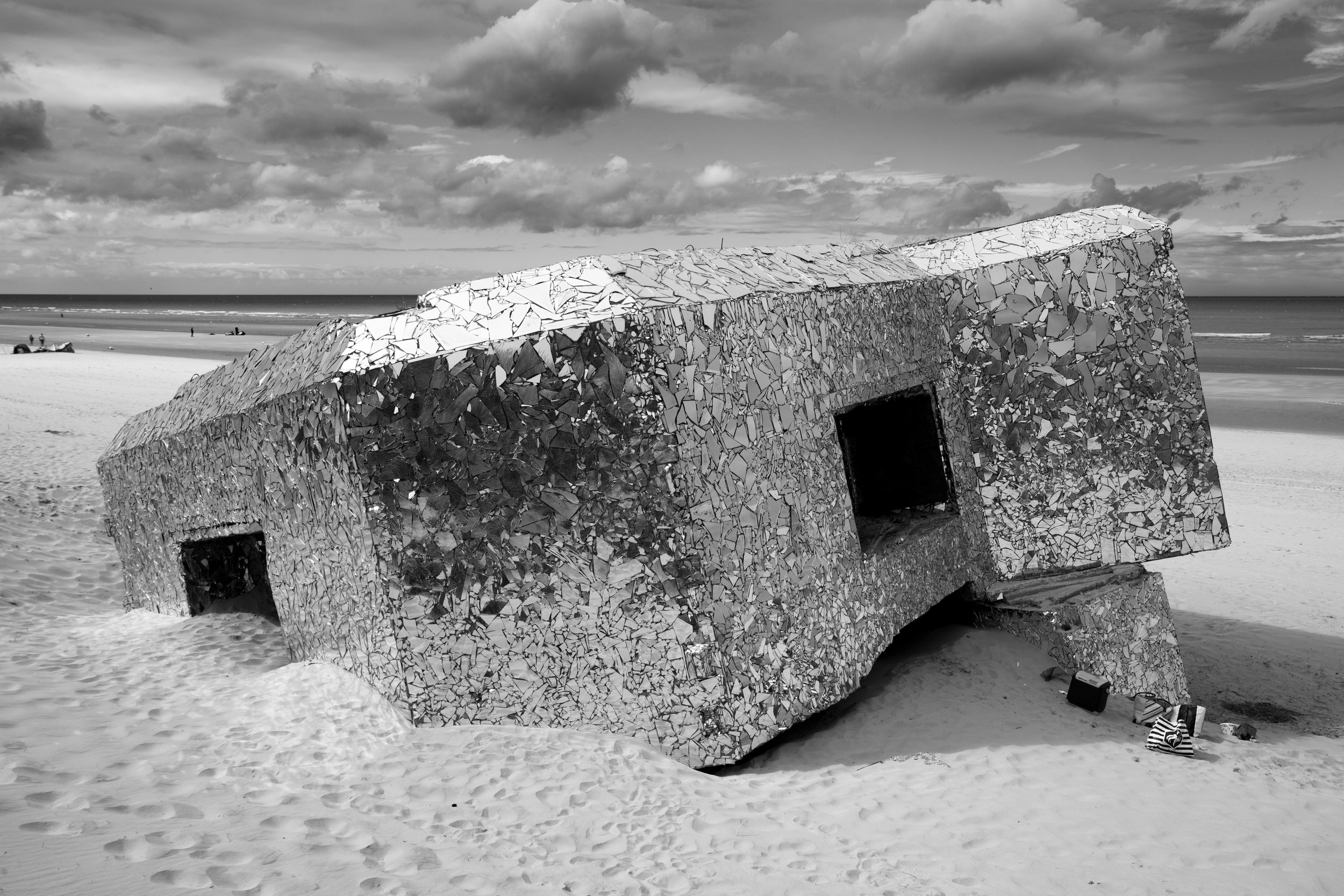
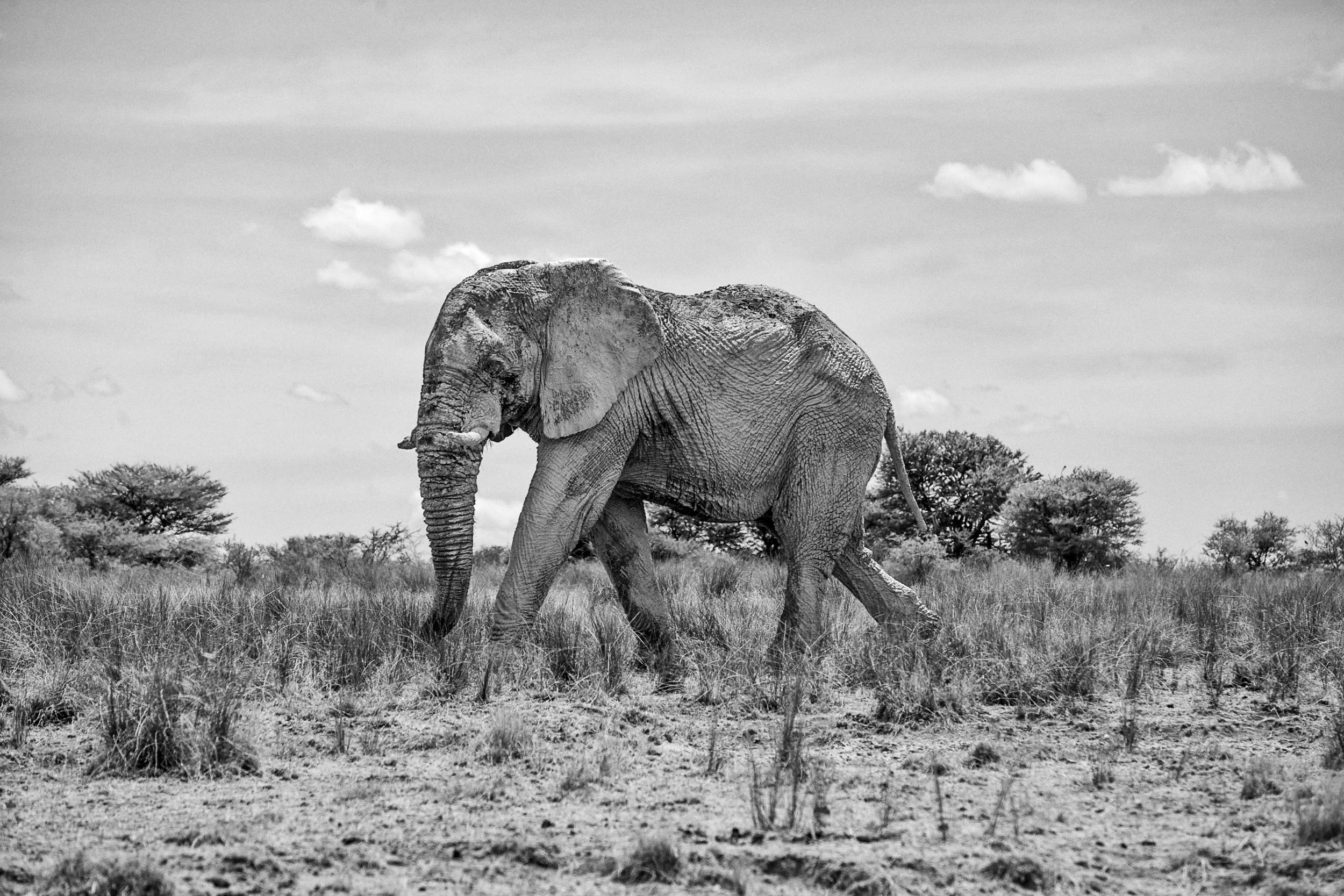

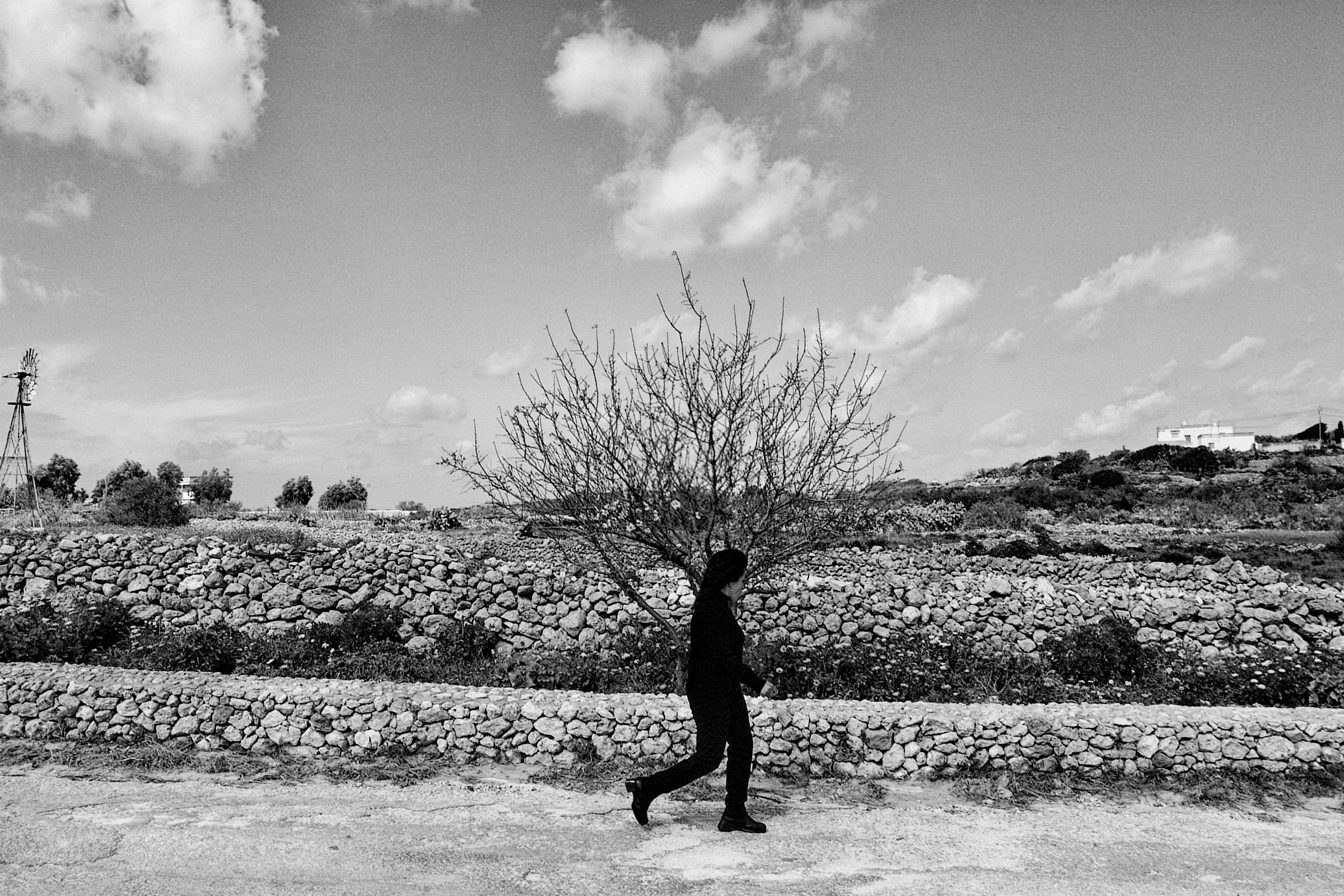
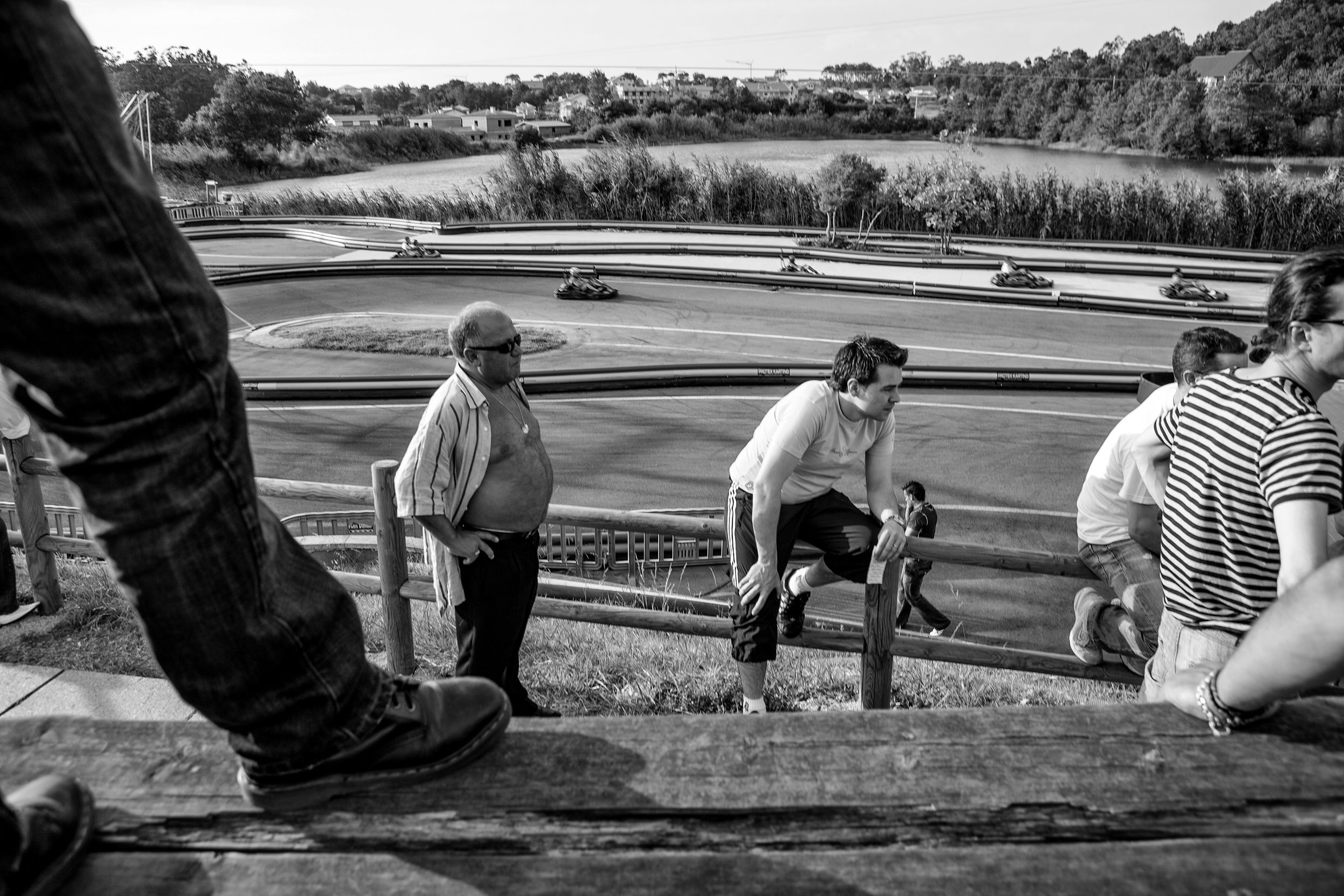
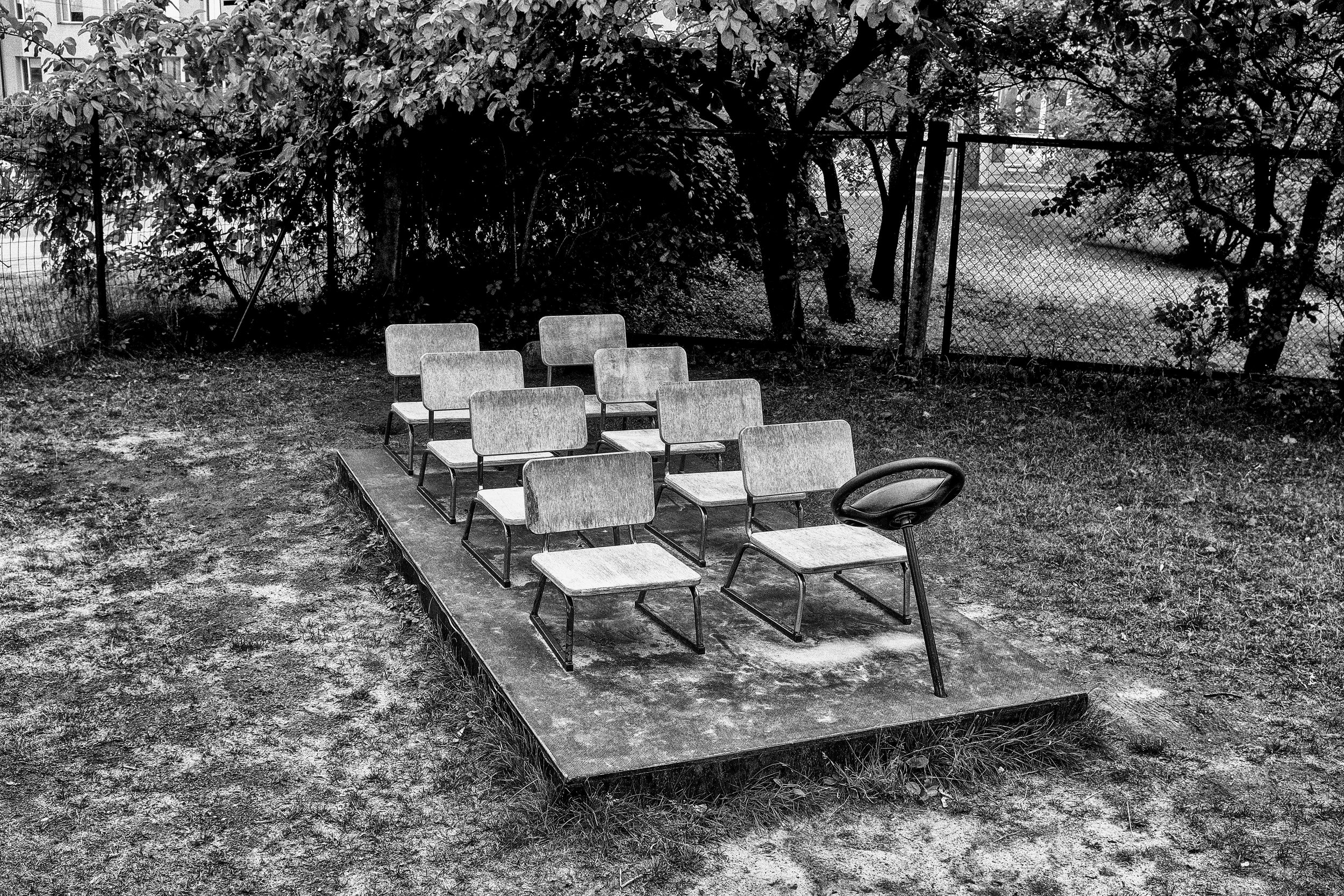
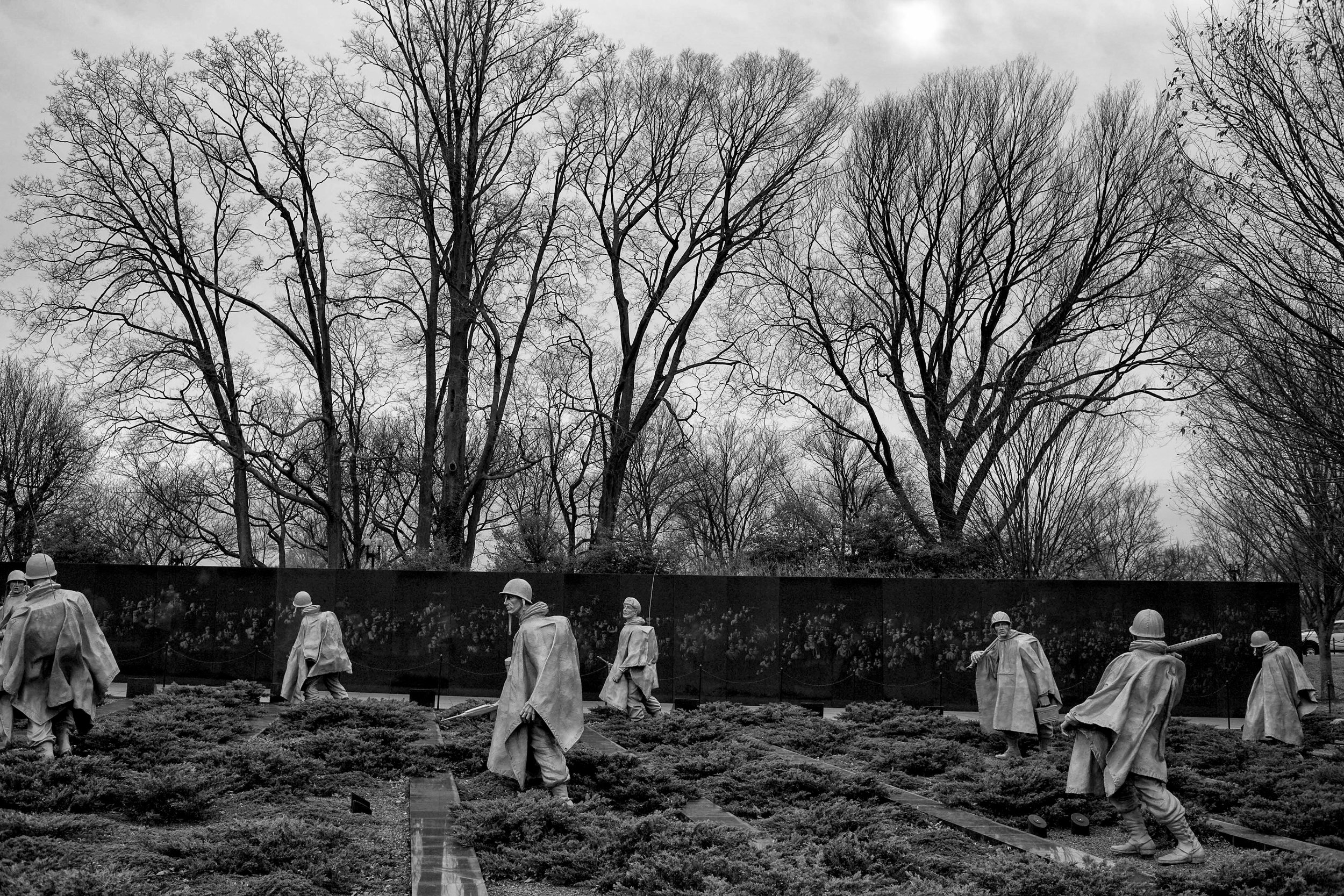
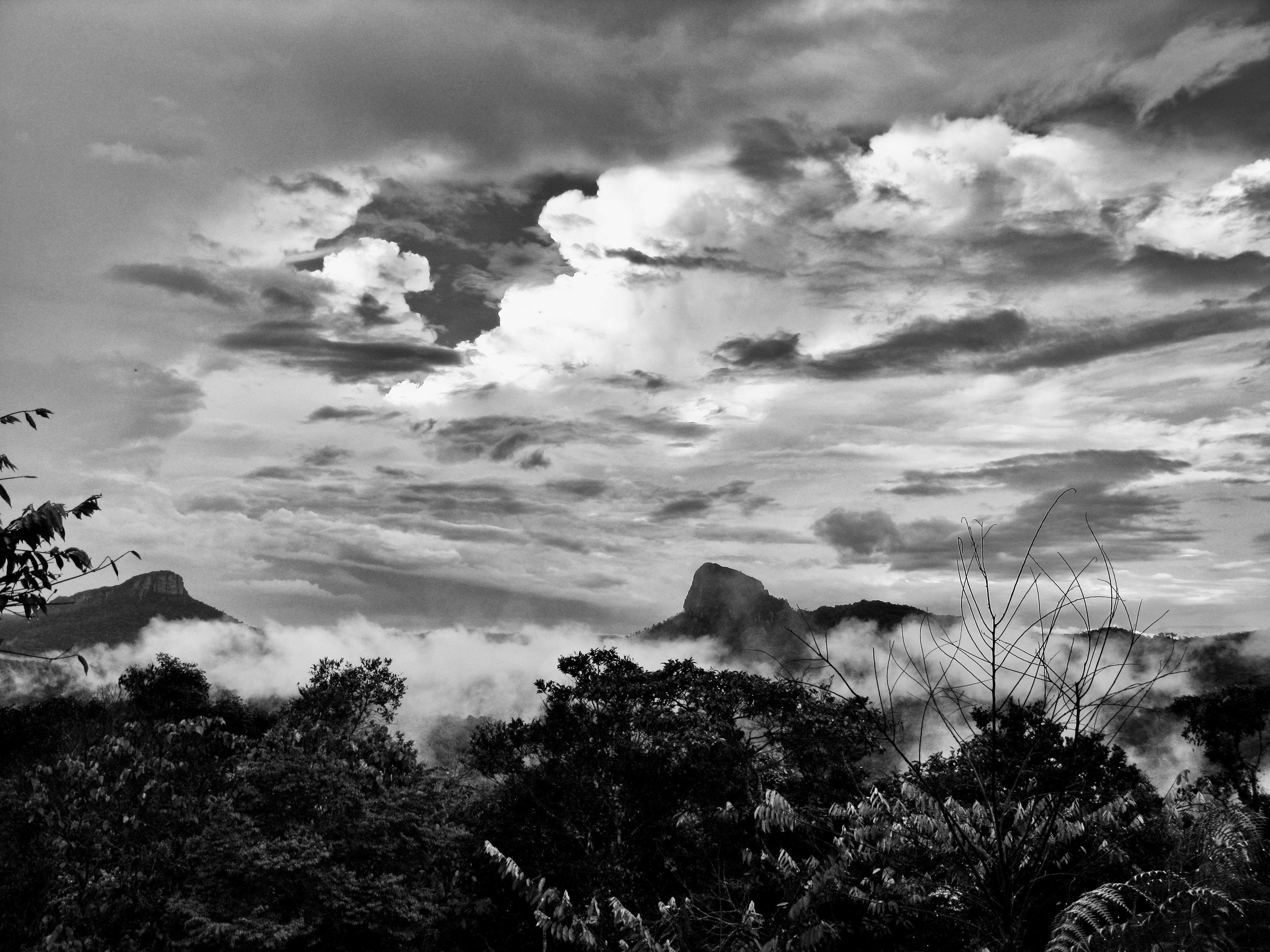
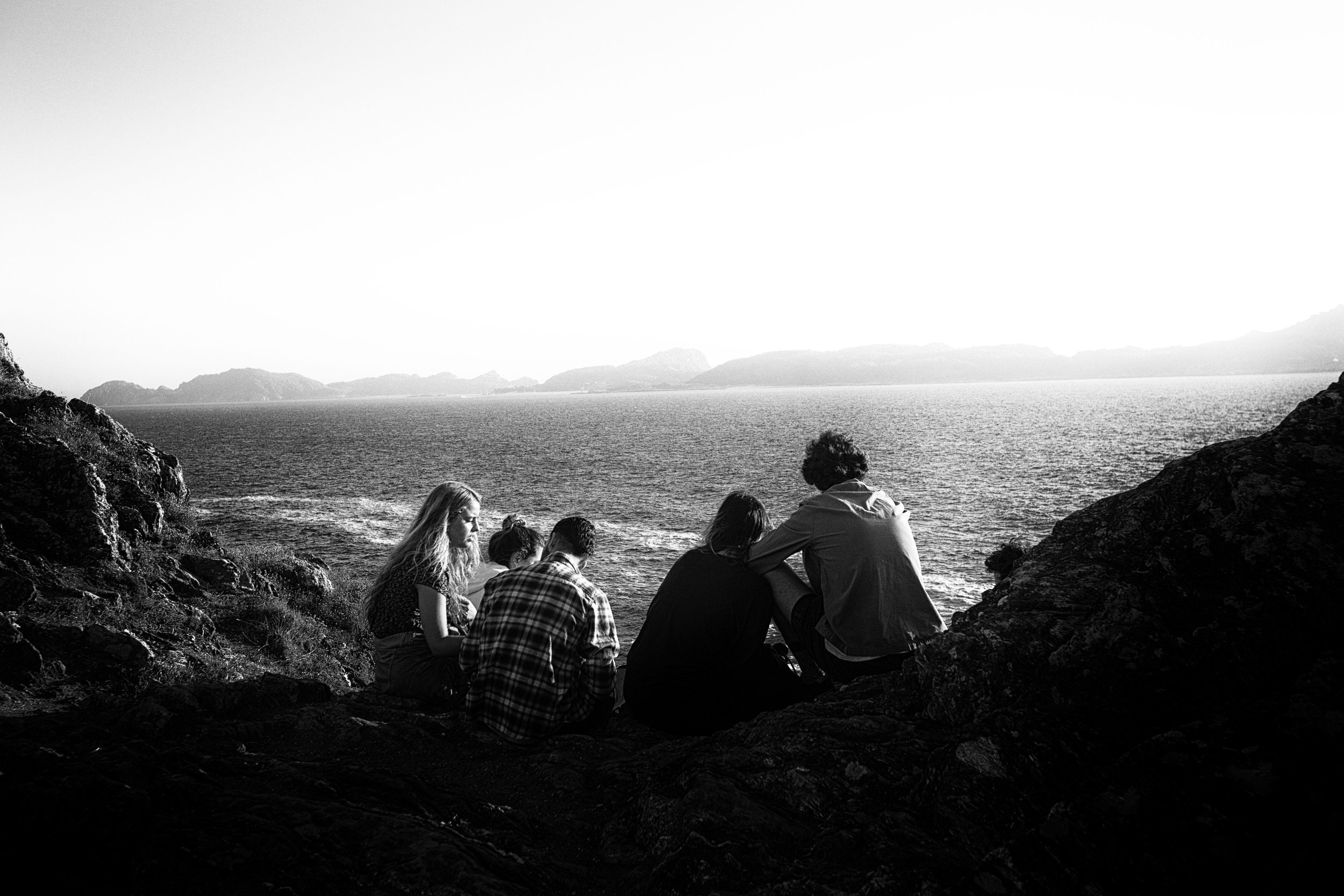
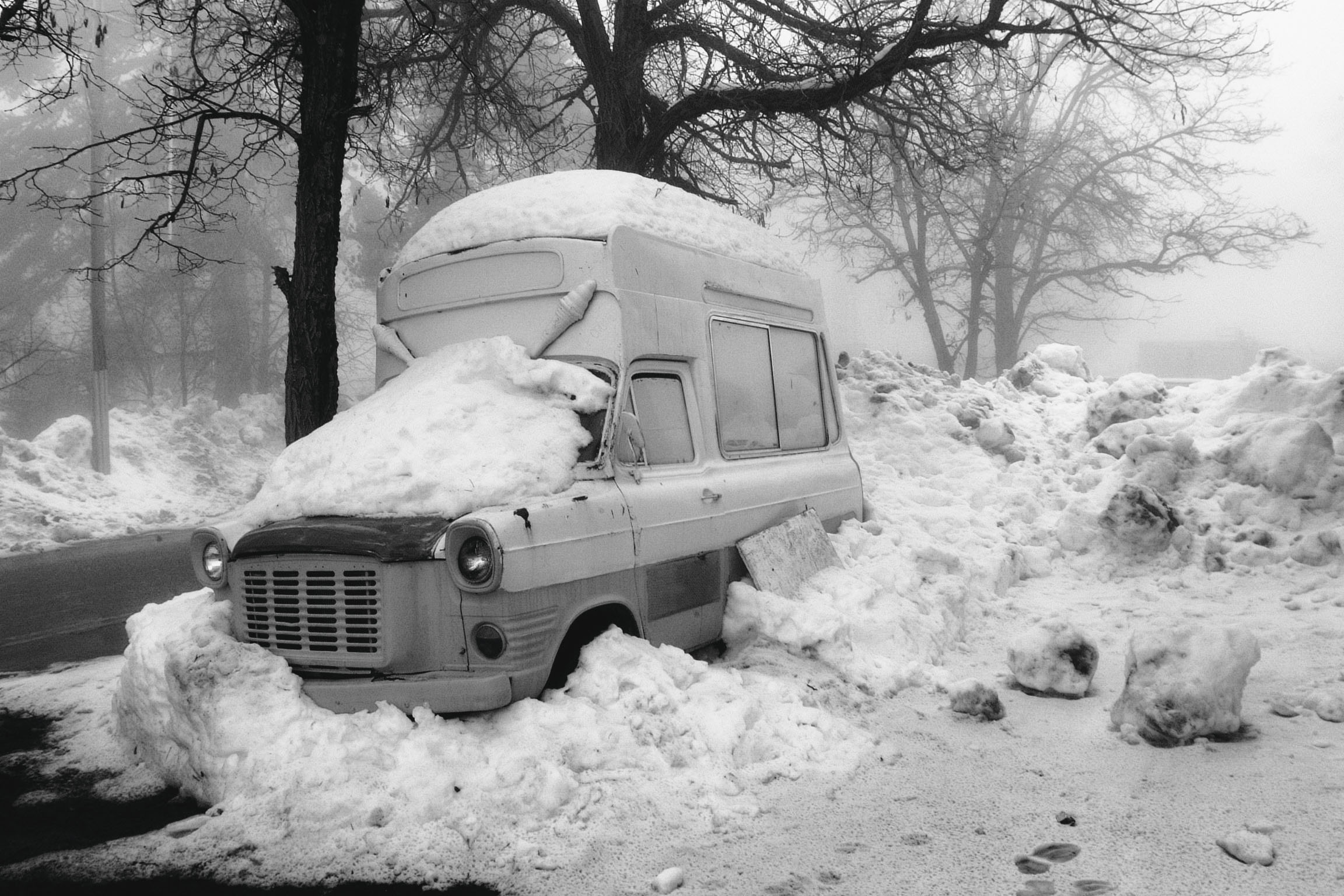
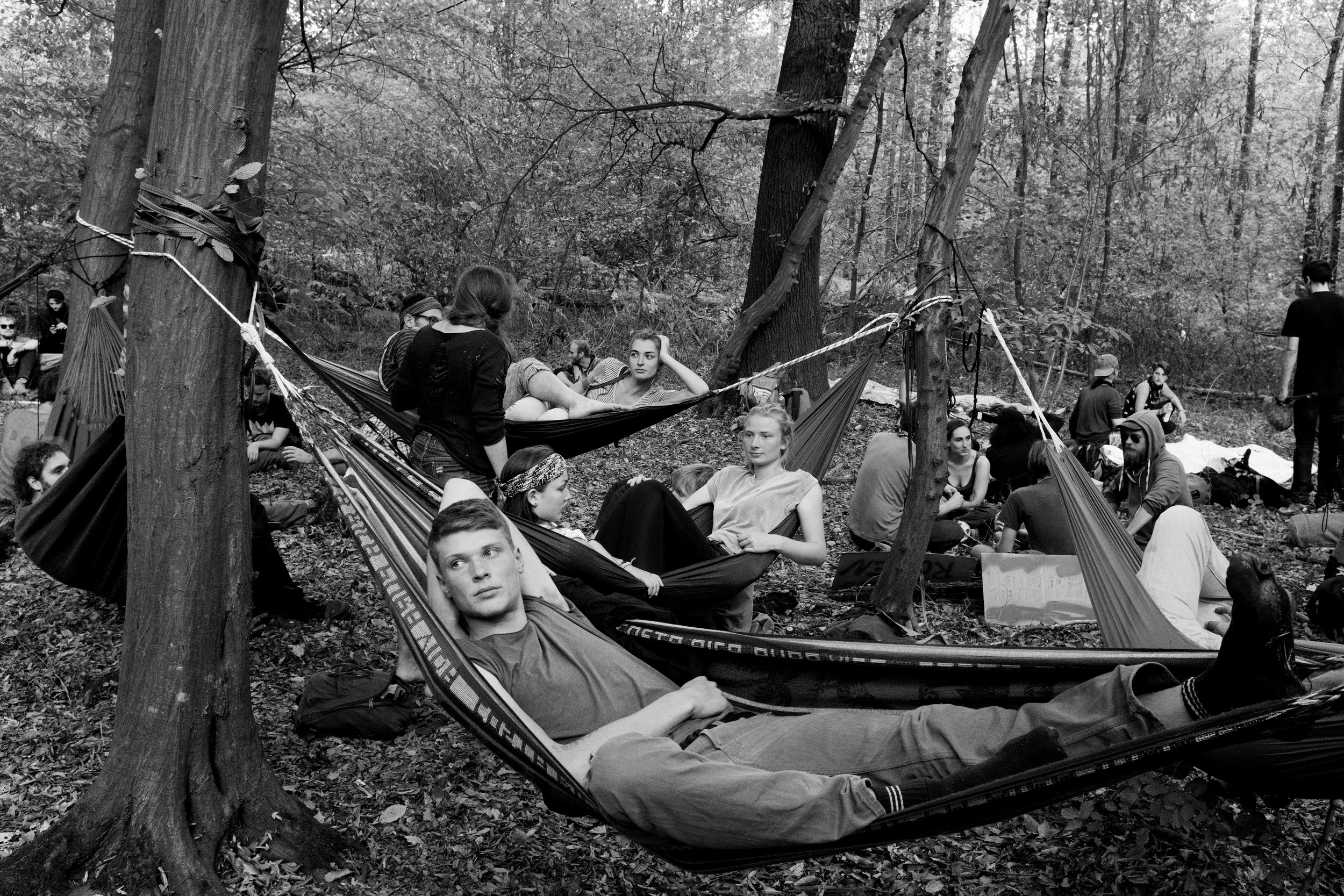
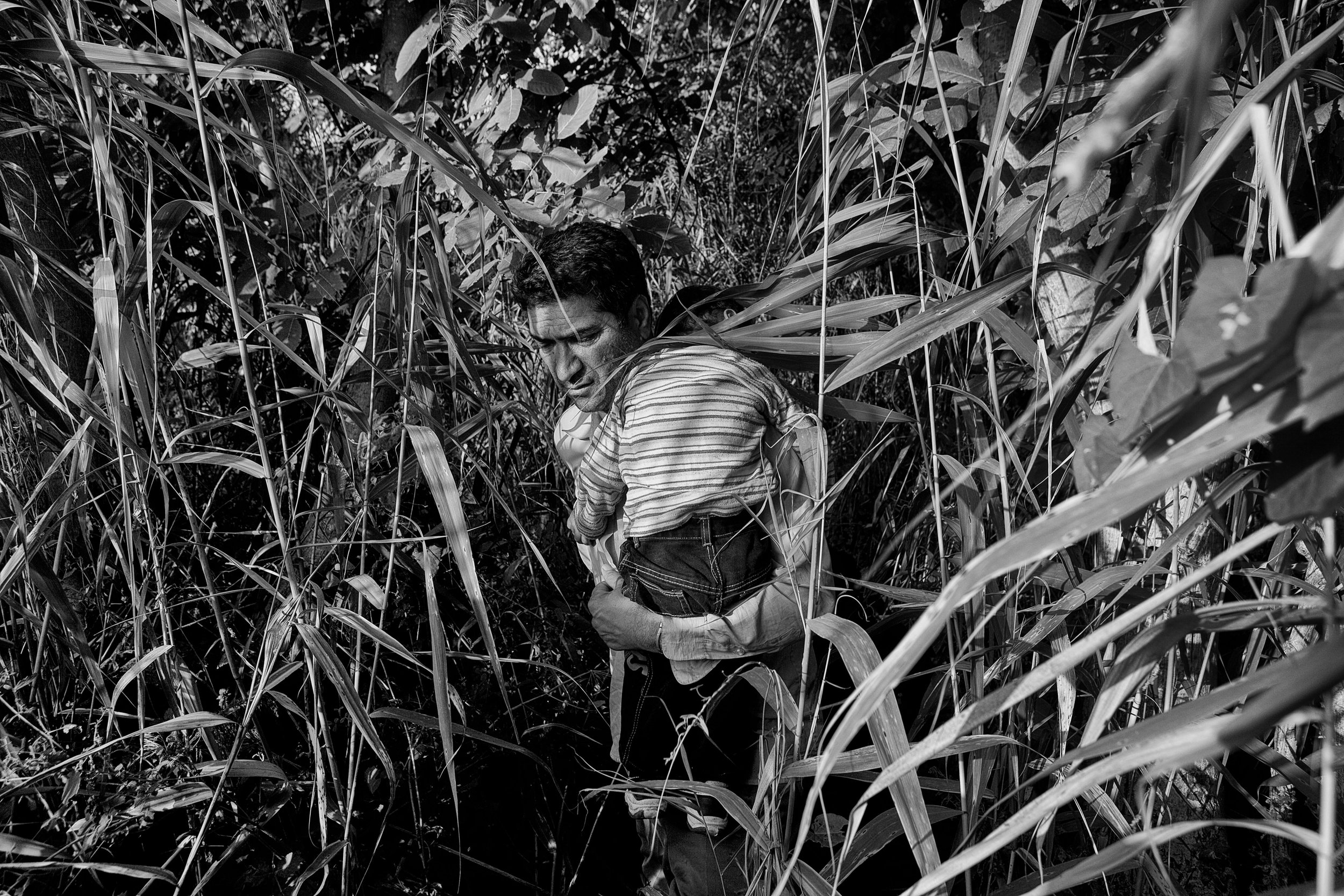
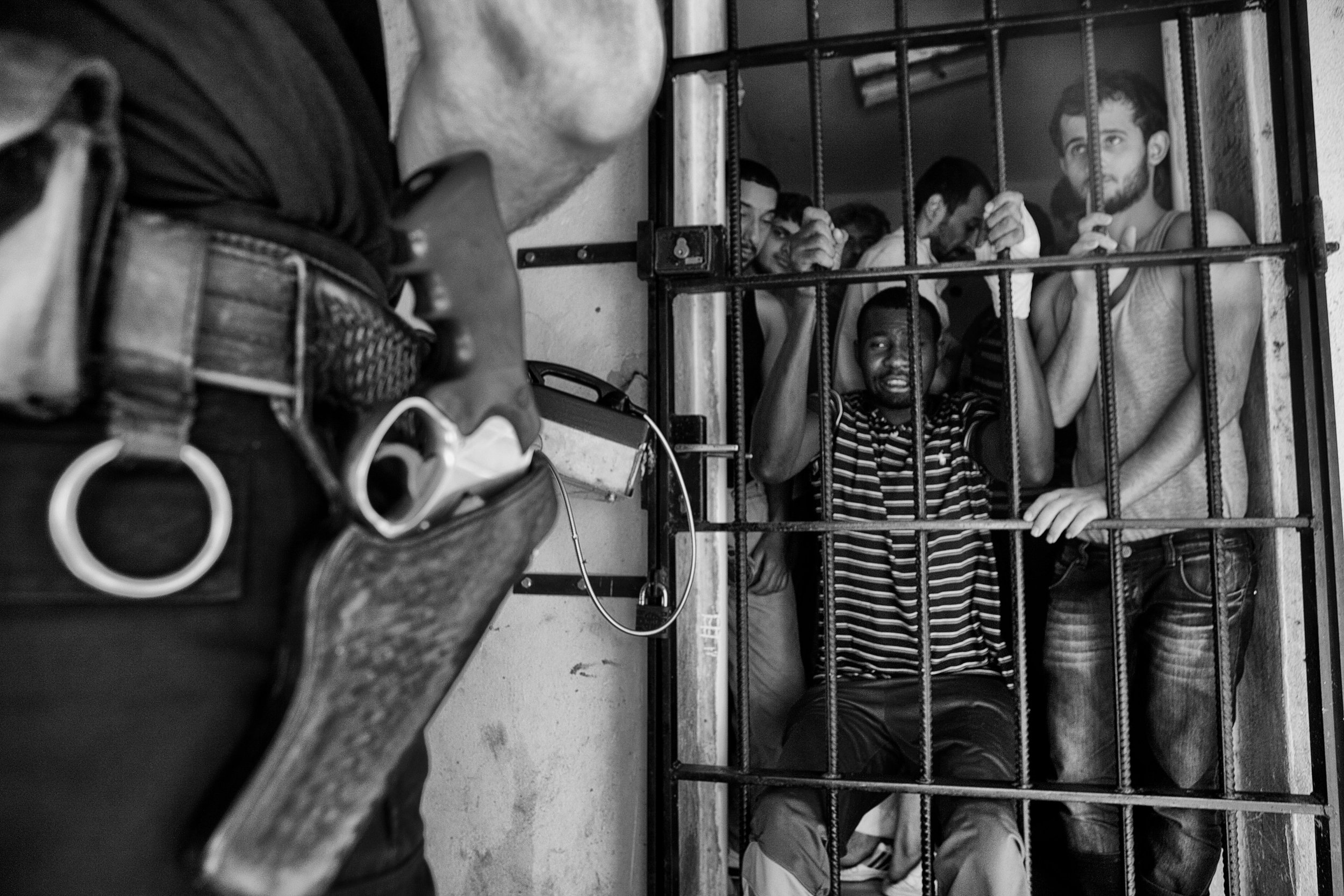
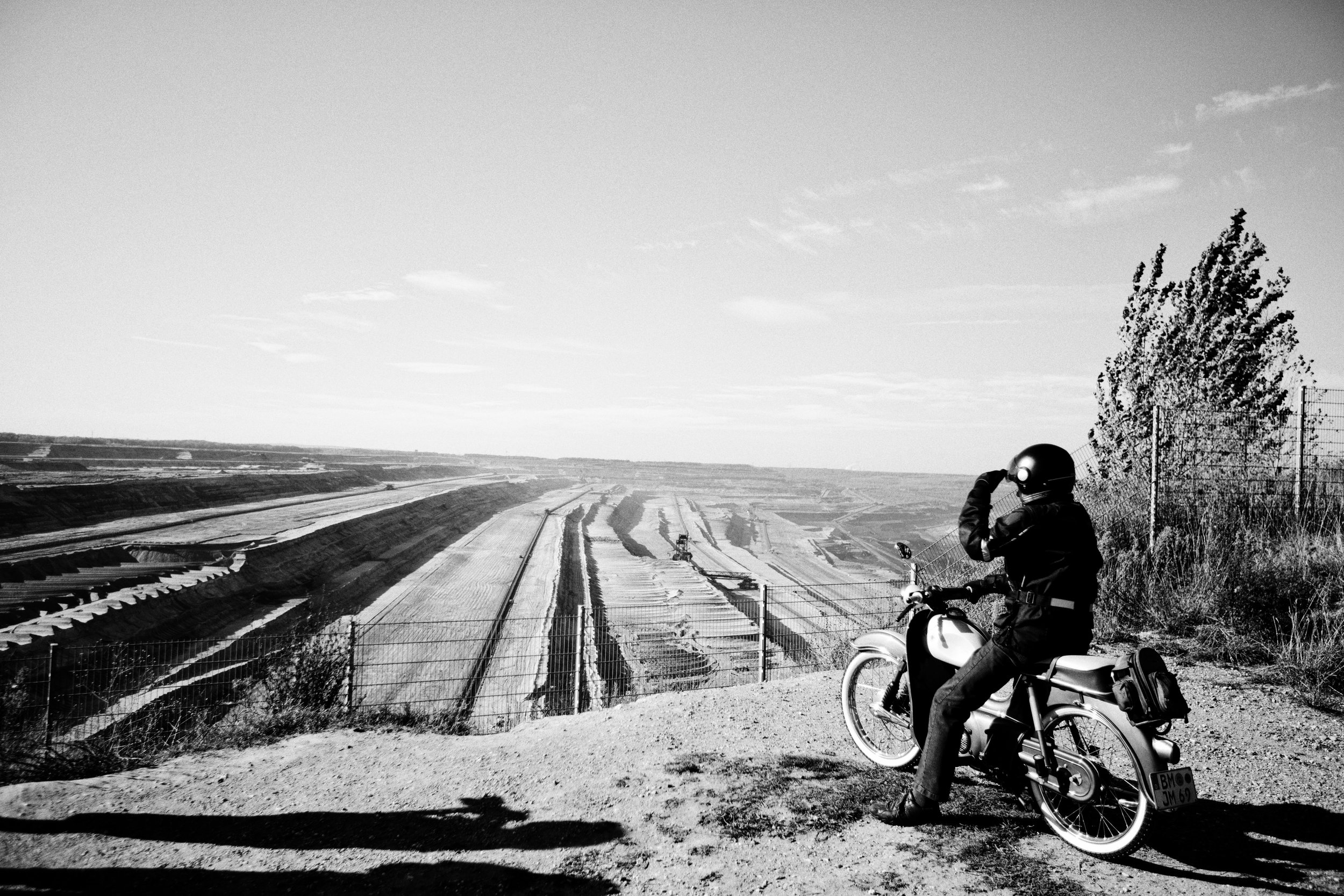
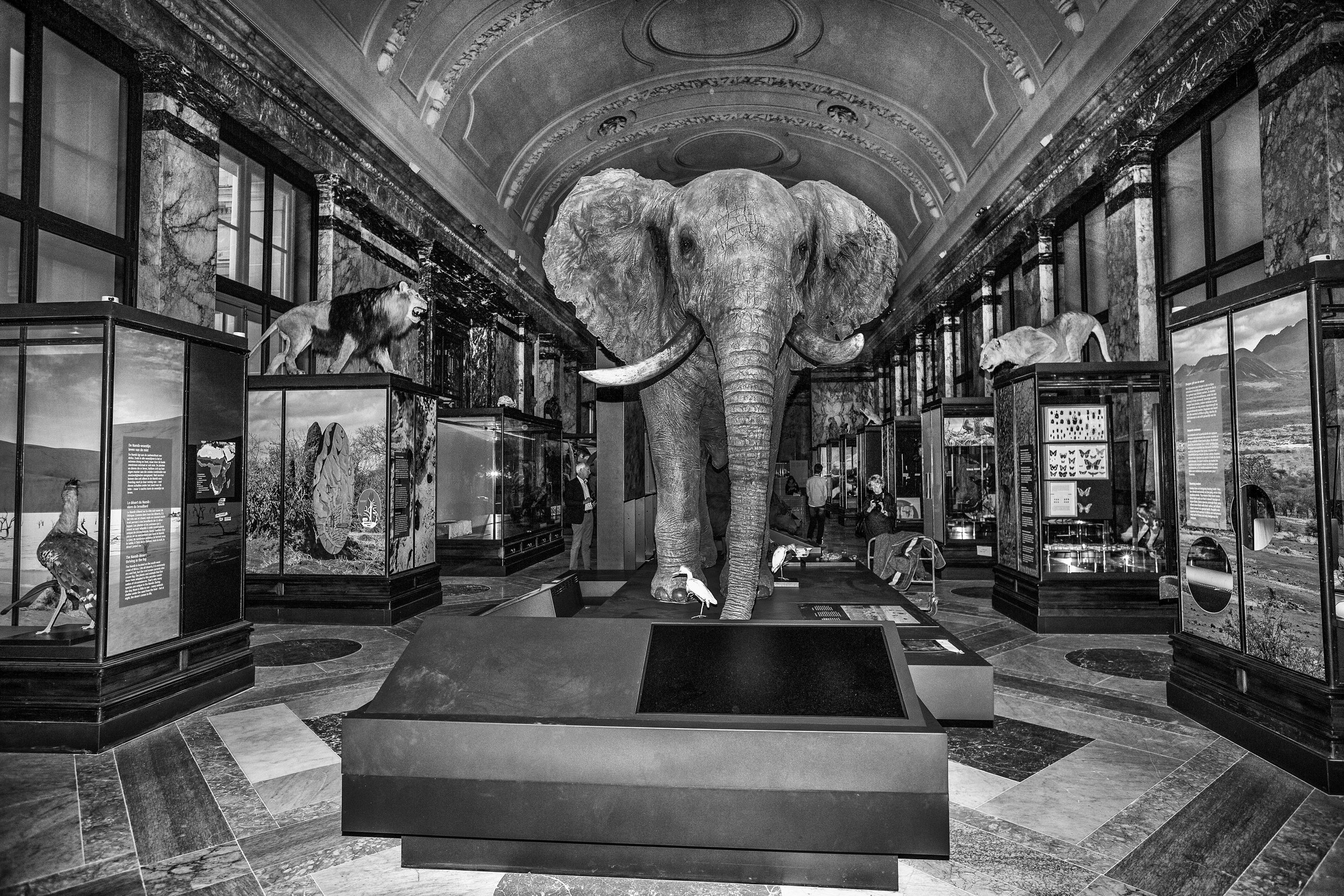
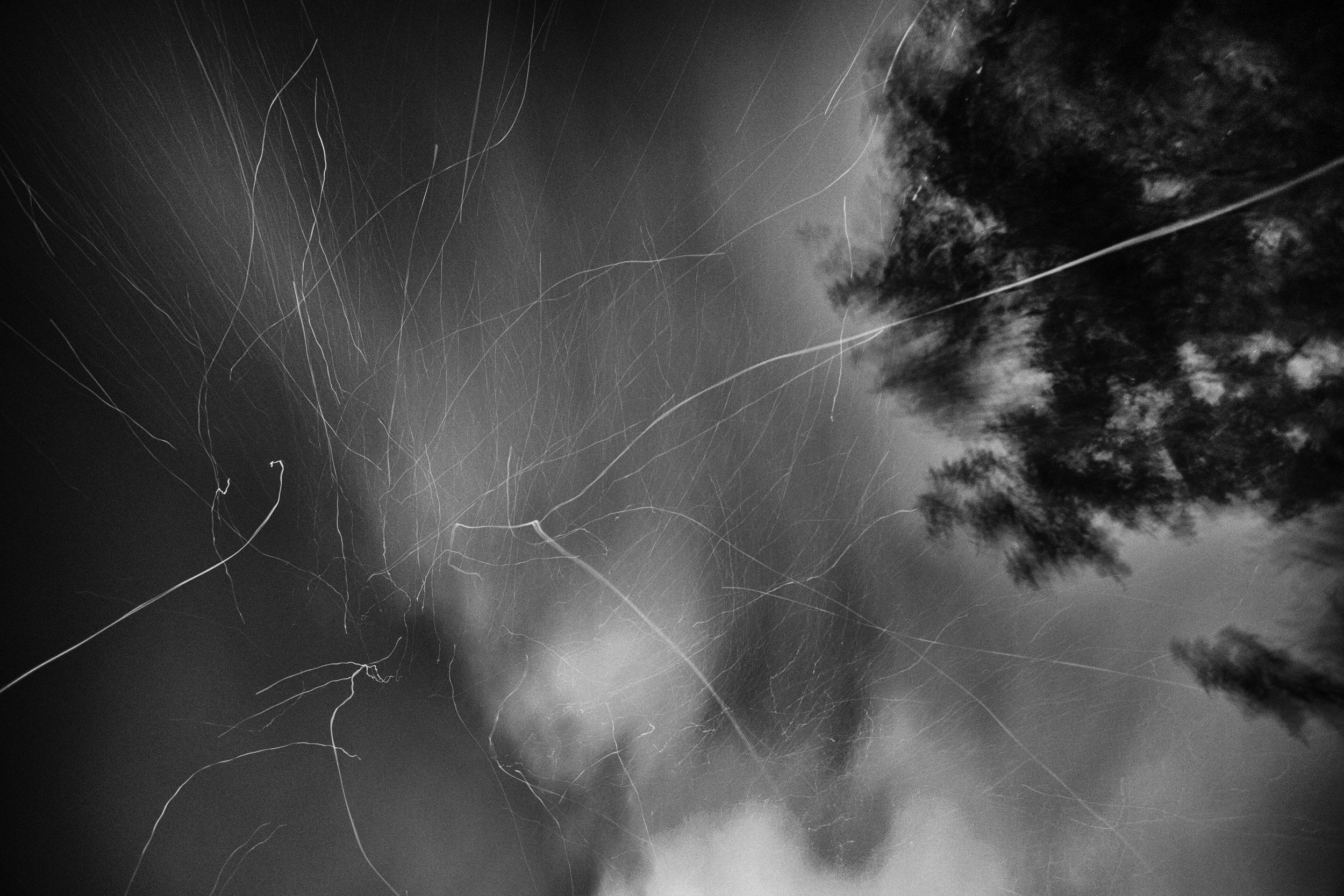
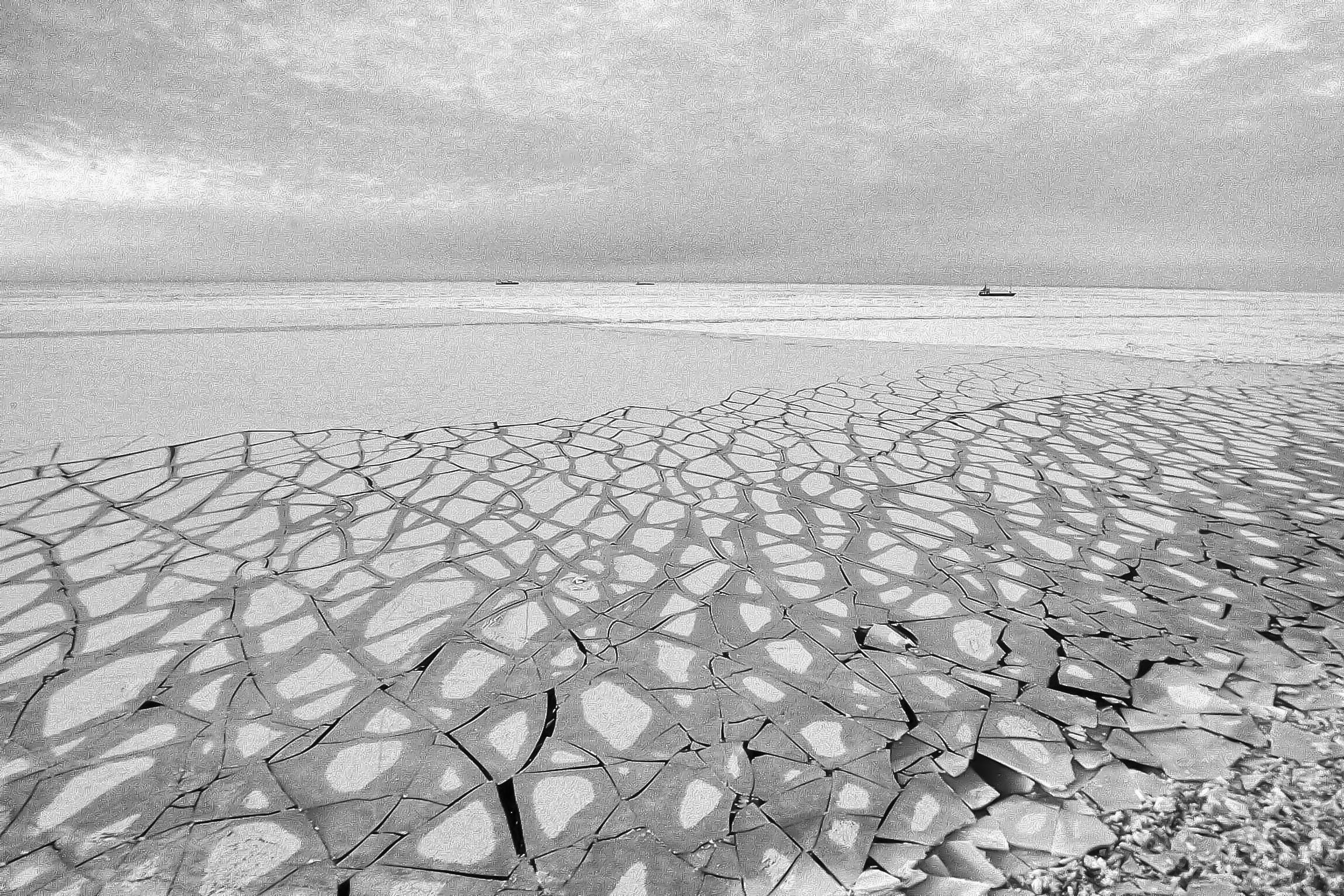
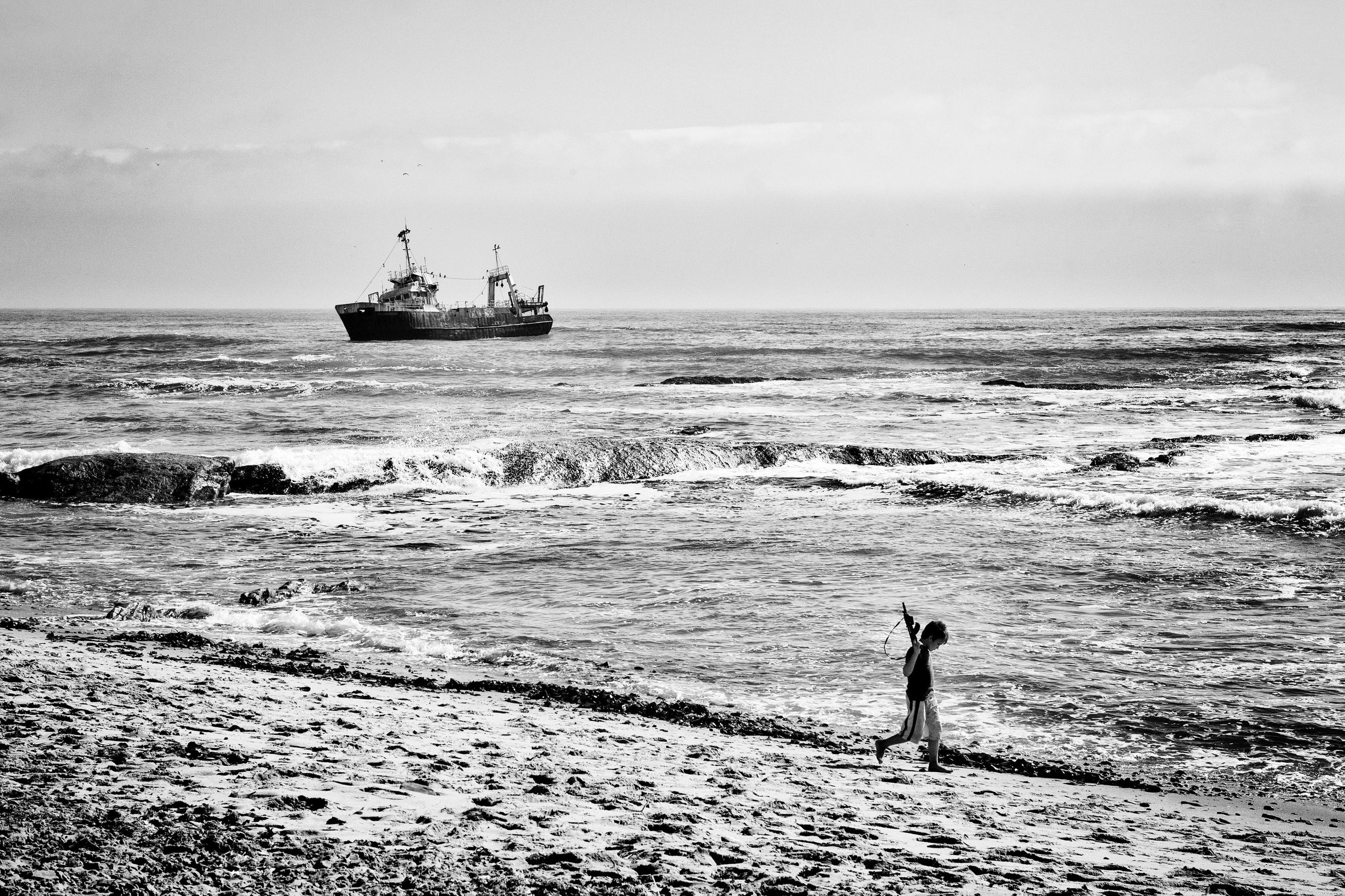
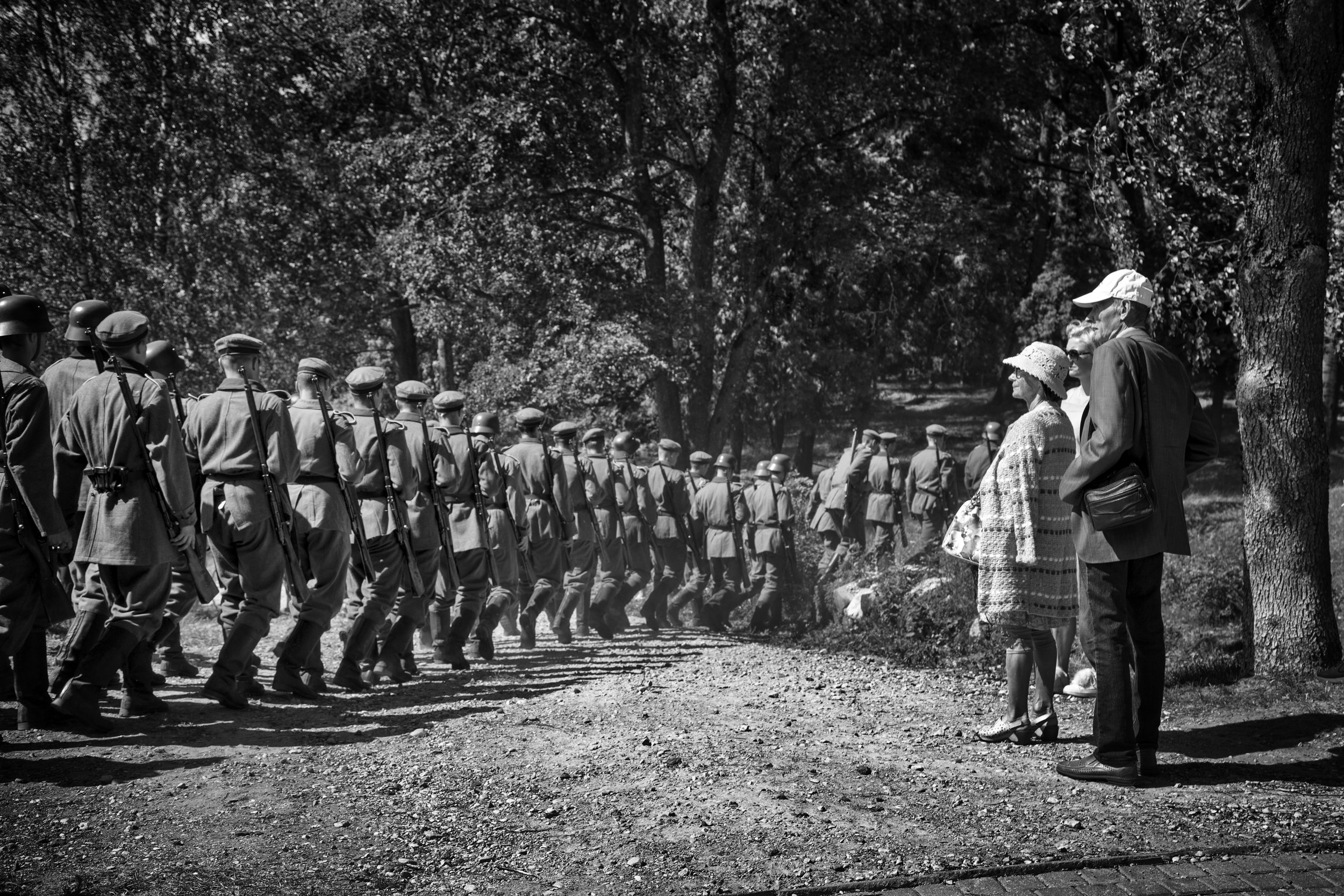
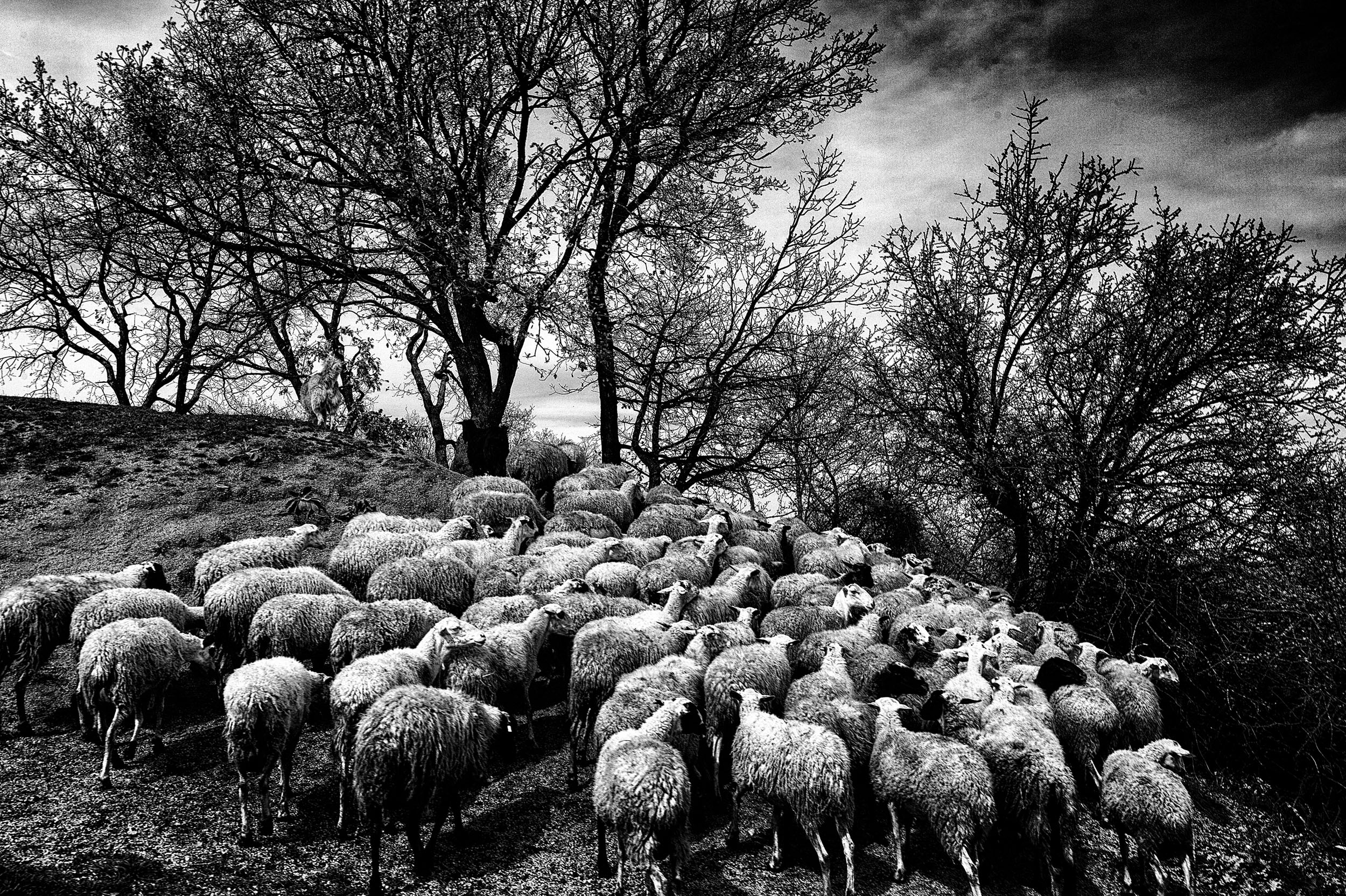
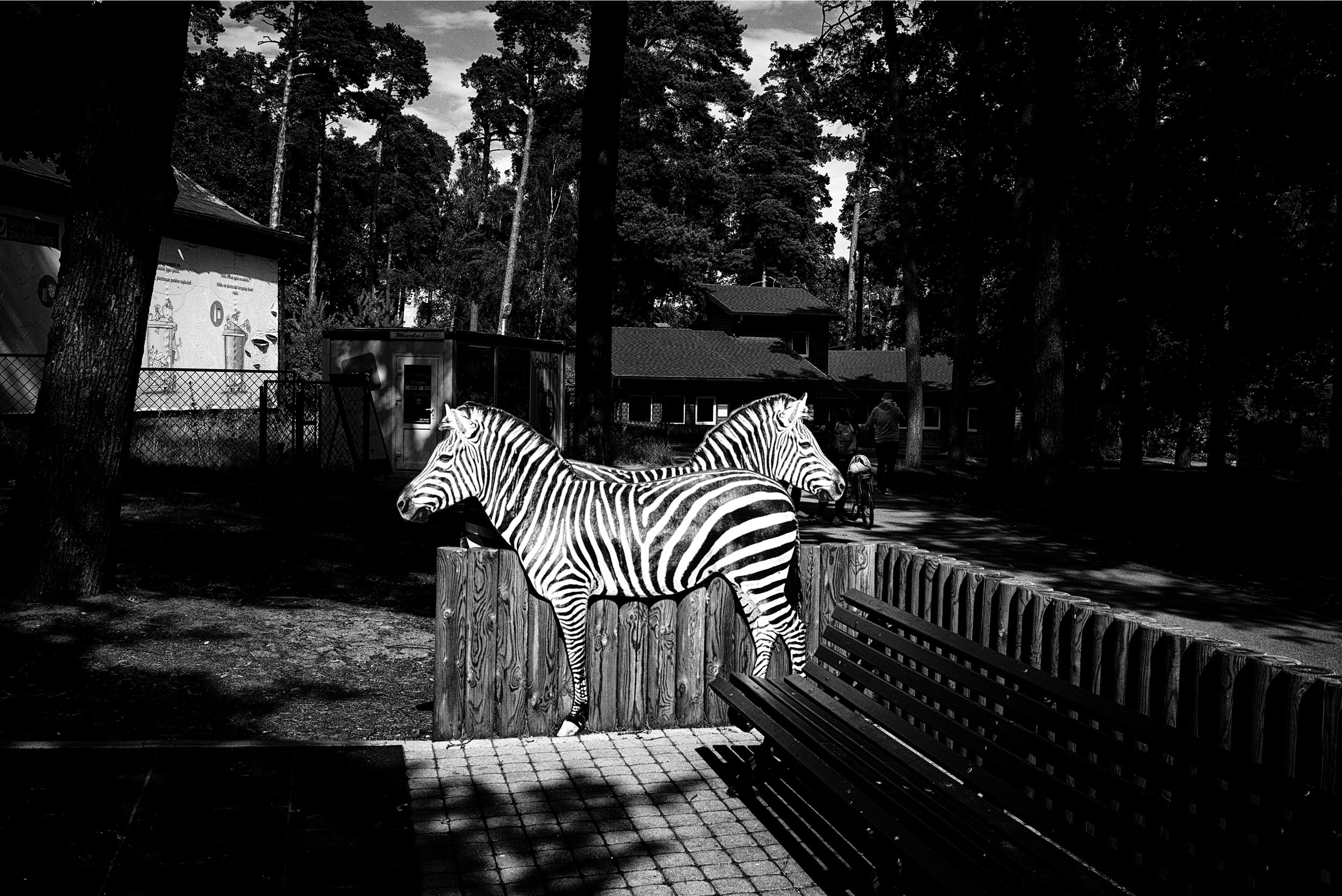
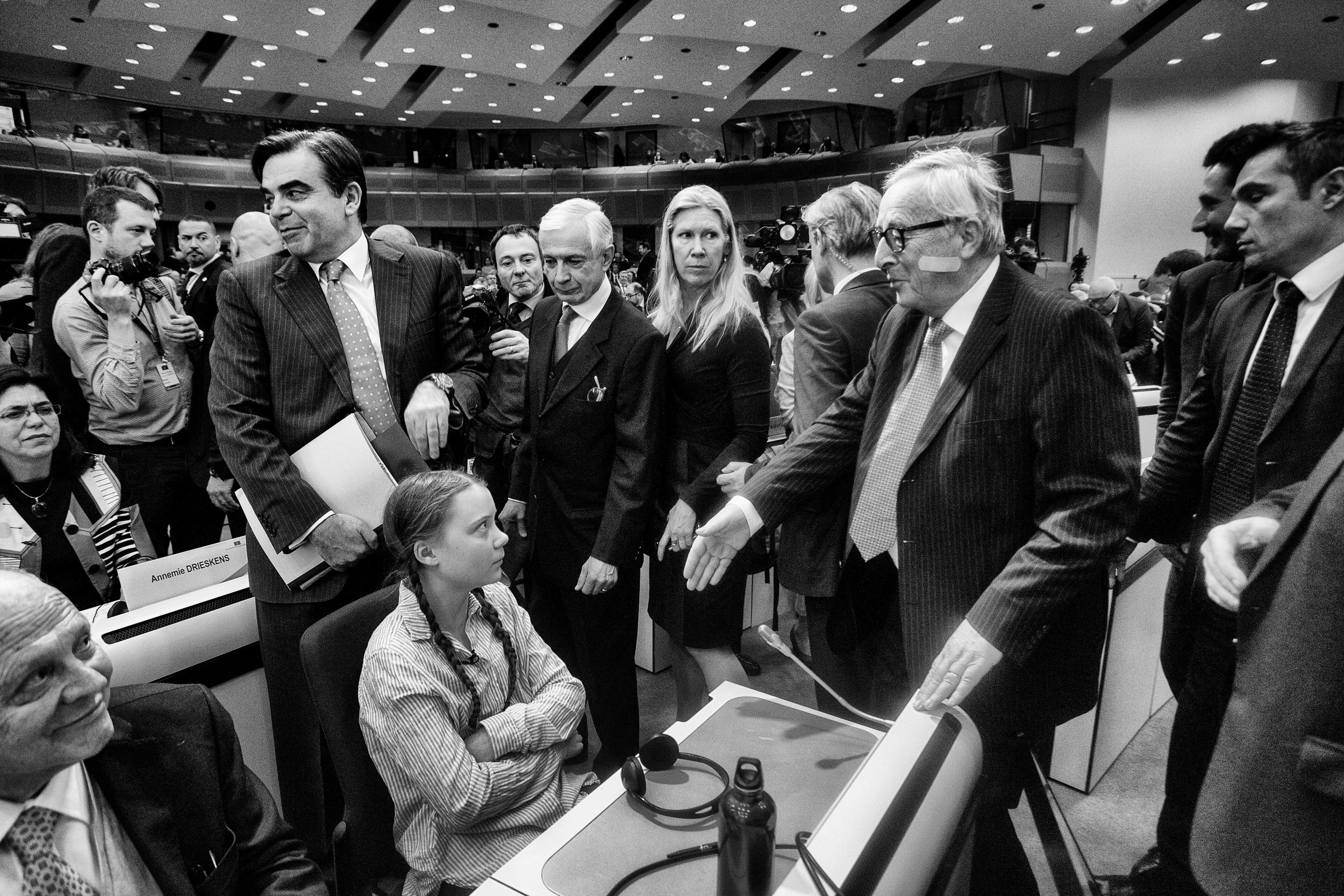
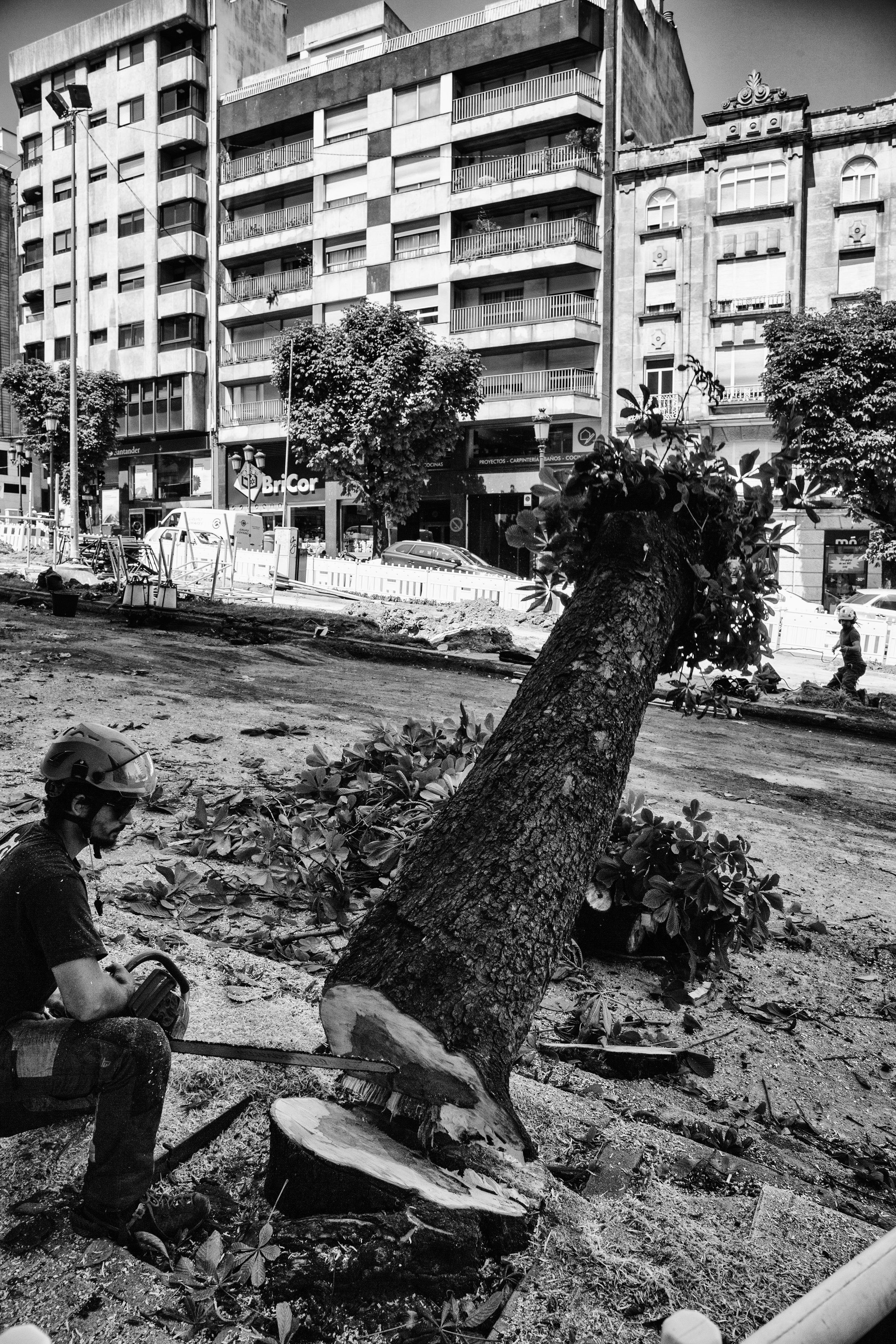
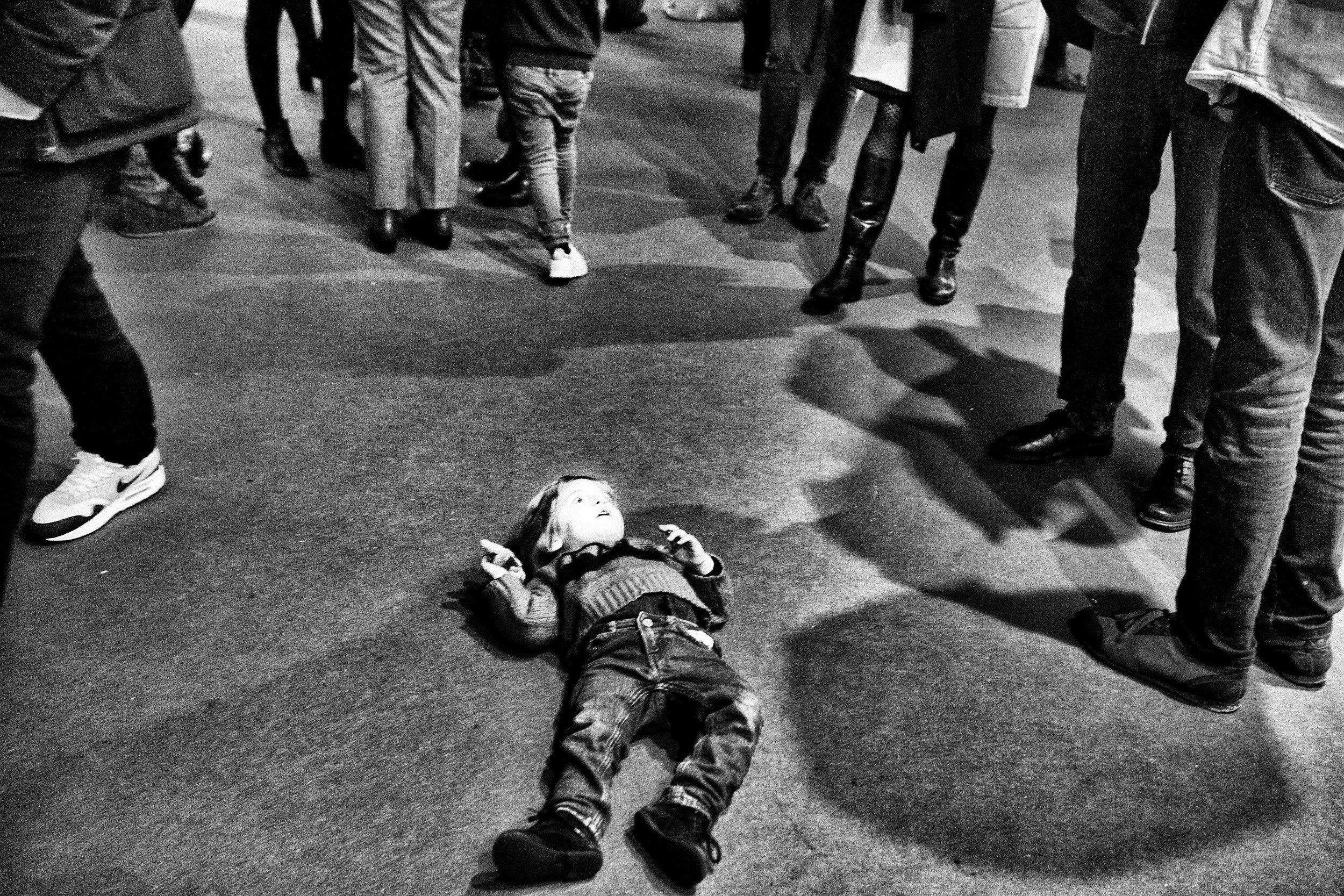
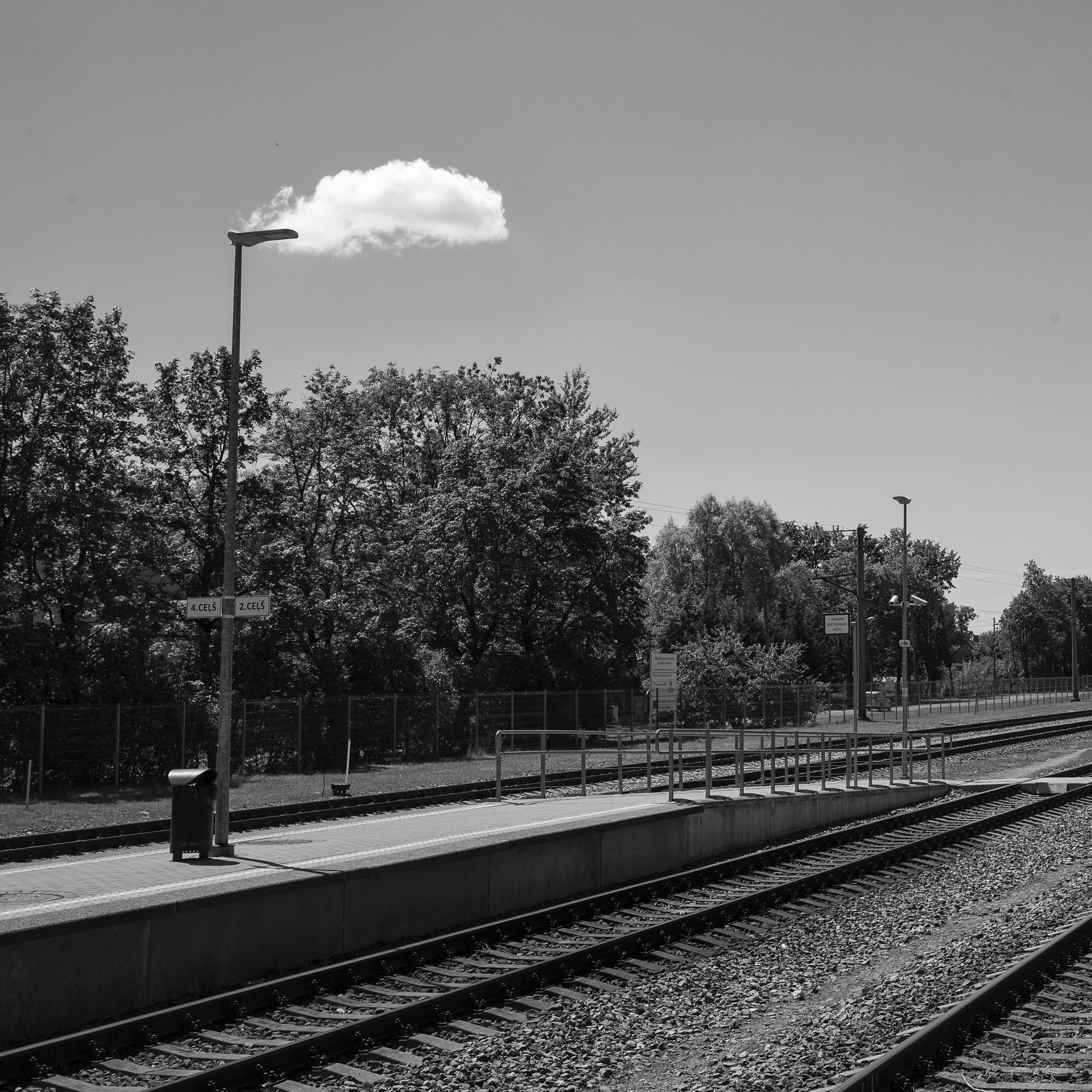
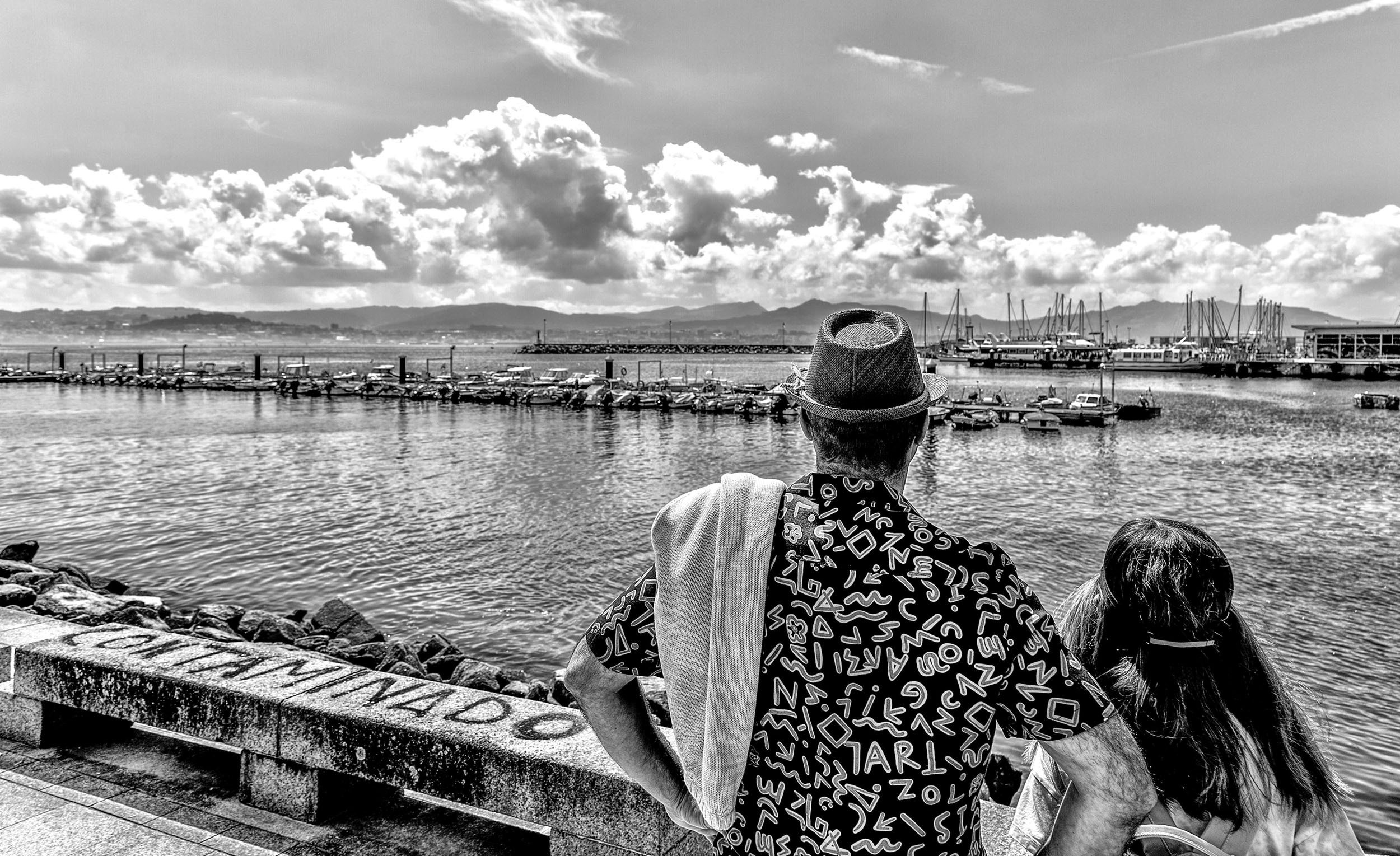
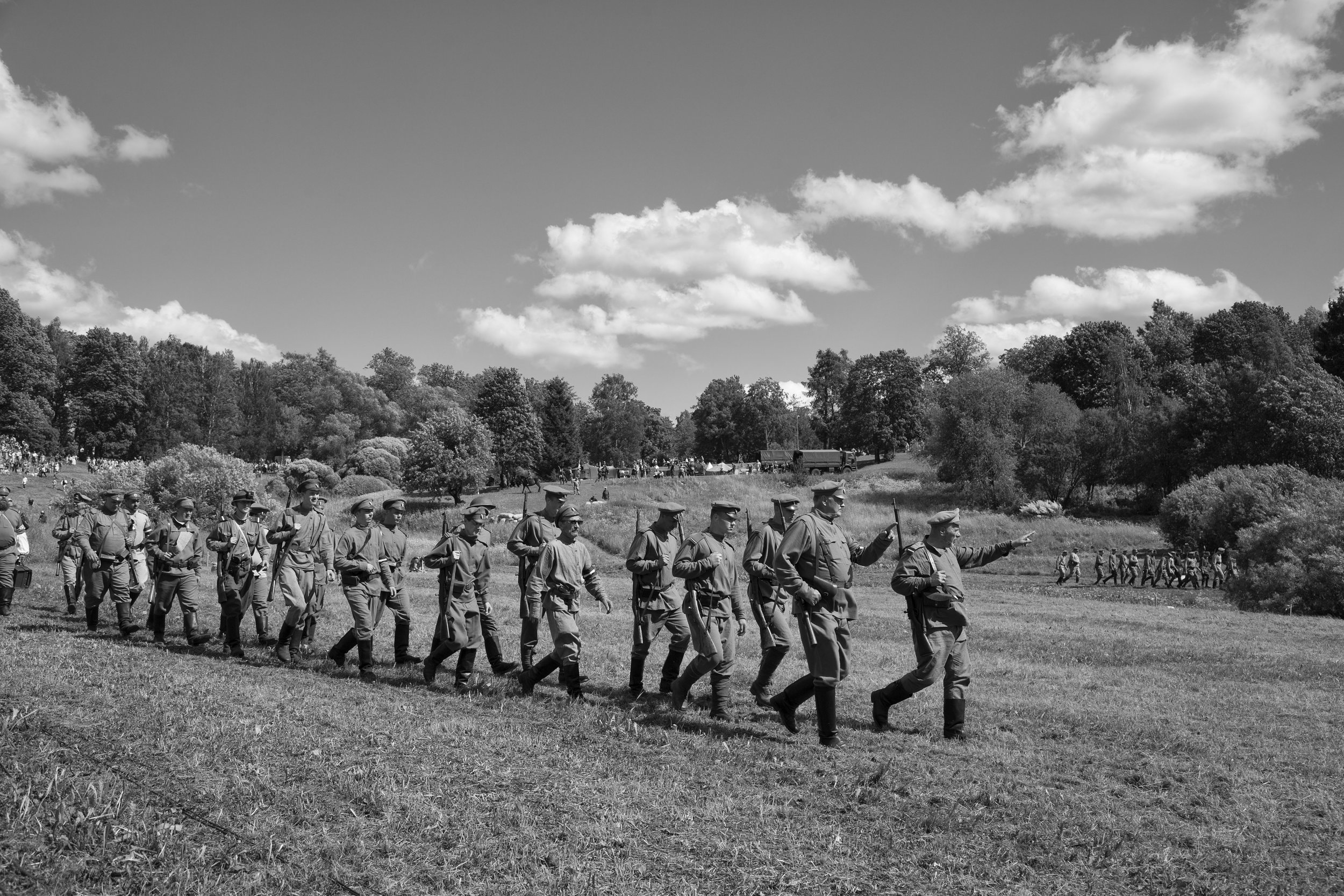
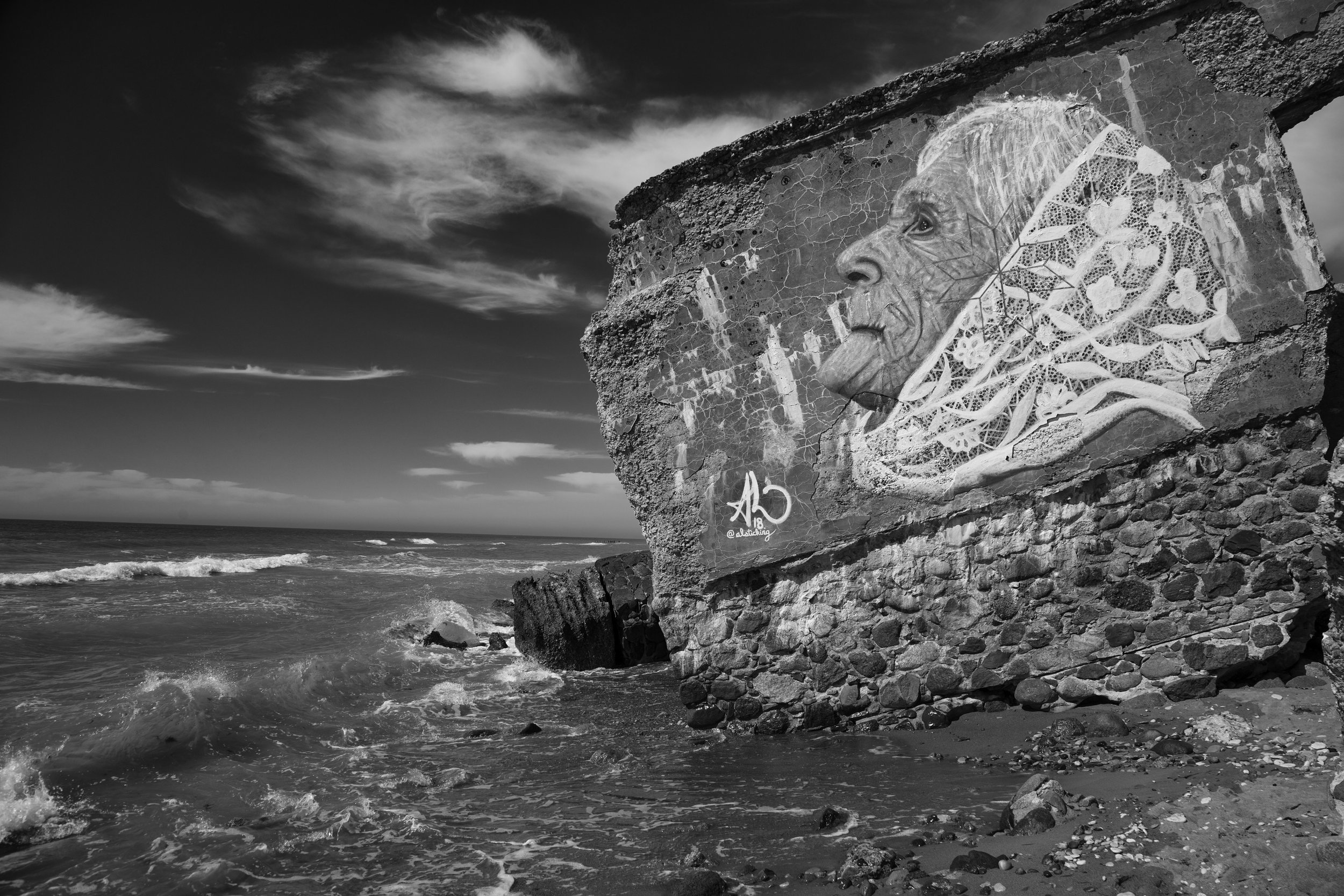
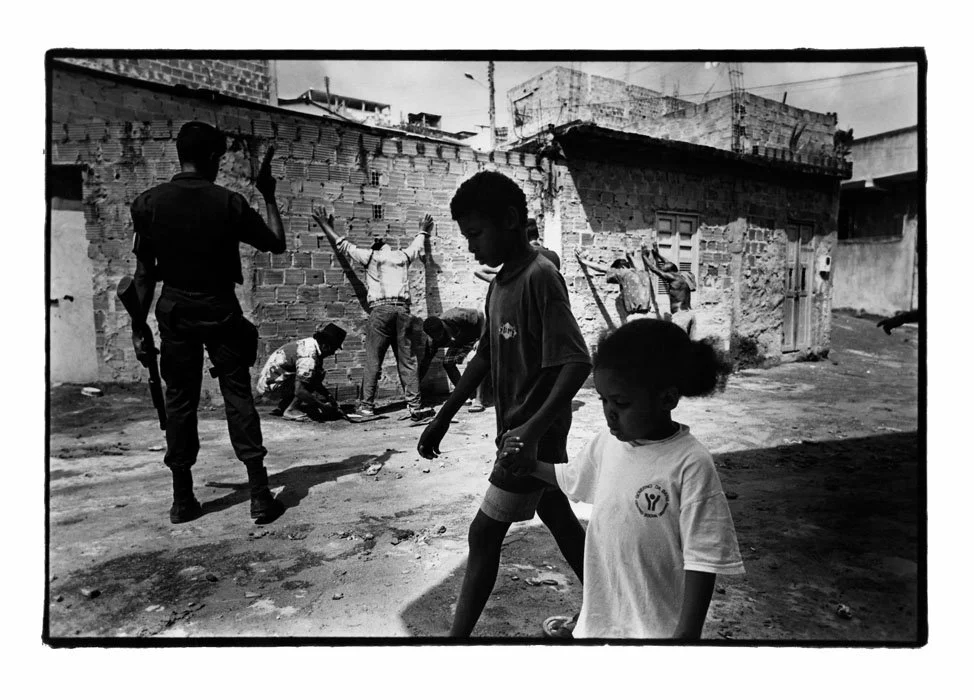
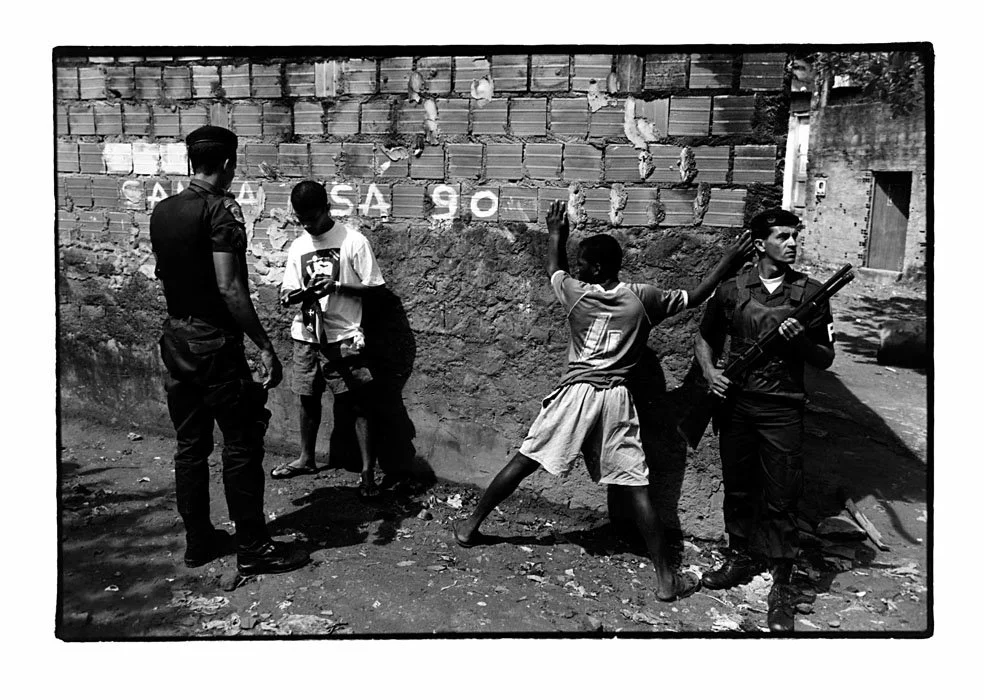
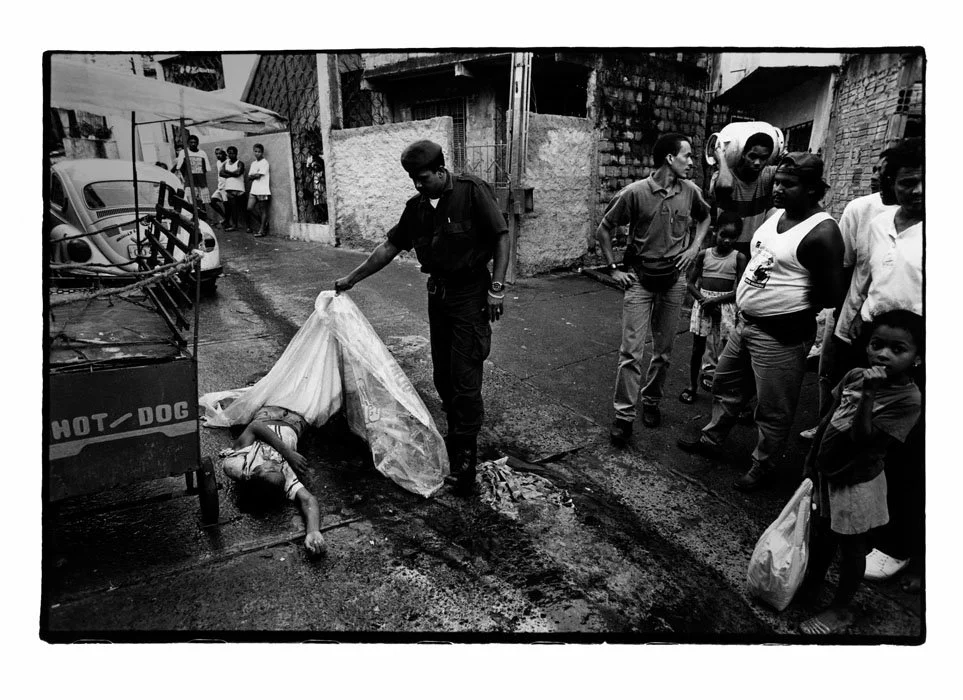
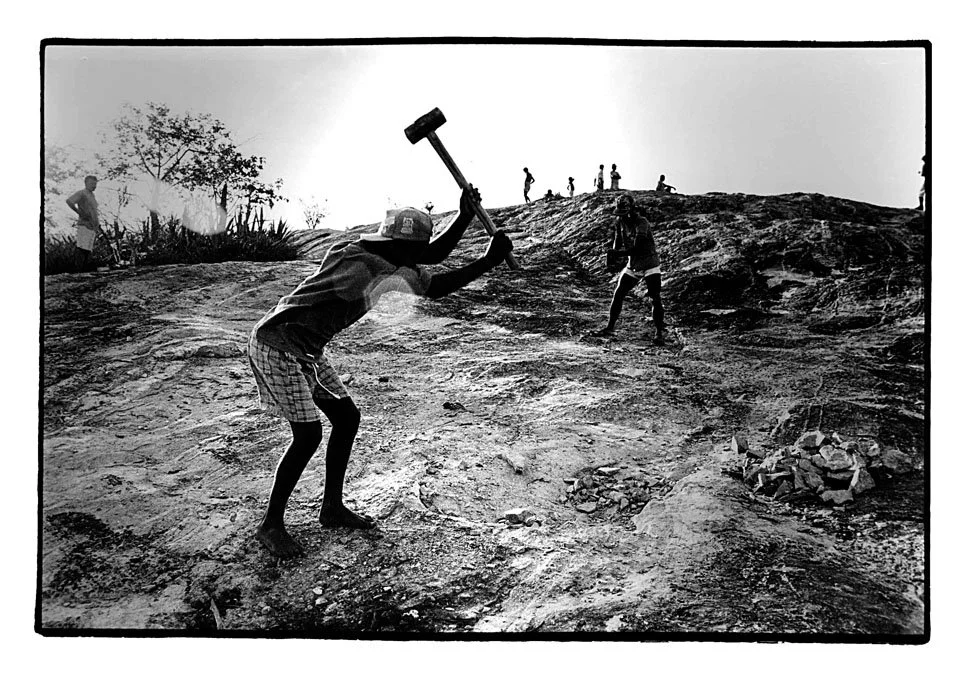
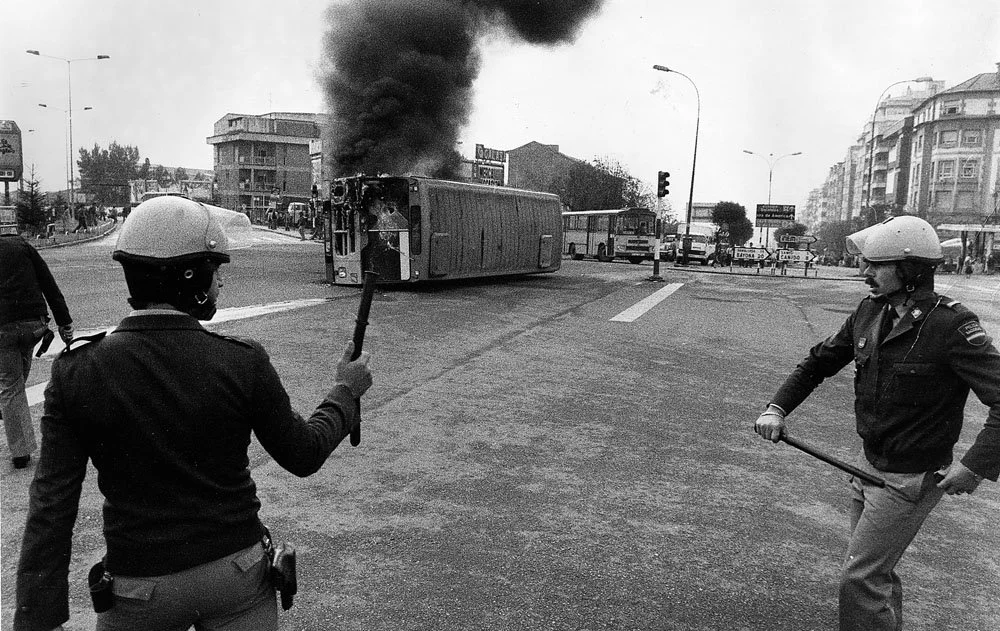
However, I am very proud to have witnessed certain moments where a simple photograph speaks volumes. This is the case with the sequence of photographs of the Women of Telanosa in 1986. I am proud of the women who confronted police officers armed with electric batons, women who were simply walking without having committed any crime. That said, it stirs something deep inside me. According to two very dear friends, all psychiatrists, my photographs always had a soul, something that defined them, and there was no need to say much about them. But, as two scientists say, when we photograph, whether landscapes, people, or architecture, there is something about them that defines them. Therefore, photography, even though some say it is also art, will never be like painting or sculpture, where the concept is much more material in its physical aspects than in the purity of the element.
Women have always had a strong presence in my photography, and I acknowledge the significant influence of my grandmother Rosalía and my mother Carmen, to whom I am eternally grateful for all the education and advice they gave me throughout my life.
This feminine influence is very important to me and my work as a photographer. An example of this influence is the documentary series I began in the 1980s in the Vigo estuary, focusing on the shellfish gatherers. This has been studied by women, and the definitions vary: matriarchy or no matriarchy, but the women of the Vigo estuary have long held the crucial role of supporting a family while their husbands or other men were at sea for months at a time. Their responsibilities included raising children, cultivating the land, caring for animals, managing expenses and the family economy, and shellfish gathering.
So, finally, if you've managed to get this far reading this pamphlet, I want to tell you that I don't like the portfolios you see on this page, except for a couple of photos.
The best photos I've ever taken were of the births of the twin girls of my three daughters. Those, and I'm sorry for sounding vain, are the best and irreplaceable moments of my life.