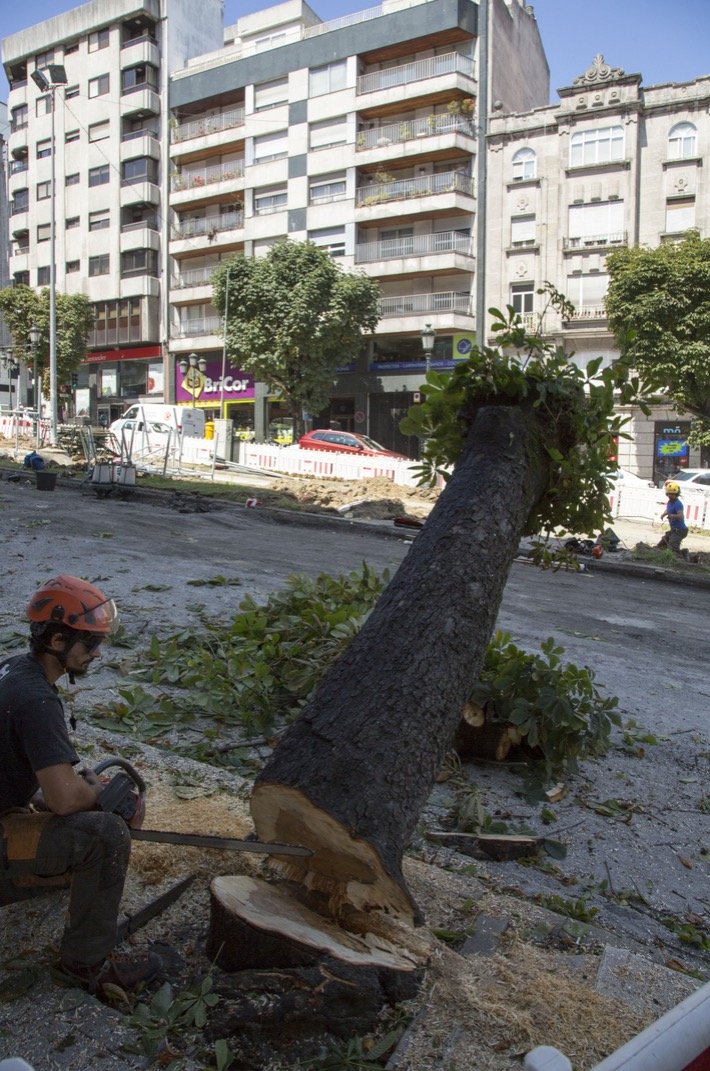
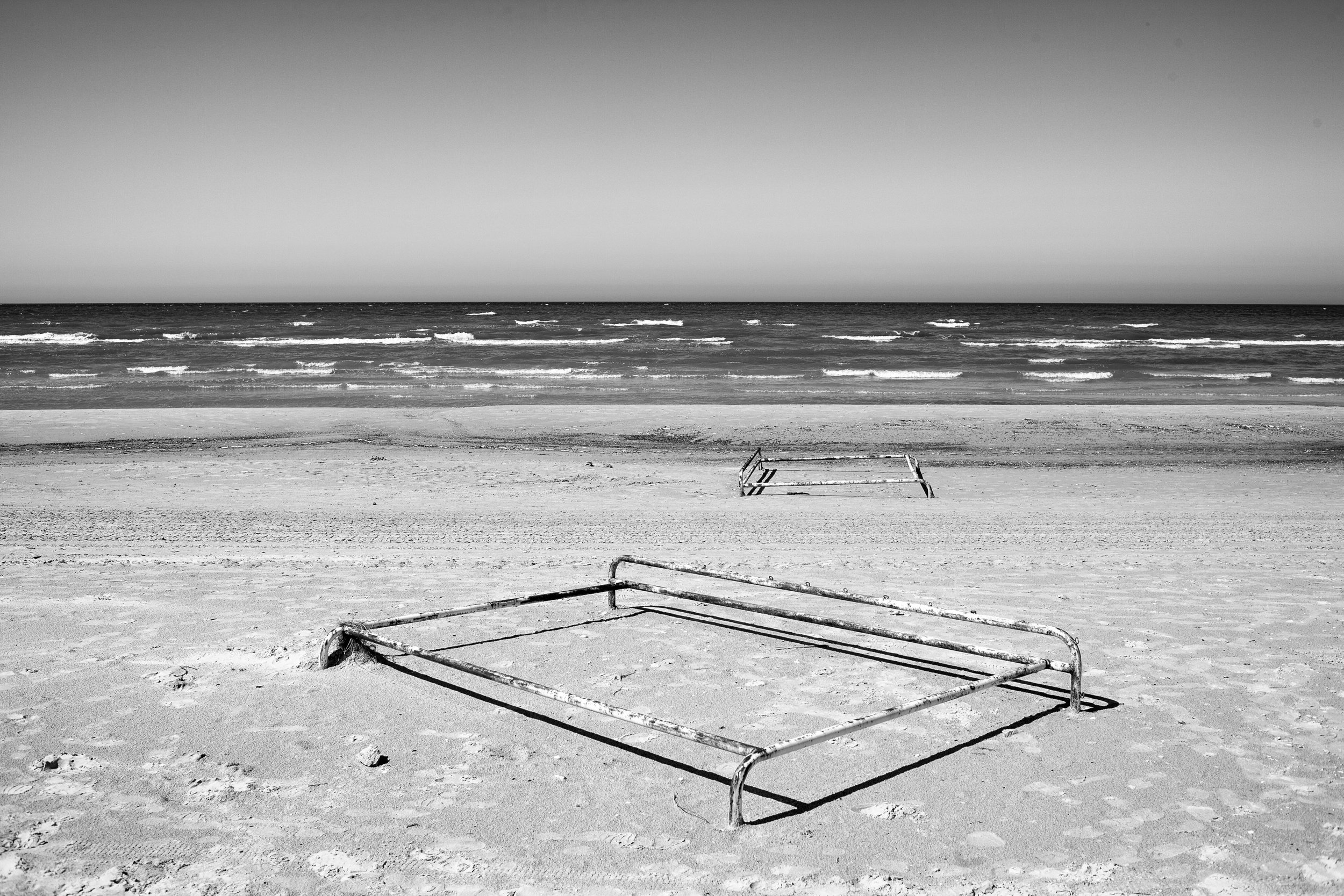
Anthropogenic Landscapes: A Photographic Essay on Anthropic Action
The "Anthropogenic Landscapes" project constitutes a documentary and visual essay that defines the concept of the anthropogenic landscape through the lens of environmental and social critique. This work consists of explicitly capturing how anthropic action—direct human intervention on the Earth—has ceased to be a mere footprint and has transformed into a geological force capable of completely redesigning the planet's surface. The purpose of this project is to make visible the drastic and irreversible changes that contemporary industrial and economic dynamics impose upon natural environments.
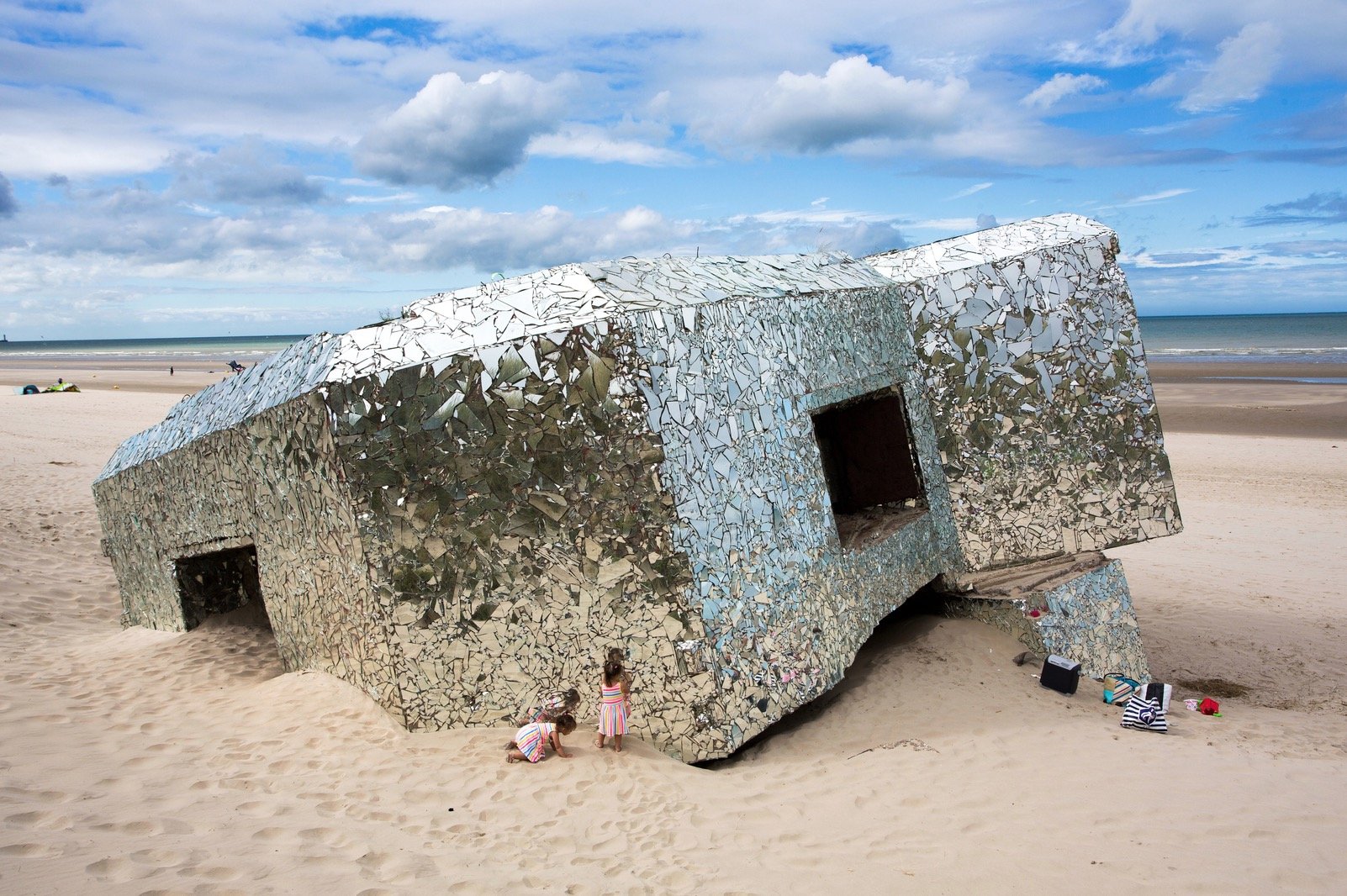
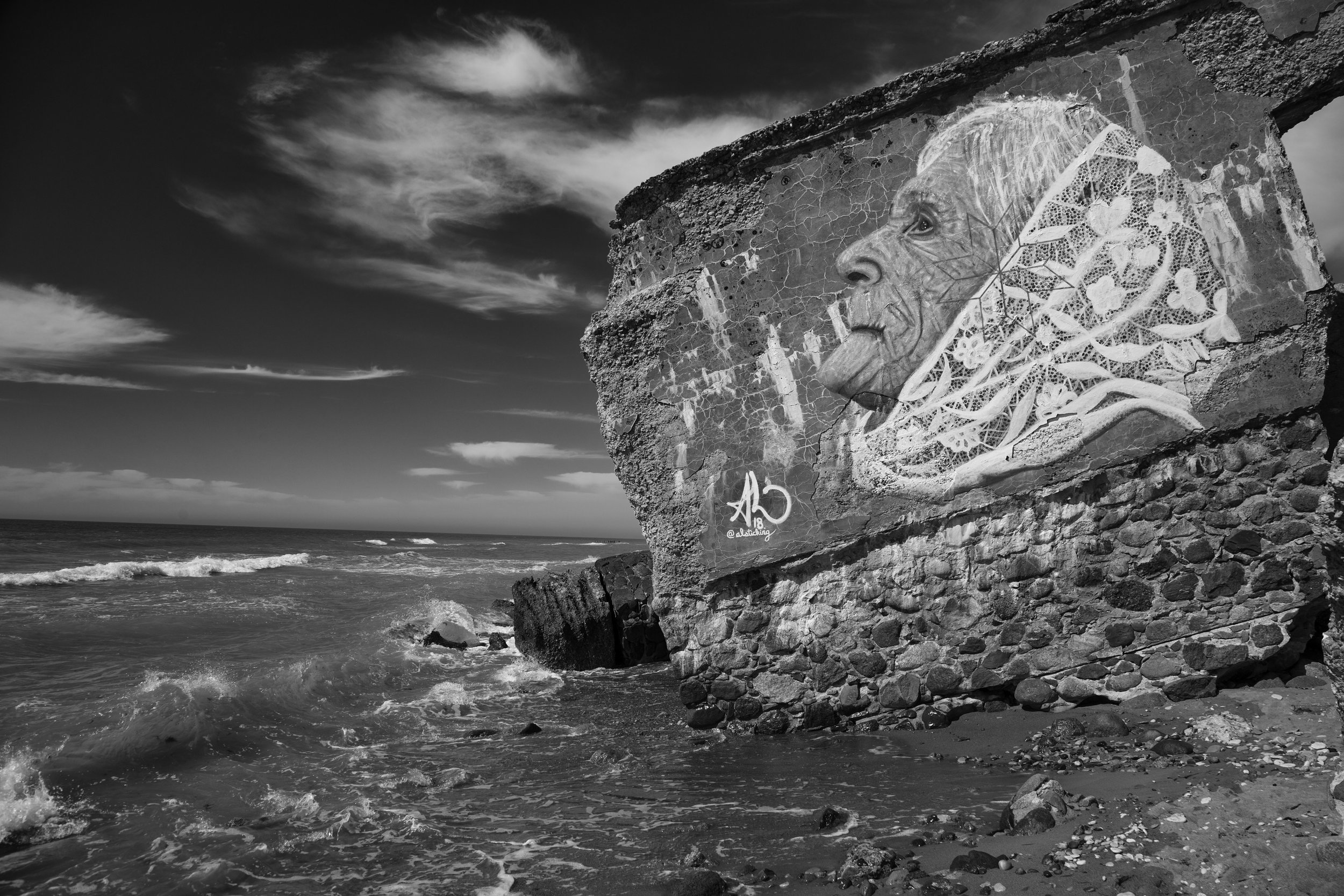
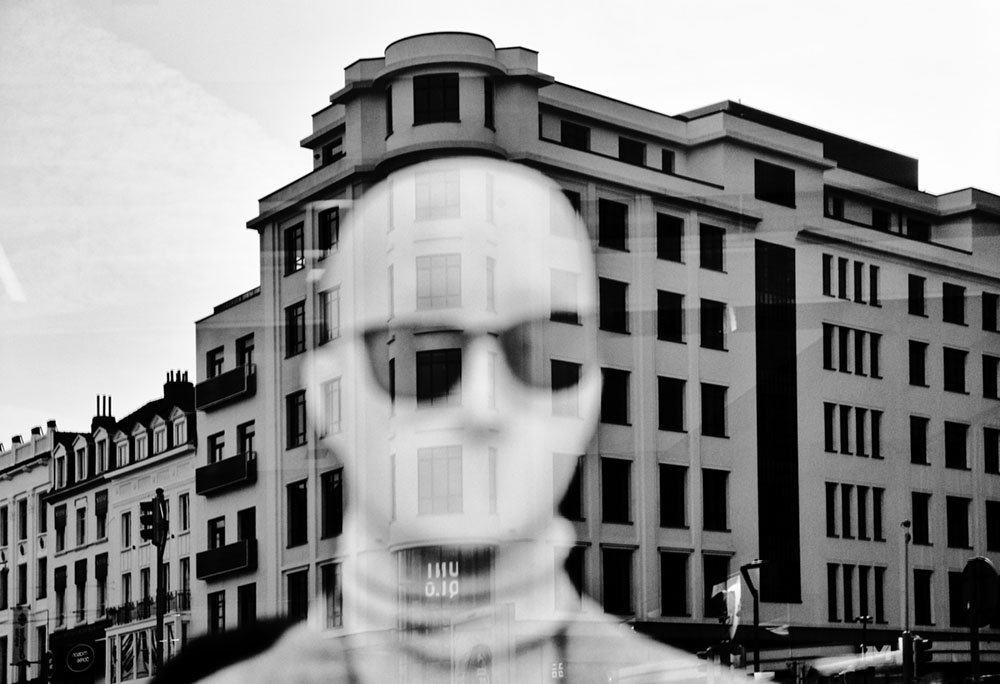
The "Mirror Bunker" (Le Blockhaus Miroir) is located on Malo-les-Bains Beach in Dunkirk, France. Created by the visual artist Anonymous (using the pseudonym Anon) in 2018, this work covered the walls of a former World War II bunker with hundreds of mirror fragments.
This public art site reflects the waves of the North Sea and the ever-changing coastal sky.
Critical Reflections on Territory and the Aesthetic of Chaos
Introduction
The "Anthropogenic Landscapes" project serves as a critical documentary essay that examines the radical transformation of the Earth's surface. It defines the anthropogenic landscape not merely as a modified space, but as a territory under siege by human agency. This work highlights the brutal changes originating from industrial expansion and the lack of territorial cohesion, often resulting in what is known as feísmo (aesthetic blight or visual pollution) — a manifestation of chaos and neglect that reflects a broken relationship between society and its environment.
The Project's Core: Documenting the Brutal Change
This project consists of an exhaustive visual investigation into the scars left by anthropic action. Its purpose is to move beyond the surface to reveal the systemic violence exerted on the land. By documenting open-pit mines and abandoned industrial sites, the essay captures the transition from natural harmony to a fragmented reality. The essence of the project lies in showing that these changes are the direct consequence of a model that creates a permanent eyesore (visual scar) on the horizon, prioritizing immediate extraction over long-term sustainability.
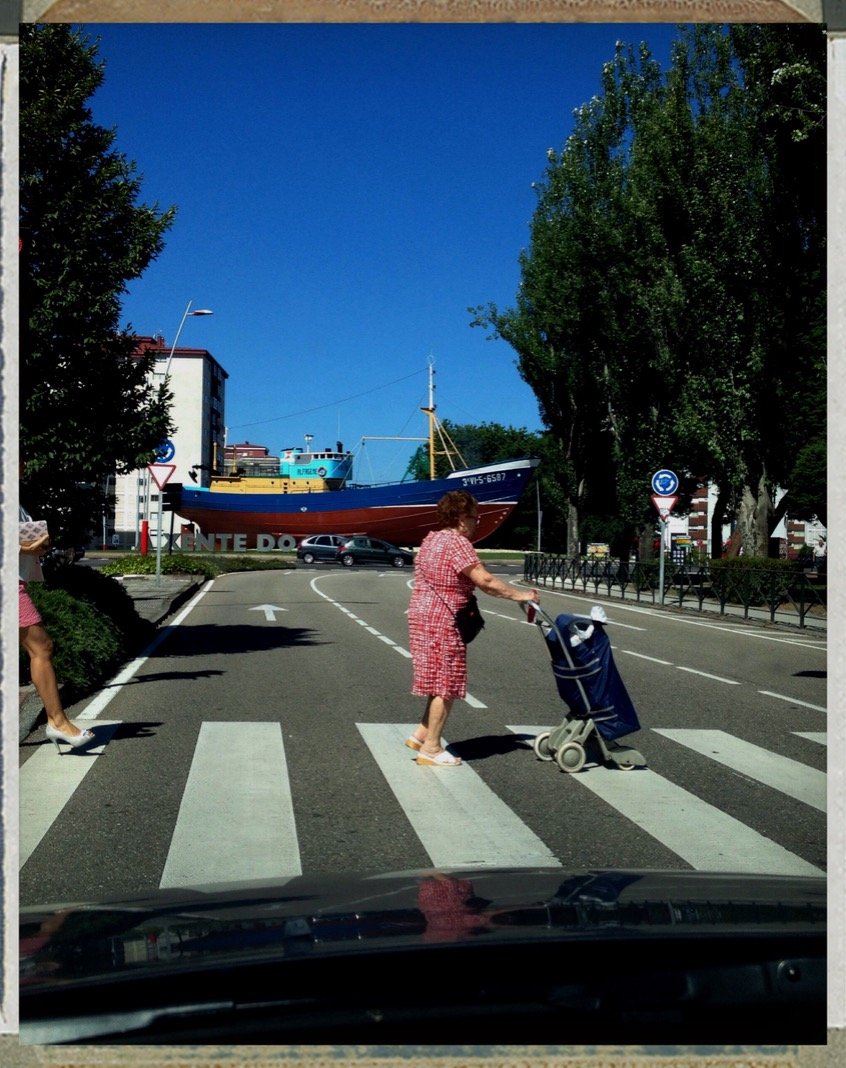
The Bernardo Alfageme
Origin: It is the last surviving deep-sea fishing vessel built entirely of riveted steel during the first half of the 20th century in Spain.
The Origin of the Controversy: Mayor Abel Caballero ordered its placement in the roundabout in the early hours of the morning in February 2015 after months of strong neighborhood protests, chaining themselves to the roundabout, and opposition from numerous groups.
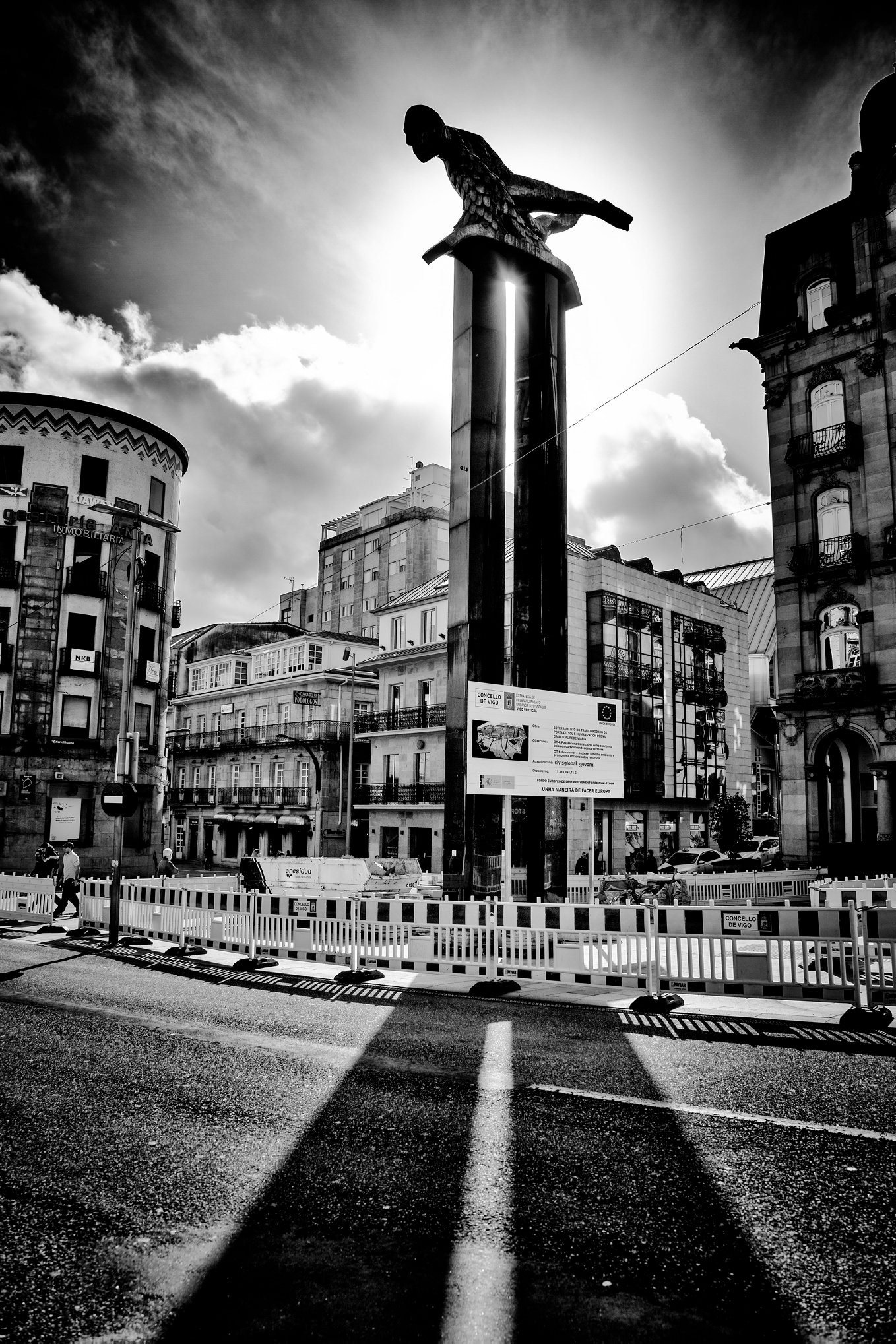
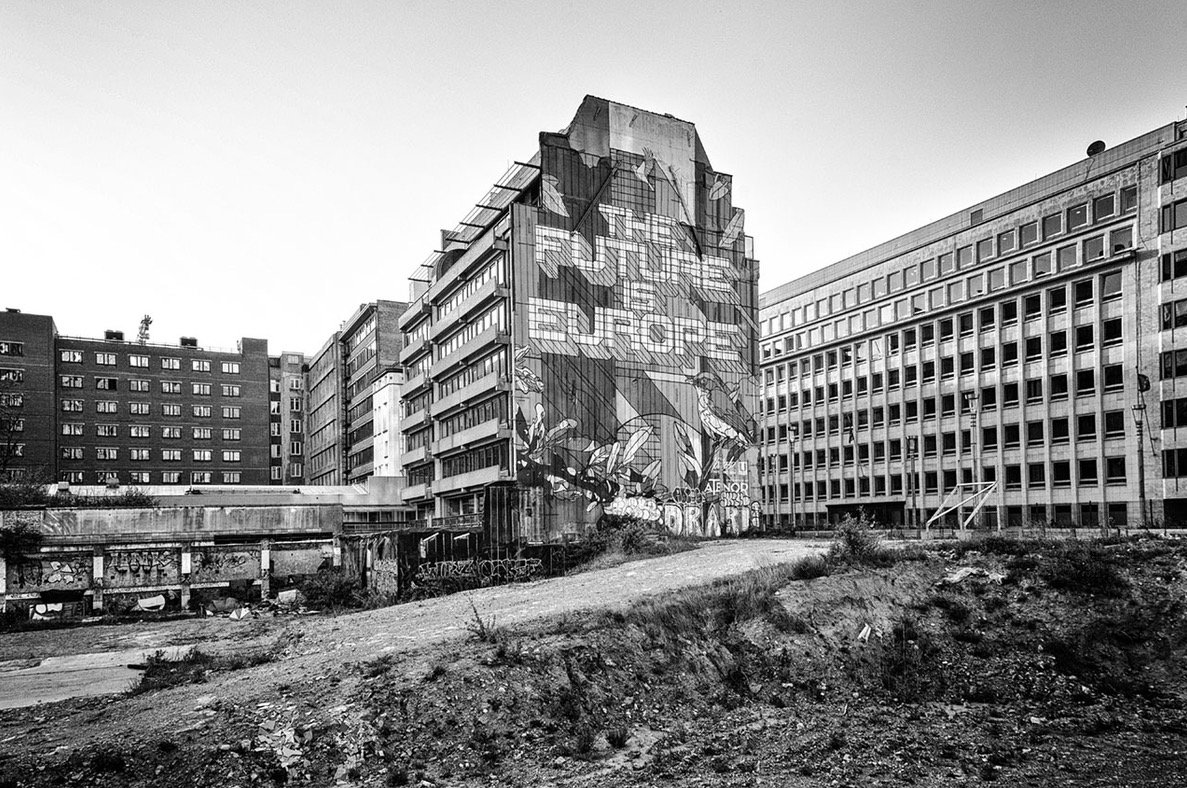
The Urban Debate: While some sectors value the historical preservation of the ship, for many residents and urban architecture critics, embedding a ship of this size in the middle of a city street is the perfect example of "ugliness" (feísmo) due to its lack of aesthetic integration with the surroundings. Vigo, 2024.
The Concept of Feísmo and Territorial Rupture
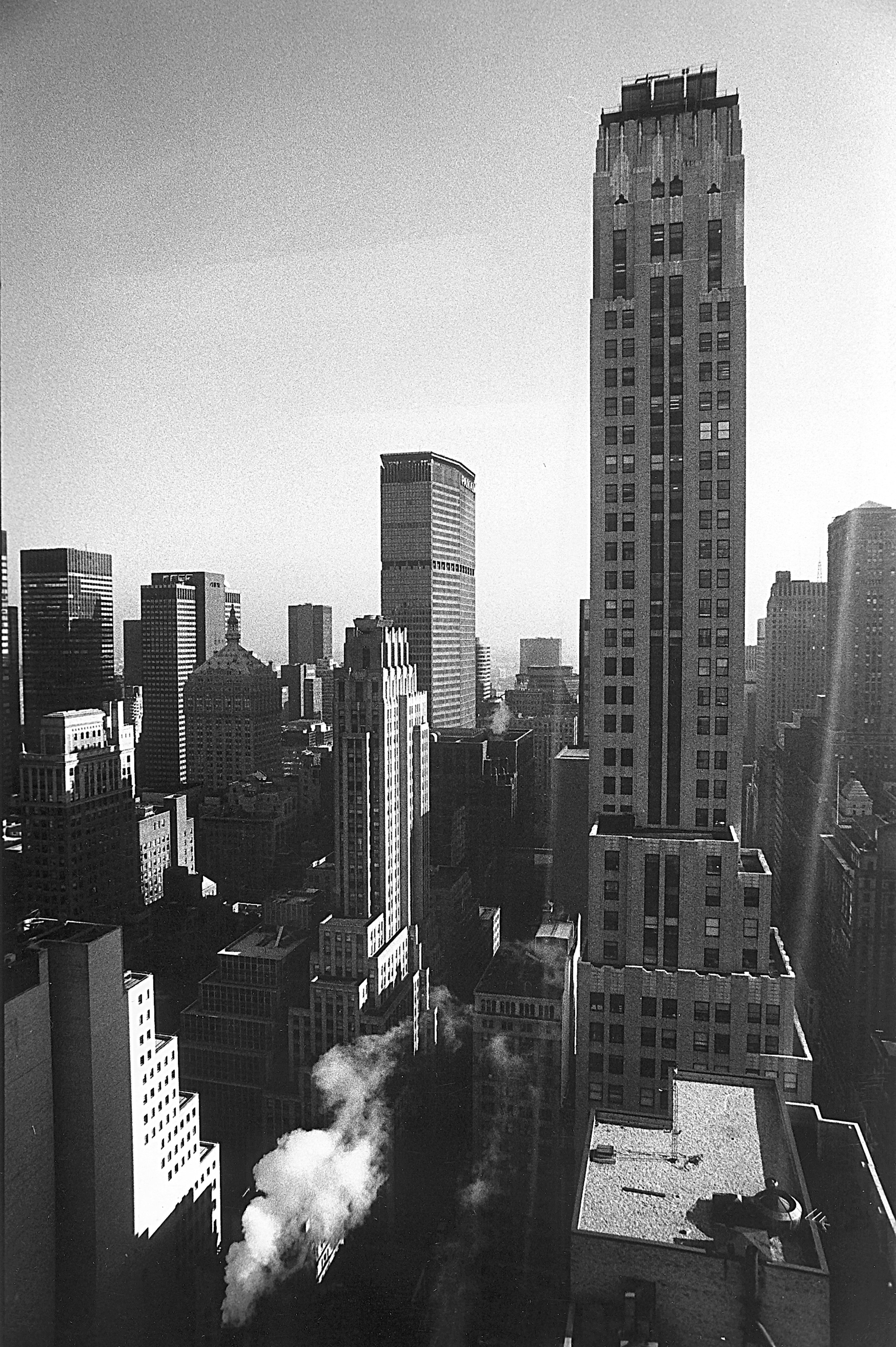
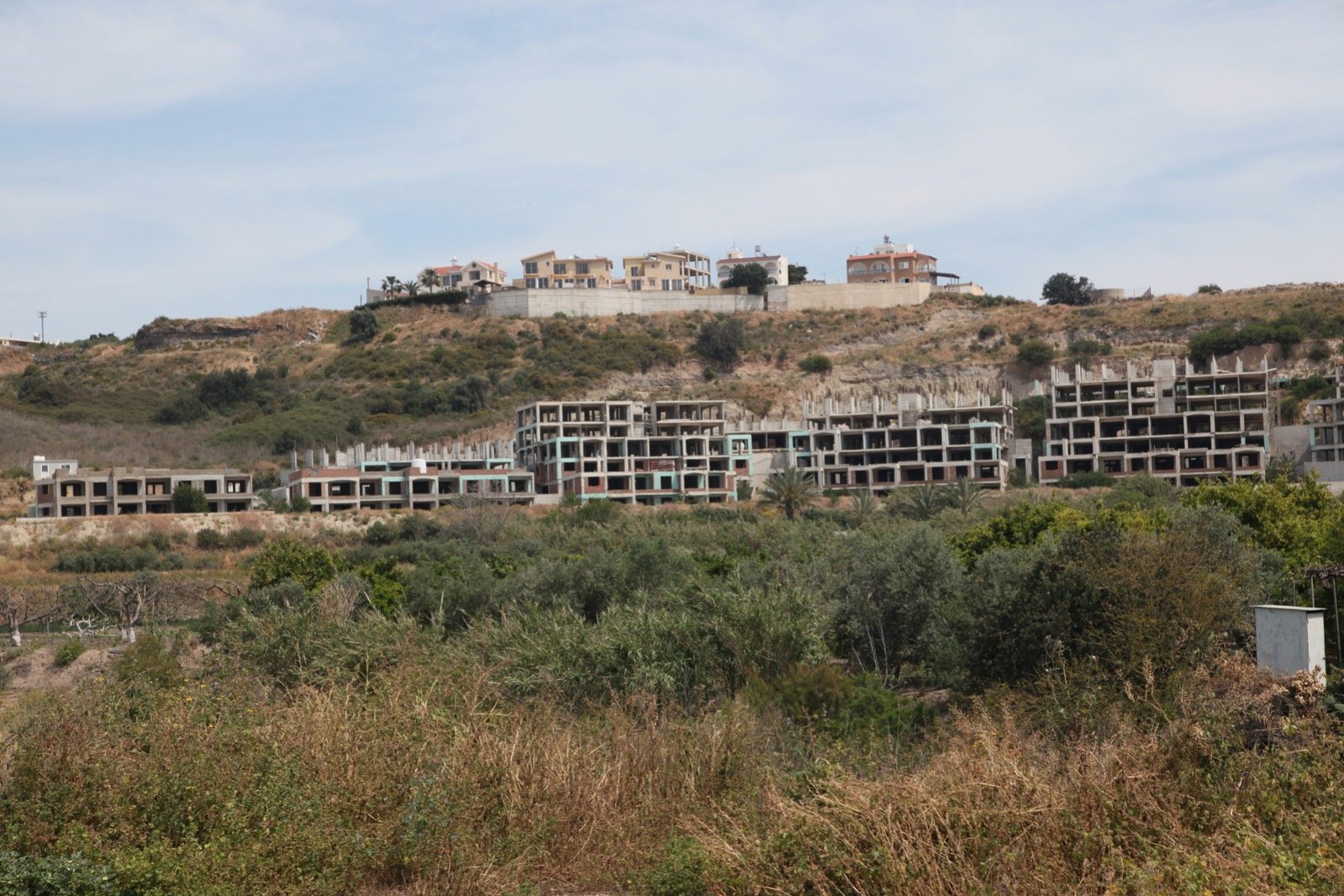
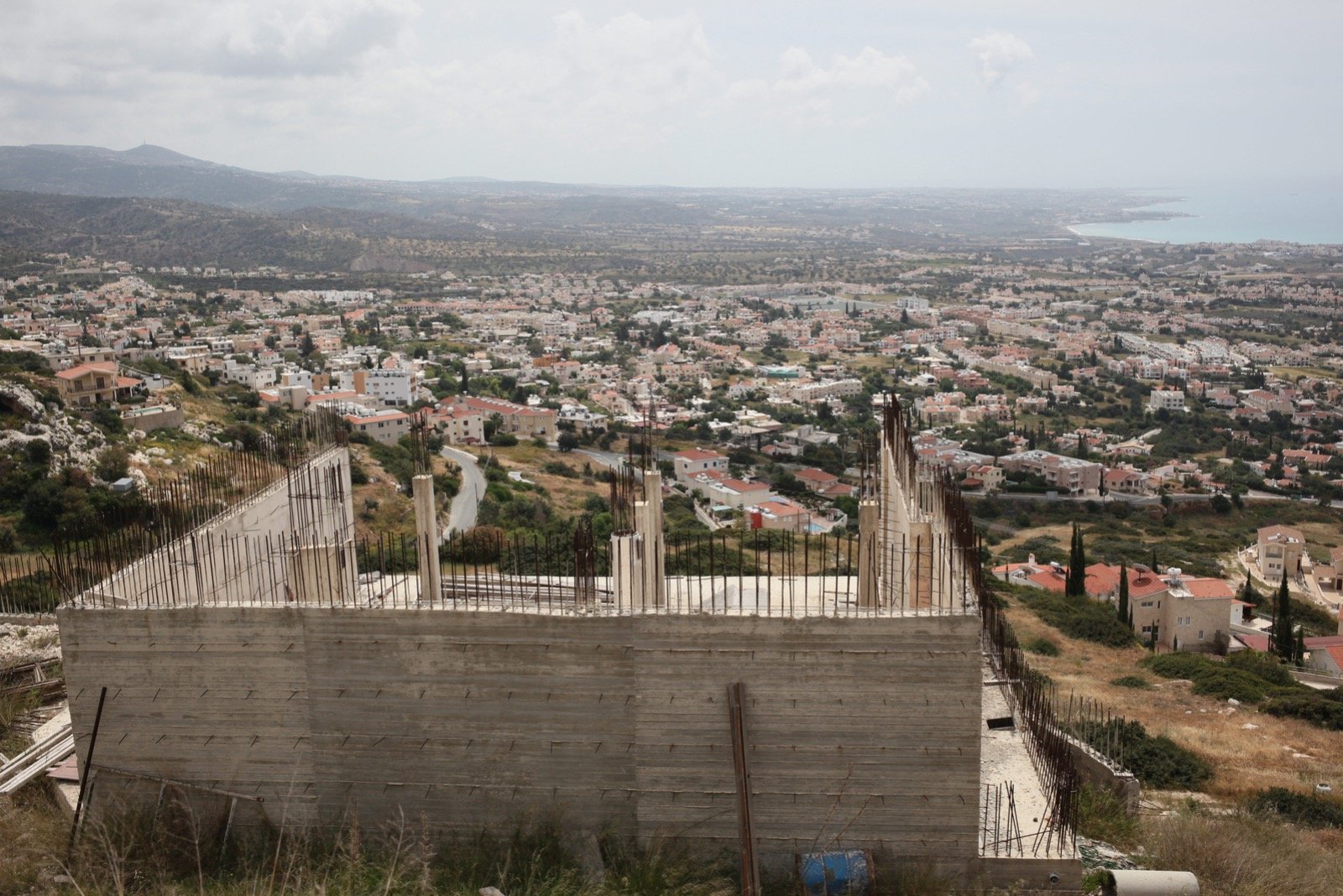
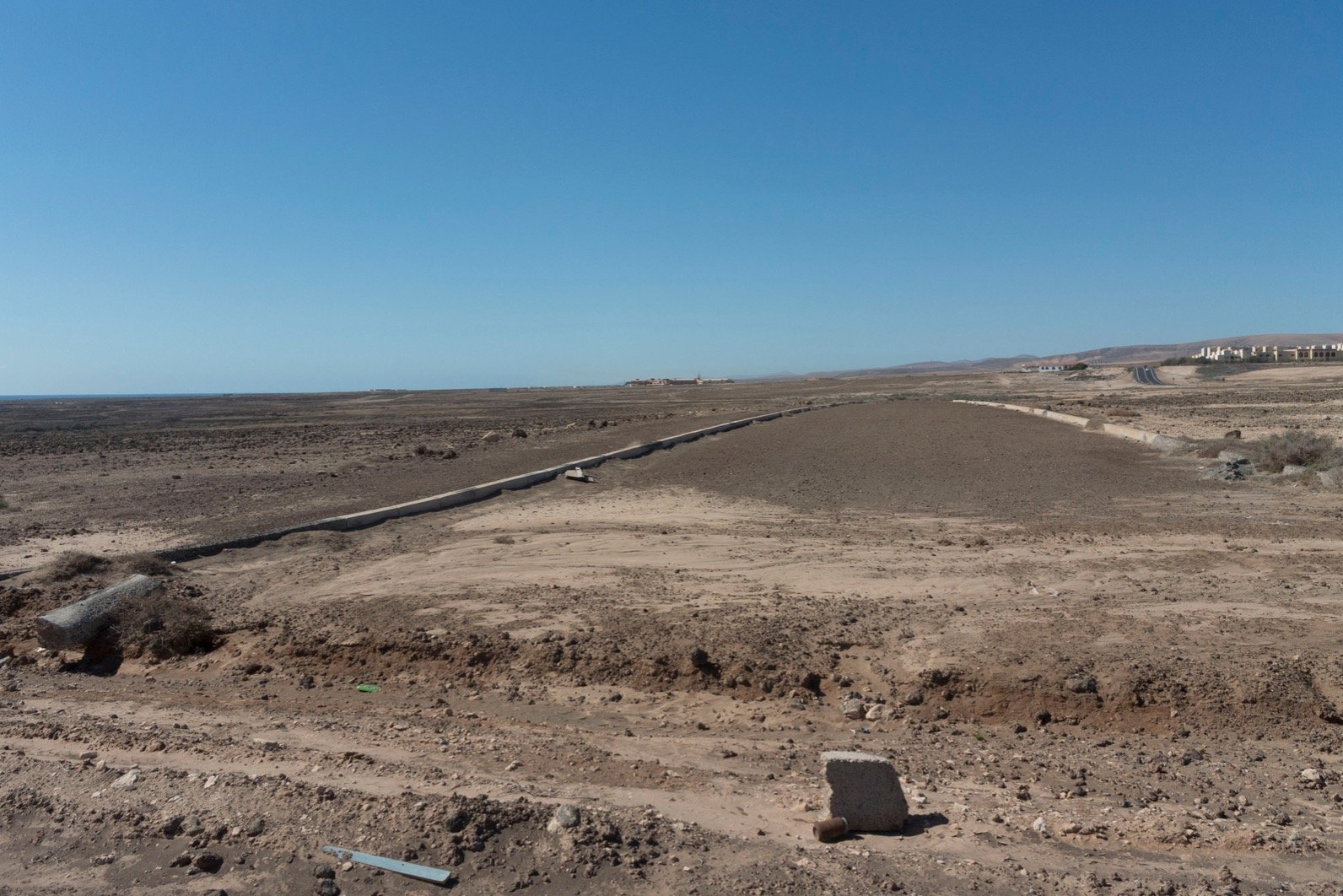
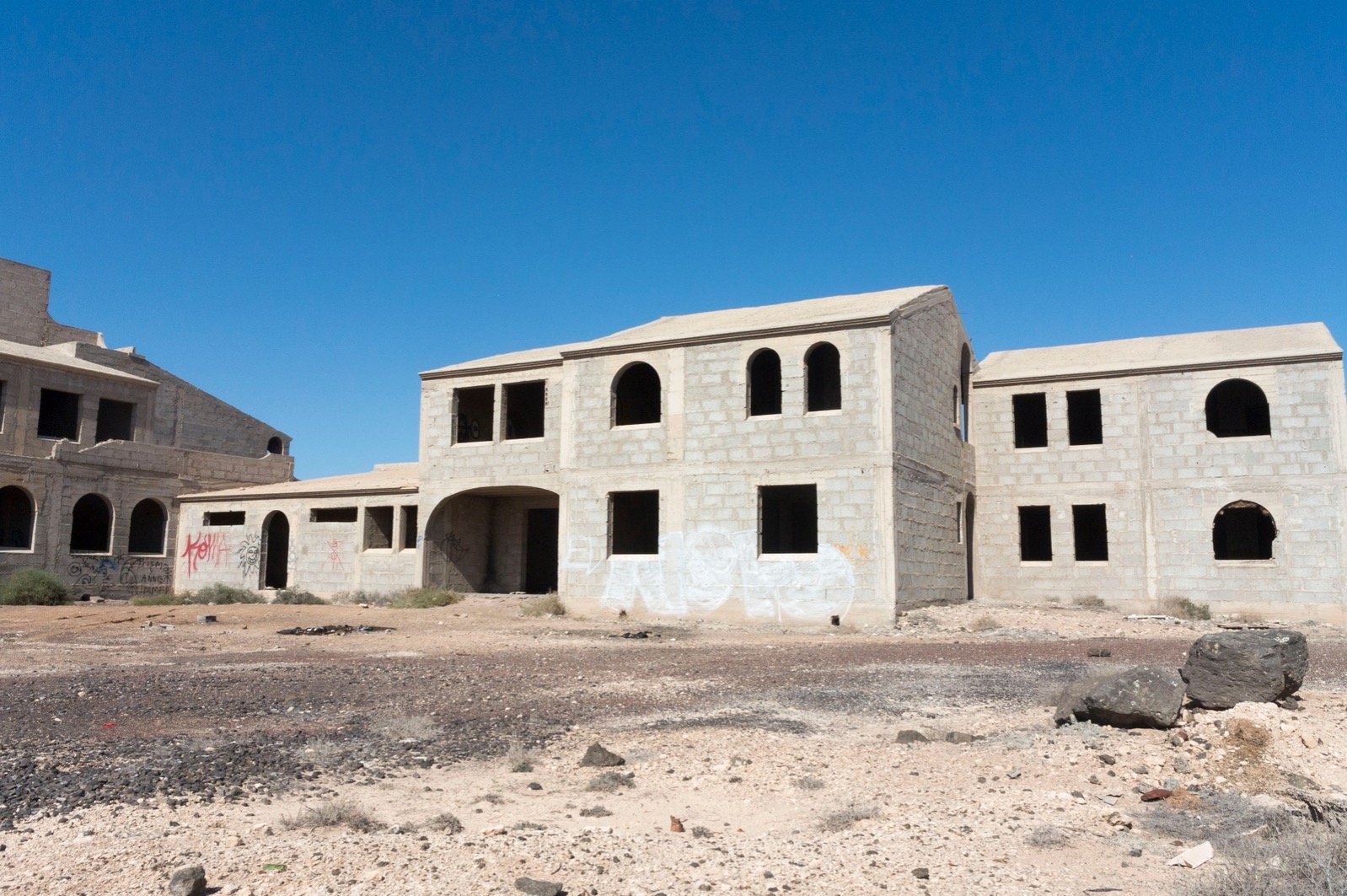
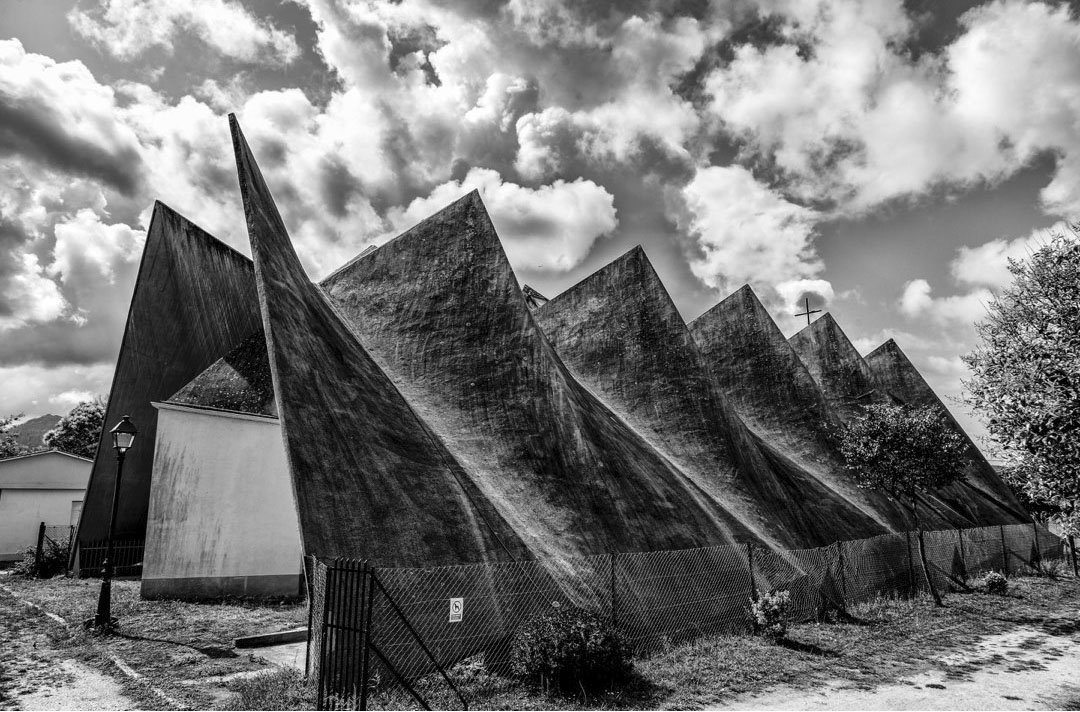
A central element of this critical reflection is the emergence of feísmo (territorial clutter or architectural mismatch), which is the proliferation of structures that lack ecological integration. In the anthropogenic landscape, this is manifested through the use of aggressive industrial materials and unfinished constructions. Critics argue that this phenomenon represents a loss of the "spirit of place." These brutal changes originate a landscape of debris where the Earth is treated as a commodity, leading to what urbanists call urban sprawl (uncontrolled growth) and a profound sense of alienation.
Conclusion
"Anthropogenic Landscapes" concludes that the current state of our environment is a visual manifesto of a modern crisis. The project defines these brutal transformations as a warning sign; the feísmo (aesthetic degradation) and the scars of anthropic action are not just visual issues, but symptoms of a deep ecological imbalance. By confronting these changes, the essay challenges us to reconsider our role as architects of the planet, reminding us that a landscape stripped of its beauty is the reflection of a society that has lost its connection to the natural world.
Critical Theories on the "Human Threat" (anthropic action)
To understand why human action has become a threat to the planet's integrity, contemporary theory offers two essential frameworks that explain the scale and the root cause of these brutal changes.
1. The Great Acceleration (Will Steffen)
This theory, popularized by Earth system scientist Will Steffen, posits that since 1950, human activity has shifted into a state of exponential growth. This is not just about population increase, but about a radical spike in energy consumption, water use, and telecommunications.
The Impact: The Earth can no longer process these changes at the same rate they are generated. This "acceleration" has pushed the planet out of its stable state (the Holocene) and into a period of unpredictable environmental instability.
Key Concept: The human species has become a geological force, moving more sediment and changing the atmosphere more than natural processes like volcanoes or tectonic shifts.
2. The Capitalocene (Jason W. Moore)
Many critical theorists, such as Jason W. Moore and Donna Haraway, argue that the term "Anthropocene" is misleading because it blames "humanity" as a whole. Instead, they propose the term Capitalocene.
The Critique: The threat does not come from "human nature," but from a specific economic system—Capitalism—that requires infinite growth on a finite planet.
The Transformation: Under this view, anthropic action is a consequence of "Cheap Nature." The system treats the Earth, its resources, and even its beauty as "free" or "cheap" inputs for profit. The brutal changes we see in the landscape are the physical manifestations of capital accumulation.
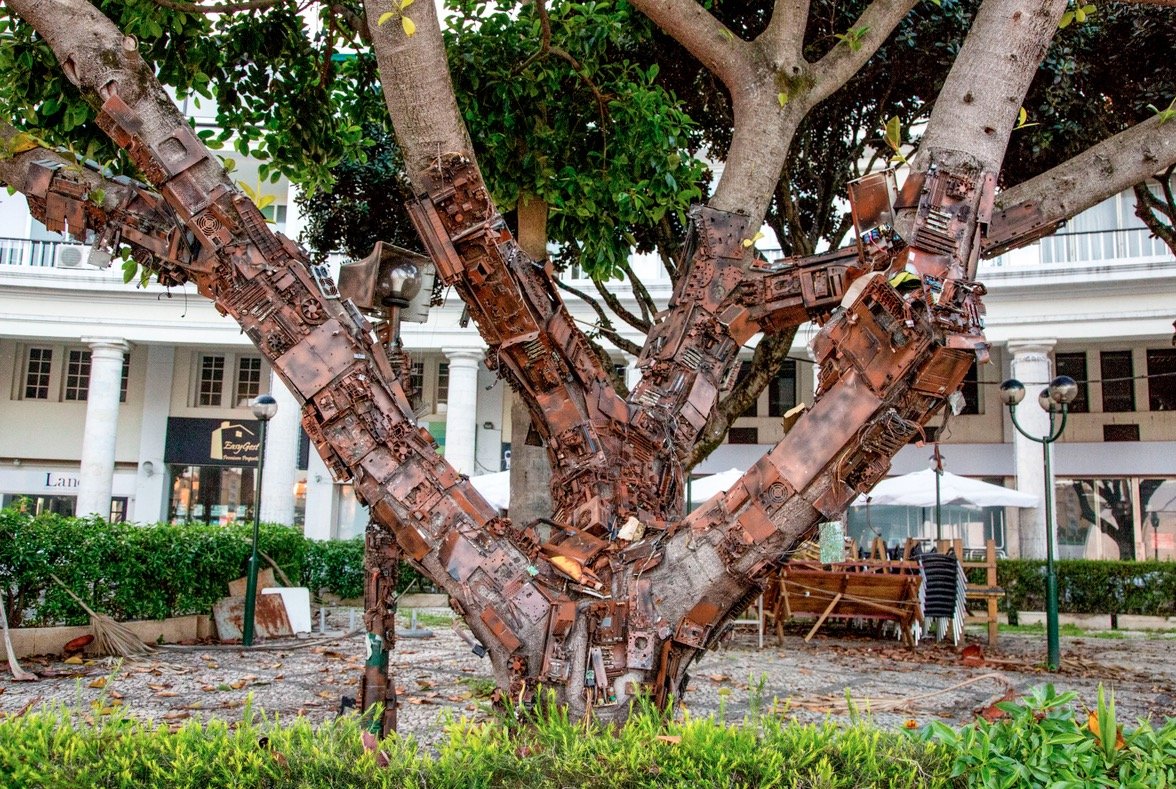
Visual Analysis: The Cybernetic Tree of Estoril
The intervention on the tree in Estoril, Portugal, offers an extraordinary and literal visualization of the anthropic threat over the natural world. In this piece, the organic architecture of a living tree is violently forcefully encased in a armor of rusted electronic waste, computer motherboards, and industrial debris. This image perfectly illuminates the concept of the Capitalocene and the destructive side of human intervention, showing how technology and waste physically colonize and suffocate the biological entities of our planet. The contrast between the vibrant green leaves at the top and the decaying, metallic bark below serves as a grim monument to modern consumption.
From a theoretical standpoint, this cybernetic tree embodies the materialization of "The Great Acceleration." It visualizes a reality where human-made tech-artifacts are overriding natural ecosystems, permanently altering their essence. The hand of man has transformed a symbol of life into a hybrid creature of copper, silicon, and rust. This is a profound representation of the "brutal change" that triggers aesthetic and ecological degradation; the tree is no longer a pristine element of nature, but a canvas scarred by the techno-trash of contemporary society, turning the urban landscape into an alarming statement about our environmental footprint.
Ultimately, this photograph encapsulates the core message of the "Anthropogenic Landscapes" project. It shows that human action is not just expanding alongside nature, but actively replacing it and forcing it to adapt to our industrial waste. By looking at this tree in Estoril, the essay finds its most poetic yet terrifying proof that the modern economic model treats the living world as a mere infrastructure to support or hold our technological debris, leading toward a future where the boundary between the natural and the artificial is brutally erased.
The Capitalocene theory and what we were discussing about ugliness?
Human action driven by self-interest: The tree ceases to be seen as a living being or a natural element of the landscape and becomes treated as a mere advertising medium, an "object" to generate business.
The irony of ugliness: The act of nailing scrap metal and rusted electronic components to a living tree to attract customers is the pure definition of urban ugliness: an aggressive, jarring intervention, out of harmony with the environment, carried out purely for individual gain.
Technical Memo: Unregistered Urban Installation in Estoril Ugly tree
Technical Memo:
Unregistered Urban Installation in Estoril
Subject: Request for Verification of Unauthorized Structural Modification on Public Tree Patrimony
Location: Estoril (Cascais Municipality), near the train station area.
Overview of Research Findings:
Zero Digital Footprint: A comprehensive search across digital archives, local news outlets, tourist registers, and municipal art databases yields no record of this installation.
Absence of Signage: Authorized public art interventions in Cascais invariably feature a physical plaque, legend, or QR code detailing the artist's name, project scope, and environmental compliance. This specific tree features absolutely no explanatory signage or official markers.
Commercial Exploitation: Field observations and community feedback strongly indicate that this structure was installed unilaterally by a neighboring commercial establishment (bar/restaurant) purely as an aesthetic gimmick and marketing storefront.
Critical Concerns & Violations:
Ecological Damage: Affixing heavy electronic waste, circuit boards, and metallic plates to a living trunk severely compromises the specimen. It traps moisture, fosters fungal pathogens in the bark, and introduces heavy metal lixiviation (lead, cadmium) into the soil during rain.
Lack of Municipal Oversight: Because this is not an official municipal or Cascais Ambiente project, it has bypassed all basic phytosanitary inspections and safety regulations regarding public green spaces.
Conclusion:
This setup is a clear case of unauthorized, invasive commercial advertising camouflaged as street art. Immediate intervention by municipal inspectors is required to remove the debris and assess the biological health of the tree.
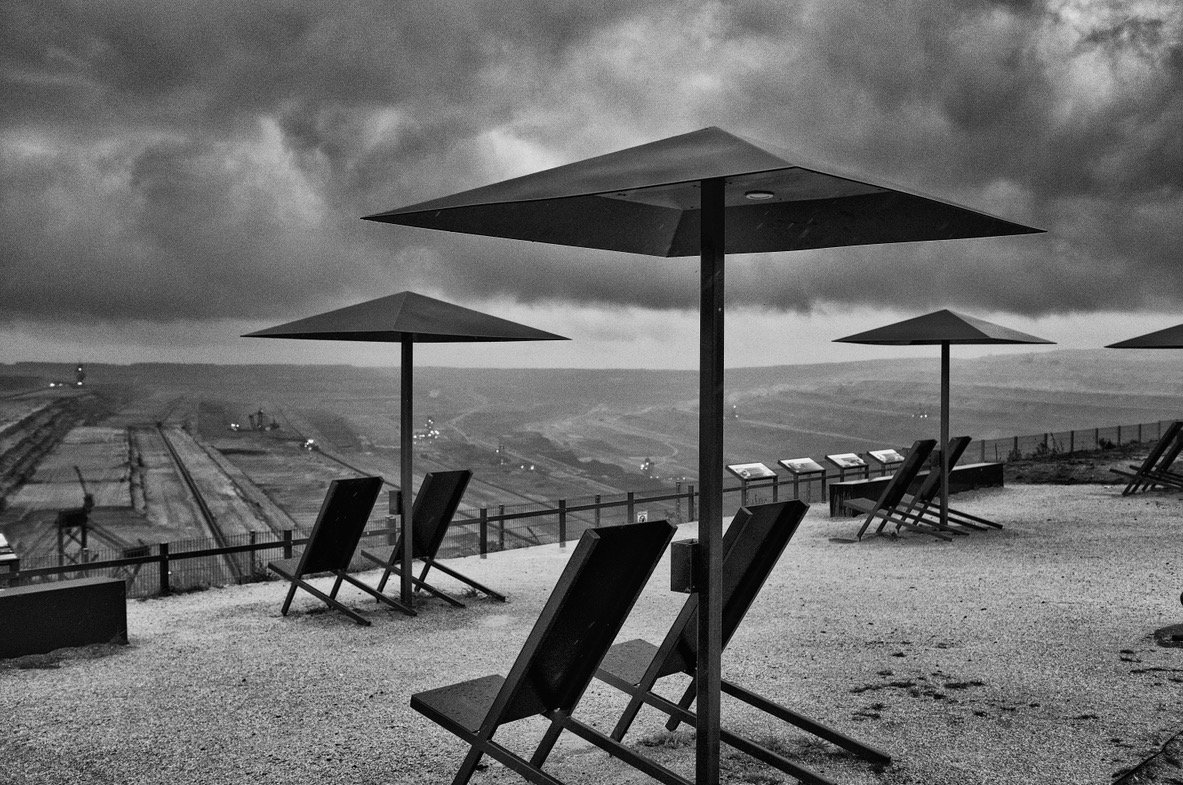
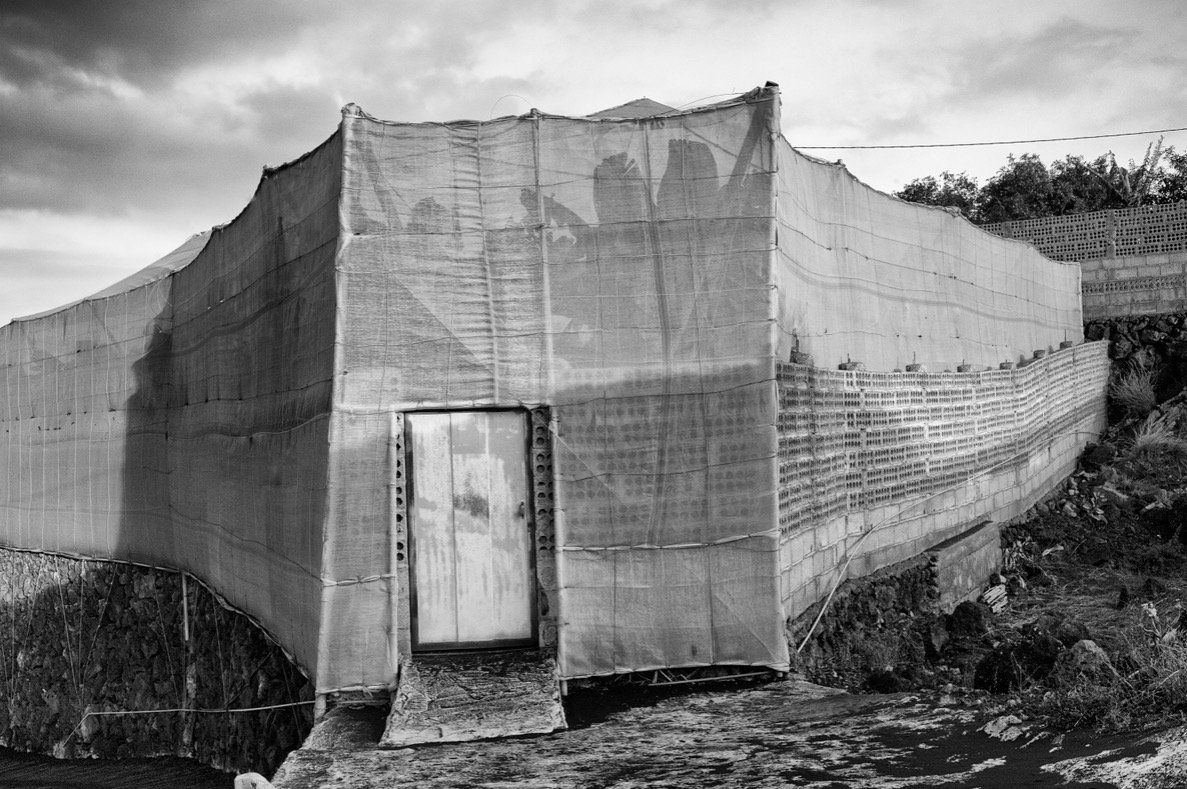
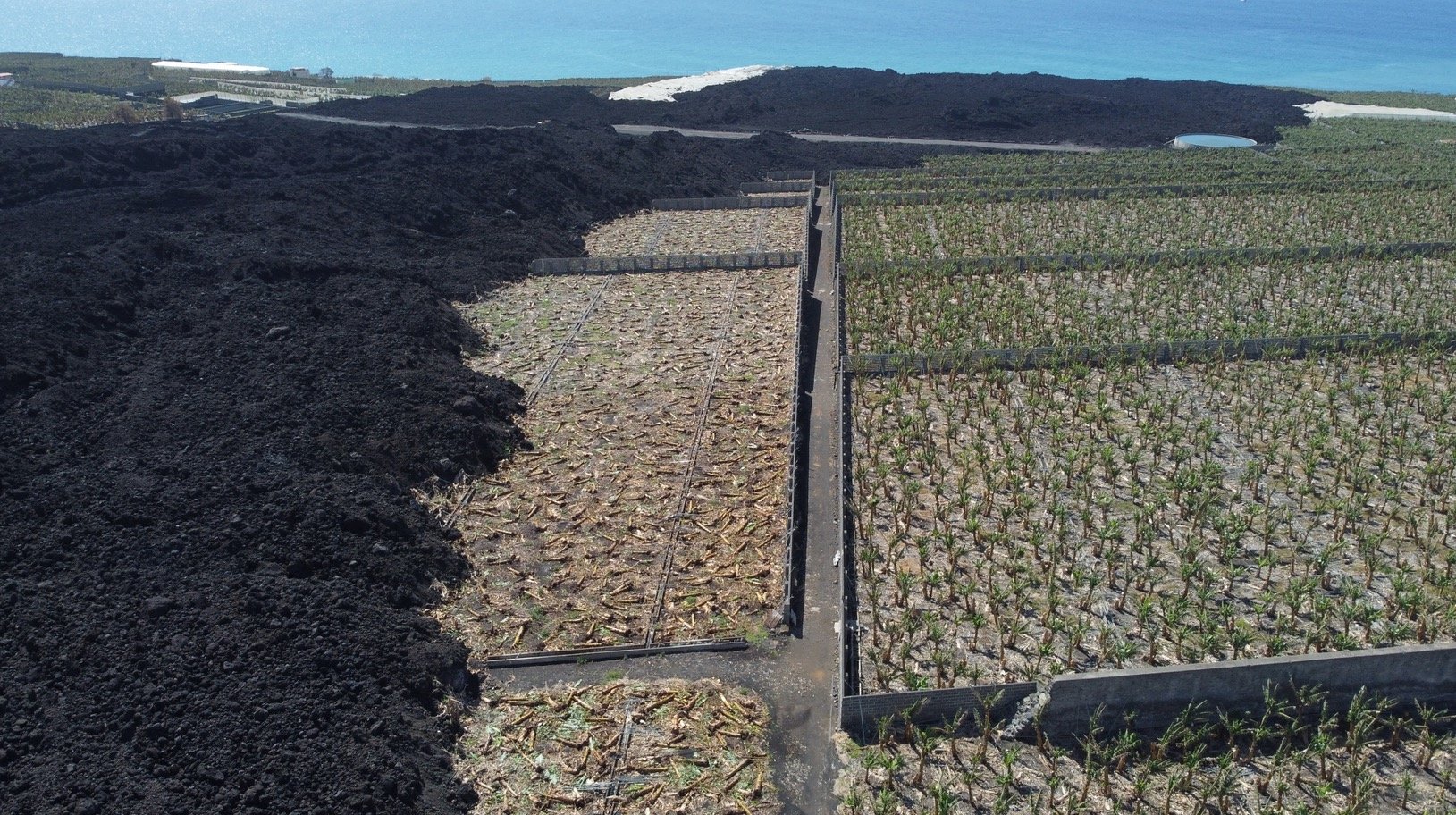
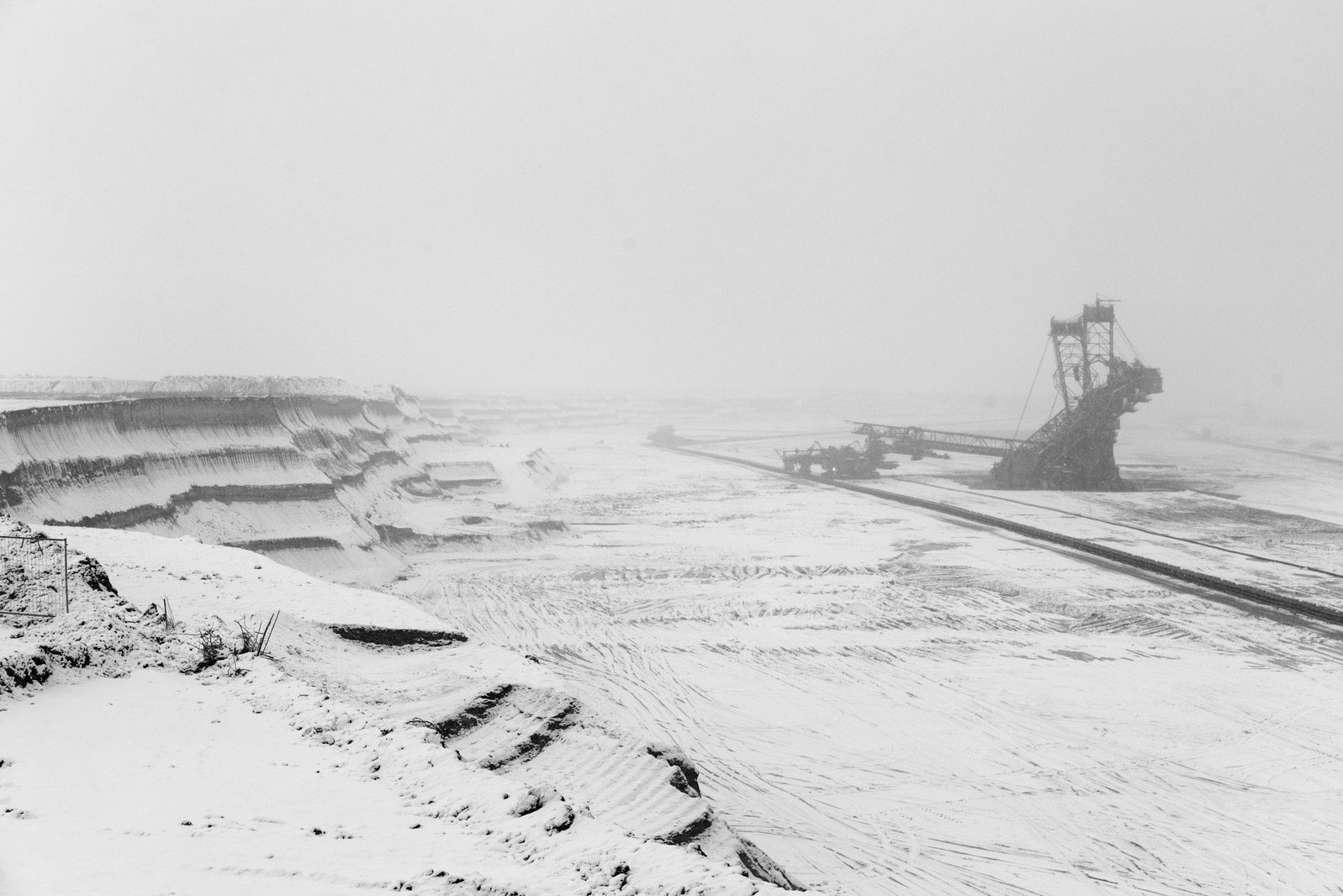
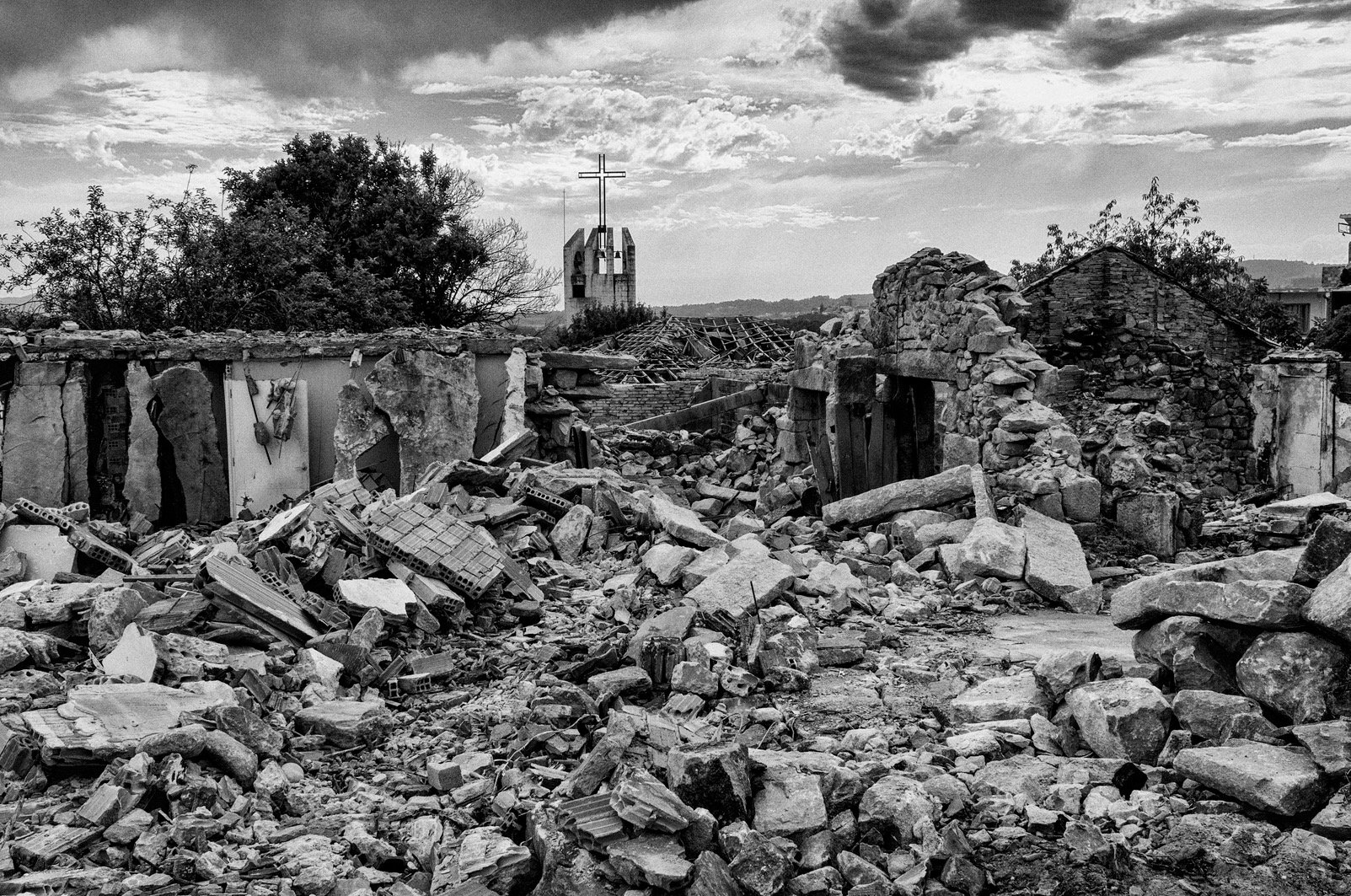
The photographs of this photoessay try to provide a definitive visual record of extreme anthropic action, specifically through the depiction of open-pit mining scars. In these images, the human being acts as a primary geological force where the mountain has been literally sliced into terraced craters, representing a total erasure of the pre-existing natural order. This radical displacement of matter shows the disappearance of the vegetative layer and the exposure of bare rock and toxic sludge, serving as a perfect example of anthropogenic soil degradation and the brutal physical transformation of the Earth’s crust.
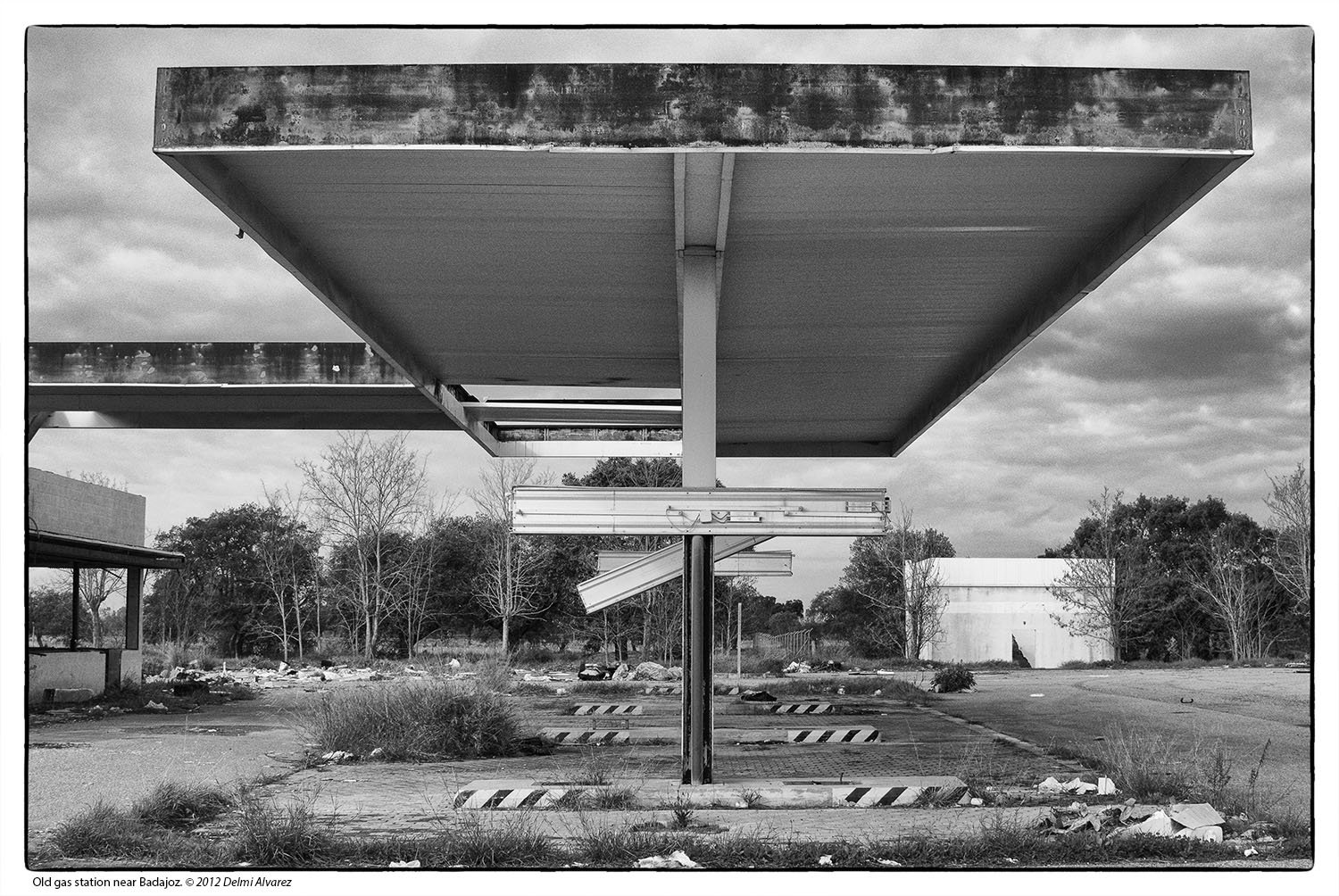
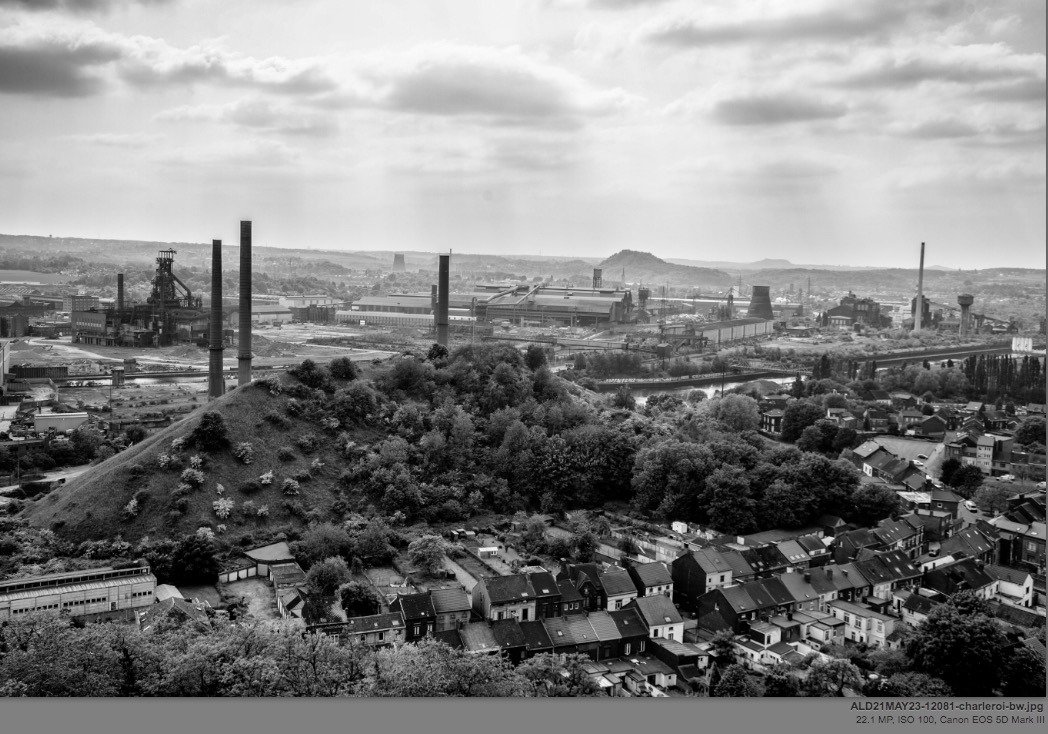
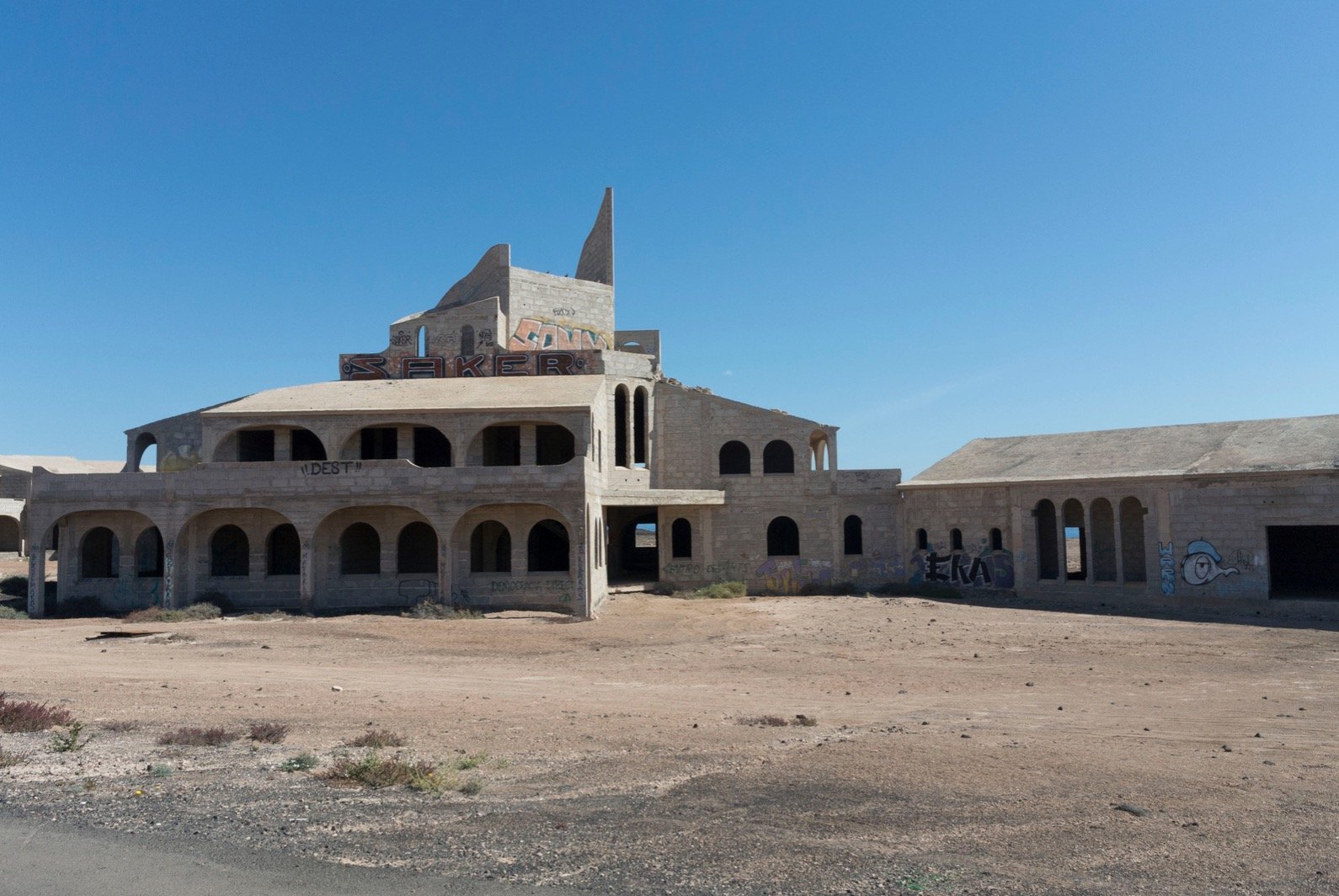
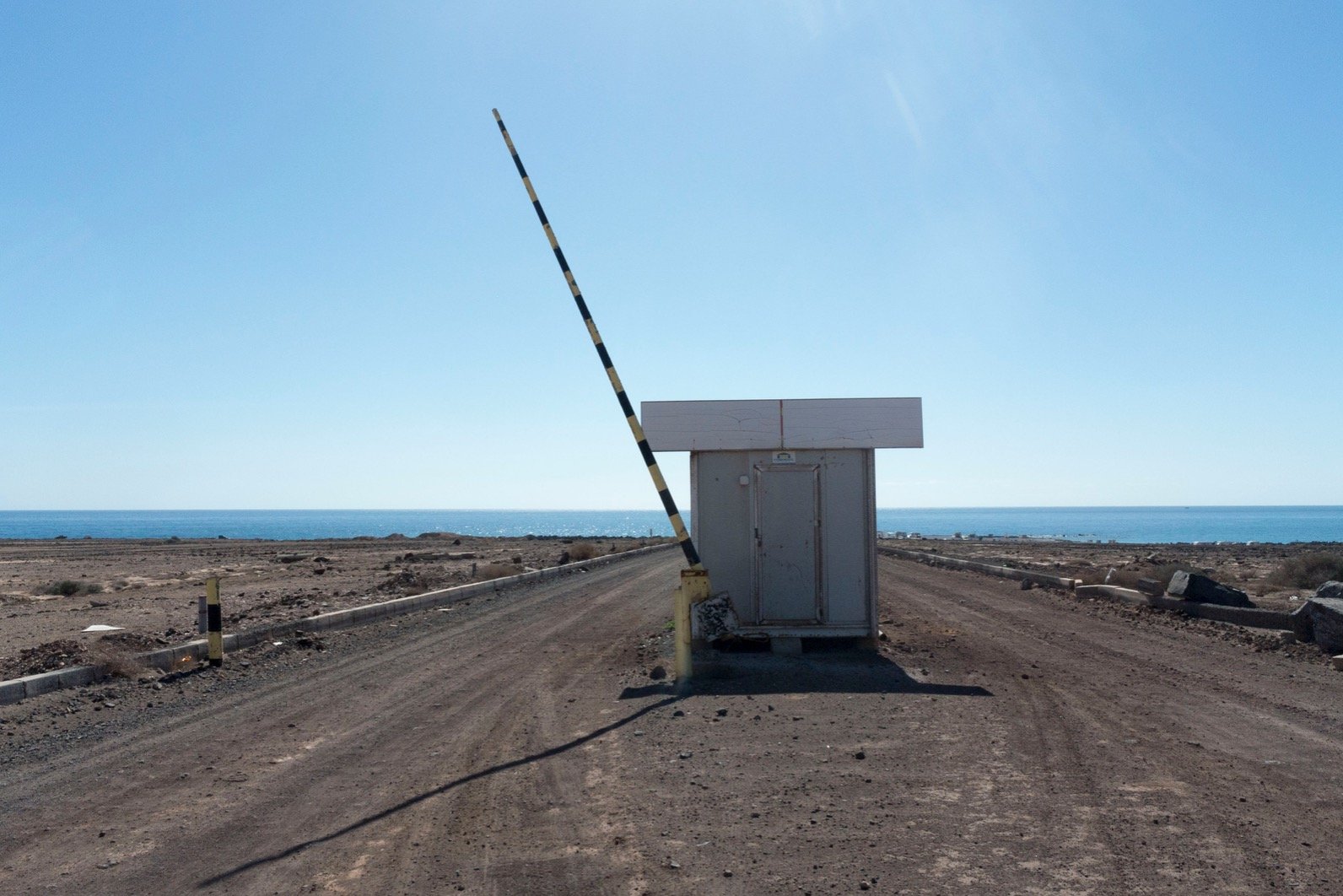
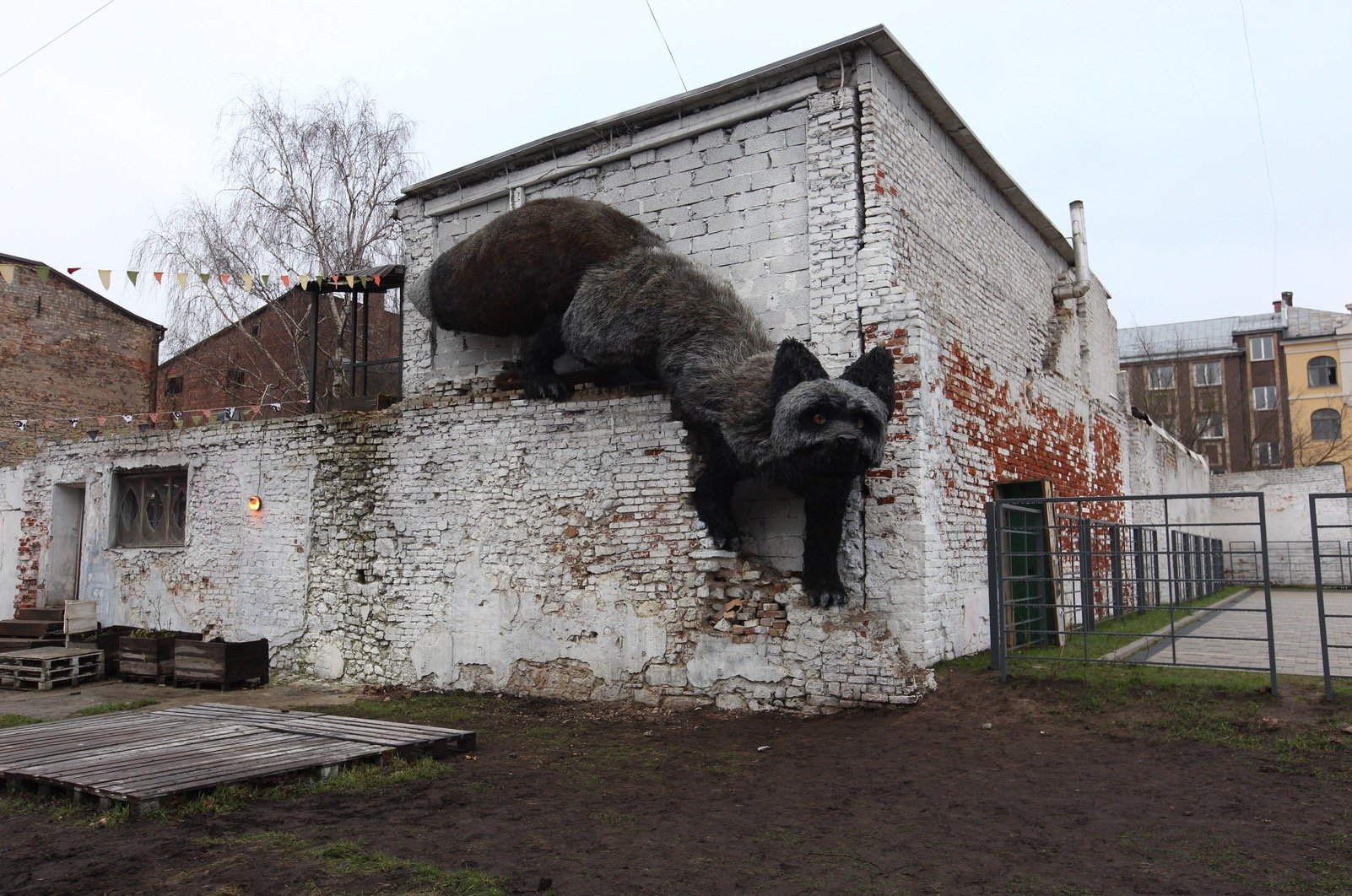
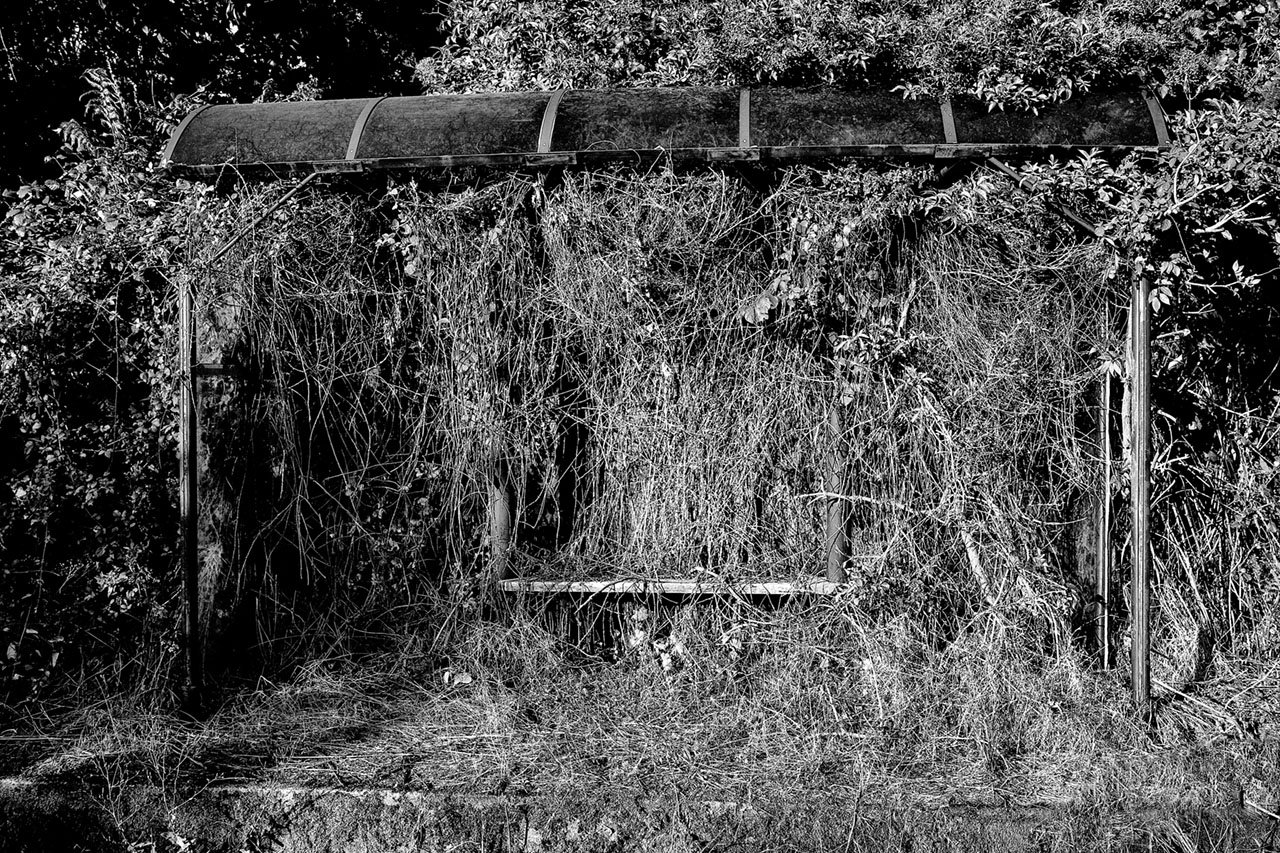
Furthermore, the work illustrates the stark contrast of industrial still lifes, where rusted metallic structures and derelict factories stand as ghosts within formerly rural environments. This imagery perfectly captures the essence of the Capitalocene, where the land is exploited for profit and then discarded, leaving behind an industrial corpse. These structures represent abandoned anthropic action that, while no longer economically functional, continues to physically and visually contaminate the territory, creating a permanent visual scar on the horizon.
Finally, the geometry of deforestation and the aftermath of human-induced fires, particularly in series like Burning land, reveal the most destructive side of human intervention. The transition from vibrant forest green to jet black scorched earth summarizes the concept of brutal change, highlighting how intentional destruction is used to forcibly alter land use. Through these skeletons of trees and calcified soils, the essay confirms that anthropic action often results in the total elimination of biodiversity, replacing natural complexity with an ecological void that reflects our modern environmental crisis.
Anthropogenic landscapes