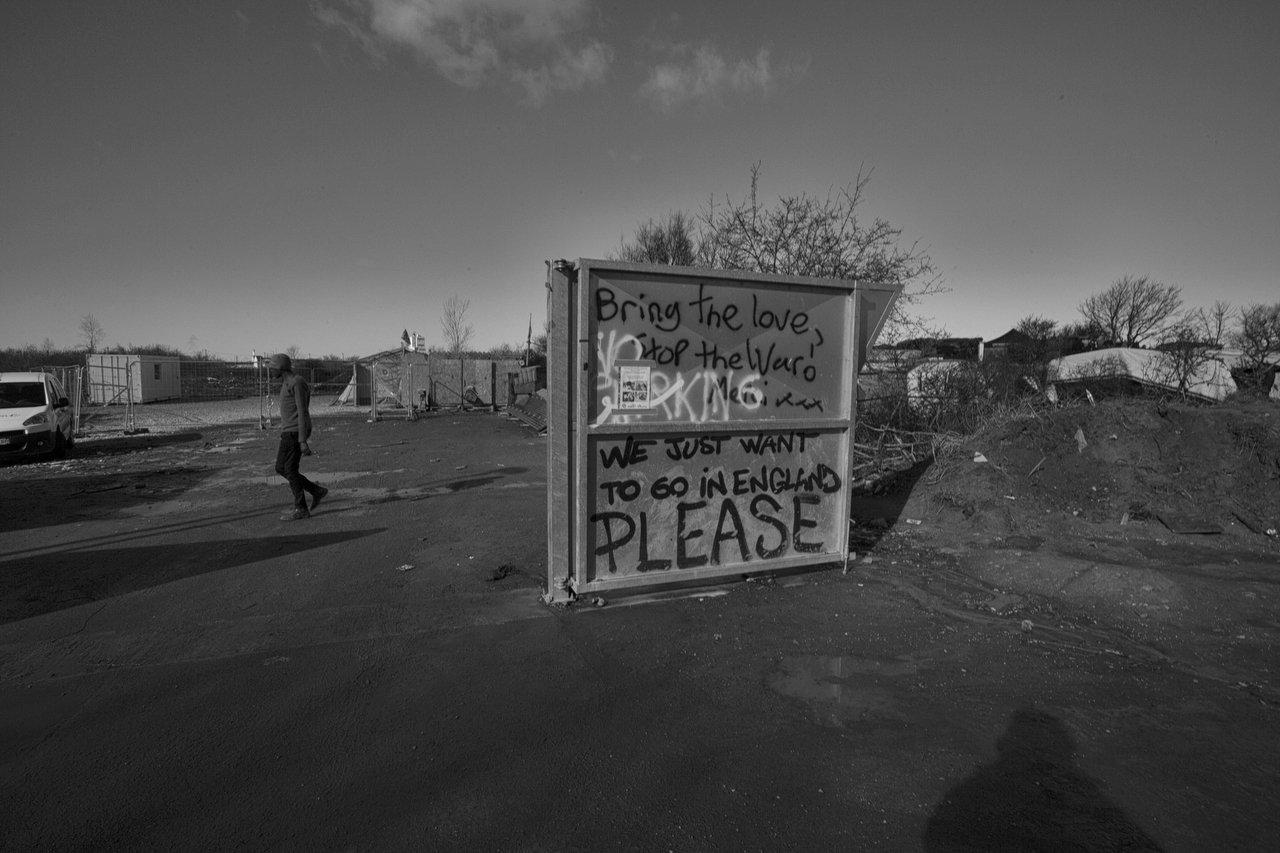
The Jungle of clandestine in Calais
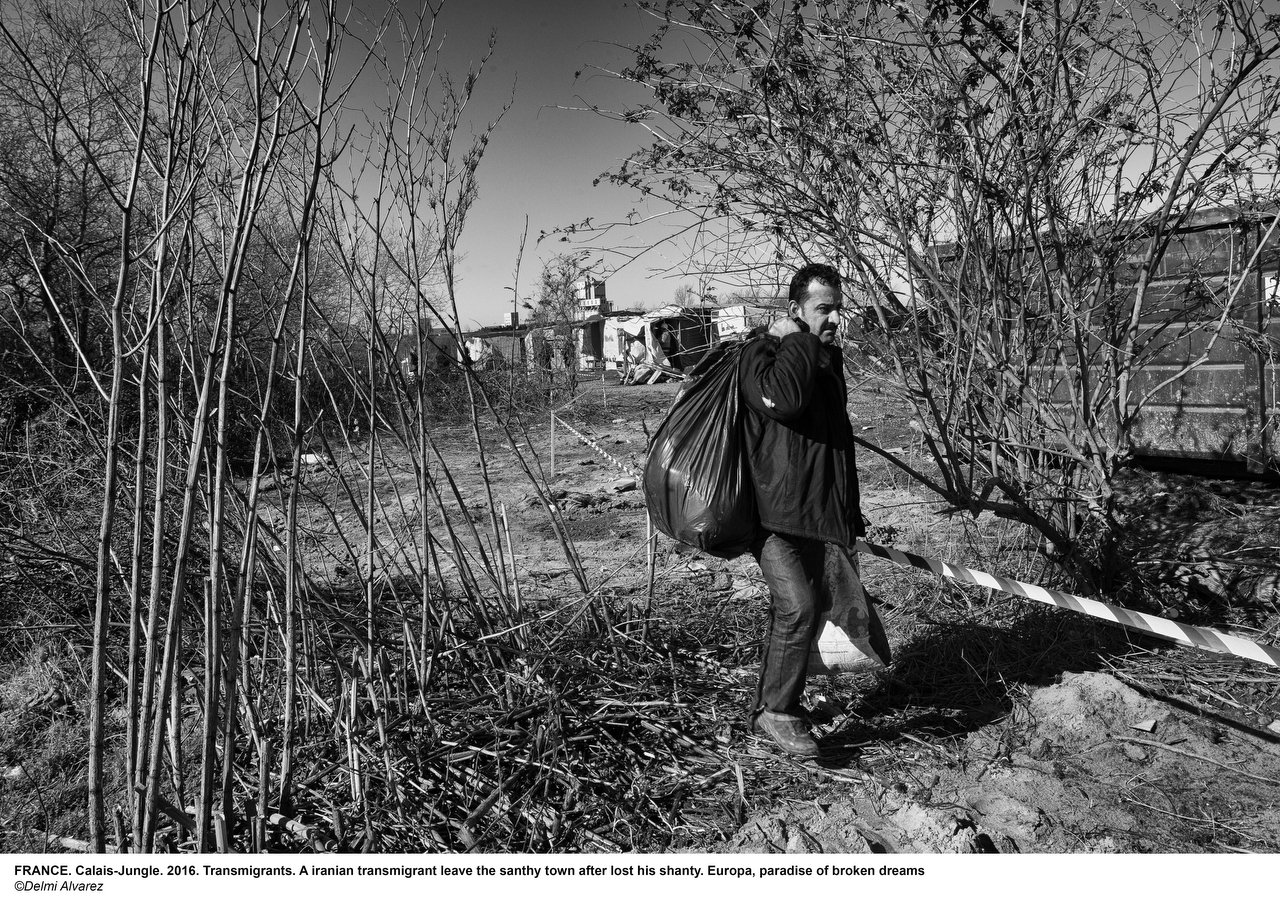
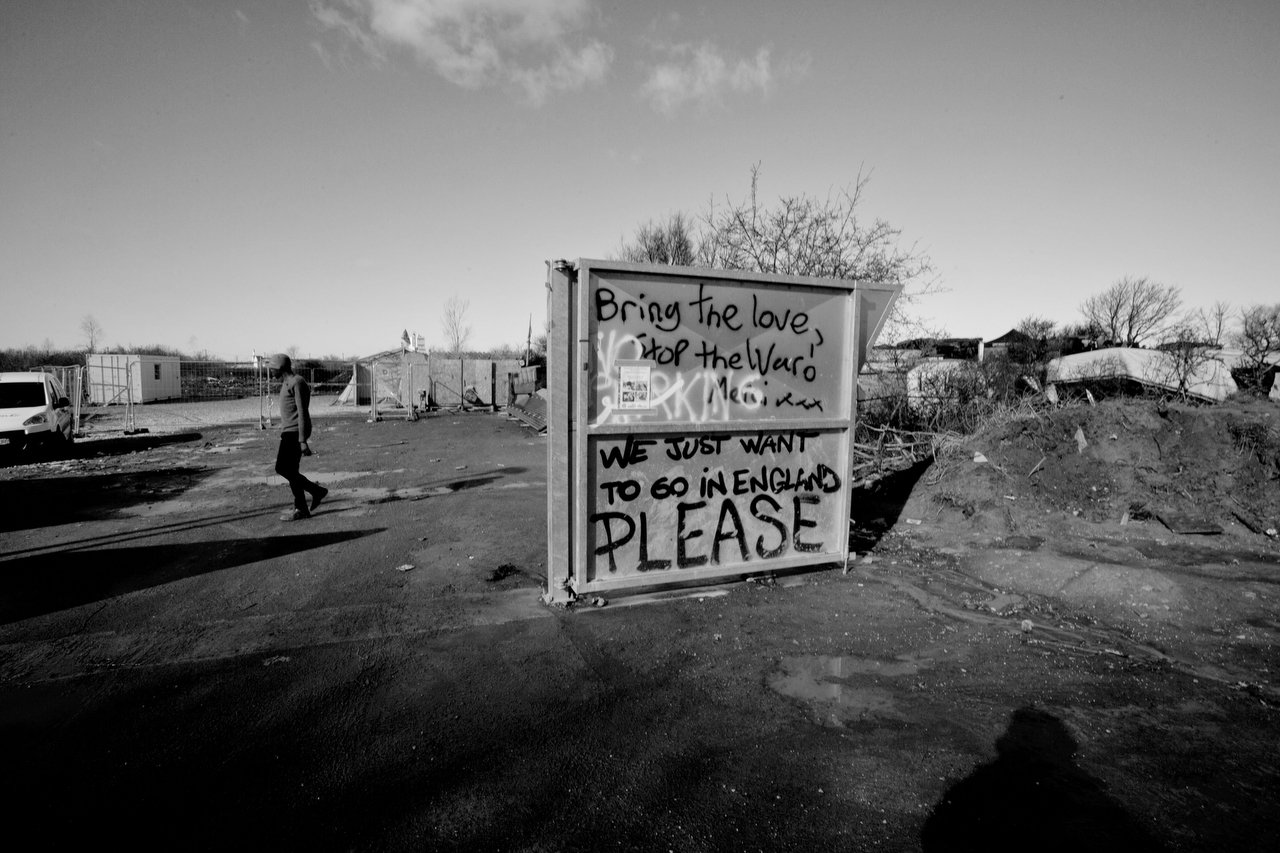
Hundreds of migrants are divided into the jungles of Calais) hoping to hide among the cargo of trucks on the ferries to England. Most of them seek a job that allows them to realize their dreams: a family, house, car, vacation, or a business. They also do not mind being illegal; it is always much better than living in their countries, where they live under threat of death.
© 2016 Delmi Alvarez
#documentary #visualanthropology #etnography #migration
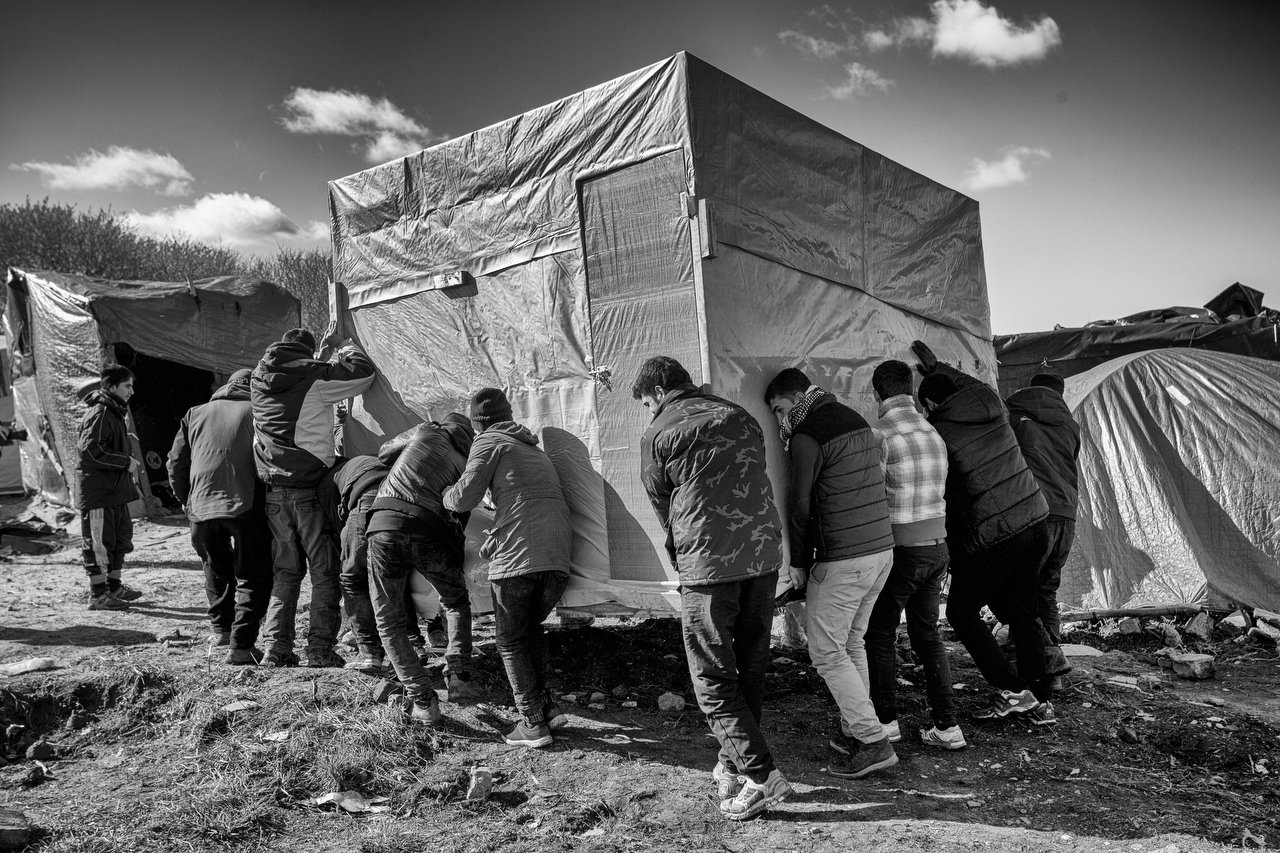
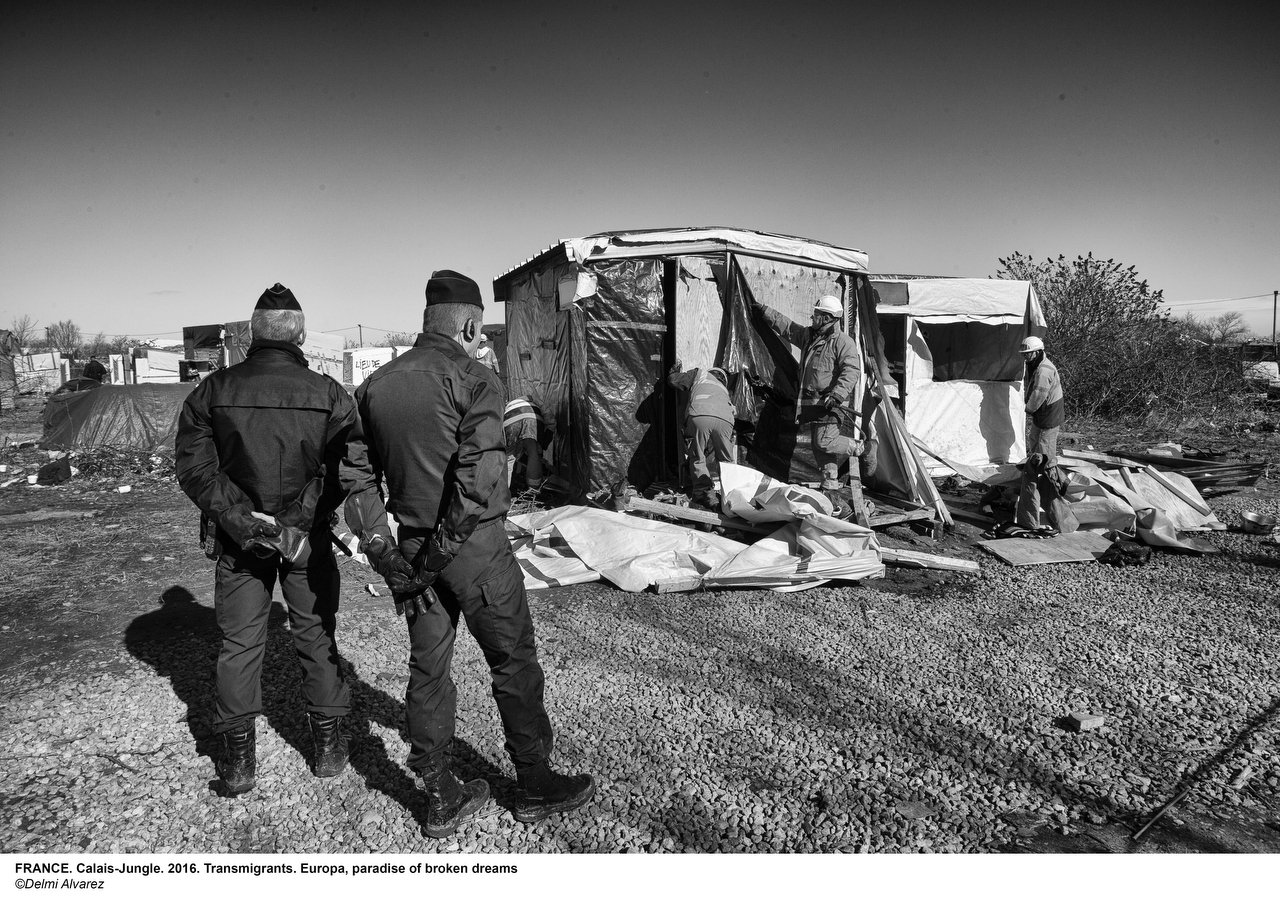
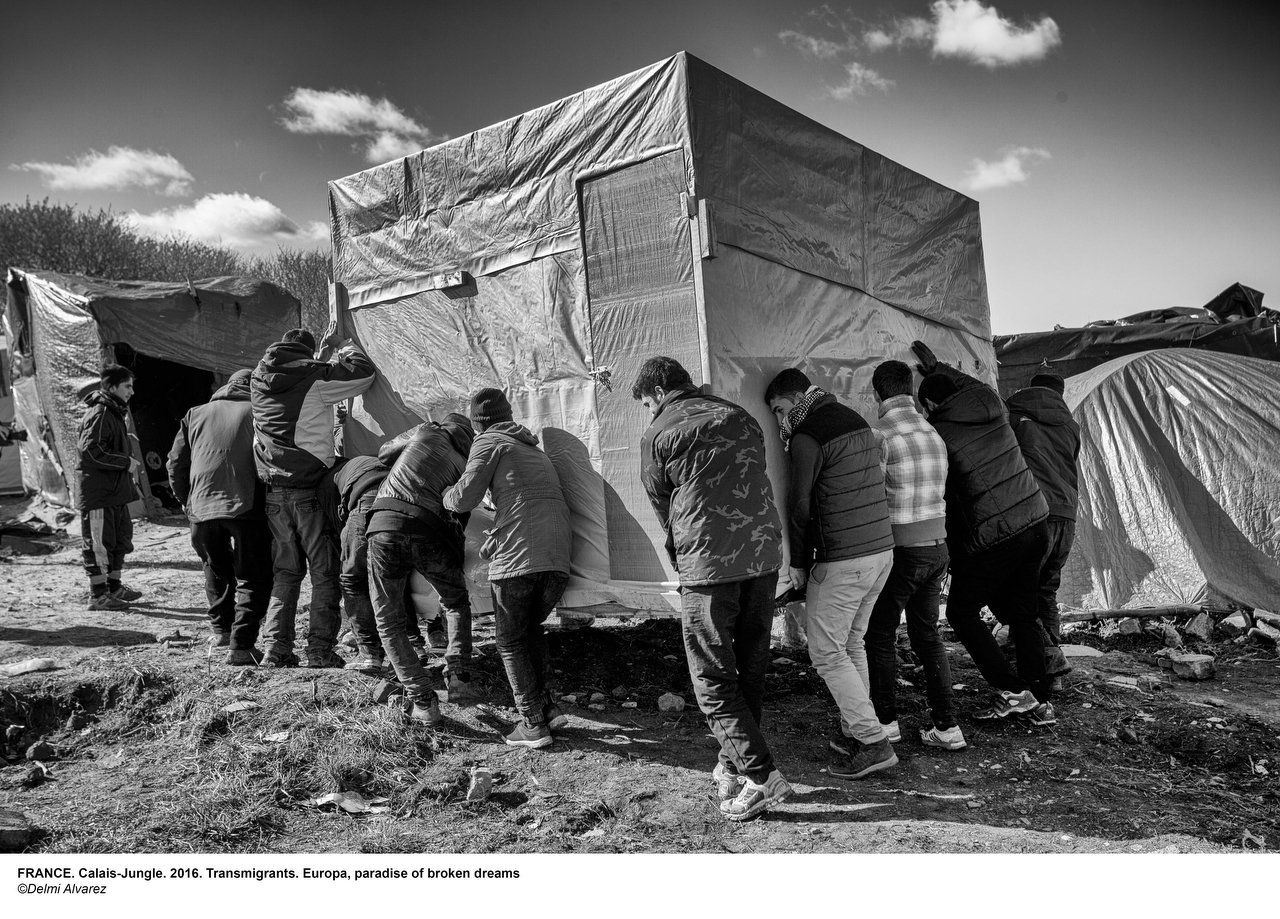
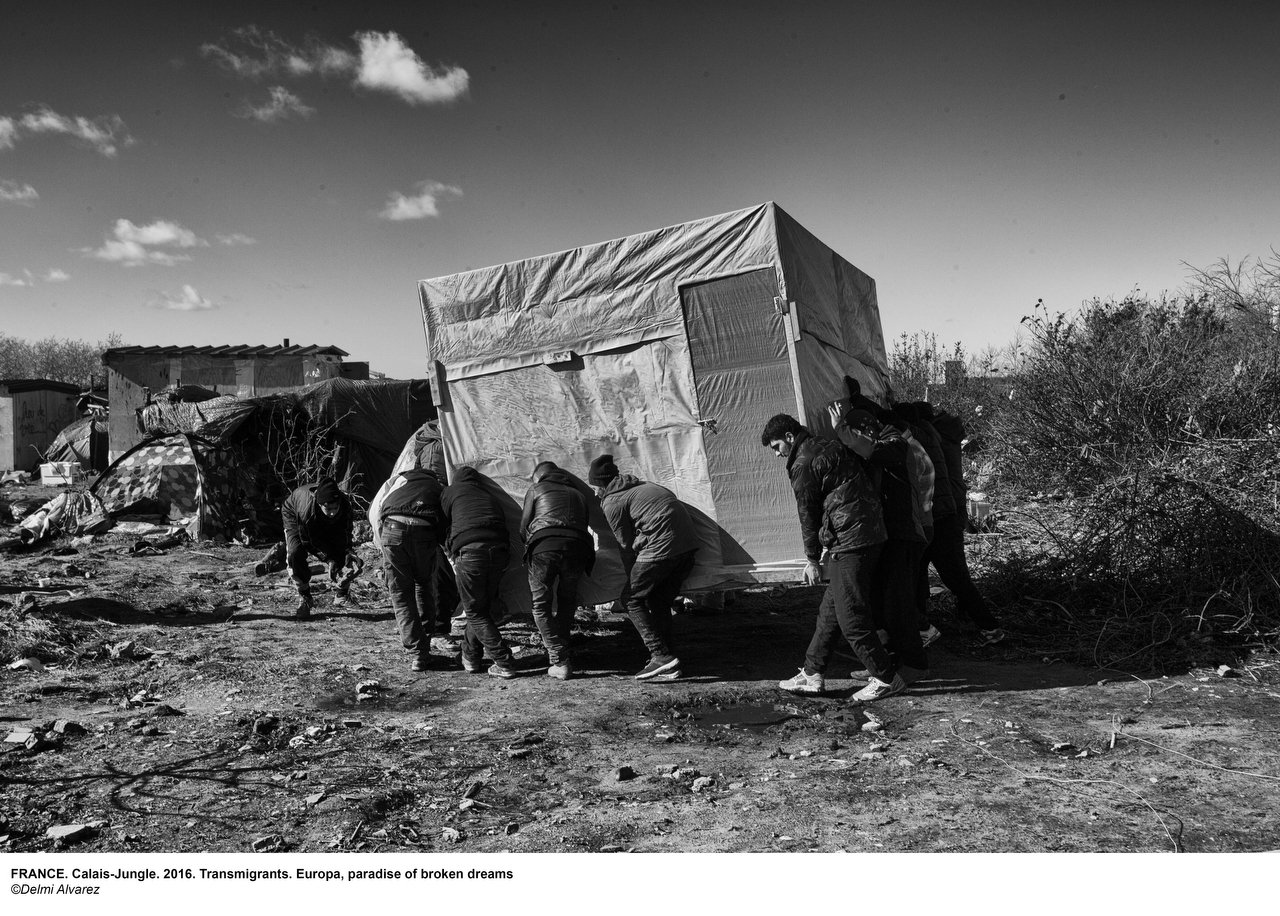
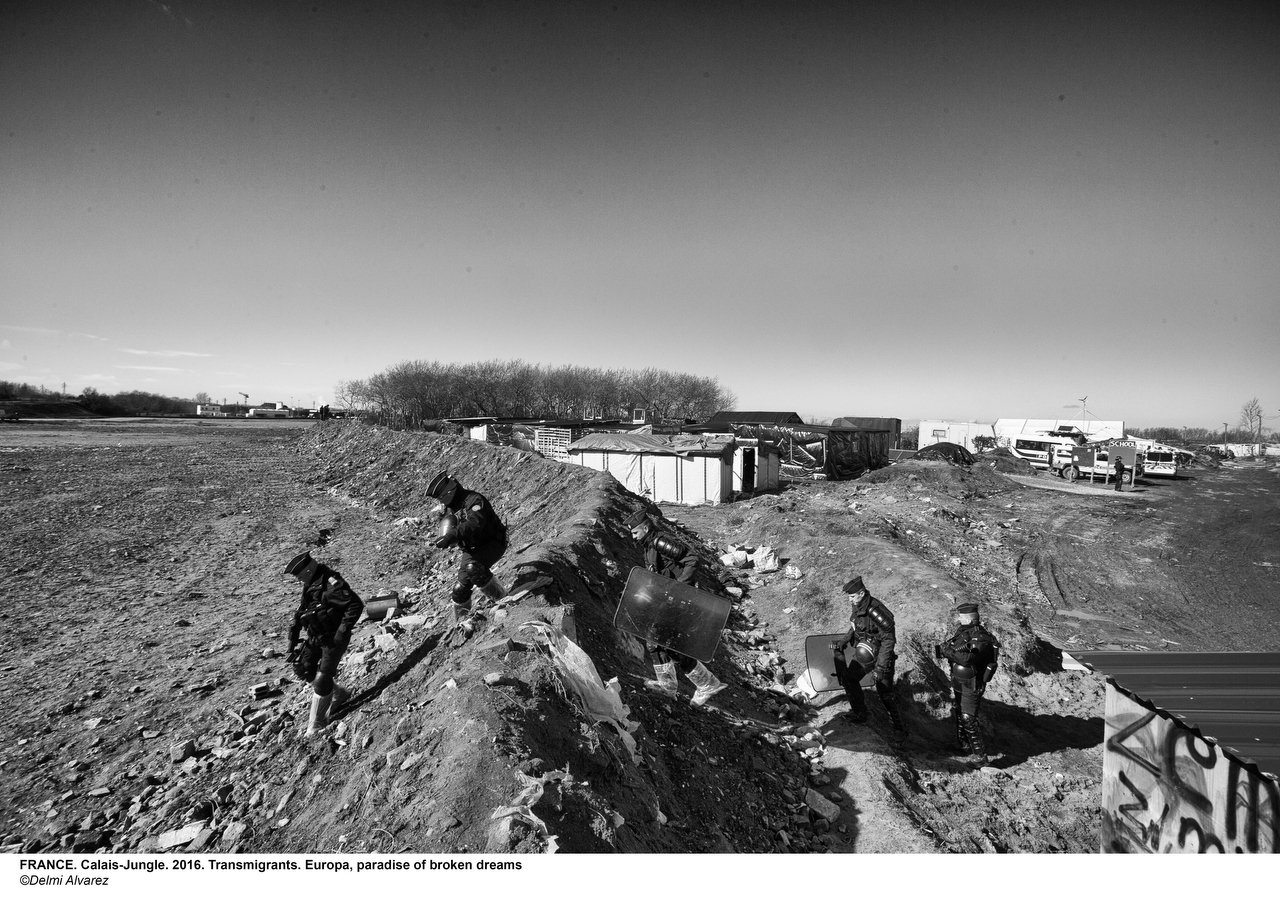
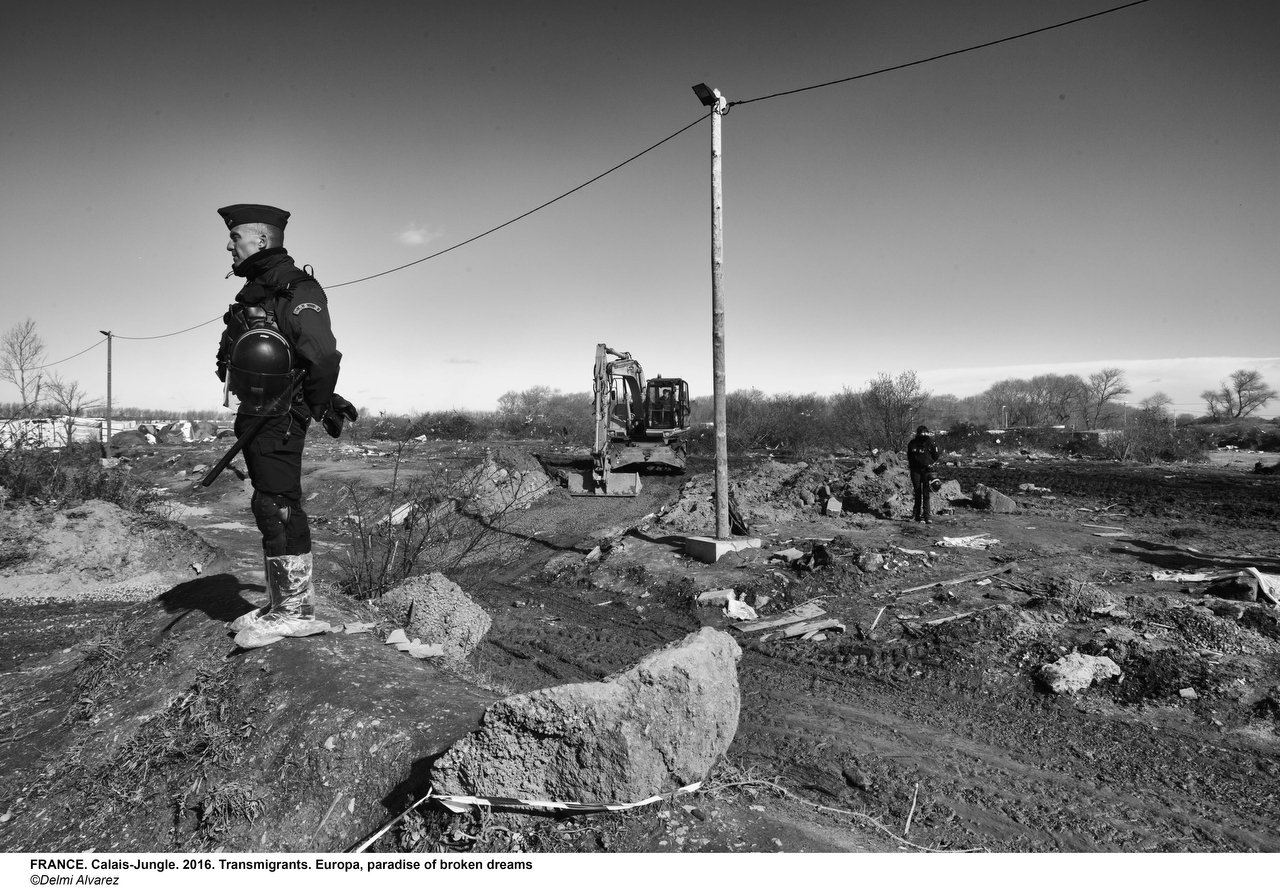
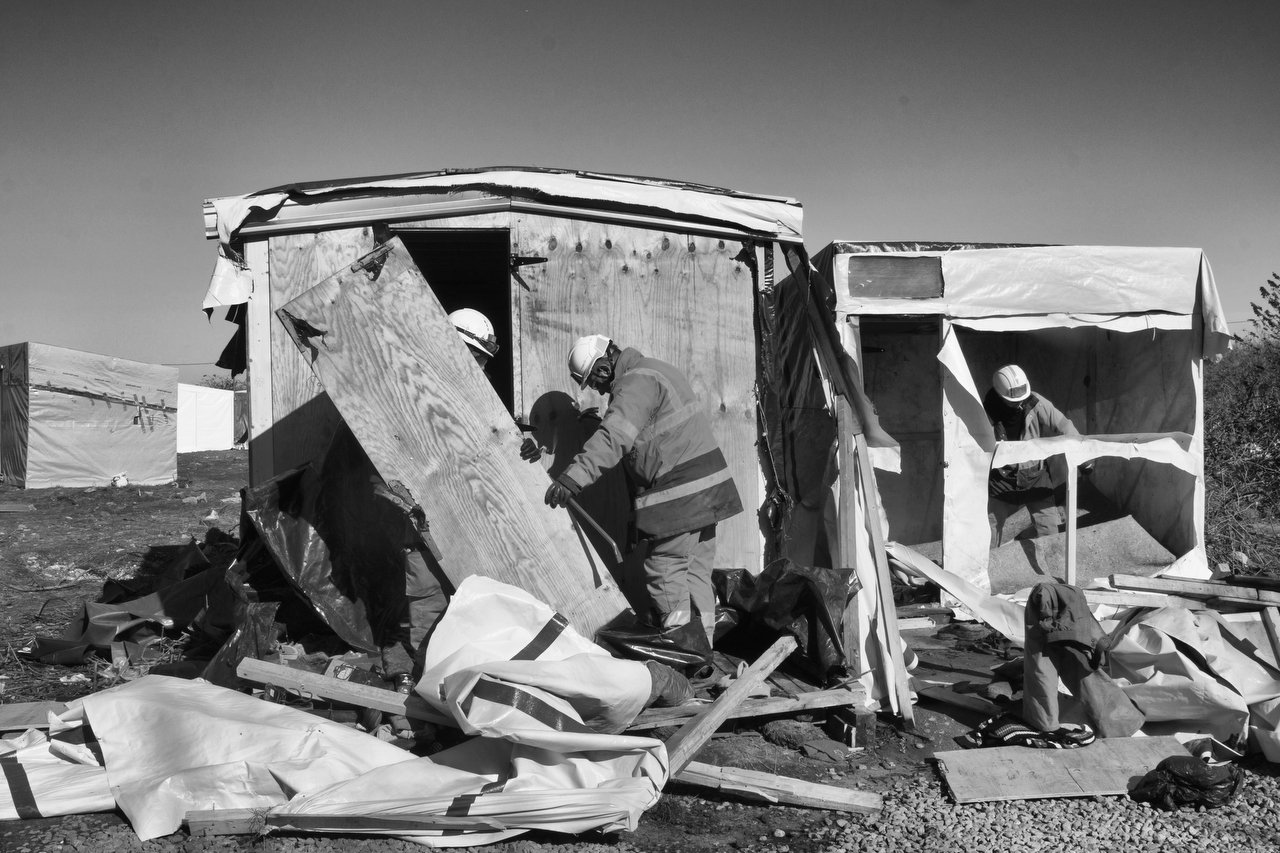
A group of refugees moves a hut built of cardboard and other materials so that the French police bulldozer can demolish it in the Calais Jungle. France. 2011
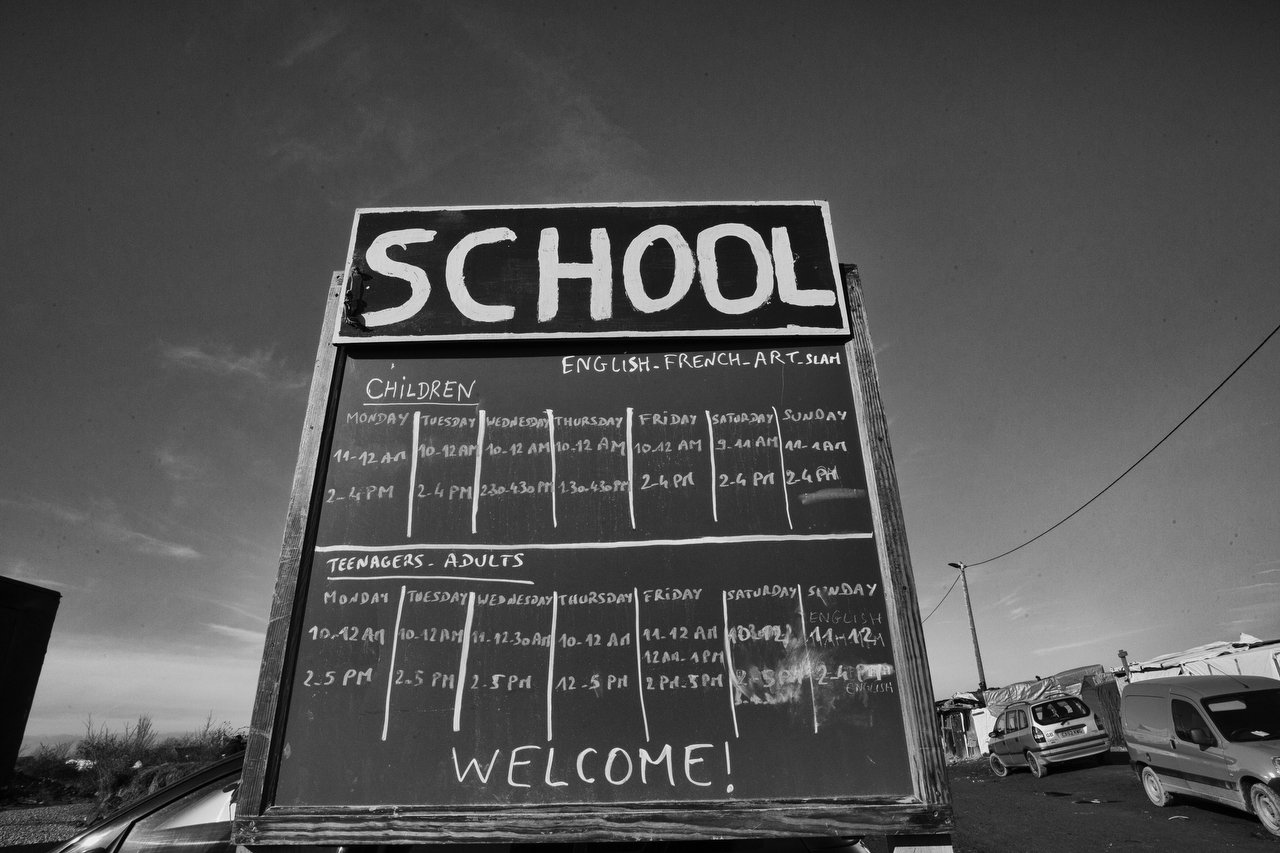
Reaching the La Jungle refugee camp in Calais, France, is a long journey, about two and a half hours from Brussels, depending on traffic, as this is the international road leading to the port that connects with the ferry to Dover. Despite the snow and cold, refugees settled there over the years, creating a small, almost urbanized community where diverse ethnicities coexisted, not without their own cultural differences.
"This city seems quieter than a few years ago," said a Turkish businessman whose business is dedicated to feeding the tourists, "but rather, the economy has declined as much as I have not before."
They were good days when journalists were welcome to Calais asylum seekers and refugees; now you can go to press just a few feet from them, and when they see the cameras, they start a comprehensive aggressiveness towards photographers and cameras.
"We are tired of taking photos; we are not zoo animals and do not want to feel as such," said one Iraqi boy, who says it takes several months to get to Calais. There are hundreds of personal stories that each refugee will tell of a dramatic event. A one-month trip from Khartoum to Tripoli in Eritrea and then crossing by sea to Italy and traveling back to Egypt and from there to other countries up to the mountains of Iran and Turkey, where Kurds help pass the snow and cold.
In Istanbul the mafia and smugglers hide in charge of refugees in old warehouses, and then they are transported in vans or trucks inhumanely crowded like animals. This adventure that most people see as the beginning of the European dream belies the grim reality of a dream that becomes a self-odyssey, an uncertain journey in life that only has value to the traffickers. The price for the trip: between 2000 and 4000 U.S. dollars.
Calais Park
Habib shows off a copy of a French newspaper with an interview about his experience as an asylum seeker in France. In the crumpled paper can be a big headline reading "The Journal of Habib" and a photo of him posing at the entrance to the only cybercafé. Just find exactly where.
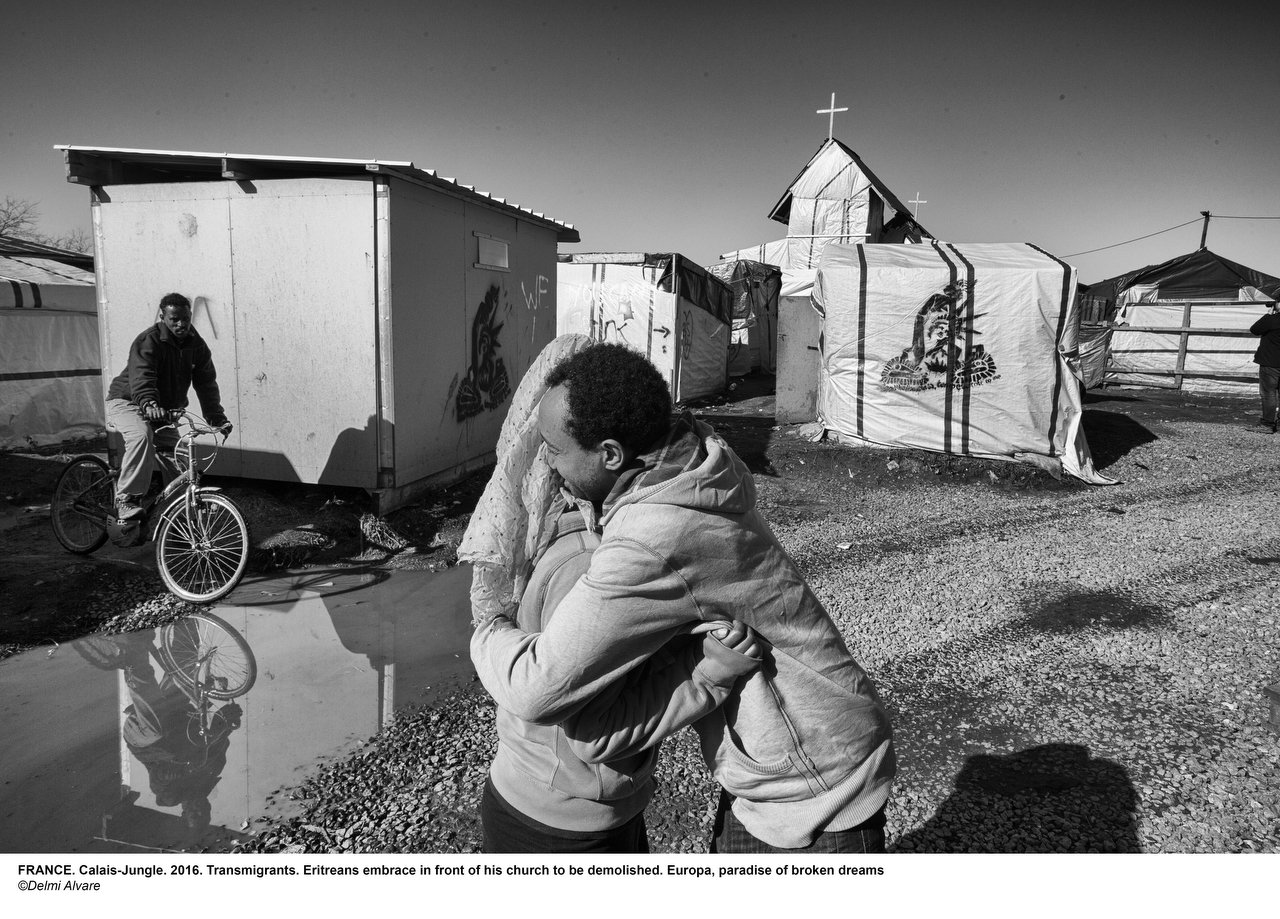
Habib is an institution for all who come each day to reach him for advice. The cyber café uses it daily to stay connected with family and friends. In the park there are several groups, and do not mix them. Eritrea, Sudan, Iraq, Afghanistan, and Iran are taking advantage of the sunny end of September to discuss and meditate.
Approaching the groups has its complexity; the cameras are always hanging from my shoulder, and I always offer a friendly greeting by saying we are journalists. They talk, but they do not want to take pictures, but they do allow pictures of the food, some pommes frites on paper.
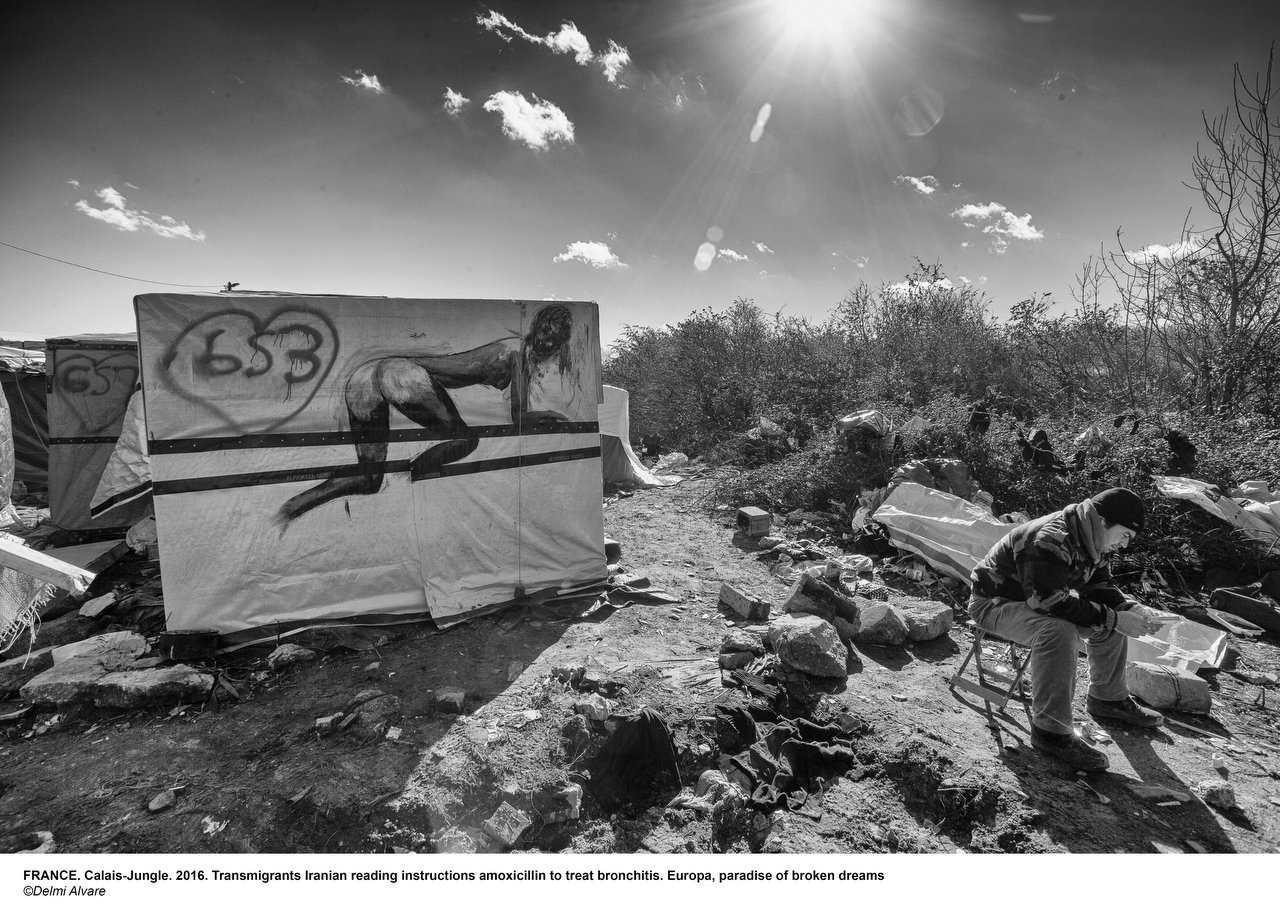
They do not give their real names and identify themselves as refugees from countries at war or with major social problems. One of them is Iranian, smokes a joint of hashish, and speaks English. "I crossed the mountains with the Kurds and paid about 4000 USD to get here, and it was not easy."
Apparently everything seems peaceful in this place until the arrival of a group of people who fight and generate some violence, but everything returns to calm after a few screams and struggles.
A few yards away is a group of Eritreans who look and dress very hip-hop-y, with goggles and pendants that look like bad copies of gold or plastic. Someone tells her story, and all agree that they paid big money to come to Calais. In the middle of the park are those in Sudan, who speak perfect English and have education. Shaking hands and greeting accept me to talk for a while.
Force is not good in interviews and leads to too many questions that might make them think I'm a cop. The park is the meeting place as well as a business and information exchange for all of them and is generally peaceful, but fear is always in some way of the police that visit them every so often to ask for documentation.
Police also used some immigrants to "work" with infiltrators who can give some new information on the movement of drugs, money, and other illegal goods bound for England. Every night hundreds of these refugees try to realize his dream of traveling the goods hidden in trucks traveling on the ferries, and every night it's luck to play like a poker game.
But those who manage to get to London are facing a new barrier; agents expect the UK Border Agency at any unexpected place, watching the thousands of pedestrians in Stratford Station.
Not only refugees
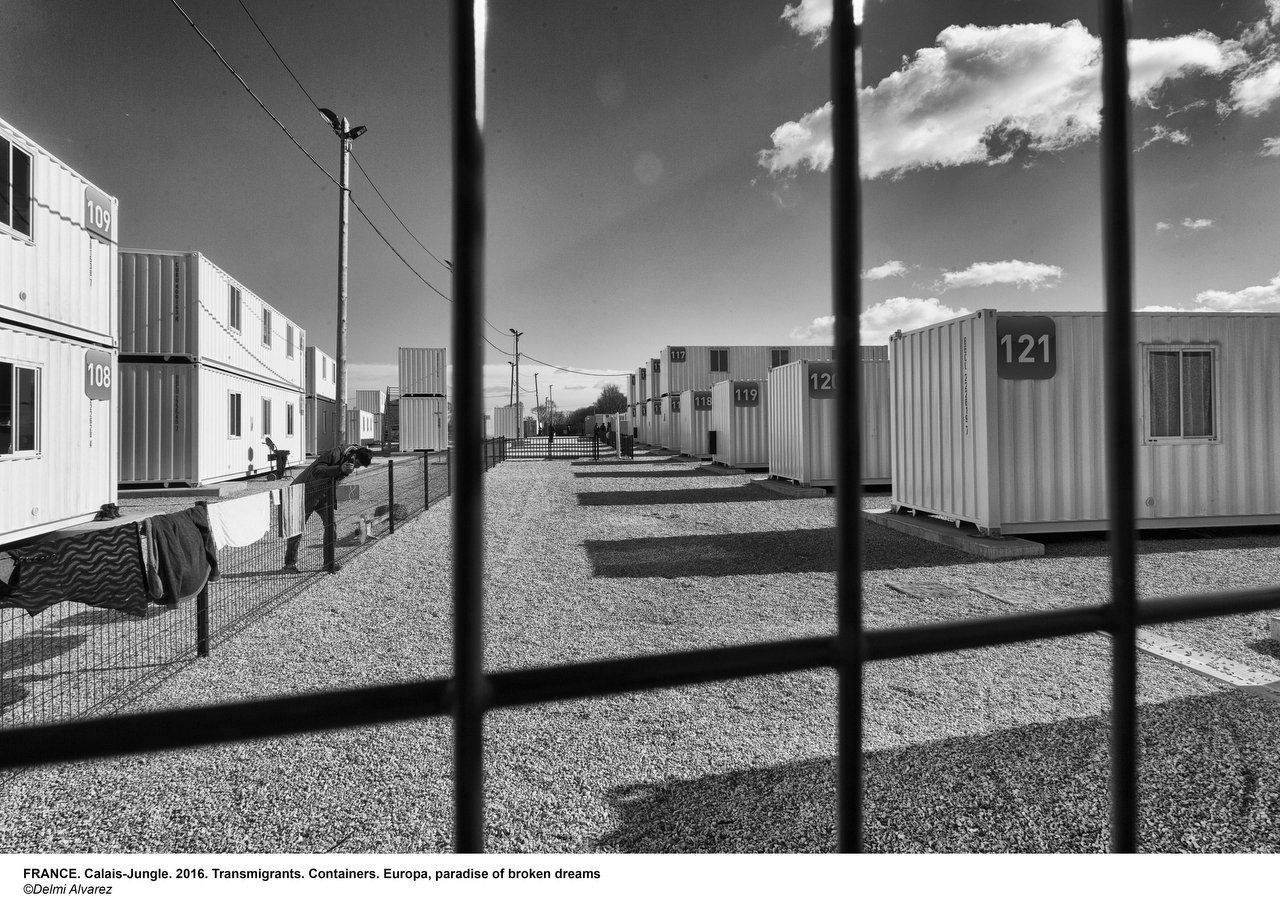
Joao is a short-haired brown short-hair and is constantly receiving phone calls. "I have a few weeks in Calais because I try to return to London, where my family is. From there I was deported because I used to sell drugs for good and a lot of marijuana. " Joao lives in a 40-foot container in a privileged area. Inside I have a couch, a mattress, and several amenities, and nobody bothers me because at night I close it with a good lock.
When I get up and greet the workers, what do you ask me to do today, Joao? And I always tell them, "Close the container, and nobody bothers me." I want to go see my family, and I am here to try again and again, it says. The Portuguese, who are originally from an island, Dede lives in England for some time and has several children and a wife; every night they try others across the Channel hidden in one of the hundreds of trucks entering the ferries.
UK Borders Agency
The United Kingdom Border Agency has 23,000 people located in 130 countries and on the ferry from Calais, seeking agents aided by dogs trained to locate illegal immigrants who hide among the goods from the trucks. When agents are located, they are opening a tab and the photographs, but the few hours will be returned until they succeed. The agents work in different parts of England, and one of them is the Stratford station in London, where every day dozens of immigrants are arrested illegally.
Forests
"The Turks sent in the jungles," says an Afghan who was military in Kabul. To enter the jungles, you have to talk to the Turks and can only be there by day; attack at night and stick to the press-included strangers. No longer not trusting anyone, every jungle has its own laws, and no one is invading their turf. Jawid was military in Kabul, Sgt. Satin, and fought against the Taliban; he was trained by Spanish soldiers and does not like war.
One day the Taliban told him to stay alive by blowing up a car at a police station. "I had a week to do it and told them that Sim was going to do it but needed time." He spoke with his father and advised him to leave the country soon. "I met soldiers who refused to do so and are now dead," he says. "My family, my wife, my children, and my parents now live in Pakistan."
One of his friends shows a scar on the shoulder of what was a bullet wound, in and out. "If I don't, the rightmost bit kills me." He smiles.
Albanian
In the shadow of some bushes surrounded by paper and plastic debris from a group of Albanians, they smoke and drink, overlooking the sea with the only idea that they could cross one night. "I am Albanian and lived in London with my wife and two children, and now I have been deported back to my house," says Ardian while consuming what remains of a cigarillo. "It bothers me that the French police treat me like a zoo animal and try to beat us because we are human beings and deserve respect, not abuse."
I wanted to know more about the reason why Adrian was deported, but he always ducked questions and answered with some nice replies: "Here we live every day and every night with the sole idea, with the only dream, of getting on a bus and coming to the UK." Friends await us there; there we have our families, and I always say, "I am Albanian." Give me permission to photograph Ardian's back, and he removes his shirt to show his tattoo of the flag of Albania. "Take a picture; it looks like the passport."
Jungles
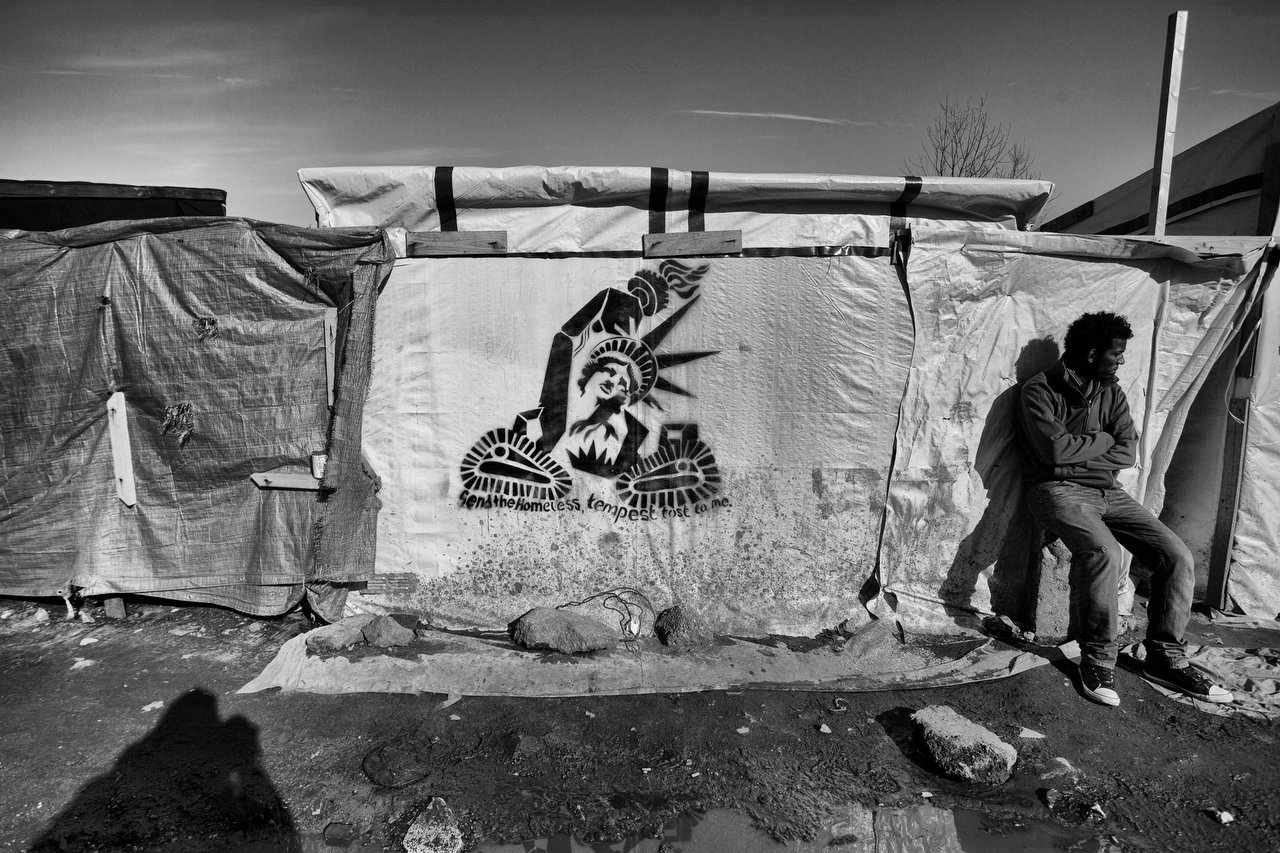
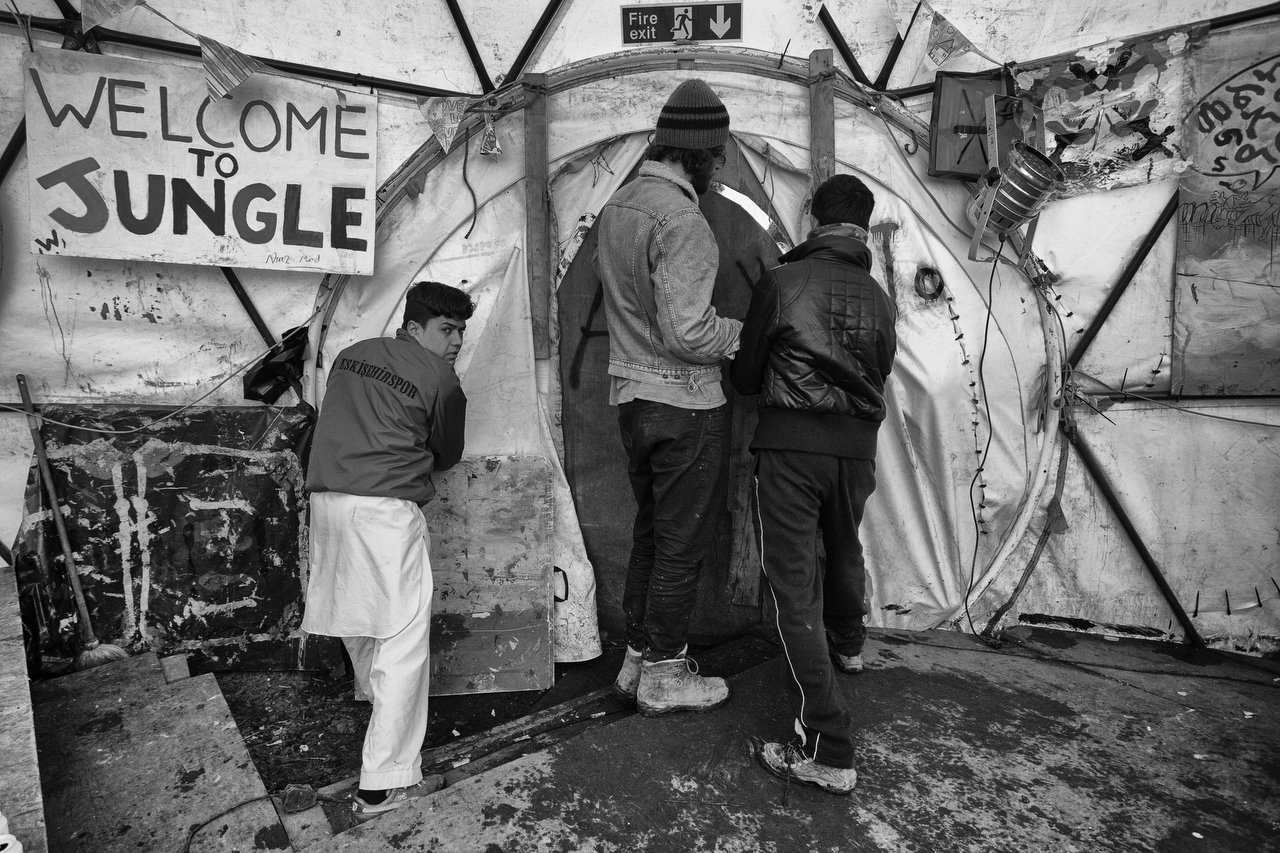
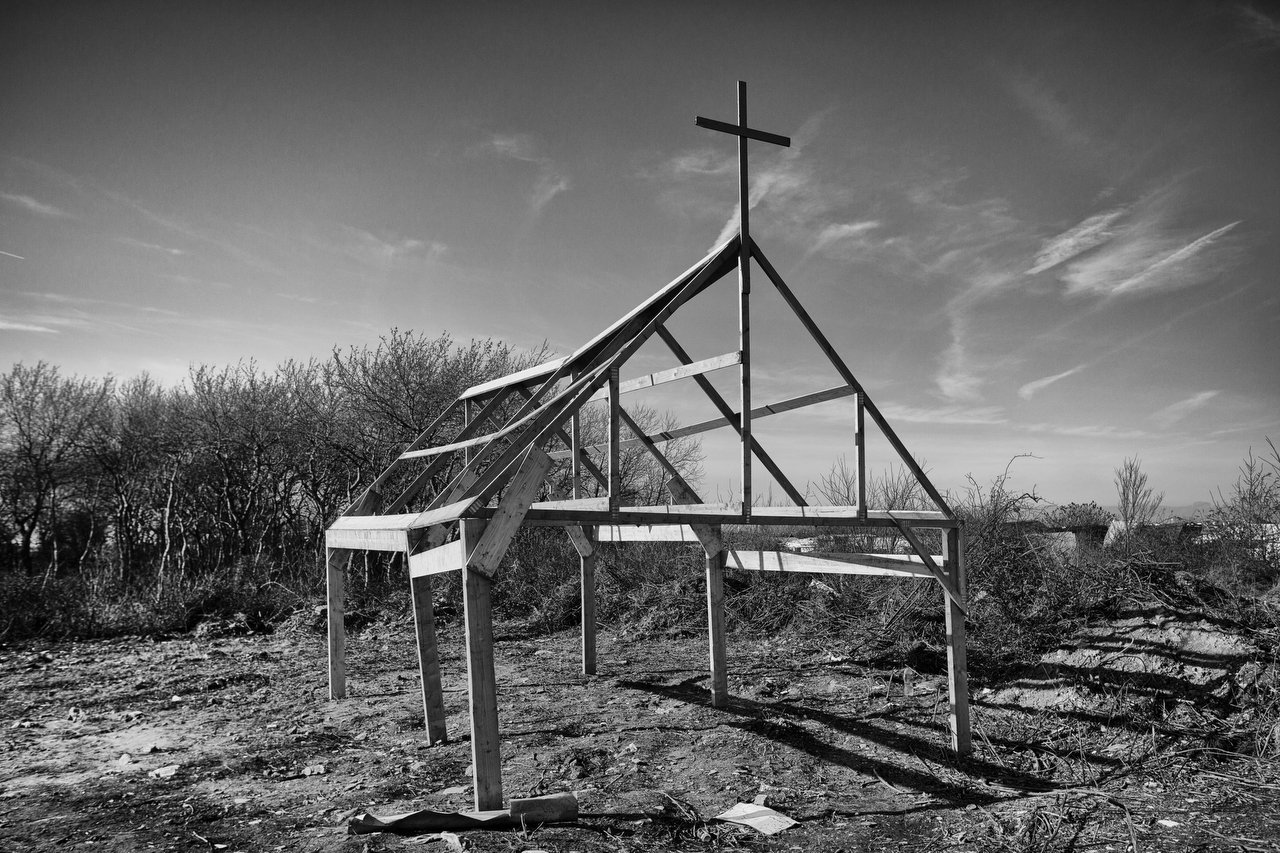
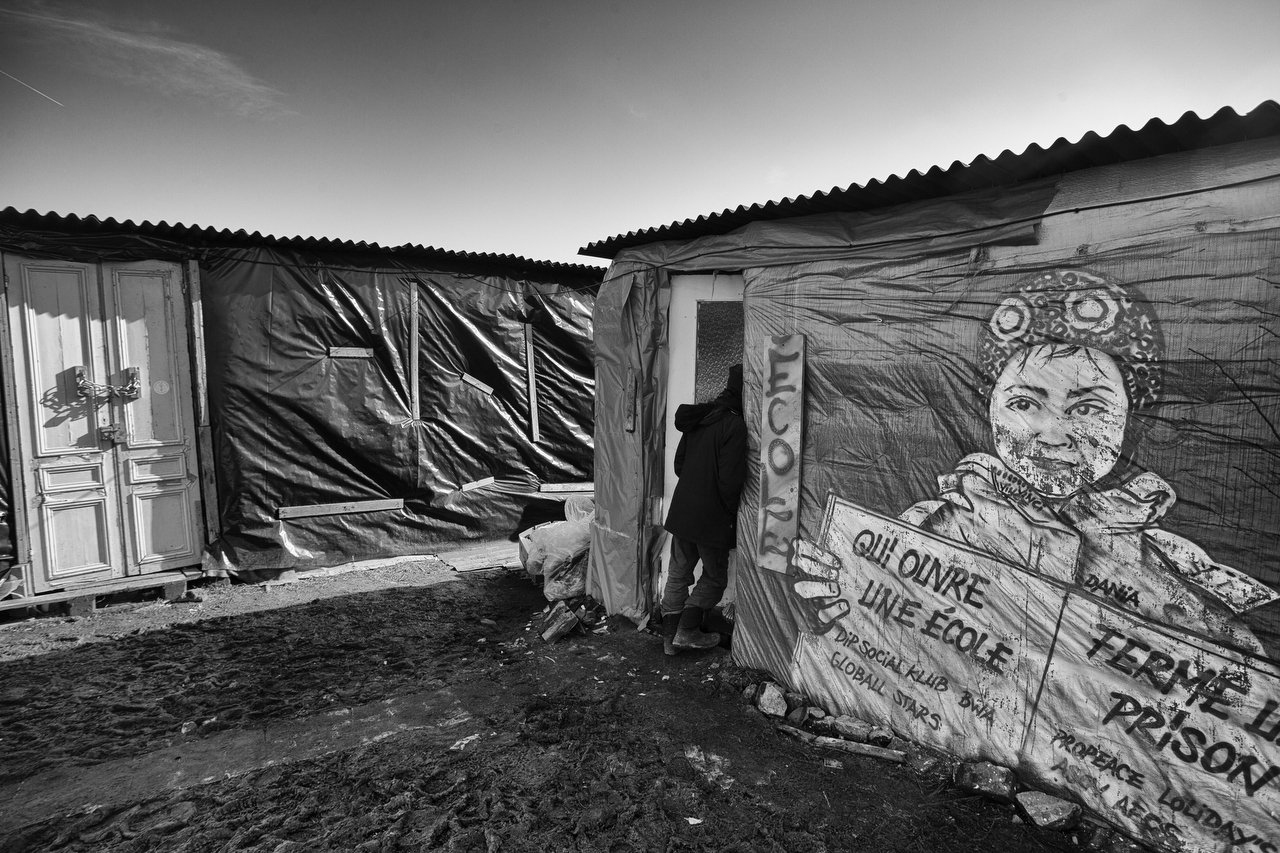
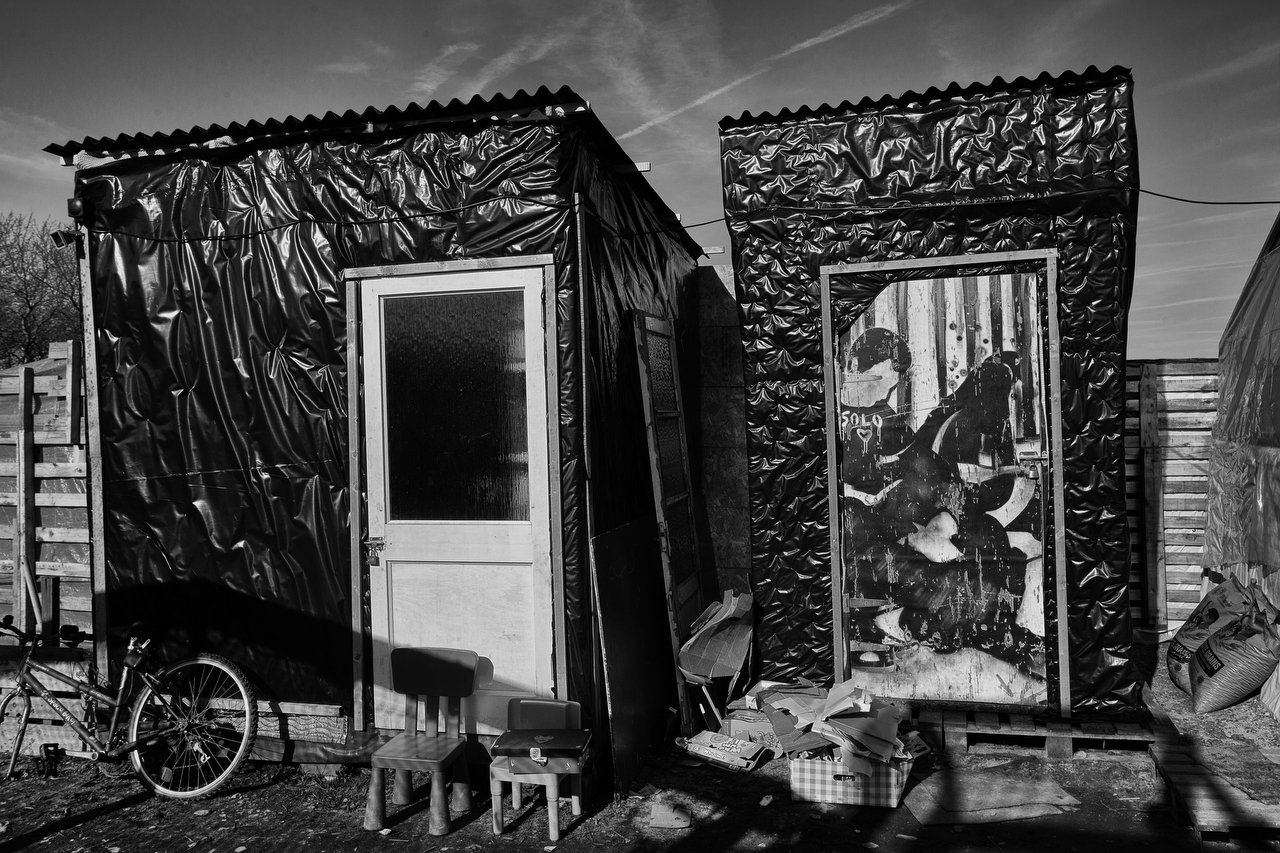
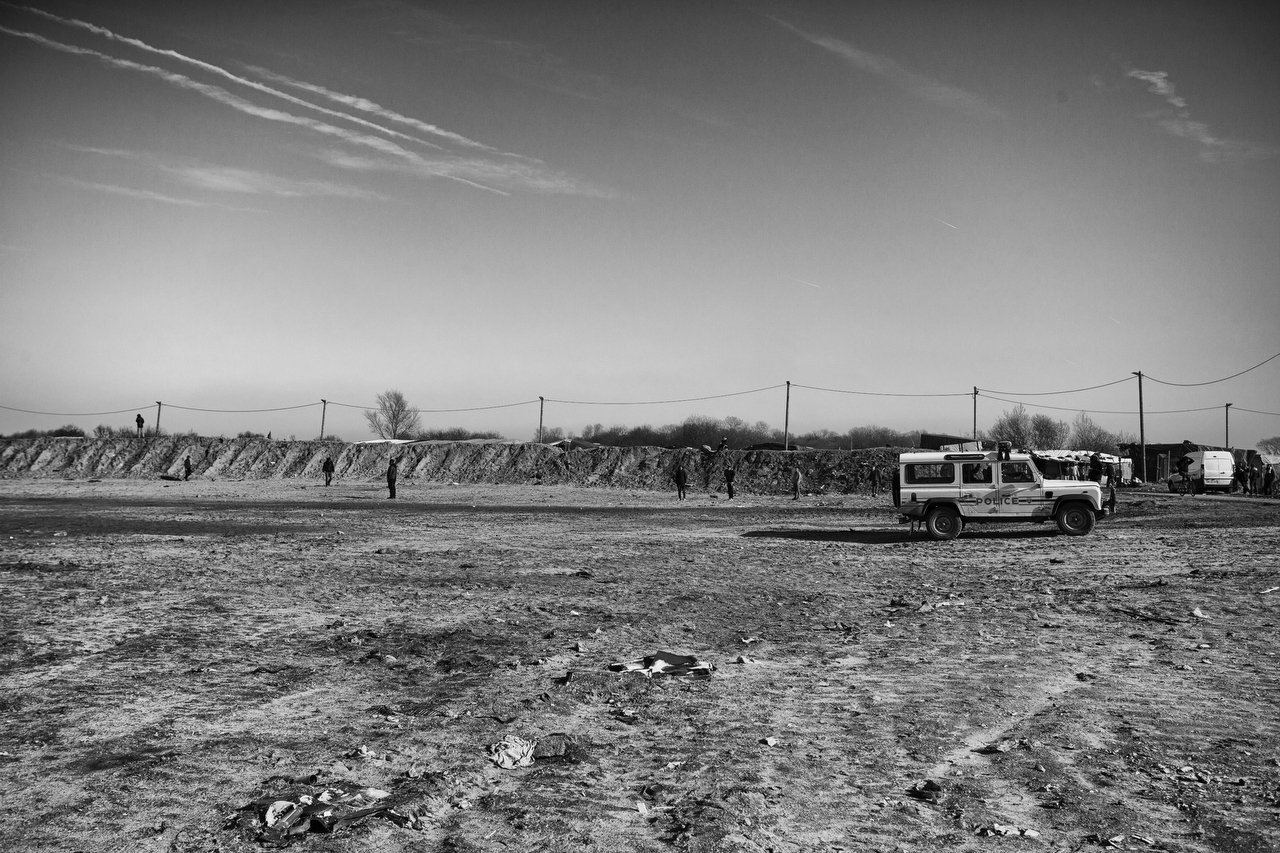
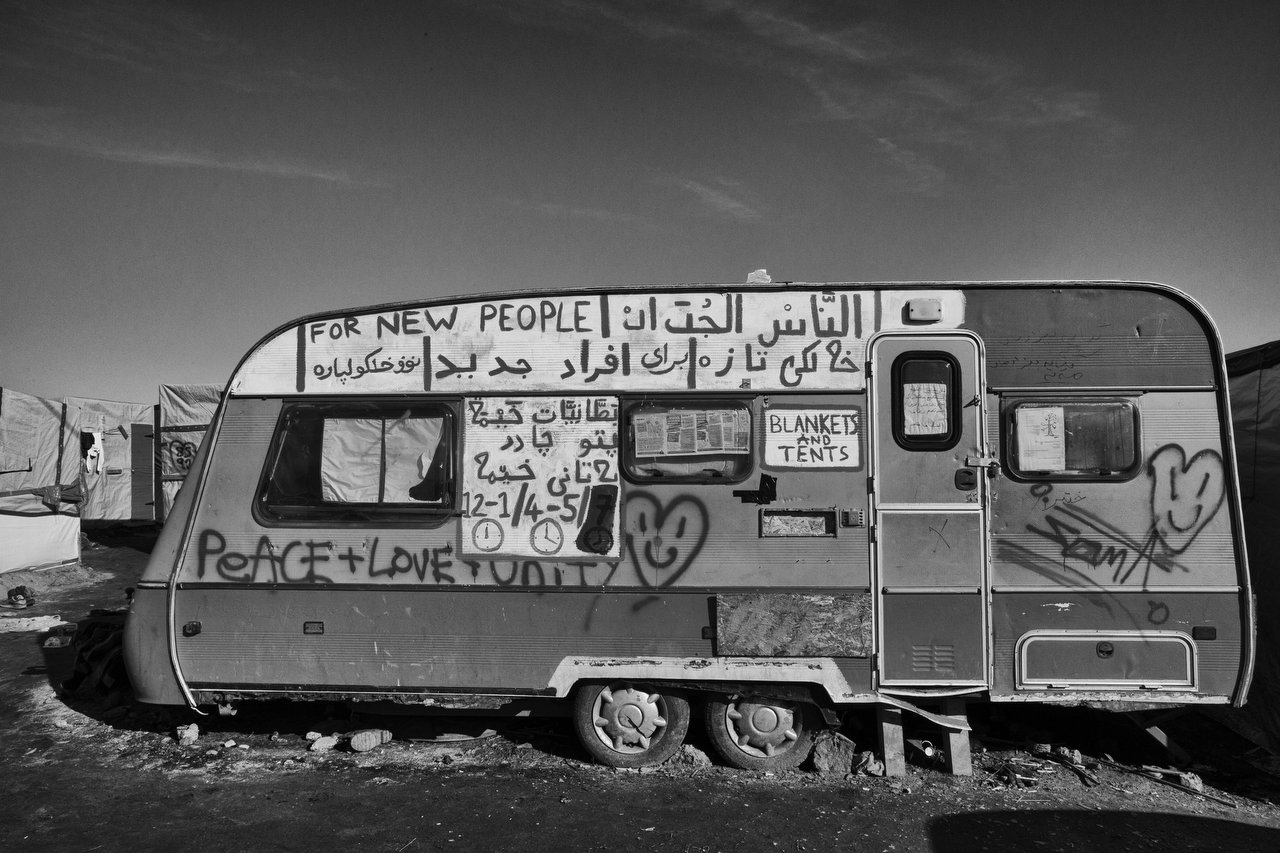
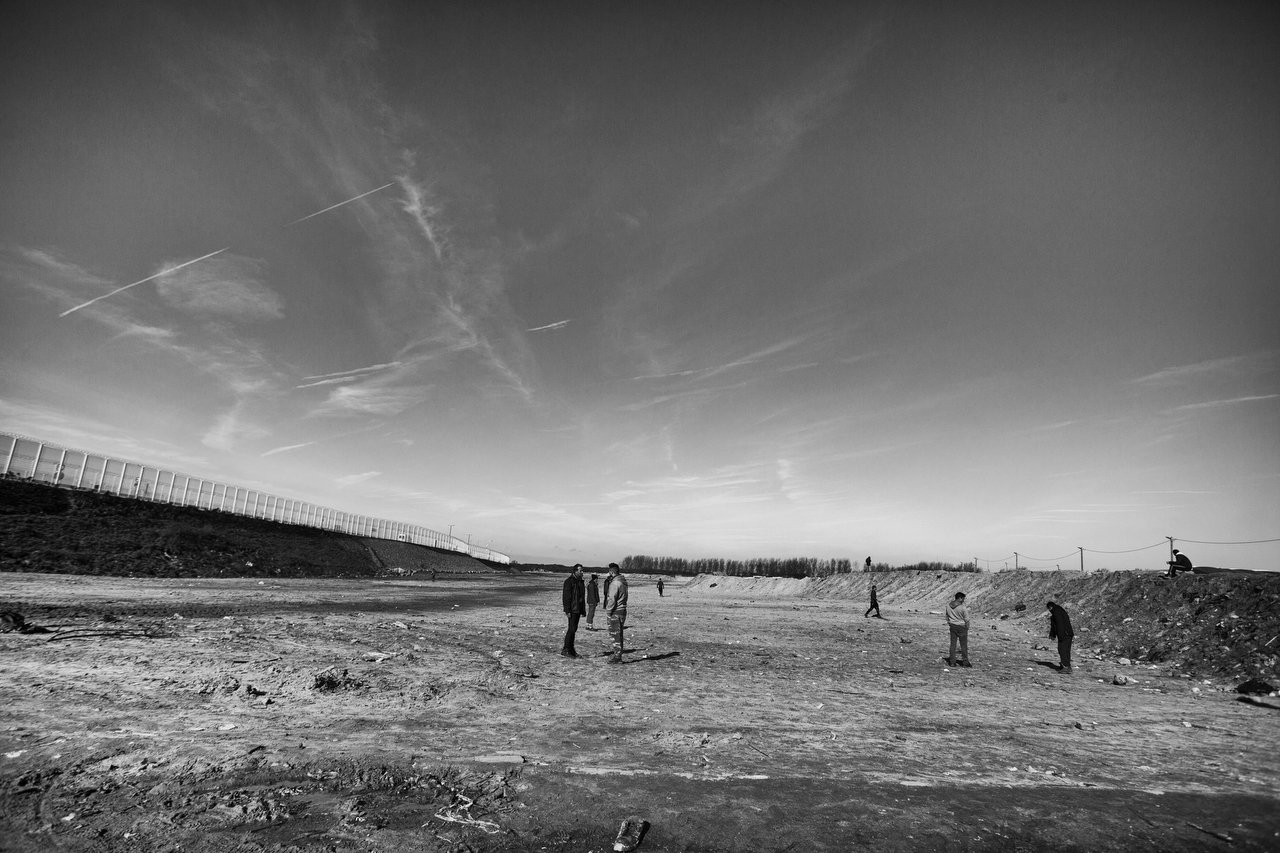
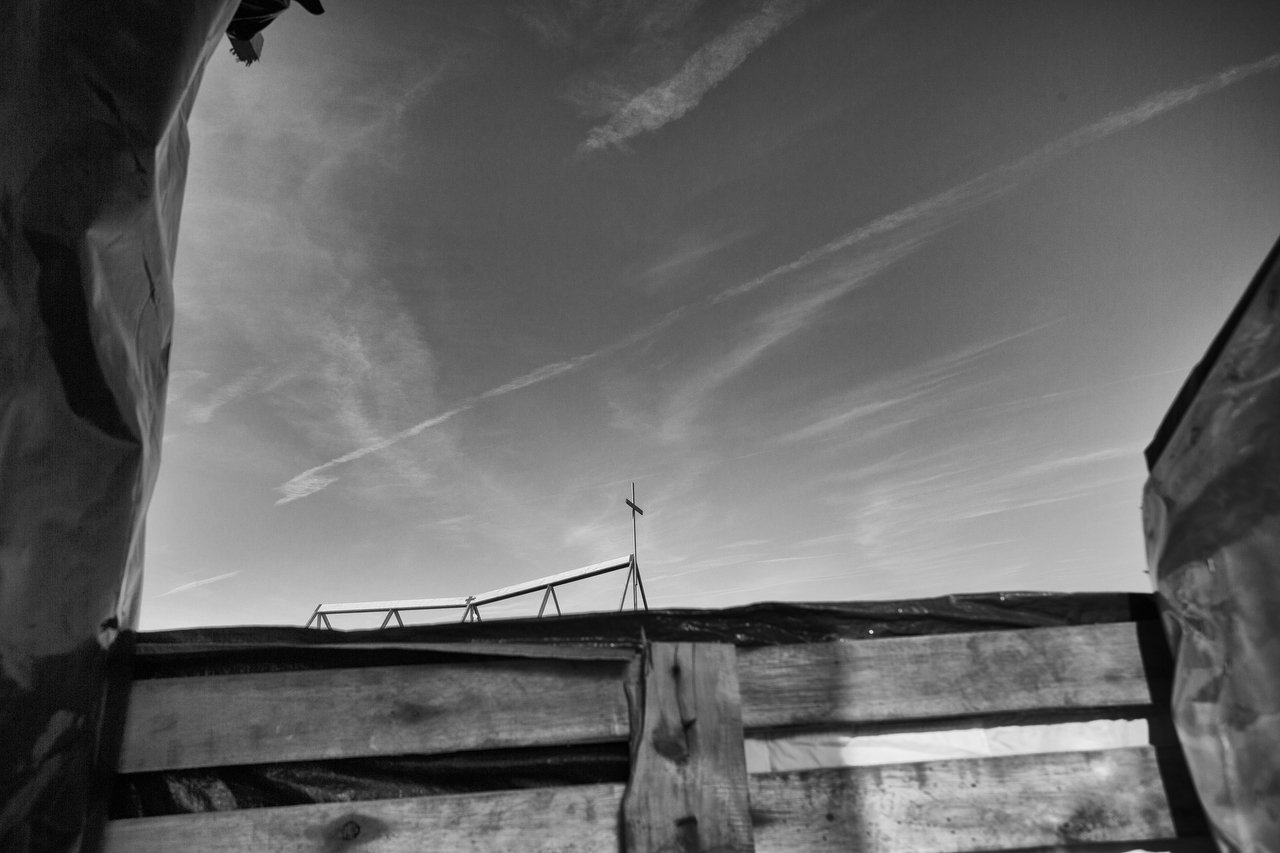
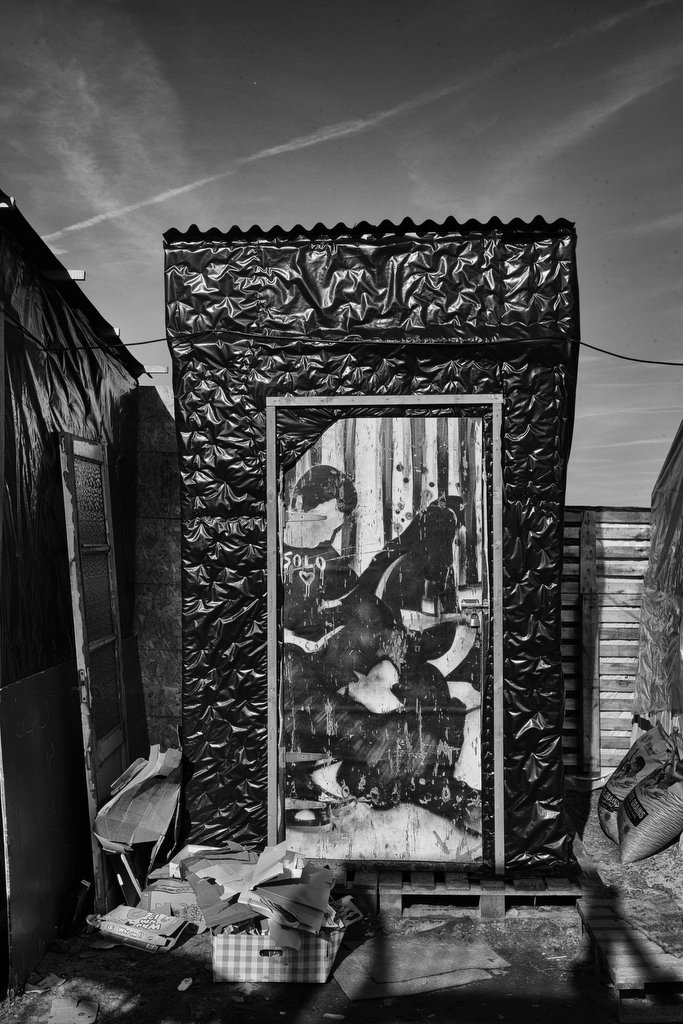
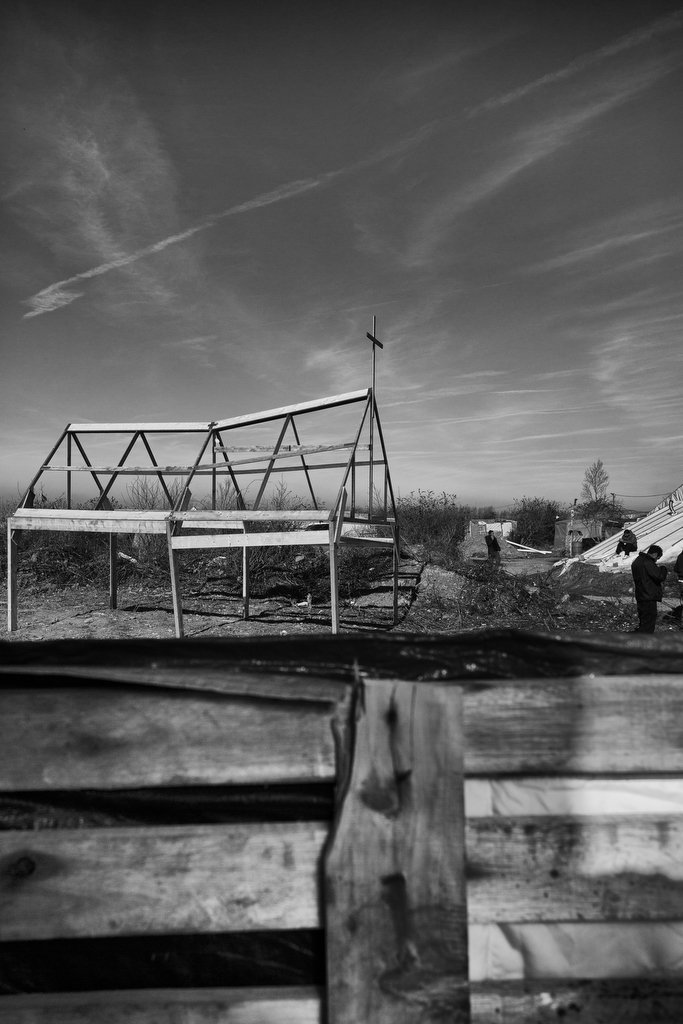
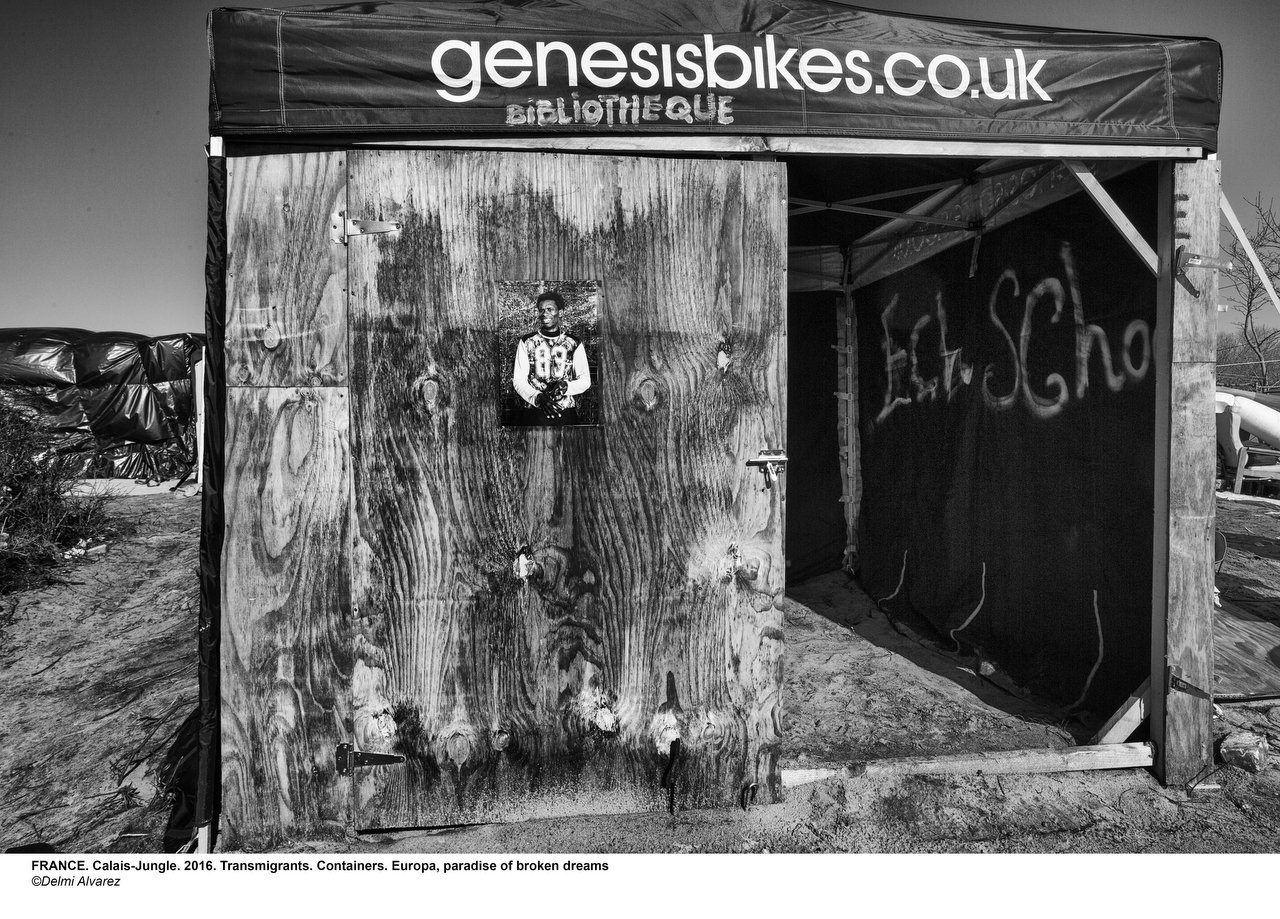
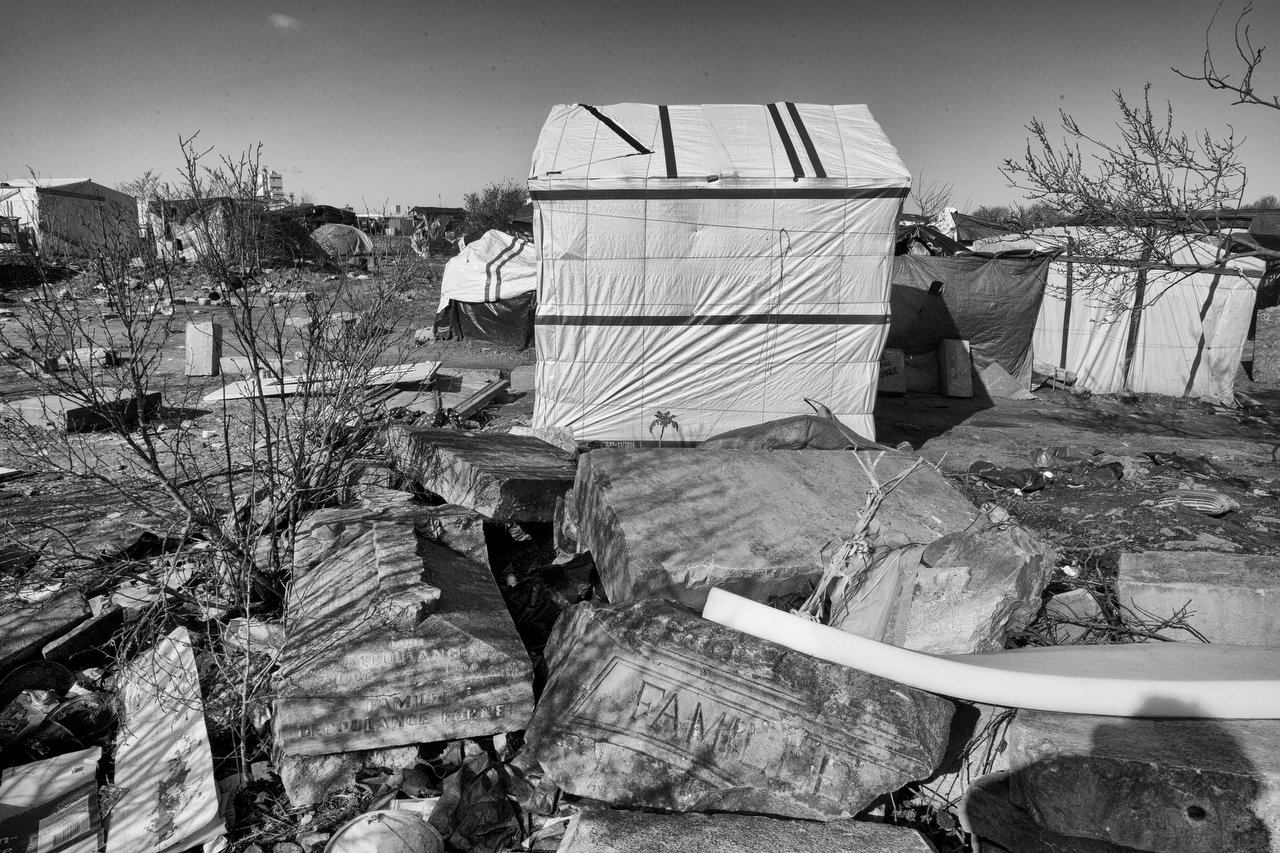
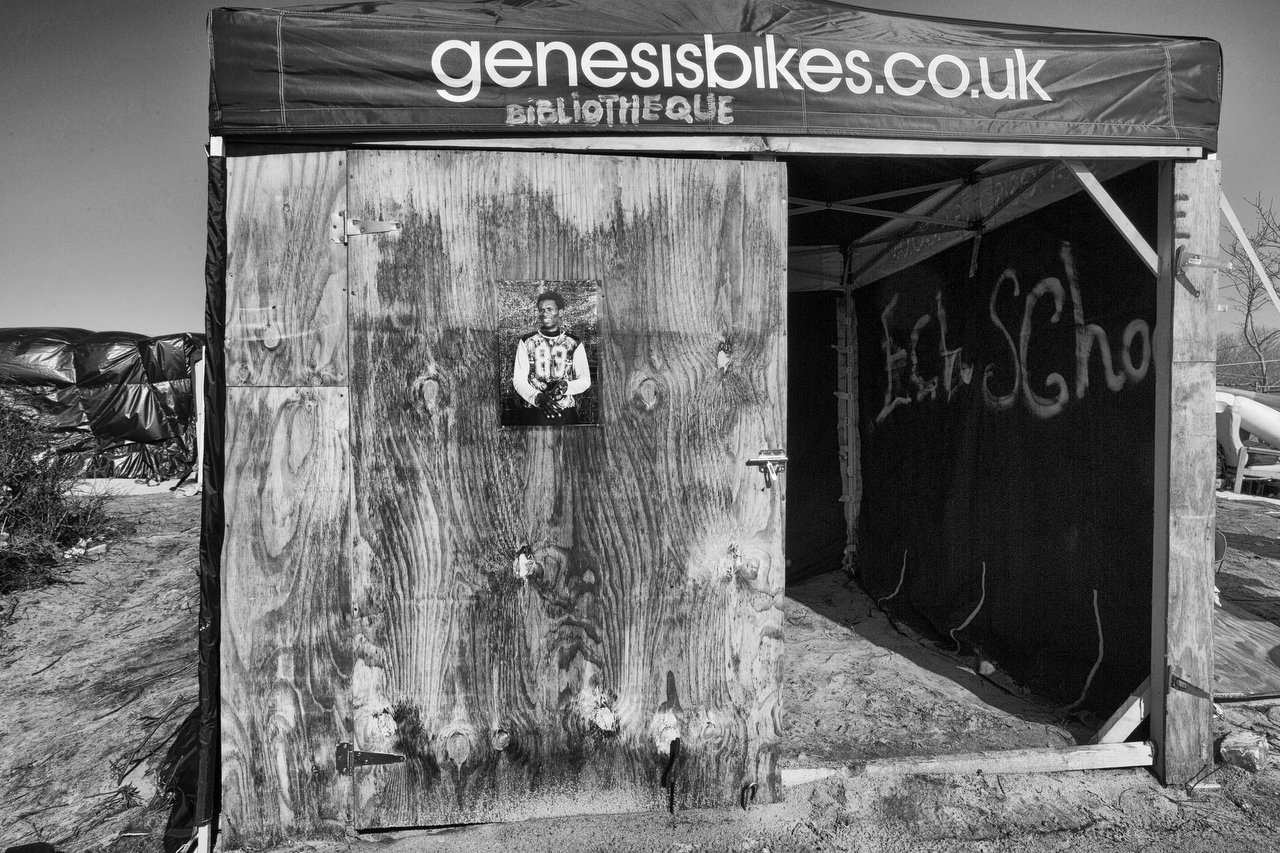
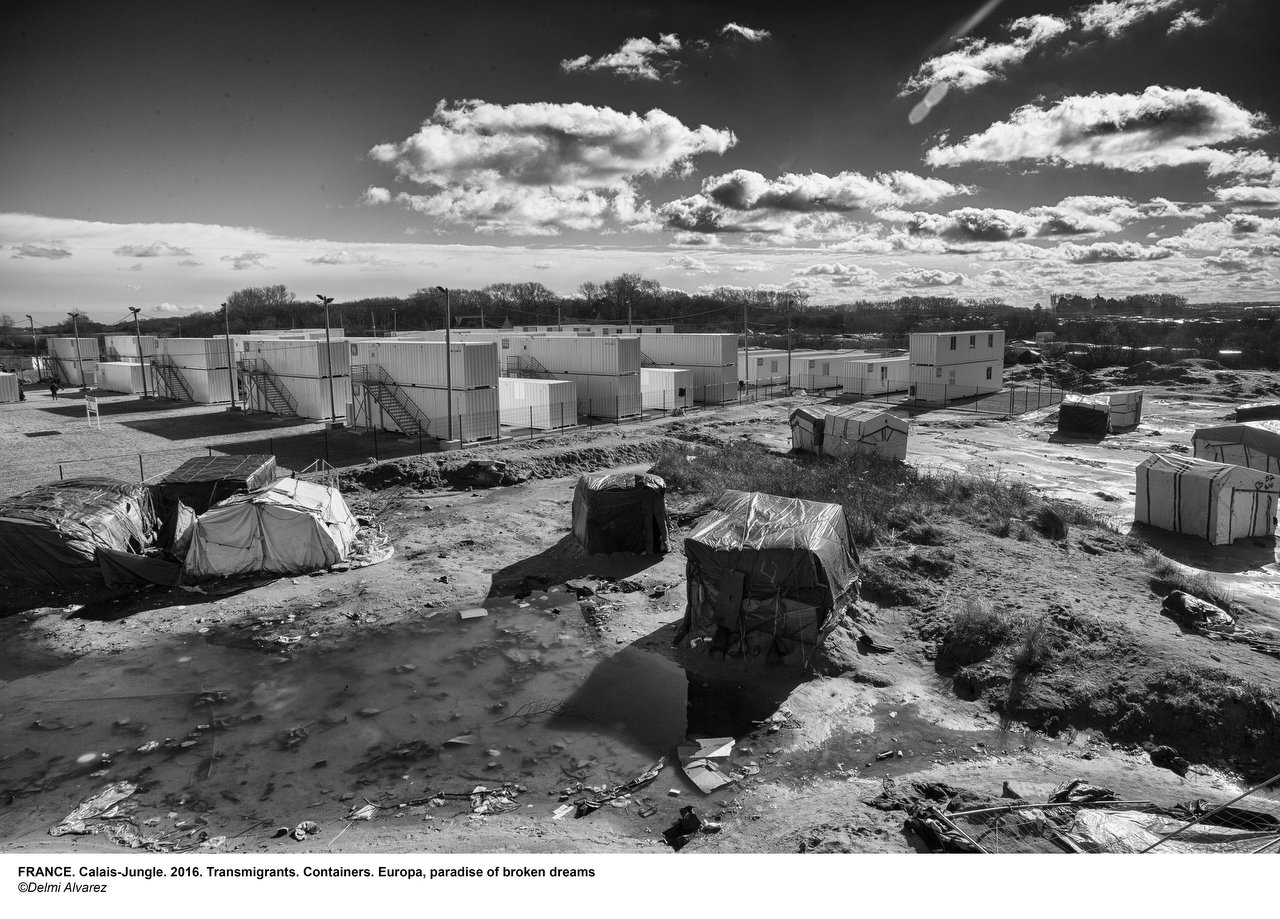
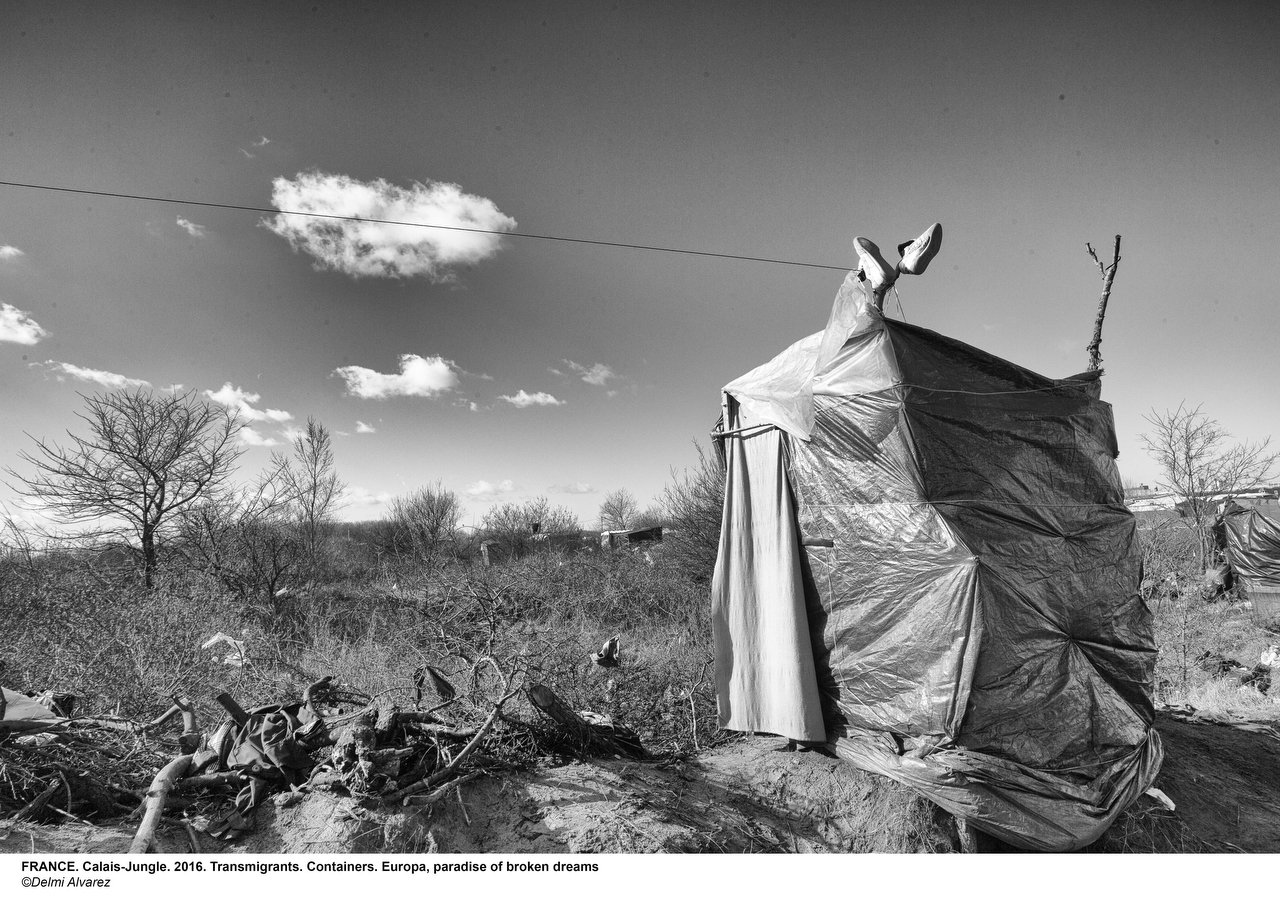
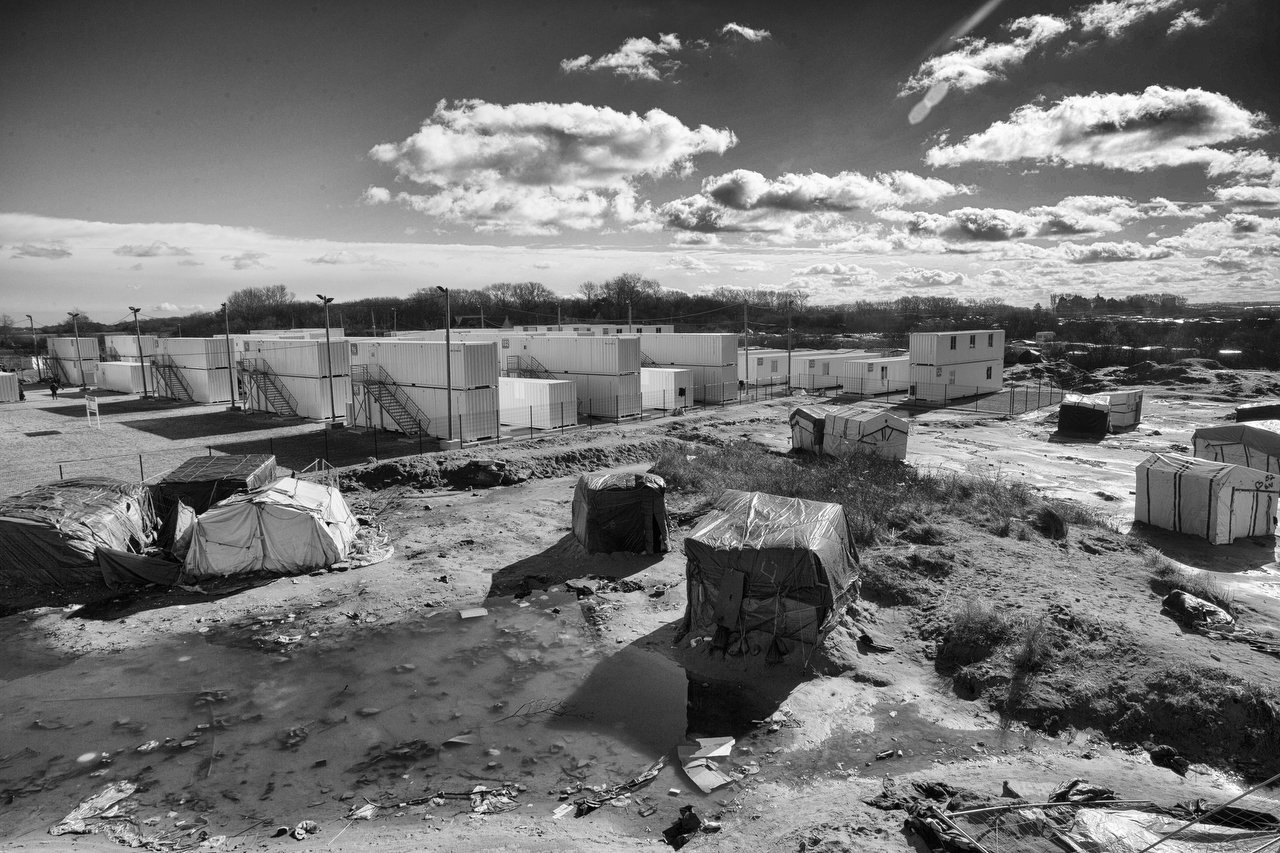
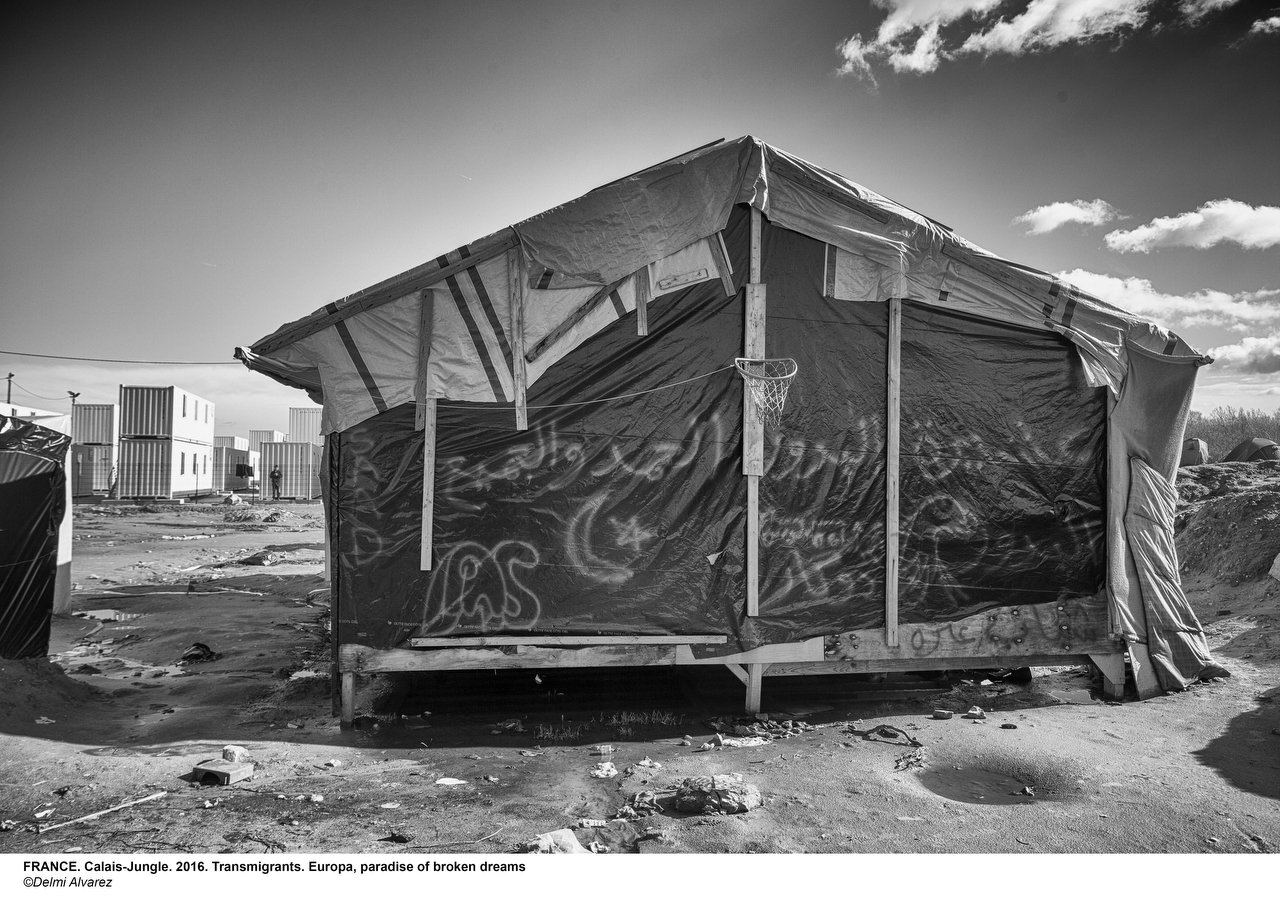
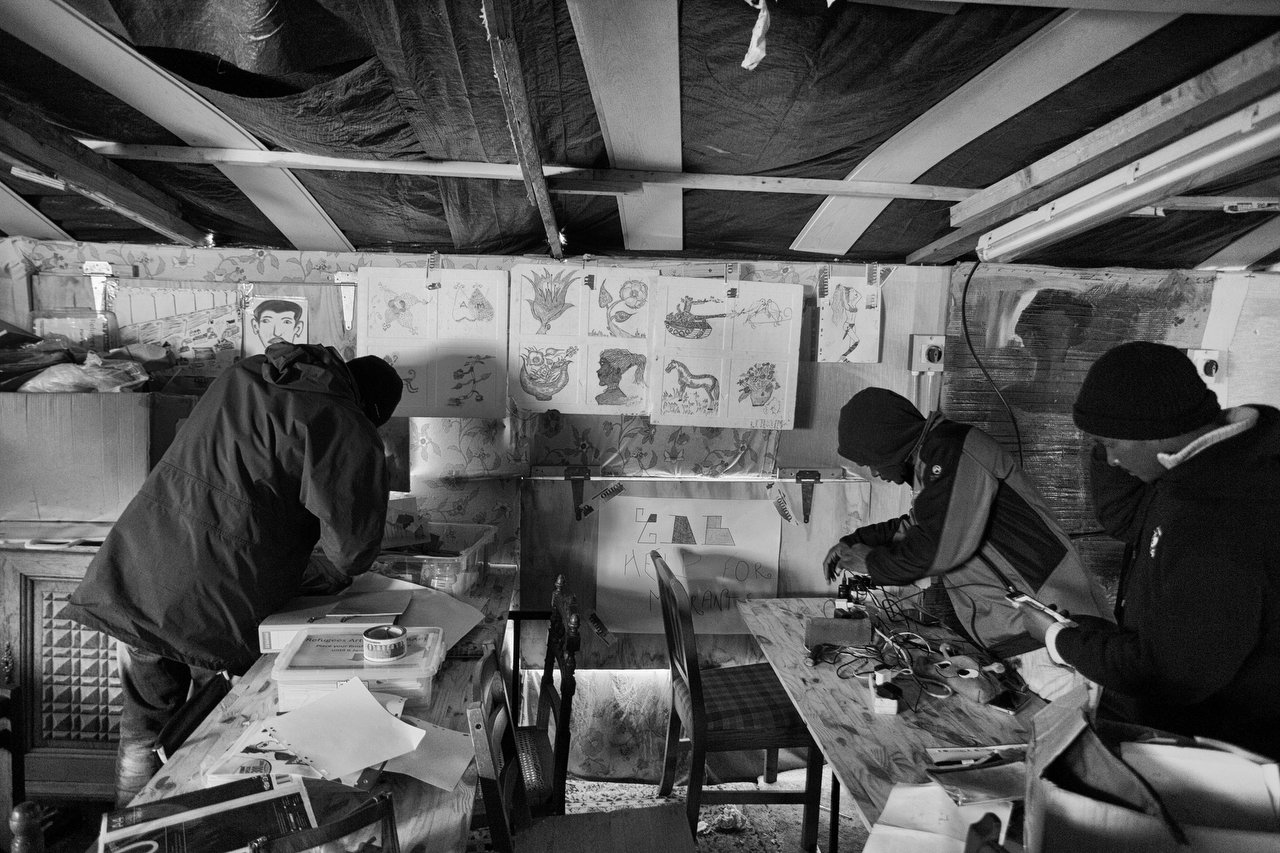
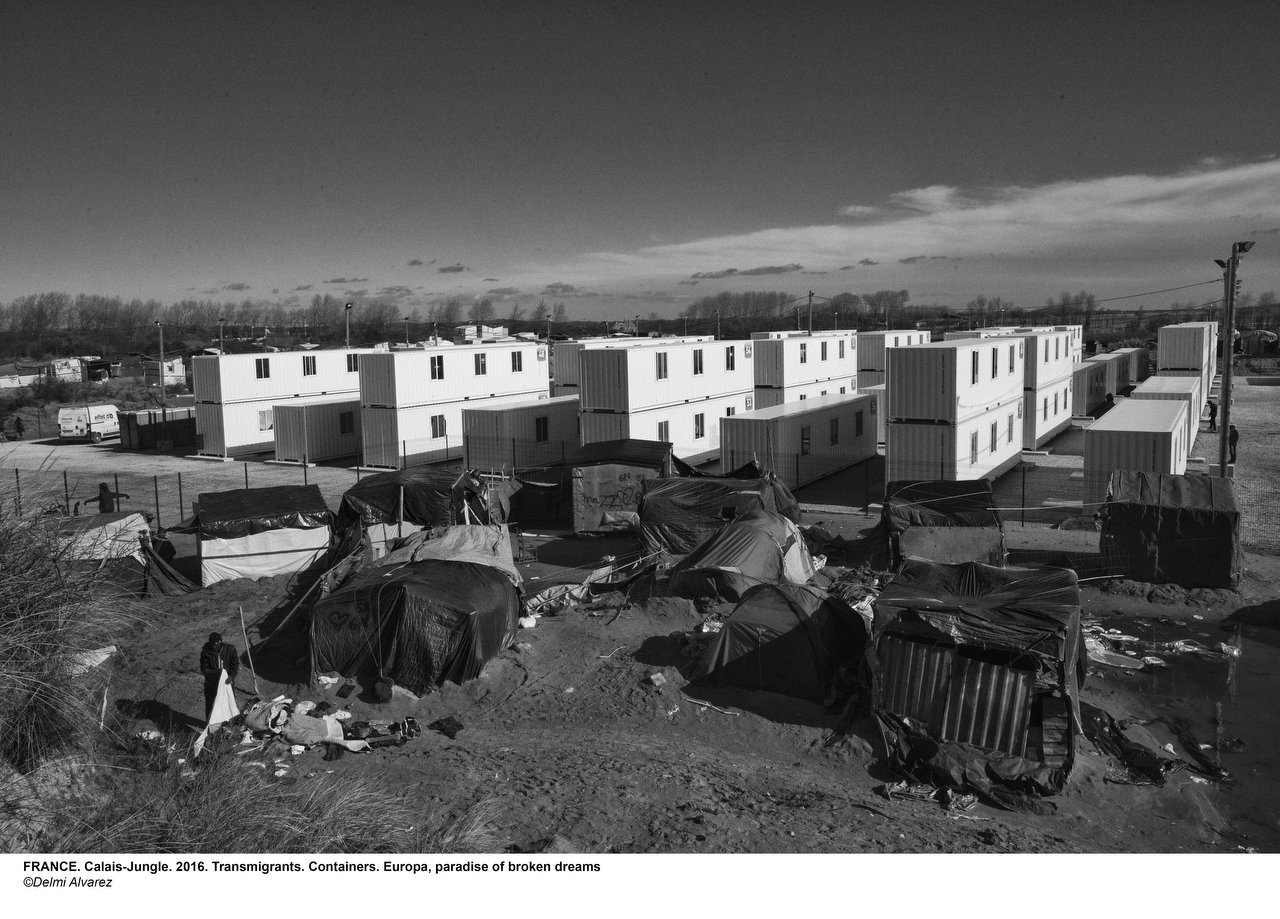
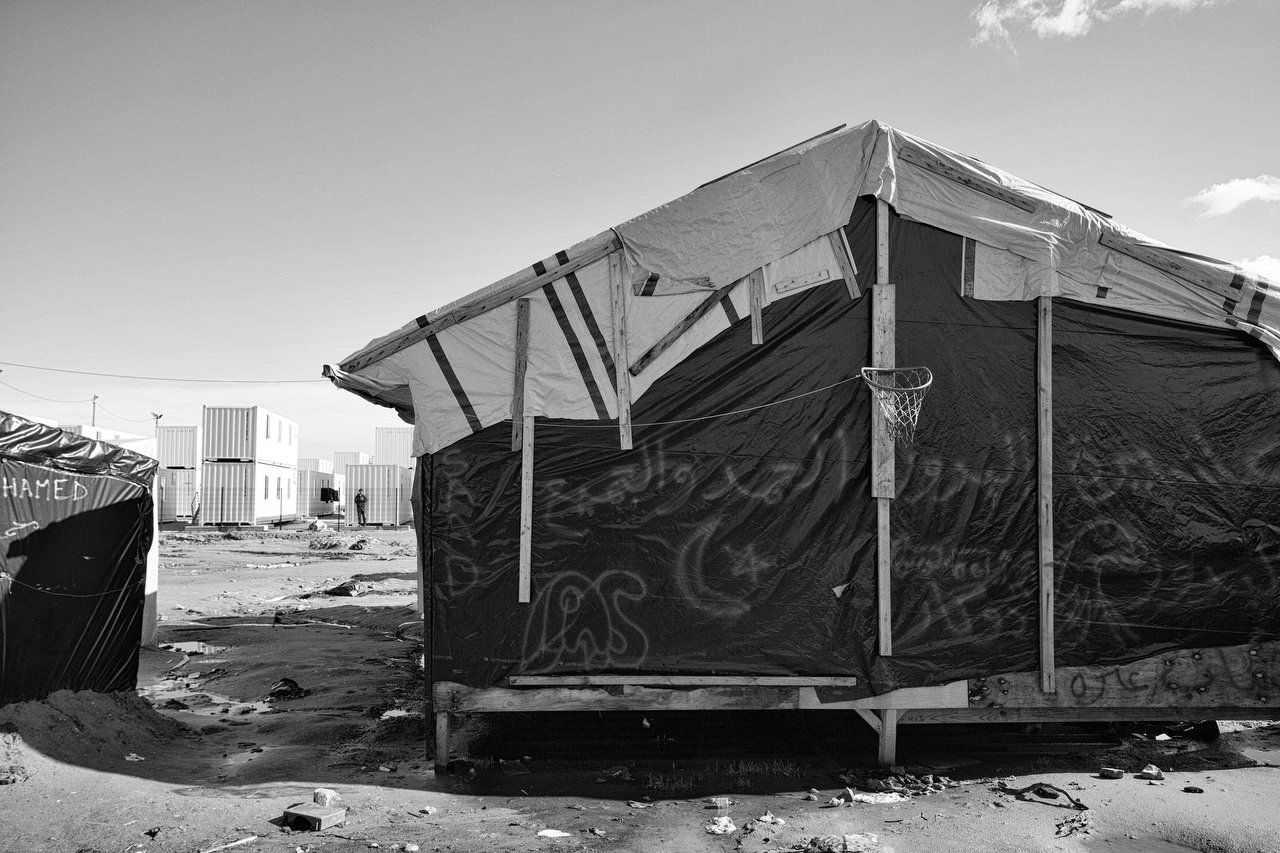
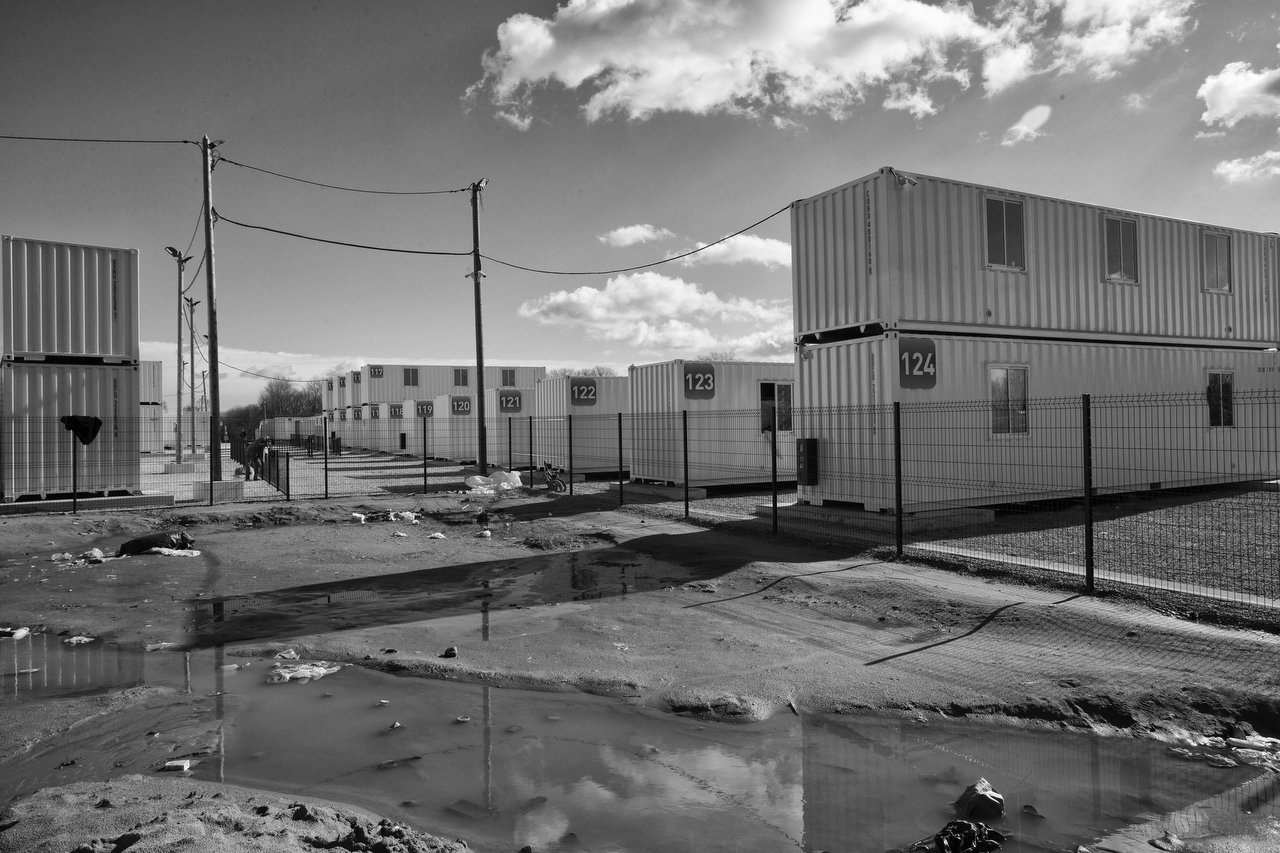
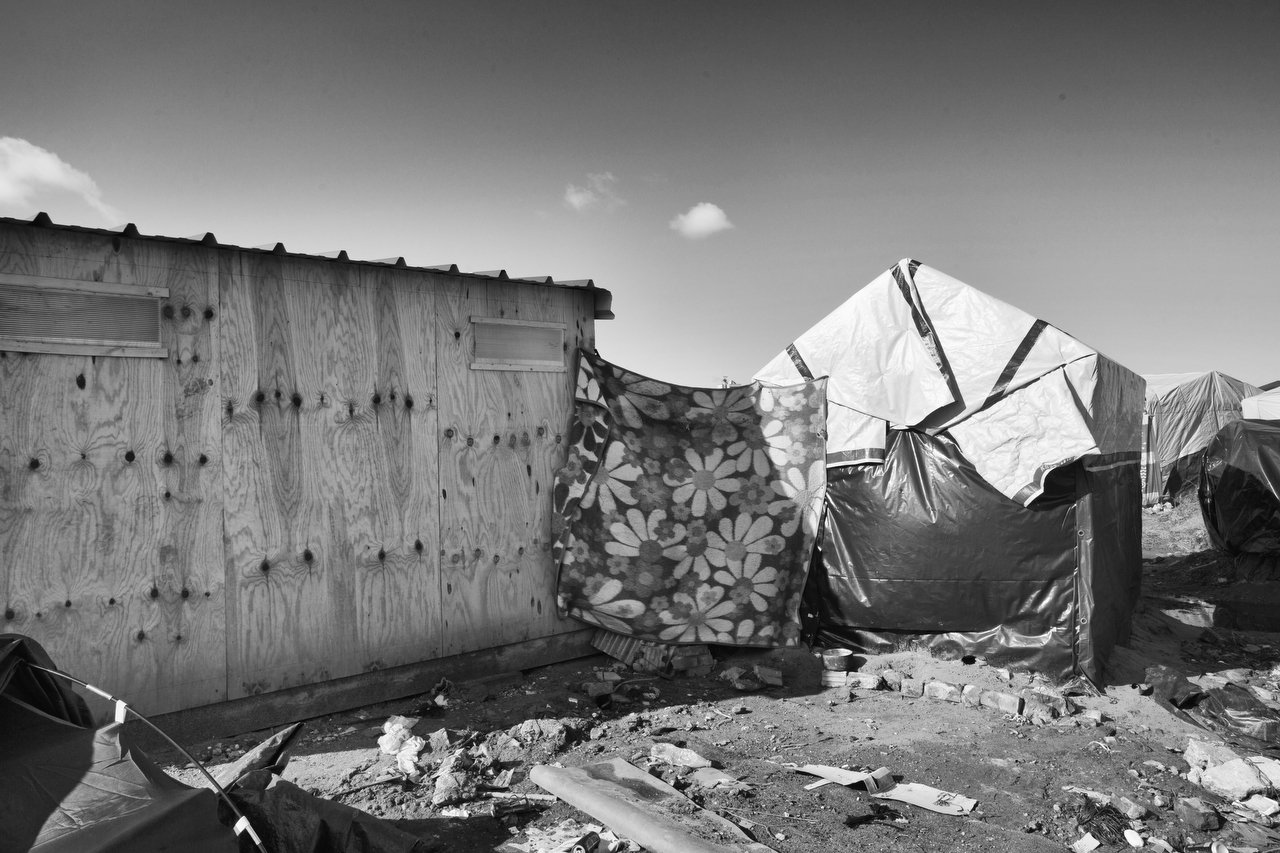
The Jungle is a ghetto in the undergrowth near the sea where refugees and asylum-seekers have moved their "apartments," as he says in an ironic way. Before it was possible to enter the jungles, and the press was welcome, but everything has changed, and even the police avoid getting there. The jungles are formed by countries like Eritrea, Sudan, Afghanistan, Iraq, Iran, etc., and are made of plastic and whatever else they find. Years ago there was a detention center in Sangatte at the Red Cross, but in August 2001 it led to the court case for the Eurotunnel to France, and the refugee camp was finally closed in 2002.
The UK paper The Sun tabloid summed up the general feeling over Sangatte as more of an issue became the following:
"This was a quiet village center until the Red Cross Open Thread years ago. Tourists enjoyed stopping off en route to or from the nearby Calais ferries. Local children played on the beach. Now murders, shootings, stabbings, and sexual assaults are common in Sangatte. The tourists do not stop any more, and the beaches are left to refugees and their rubbish" (The Sun, 23 May 2002).
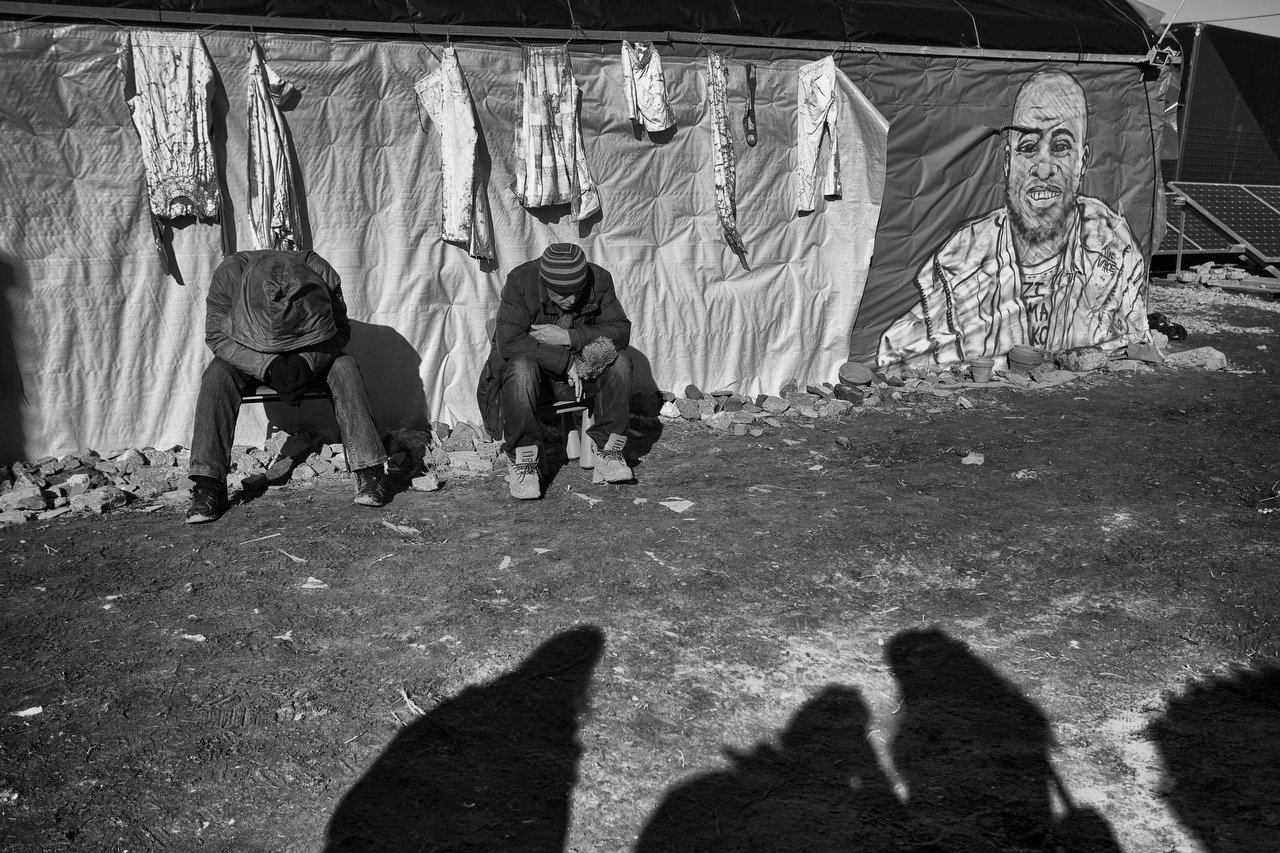
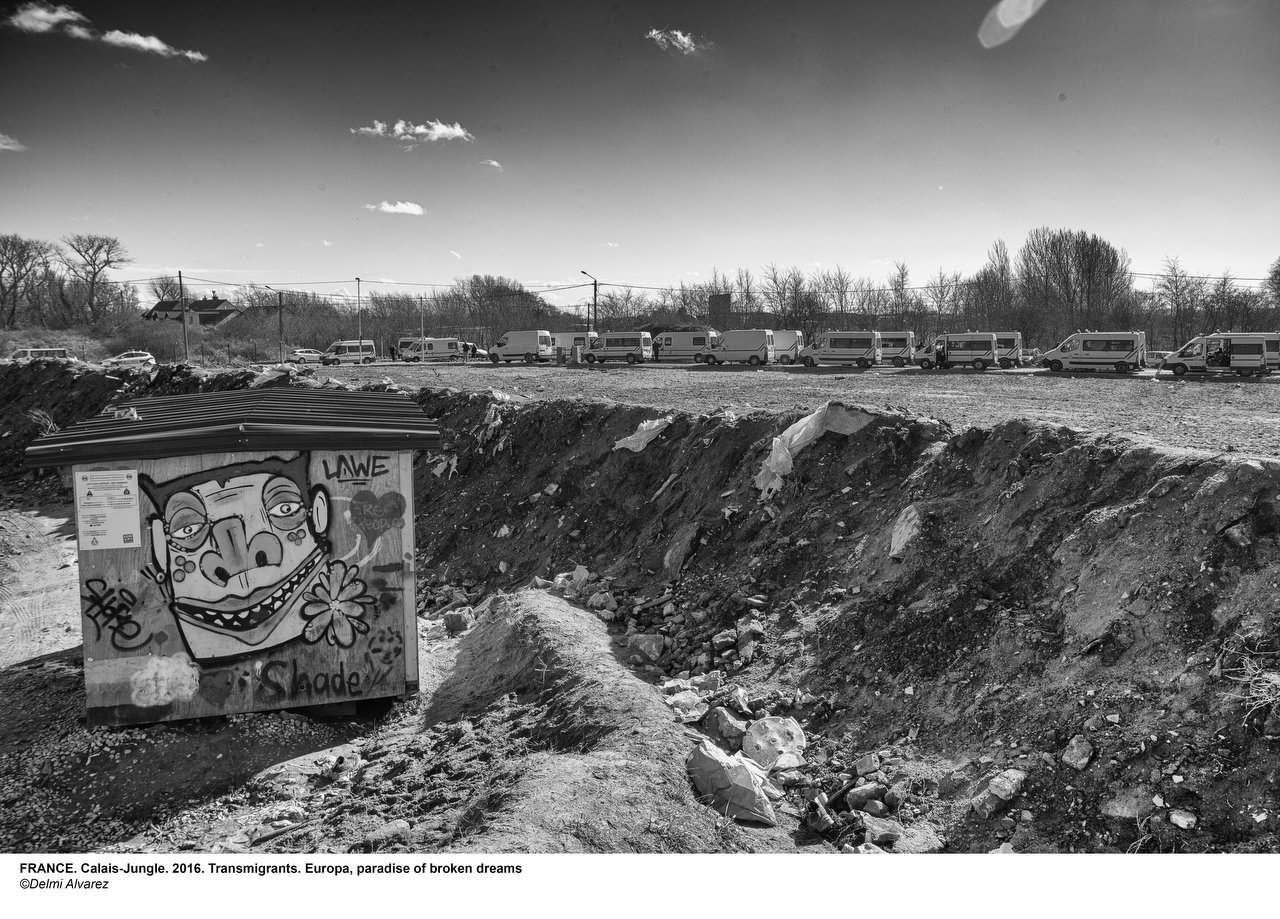
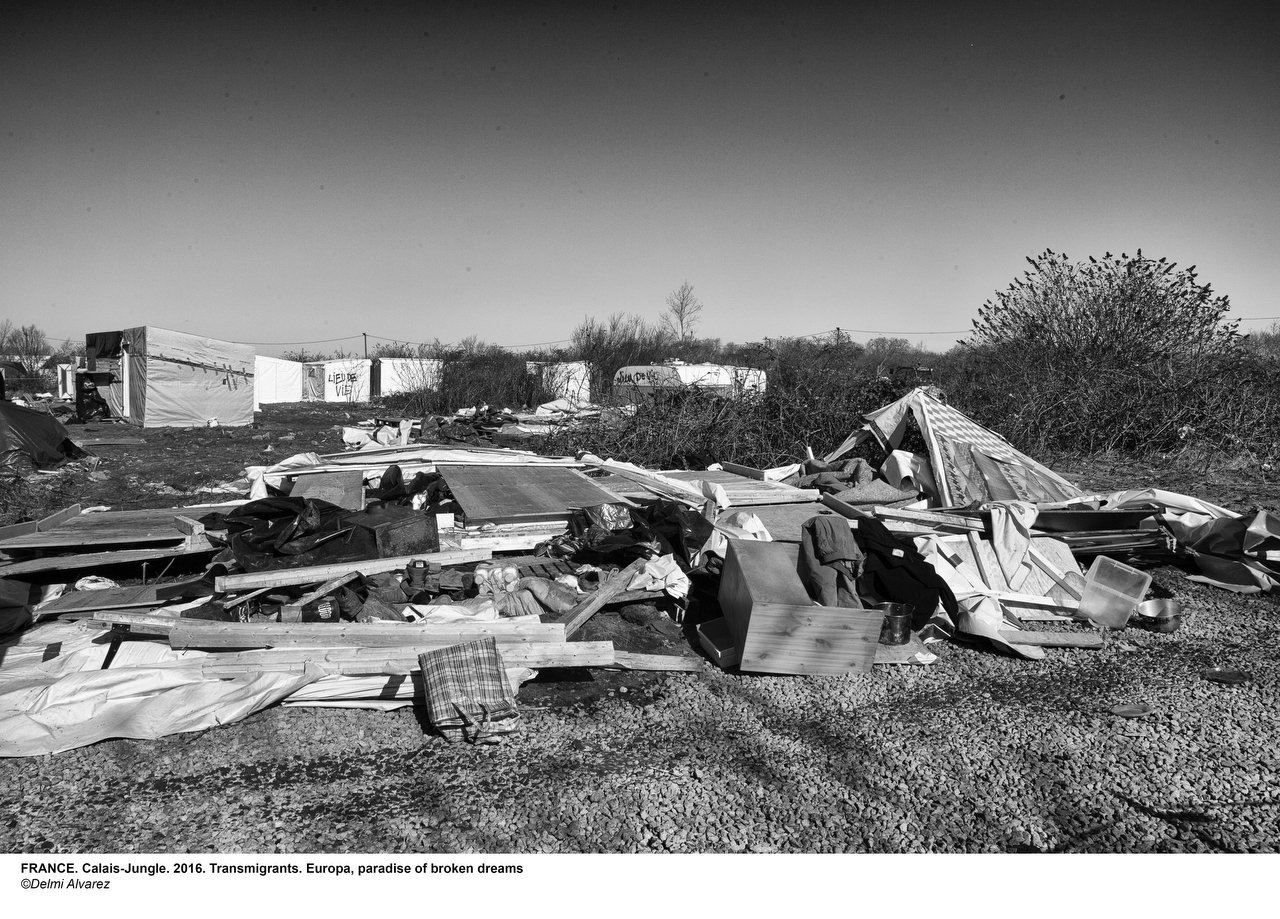
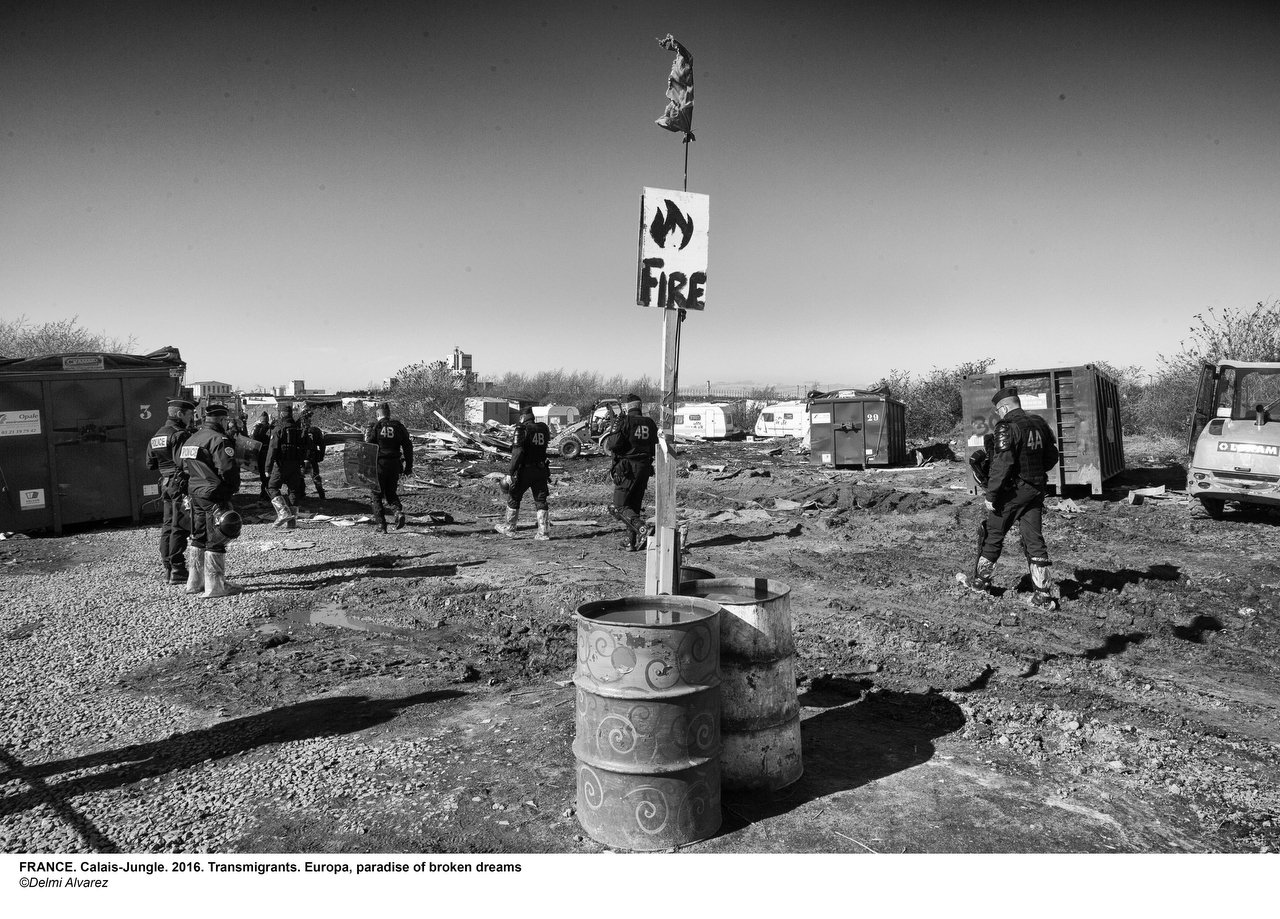
Winter is the worst enemy; the cold and snow are terrible, and survival is agony for hundreds of immigrants. The police destroyed an area of recently ravaged jungles and trees, cleaning it, but soon returned to build "apartments" in the beach area. " Entering the forest is very complicated and almost impossible unless you know some of those who live inside.
Salam.org
"Every day dawns as a great adventure," said a Pakistani boy, because you know you'll probably achieve it. "The big problem is the British police dog looking at Calais under trucks with very sophisticated methods of human presence. The dogs are highly trained to smell our presence," says a friend of Ardin's. When agents from the UK Border Agency discovered the intruders, they opened a police file, took photos, and arrested them. "They treat us much better than the French, and they know that later we will go again to try other things."
The activity at the port of Calais is continuous, 24 hours, seven days a week, and every 45 minutes there and back to get a ferry to Dover, Lats 13-19 each way, and the drivers pray that no immigrant is cast into his truck, in which case the fine is 2000 euros and other administrative sanctions even prevent you from entering England again.
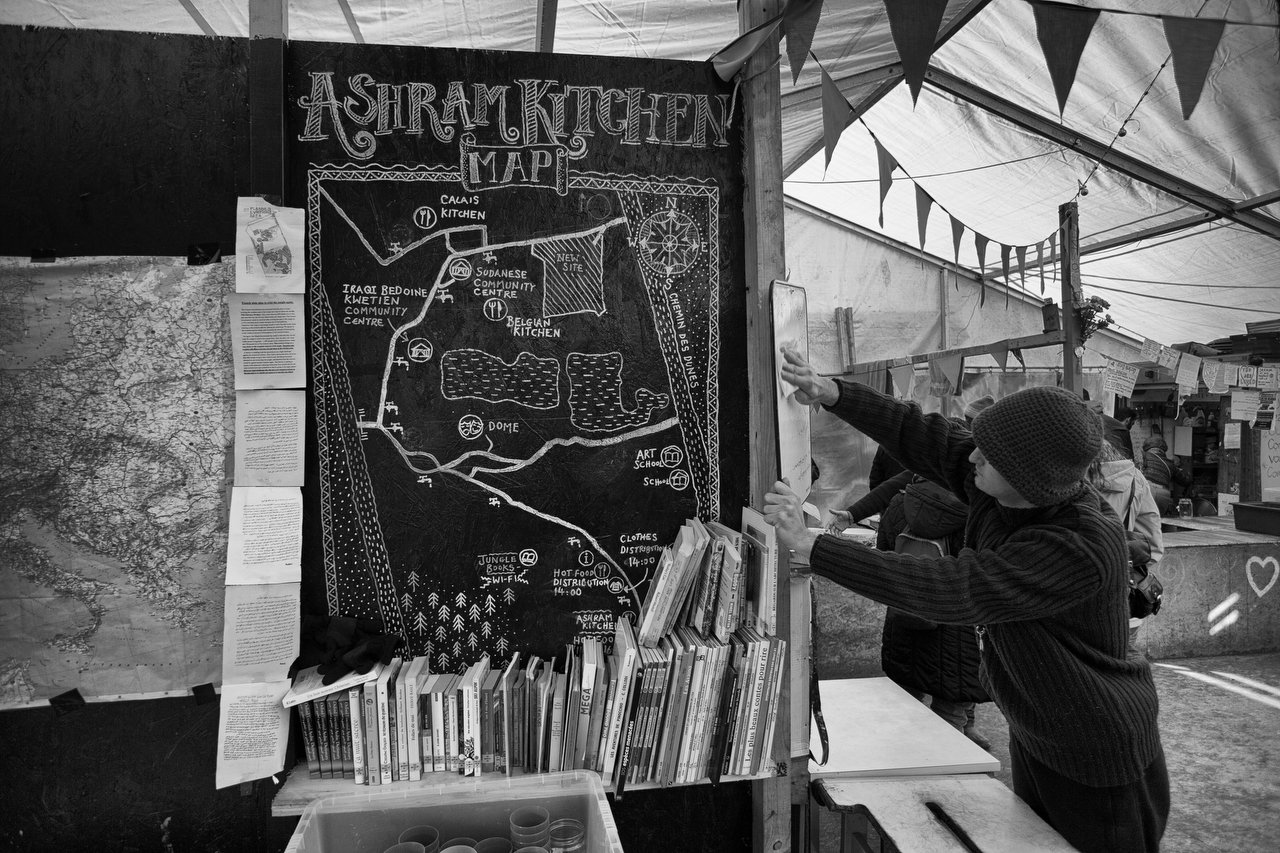
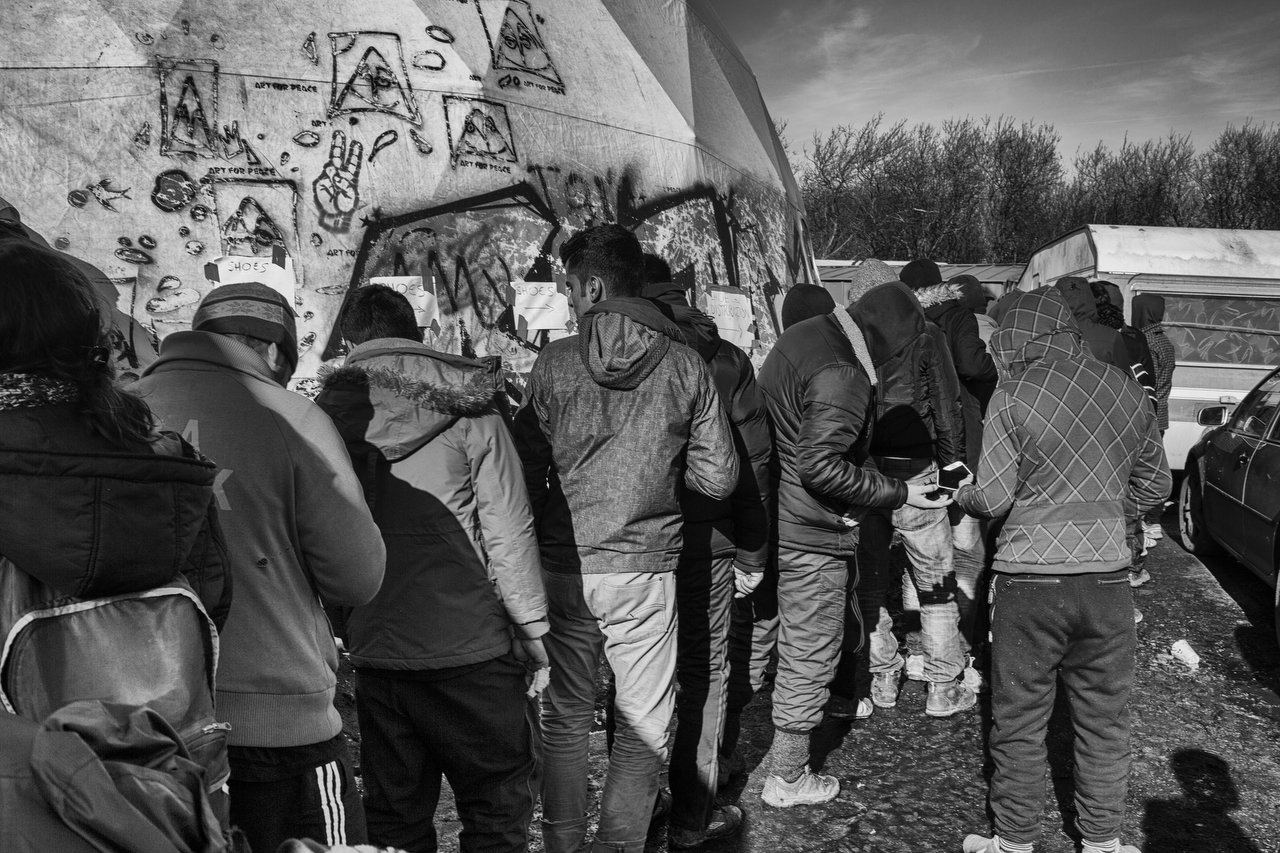
Salam is an association that provides food for refugees in Calais. Every evening at 6.30 pm a van arrives with food. But the press does not welcome this humanitarian act; the organizers of the distribution of food demand that Bad Ways not carry cameras slung over his shoulder.
During my visit, it coincided that there were two other photojournalists, a French and a Polish one, and within seconds a woman started screaming, "Organization!" and immediately mounted a huge mess on the photographers, so we retreated to the rear of that filthy and deplorable place. We wanted to try the food and were denied. Between the organization and handing out dinner was a French journalist on a TV that did not come out in defense of colleagues.
Some Moroccans talking in perfect Spanish came to help and offer their food for the tray. Mohamed crossed the border with Ceuta hidden in a truck. "I tried twice, and the second time I got it. Now I just want to get to England and see my friends and find work, but it will not be easy. After all that, I do not think going back on tour would be a failure, not knowing what to say to my family and friends.
"Go away from here," screamed a hysterical woman, and another man of the org, Salam, "I do not want the press to hide; their cameras are going to break."
In one corner of the sans-papiers are Afghan food critics, again and again, and the Albanians alike, but nobody stops coming to dinner this evening for rice with vegetables, several bananas, bread, and water, reasonable or not, but at least do not run out of dinner. Meanwhile, mixed among them are those doing business in the dark, moving drugs and money, and worth doing favors for. Not far from this underworld jungle, British officers and their dogs trained law enforcement at its best: no passage.
End/