DIRTY GOLD
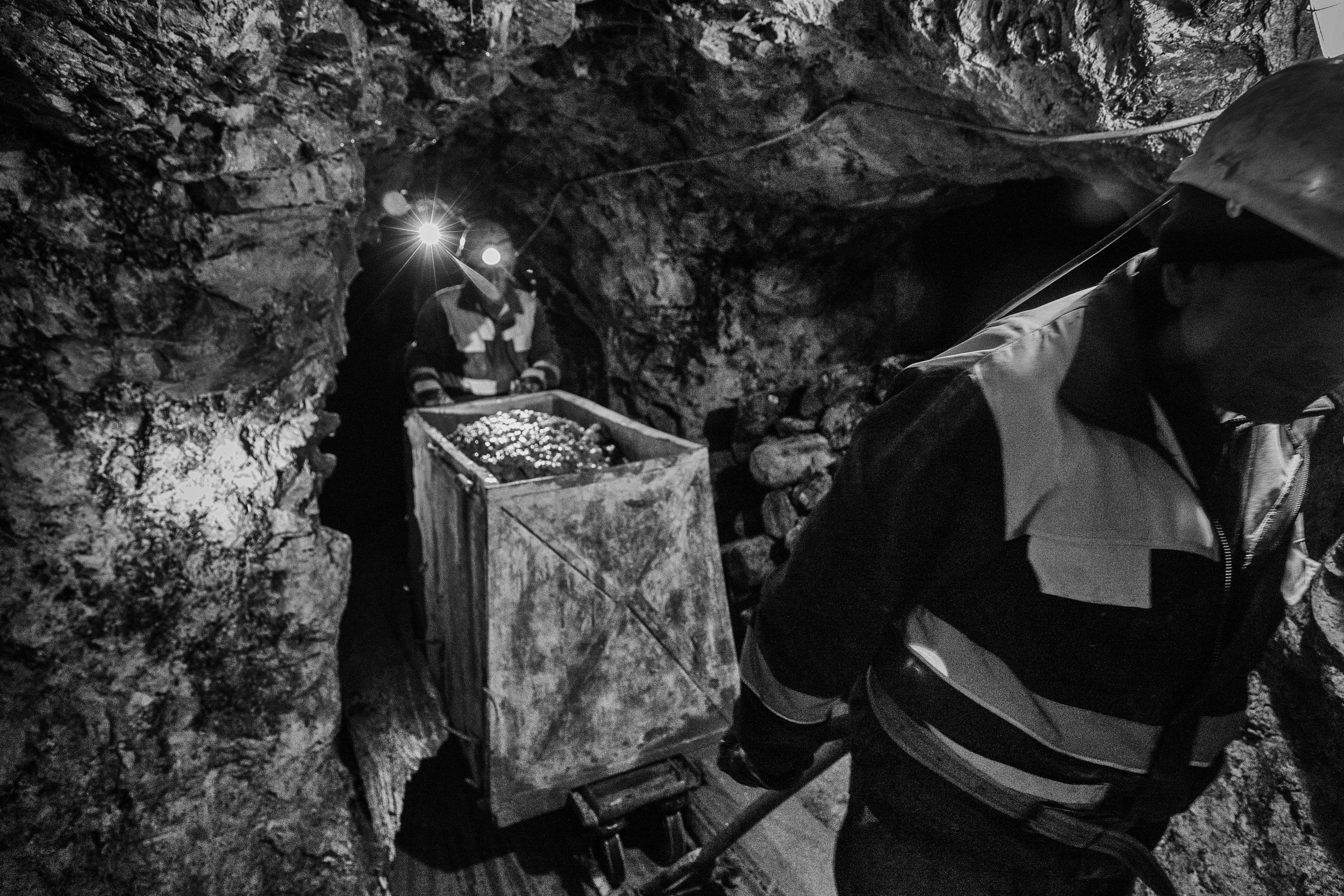
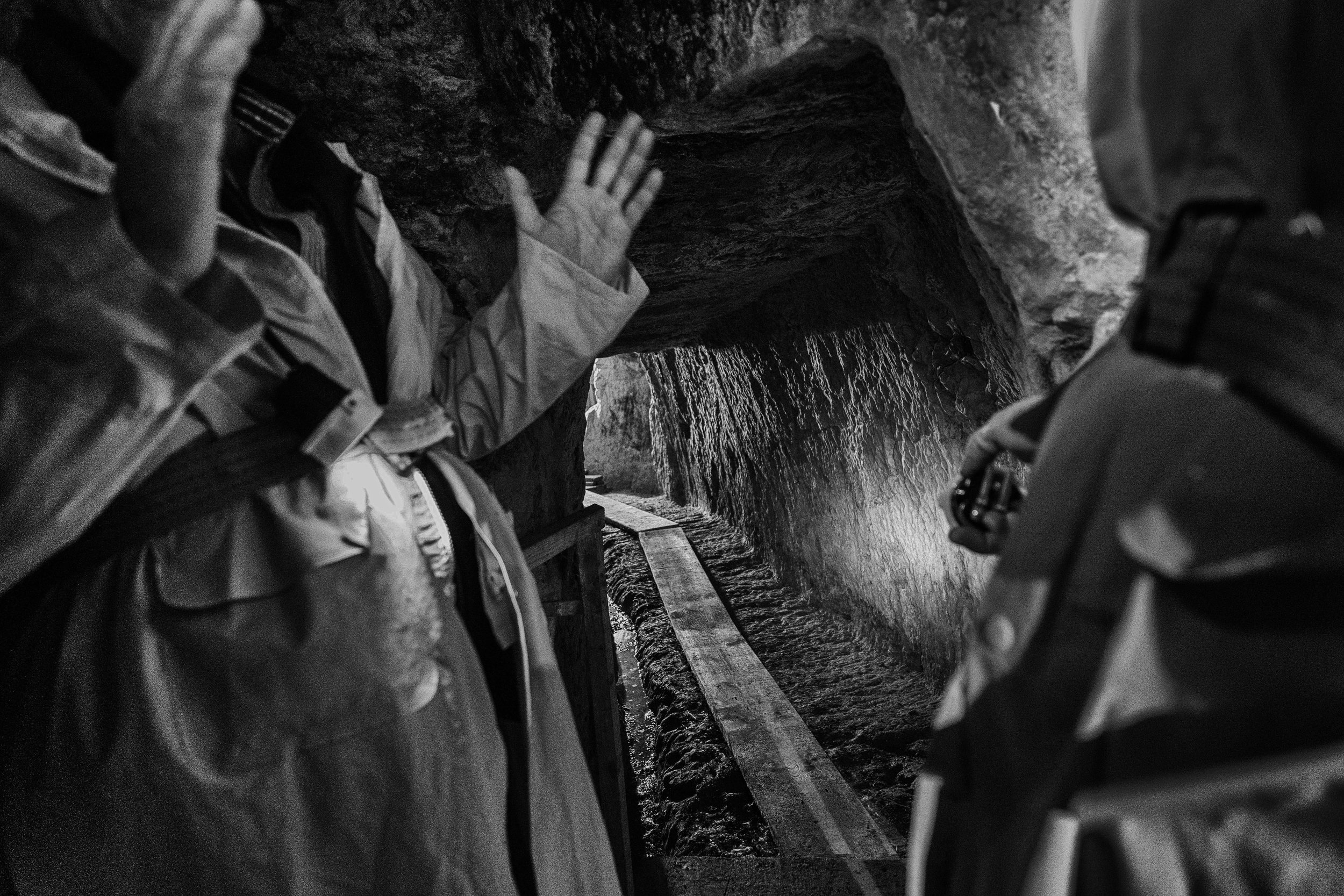
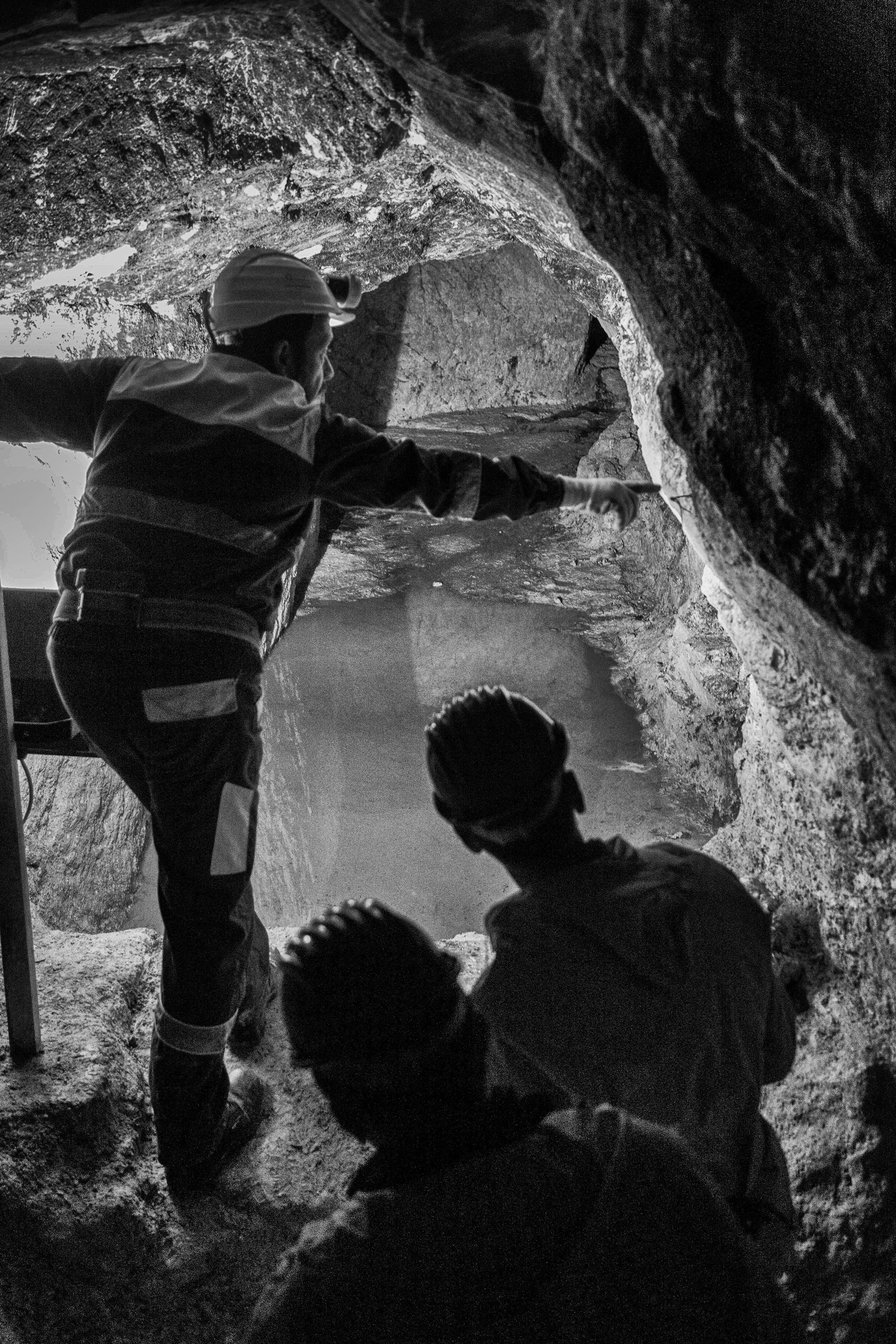
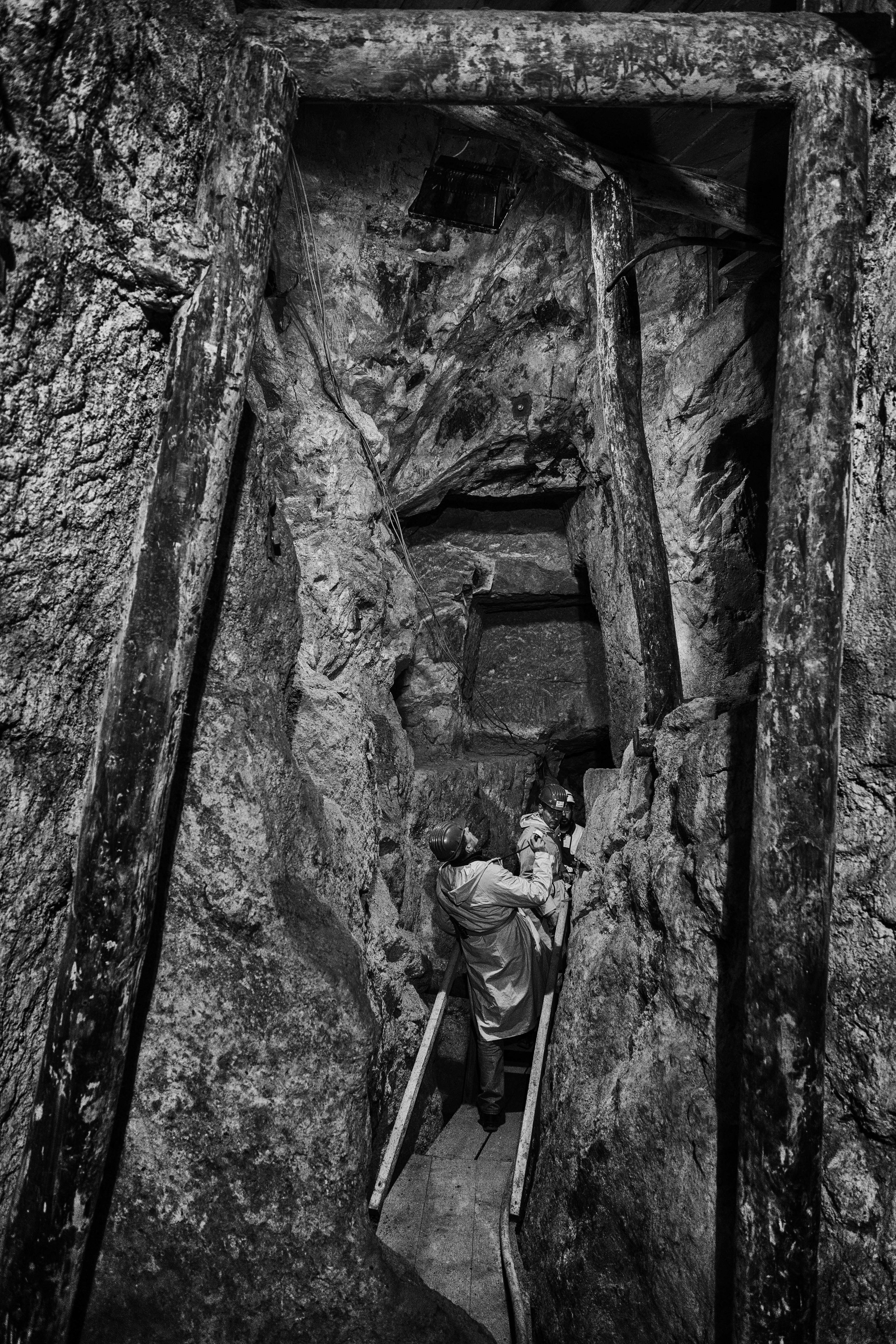
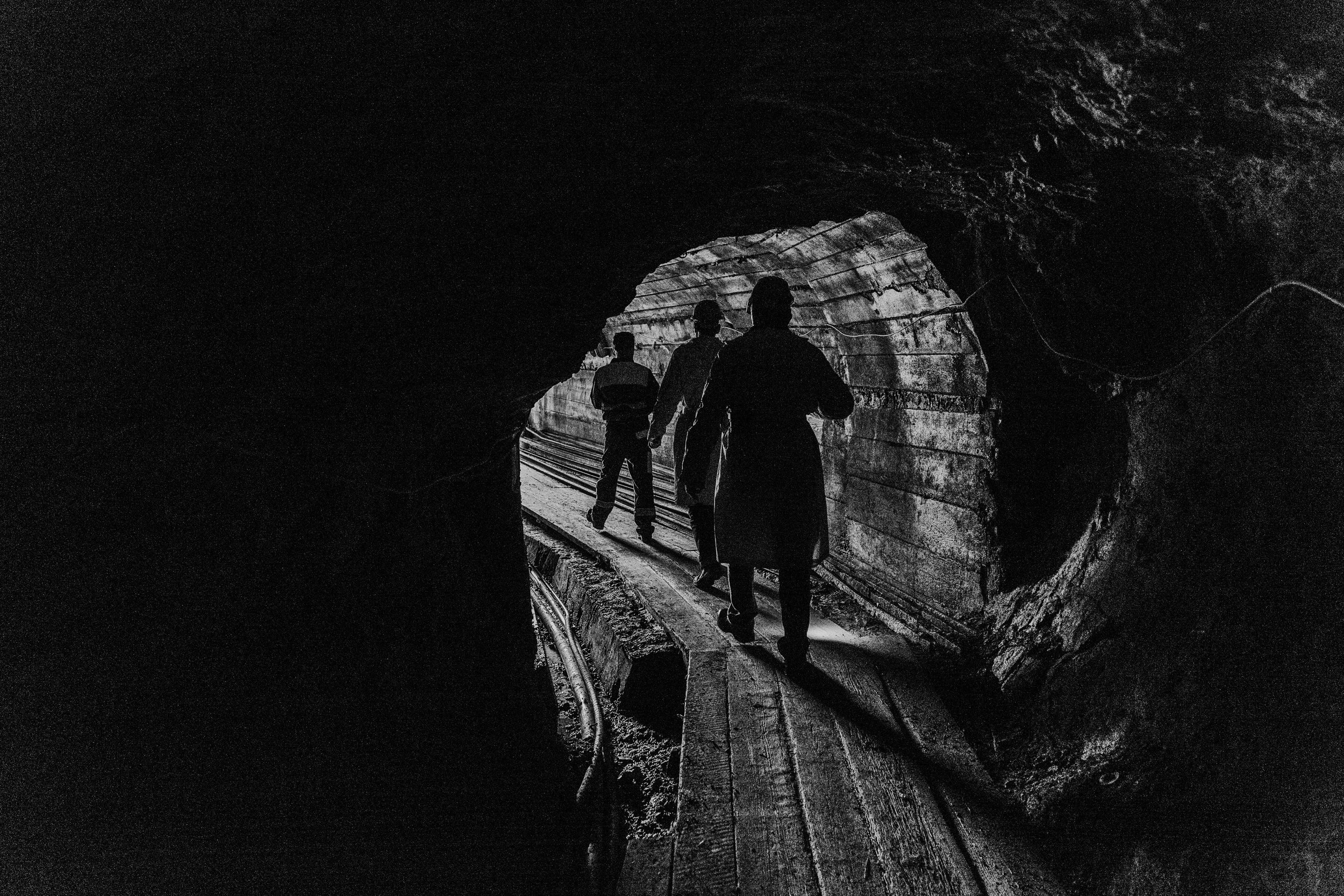
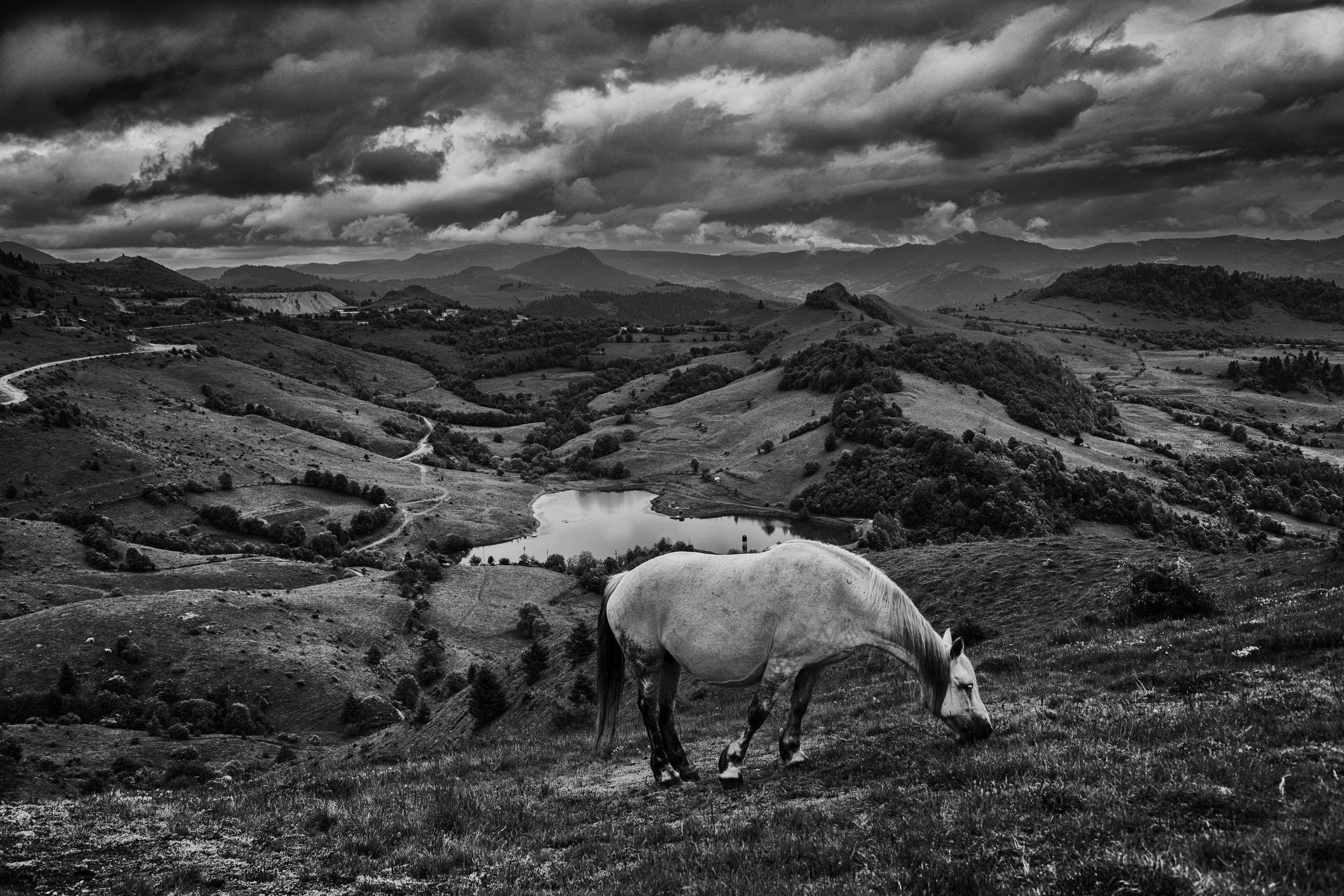
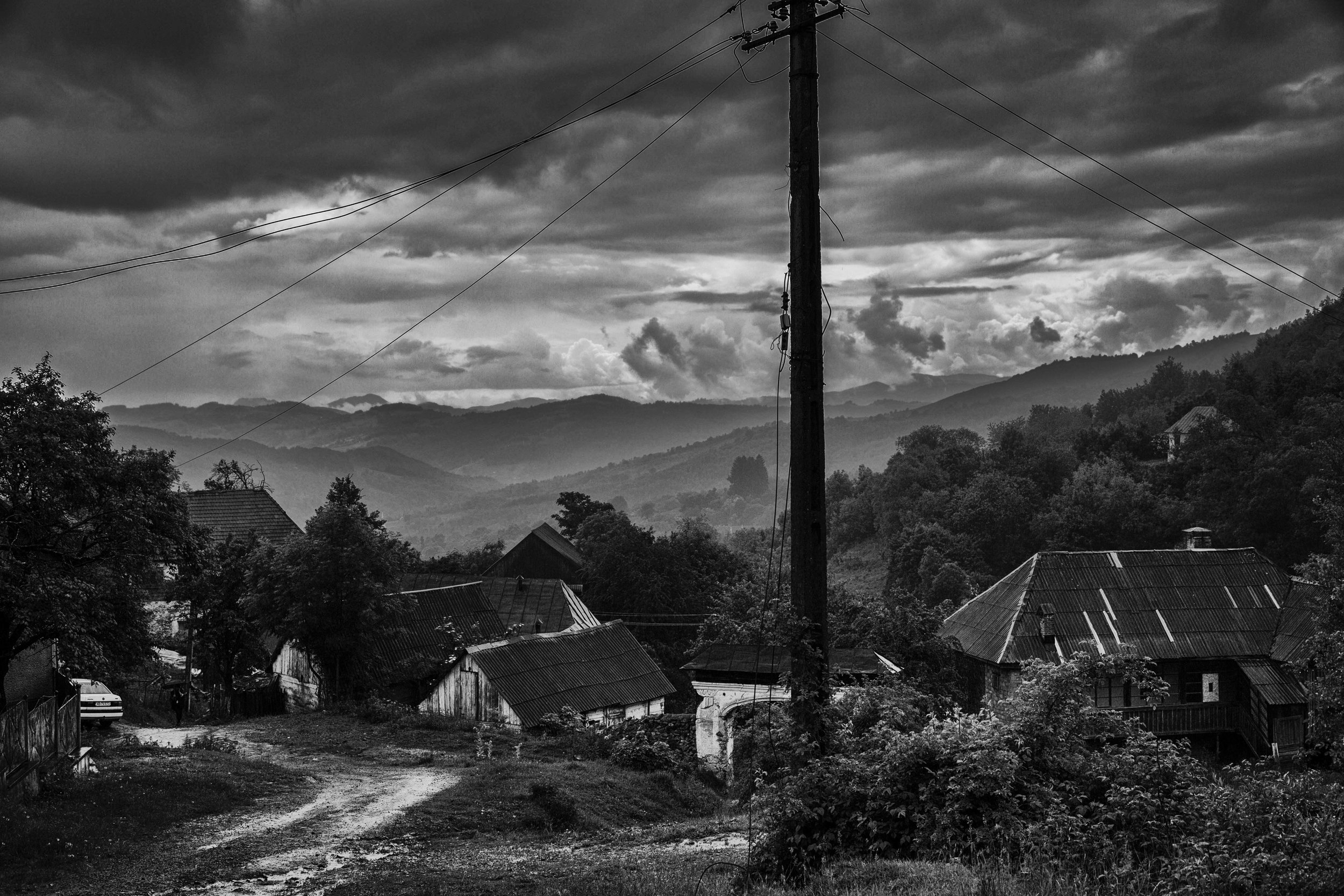
The search for gold around the world has led to environmental disasters (such as cyanide and mercury pollution) and social and armed conflicts over its control. This is a photo essay, a long-term documentary that seeks to expose the crimes against Mother Earth. The investigation focuses on Europe but also includes visits to mines in Venezuela, one of the countries where miners use mercury. The environmental impact is devastating, as is the impunity enjoyed by politicians who allow mining operations. In the case of Venezuela, the gold and diamond mines are under state control.
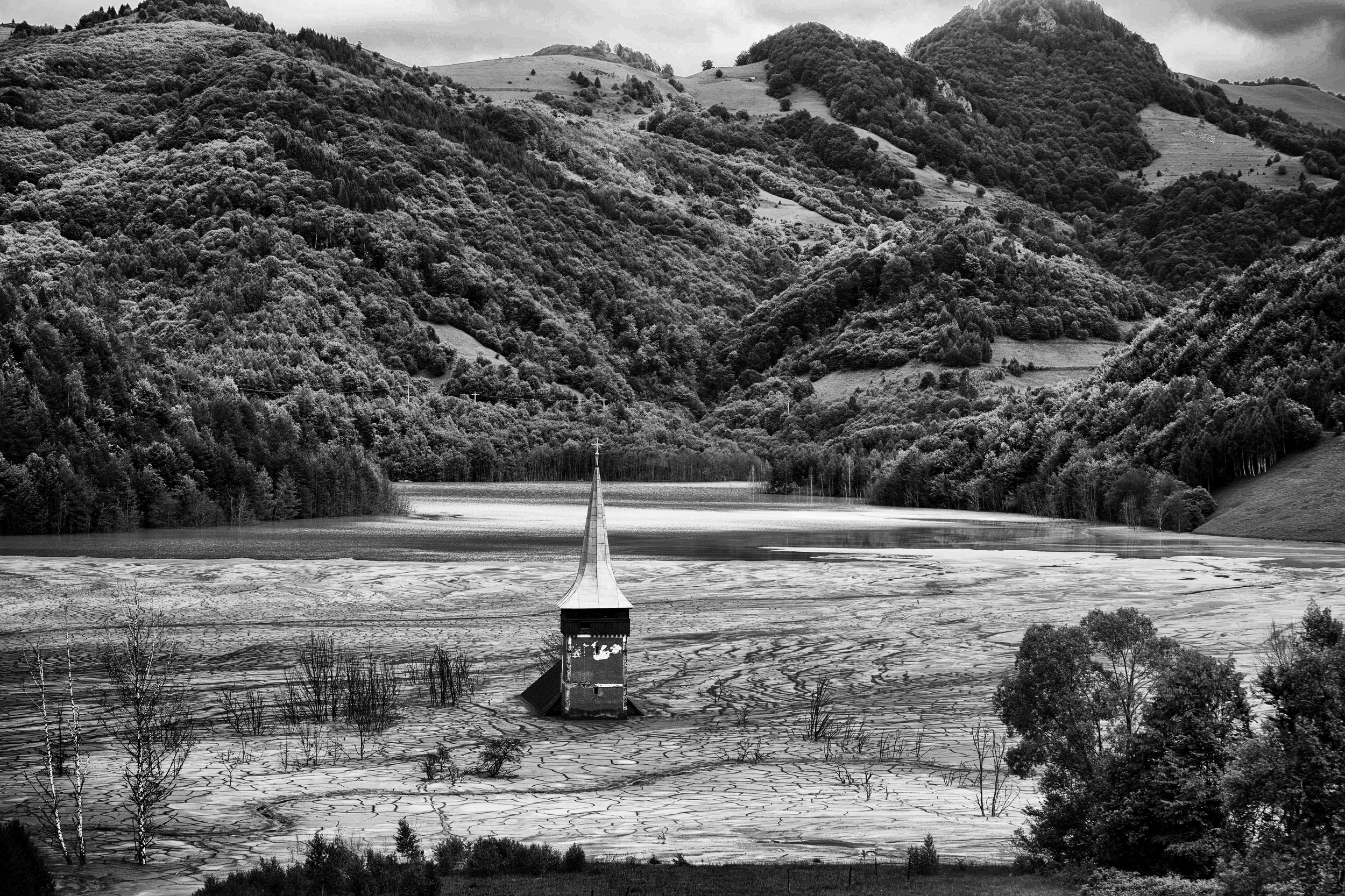
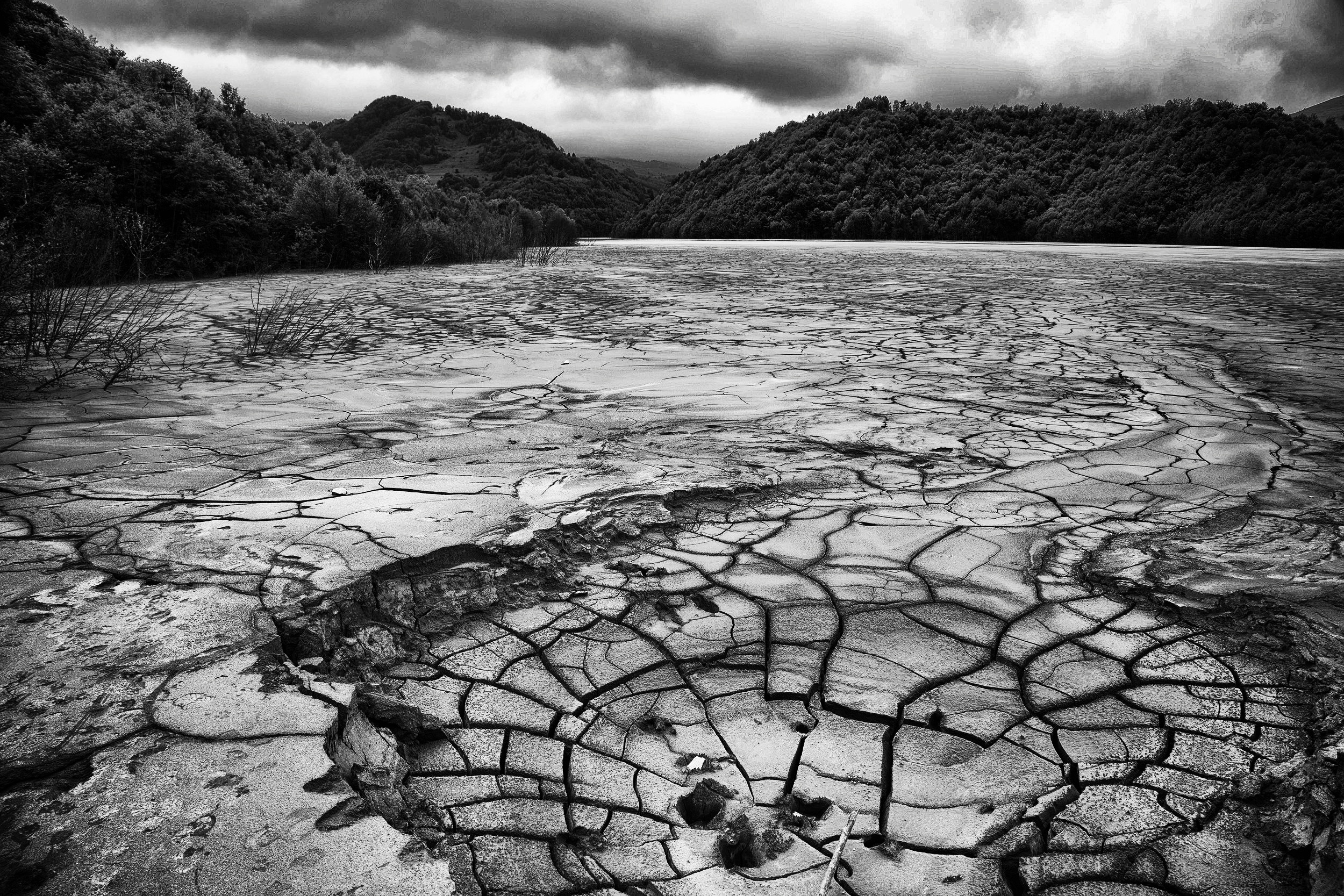
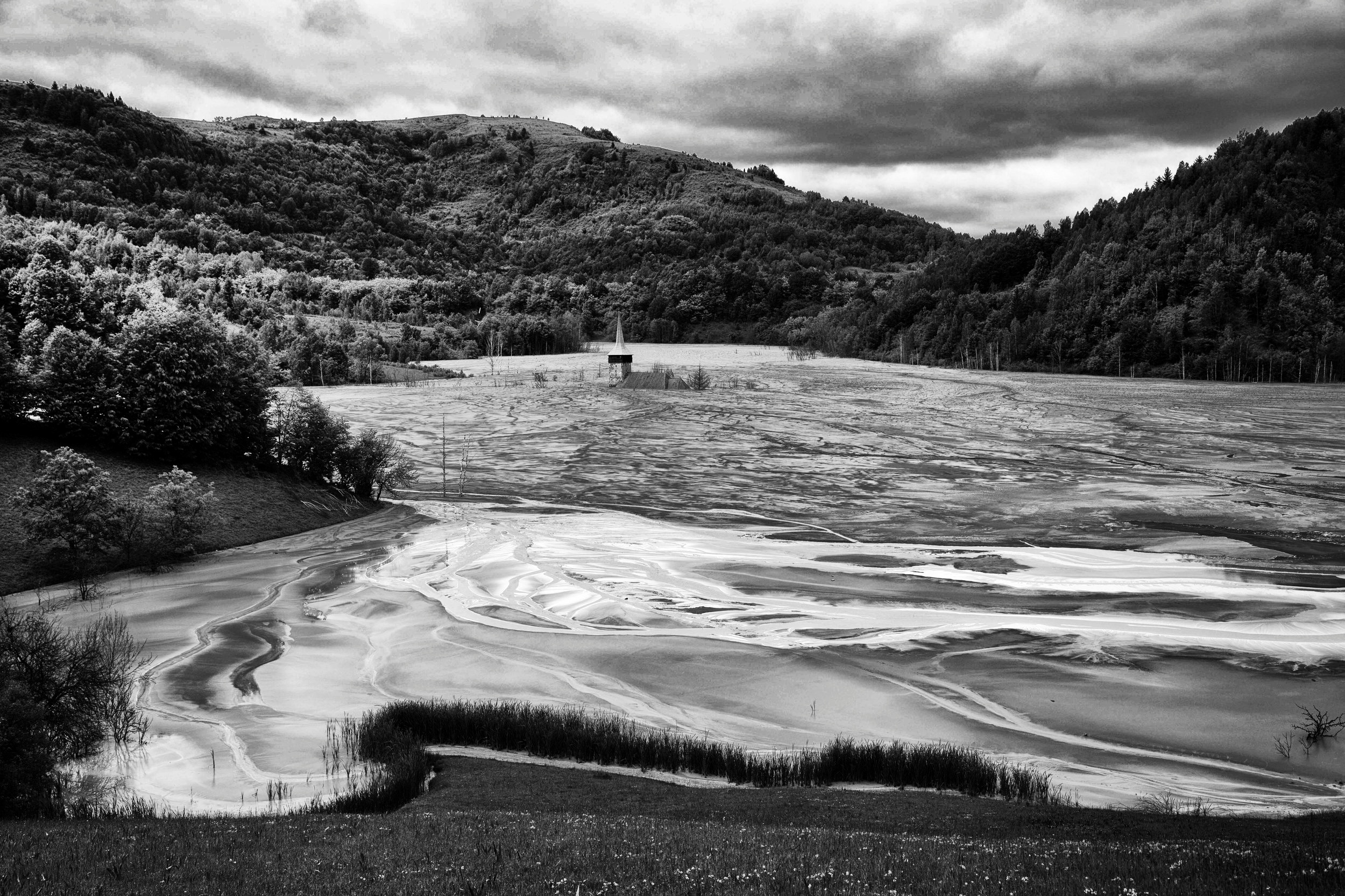
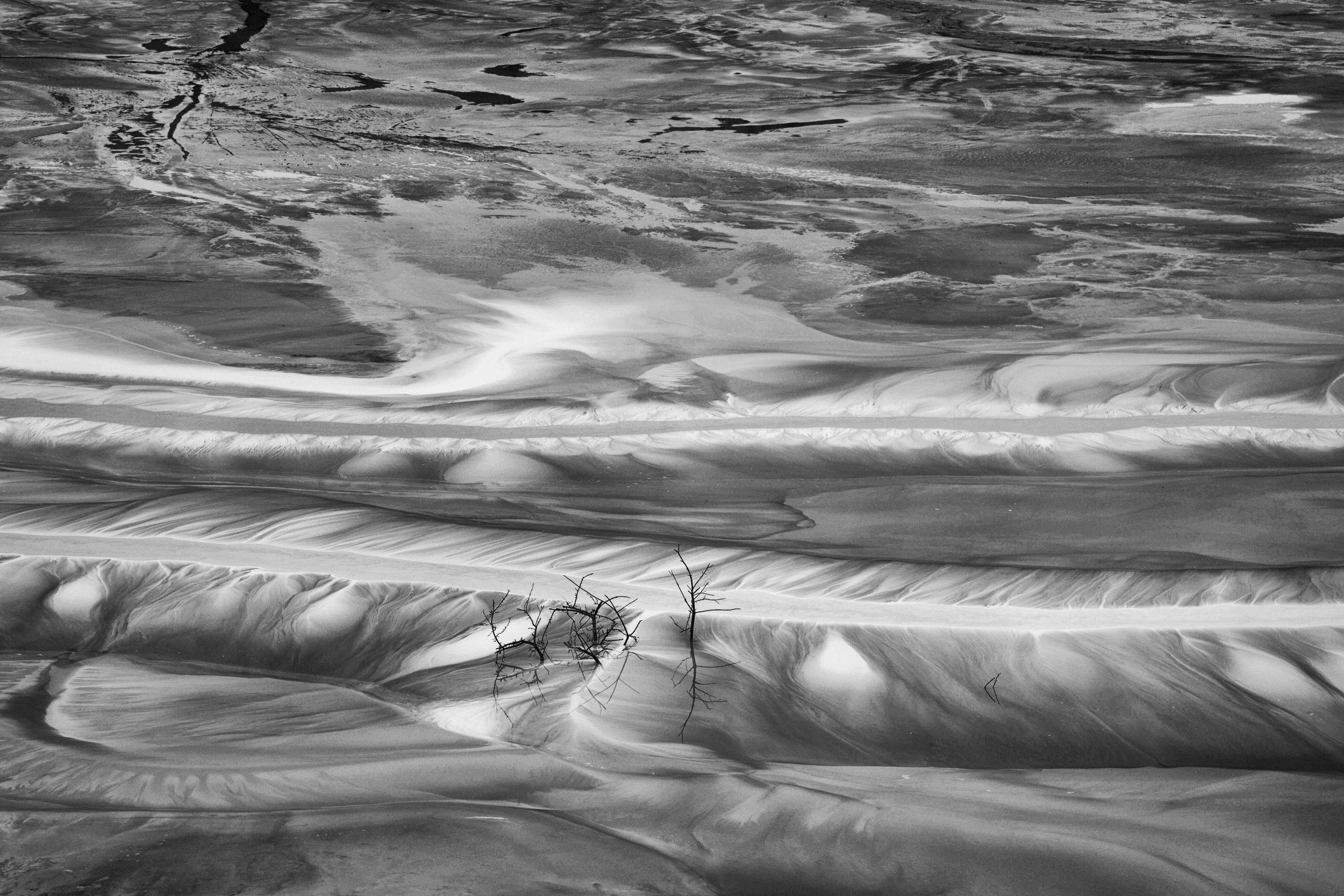
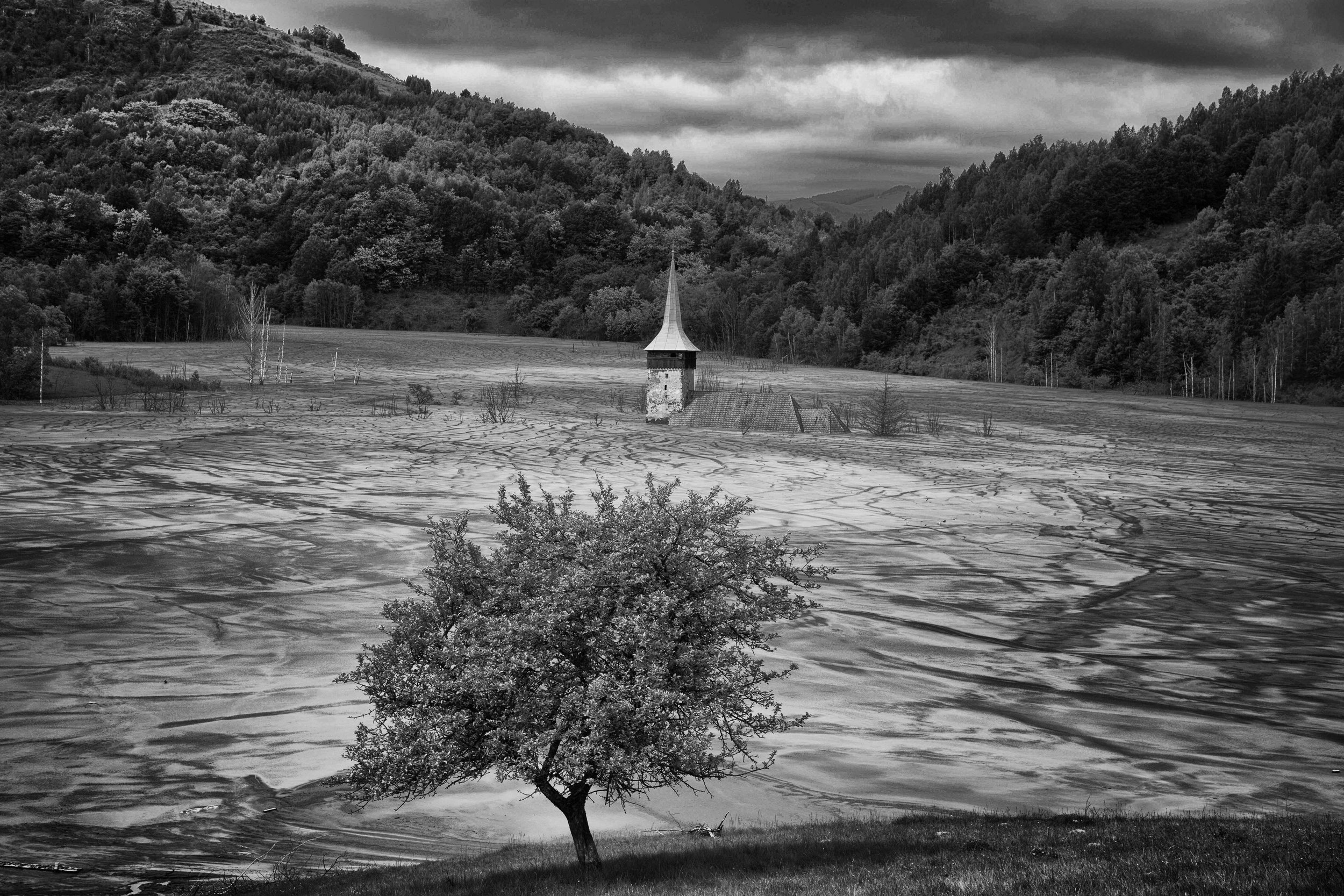
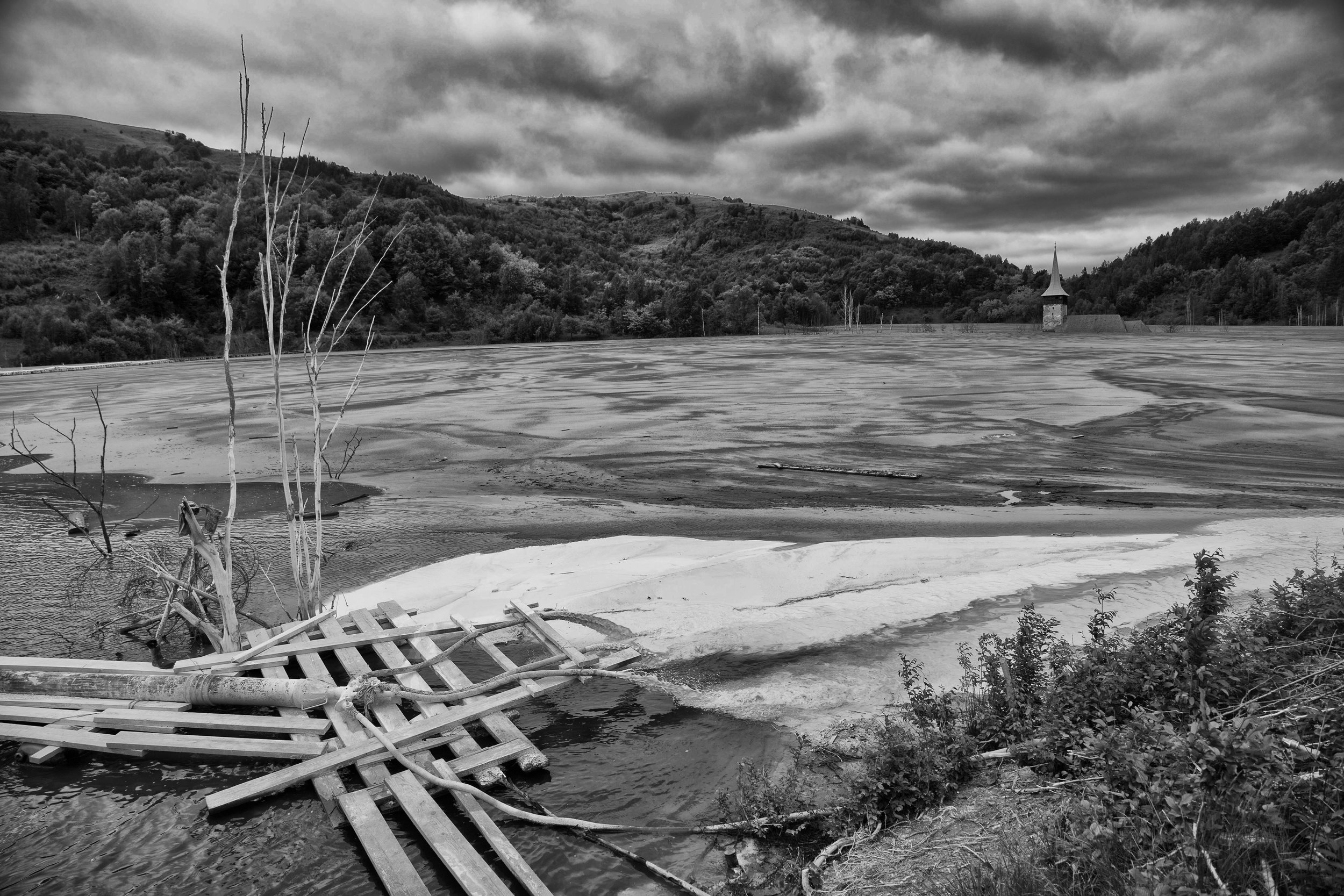
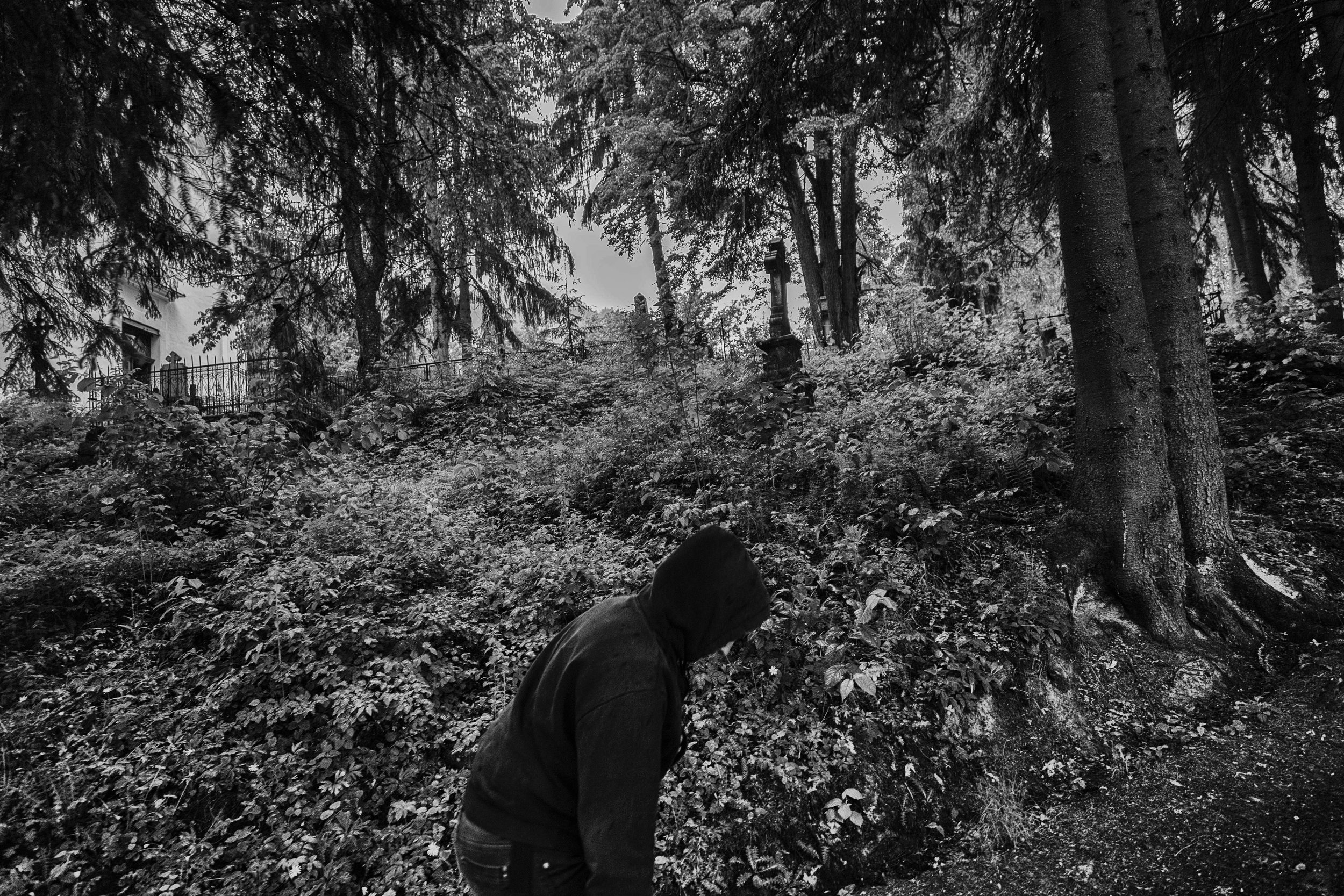
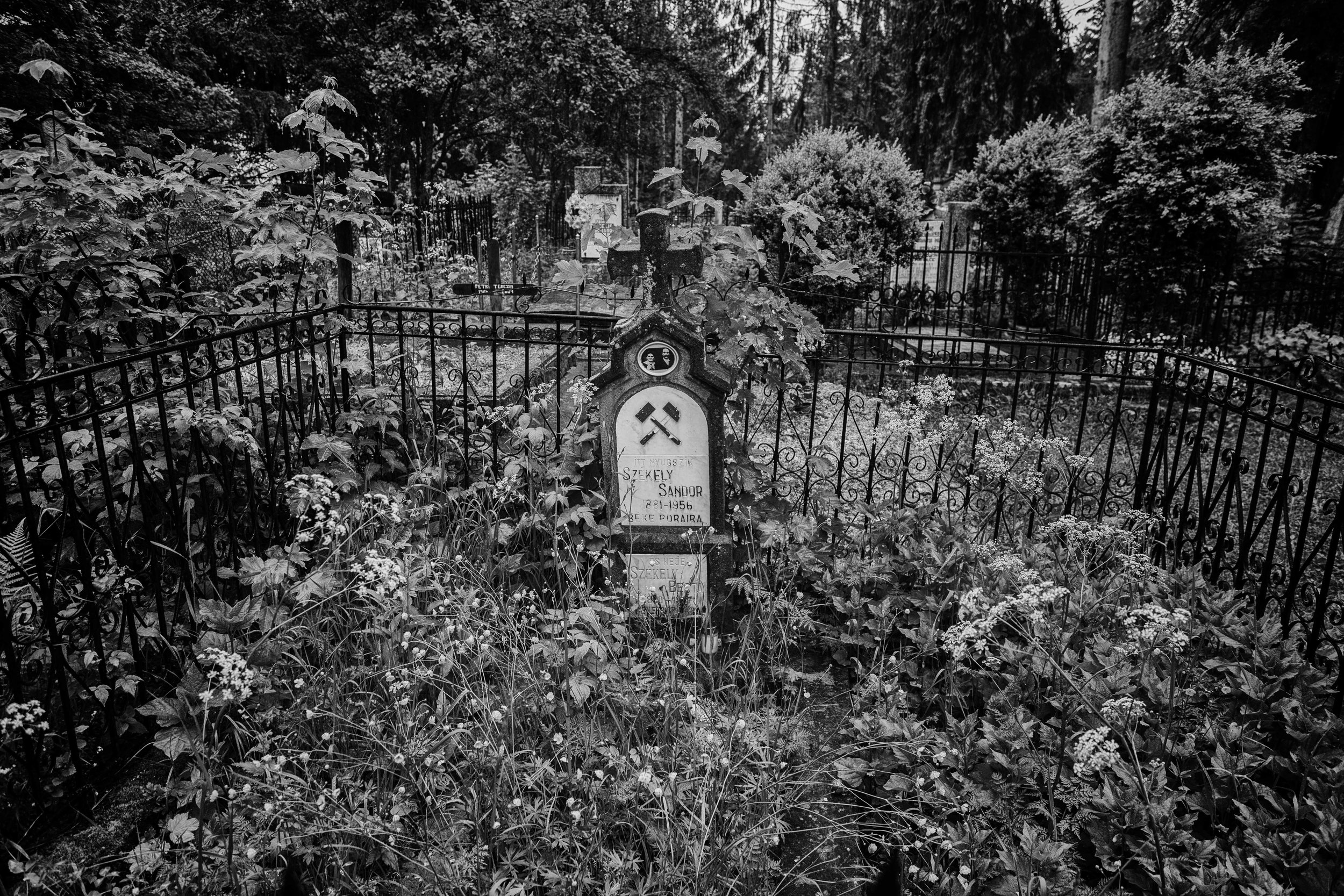
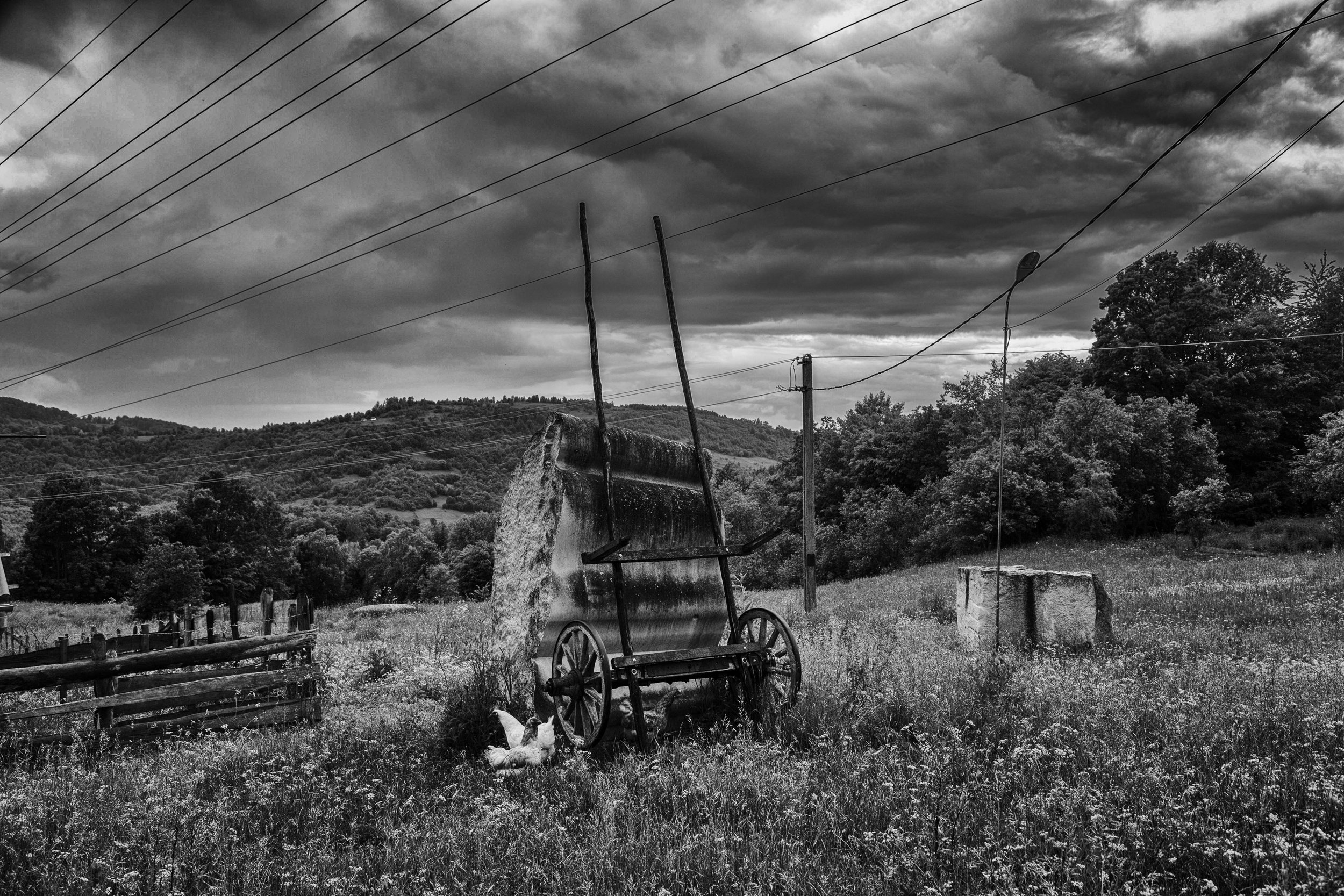
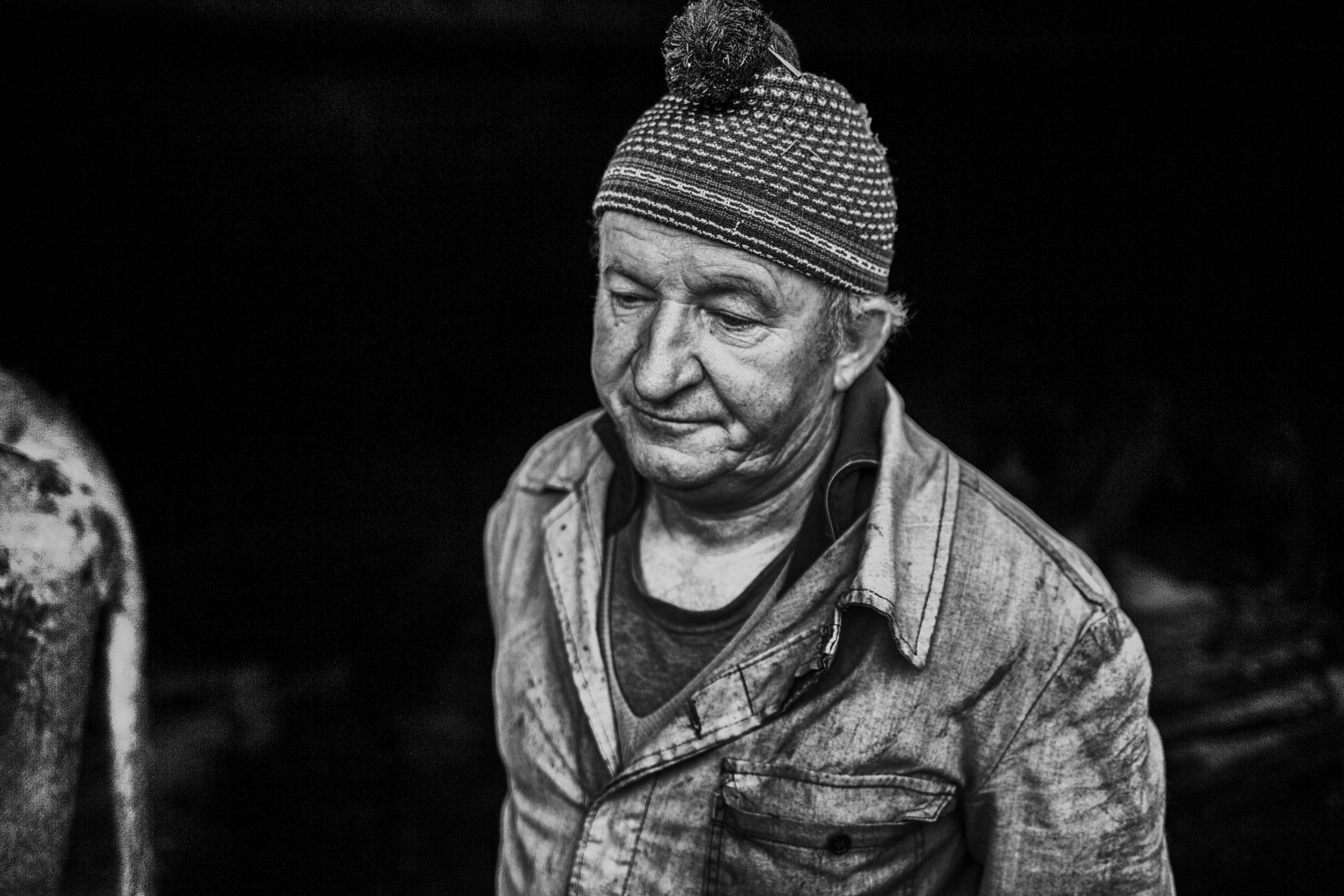
The Sesii Valley disaster: the pond of tailings covered Geamăna village, the cemetery and church. Before it was a valley and a village, now it's a tailing pond with toxics from the open pit mine Rosia Poieni. Rumania.
The search for gold around the world has caused environmental disasters (such as cyanide and mercury pollution) and social and armed conflicts over its control. This is a photo essay, a long-term documentary that seeks to expose the crimes against Mother Earth. The investigation focuses on Europe but also includes visits to mines in Venezuela, one of the countries where miners use mercury. The environmental impact is terrible, as is the impunity of the politicians who allow mining. In the case of Venezuela, the gold and diamond mines are under state control, but every day, under a scorching sun, garimpeiros (illegal miners) operate with impunity, using the devastating mercury.
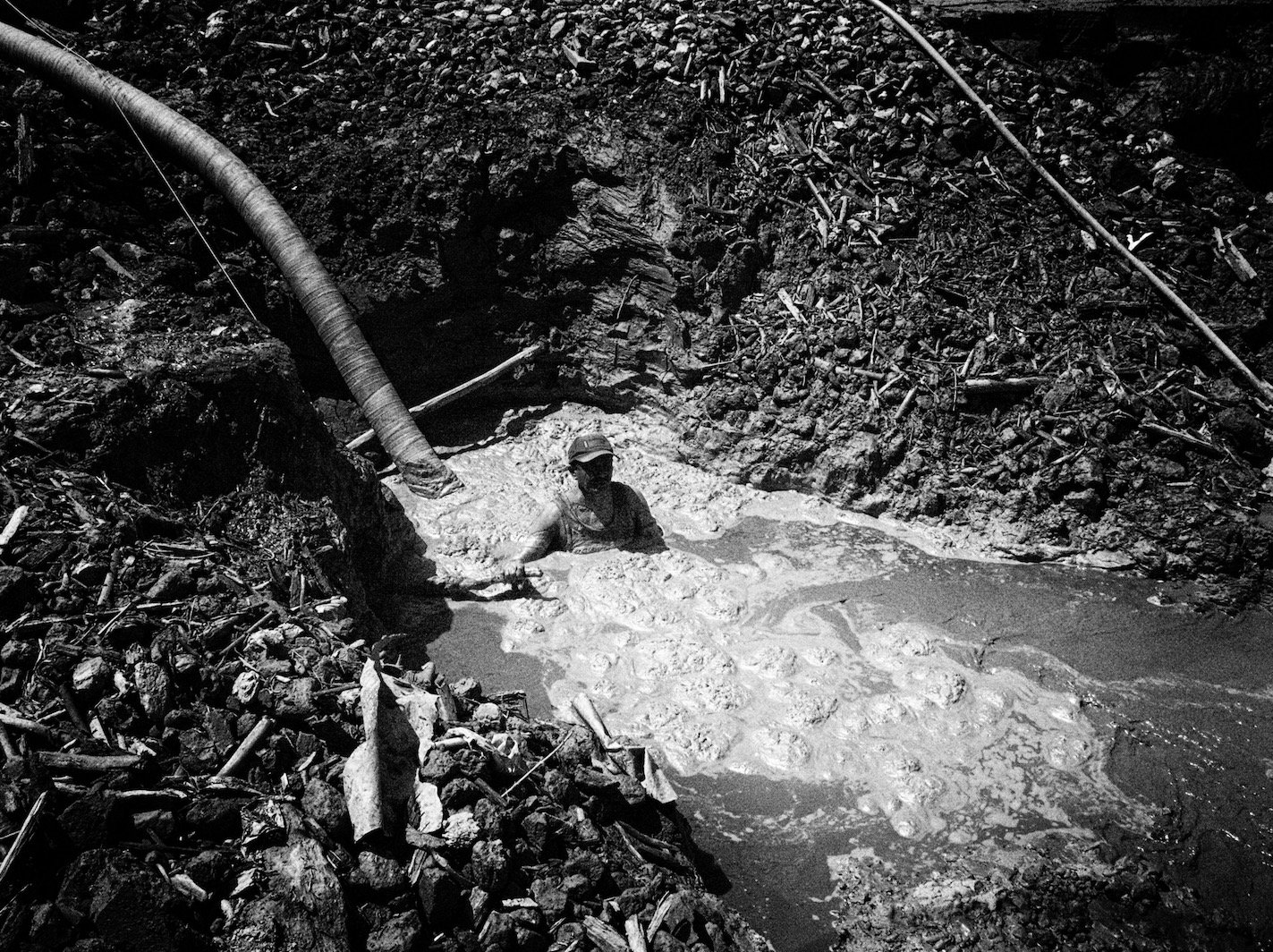
Gold mine in Venezuela. A garimpeiro (illegal gold miner) ignores the toxicity of the waste dumped in a gold mine. This ignorance causes many deaths from high toxicity among the people who scavenge daily in the mining company's waste. When the mine closes, they reopen it to continue searching among all the disturbed and highly toxic earth for a tiny gold nugget, which, washed with mercury using artisanal methods, provides sustenance for their families. Near these mines, small towns spring up where lust, alcohol, child prostitution, drugs, and murder are part of a private law of the jungle. Nothing leaves this little Las Vegas; everything stays where it originated, and the gold is taken by intermediaries to be sold on the black market.
During several visits for a documentary about gold mining, going out for dinner and entertainment in one of those mining towns meant a lot. People carry weapons, mostly weapons, because with guns, the shell casings remain in the cylinder; they don't fall to the ground, there's no evidence, and the witnesses remain silent and complicit. It's an imposed and unpunished law. Tomorrow, you could be the one who has to shoot someone who has raped your wife or your daughters. on their hips, a modern-day Wild West, where alcohol, women, drugs, and child prostitution reign supreme. It's brutal to say, but it's the reality of an underworld where you can't look someone in the eye when they notice you. A bullet can end someone's life, and the next day, no one will mourn or bury them. Military, police—everything is carefully kept quiet, and a life is worth very little.
Mercury is used in artisanal and small-scale mining to separate gold from sand or rock. It is mixed with the material, forming an "amalgam" (alloy). When this mixture is heated, the mercury evaporates, leaving the gold behind and releasing highly toxic fumes into the environment.
Health Impact
Mercury is a highly toxic heavy metal. During the burning of dental amalgam, inhaling its fumes irreversibly damages the central nervous system, kidneys, and lungs. Furthermore, mercury accumulates in food chains, affecting local communities that consume contaminated fish.
Environmental Contamination
The released mercury seeps into soils and water sources, contaminating entire rivers and permanently altering ecosystems. Once in the environment, it can travel long distances through the air and be deposited in forests or bodies of water.
In gold we trust
Skouries, Greece
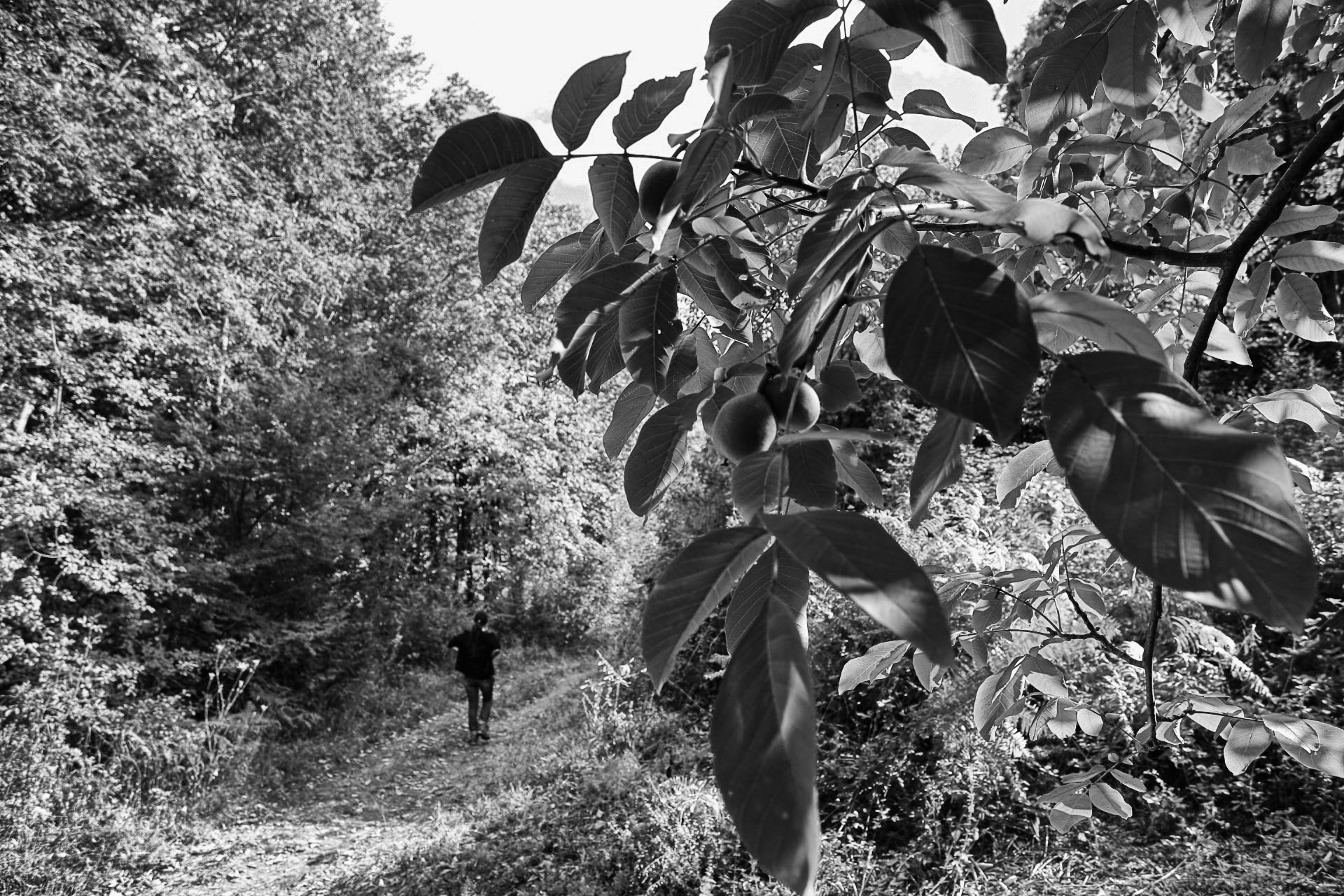
This is a long term documentary photoessay about the gold mega mining in Europe using the cyanid. The crisis is digging for gold in Europe and the gold mining projects are a controversial issue for the local people against the mines.
Most of the mines companies are based in Canada working for investors from different parts of the world including USA. The companies sign savage agreements with governments in basis that in the European Union the use of cyanid is not forbidden at all. The aftermath and consequences of using this toxic and other chemical products are a headache for farmers, fishermen, and many small private companies.
The water is one of the main sources of life in all the areas affected. Mining companies use the water of the rivers in the process of extraction the gold from the rocks where the gold is microscopic. The process use millions of liters of water mixed with cyanid and other toxic heavy metals creating destruction and contamination wherever the water run. Governments, mining companies and politicians are all accomplices of the situation and their hands are full of dirty gold.
The case of Skouries.
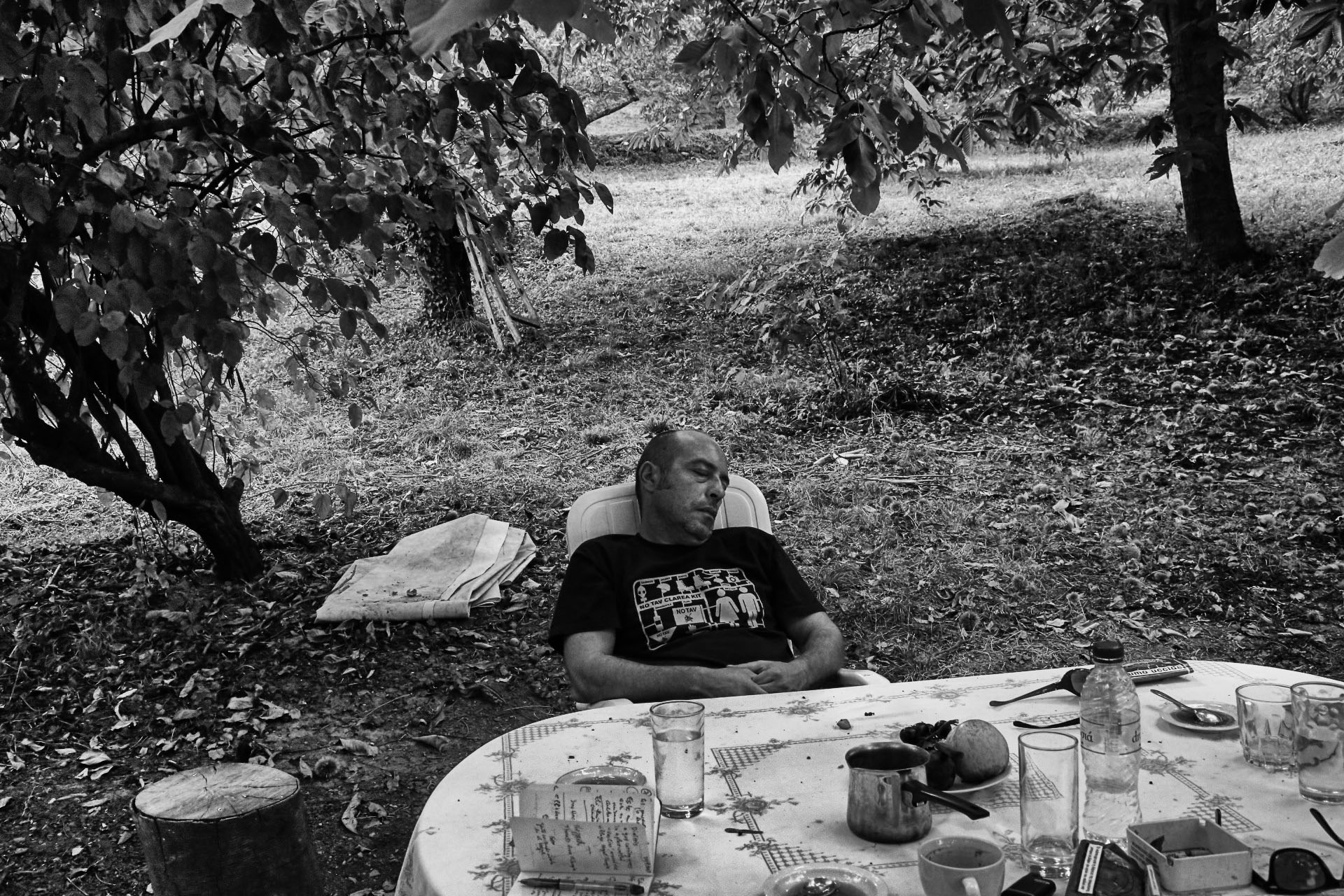
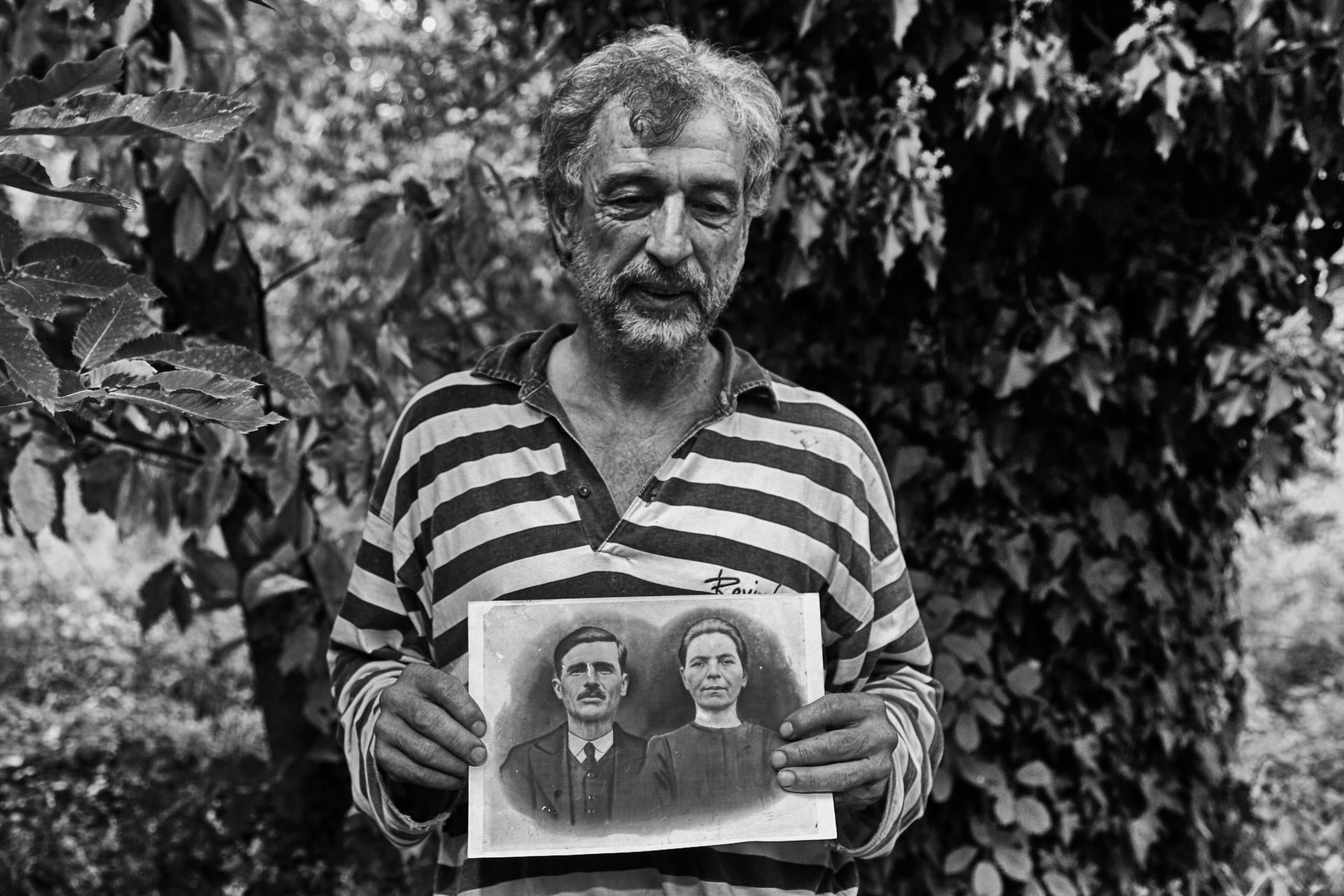
George lives in a house in the middle of the woods, inherited from his grandparents and parents, a haven of peace, trees, and solitude. The mining company began by making short visits, gradually increasing the pressure to abandon and sell the house and the land, a property of interest to the mine. He has been beaten, received death threats, and hasn't moved from there, but I haven't heard from him since 2015. He is a very kind person; he offered us tea and coffee. He has no interest in the city and only goes down to town to buy groceries every now and then. The mine workers have blocked his path many times and threatened him repeatedly. I hope and pray that he has endured. In the picture, he is holding a photo of his family members who lived in the house for many years, a house they built themselves.
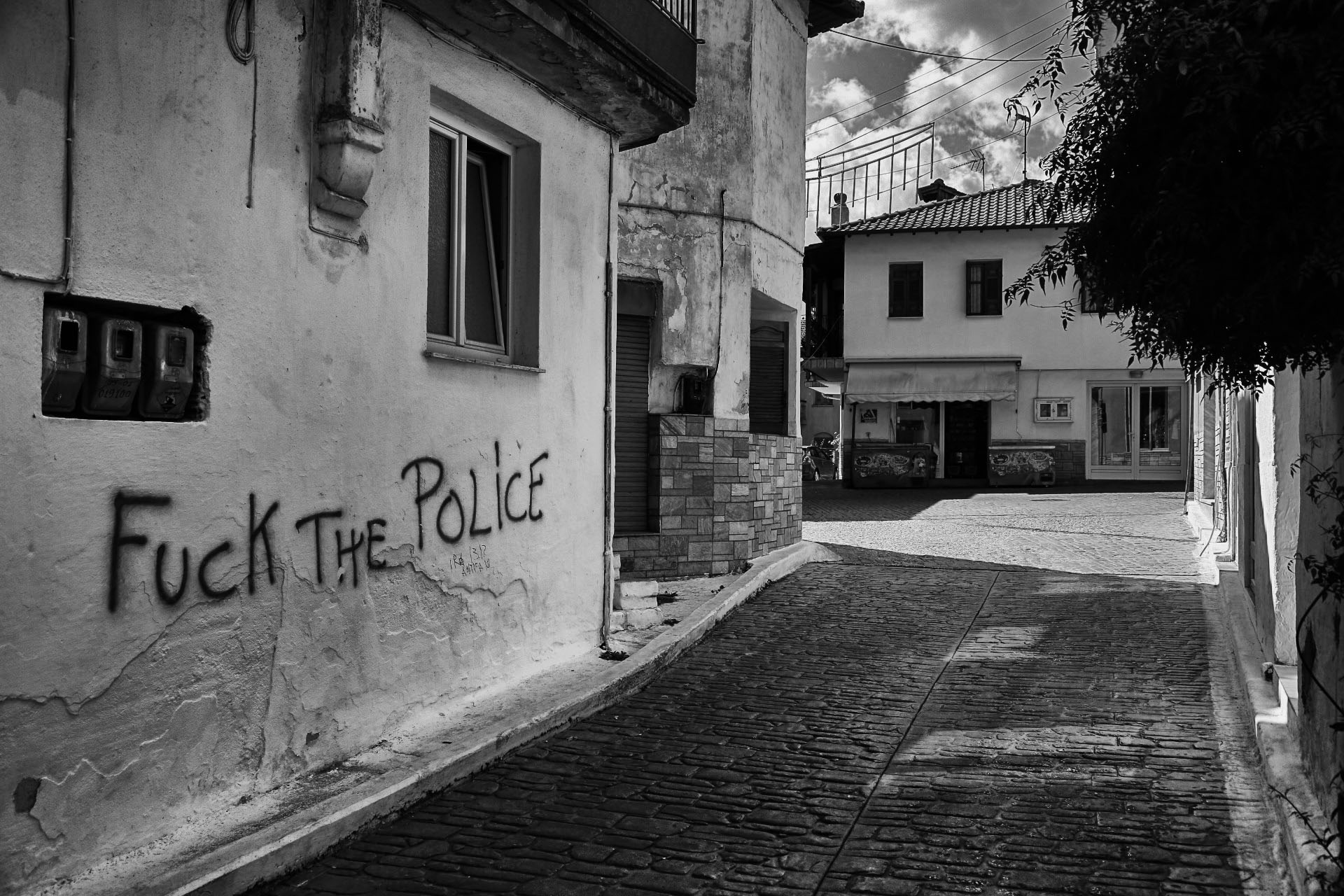
With the arrival of the left-wing Syriza party to power in 2015, the project was temporarily halted, citing environmental reasons. However, after years of litigation in the Council of State (the Greek Supreme Court) and the subsequent return of conservative governments, the mining company won the legal battles, completely securing the viability of the Skouries project and reducing current protests to purely institutional acts or minor peaceful resistance. Although the mass resistance movement was suppressed through legal and police means, local and international environmental groups continue to monitor the area due to the irreversible ecological impact of the deforestation of part of the Skouries forest. The damage inflicted by the police during the repression of the protests in Skouries (especially between 2012 and 2015) was not only physical, but also psychological, medical, and institutional. The violence perpetrated in towns like Ierissos left deep scars on the civilian population.
The battle to save the forests in Skouries
Police activity between 2012 and 2015 was brutal. Medical damage and direct physical injuries were reported, including projectile wounds: the close-range use of rubber bullets and tear gas canisters fired directly at the body resulted in bone fractures, severe contusions, and open wounds for dozens of protesters.
Beating injuries: Several residents (including elderly people) reported being pinned to the ground, kicked, and beaten with batons by riot police, leaving them with long-lasting physical consequences.
Mass chemical poisonings (tear gas)
Attacks on school zones: In March 2013, police fired tear gas and chemicals into the village of Ierissos. The gas penetrated the courtyard and classrooms of the local high school, causing severe respiratory problems for students during class.
Hospitalization of minors:
Several students required emergency first aid. The most serious and widely reported case was that of an 11-month-old baby who ended up hospitalized for days with symptoms of poisoning and asphyxiation due to the density of the chemical smoke.
Raids and nighttime assaults
Destruction of homes: During police raids to search for suspected sabotage perpetrators, officers broke down the doors of numerous private homes in the middle of the night without prior notice or clear court orders.
Violent arrests:
Local residents were arrested in the early hours of the morning in their beds, sometimes at gunpoint, and dragged half-naked in front of their young children, causing severe psychological trauma to the families.
Moral damage:
Criminalization and forced DNA sampling. Illegal DNA extraction: The police detained dozens of suspected residents and forced them, through physical and psychological coercion, to hand over saliva samples and genetic material (under the pretext of comparing it with evidence of sabotage at the mine). This practice was internationally condemned as a flagrant violation of human and civil rights.
Social stigmatization:
Entire families of local workers, beekeepers, and farmers were prosecuted under anti-terrorism laws, severely damaging their reputation, mental health, and economic resources due to the cost of the legal proceedings.
The mining companies operate with the freedom and help of governments, and the citizens of the affected areas began to organize, struggling for their rights. From Corcoesto and Tapia de Casariego in Galicia, Rosia Montana, Kumovgrad in Bulgaria, Bergama, Kaz Dag in Turkey, or Ierissos and Skouries in Greece, all of them are fighting for a clean future free of poison in their water and their land. For them is a heritage achieved through the efforts of several generations that will enrich a few: "They leave us shit and take the gold" is the most heard expression.


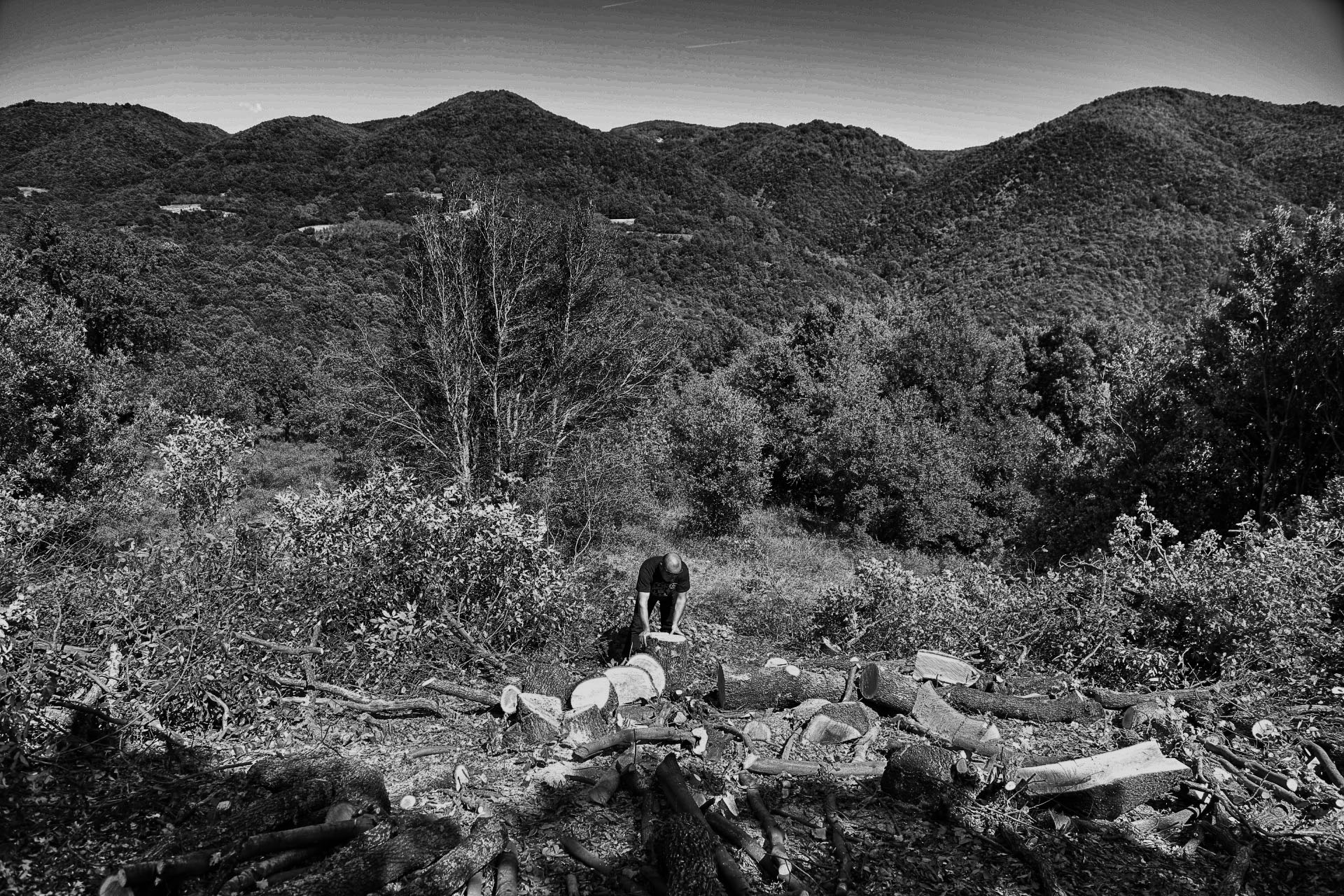
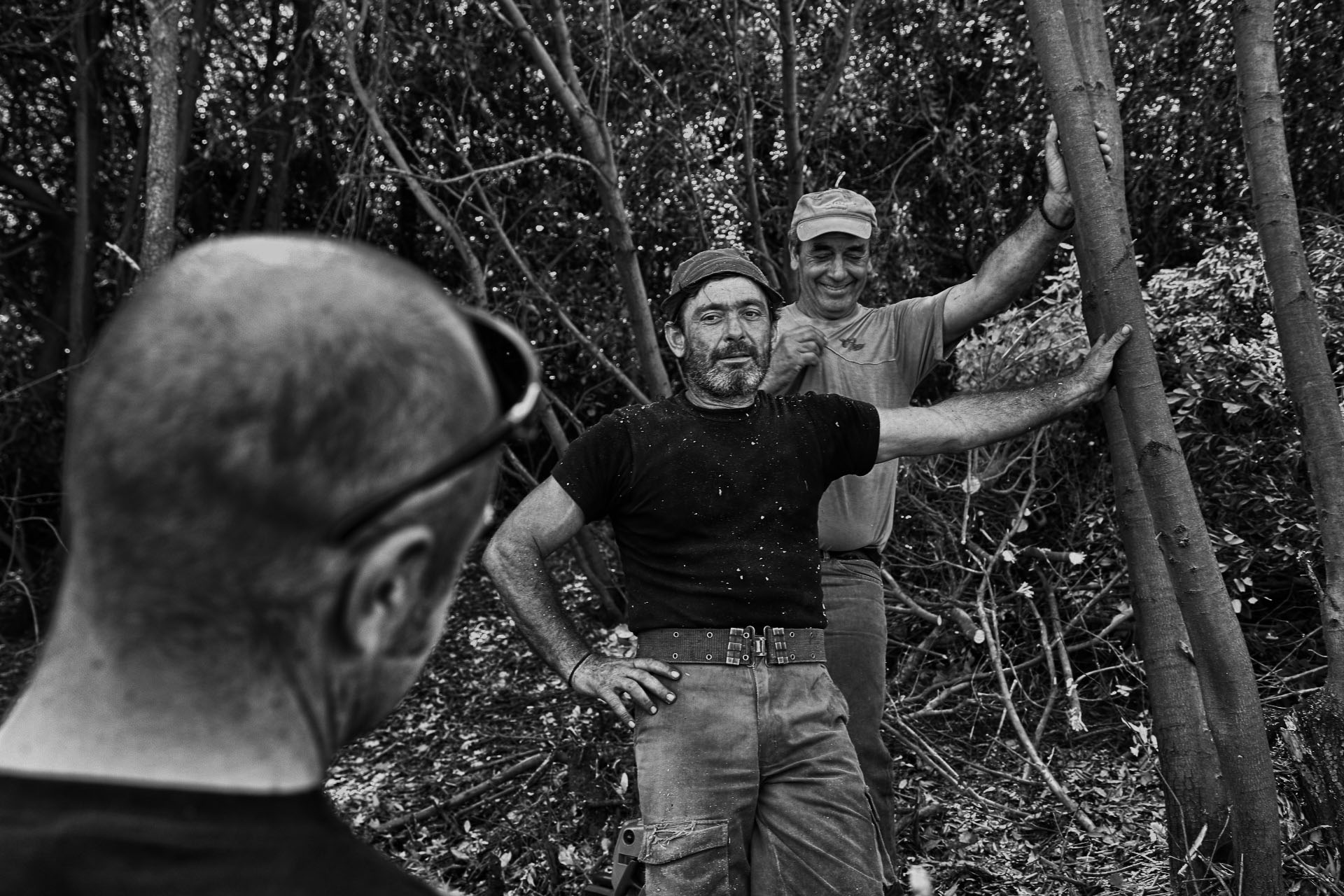
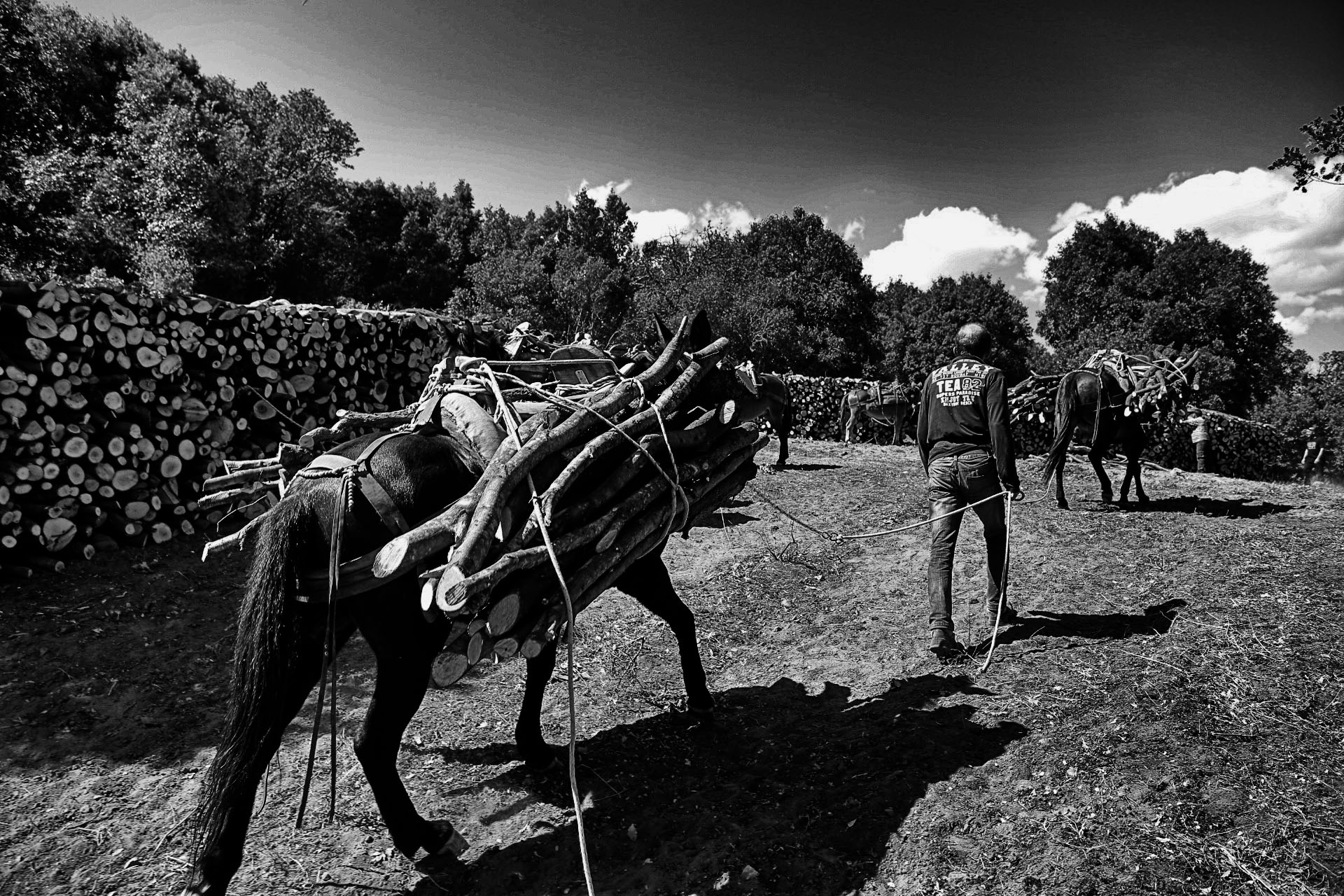
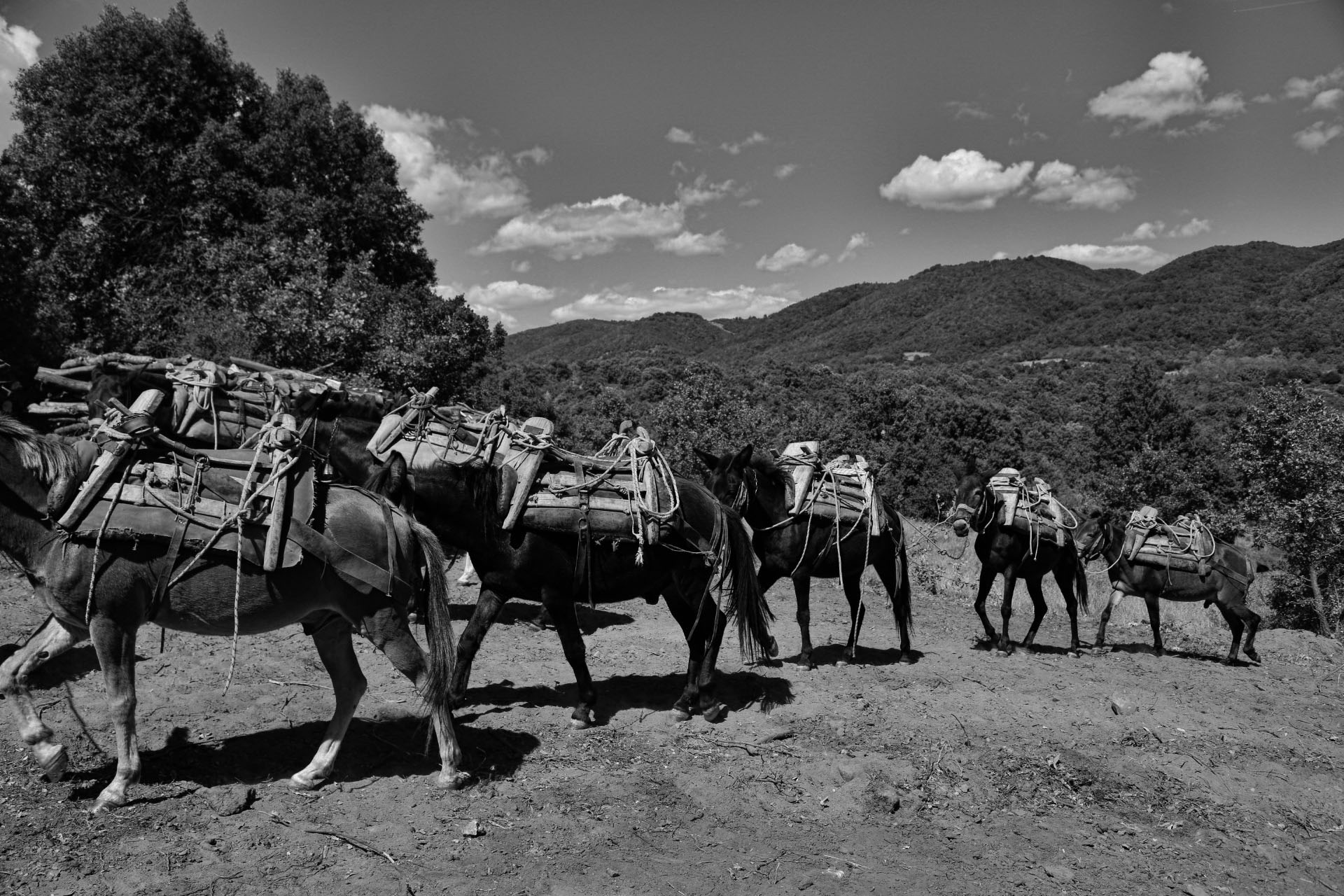

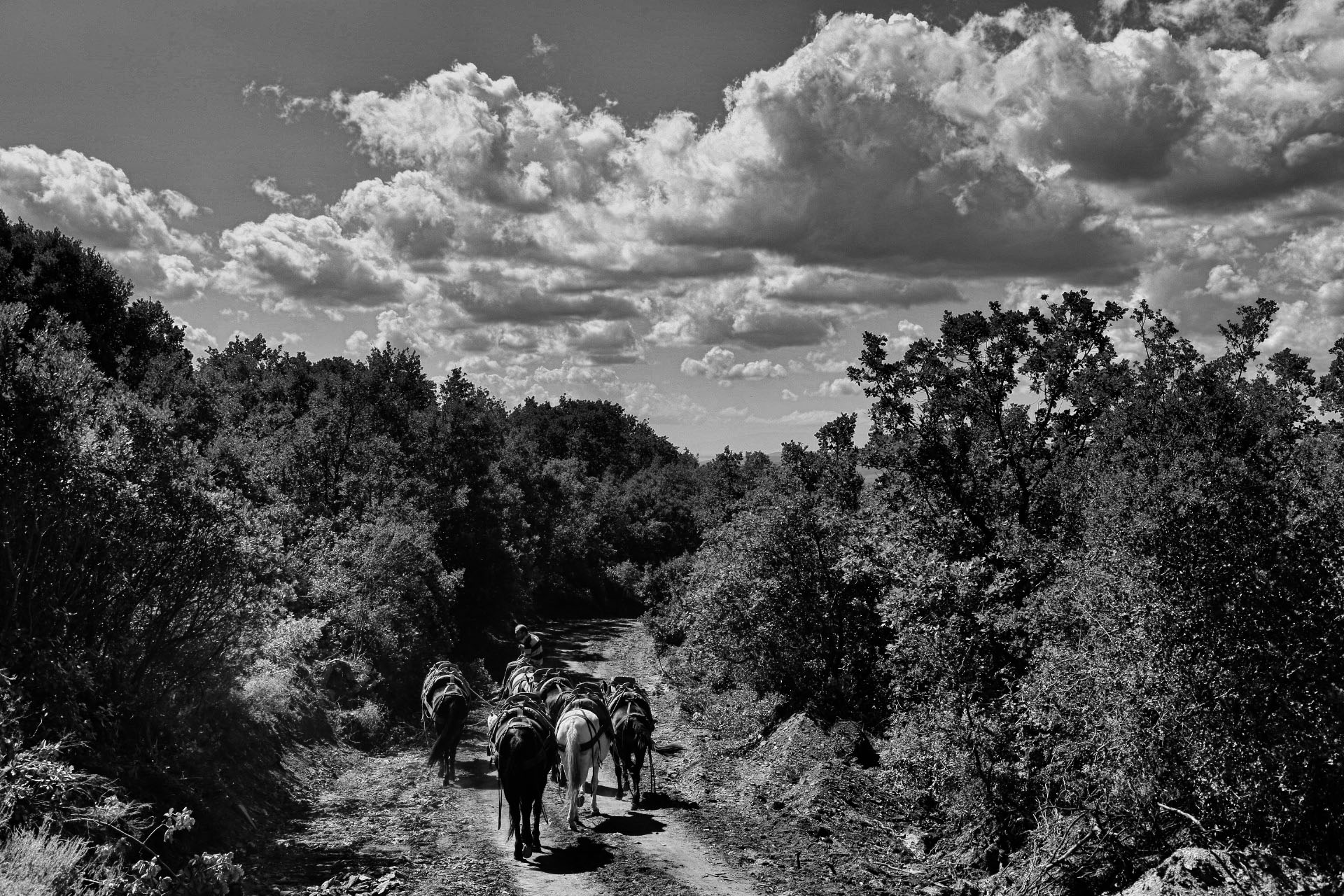

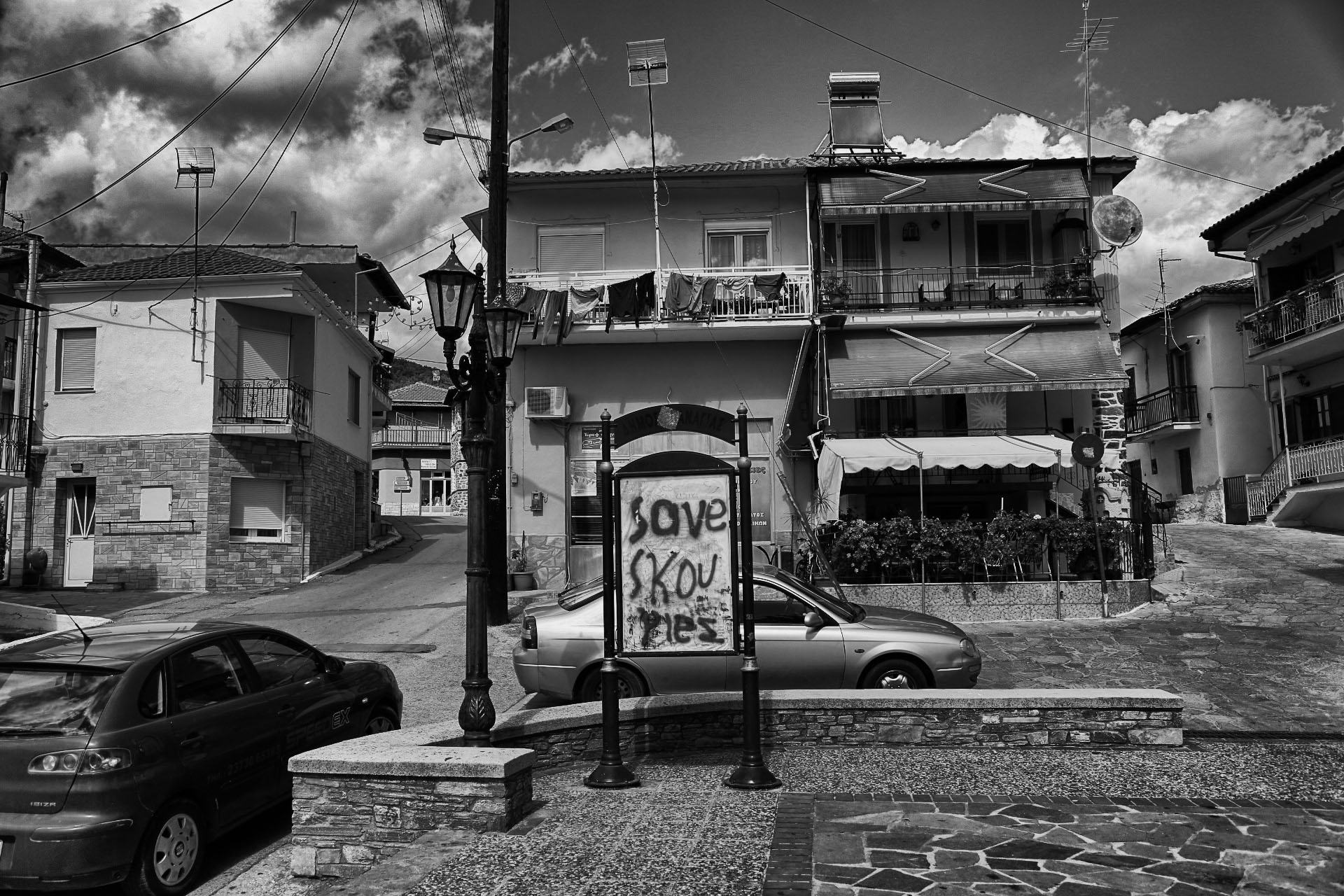
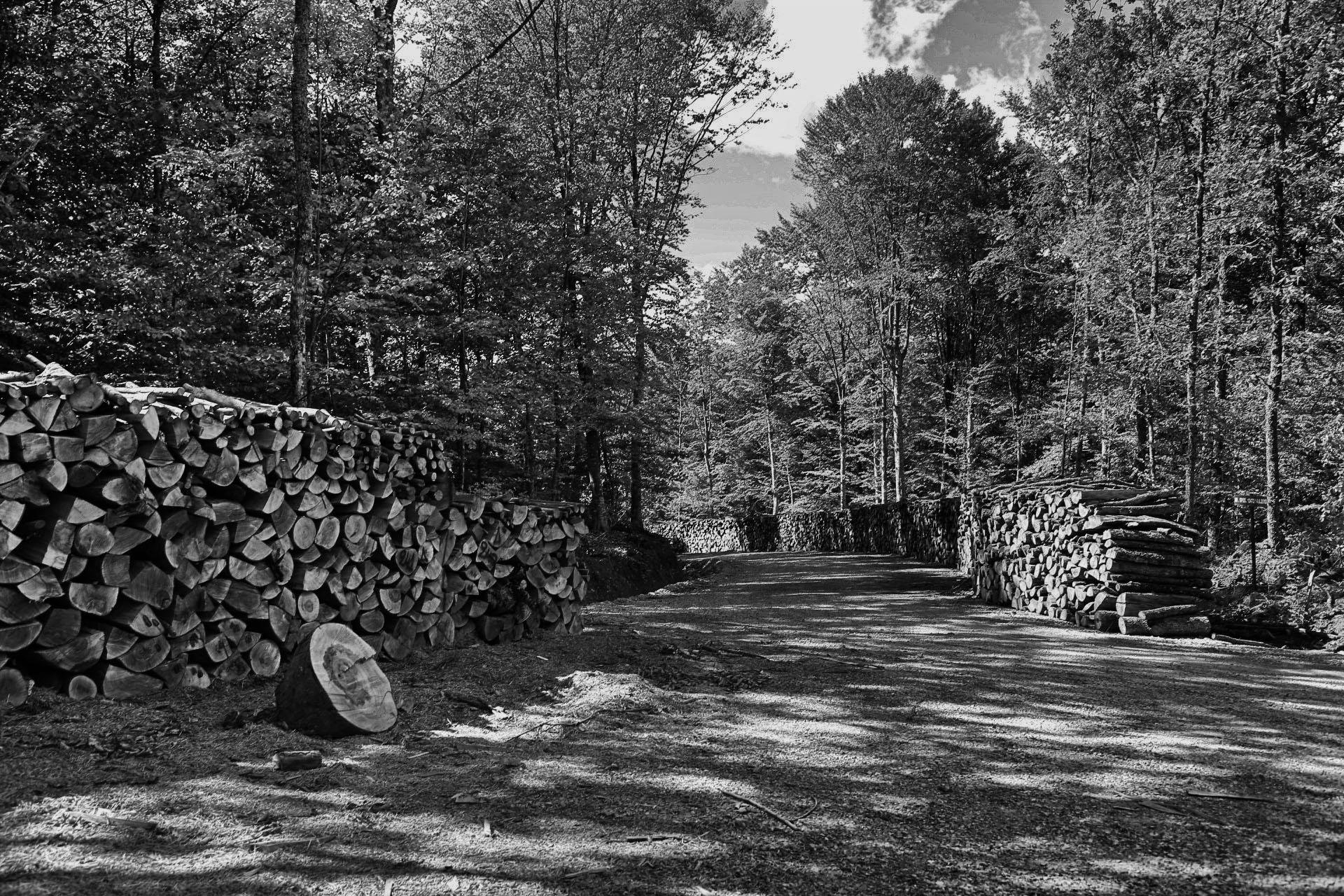
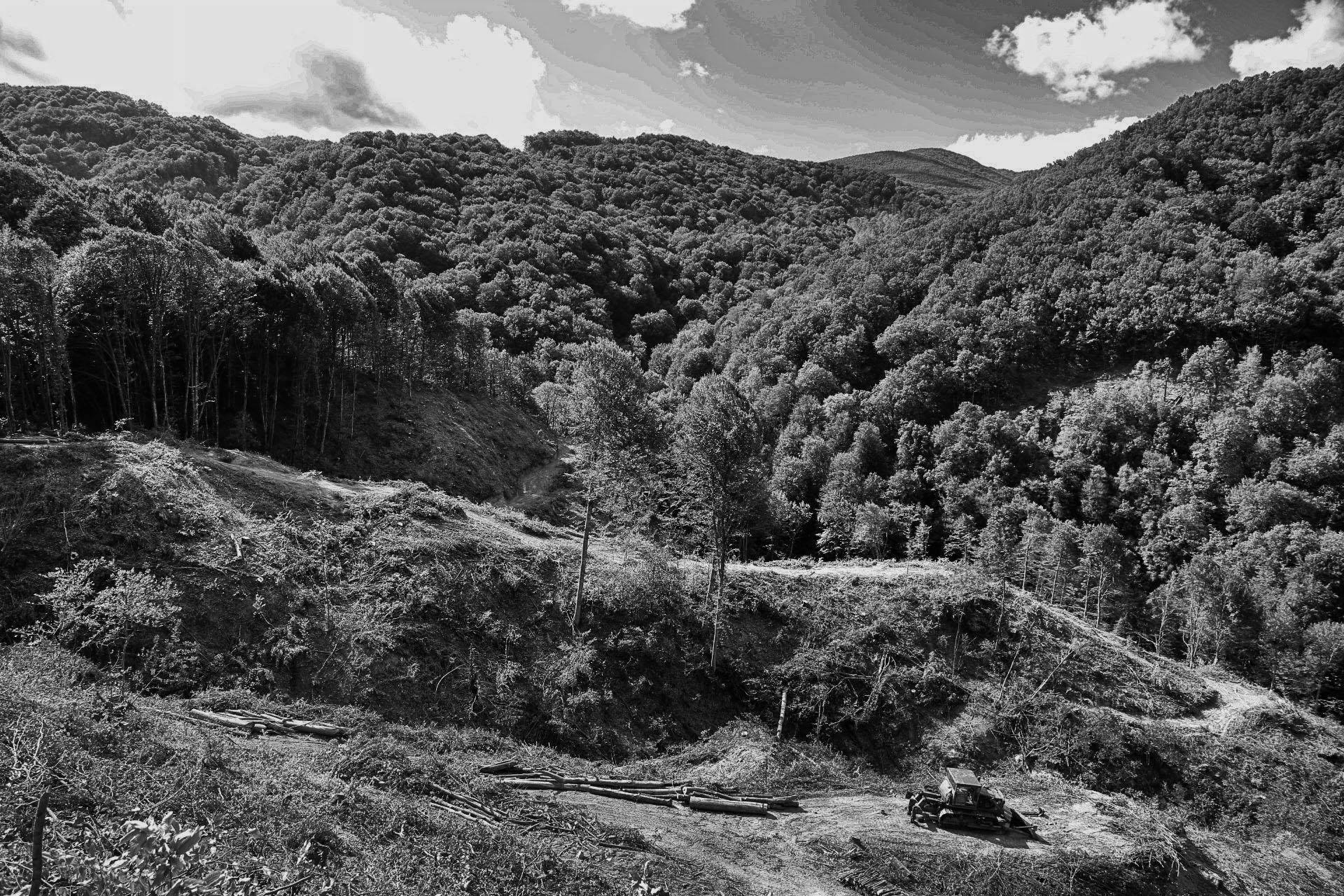
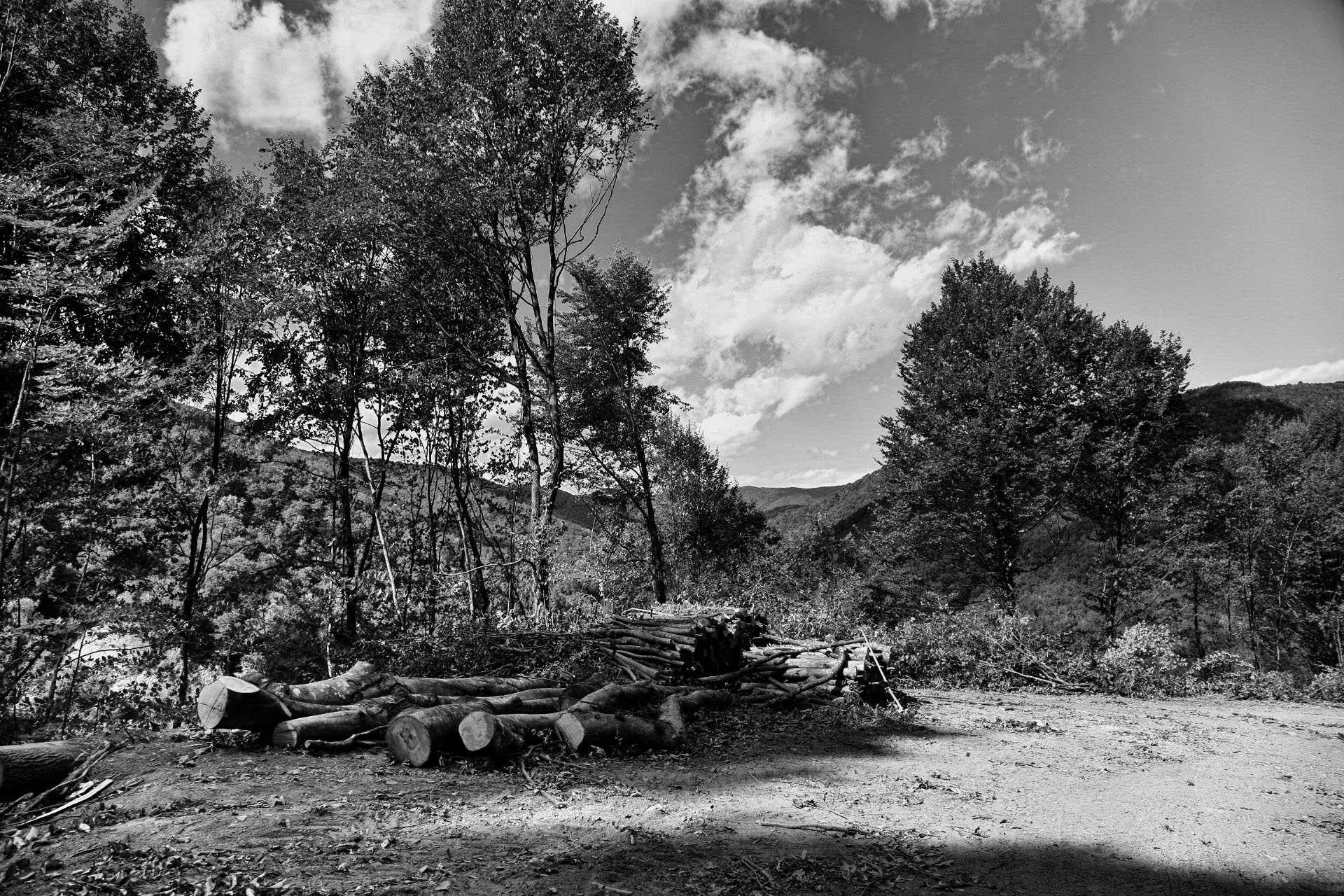
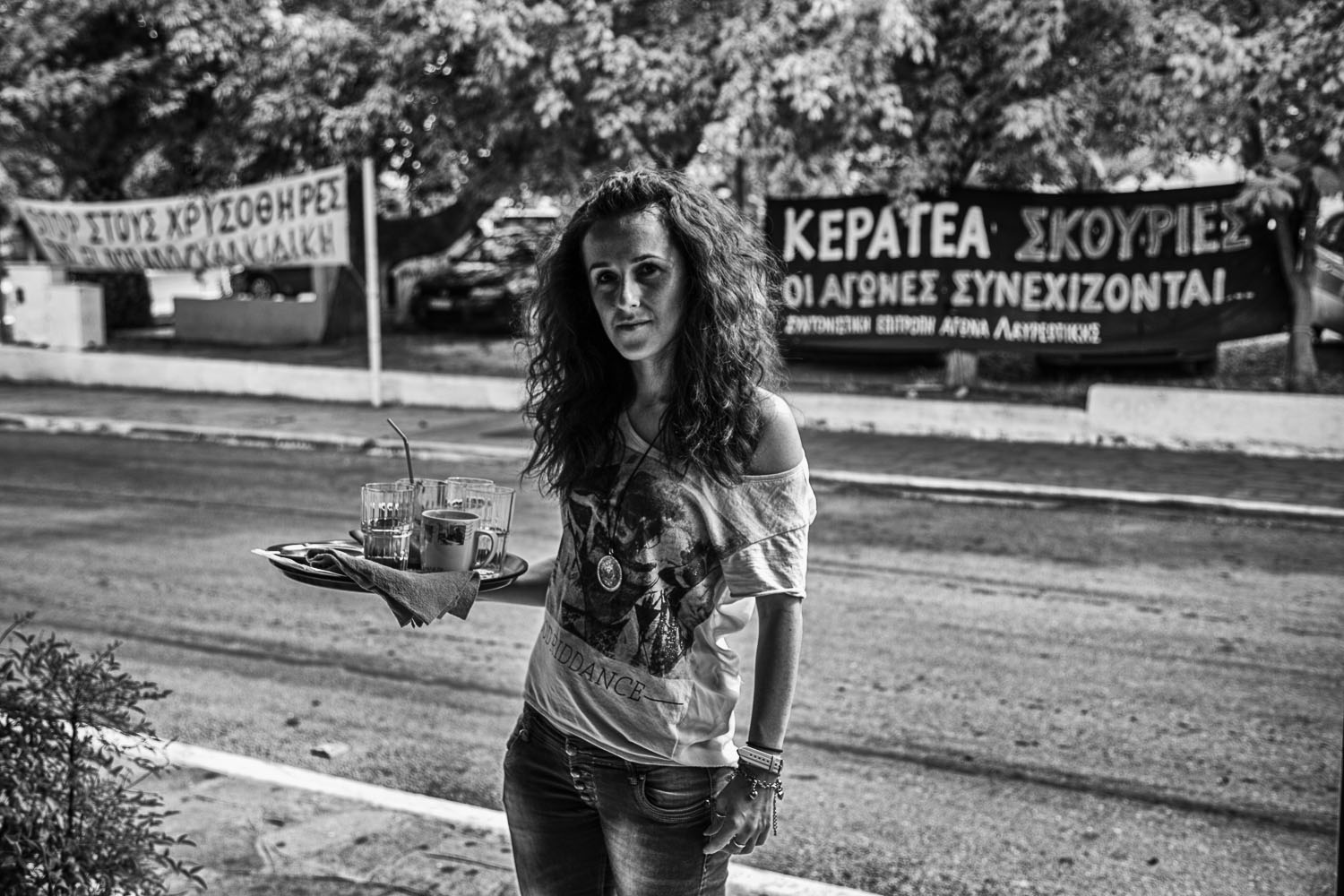

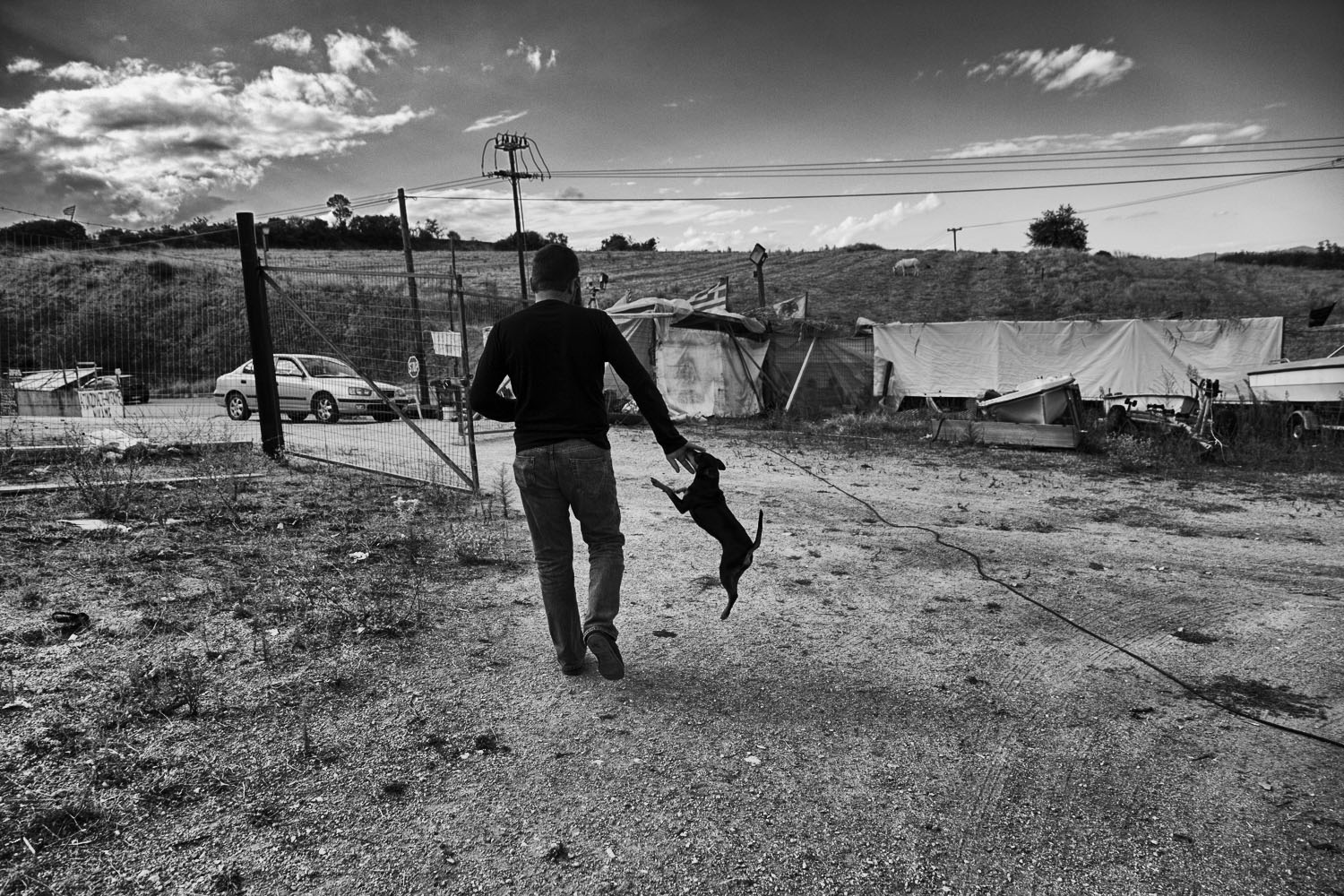
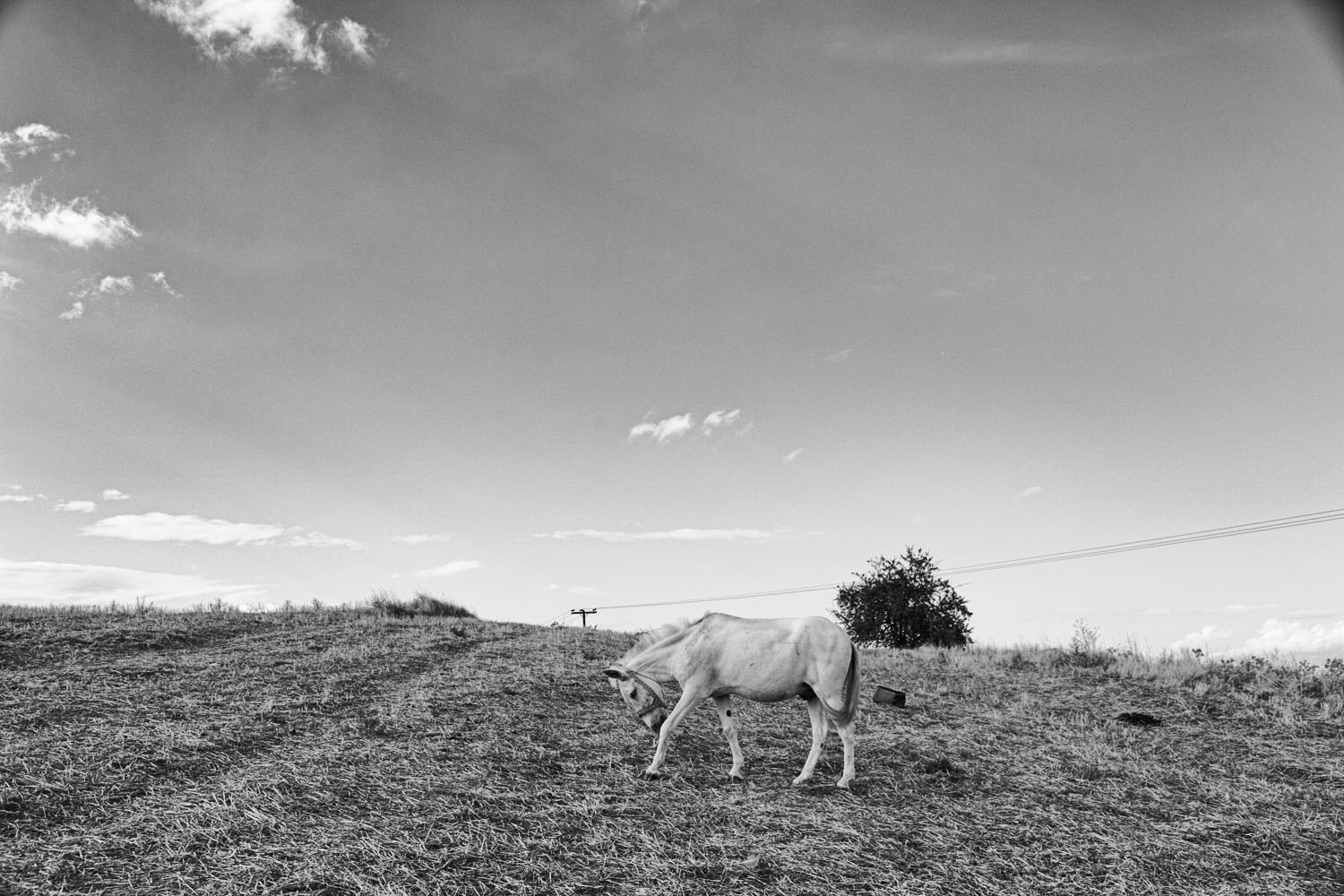
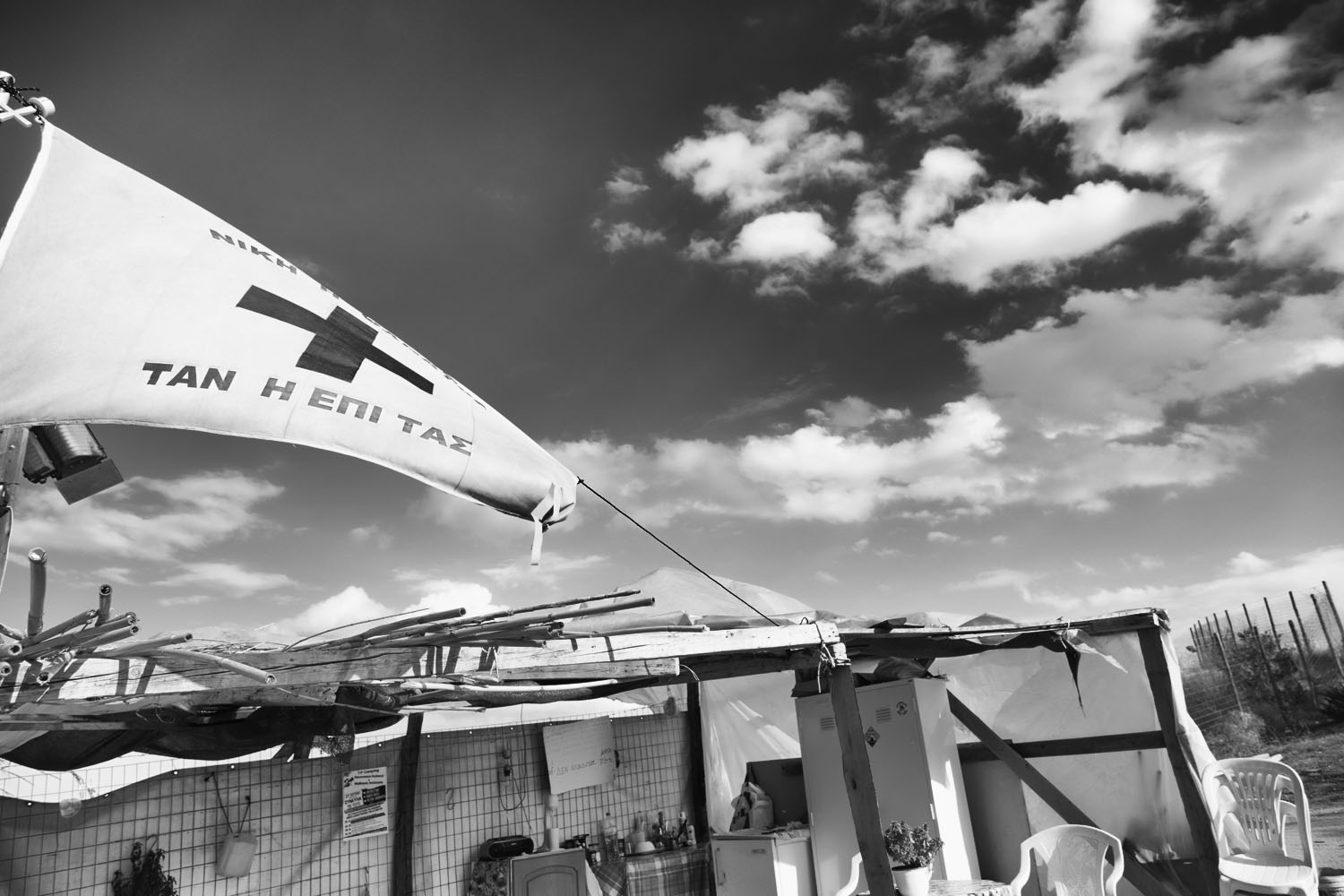
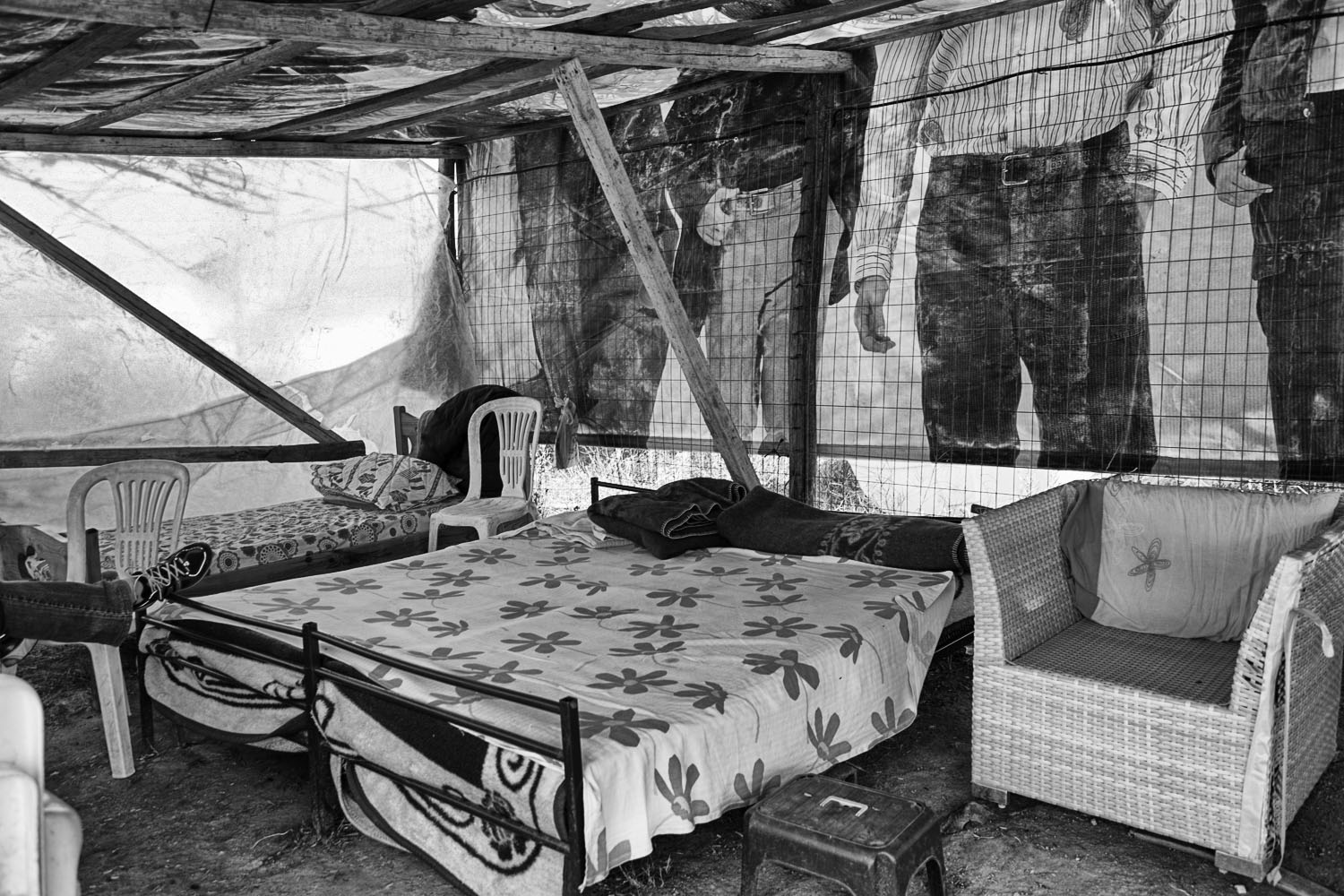

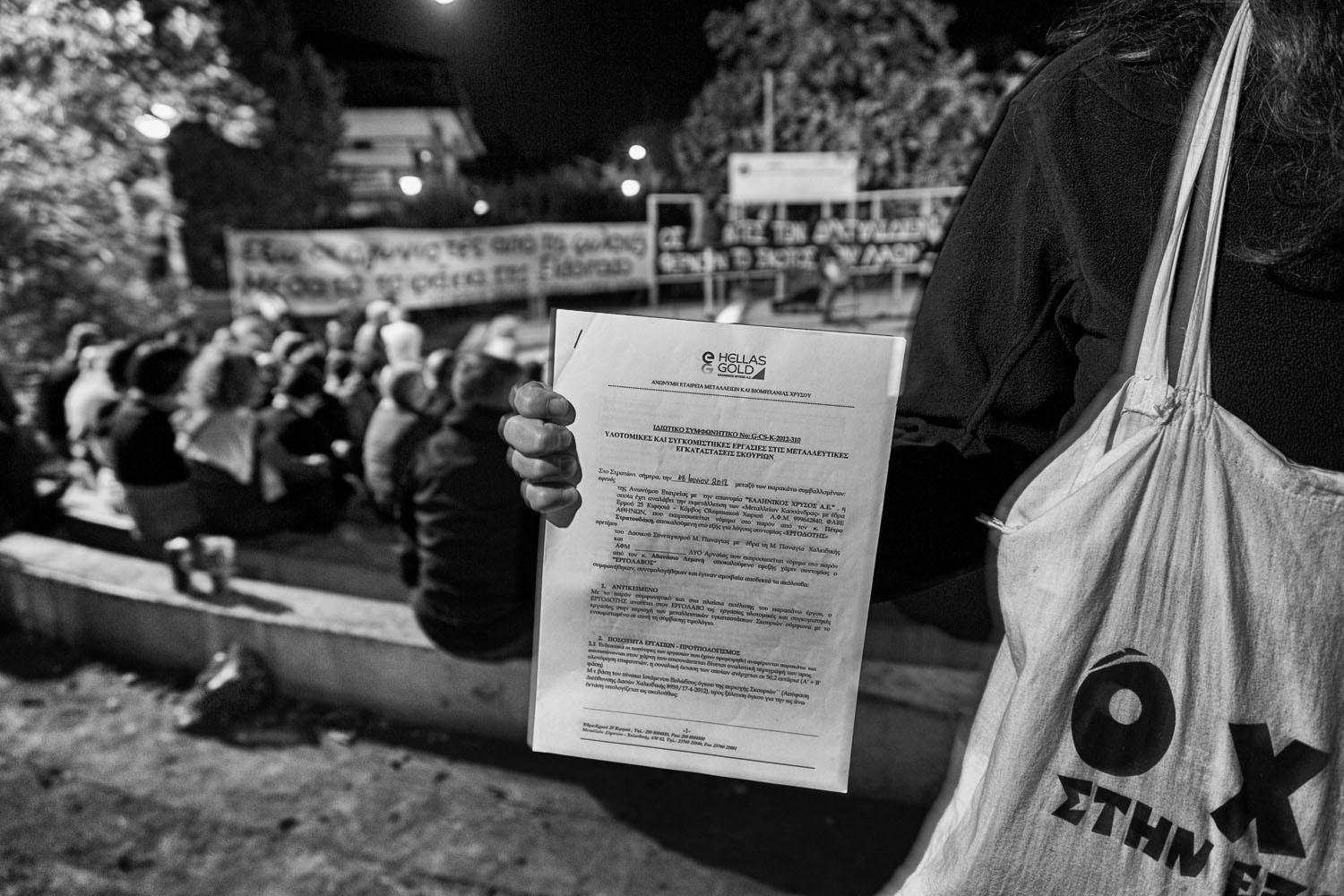
On the other hand, a minority of people believe and think that gold mines are good for their lives. Are those working in the mines, often pawns, very low-wage or low-paid? The governments of these countries take advantage of the low morale of the people due to lack of employment by the prevailing crisis and abduct citizens, telling the story of creating many job offers, but in most cases, they end up being for foreigners and hand labor. In any case, regional or national authorities never harshly ask the affected and impose their interests. It seems to be clear that what it is is "bread for today but hunger for tomorrow."
Of all the places affected by the gold mines, May Rosia Montana in Romania and Skouries and Ierissos in Greece are those that until now have suffered harassment and detention in police repression, DNA tests by force, and arrests that have taken too many residents simply protesting for their rights to protect what is theirs. In the name of gold is the irony with which rich countries have been killing and destroying from the earliest times of humanity. The next generations will blame us for the disaster, and they will spend more money cleaning the mess, but for sure it never will be; the toxins are forever.
This project had been developed in Greece, Asturias, Galicia, and Romania.
At the moment, Canadian mining companies push governments to change the law or rules to buy old Roman mines, already with tons of gold. These powerful lobbies moving billions of dollars look for gold in any place in the world at any price.
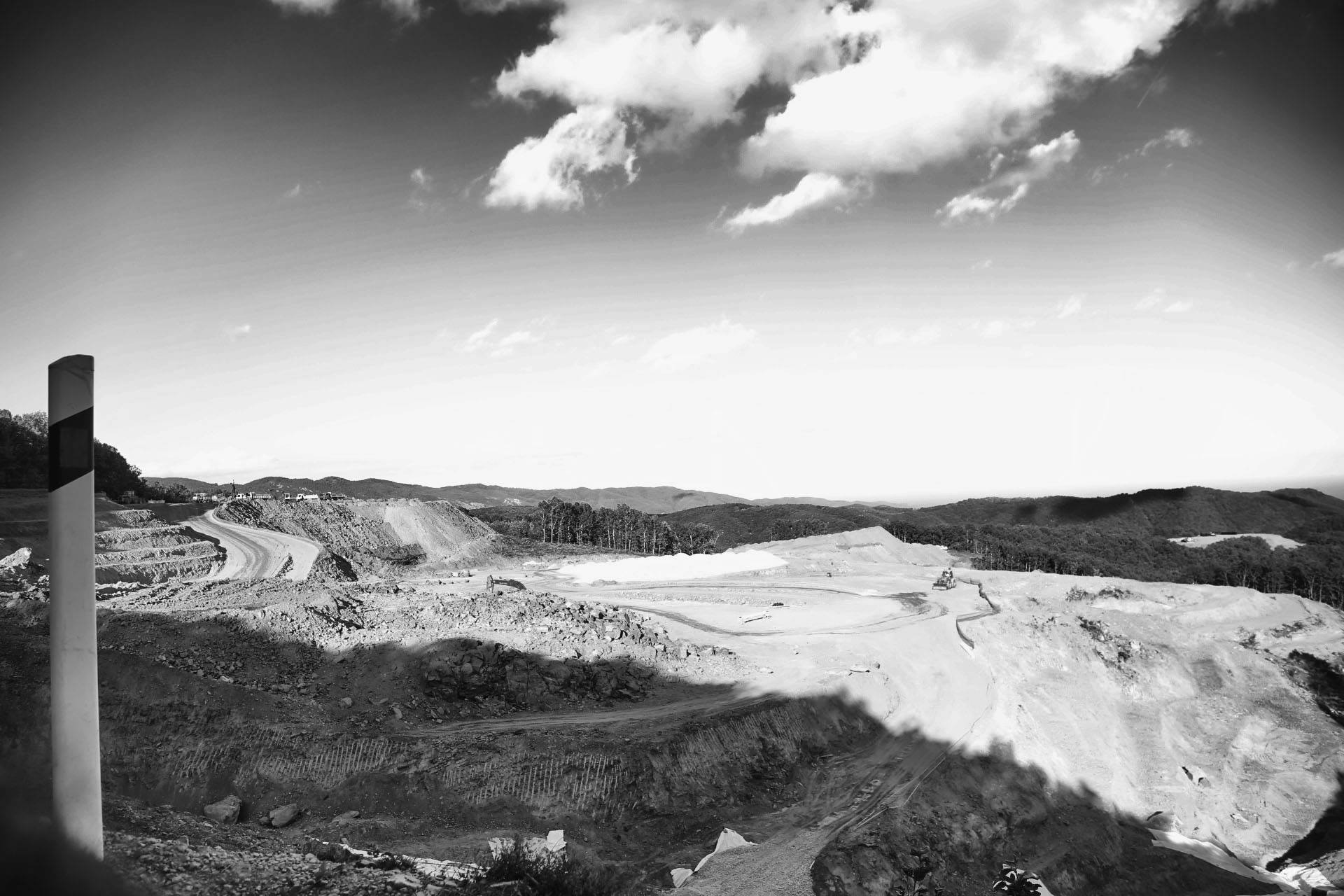
Open-pit mining is an industry that causes immense environmental, visual, human, and cultural impacts; it is based on the exploitation of non-renewable resources found under the surface crust of the earth. Its degree of impact will depend directly on the type of mineral that is intended to be extracted.
There are various techniques to execute the mining activity. One of them, and the one we are going to deal with, is the application of chemicals for the leaching of the land through the use of cyanide, mercury, and sulfuric acid. These substances are highly toxic and are responsible for dissolving unwanted compounds, with the aim of obtaining the minerals that you want to extract from the earth. It is executed over large areas of terrain, creating large-diameter craters and deepening as the process progresses.
Damages the earth's surface, destroys and changes the shape of the earth's crust, forms large amounts of waste material, and alters the local morphology. It pollutes the air; during this activity, large amounts of fine toxic "dust" are generated, made up of heavy chemicals that are absorbed by animals and humans. Contamination of surface waters: if chemical residues are not properly treated and stored, they can leak into fresh water flows, contaminating them and reducing the life present in them.
Damage to underground aquifers: Contaminated waste is usually washed by rainwater, which seeps into the subsoil, causing contamination of underground water reservoirs. Impacts on flora and fauna: The excavation process eliminates all types of flora existing in the earth's crust. In addition, the animals are scared away by noise, changes in their habitat, and contamination of water sources. Conflicts between communities and mining companies: Surrounding communities are affected, and disputes may arise due to improper use of land, in addition to possible overpopulation due to the new source of work.
Visual changes: After the exploitation is finished, huge craters remain in the area, diminishing the attractiveness of the area and negatively affecting tourism.